







-300x200.jpg)
-300x200.jpg)
-300x200.jpg)

-300x200.jpg)



-300x200.jpg)



-300x200.jpg)



-300x200.jpg)
-300x200.jpg)








-300x200.jpg)








-300x200.jpg)





























-300x200.jpg)













-300x200.jpg)

-300x200.jpg)

Tom G
June 2026
The C2C with Auswalks is a sensational walk! Seamlessly organised along the perfect route.
Wainwright's Coast to Coast in Style – 14 Days
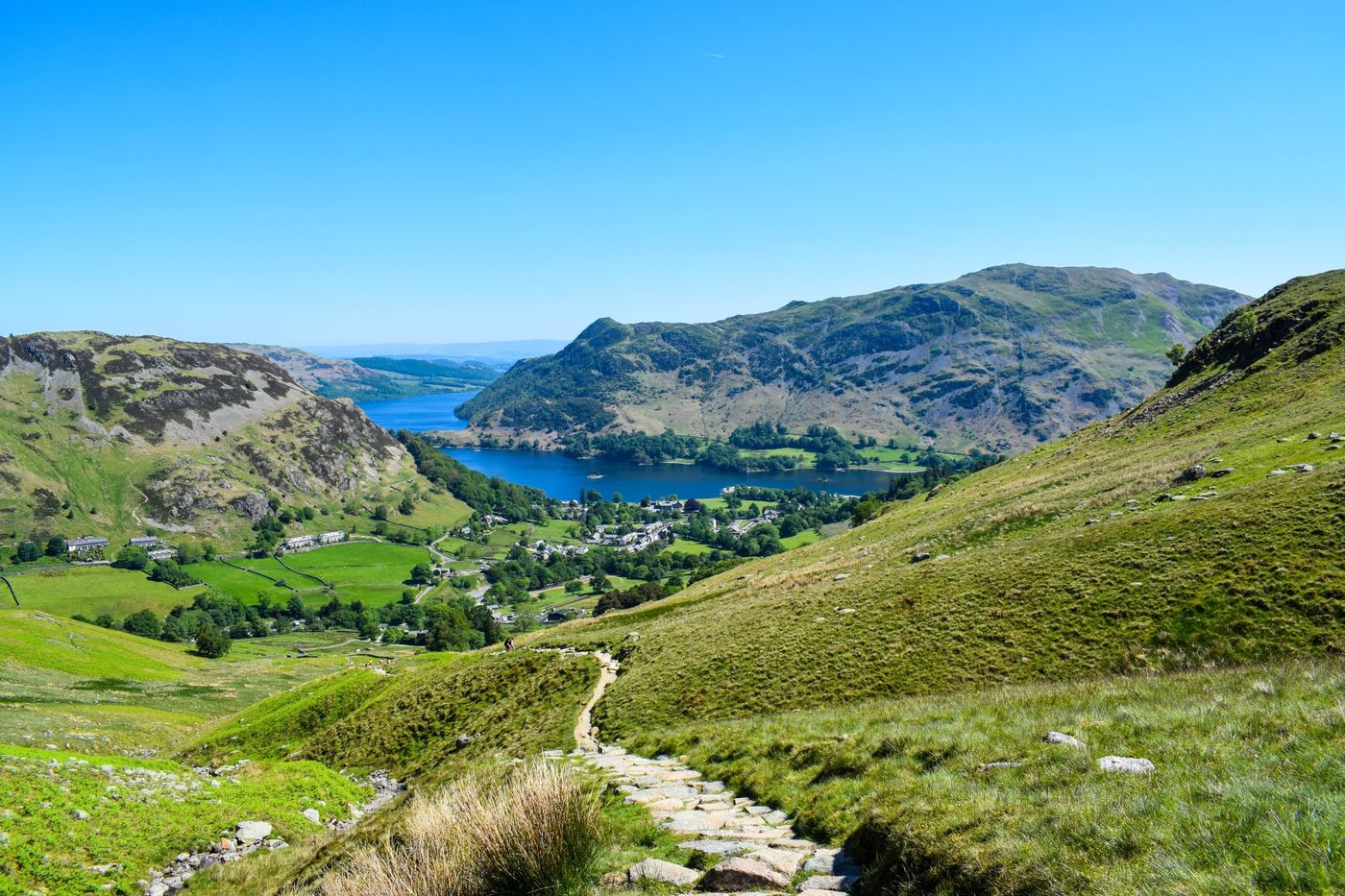
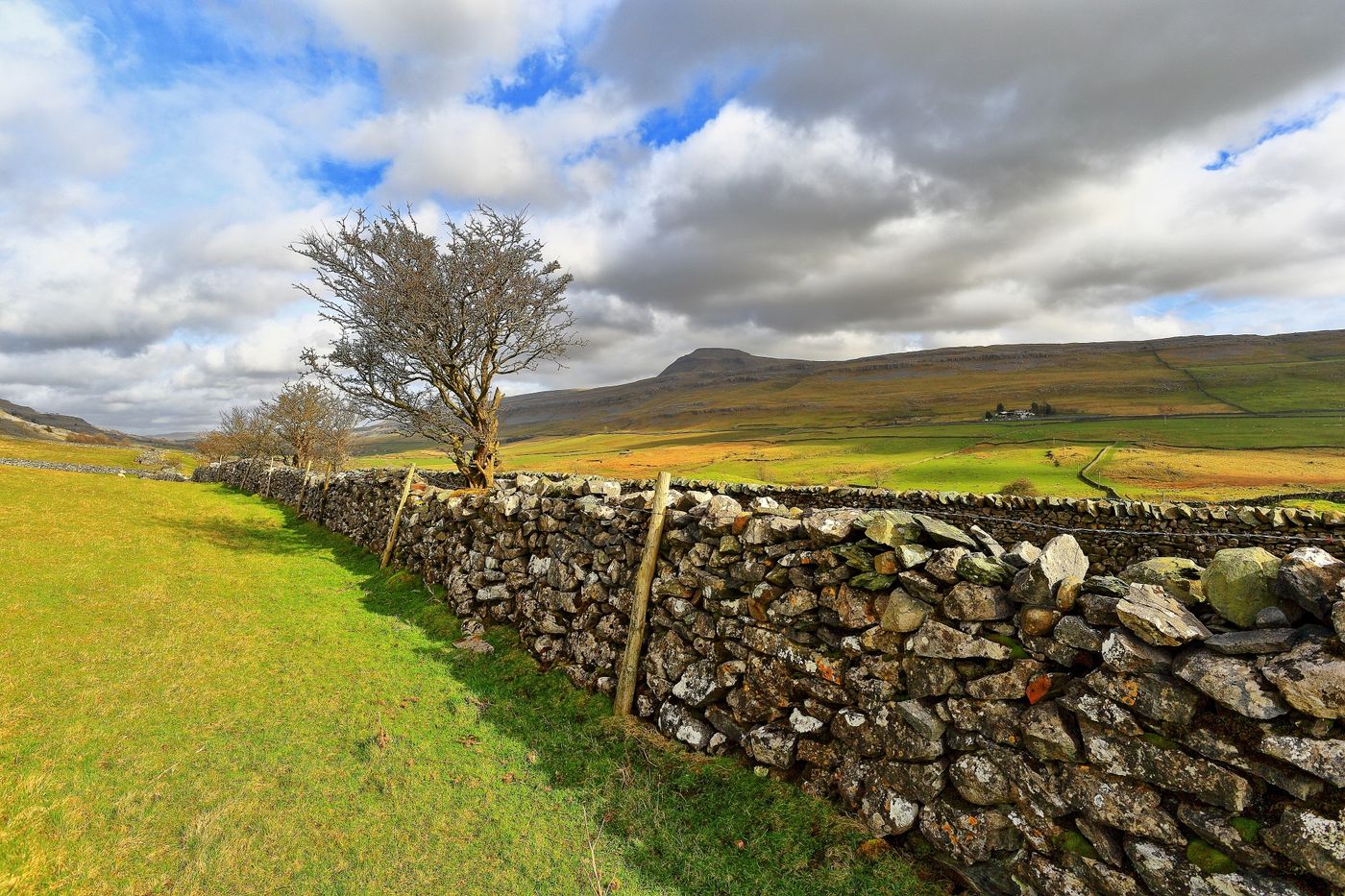
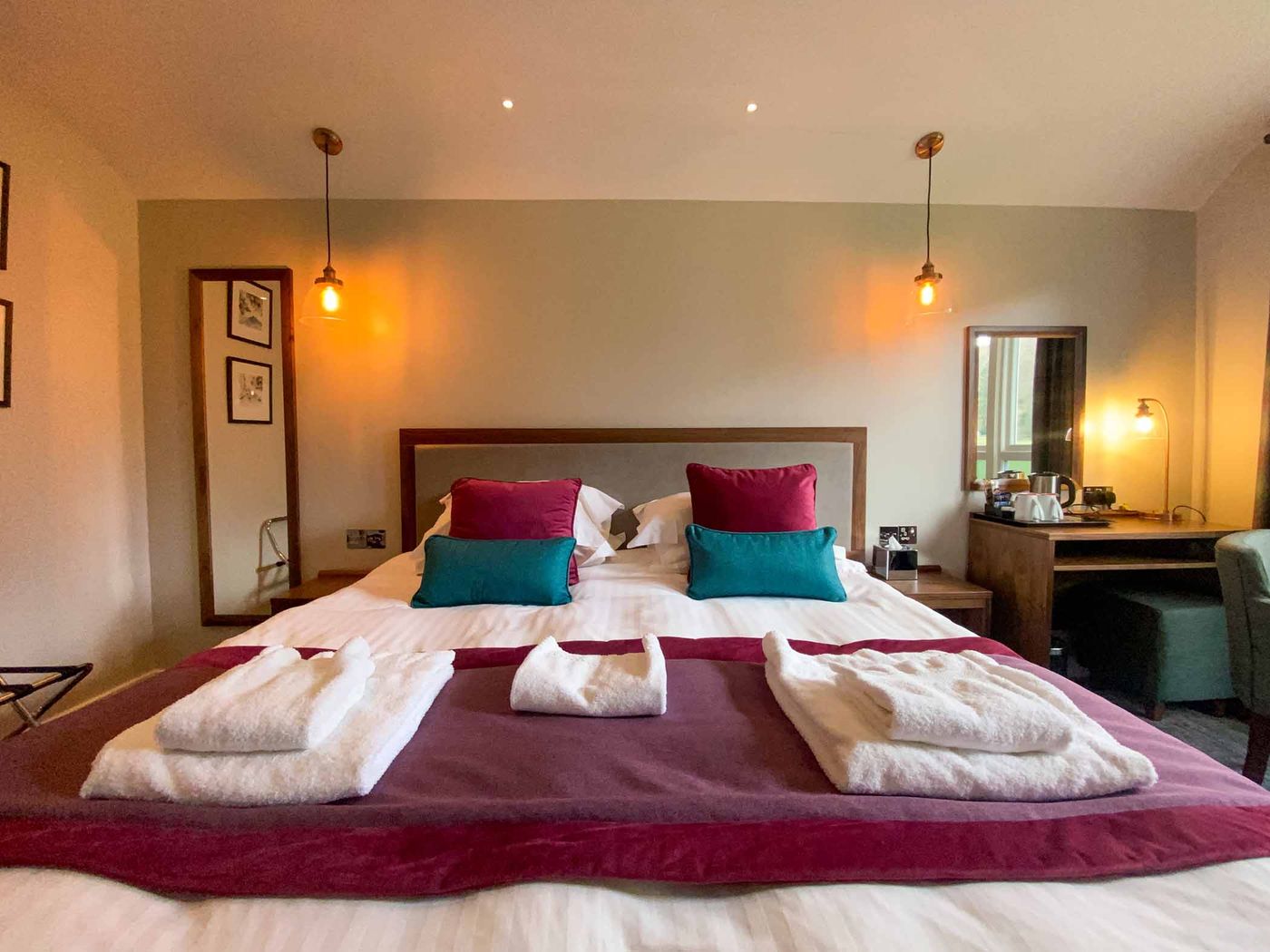
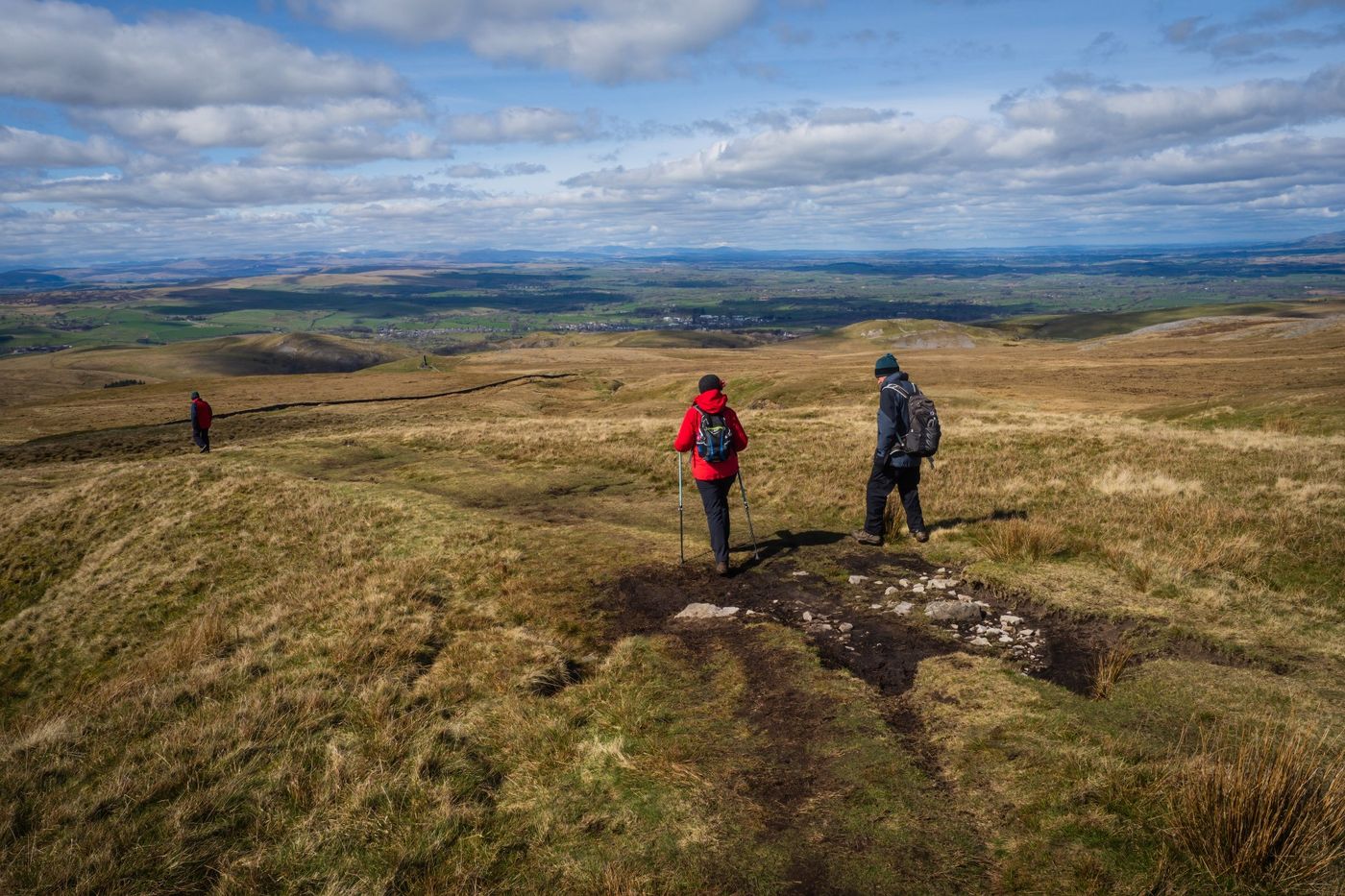
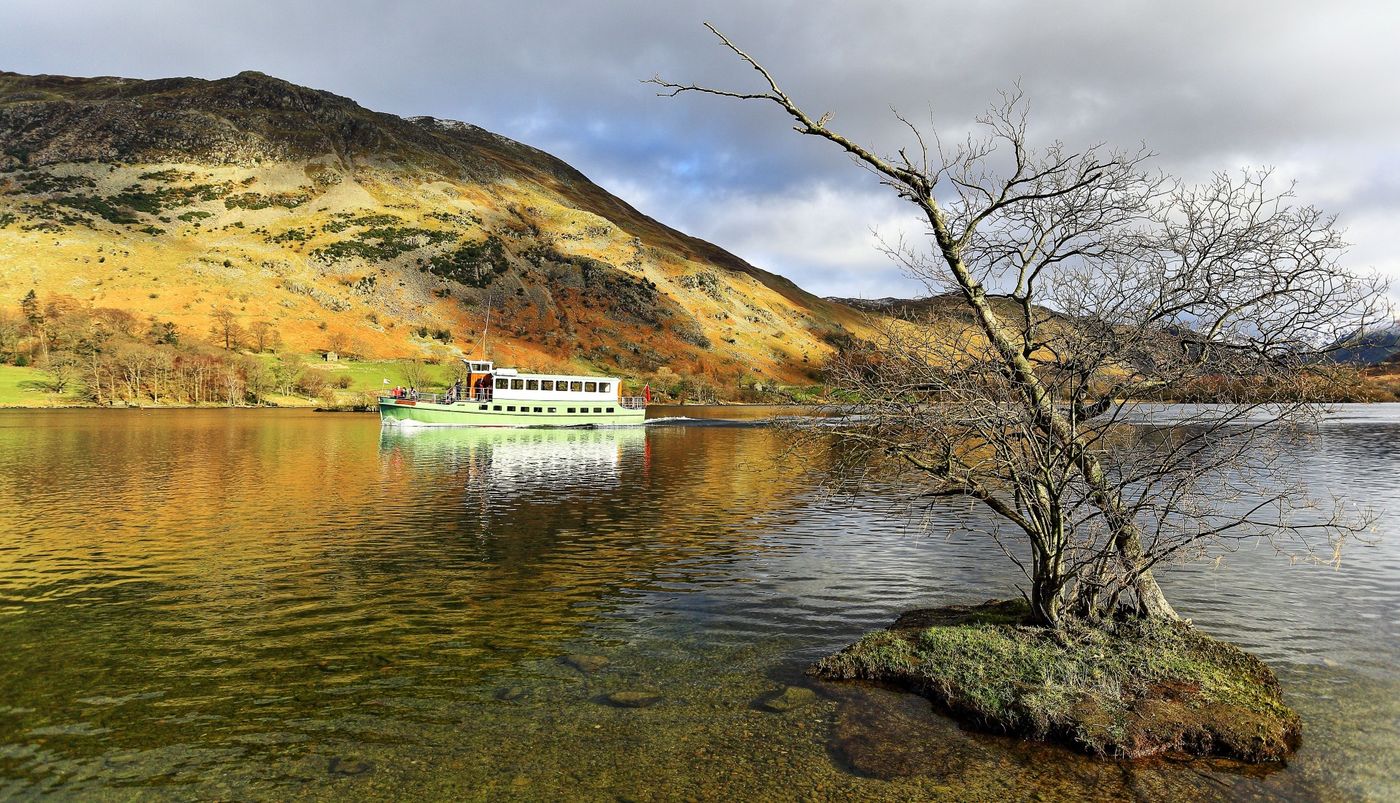
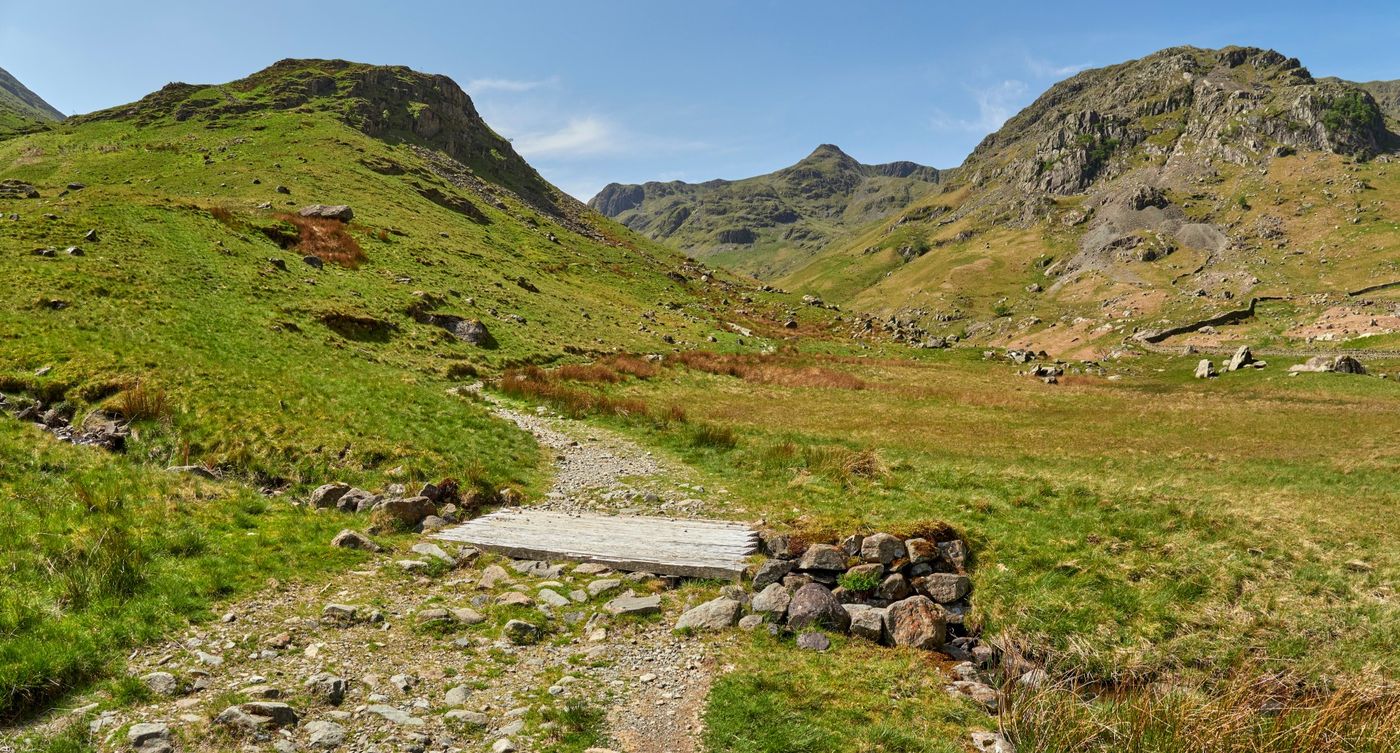

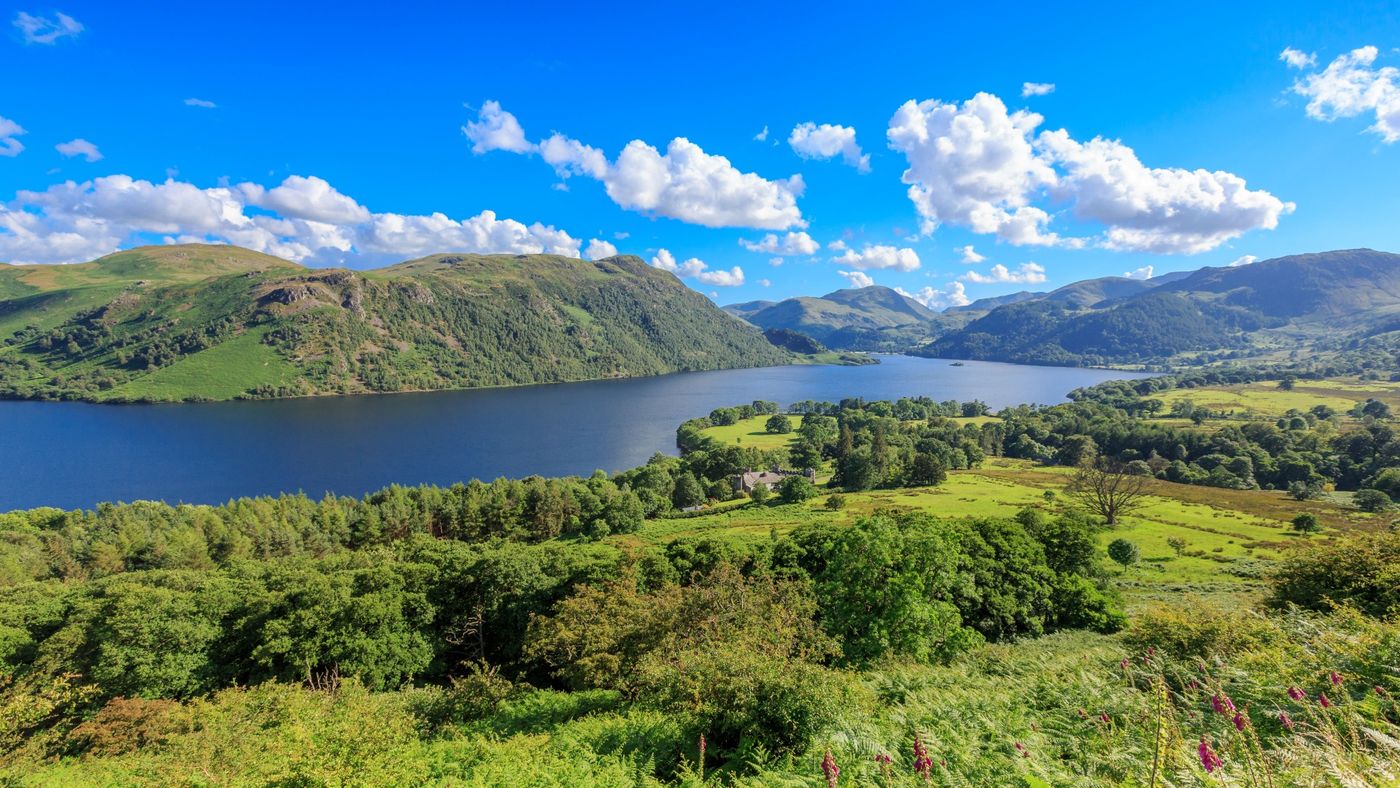
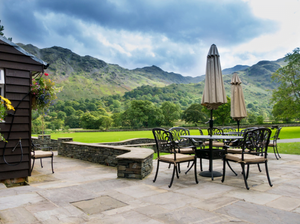

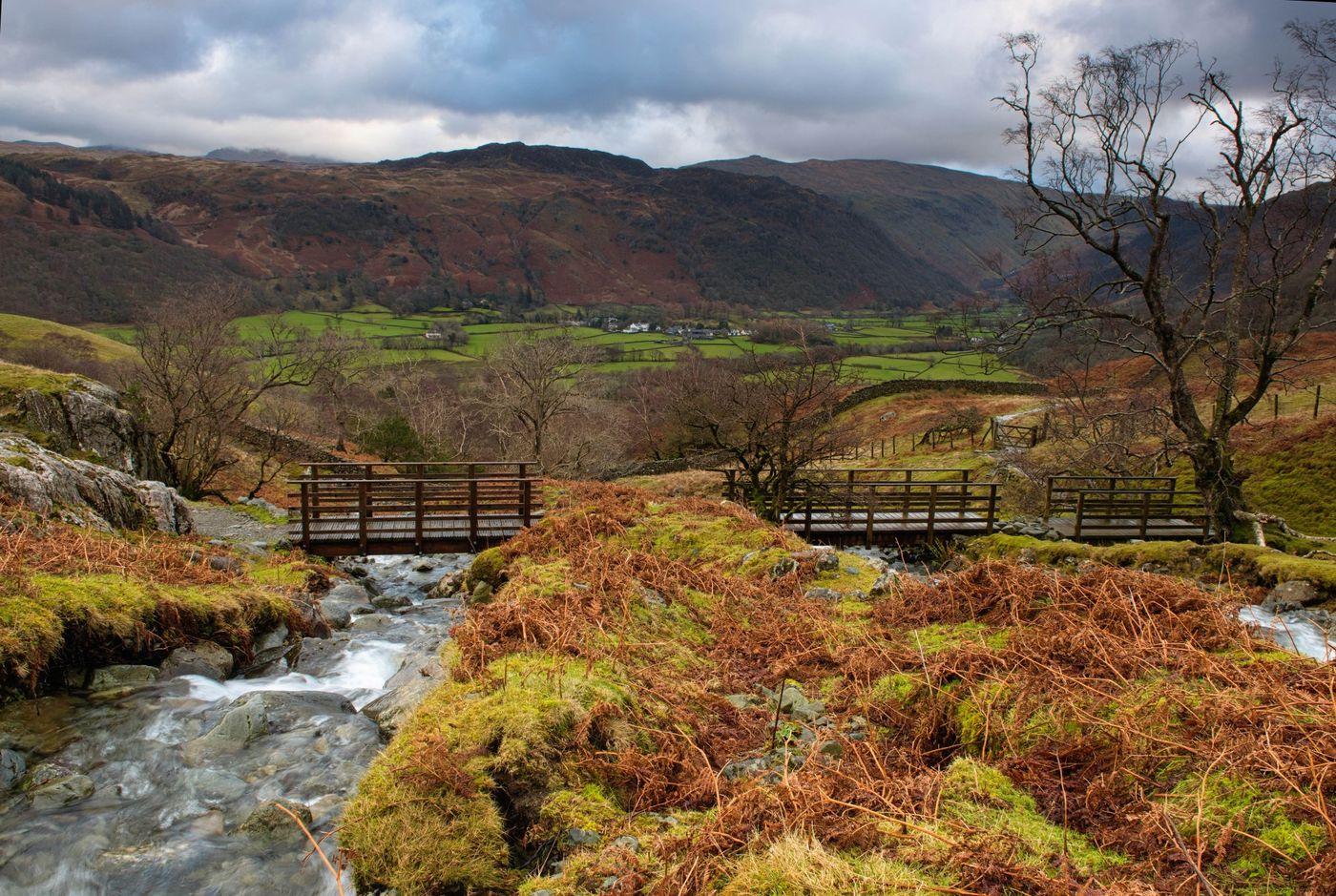
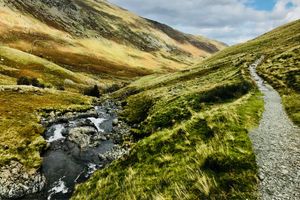
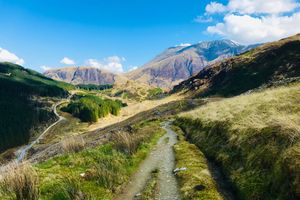
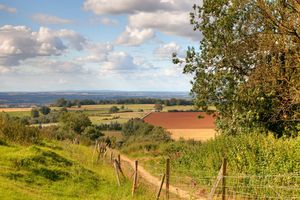
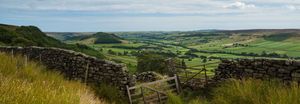
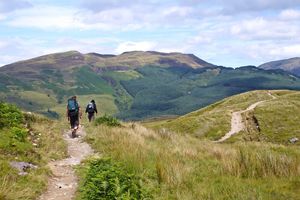
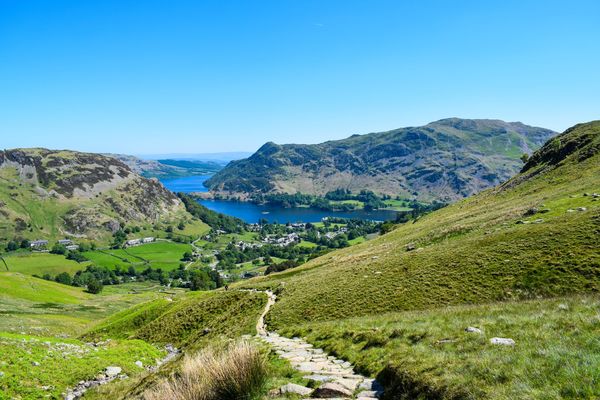
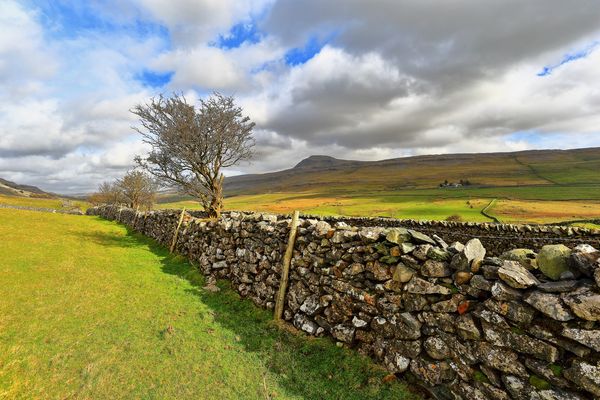
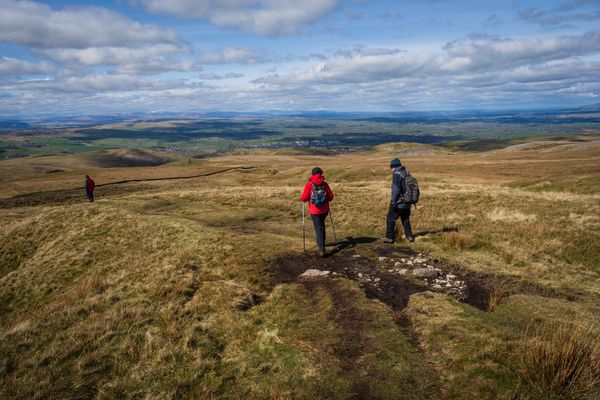
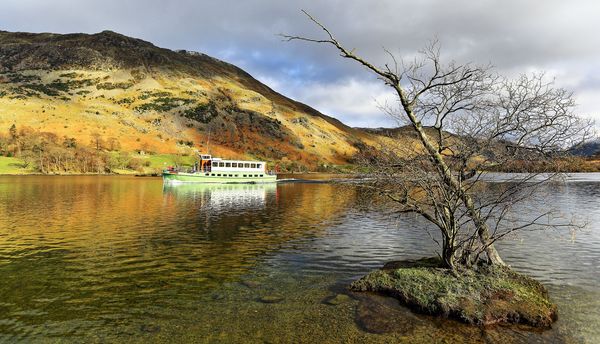
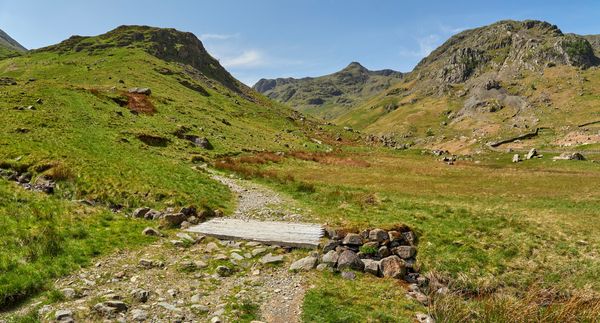
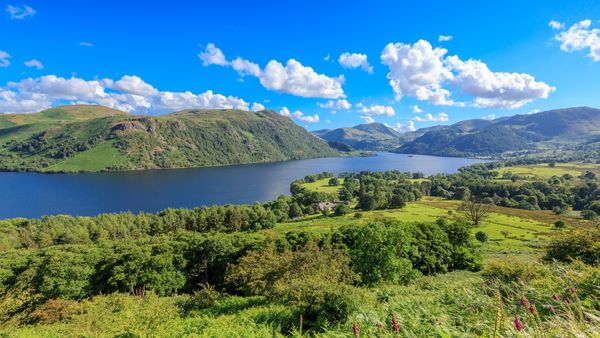
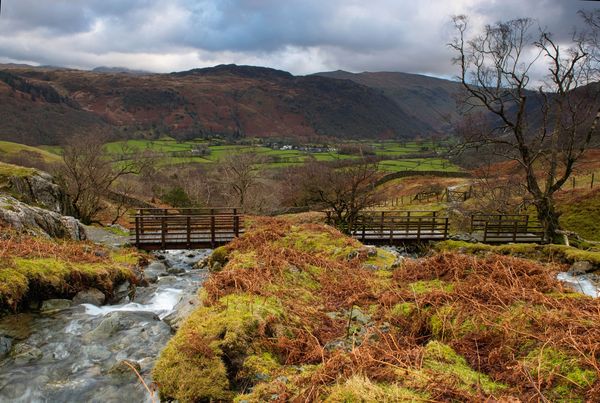
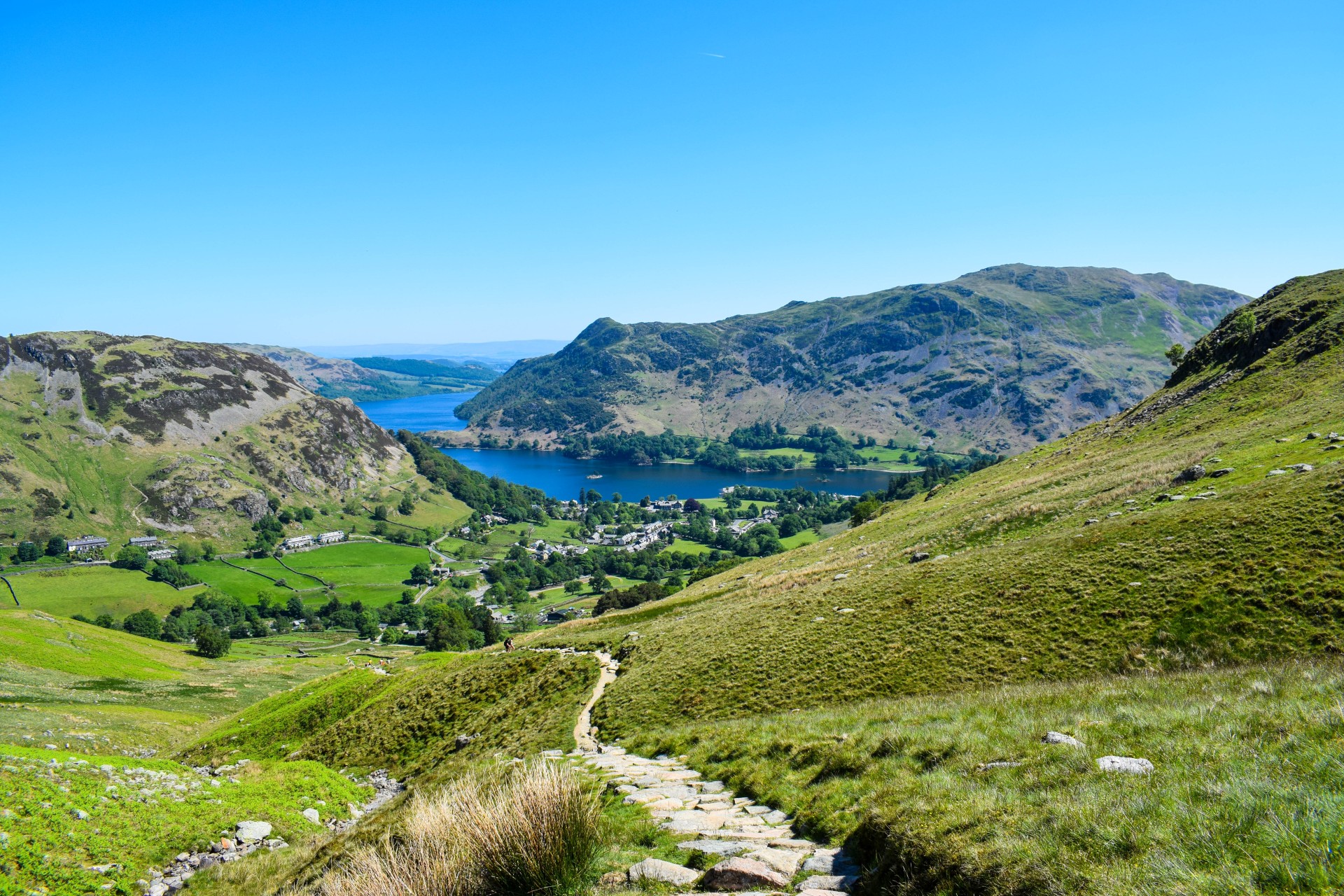
Walk right across England, from the Irish Sea to the North Sea, on this fully guided 14-day Coast to Coast trip, part of our In Style range. You'll cross three of the country's finest landscapes, from the fells and lakes of the Lake District to the wide open dales of Yorkshire and the heather covered moors of the North York Moors, passing through riverside villages, market towns and the historic streets of Richmond along the way. Along the way you'll climb to Kidsty Pike, the highest point on the whole trail, cross the ancient cairns of Nine Standards Rigg on the Pennine watershed, and follow the Swale River into historic Richmond. Two rest days, including a cruise on Ullswater, give you time to catch your breath before the final push to the sea cliffs above Robin Hood's Bay.
Highlights
Day 1
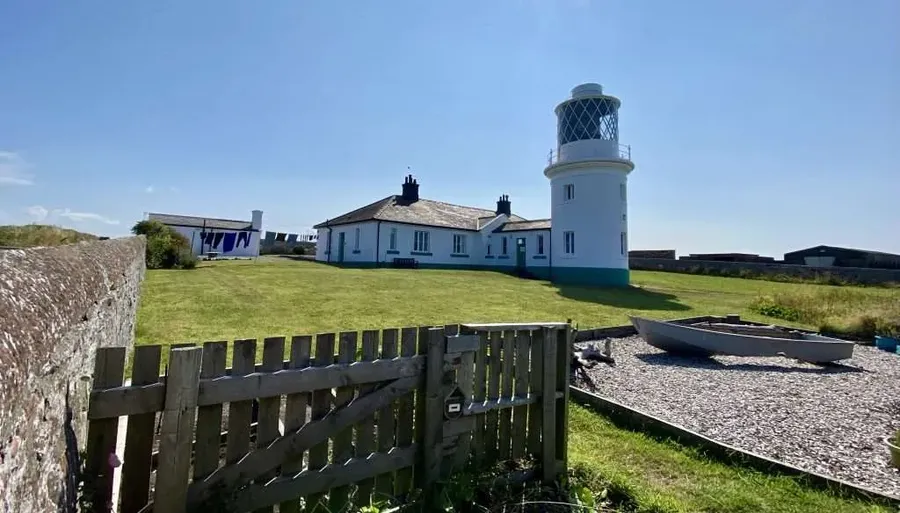
Make your own way to St Bees at your leisure and settle into your hotel on the seafront, with the afternoon free to walk the beach, climb up to the lighthouse, or explore the Priory, founded in 1020AD, before wandering the pleasant township and its handful of pubs. In the evening, meet your group for welcome drinks and a trip briefing, followed by an included dinner together before setting off on the Coast to Coast tomorrow. Meals: Welcome Dinner Accommodation: 3-star hotel in St Bees
Hotel in St Bees
Dinner
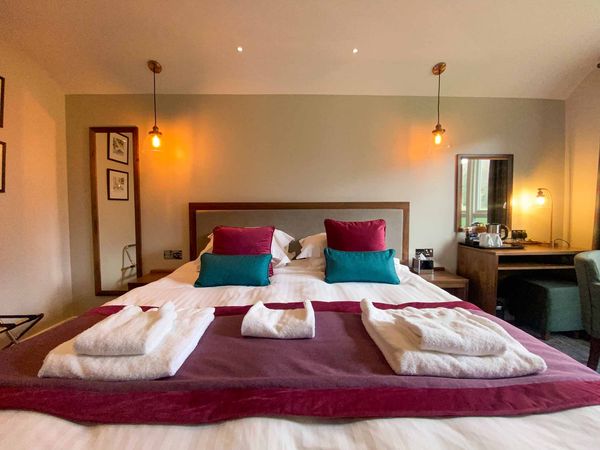
Hotel (5 nights), Guest House (6 nights), Country Inn (2 nights)
13 breakfasts, 9 lunches, and 5 dinners
Auswalk Walking Grade
Challenging
Rated by our team — we walk every route before we recommend it.
Steeper climbs and longer distances. You'll need good fitness and some hiking experience to fully enjoy these walks.
View Fitness Guide10
Days on the trail
13-18 km
Daily distance range
Daily ascent range
5/10
Trail difficulty
Arrival
Make your own way to St Bees on the Cumbrian coast, arriving in time for a trip briefing and an included dinner that evening.
By Air: The easiest option would be to fly into the UK, any of the major cities will suffice as the UK's excellent train network will ferry you to St Bees. The main UK airports for international flights are Heathrow Airport, Gatwick Airport, and Manchester Airport.
The nearest airports to St Bees are: Durham-Tees Valley Airport, Leeds Bradford Airport and Newcastle Airport.
By Rail: The easiest way to get to the start of the track from London is by train. St Bees has good train services. For easy train bookings in the UK, we recommend using Rome2Rio to plan your journey. Trains from London connect with the Cumbrian Coast Line (Northern Rail) which services St Bees. There are several trains daily. Trains to St Bees from London will take approx. 5 hr, with 1 or 2 changes required.
By Coach: National Express Coaches link most major towns and cities in the UK. For details of departure times and to book tickets call 0871 781 8181 (or +44 (0) 871 781 8181 from overseas) or visit https://beta.nationalexpress.com/.
Departure
The walk finishes in Robin Hood's Bay, right at the official end point of the Coast to Coast. After an included farewell dinner and a last night at your hotel in the North York Moors, you'll transfer to Whitby, approximately 20 minutes away. From there, you can catch a train onward.
The track conditions vary, but all of the walks are passable, and no scrambling is required. The United Kingdom is prone to rain; no surprise there, so there may be some boggy sections, but this entirely depends on the prevailing conditions. Our advice is to prepare and bring the right gear, and you'll have a fabulous walk. See gear advice in FAQ's
See the United Kingdom Met office or the United Kingdom Meteorological Service for information about the weather and average temperatures and rainfall at different times of the year.
You must hold adequate travel insurance for your trip, including cover for personal liability and accidental injury and illness. For all trips involving international travel, your policy must also include emergency medical treatment, evacuation and repatriation cover. We strongly recommend your policy also covers trip cancellation and curtailment, and loss of or damage to luggage.
A cancellation fee usually applies if you cancel after your booking is confirmed. Travel insurance with cancellation cover will generally cover this fee, so it's worth arranging your policy at the time of booking.
Full insurance requirements are set out in our booking terms and conditions.
For over 30 years we have taken pride in providing seamlessly organised walking holidays, but we know, even with that in mind, that you’ll have many more questions. You will receive a very detailed information pack and itinerary approximately 6 weeks out from departure outlining all the fine detail and much more.
If you have any questions, feel free to ask one of our destination consultants. You can get in touch with us via our contact form, email us at info@auswalk.com.au, or call us on +61 3 9597 9767.
Select a fixed group departure - places are limited
Prices shown are per person, twin/double share basis.
The C2C with Auswalks is a sensational walk! Seamlessly organised along the perfect route.
Auswalk booking and planning were all seamless. The Coast to Coast track is scenic and the accommodation was all as expected.
Auswalk made our C2C walk so much easier, not having to worry about accommodation and luggage transfers. The walking app was fantastic, easy to use and highlighted places of interest. Thanks
Auswalk made our C2C walk so much easier, not having to worry about accommodation and luggage transfers. The walking app was fantastic, easy to use and highlighted places of interest. Thanks
Having a range of accommodation types was lovely. Crookabeck farm B&B at Patterdale was our top pick. Having lunch organized for us every day was a great bonus and much appreciated. Great walk - fabulous, thorough organization. Thank you
We have been very happy with our overall experience in using Auswalk. The staff have been excellent throughout with their communication . The information provided prior to our walk was very thorough and useful. We found the app particularly useful during our walk. In all, the accommodation was excellent, and the transport of our luggage each day was seamless. We have been very happy with our experience overall and would highly recommend Auswalk to anyone planning a hiking holiday.