Lord Howe Island
Lord Howe Island rises from the Tasman Sea as one of the world's most breathtaking natural sanctuaries and one of Australia's most serene walking destinations.
Plan your Lord Howe Island trip with an expert in a free 1:1 consultation.
Overview
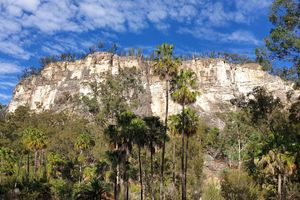
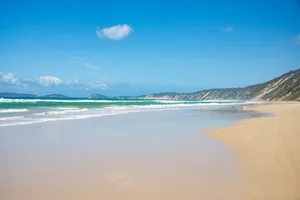
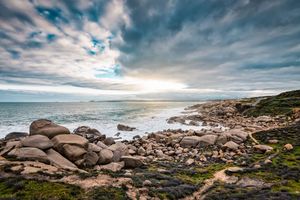
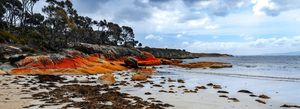
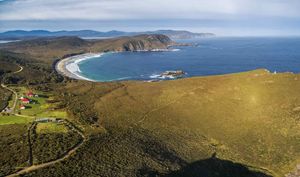
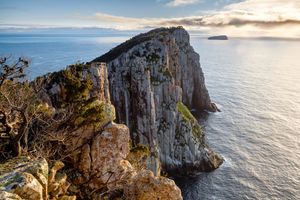
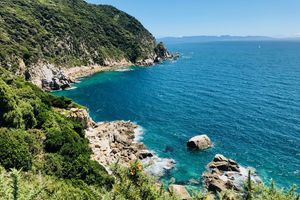
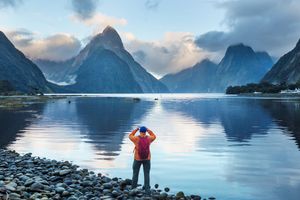
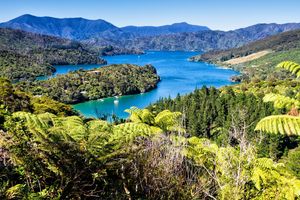
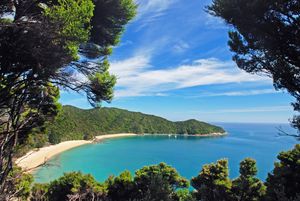
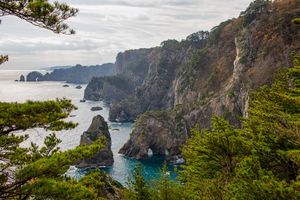
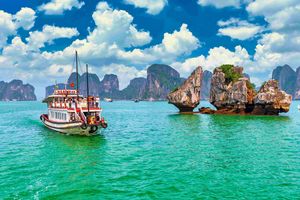
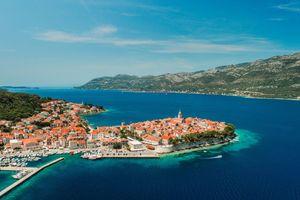
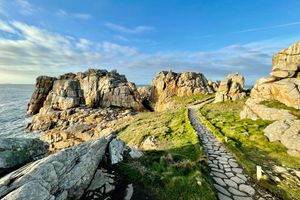
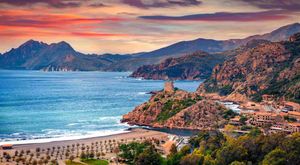
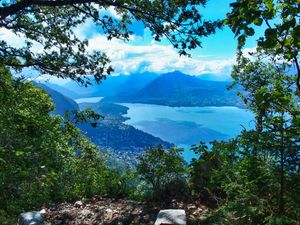
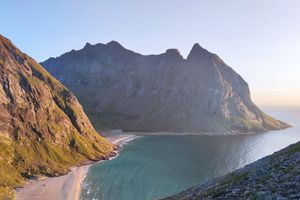
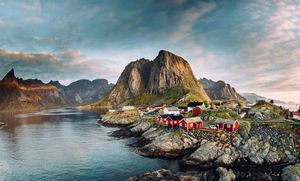
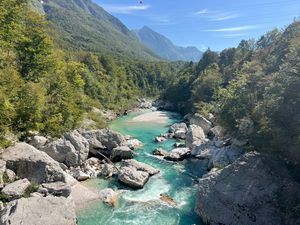
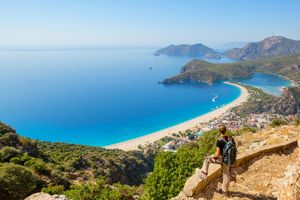
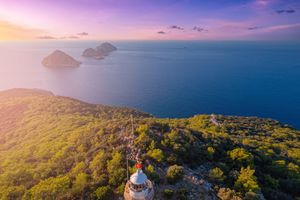
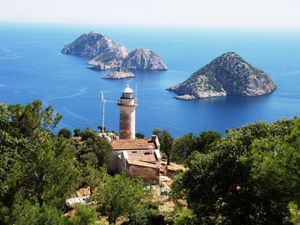
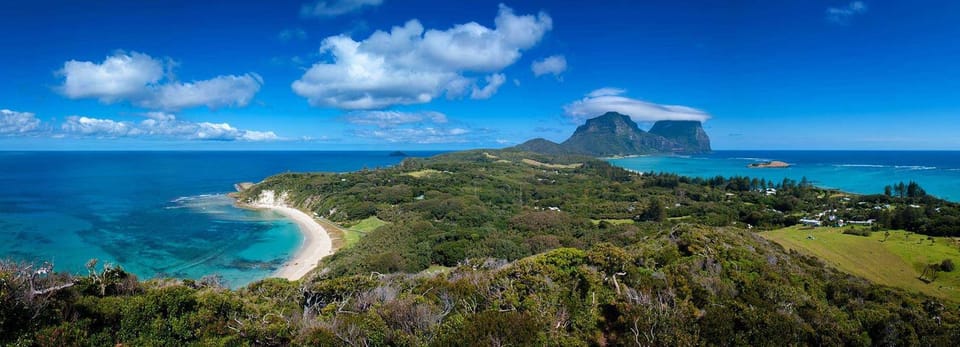
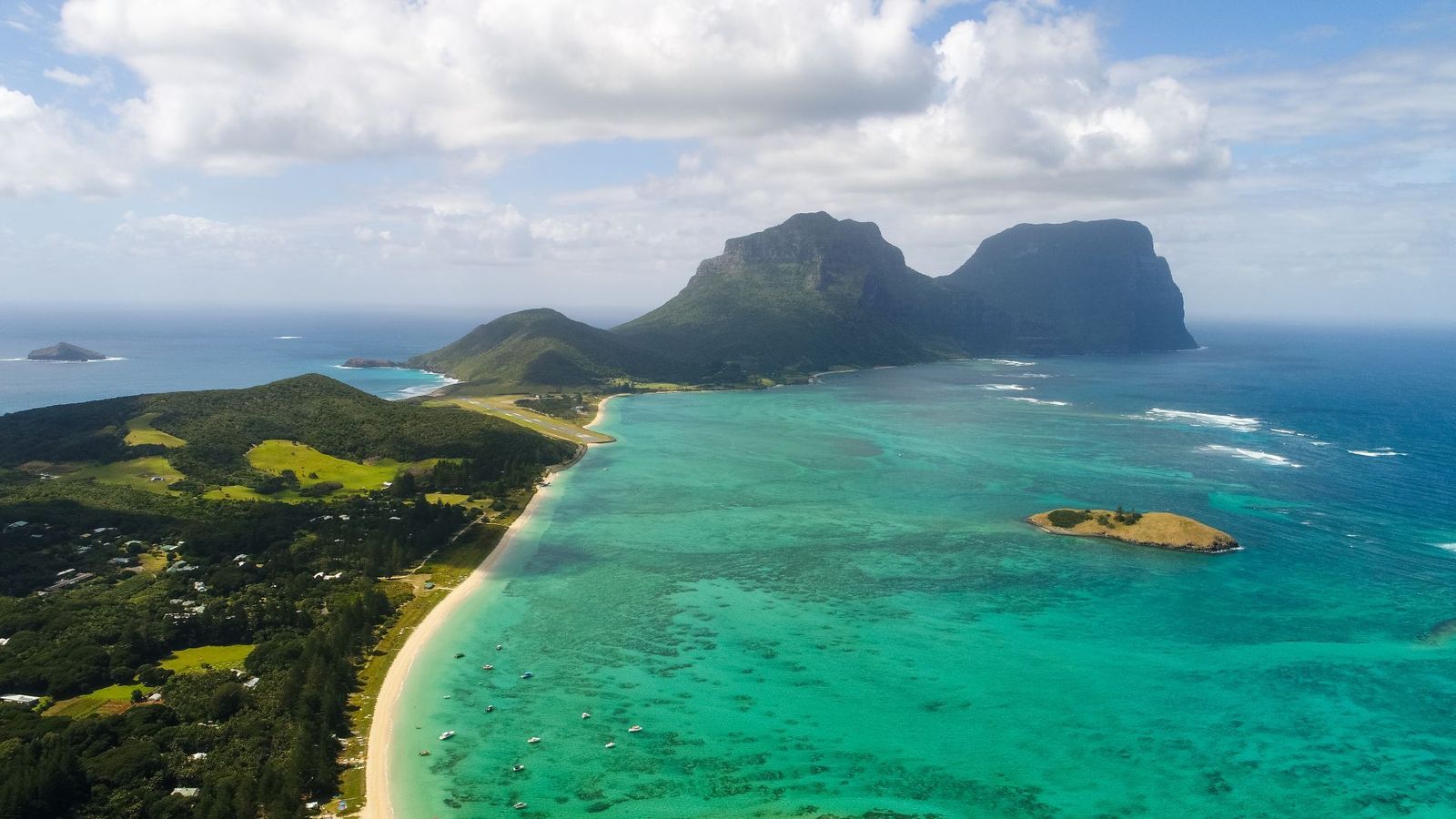
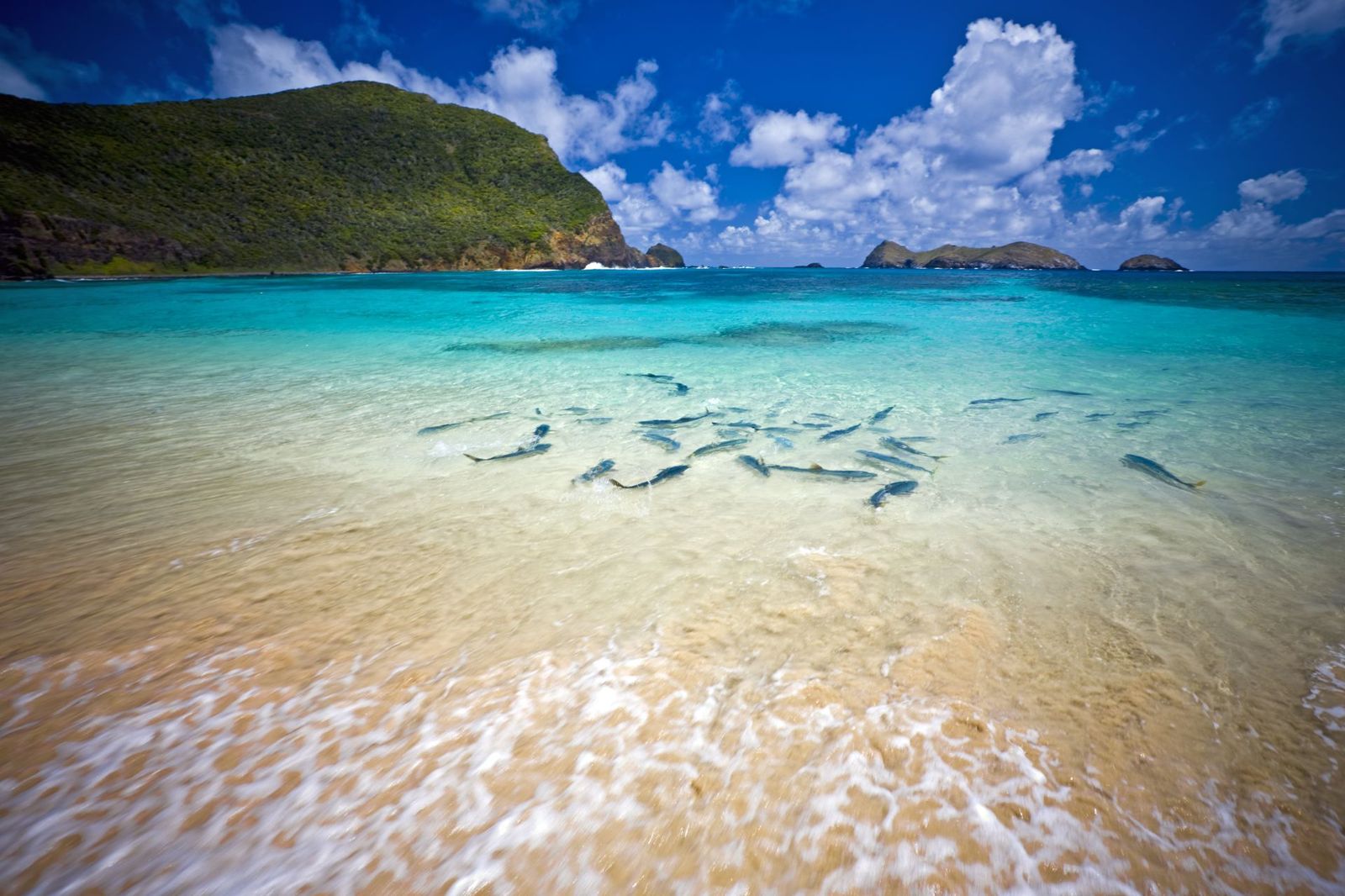
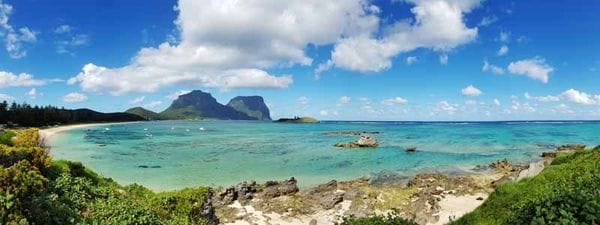
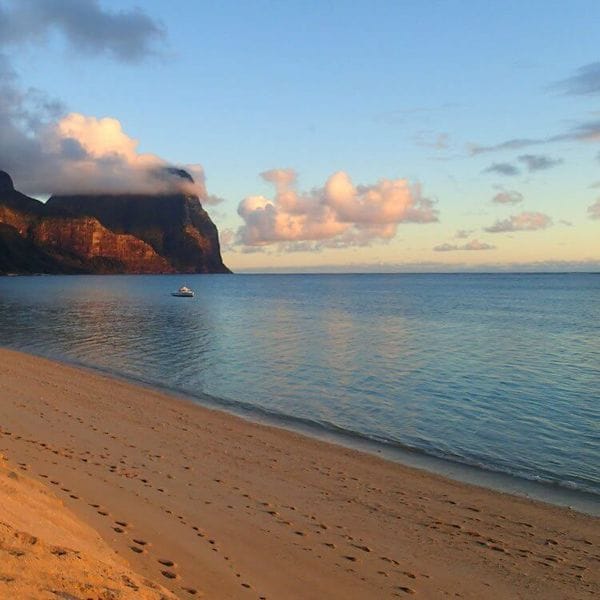
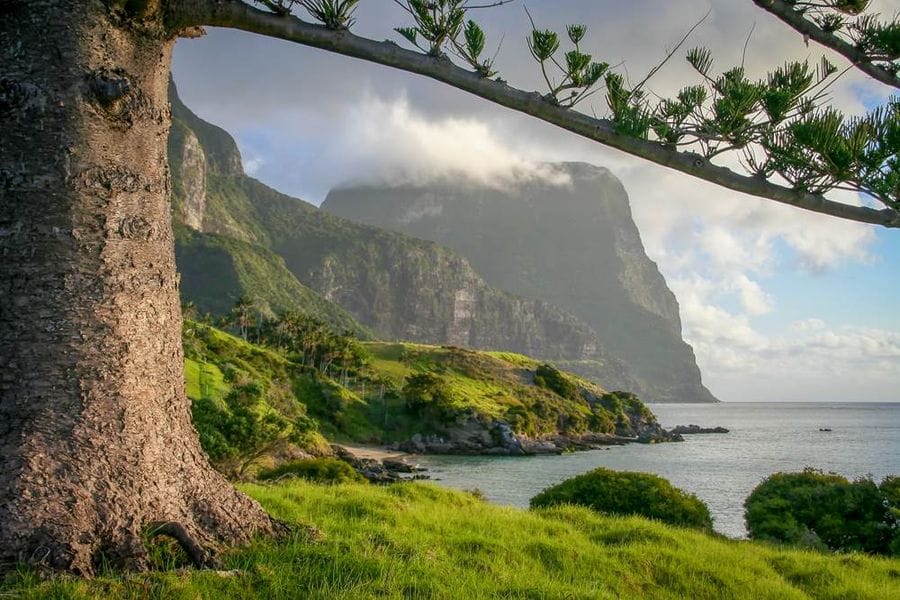
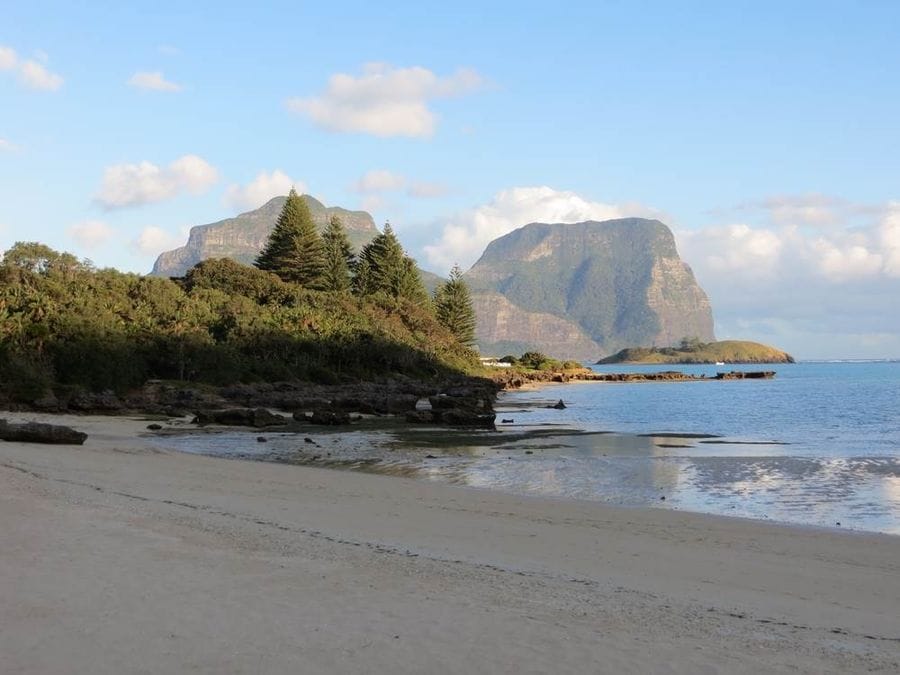
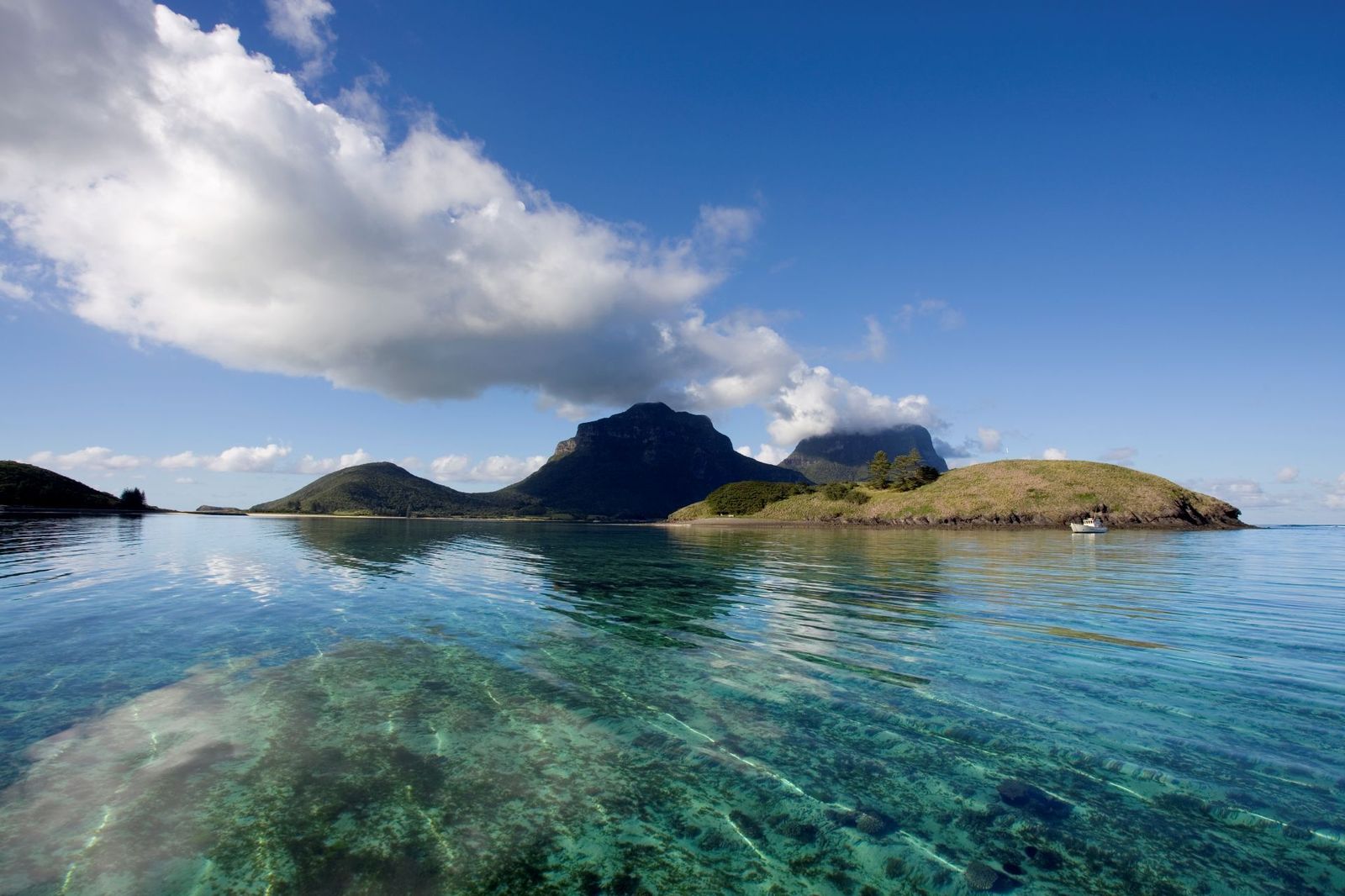
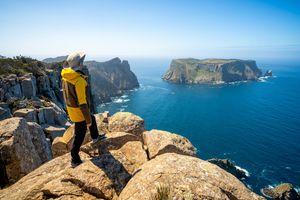
Lord Howe Island is unlike anywhere else on earth. Rising from the Tasman Sea with dramatic volcanic cliffs, turquoise waters and pristine beaches, this remote island sanctuary offers a walking experience defined by extraordinary natural beauty and genuine tranquillity.
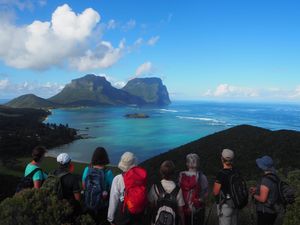
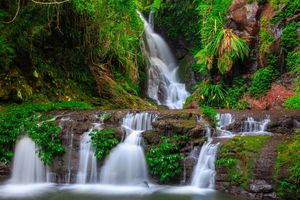
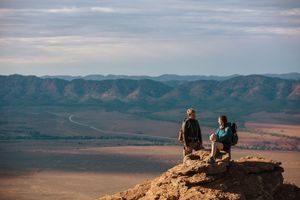
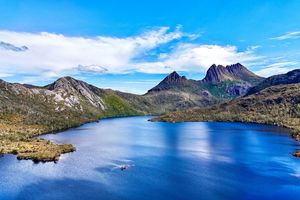
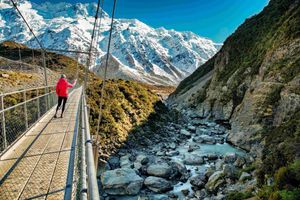
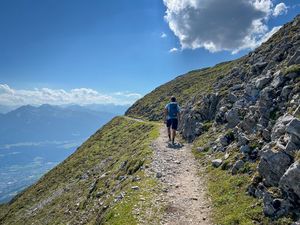
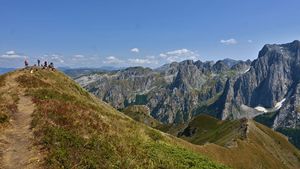
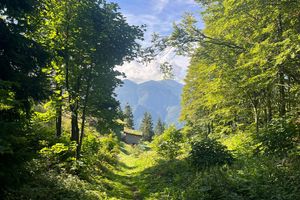
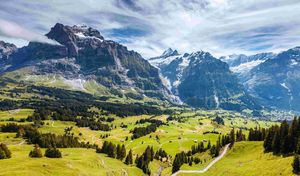
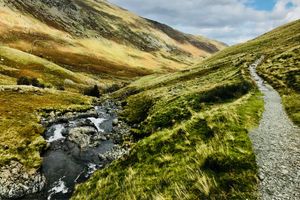
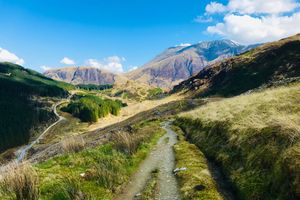
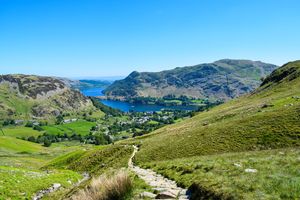
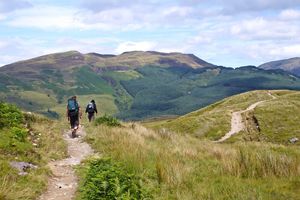
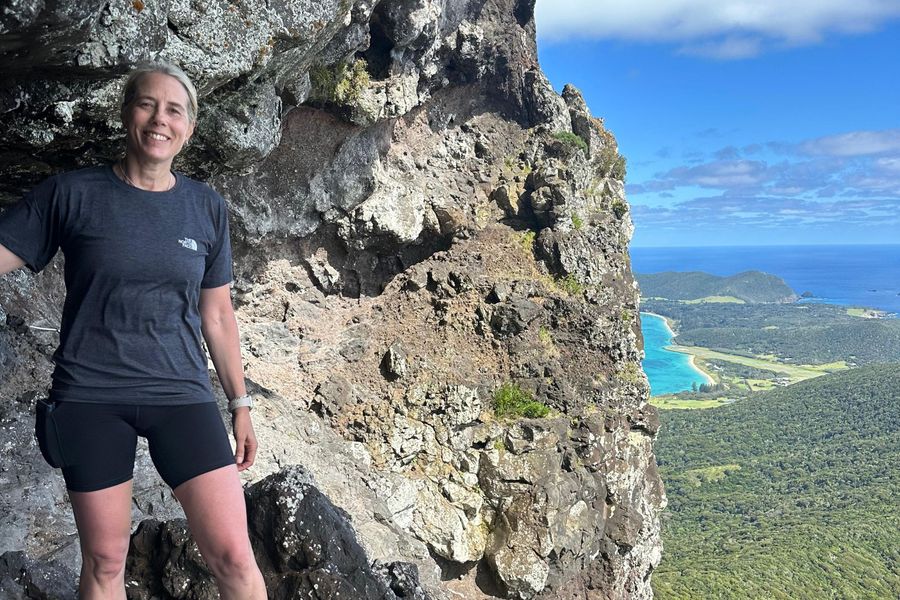
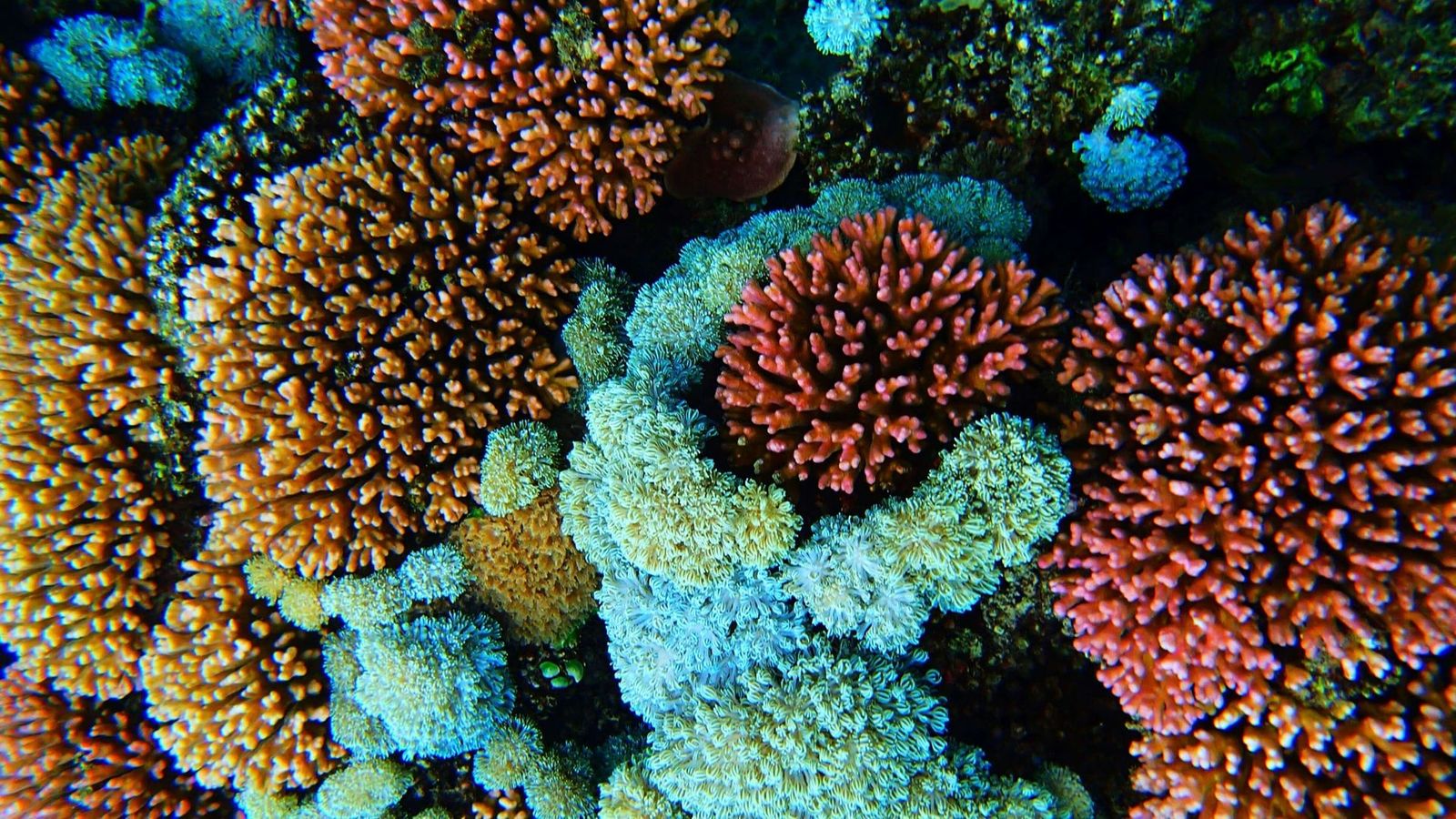
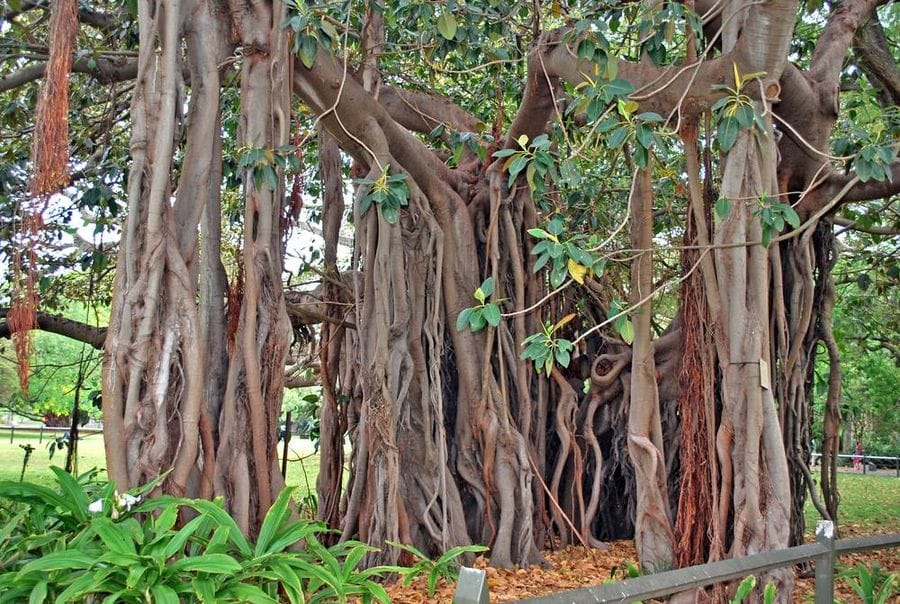
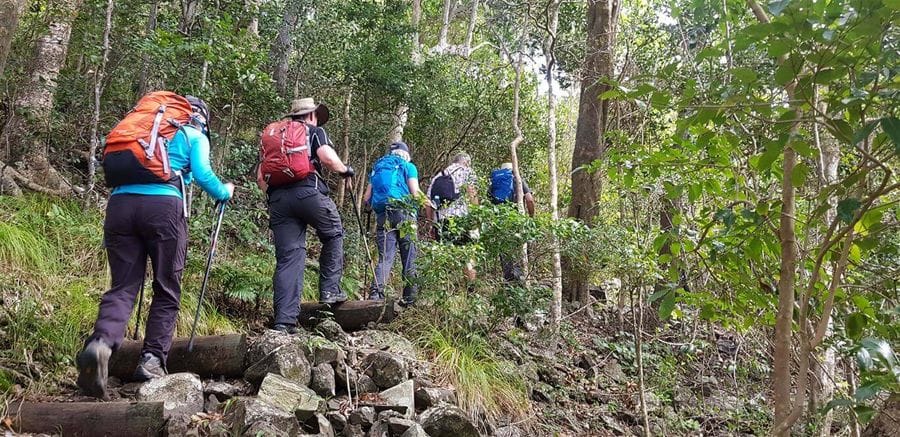
The island's twin peaks, Mount Gower and Mount Lidgbird, dominate the southern skyline, their verdant slopes rising sharply from the sea. Walking trails wind through hidden valleys and lush rainforests teeming with unique flora and fauna, much of it found nowhere else on the planet. At every turn, panoramic vistas open up across the coastline and out to the open ocean beyond.
What sets Lord Howe apart is its atmosphere. The gentle rhythm of the waves, the calls of native birds and the absence of crowds create a stillness that is increasingly hard to find. Whether walking a secluded beach, trekking through ancient forest or watching the stars from the shoreline at night, Lord Howe offers a rare and unhurried escape into one of the world's last truly unspoiled natural landscapes.
Gallery
A closer look at Lord Howe Island


The Lord Howe Island experience
Lord Howe Island reviews
More About This Destination
Darley's in Katoomba
Located in one of your options for accommodation, Lilianfels Resort and Spa, is Darley’s. Darley’s is known as the queen of the mountains for its award-winning cuisine and formal English gardens. With the choice of a five or seven-course menu, you will leave stuffed to the brim and your palate fully satisfied.
Miss Lilian Tea House in Katoomba
Authentic and casual Asian dining located in the heart of Katoomba. Miss Lilian Tea House combines the best produce in the region to create flavourful comfort foods from Asia. Steamed dumplings, beef Pho and more are available to fill your belly to satisfaction.
Silk’s Brasserie in Leura
Open seven days a week for lunch and dinner, Silk’s Brasserie in Leura. High ceilings and a checkerboard floor will have you feeling right at home without being too stuffy. Two and three-course meals are available with a wide variety of options within each course to customise them to fit your style. In addition, they have an incredible choice of wines that you may wish to try.
Eucalypt in Leura
If you are looking for finer dining with modern Australian cuisine and an extensive choice of wines, then Eucalypt is the perfect restaurant for you. An intimate setting was created to provide you with a comfortable atmosphere to indulge in a four-course or seven-course meal. This is the place to get a real taste of what Australian-style dining is all about.
Piedmont Inn in Blackheath
This is one of our favourites as your dinner is included one night at a local Italian restaurant, the Piedmont Inn, on the self-guided trips. This restaurant is a comfy and family favourite, specialising in pizza and pasta. Top it off with a delectable dessert, and you will be carb-ready for your next day's walk on your self-guided walking trip. In addition, this restaurant is BYO; as in, bring your own alcohol of choice. Located just down the way, it is the perfect evening stroll.
Thai Silk in Blackheath
If your self-guided walking holiday begins on a Monday, then the normal dining option will be closed. Therefore, dinner this night will be at a local Thai restaurant, Thai Silk. Located just down the road, turn right on Govett’s Leap Road and then right again onto Wentworth Street. Thai Silk will be located 100 metres down on the left-hand side. You will find a $30 voucher per person to spend on food and beverages; in addition, you can bring your own booze. Thai Silk has a vast menu with a plethora of choices that will leave you full and satisfied.
Echoes
Has possibly the best view of any restaurant in the Blue Mountains. Perched way above the Jamison Valley, enjoy superb food as you soak in the gorgeous views. Asian and contemporary Australian cuisine are on offer, and a vast wine list to enjoy. We eat here each day on the guided Blue Mountains Grand Traverse walk. Breakfast is particularly special as you can witness the dawn as the sun comes up over the sea from the east, lighting up the unique red escarpments this place is famous for.

Based on the information, the primary way to reach Lord Howe Island is by air. QantasLink operates year-round scheduled flights from Sydney, with a flight time of under two hours. These flights depart from Sydney on most days and offer connections from all Australian capital cities and many regional centres via Qantas.
Eastern Air Services also provides flights to Lord Howe Island, with weekly scheduled services and charters from Port Macquarie, the Gold Coast, and Newcastle. The flight time from Port Macquarie is approximately 1 hour and 25 minutes, while flights from the Gold Coast and Newcastle are around 1 hour and 30-50 minutes.
Lord Howe Island Airport (LDH) is the sole airport serving the island. Due to weight restrictions on aircraft, baggage allowances are typically 23kg of checked baggage and 7kg of carry-on. It's recommended to confirm accommodation before booking flights due to the island's limited tourist bed capacity. Upon arrival, most accommodations offer complimentary airport transfers.
Lord Howe Island enjoys a subtropical climate characterised by mild to warm summers and very mild winters. Sea breezes play a significant role in moderating temperatures, preventing extreme heat in summer. The surrounding Tasman Sea also helps maintain relatively stable temperatures year-round. Please see Lord Howe Island Climate, the Bureau of Meteorology www.bom.gov.au.
In summer (November to March), average maximum temperatures range from 24°C to 27°C, while average minimums are between 18°C and 22°C. Winter (June to August) sees average maximums between 17°C and 20°C, and minimums ranging from 12°C to 15°C.
Rainfall is fairly consistent throughout the year, with an annual average of around 1600mm. However, the period from November to February tends to be the driest. Humidity levels generally range from 60% to 70% throughout the year, becoming more noticeable during the warmer summer months.
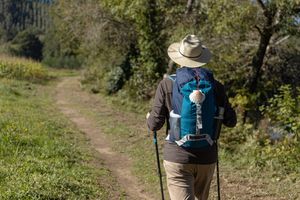
As with any journey, it is essential to be prepared for your self-guided walking holiday. While we will be transporting your luggage from accommodation to accommodation, you will still be carrying a lightweight day pack with you. Here is what we suggest that you carry with you each day:
- Walking notes, a map, and a map case
- Picnic lunch packed in an insulated container (when supplied)
- Quality waterproof jacket with a hood
- Warm jumper or jacket
- Sunhat
- Comfortable walking shoes
- Sunscreen (at least 15+)
- 1 to 2 litres of water
- First aid kit
- Toilet paper
- Some money
- Mobile phone (please note that reception is not available in all walk areas)
- Personal insect repellent, band-aids, and a small container of salt mixed with rice grains
- Personal necessities (example: required medication)
Now that we have the essentials packed, it is time to think of those additional items that may be worth packing along with you. These may include and are not limited to:
- Waterproof over-trousers
- Warm hat
- Sunglasses
- Camera (with extra battery or SIM cards)
- Binoculars
- Notebook and pen
- Matches
- Small torch
- Walking stick
- Thermos (for hot drinks)
- Additional snacks
Raverse itinerary, which is a part of our luxury walking collective.
Frequently Asked Questions
Can't find what you're looking for?
We can create a custom trip tailored to your preferences.
As Featured In


-300x200.jpg)


-300x200.jpg)
-300x200.jpg)


-300x200.jpg)


-300x200.jpg)


-300x200.jpg)


-300x200.jpg)
-300x200.jpg)


-300x200.jpg)


-300x200.jpg)


-300x200.jpg)


-300x200.jpg)


-300x200.jpg)


-300x200.jpg)