

Kunisaki

Kunisaki

A rugged pilgrimage through one of Japan's most rewarding and least-visited landscapes, where ancient trails wind past mossy stone Buddhas and cliff-face temples on the remote Kunisaki Peninsula.

View 3 walks14 photos

Tips, tricks, and trail insights - everything you need to know about multi-day walks in Kunisaki.

  • 30+ Years Experience
  • Pack-Free Walking
  • Flexible Itineraries
  • Comfortable Stays
4.9/5reviews on

Overview

Few places in Japan feel as genuinely undiscovered as the Kunisaki Peninsula. Tucked into Kyushu's northeast corner, this quiet volcanic landscape has been a centre of Buddhist and Shinto worship for over 1,300 years, shaped by the Rokugo Manzan tradition, a fusion of Buddhism, Shintoism and forest worship found nowhere else in the country.

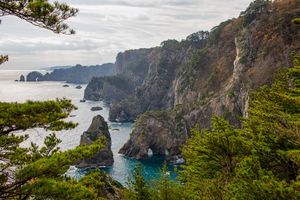
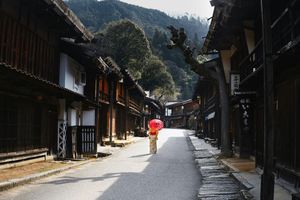
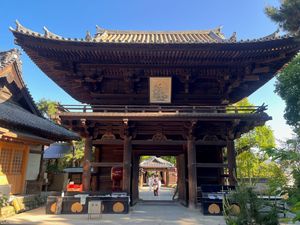
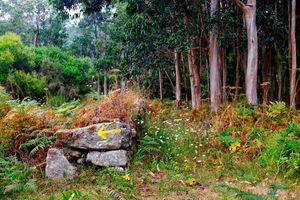
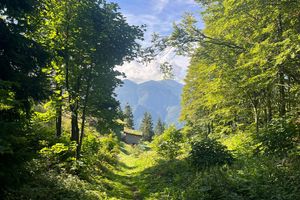
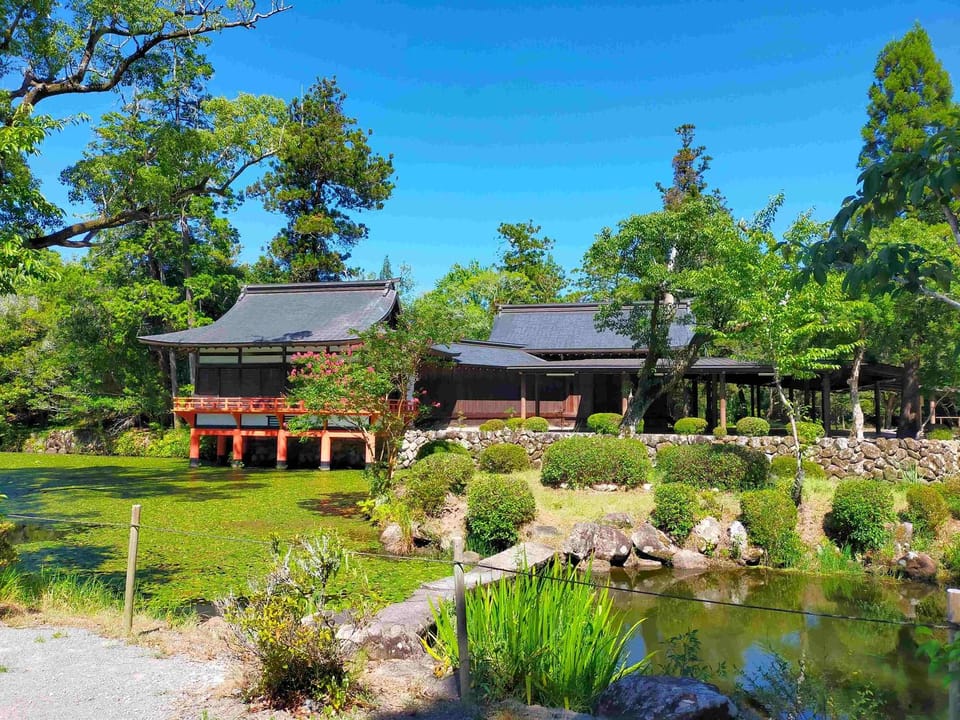
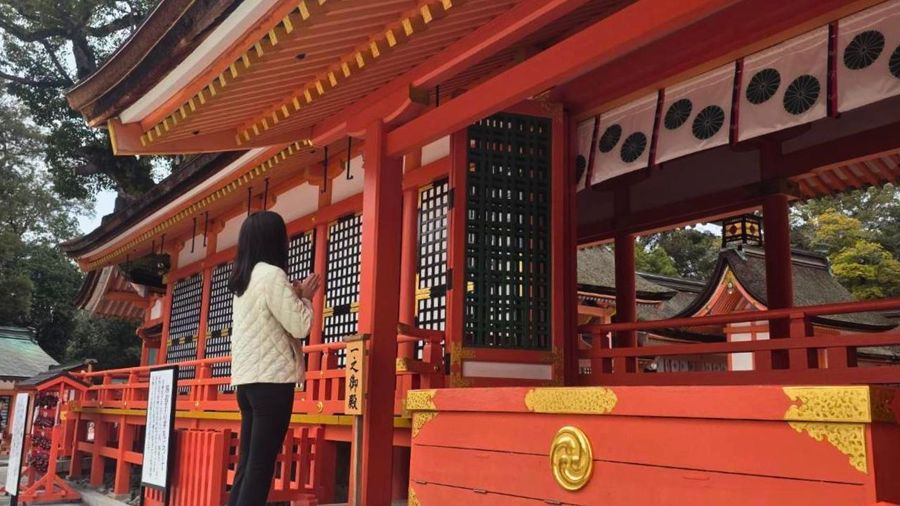
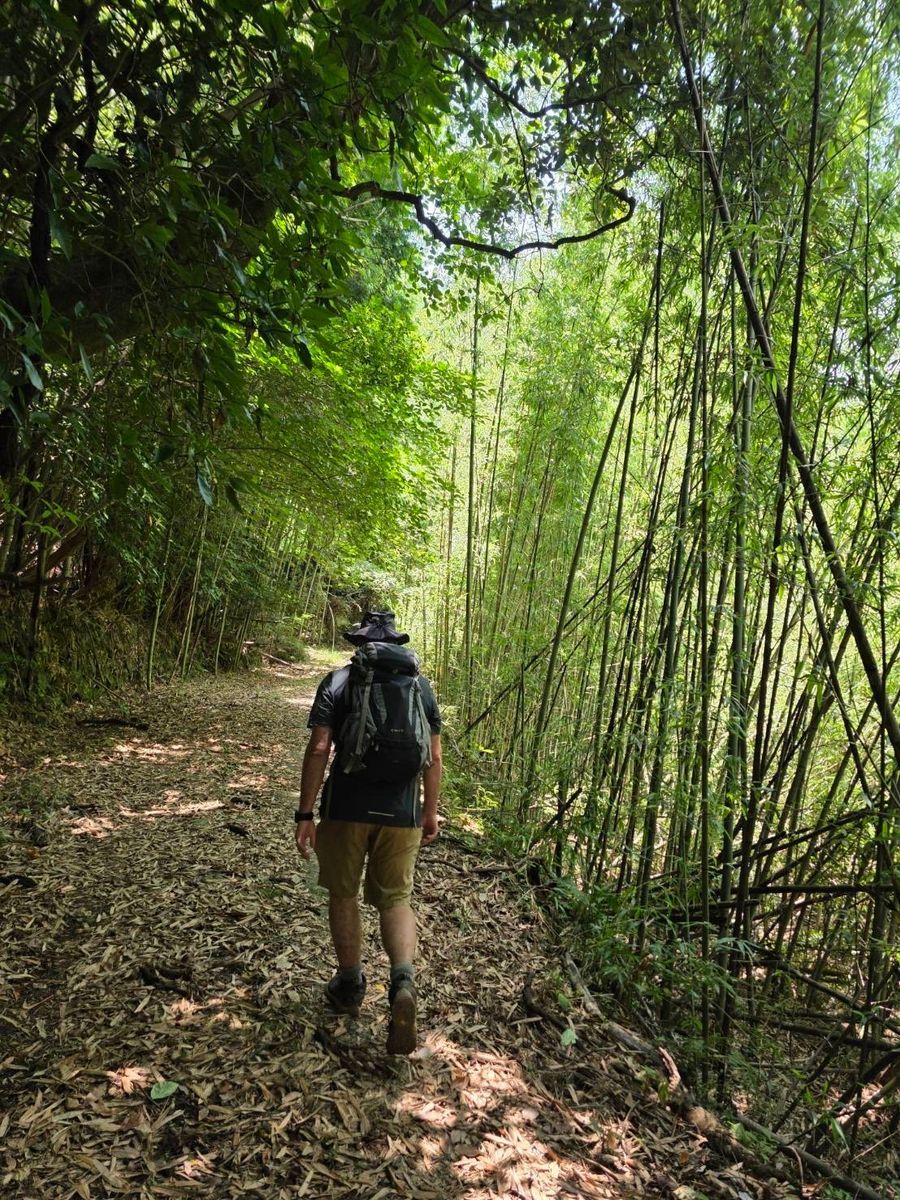
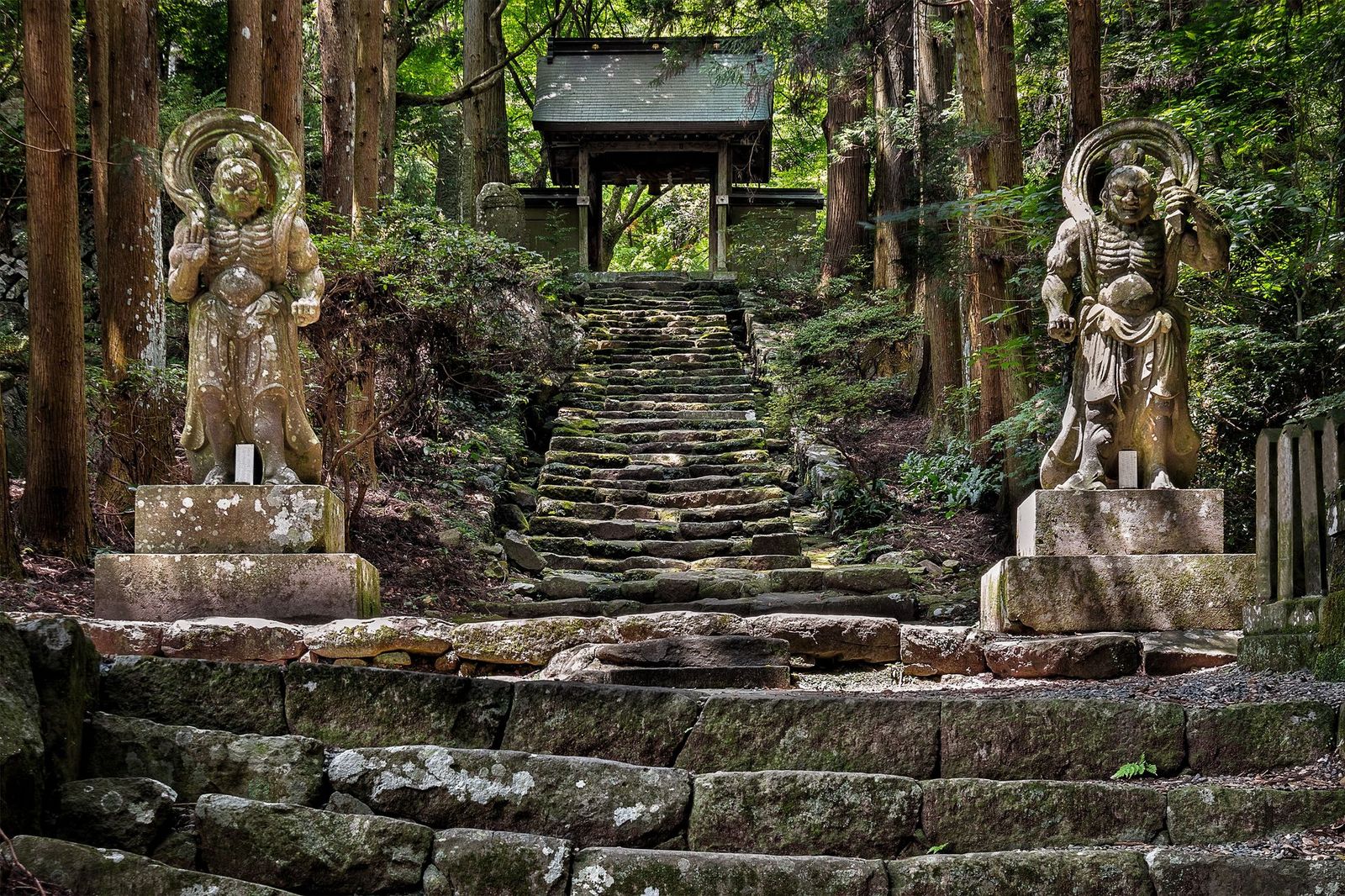
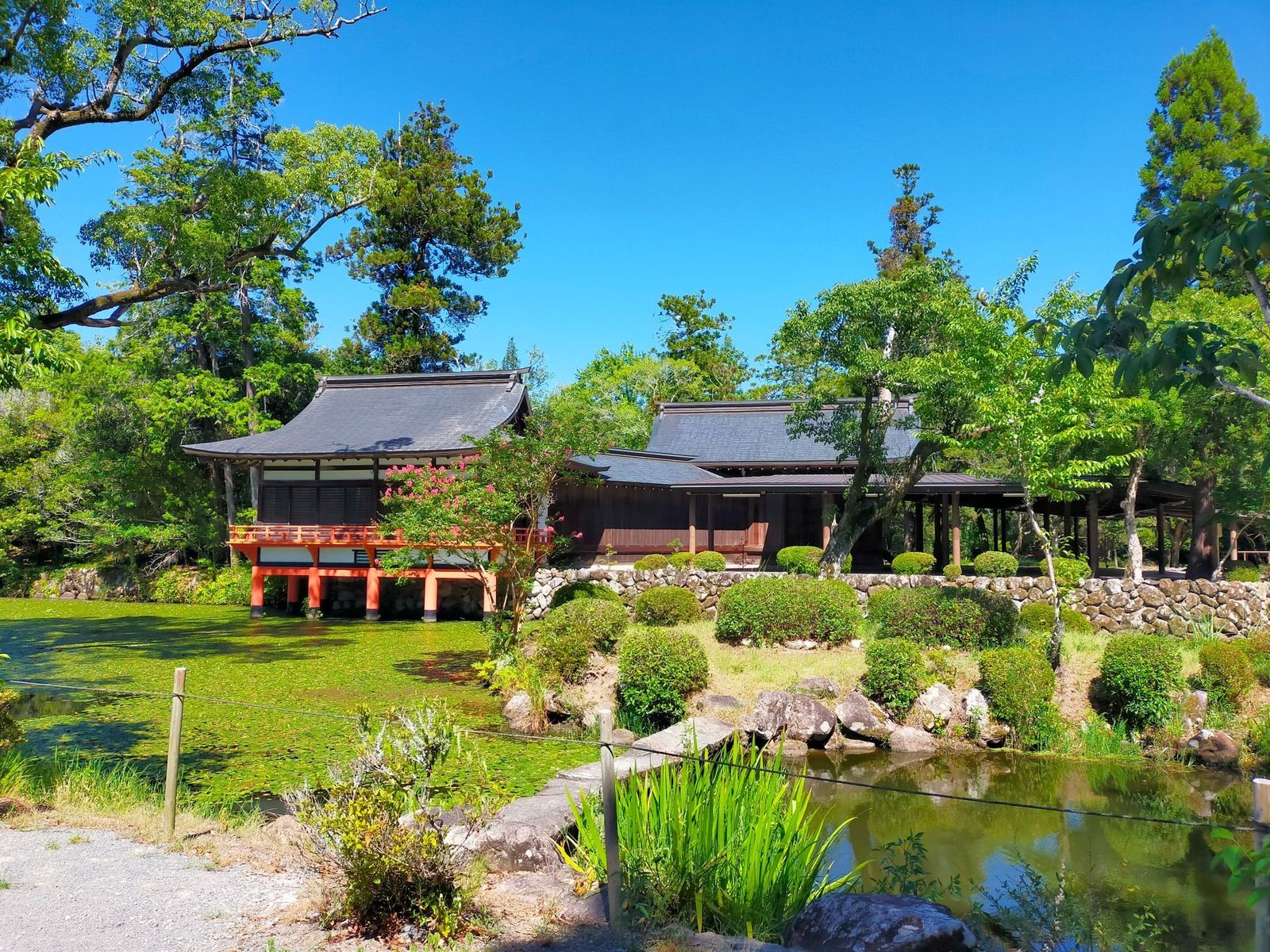
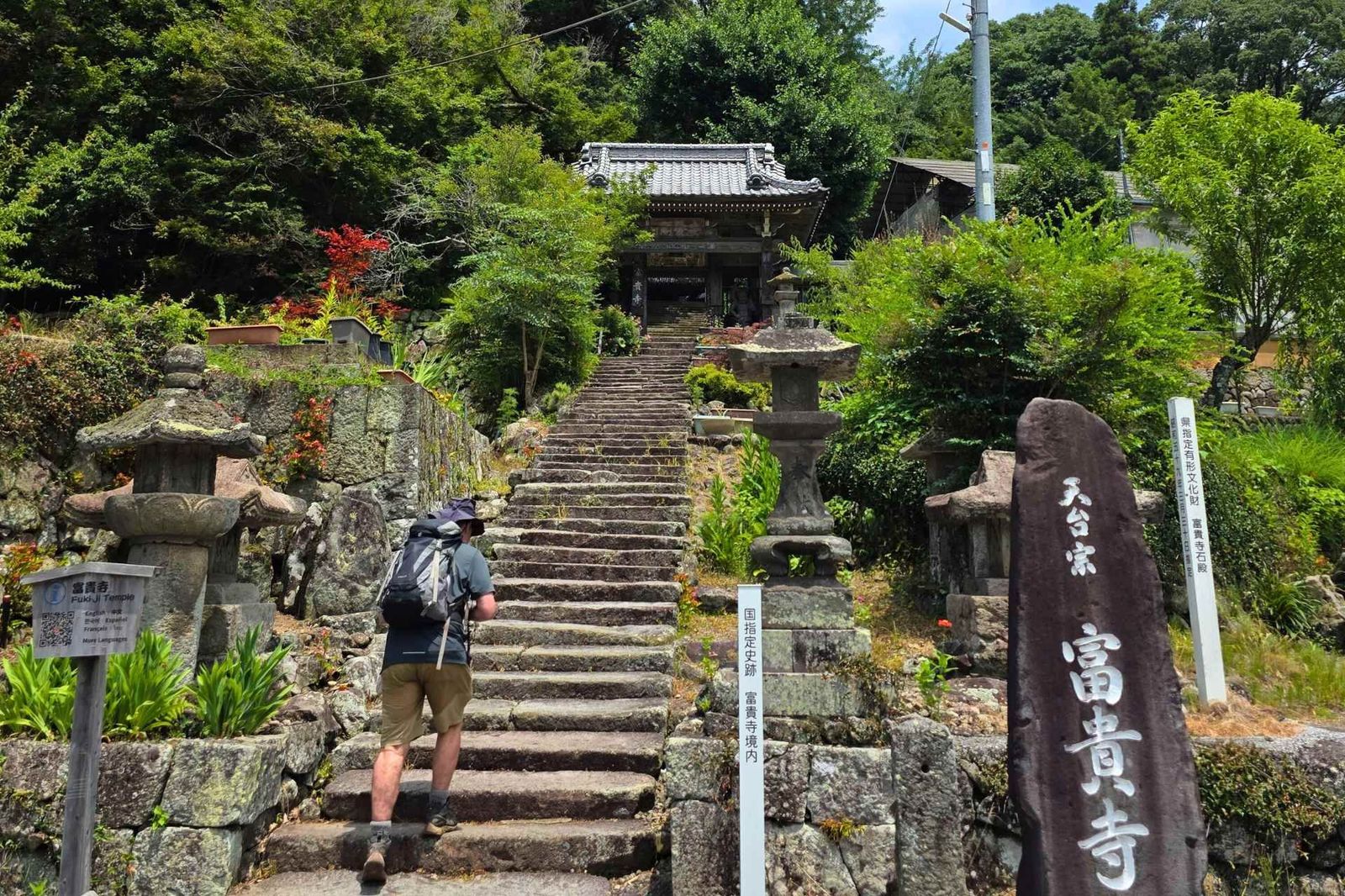
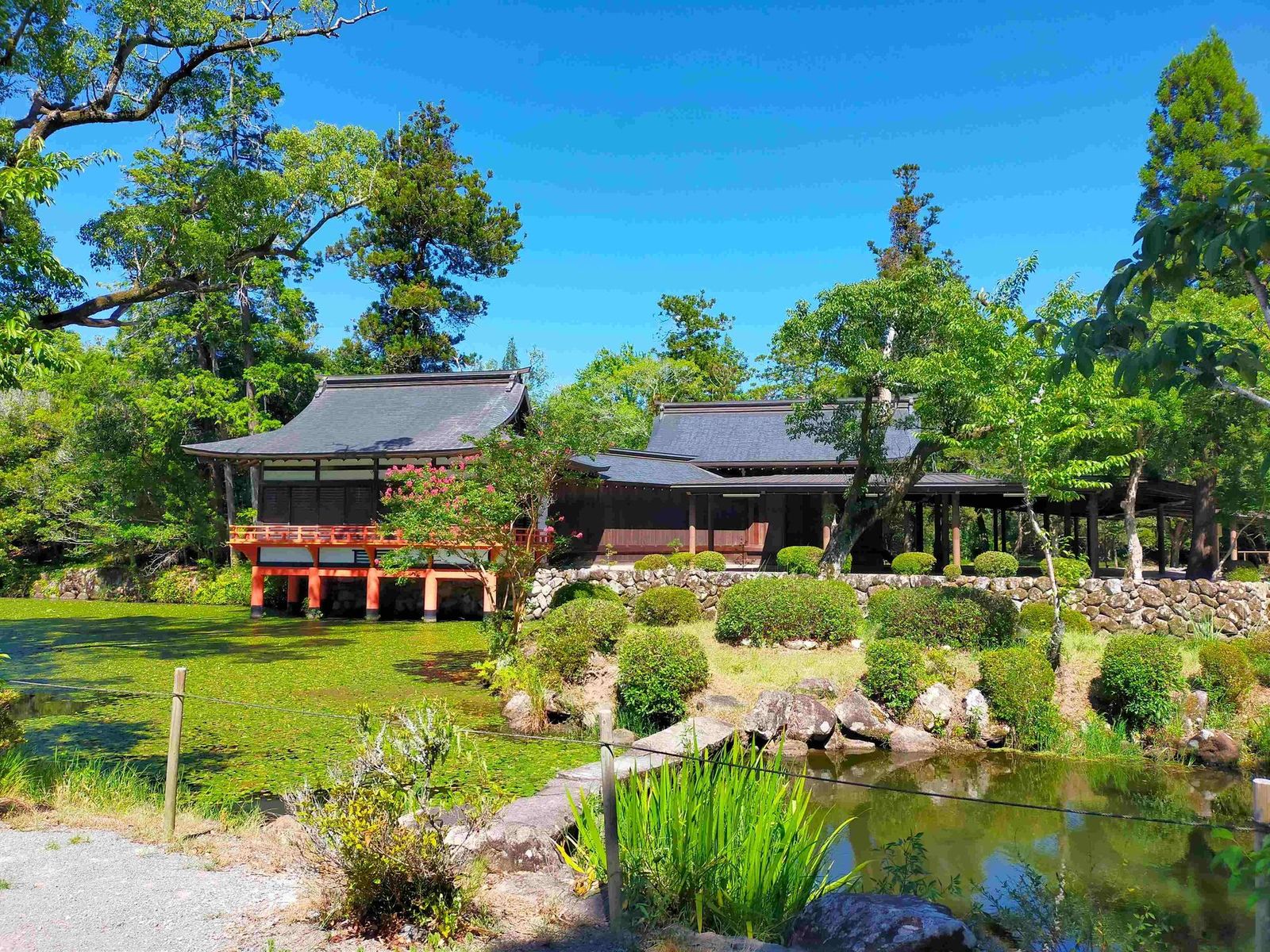
The trails follow paths first carved by ascetic monks in the 8th century, winding through forested valleys, across volcanic ridgelines and past sacred sites that see remarkably few visitors. Stone Buddhas emerge from cliff faces, ancient wooden temples sit deep in mossy woodland, and rural hamlets appear unchanged by the centuries. Usa Jingu, one of Japan's most significant grand shrines, and Fuki-ji Temple, the oldest wooden structure in Kyushu, are among the highlights along the way.

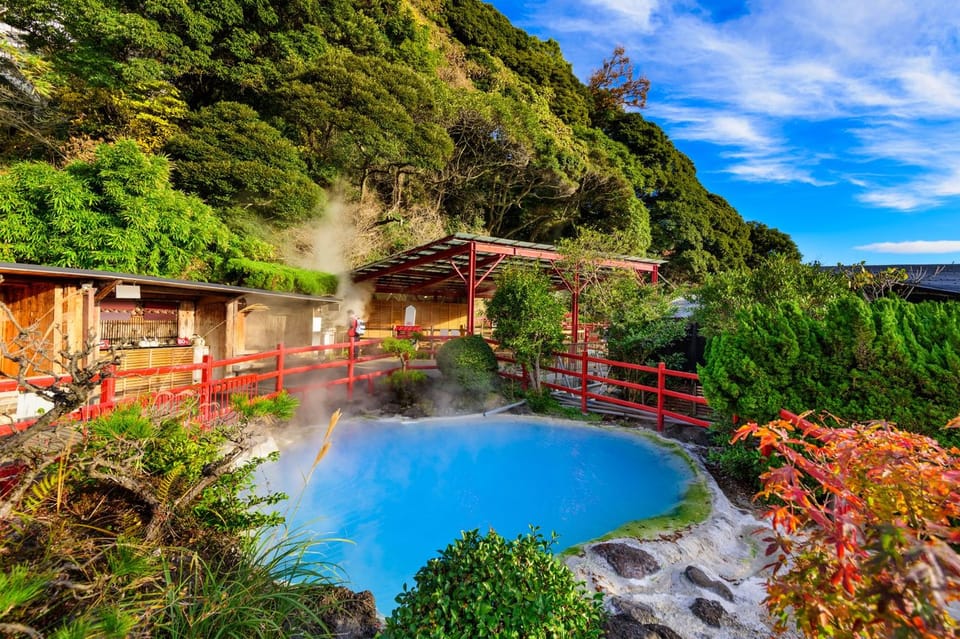
The walk concludes in Beppu, where an evening in a traditional hot spring ryokan brings a fittingly restorative end to one of the most quietly extraordinary walking experiences in Asia.

The Kunisaki Experience

Wonder
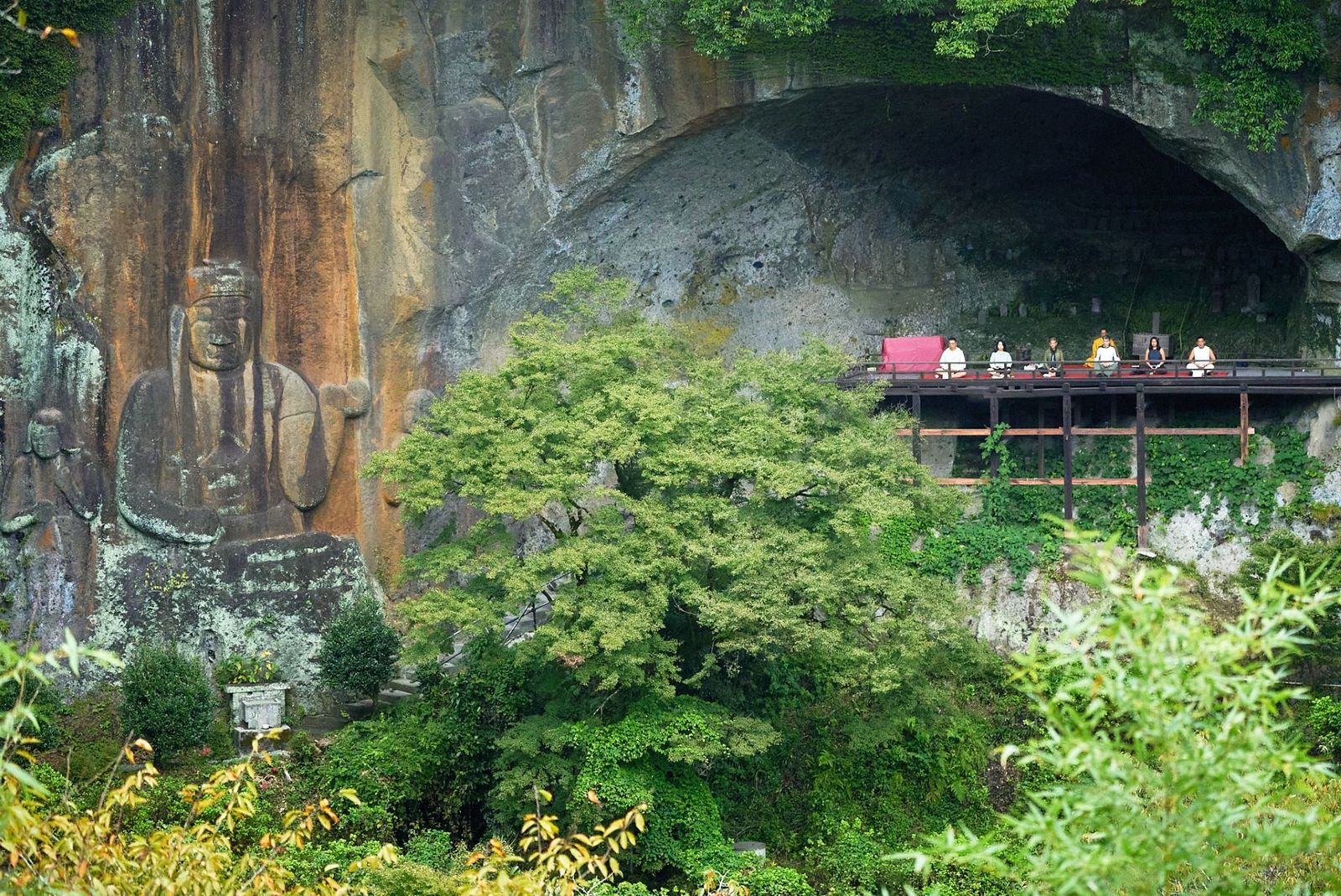
Explore Usa Jingu and Kumano Magaibutsu carved into sheer rock faces
Walk ancient Rokugo Manzan trails between Kozanji, Iwawakiji and Fukiji Temple
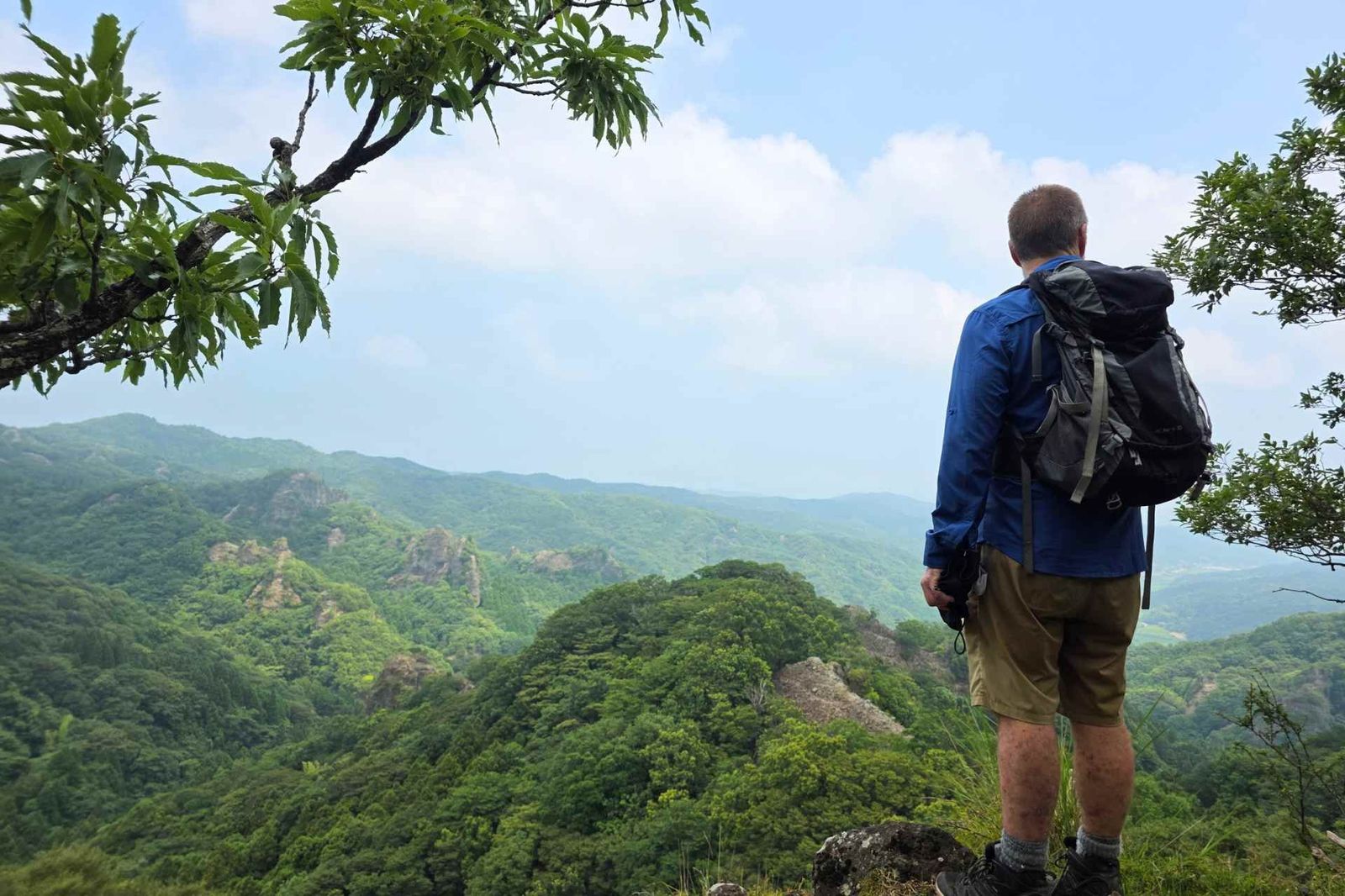
Take in sweeping panoramas from Oka Castle ruins, layered with Kyushu history
Wellness
Unwind in traditional ryokan and onsen stays with soothing hot spring baths
Practise meditation with a resident priest at Fuko-ji Temple
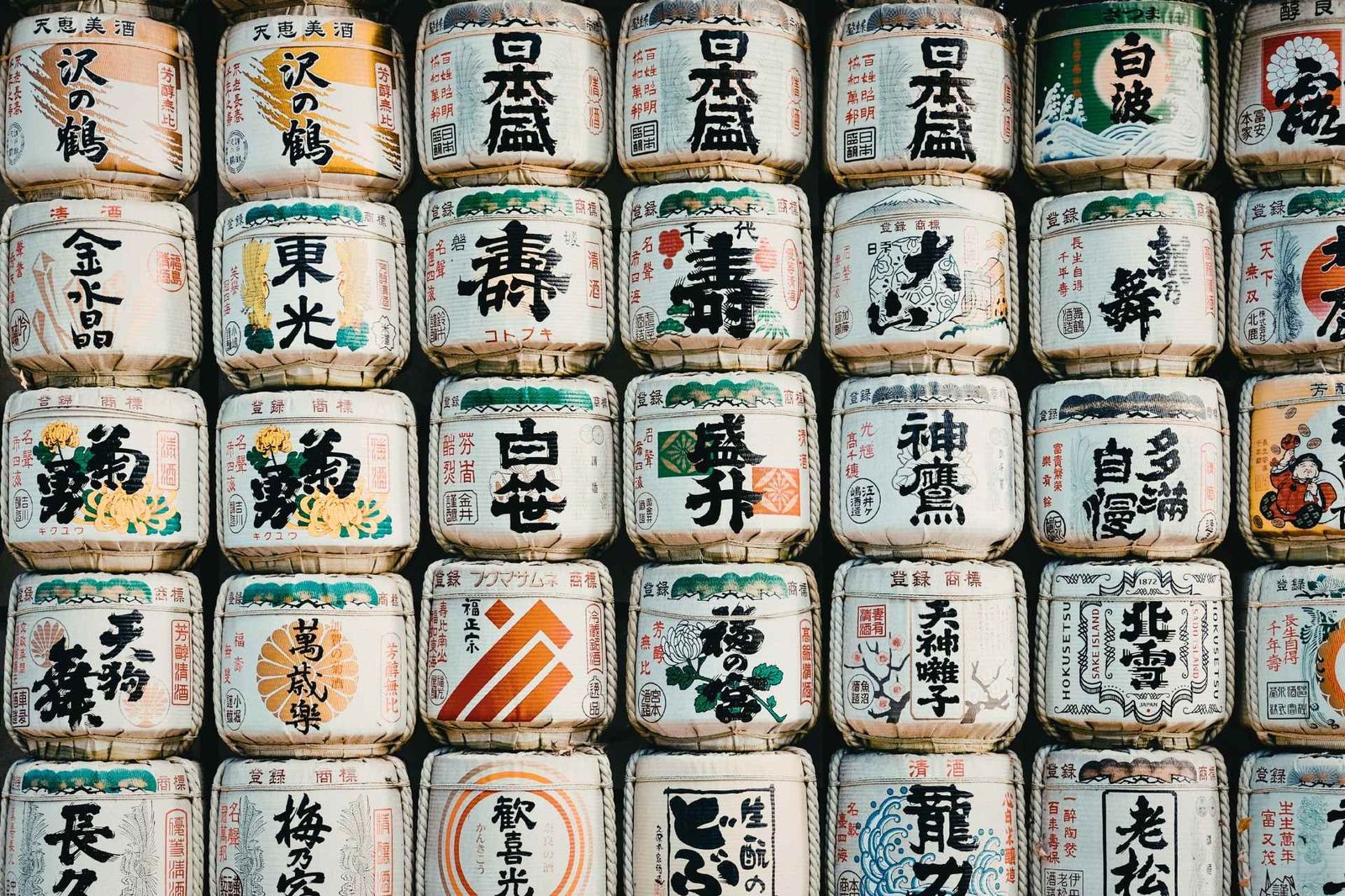
Savour local sake, kaiseki cuisine and an onigiri-making experience
Nature
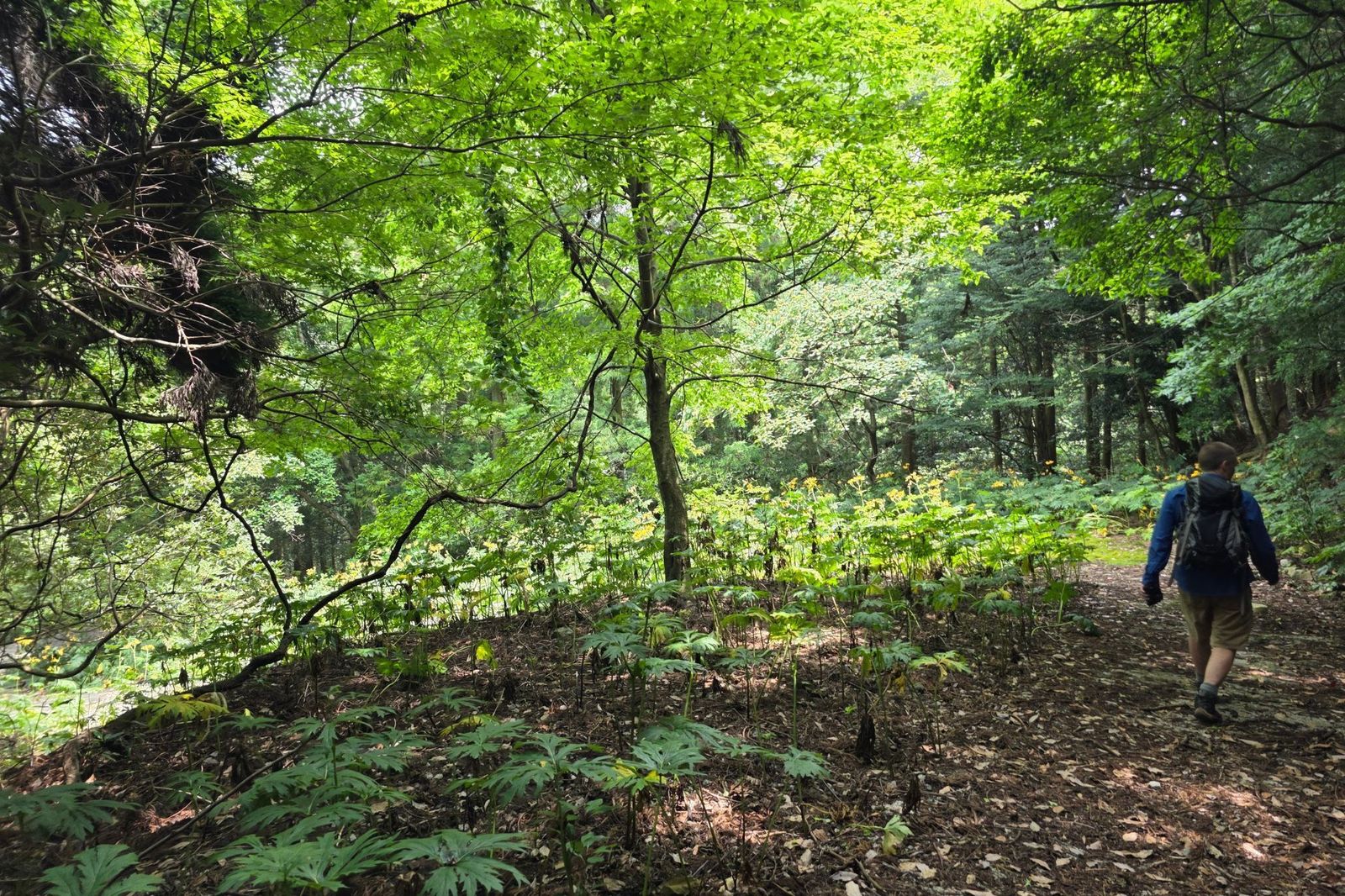
Follow cedar forests, sacred peaks and serene valleys on the Minemichi Long Trail
Traverse Mount Inomure’s rock formations and forests to secluded Ofudo Iwaya
Walk beneath Mt Futago through tranquil paths towards Futago-ji Temple

What you'll eat


Kaiseki Dinners
Seasonal multi-course dinners that quietly reflect Kyushu’s rhythm and regional produce
Soba Lunches
Simple bowls at local soba stops suit long temple-trail walking days
Onigiri Making
A hands-on rice-ball experience that brings local flavours into the day

Where you'll stay


Ryokan Stays
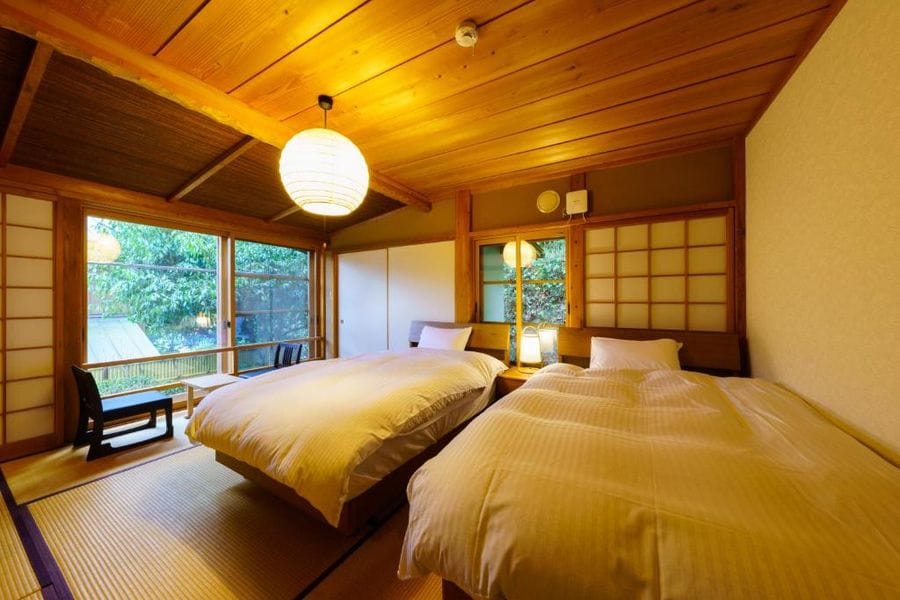
Tatami rooms, shoji screens and futons make evenings feel distinctly Japanese
Onsen Inns
Hot spring baths and shared bathing traditions ease tired legs beautifully
Temple-side Inns
Peaceful stays near temple grounds bring a quieter, more reflective atmosphere

How you'll travel


Pilgrimage Trails
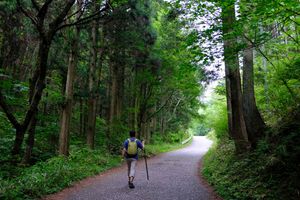
Most days unfold on ancient forest paths linking shrines, temples and villages
Short Taxis
Brief taxi rides help reach quieter trailheads tucked into the hills
Luggage Shuttles
Your bags move ahead, leaving you free to walk lightly

Kunisaki reviews

More About This Destination

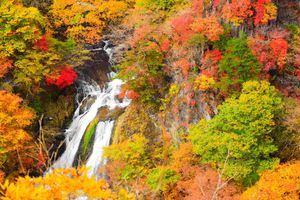
Kyushu is a little warmer sooner than other parts of Japan. From late March, temperatures rise, making it an ideal time for walking, and if you are a flower lover, the cherry blossom season is in swing. Summer in Kyushu is uncomfortable to walk; it is not unusual to get weeks of over 36 degrees. Therefore, it is too warm and humid to walk any trails. More of a chance to cool off in streams. Autumn is also excellent for walking, with pleasant weather and the change of colour of the foliage quite spectacular.

Overall, spring and autumn are the best times for walking, offering the most comfortable conditions.

Check local weather information for average conditions throughout the year.

Frequently asked questions

March through May and September through November offer the most comfortable walking conditions — pleasant temperatures, good trail conditions, and the kind of light that makes Kyushu look its best. June through August brings heat and humidity that make walking a serious undertaking, so tours run outside these months.

Fly into Oita Airport. Several flights depart Tokyo daily, though an early morning departure is essential to arrive on time — getting in a day early is well worth considering to explore the city before the walk begins. Please note that travel to the starting point and from the finishing point in Beppu is self-arranged.

Your main luggage is transported between accommodations each day, so you walk with just a daypack. On guided departures, luggage travels in the tour vehicle. If you're travelling with more than one piece of luggage per person, additional bags can be transported for a small extra fee — just let us know in advance.

Six nights in traditional Japanese ryokan and onsen accommodation, with some properties offering a modern hybrid style. Expect tatami mat flooring, shoji screens, and futon bedding — a genuine window into Japanese hospitality. Bathrooms in hot spring ryokan are often shared and separated by gender, in keeping with onsen tradition.

Onsen bathing comes with a few customs worth knowing before you arrive. Wash and rinse thoroughly at the shower stations before entering the bath — this is non-negotiable. Tattoos are not permitted in most onsen facilities. Hair should be tied up or kept out of the water. Swimwear is not worn; bathing is done without clothing. Keep noise to a minimum and move slowly — the onsen is a place for quiet relaxation.

Meals showcase the regional flavours of Kyushu, ranging from home-style dishes and bento-style lunches to elegant kaiseki dinners depending on the accommodation. On guided departures, breakfast and dinner are included each day, plus lunch on walking days. The itinerary also includes visits to sake breweries and regional dining venues that give a real taste of local food culture.

Due to the traditional nature of the accommodations, this walk is unable to cater for dairy-free, vegan, gluten-free, or fish stock-free dietary requirements. If you have specific dietary needs, contact us before booking to discuss what may be possible. On guided departures, all meals are prepared and served at your accommodation, which limits the flexibility available — if dietary flexibility is a priority, get in touch and we can talk through the best option for you.

Tipping is not customary in Japan and in many situations can cause embarrassment. The best way to show appreciation is simply to be polite, follow local customs, and express genuine gratitude. No tip is expected or required.

The Kunisaki Peninsula is deeply spiritual country. The route passes through active temples and shrines, so dress modestly and follow any instructions given at religious sites — removing shoes where indicated and refraining from photography in restricted areas. The Goma fire ritual and the meditation session at Fuki-ji Temple are highlights of the walk; approach them with an open mind and respectful curiosity.

Yes, and it is a condition of booking. Your policy must cover injury, cancellation, luggage loss, and medical evacuation. Japan has excellent medical facilities, but healthcare costs are not free for visitors — comprehensive cover is essential before you travel.

Can't find what you're looking for?

We can create a custom trip tailored to your preferences.

As Featured In

Lonely PlanetThe AustralianTourism AustraliaNational GeographicTripadvisorCNNThe AgeThe New York TimesTourism Tasmania