


-300x200.jpg)
-300x200.jpg)
-300x200.jpg)
-300x200.jpg)

-300x200.jpg)


-300x200.jpg)
-300x200.jpg)
-300x200.jpg)



-300x200.jpg)
-300x200.jpg)



-300x200.jpg)
-300x200.jpg)
-300x200.jpg)
Overview
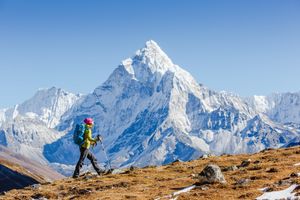
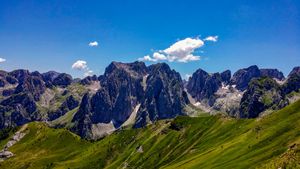
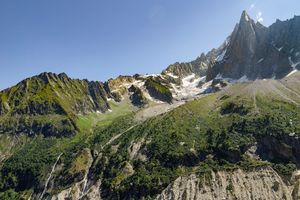
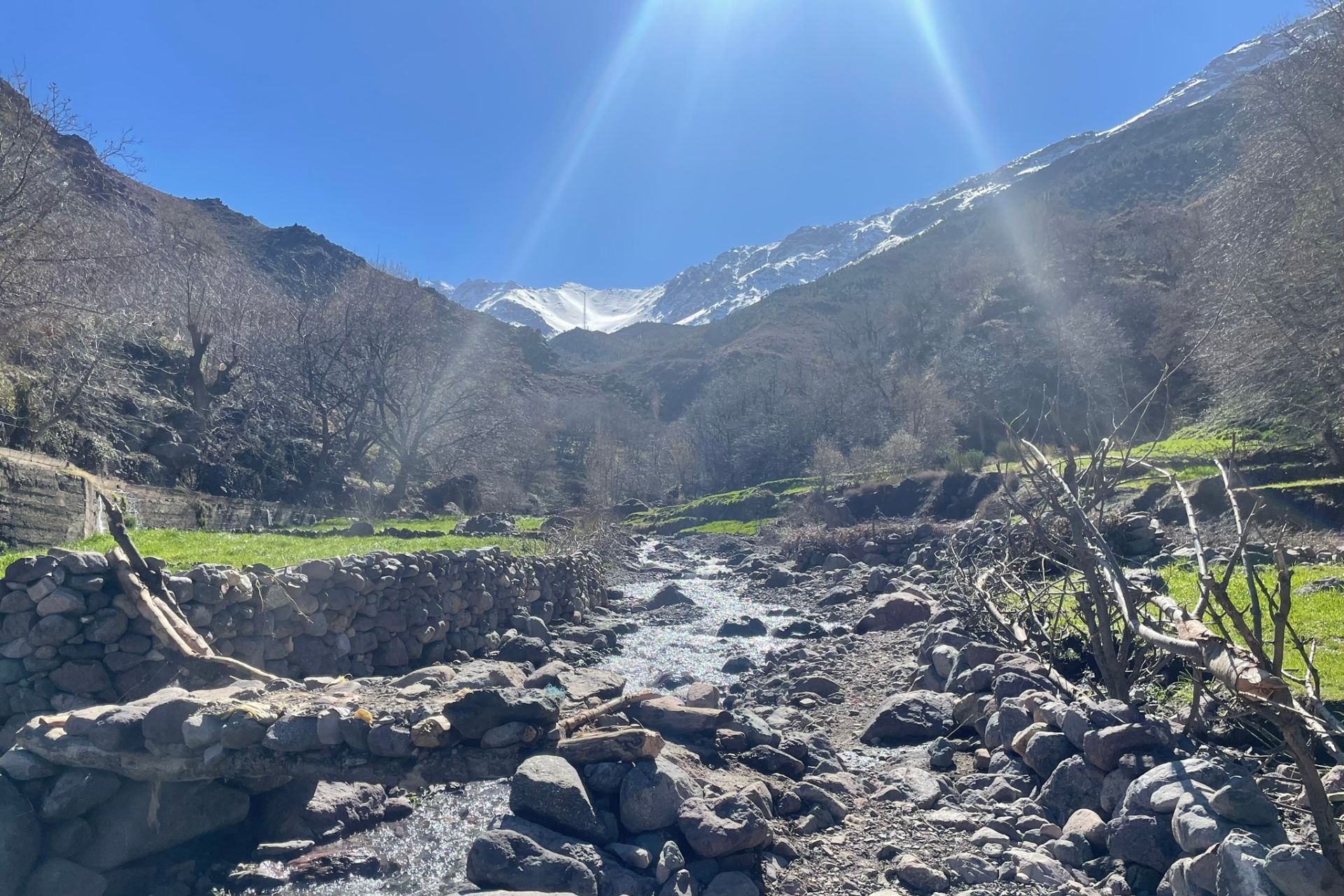
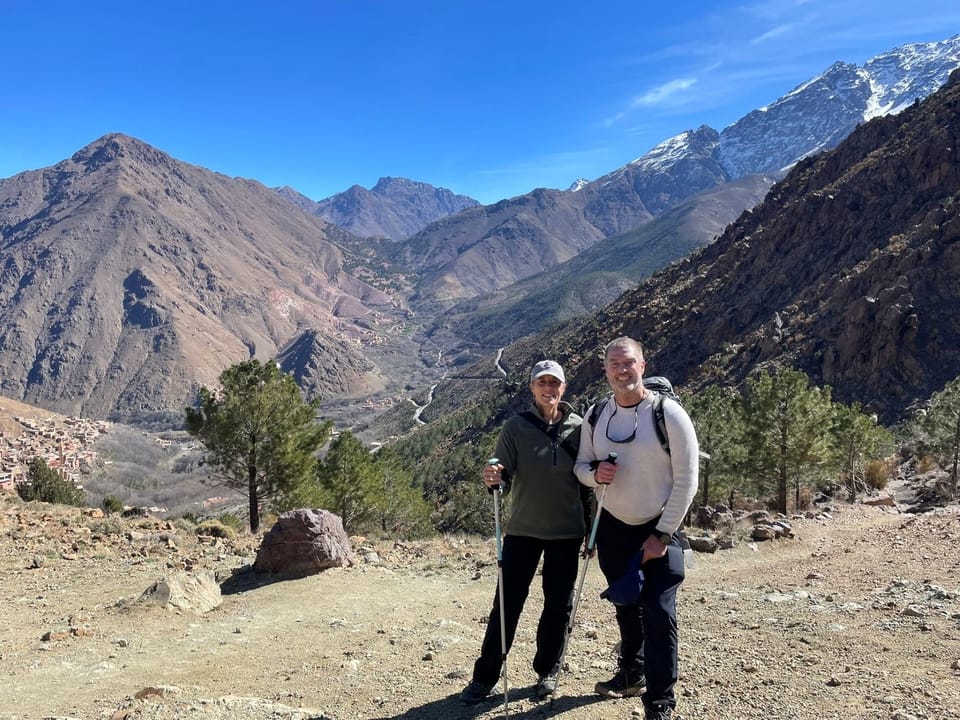
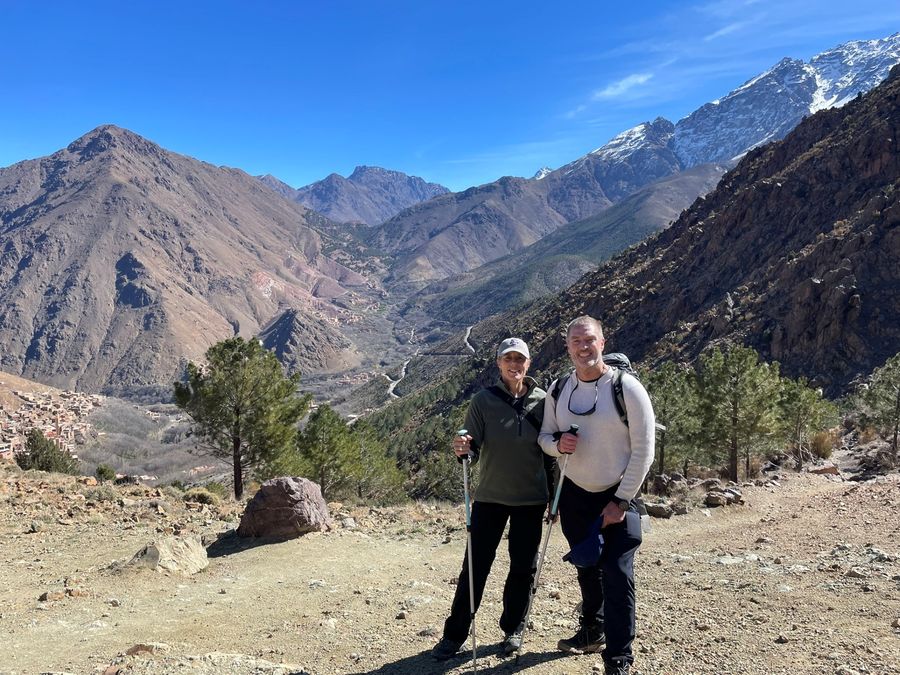
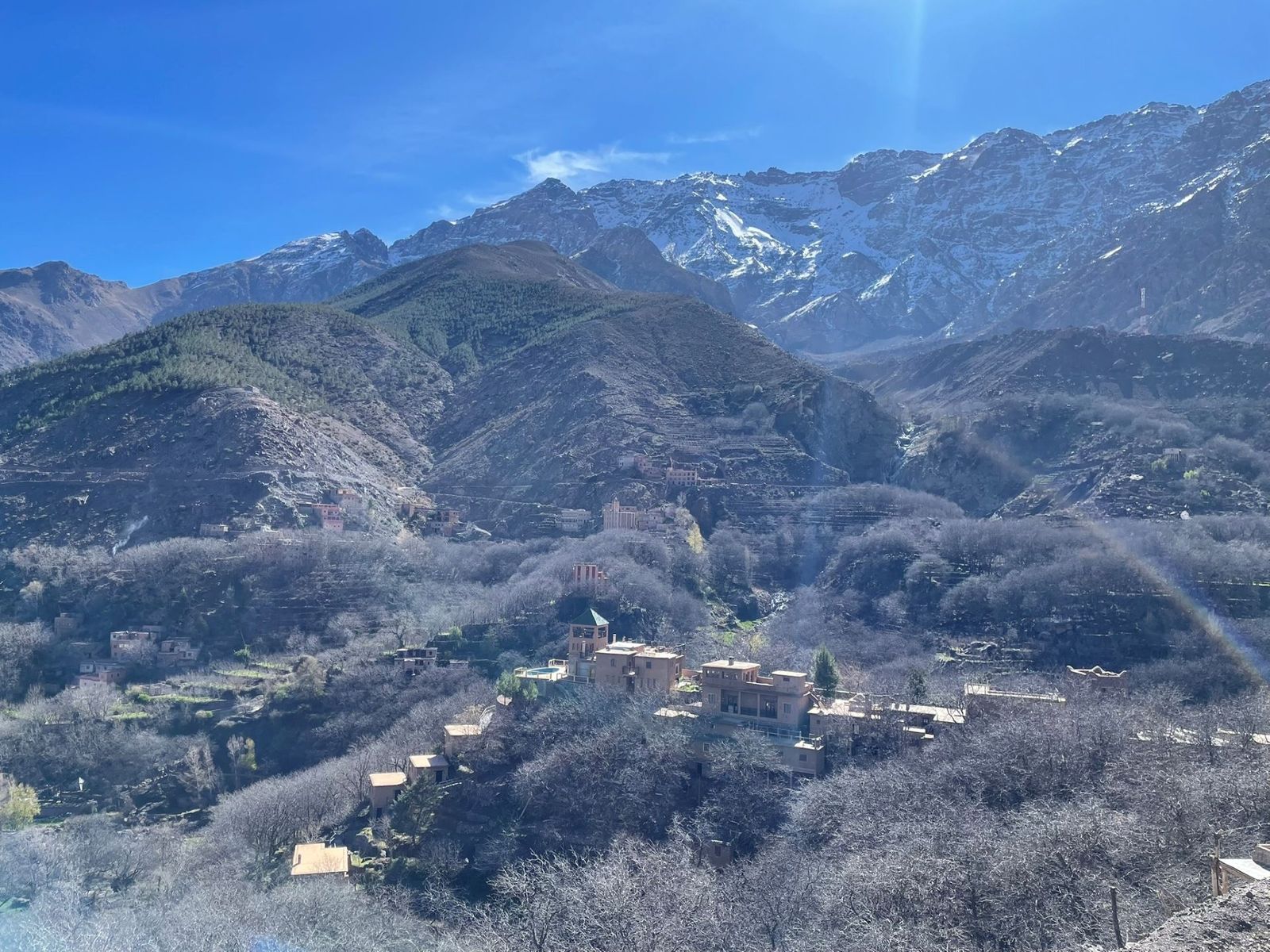
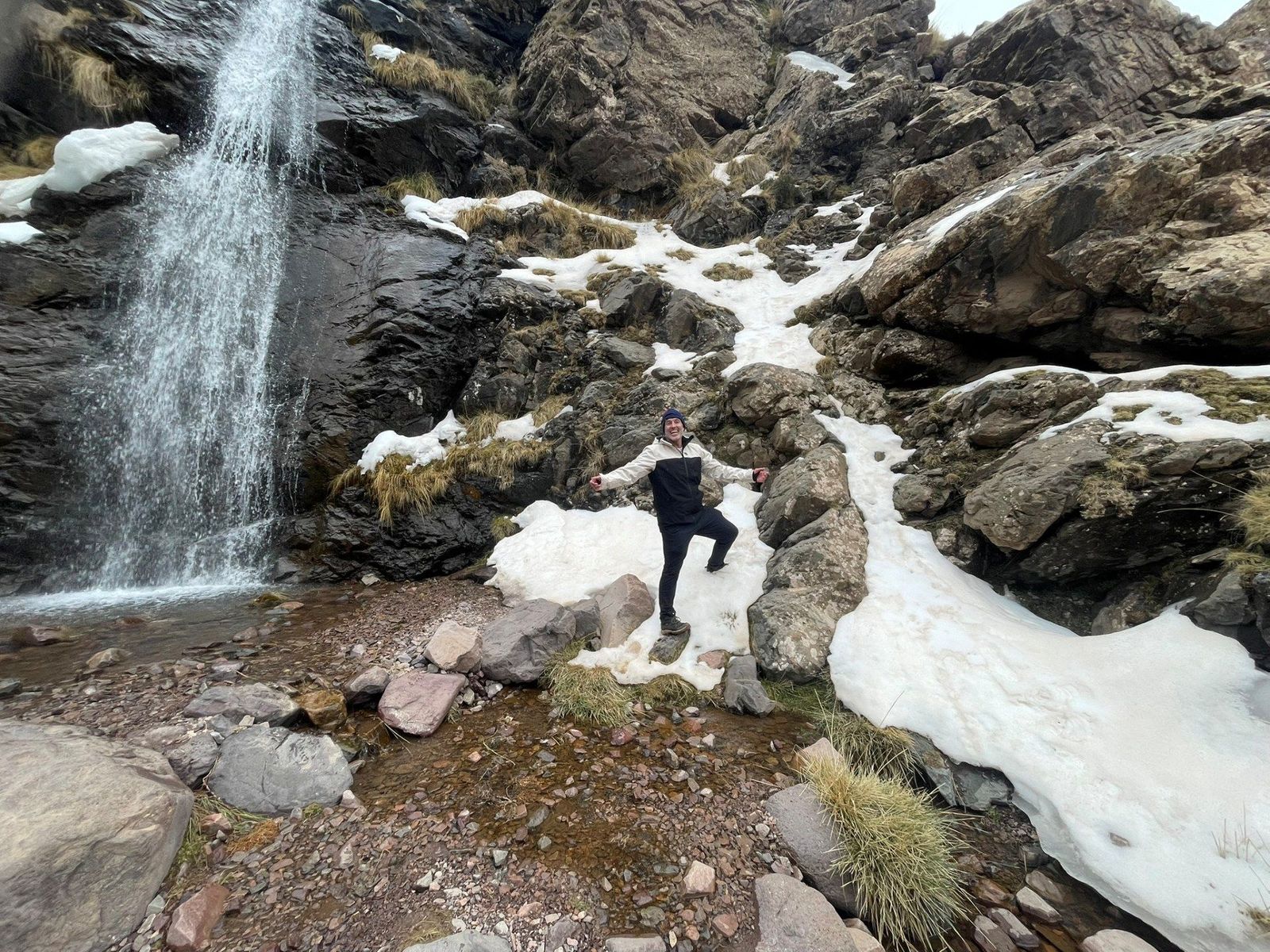
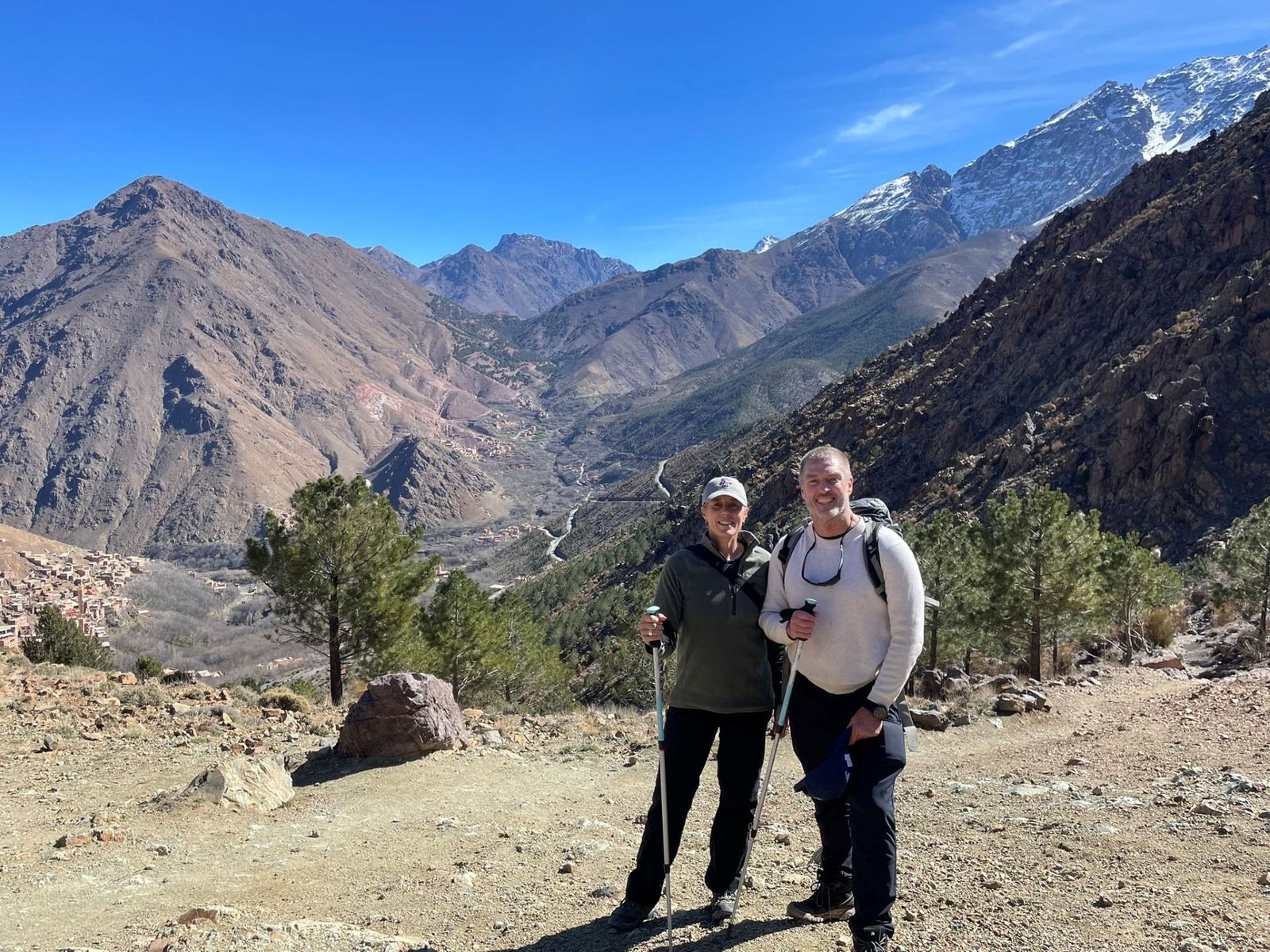
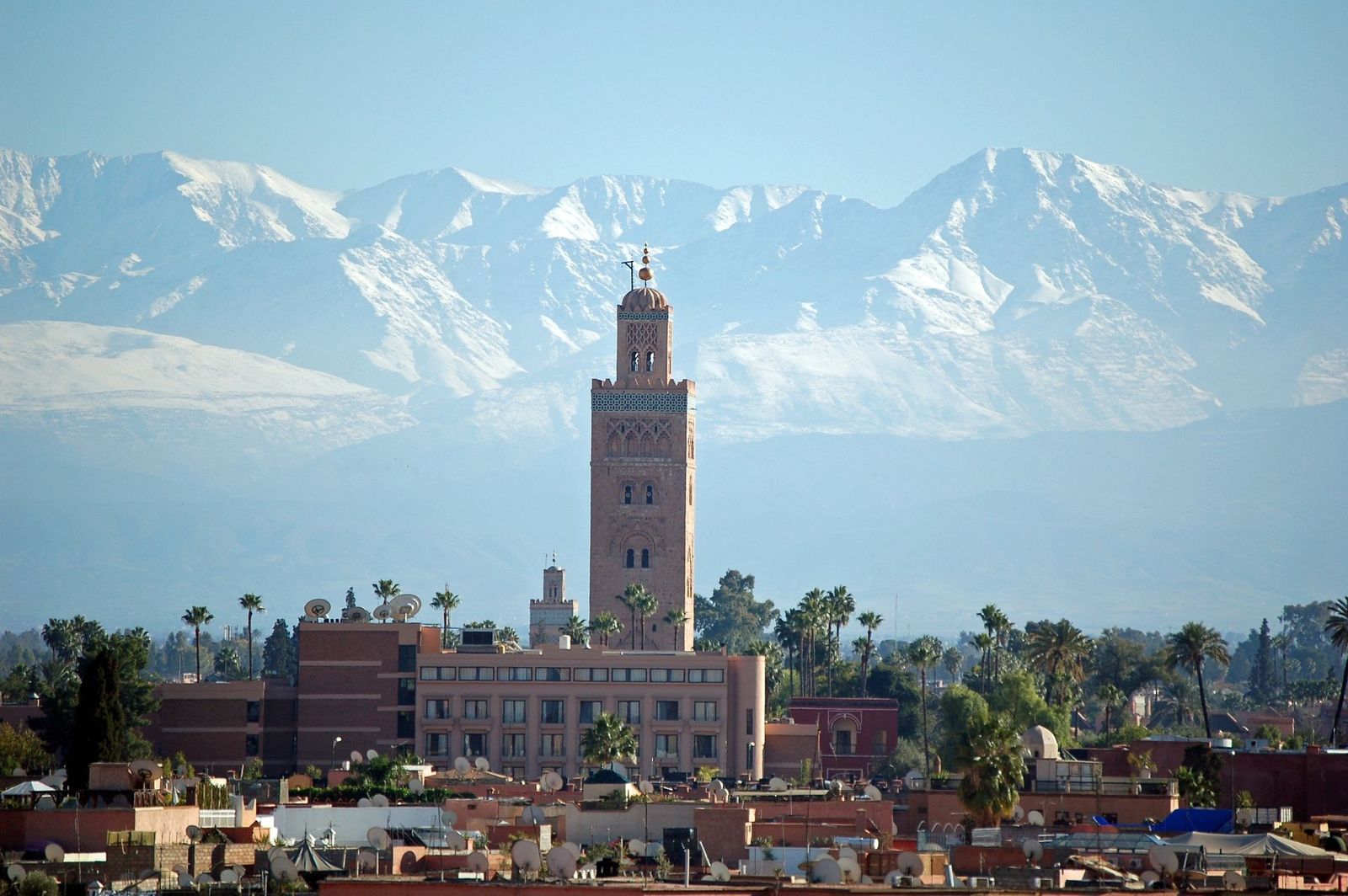
Morocco’s timeless High Atlas range captures the rugged majesty of the mountains. Spanning rich landscapes like Mount Tanamrout and Toubkal National Park, this vast region is carved by time and steeped in Amazigh (Berber) heritage. High granite crests drop into shaded rock gorges where cool mountain streams offer welcome relief from the sun.
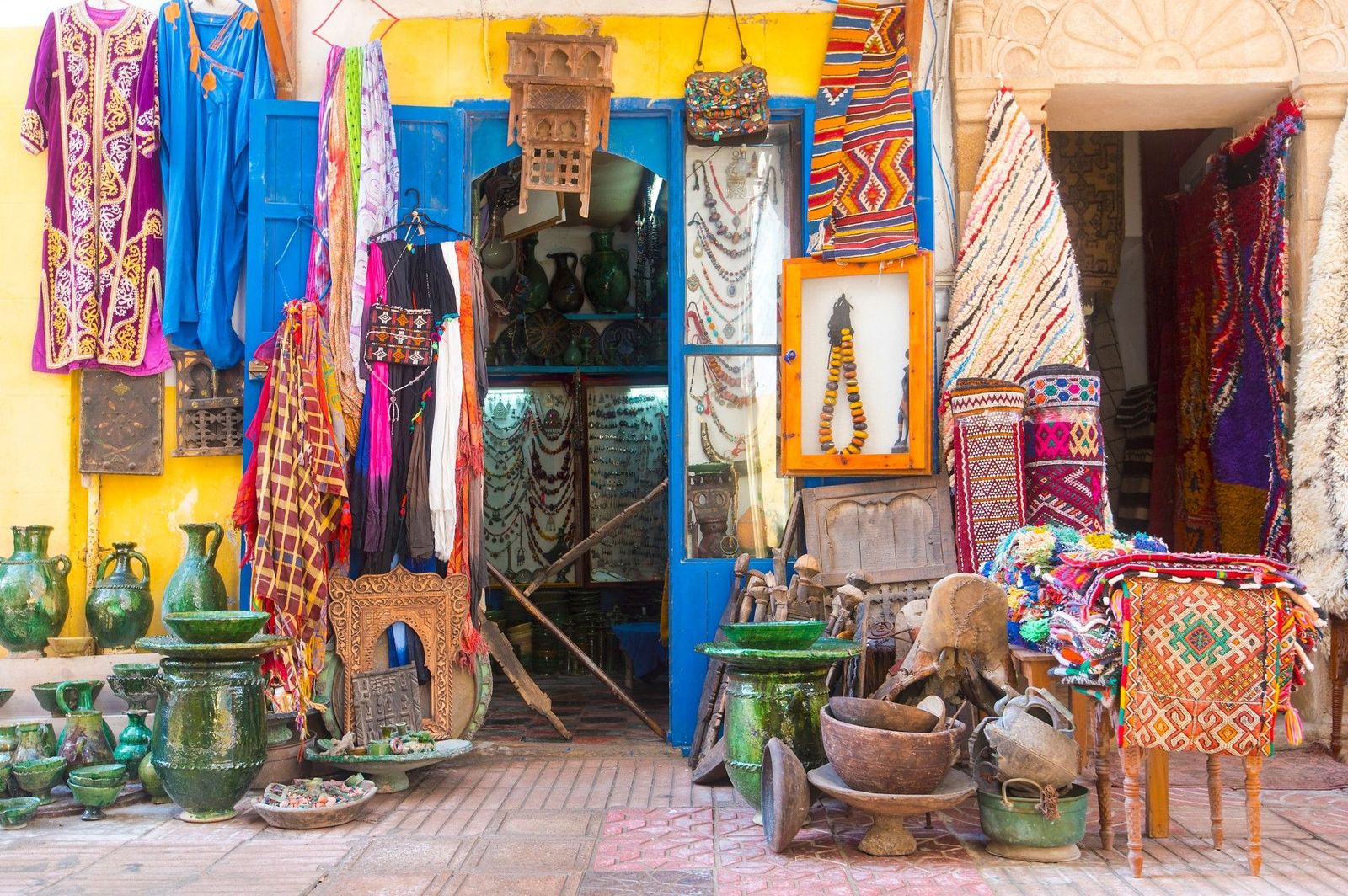
For thousands of years, indigenous Amazigh communities have walked these slopes, maintaining a profound connection to the land documented in ancient earthen architecture and living mountain traditions.
From Barbary macaques and wild boars to majestic eagles tracing the thermal currents, alpine life thrives across these dramatic expanses. Watching the mountain sky transform into shades of burnt orange and deep violet at dusk is a signature High Atlas moment. It is a destination where natural wonders and ancient traditions meet, offering an unforgettable journey into the true heart of Morocco.
With over 30 years of experience, 30,000+ satisfied guests, and more than 3 million kilometres walked, you’re in expert hands
Gallery
A closer look at High Atlas Mountains













The High Atlas Mountains experience
What you'll eat
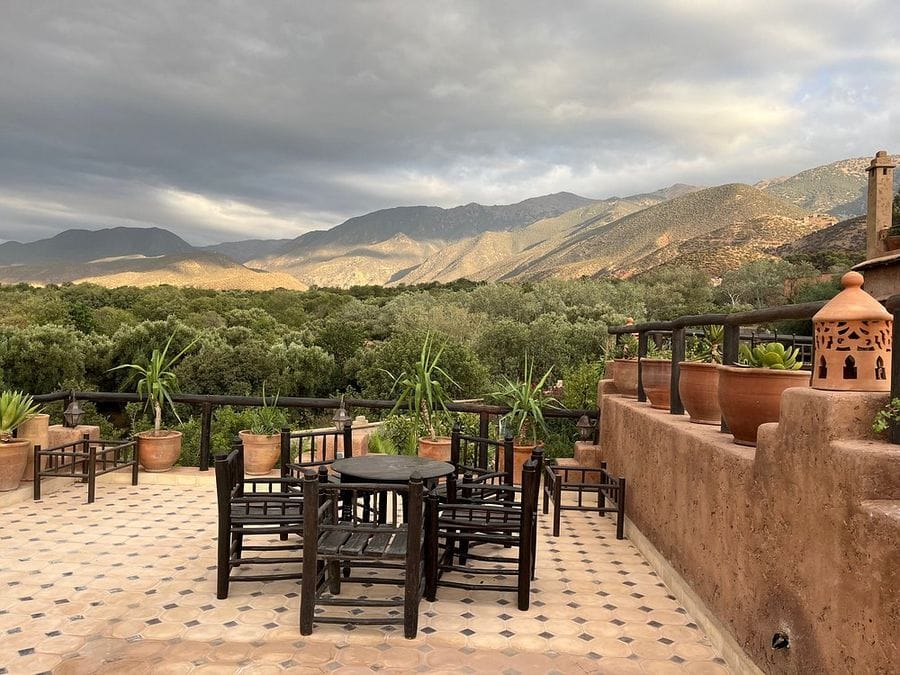
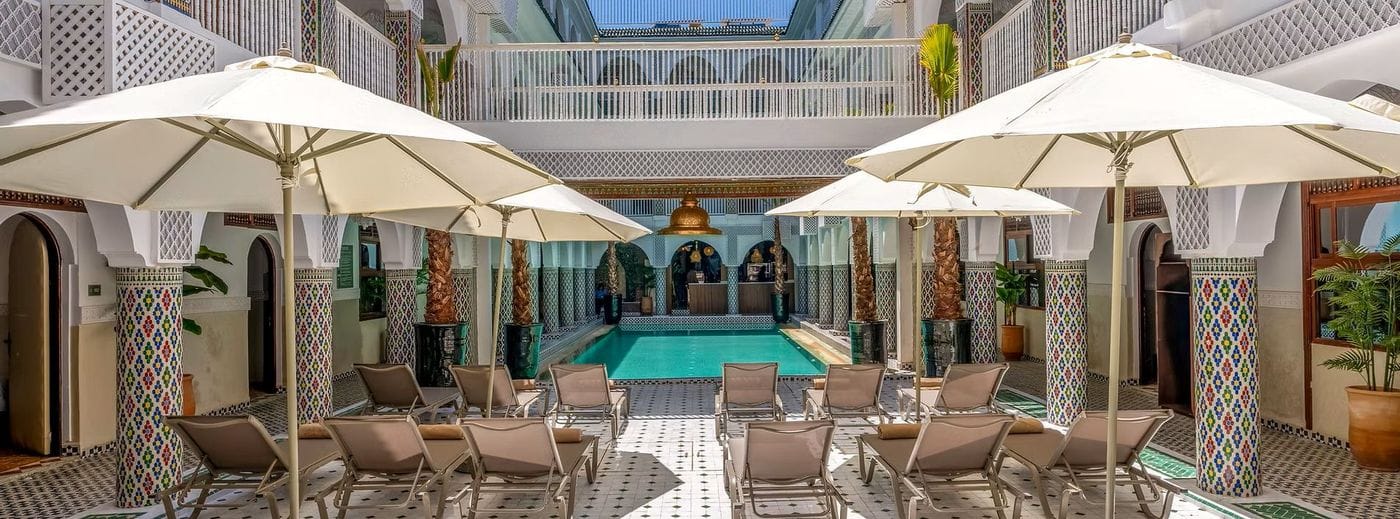
Where you'll stay
How you'll travel
More About This Destination
Morocco experiences a diverse Mediterranean to semi-arid desert climate with dramatic regional and seasonal shifts, best defined by hot summers and cool, crisp winters.
Winter / Cooler Months (November to March): Characterized by clear skies, mild sunny days, and dry conditions in the lowlands. Daytime temperatures typically range from 15 to 22 degrees Celsius (59 to 72 degrees Fahrenheit). However, temperatures drop rapidly at night. In inland regions, desert areas, and higher elevations, overnight temperatures frequently plummet below 0 degrees Celsius (32 degrees Fahrenheit), bringing crisp morning frosts and snow to high alpine peaks. This clear, mild window is widely considered the most comfortable time for desert exploration and lowland sightseeing.
Summer / Warmer Months (June to September): Characterized by intense heat and long, sun-drenched days. Average daily maxima range from 32 to 40 degrees Celsius (90 to 104 degrees Fahrenheit), with extreme days in the Sahara and inland plains occasionally climbing past 45 degrees Celsius (113 degrees Fahrenheit). While rainfall is scarce year-round, high-altitude mountain valleys offer cooler escapes, though occasional summer heatwaves can bring sweeping dry winds across the arid landscapes.
Frequently asked questions
Can't find what you're looking for?
We can create a custom trip tailored to your preferences.
As Featured In