

-300x200.jpg)
-300x200.jpg)
-300x200.jpg)
-300x200.jpg)

-300x200.jpg)
-300x200.jpg)
-300x200.jpg)
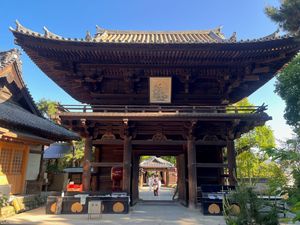
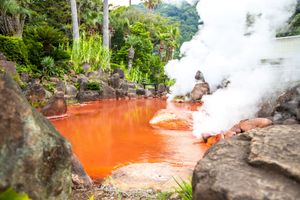
-300x200.jpg)
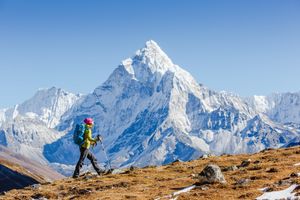
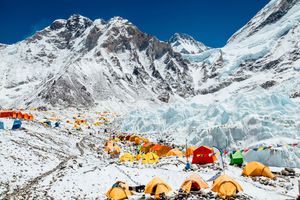
-300x200.jpg)
-300x200.jpg)

-300x200.jpg)
-300x200.jpg)
-300x200.jpg)


Andrew W
November 2025
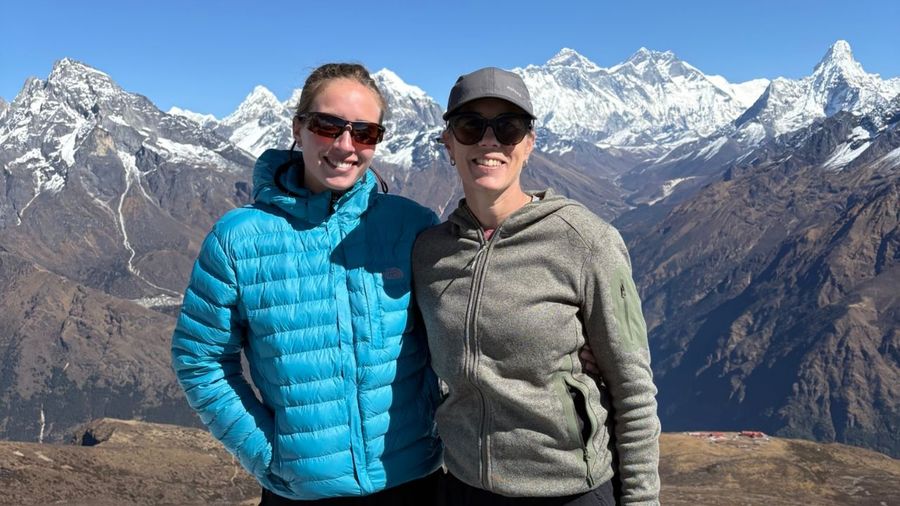
Entire trip went extremely well. Foods were of excellent quality too.
Everest & Kongde The Royal Himalayan Trek - 12 Days
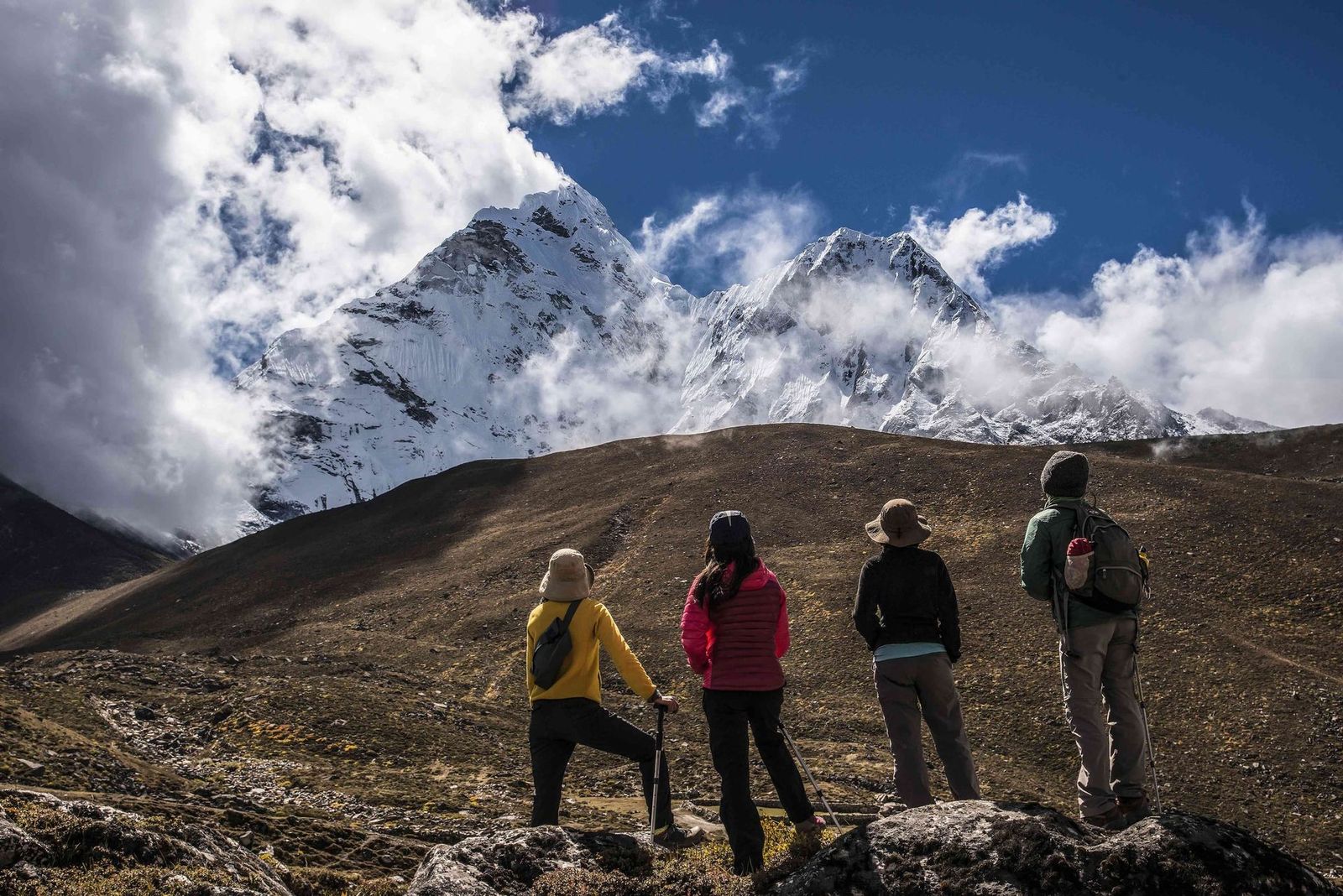
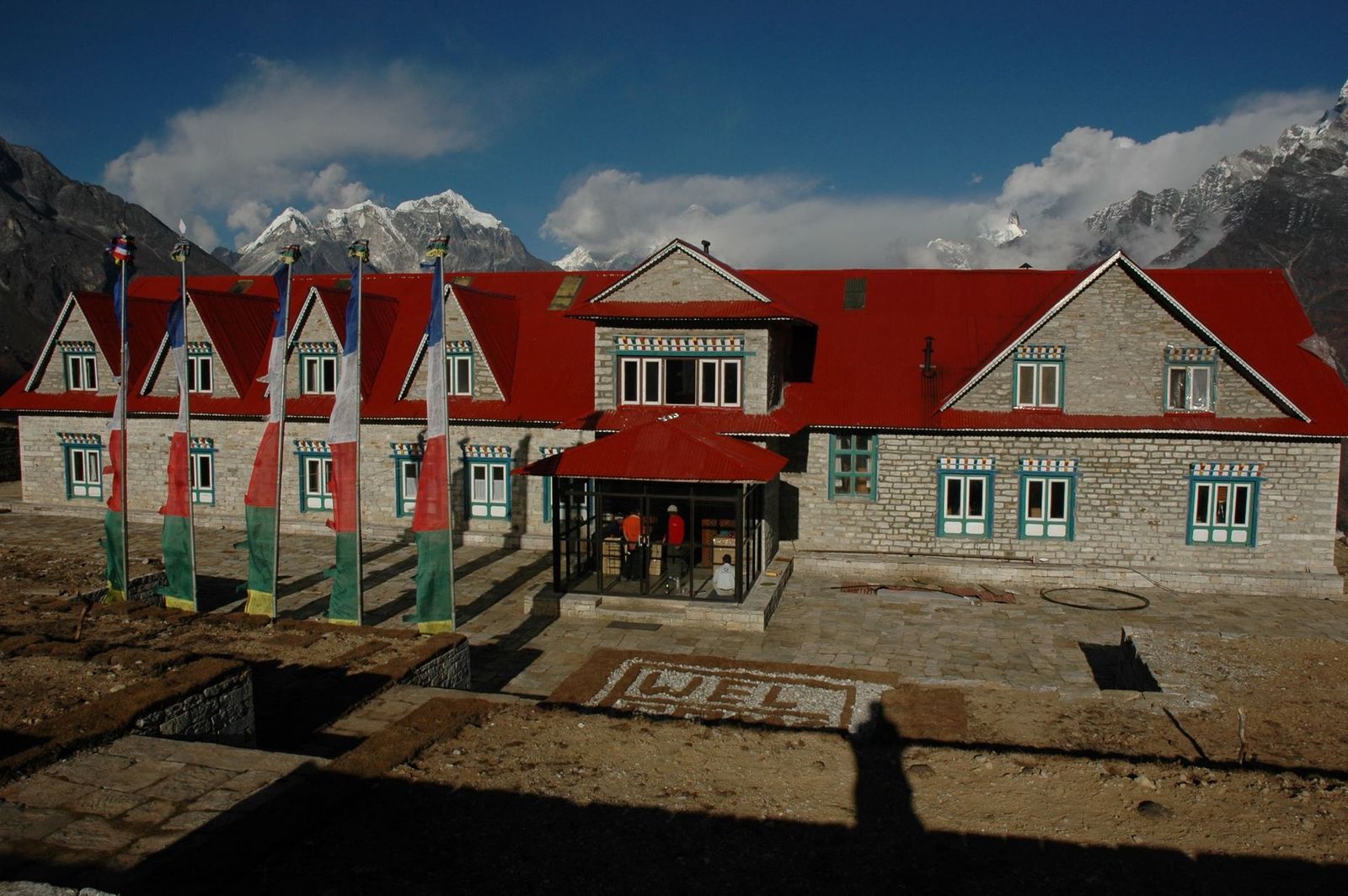
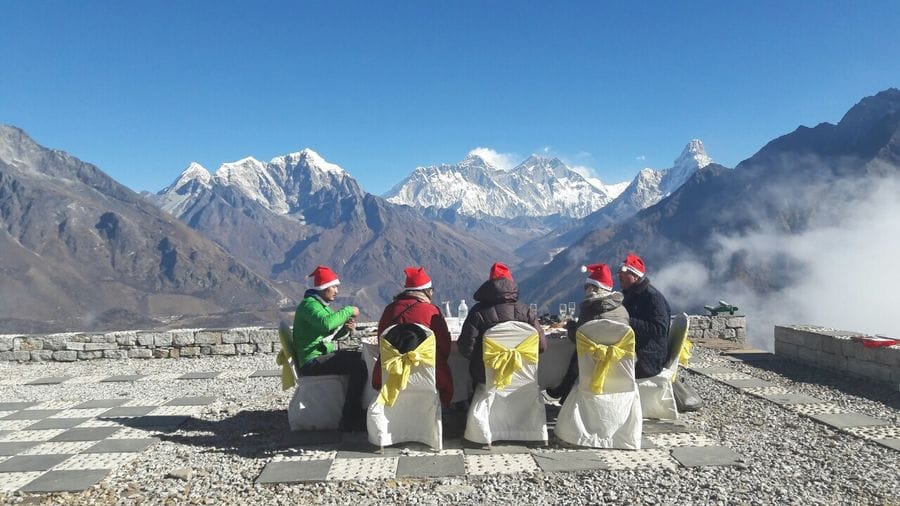
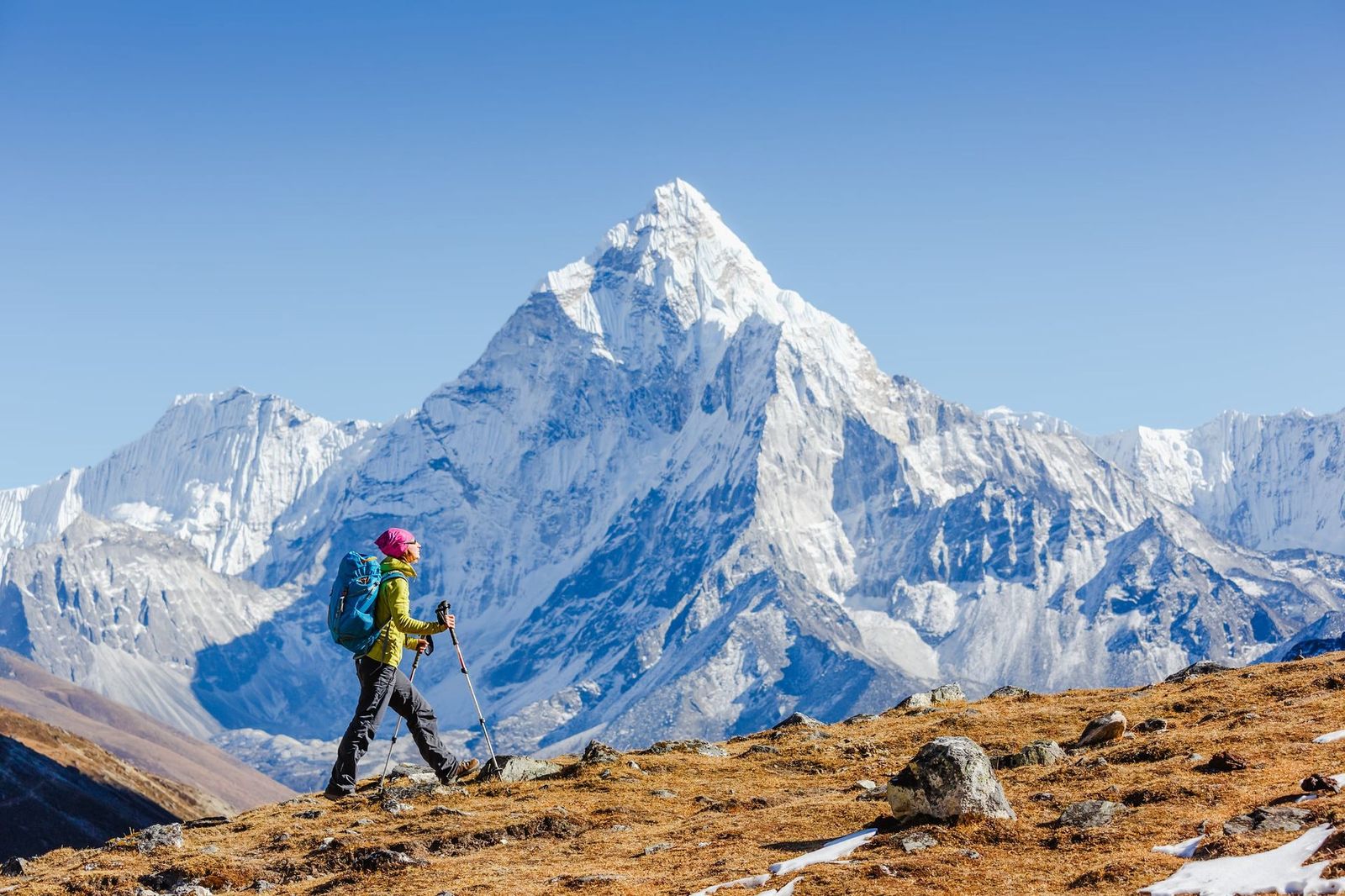
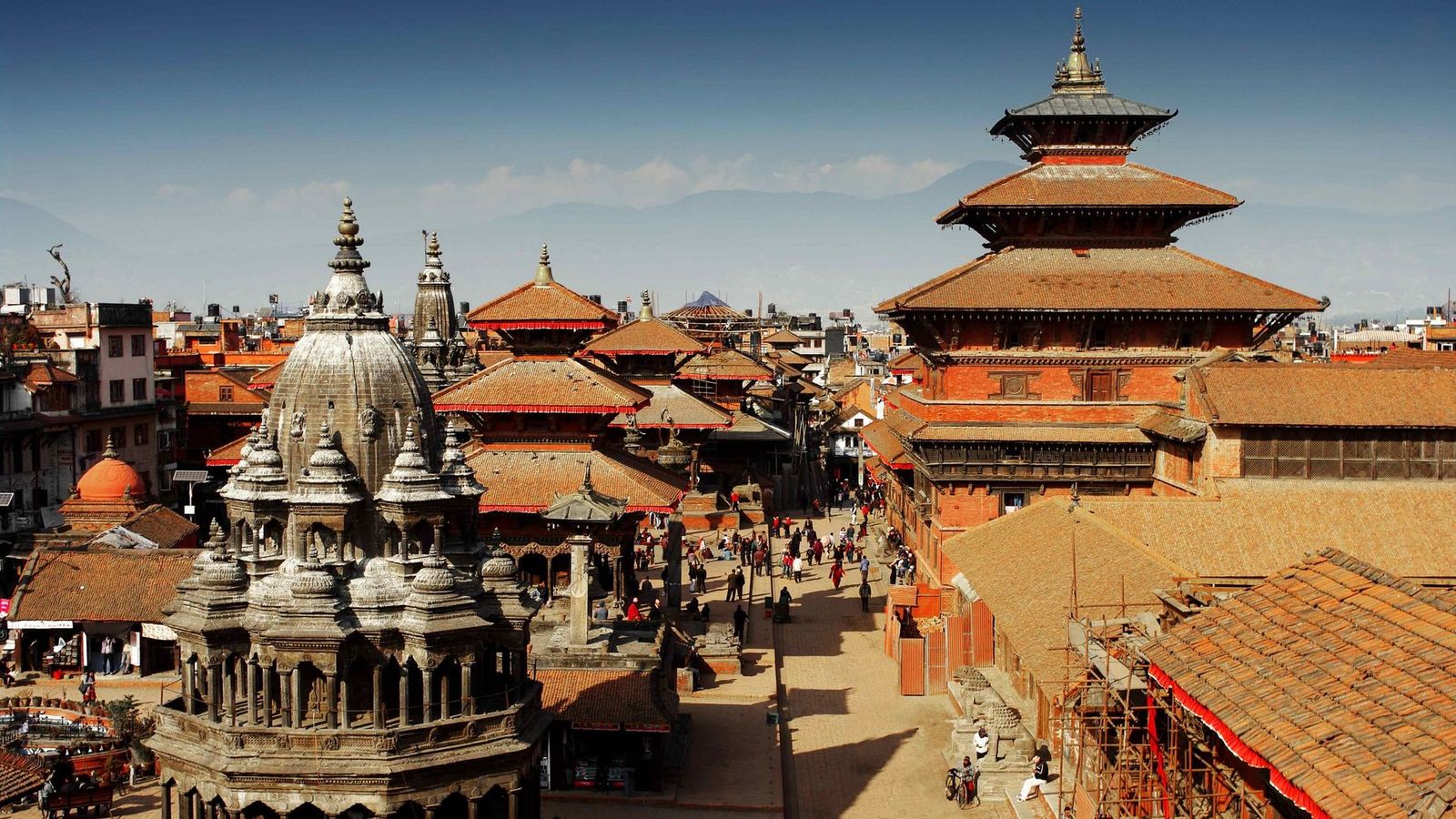
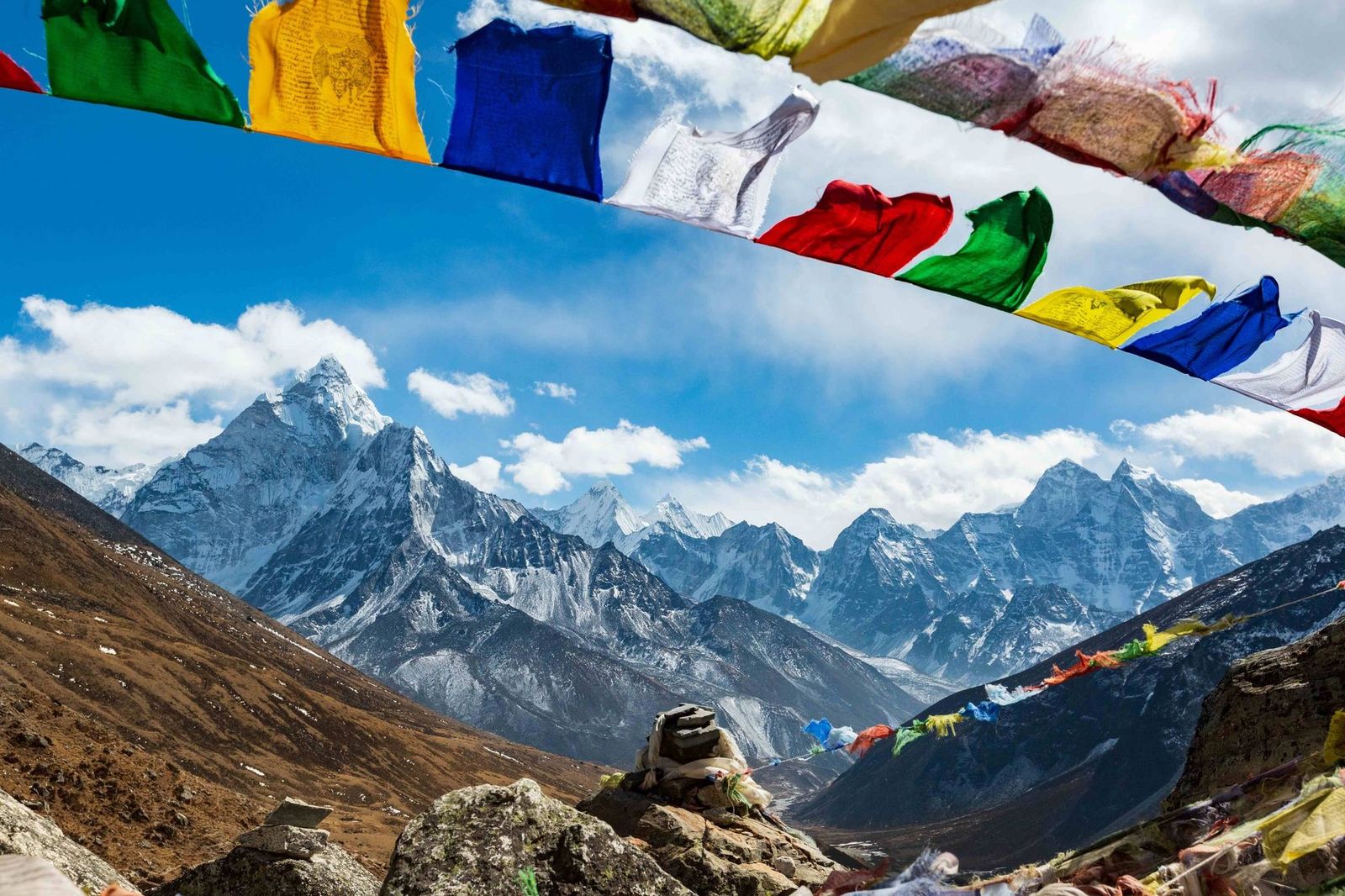
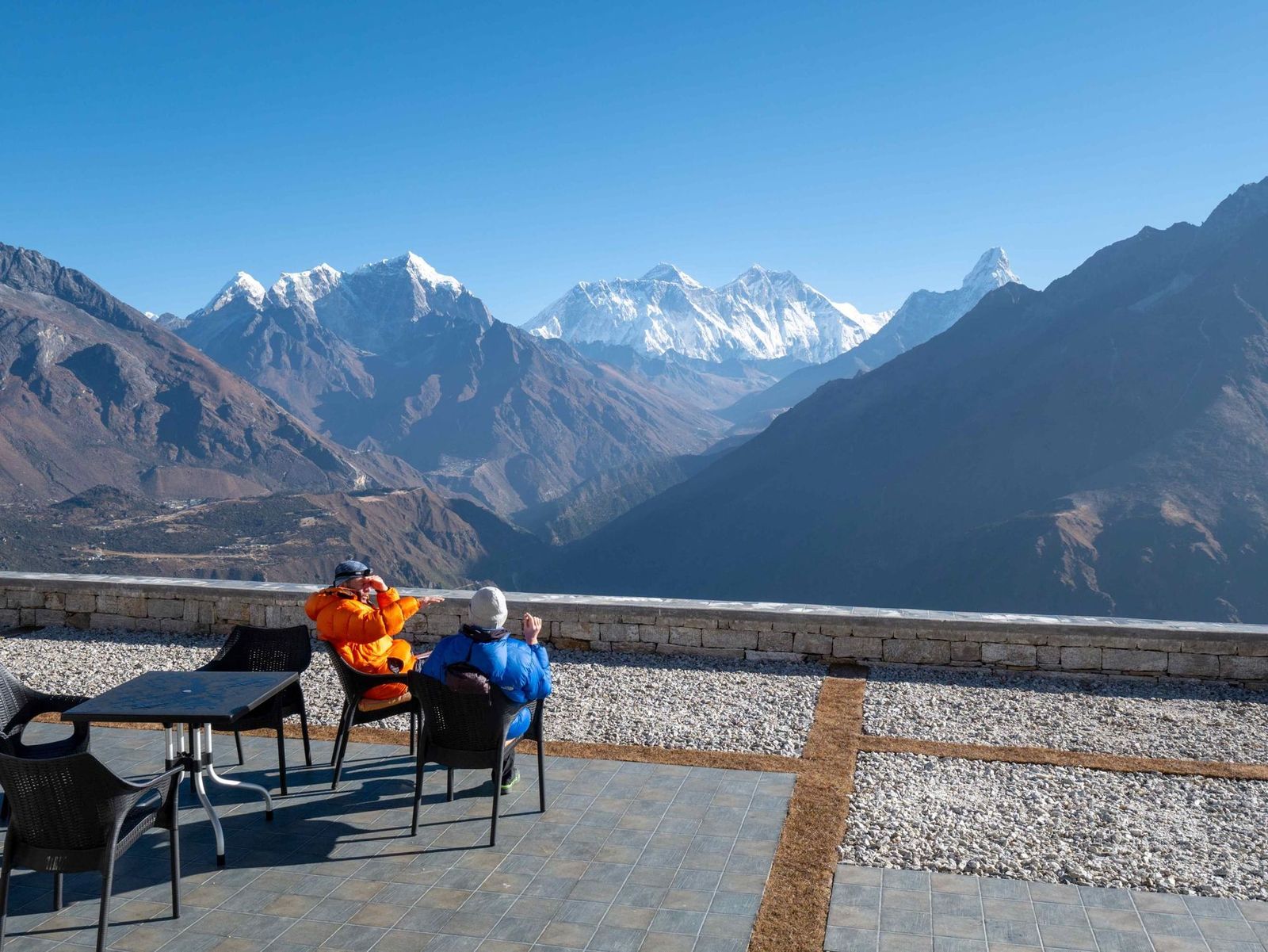
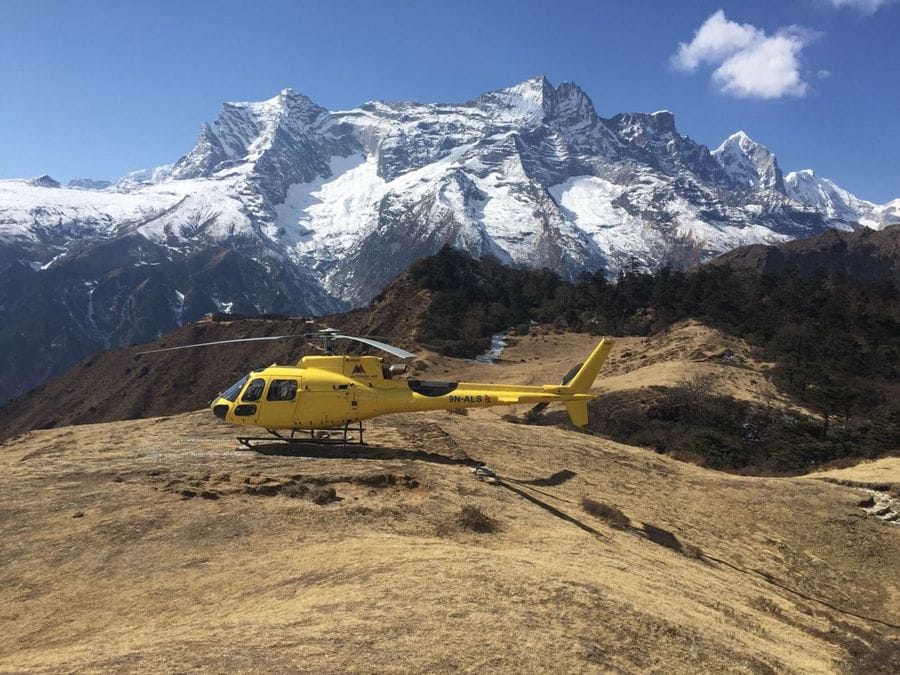
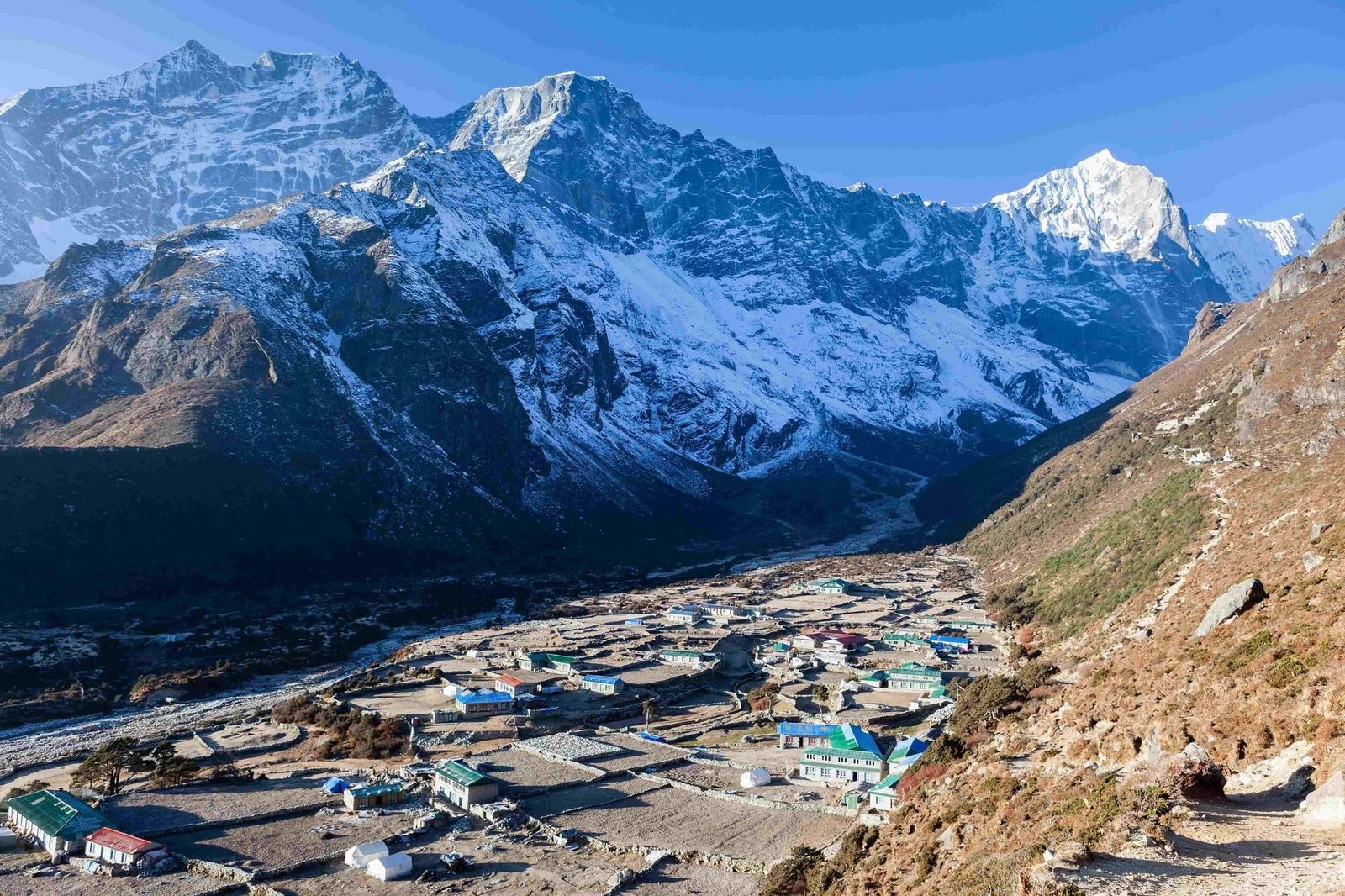
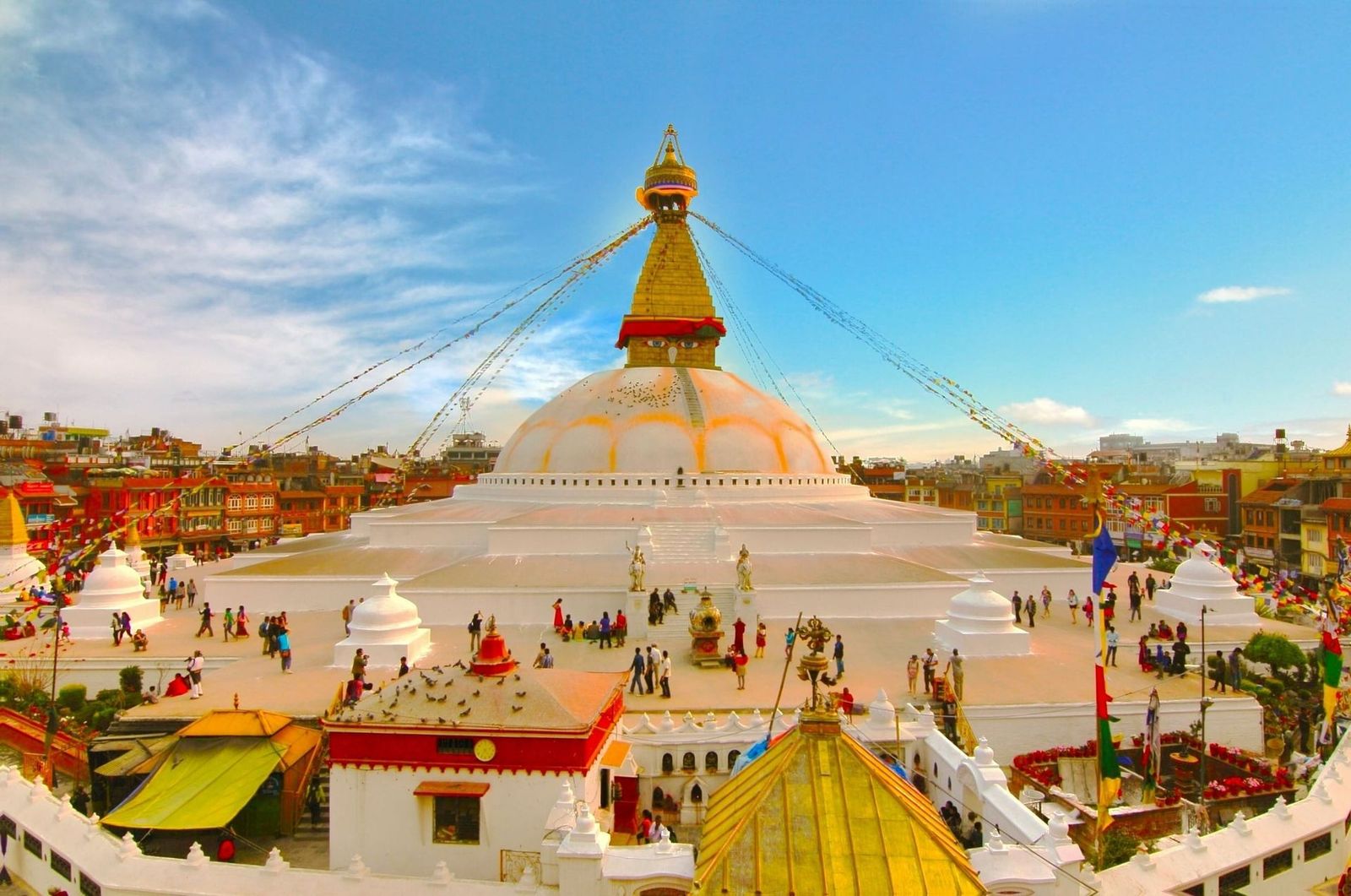
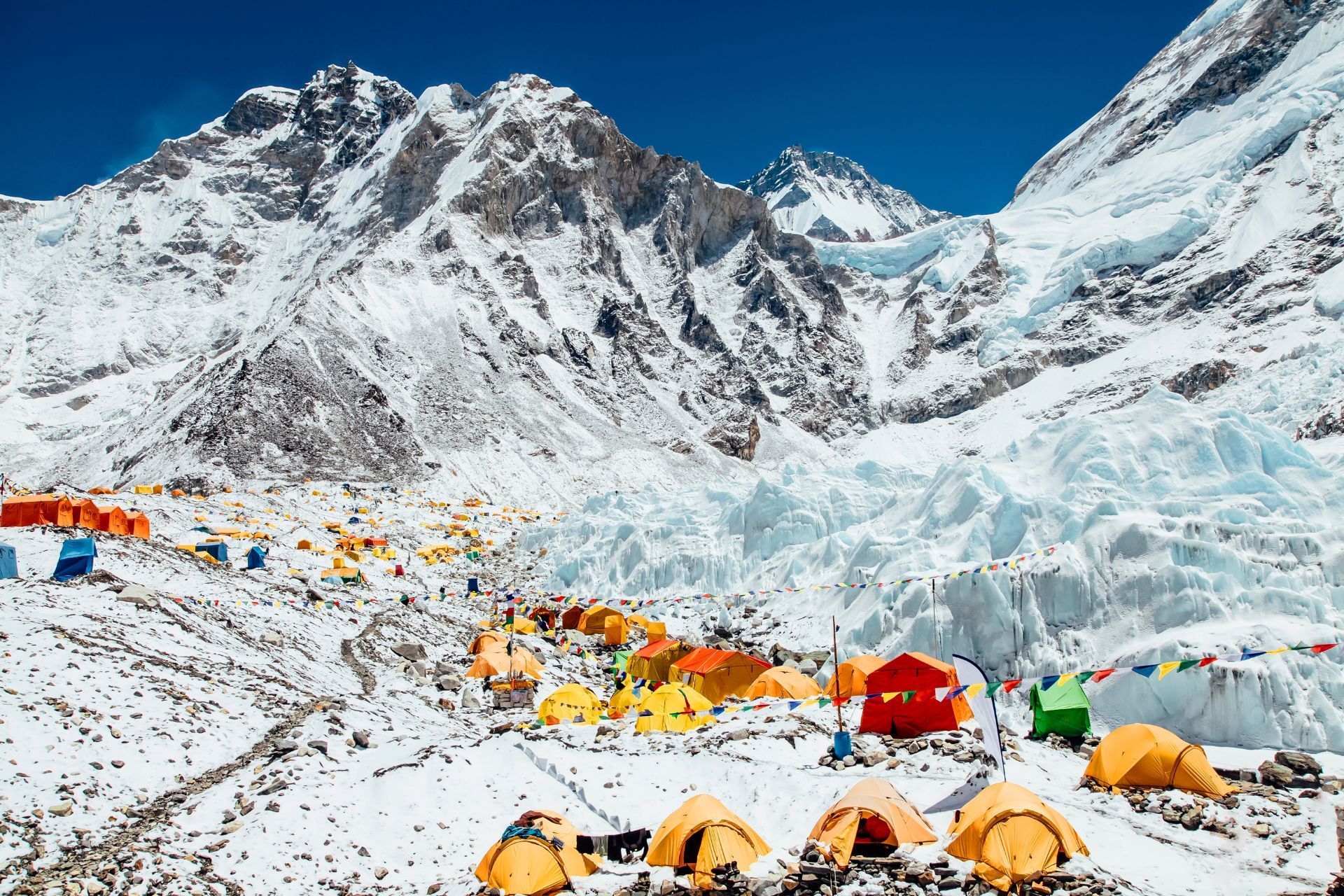
This 12-day group-guided trek takes an off-the-beaten-track approach to the Everest region, delivering an experience of the Himalayas that few trekkers ever see. Rather than following the crowded Everest Base Camp trail, this itinerary branches into the quieter valleys and ridges above Namche Bazaar, ascending to Kongde at 4,200 metres where one of the highest hotels on the planet sits with views that rank among the finest from any accommodation in the world. Though still a challenging undertaking, the trekking is slightly more manageable than other Everest region routes without sacrificing any of the views.
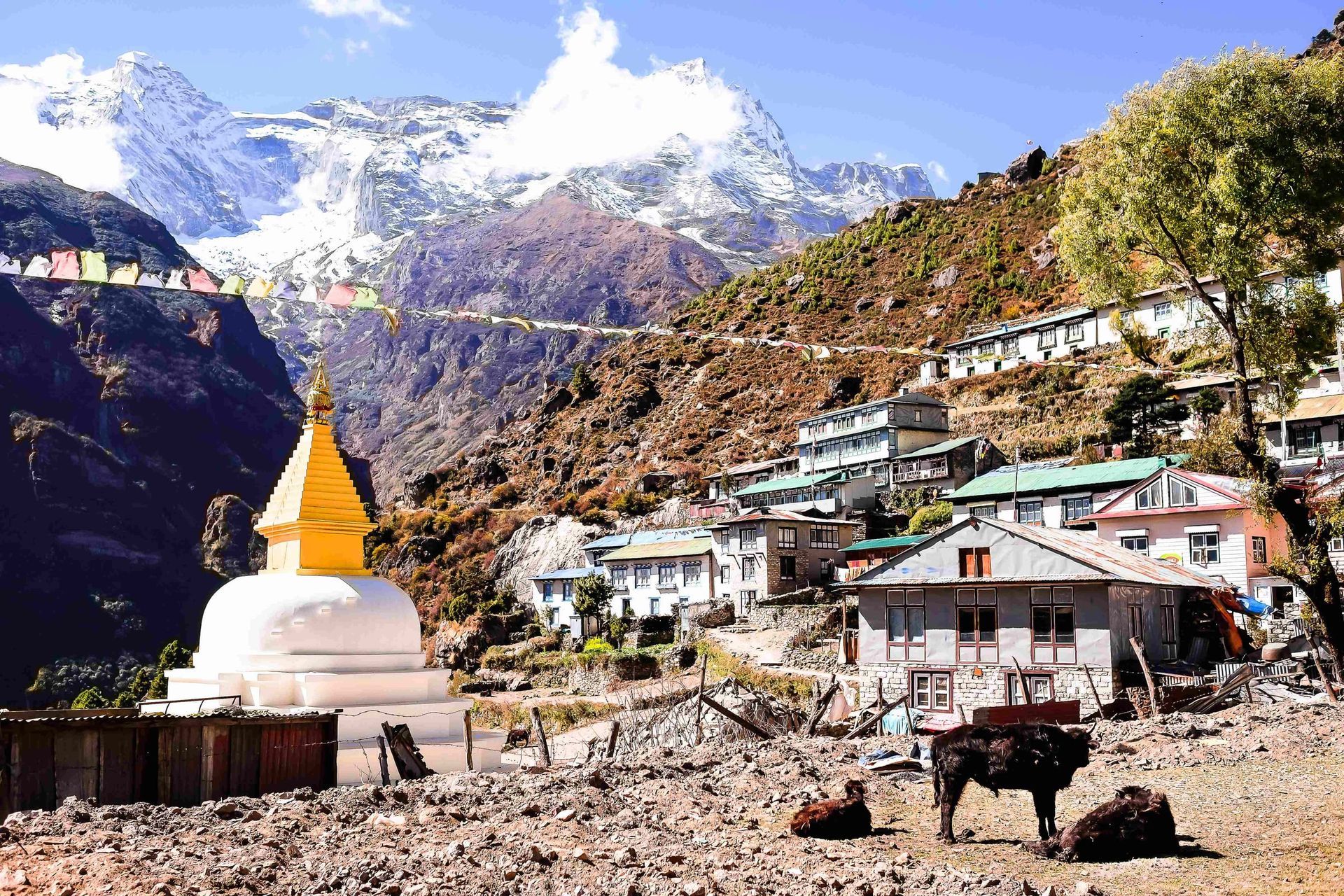
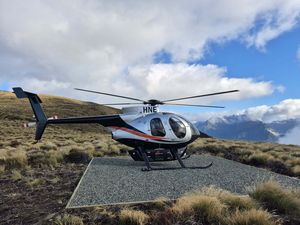
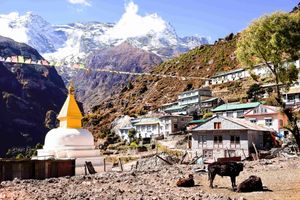
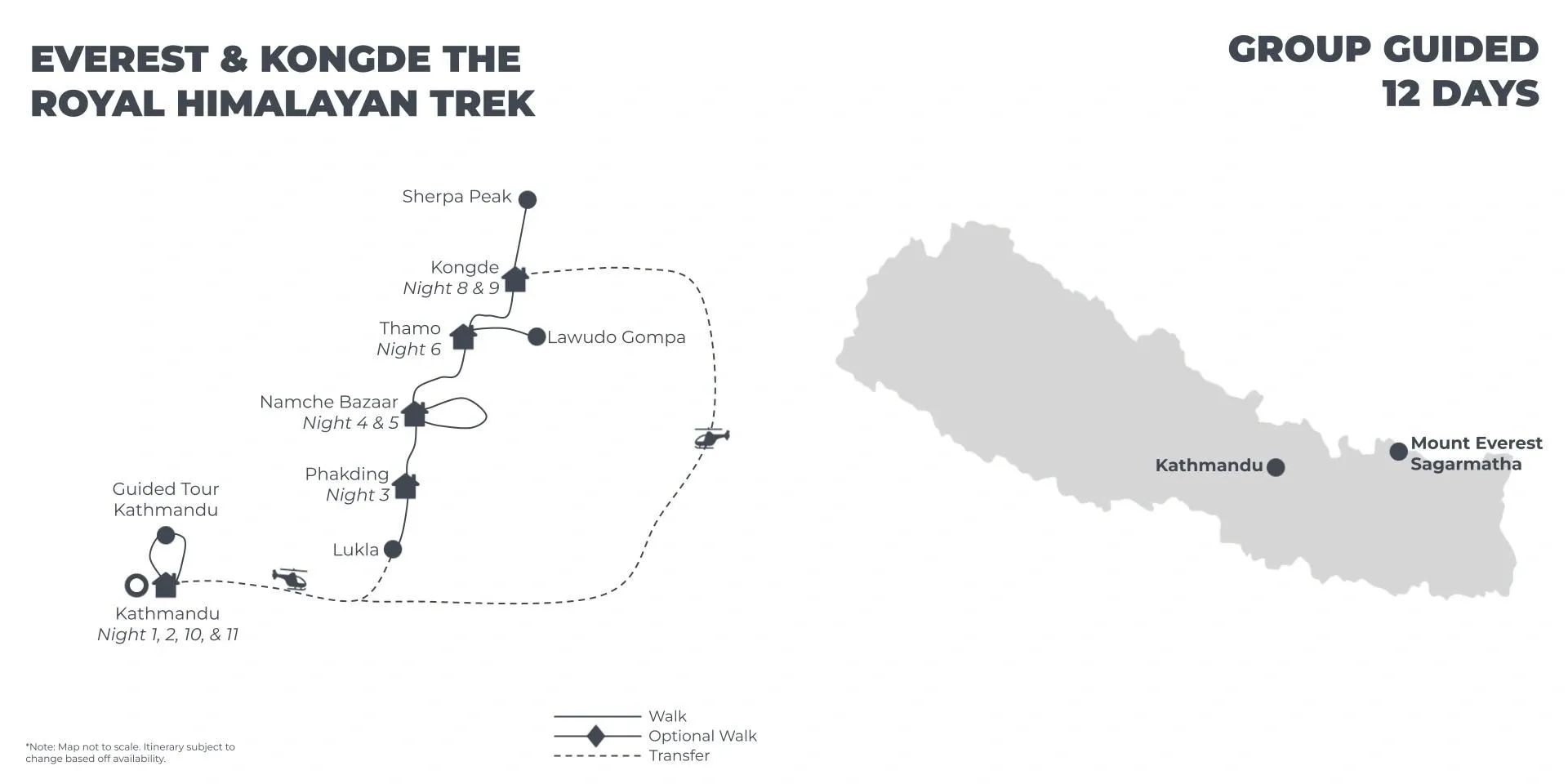
The trek begins with a helicopter flight to Lukla, cutting out the delays and uncertainty of fixed-wing flights and setting the tone for a journey designed around both experience and efficiency. The route passes through the legendary Sherpa mountain town of Namche Bazaar, the serene village of Thamo and the spiritual stillness of Lawudo Gompa, a significant Buddhist meditation monastery perched above the valley, before the final ascent to Kongde.
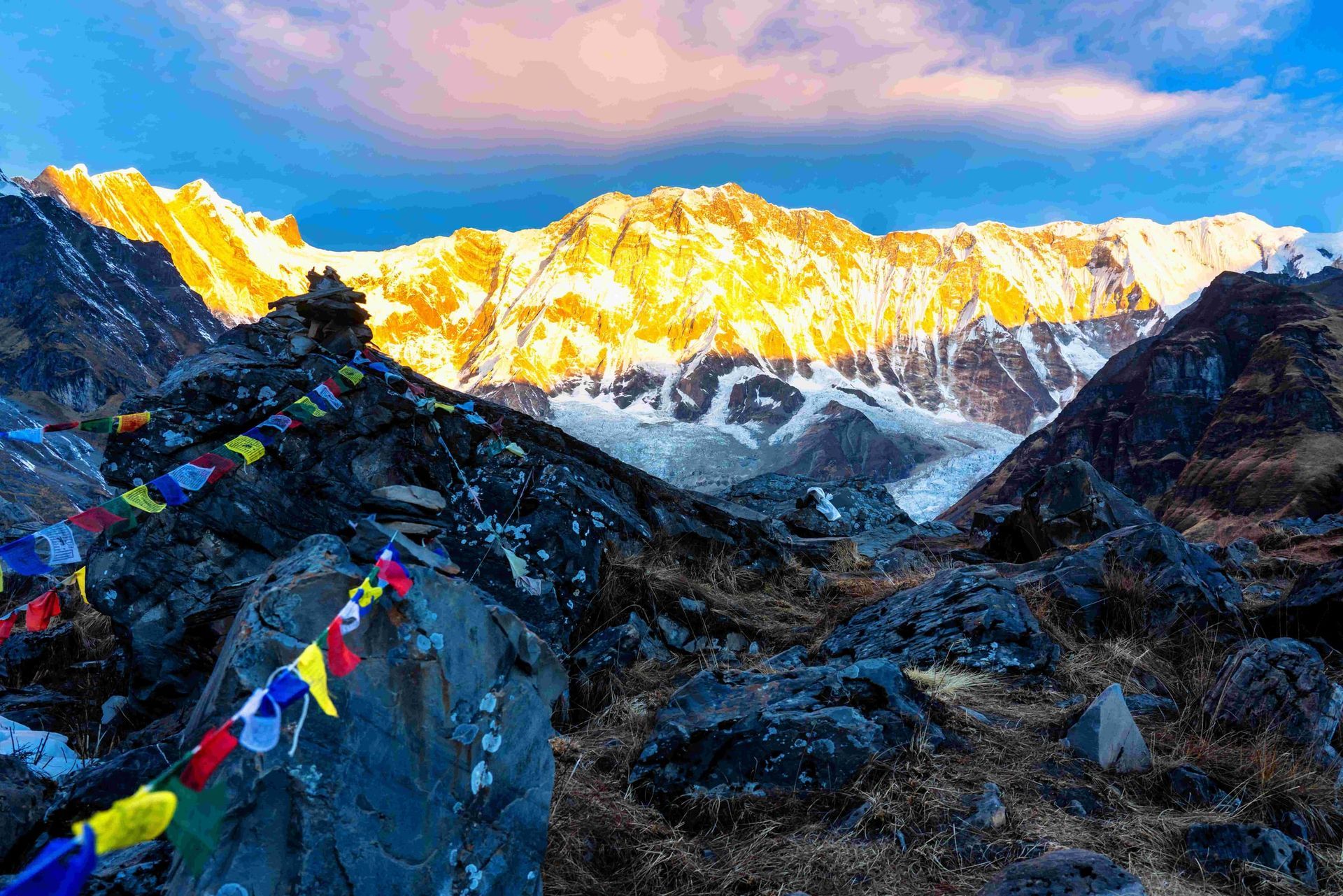
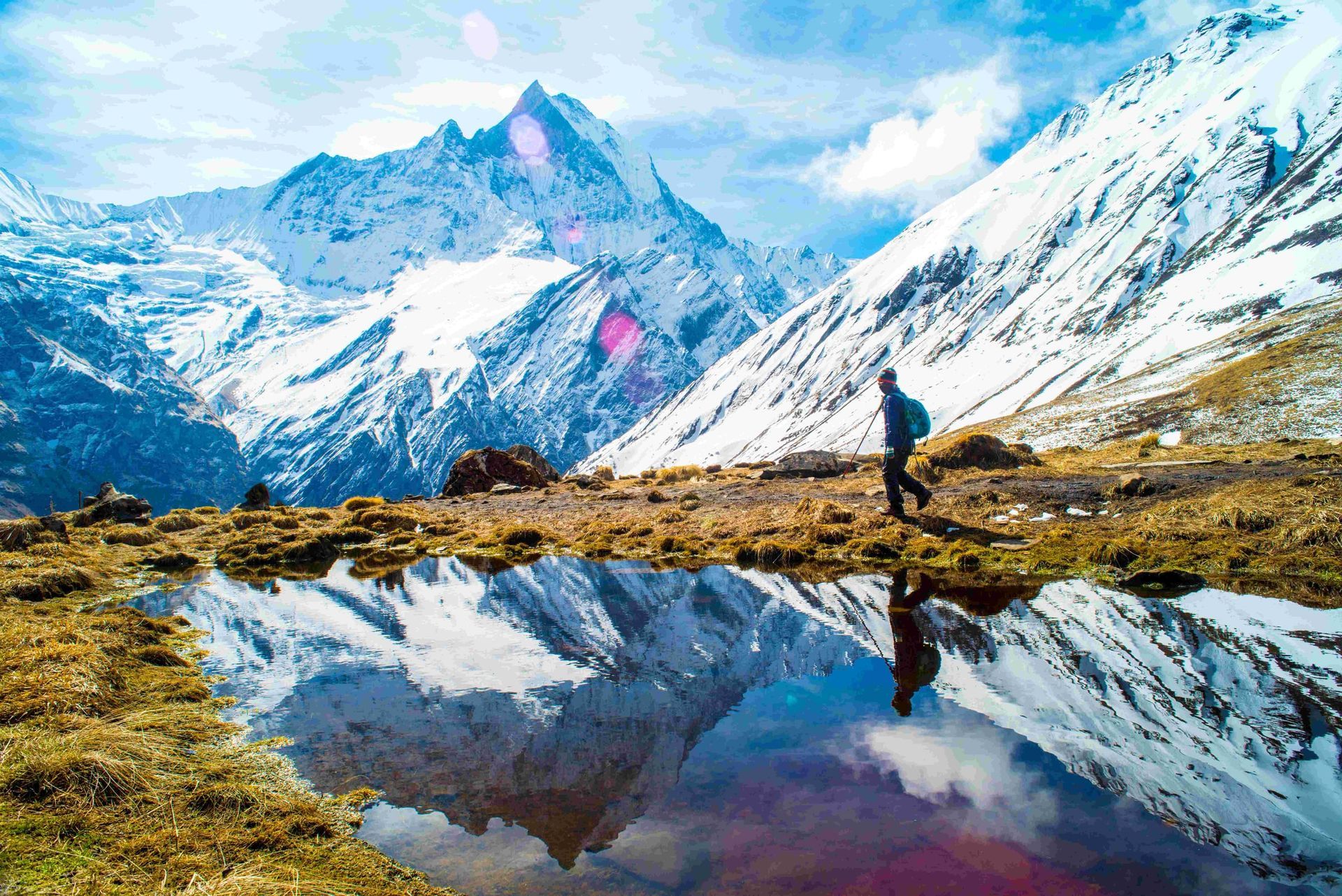
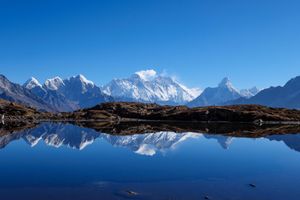
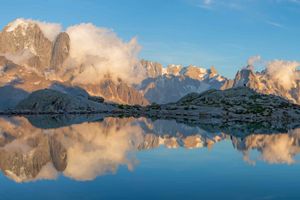
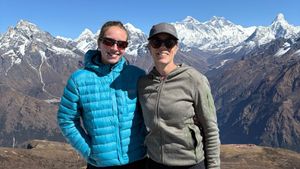
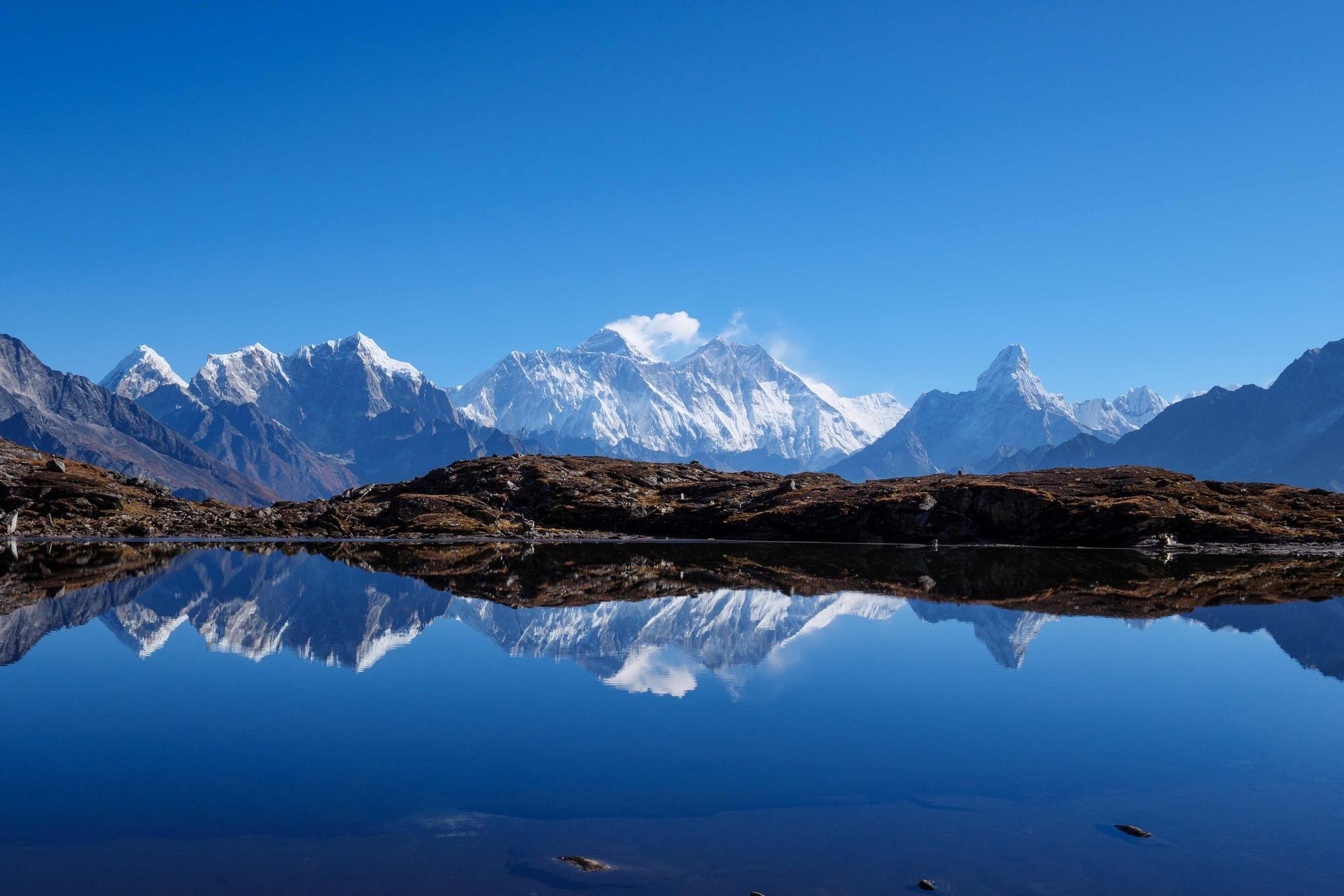
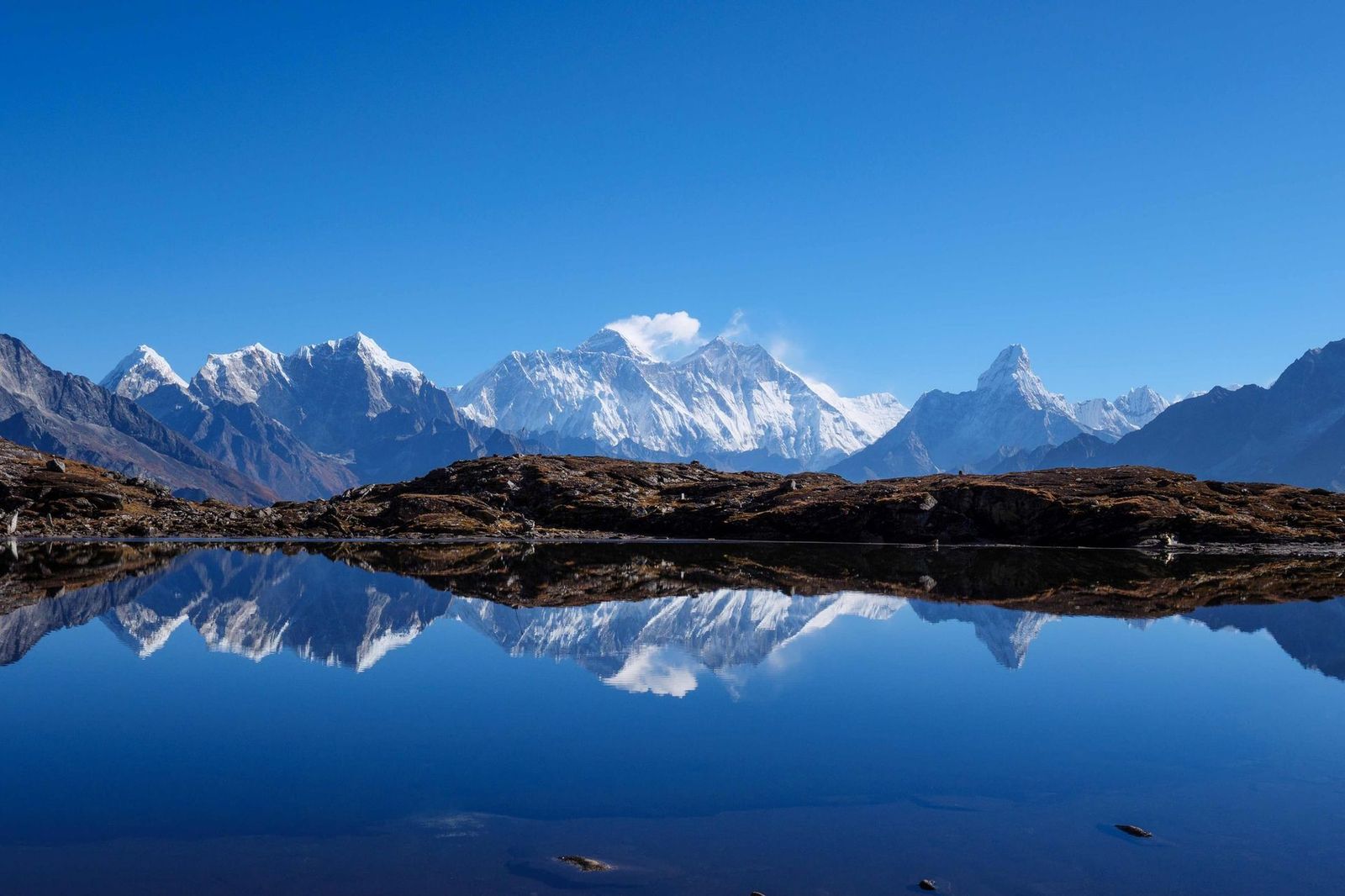
The summit days deliver extraordinary panoramas of Everest, Lhotse, Ama Dablam, Makalu and Cho Oyu, with the ascents of both Sherpa Peak (5,050m) and Sumdur Peak providing a genuine sense of achievement. The walk out to Kongde Glacial Lake and its celebrated mountain reflections is one of the most iconic moments in Himalayan trekking. The return to Kathmandu is by helicopter from Kongde, completing a journey that consistently delivers maximum reward for the effort involved. Four nights in the 4-star Hotel Mulberry in Kathmandu bookend the trek, with welcome and farewell dinners included throughout.
Highlights
Day 1
Arrive at Kathmandu International Airport and be met by one of our representatives. Enjoy a private transfer to your 4-star hotel in the Thamel area. Tonight there will be a welcome dinner and a trek briefing about the details of the incredible journey that you will take over the next 11 days.
4-star Hotel in Kathmandu
Dinner
4-star Hotel (4 nights), Comfortable Traditional Lodge (3 nights), Traditional Lodge (2 nights), Hotel (2 nights)
11 breakfasts, and 9 dinners
Auswalk Walking Grade
Challenging
Rated by our team — we walk every route before we recommend it.
Steeper climbs and longer distances. You'll need good fitness and some hiking experience to fully enjoy these walks.
View Fitness Guide7
Days on the trail
2-11 km
Daily distance range
255-900 m
Daily ascent range
8/10
Trail difficulty
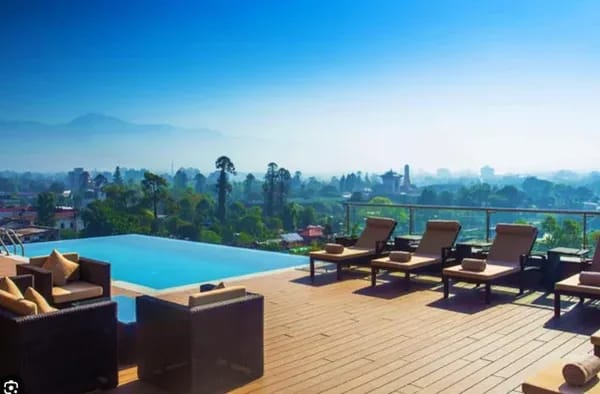
During this tour, you will stay four nights in a four-star hotel in Kathmandu before heading into the mountains, where the highest quality accommodation available keeps you well looked after throughout the trek. All properties are well used to receiving trekkers and properly equipped for the conditions, with comfortable rooms and en-suite facilities at all Comfortable Mountain Lodges. The traditional mountain lodges are a lower standard.
Even as you ascent towards Kongde, the standard does not drop. Kongde Hotel is one of the highest hotels in the world and maintains an exceptional level of comfort for its altitude, offering a warm and well-run stay that stands apart from much of what is available on the traditional Everest Base Camp route. WiFi is available at all properties through a Starlink-type connection, with a daily pass needed for enough data to email and make WhatsApp calls.
A welcome dinner at an authentic Nepalese restaurant sets the tone on arrival in Kathmandu, and a farewell dinner at a beautiful open-air contemporary Nepalese restaurant rounds off the trip on one of the final two evenings. In between, eleven breakfasts and nine dinners are included, all ordered from the menu at each property on the trek. Lunch is yours to pick up along the trail, and few dining rooms in the world come close to what surrounds you on this route.
The food is good throughout the route, and Dal Bhat is well worth trying at altitude, where keeping your calorie intake up is important. Snacks, beer, soft drinks and chocolate are available at almost all properties, and you are welcome to bring additional supplies from Kathmandu or home.
Note: Please advise us of any food allergies or intolerances at the time of booking. It is not always possible to accommodate all dietary requirements in the mountains, and if you have severe allergies, bringing some of your own snacks is strongly recommended as the range of ingredients can be limited at altitude.
The walk both starts and finishes in Kathmandu, Nepal. Kathmandu's Tribhuvan International Airport (KTM) is the main gateway to Nepal, with connections from major international hubs across Asia and beyond. A representative will meet you on arrival and transfer you to your accommodation. Please let us know your travel plans in advance so we can arrange this. Those already in Nepal can arrange to meet the group at the hotel directly.
A transfer back to Kathmandu Airport is included at the end of the trip for your onward flight.
This guided group walk has set departure dates in spring and autumn, across March, April, May, September, October and November. Private departures can be arranged for groups of four or more; contact us to secure your preferred date. Spring brings rhododendrons in bloom on the lower trails and clear early morning views of the peaks, with April particularly popular for its stable conditions. Autumn, from October into early November, offers the finest mountain views of the year, with clear skies and dry trails after the monsoon. Whatever month you travel, temperatures at altitude drop well below freezing; warm layers and proper trekking gear are essential.
This walk is graded from challenging to strenuous, with altitude the defining factor above all else. Trails are mainly well-travelled but involve prolonged ascents with virtually no descent, along with long elevation sections and some steps. The physical demands are compounded significantly by altitude throughout.
This trip is rated slightly lower than other Everest region treks because the pace allows for a careful, unhurried ascent, with two acclimatisation days built in. Even so, a solid walking experience and a serious approach to preparation are essential. Include steep hill climbs, resistance training, and core and balance work in your programme. Where possible, train at a higher altitude to help your body adapt to reduced oxygen levels before departure.
Your guide is a local expert mountaineer with in-depth knowledge of the track.
You must hold adequate travel insurance for your trip, including cover for personal liability and accidental injury and illness. For all trips involving international travel, your policy must also include emergency medical treatment, evacuation and repatriation cover. We strongly recommend your policy also covers trip cancellation and curtailment, and loss of or damage to luggage.
A cancellation fee usually applies if you cancel after your booking is confirmed. Travel insurance with cancellation cover will generally cover this fee, so it's worth arranging your policy at the time of booking.
Full insurance requirements are set out in our booking terms and conditions.
Tipping is customary in Nepal and is a way to show appreciation for the hard work of your trekking team. The price of your Auswalk walking holiday does not include tips. To help you plan, we suggest the following tipping amounts per hiker per day:
You will have the opportunity to present your tips to your guide and porters at the farewell dinner as a token of your gratitude for their invaluable support throughout your trek.
When you arrive in Kathmandu you will receive a duffle bag to pack all of your items for your trek. As each porter will carry two duffle bags each, the maximum weight per duffle bag is 12.5kg.
Each morning it will be up to you to pack your bag and place your luggage outside your room. Your guide will let you know what to do.
Any excess kilos can be stored at the hotel in Kathmandu.
The Everest region is powered by hydro electricity. In peak season, supply is limited and power outages may occur so we advise bringing a powerbank/ back up batteries for your phones, cameras and electronics.
Hot showers are mostly powered by solar panels or a gas-fired water heater. On very rare occasions hot showers may not be available.
Helicopter evacuations due to problems with high altitudes are rare but a potential occurrence.
We want to bring to your attention some important information regarding helicopter evacuation and associated costs, which are not included in your current Auswalk package.
In the event that a helicopter evacuation becomes necessary, please be aware that there will be additional charges. For this reason, it is essential to ensure that your travel insurance policy provides adequate coverage for emergency evacuation. Should you have any questions about this, please do not hesitate to contact our office.
An evacuation is an unforeseen event that incurs separate costs, supplementary to the Auswalk package you have purchased.
Furthermore, it is important to understand that you will be required to pay for the evacuation services before departing Nepal and then claim the expenses through your insurance provider. The helicopter company is unable to process claims on your behalf. Direct claims by you to your insurance company typically result in a faster reimbursement process.
Travel without stress or delays
The best possible food and accommodation
Be well guided and looked after
We support the region and the environment
Select a fixed group departure - places are limited
Prices shown are per person, twin/double share basis.
Entire trip went extremely well. Foods were of excellent quality too.
Our guide & porter (Funuru & Penba) were excellent. They were supportive and great company. They willingly shared their knowledge and encouraged us every step This trek is life changing. Would definitely recommend. Auswalk is professional and attentive & flexible, making sure everything is in place to support a successful trek.
Fantastic walking experience. We had wonderful guides and porters. They made sure I reach my goals in a safe manner. Helicopter on the way back to avoid trekking down was great. It saved my knees . Thank you Auswalk for organising a wonderful experience