

Shio no Michi

Shio no Michi

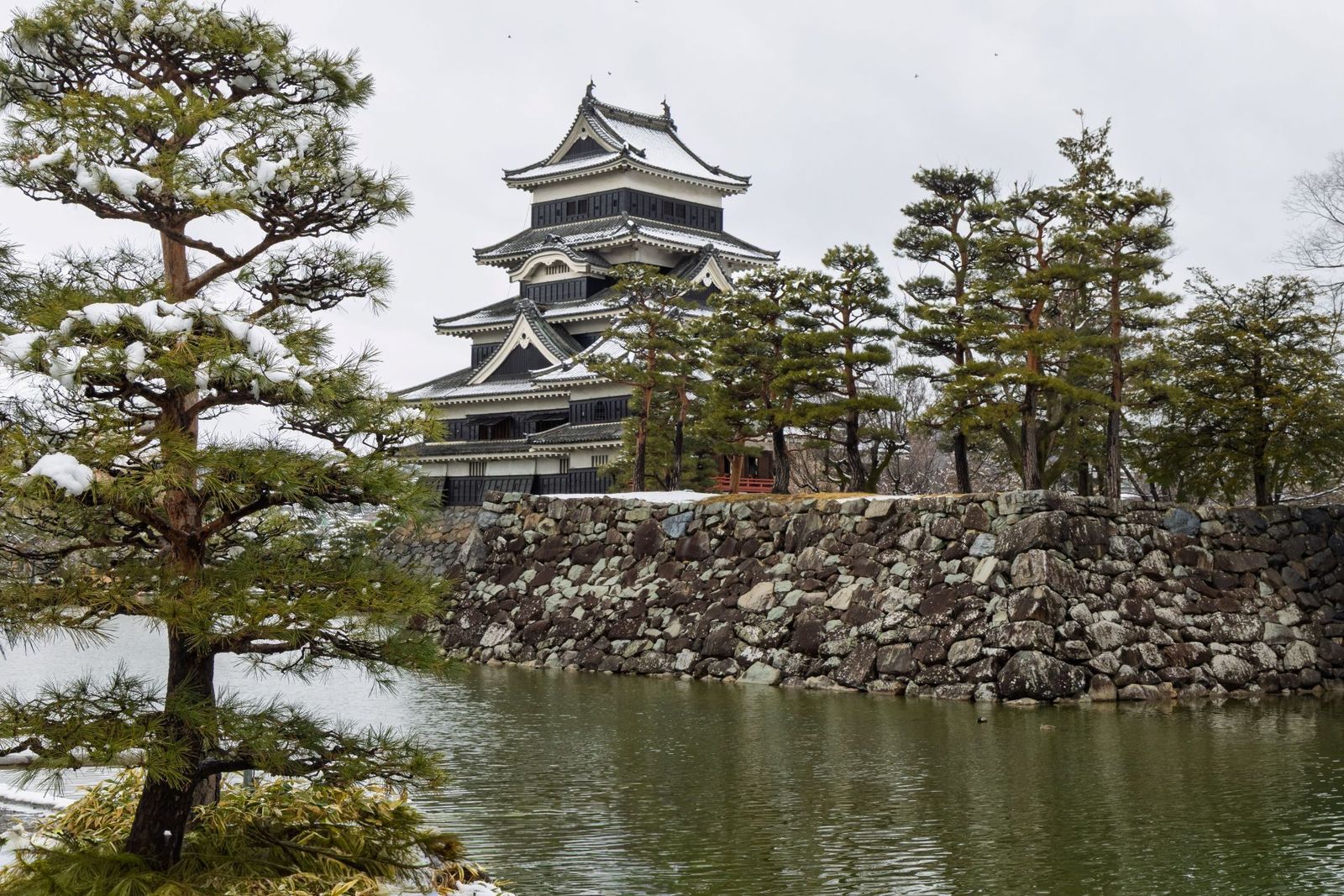
Discover one of Japan’s best-kept secrets on the Shio No Michi, a captivating historic trail that once carried vital salt and seafood from the Sea of Japan to the landlocked castle town of Matsumoto.

View 1 walk11 photos

Tips, tricks, and trail insights - everything you need to know about multi-day walks in Shio no Michi.

  • 30+ Years Experience
  • Pack-Free Walking
  • Flexible Itineraries
  • Comfortable Stays
4.9/5reviews on

Overview

Step Back in Time on the Shio No Michi: Japan’s Ancient Salt Road

Discover one of Japan’s best-kept secrets on the Shio No Michi, a captivating historic trail that once carried vital salt and seafood from the Sea of Japan to the landlocked castle town of Matsumoto.

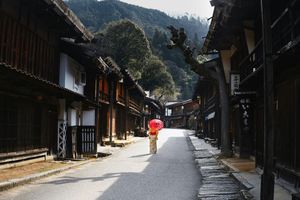
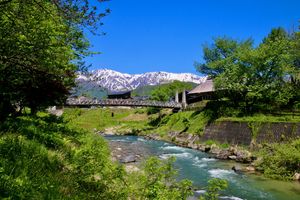
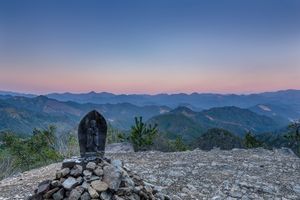
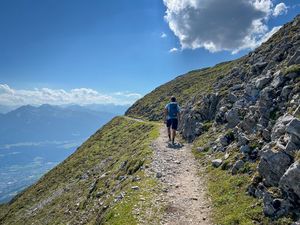
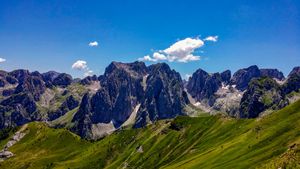
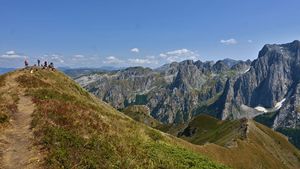
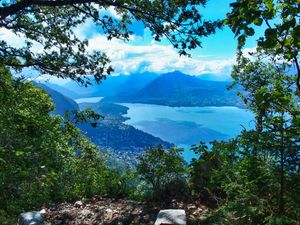
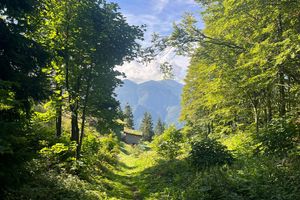
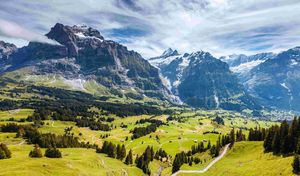
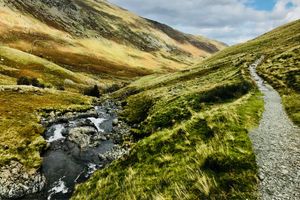
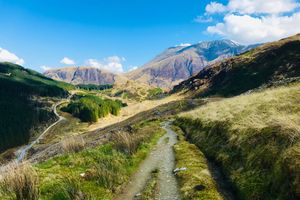
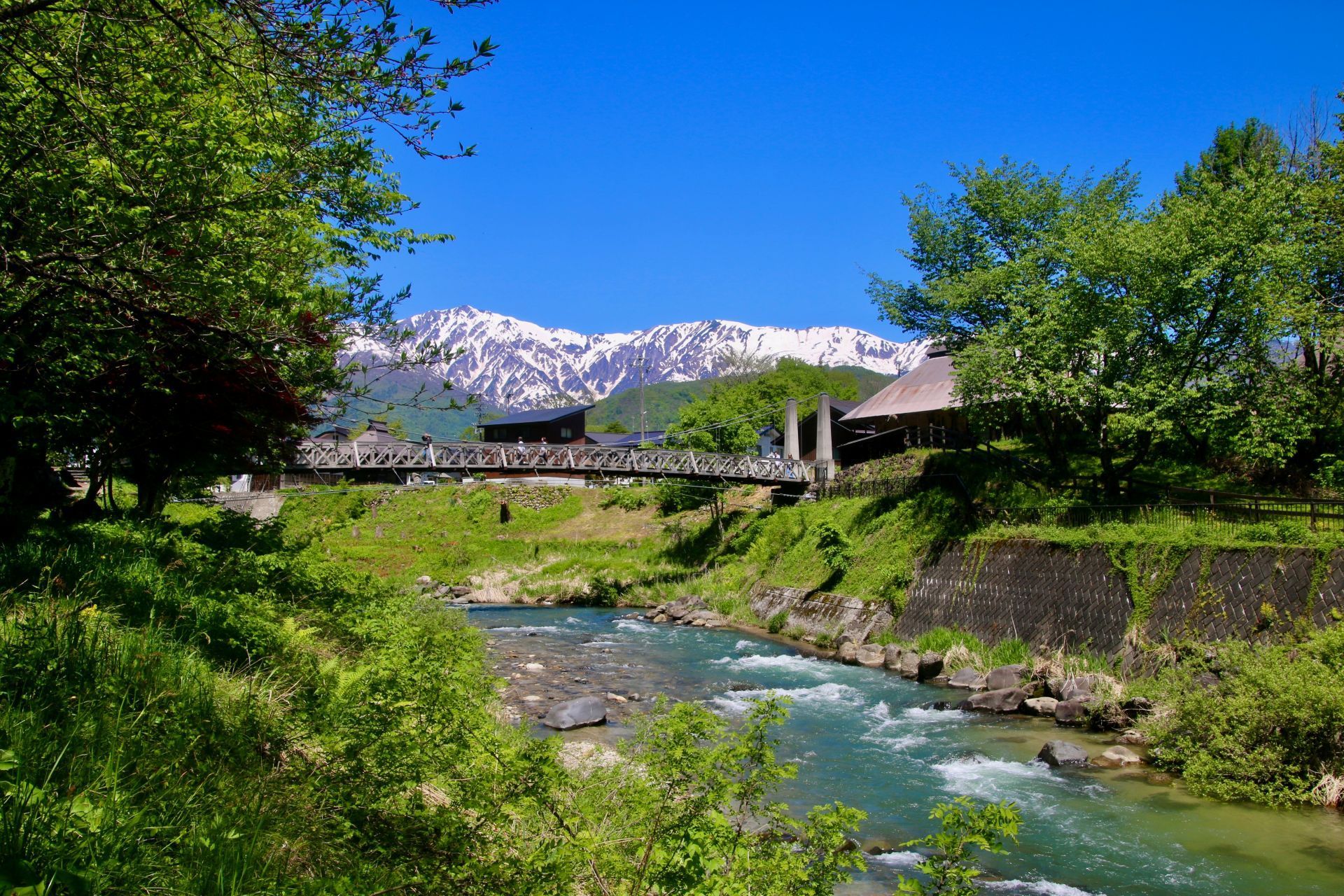
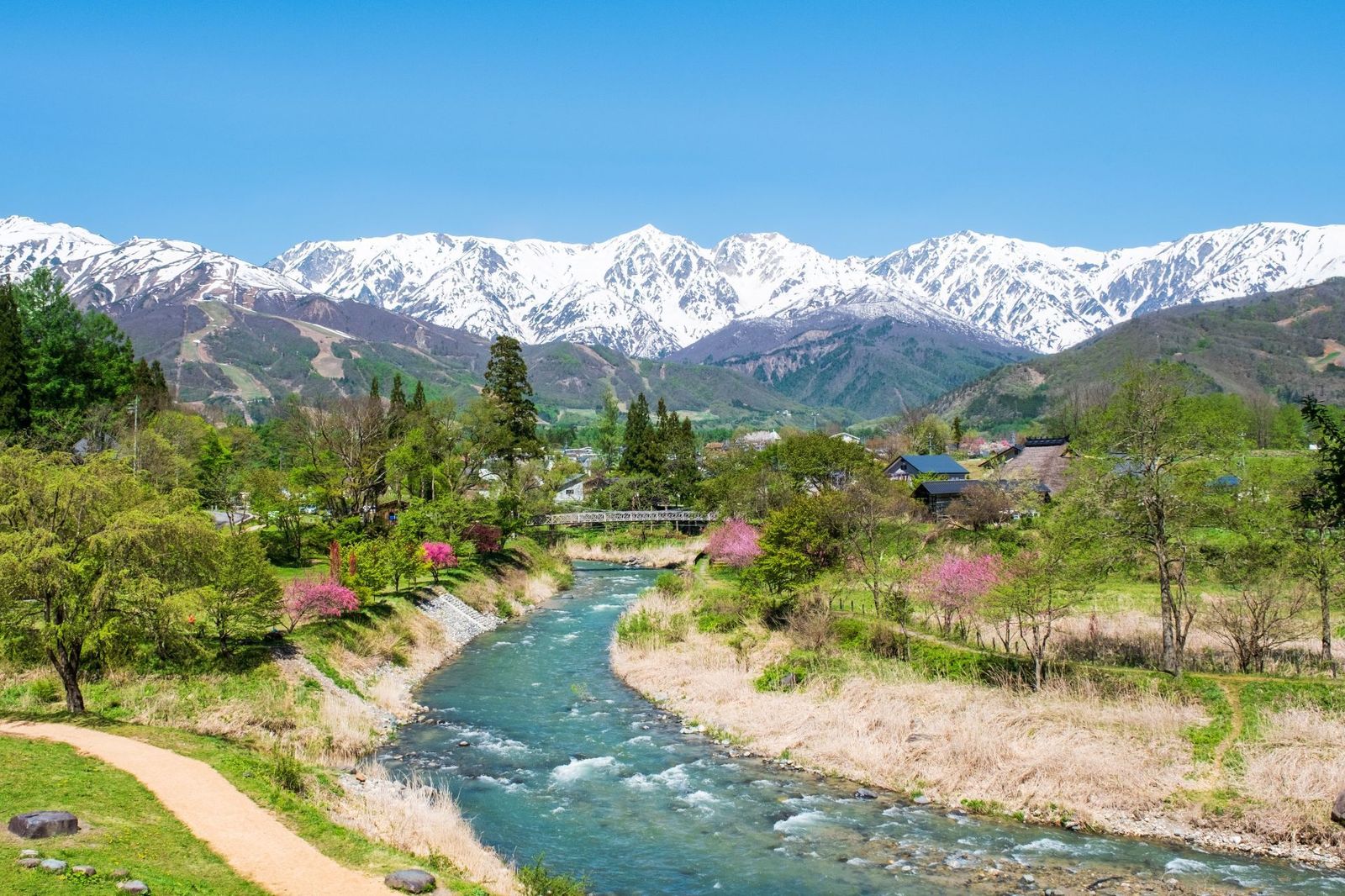
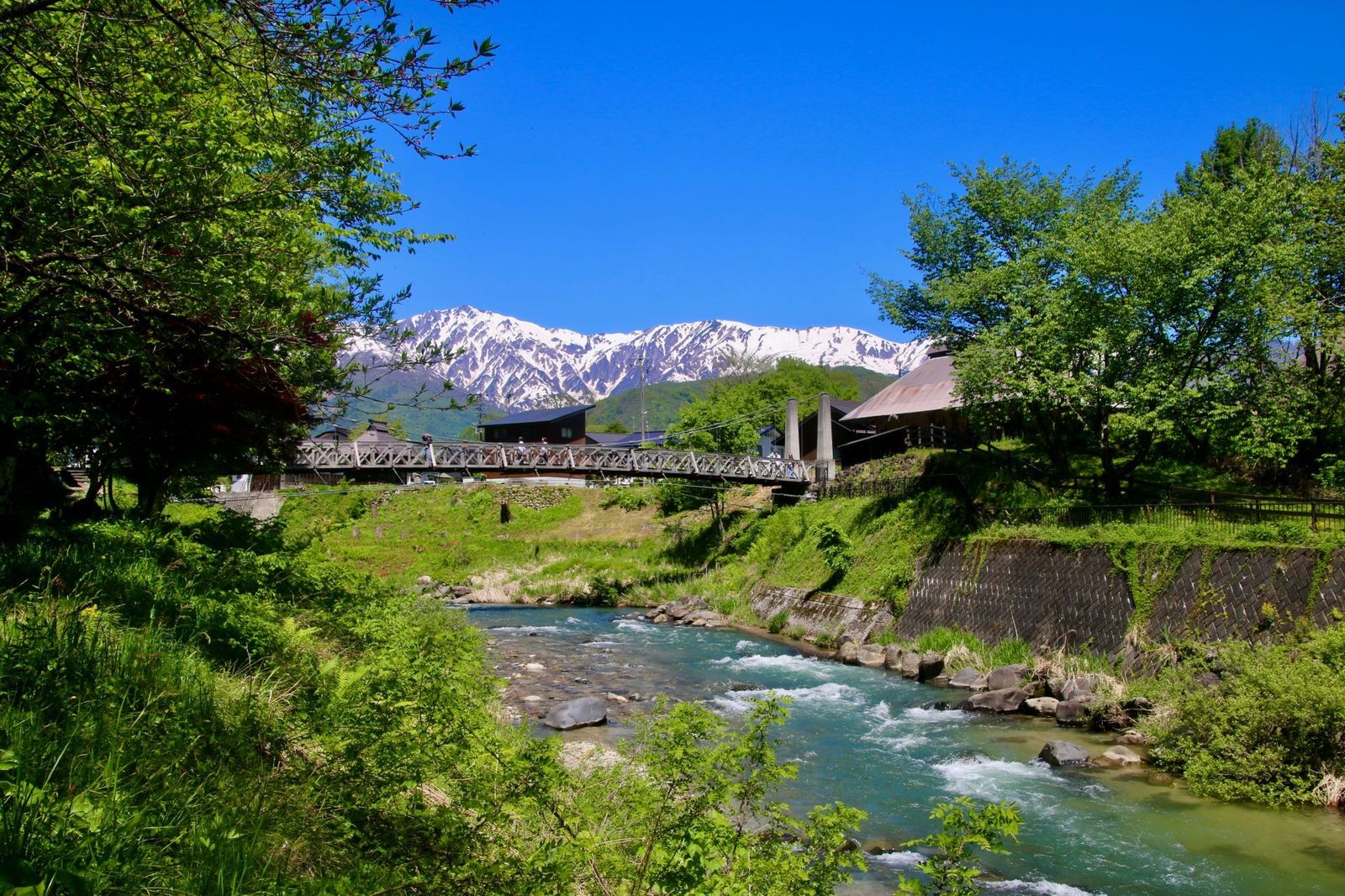
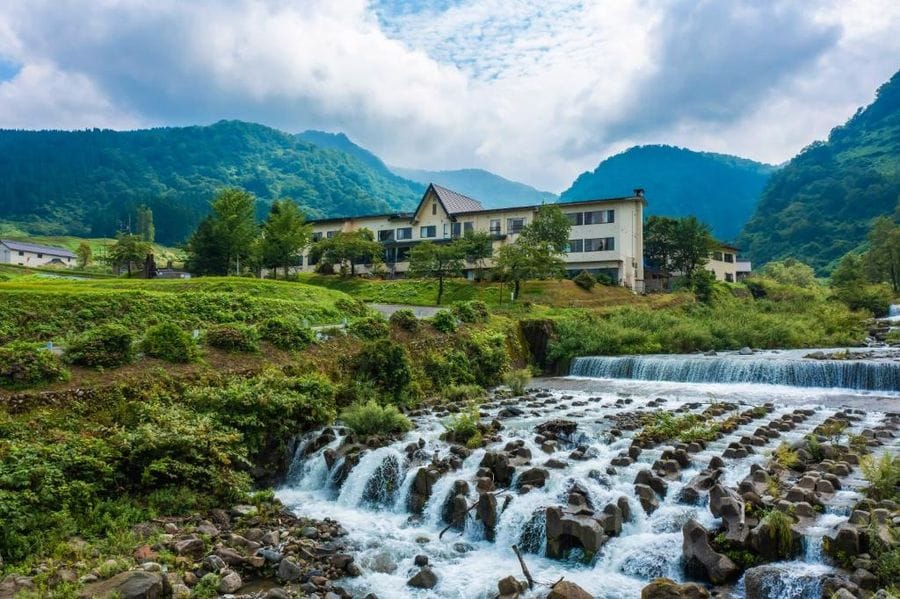
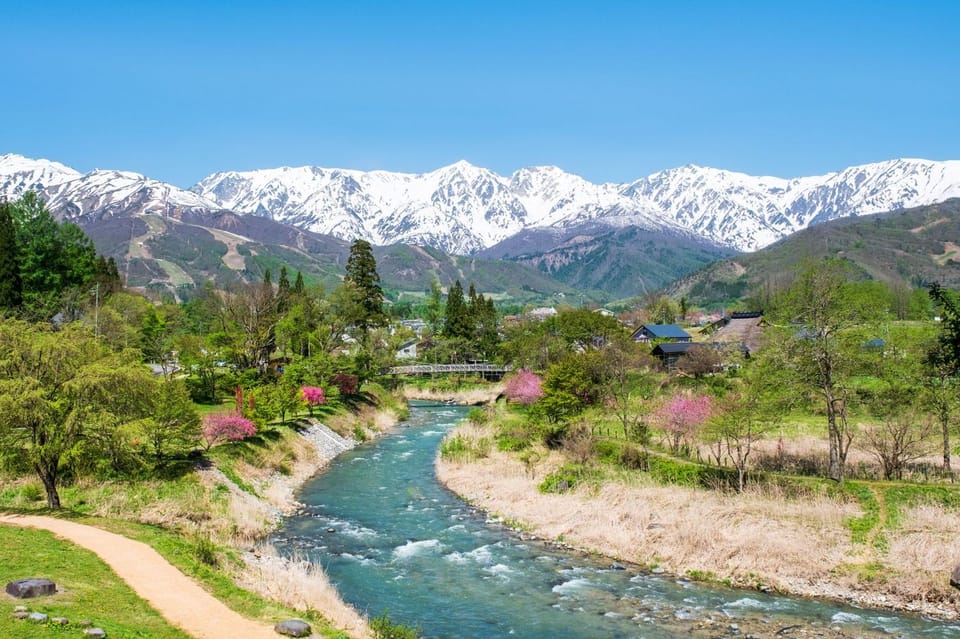
Far from the bustling tourist hubs, this ancient trade route winds through the dramatic, snow-capped peaks of the Northern Alps, idyllic satoyama countryside, and pristine alpine lakes. Flanked by thousands of centuries-old stone deities and tranquil shrines, every step on this beautifully preserved path tells a story of survival, trade, and timeless tradition, offering a profound sense of peace and isolation.

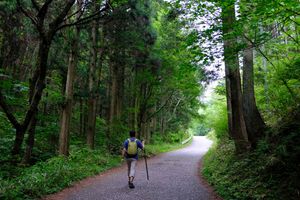
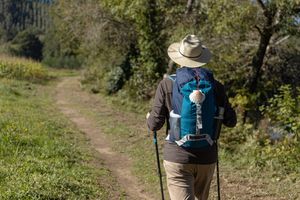
This hidden gem seamlessly blends moderate physical adventure with deep cultural immersion, away from the crowds of more heavily trodden routes. Walkers traverse a scenic mix of ancient dirt paths, quiet country lanes, and cedar boardwalks, connecting deeply with welcoming rural communities along the way. After a rewarding day of exploration, you can retreat to traditional ryokans to soothe tired muscles in therapeutic onsen hot springs and indulge in exquisite seasonal cuisine. The ultimate soul-stirring journey into the heart of historic Japan.

With over 30 years of experience, 30,000+ satisfied guests, and more than 3 million kilometres walked, you’re in expert hands!

THE SHIO-NO-MICHI EXPERIENCE

Wonder
Follow the ancient Salt Road, the samurai-era trade route that carried sea salt from the coast to the castle town of Matsumoto
Walk a high pass first used in the Jomon Period to carry jade and obsidian, the oldest known alignment of the route
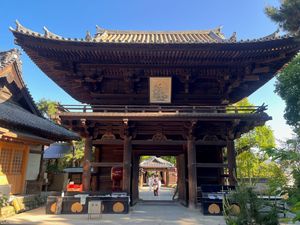
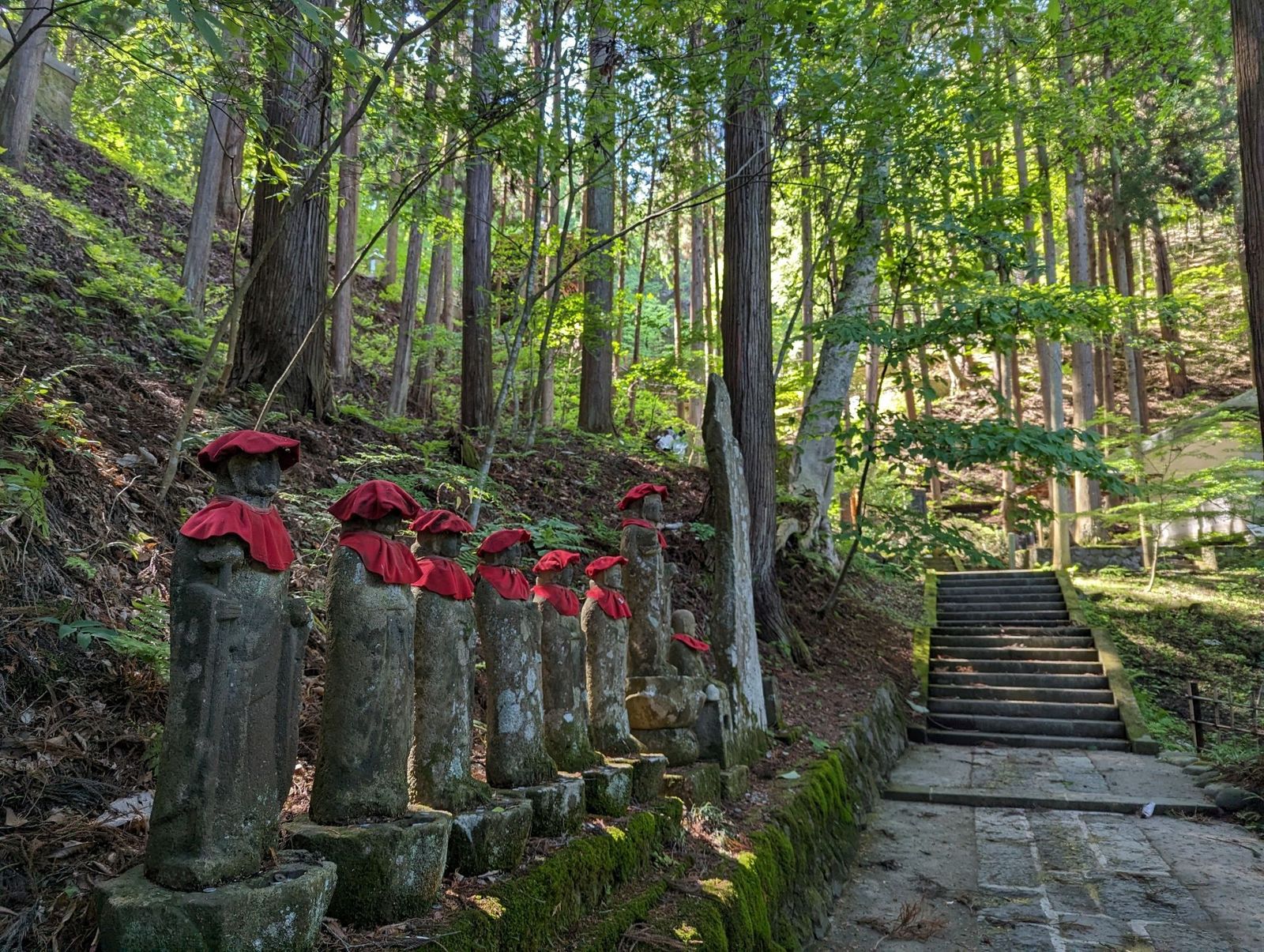
Pass centuries-old stone deities, quiet shrines and the ruins of the border guardhouse where feudal authorities once inspected salt shipments
Wellness
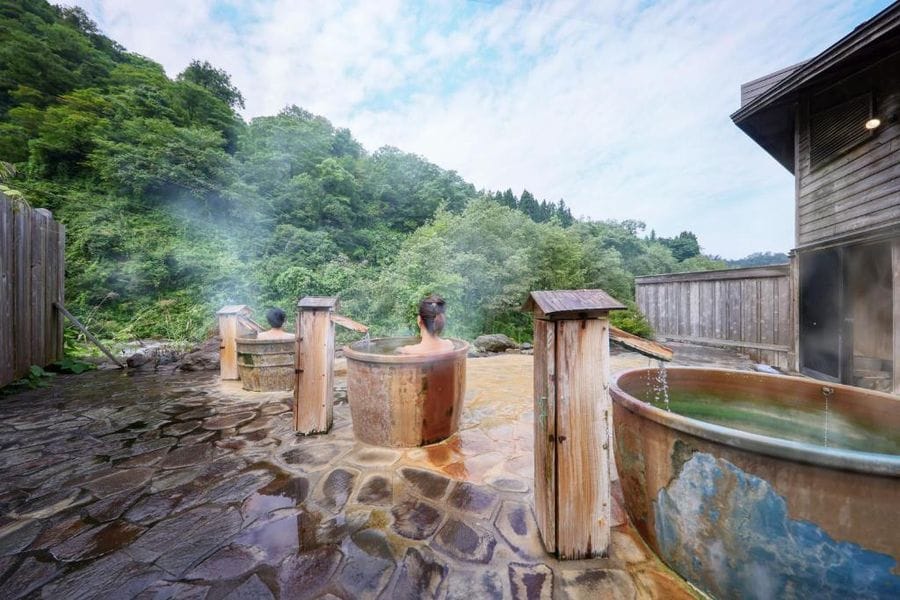
Sink into onsen hot springs after each day's walking, including a scenic outdoor bath on your first night on the trail
Walk pack-free with luggage transferred ahead, carrying only a light daypack
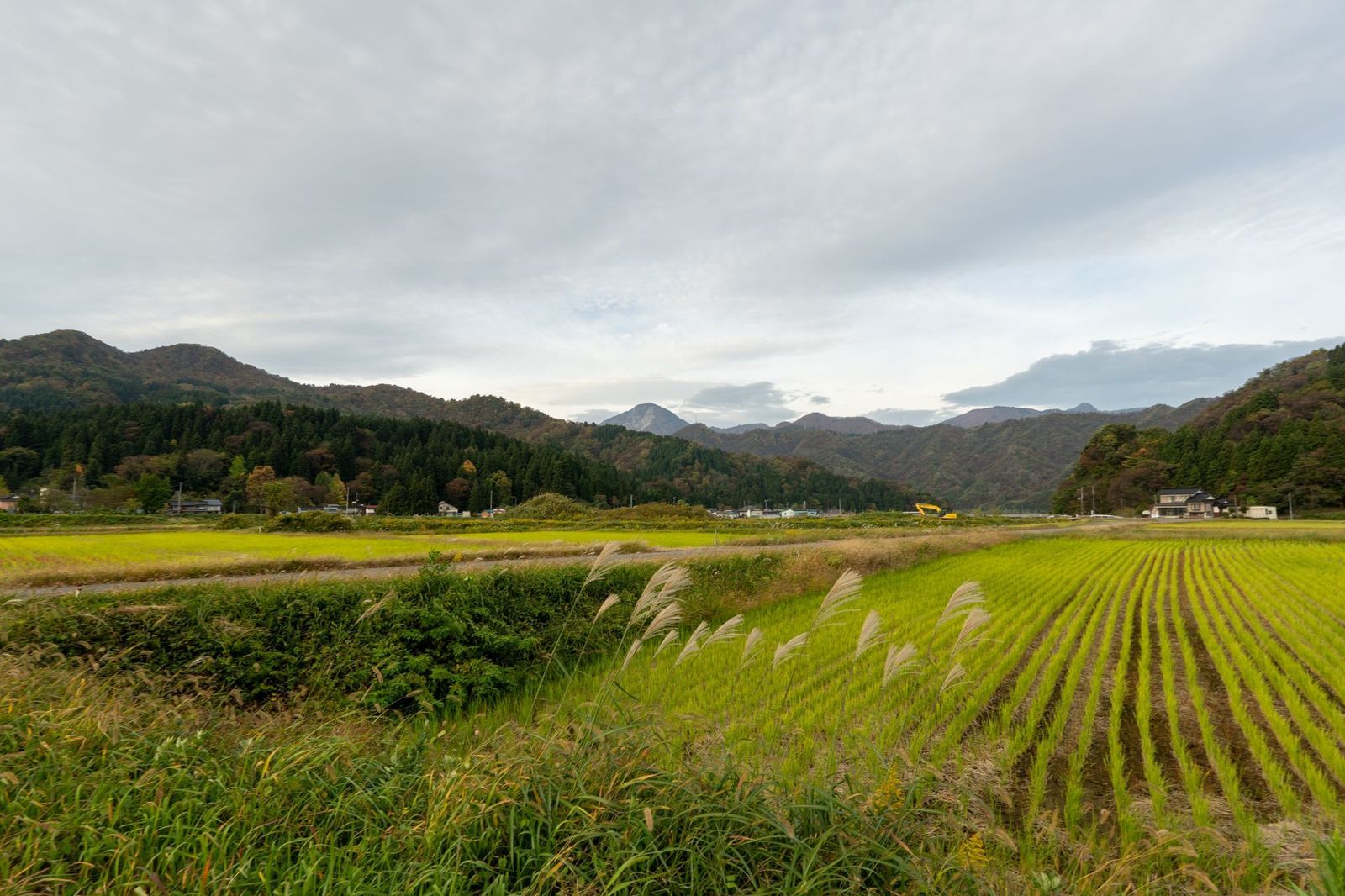
Settle into the unhurried rhythm of rural Japan, where the trail passes rice paddies, farmhouses and mountain hamlets
Nature
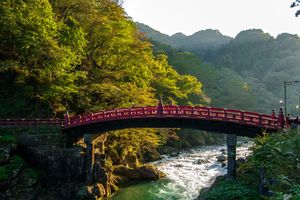
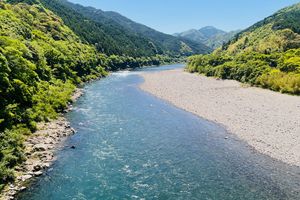
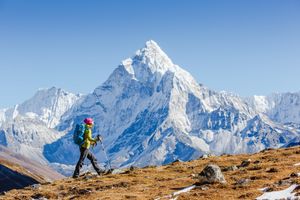
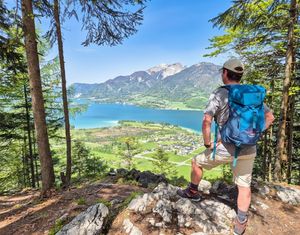
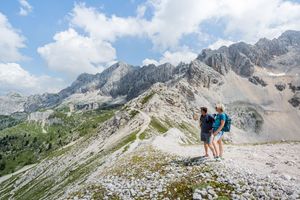
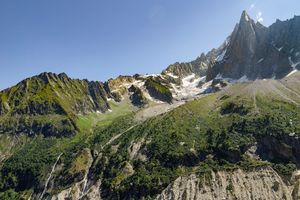
Cross the Northern Japanese Alps on forest trails and remote mountain passes with panoramic views
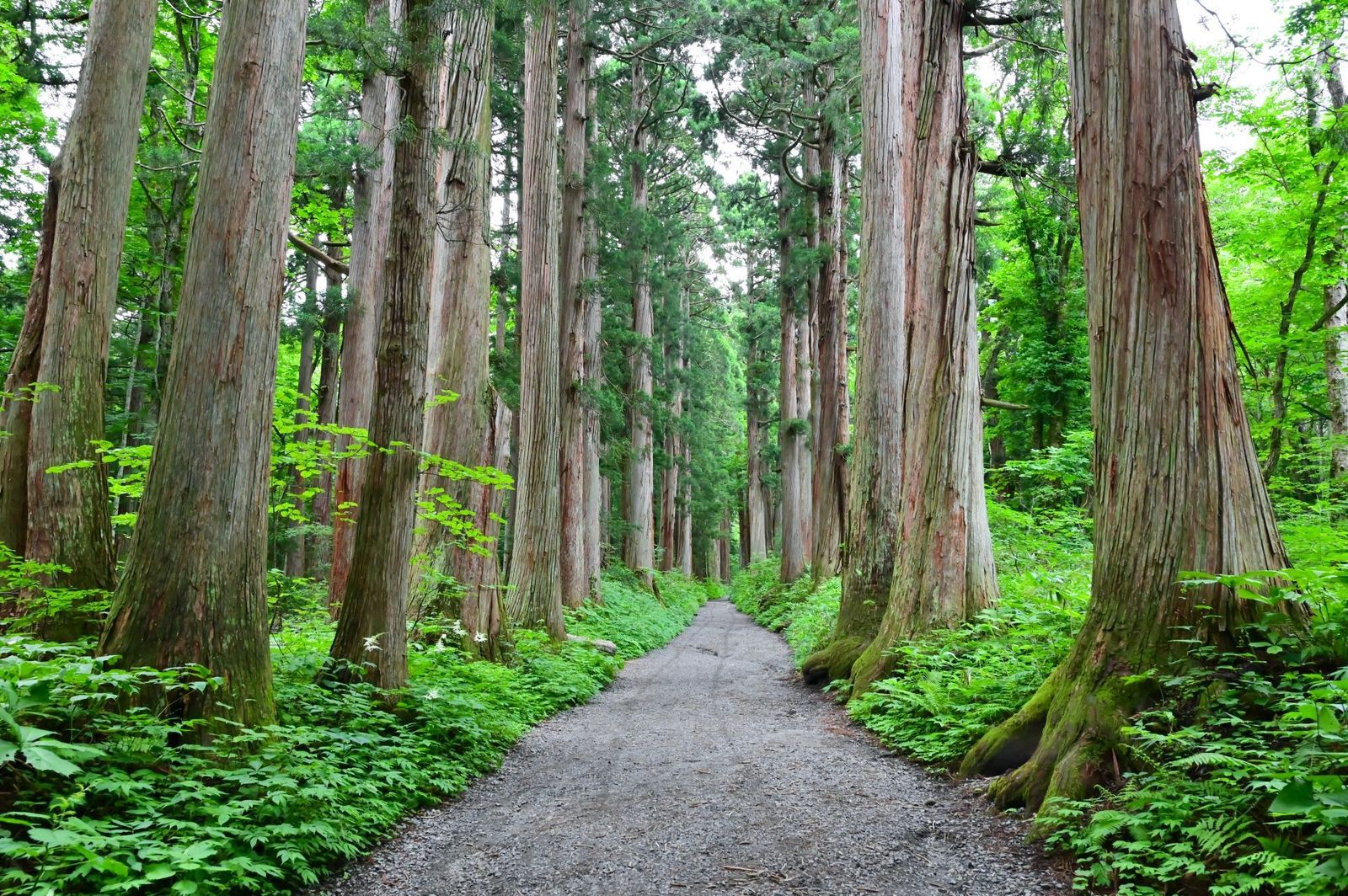
Walk a corridor of primeval forest where wild snow camellias bloom once the heavy snows retreat
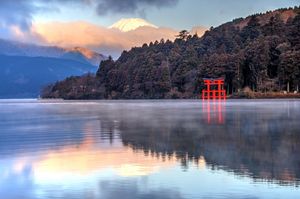
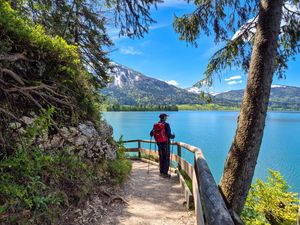
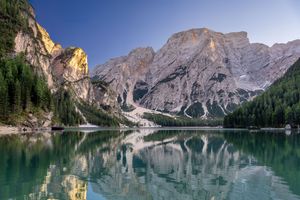
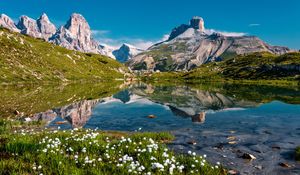
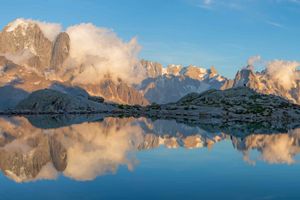
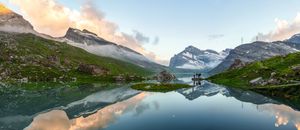
Pause at Shiraike Pond, a still mountain lake that mirrors the surrounding peaks

What you'll eat


Bento lunches
Packed with local ingredients and eaten on the trail, wherever the view is best
Kaiseki
Multi-course dinners that unfold slowly, course by course, after a day on the trail
Wasabi and market finds
Visit a working wasabi farm and a local fish market to taste the region's specialties

Where you'll stay


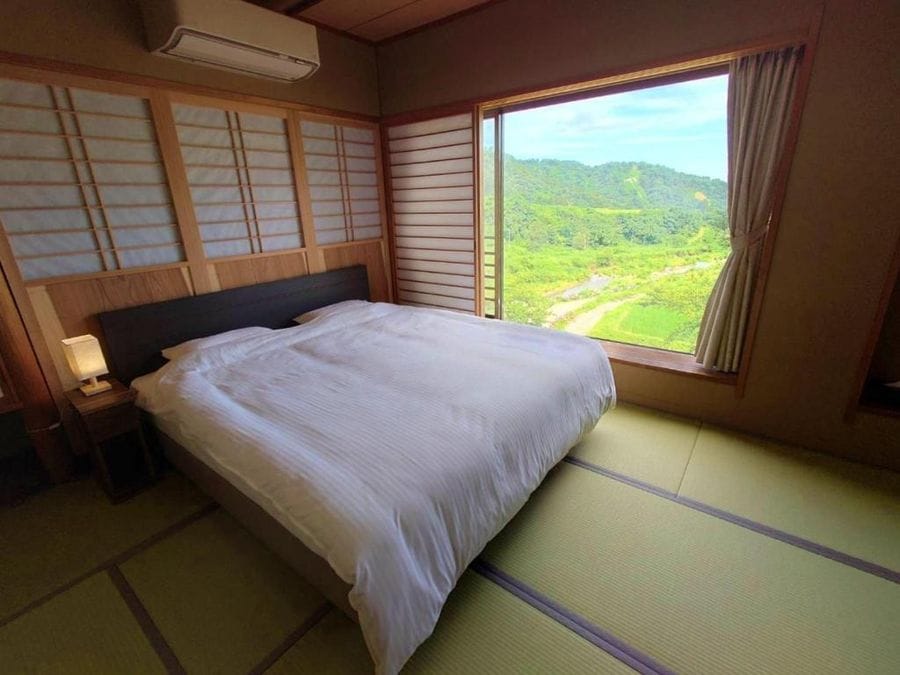
Ryokan
Traditional Japanese rooms with tatami mats and futons for most of the journey
Onsen baths
Several stays feature hot springs, including the serene Sasakura Onsen Ryokan on your final night
Matsumoto hotel
Your first night is in a 3-star hotel with Western beds, steps from the castle town's sights

How you'll travel


On foot
The heart of the trip is the ancient trail itself, from forest paths to a deep Uto trench worn by centuries of porters
Mountain trains
Scenic rail links Matsumoto to the walk's start near Hakuba
Seamless transfers
Short vehicle transfers connect each day's walking to your accommodation

Shio no Michi reviews

Frequently asked questions

Coming soon
FAQs are coming soon.

Can't find what you're looking for?

We can create a custom trip tailored to your preferences.

As Featured In

Lonely PlanetThe AustralianTourism AustraliaNational GeographicTripadvisorCNNThe AgeThe New York TimesTourism Tasmania