Annapurna Circuit Over Thorung La - 14 Days

Annapurna Circuit Over Thorung La - 14 Days

14 Days
Challenging to Strenuous

Annapurna Circuit Over Thorung La - 14 Days

from $3,598 / person

Overview

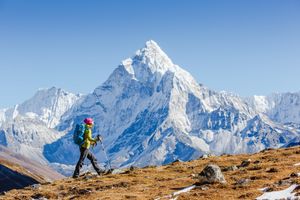
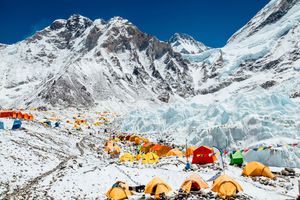
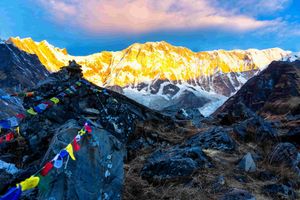
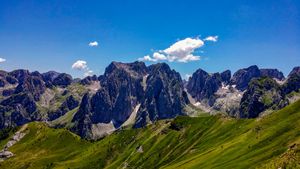
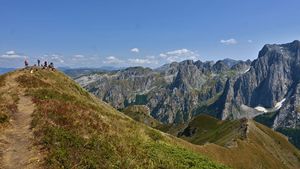
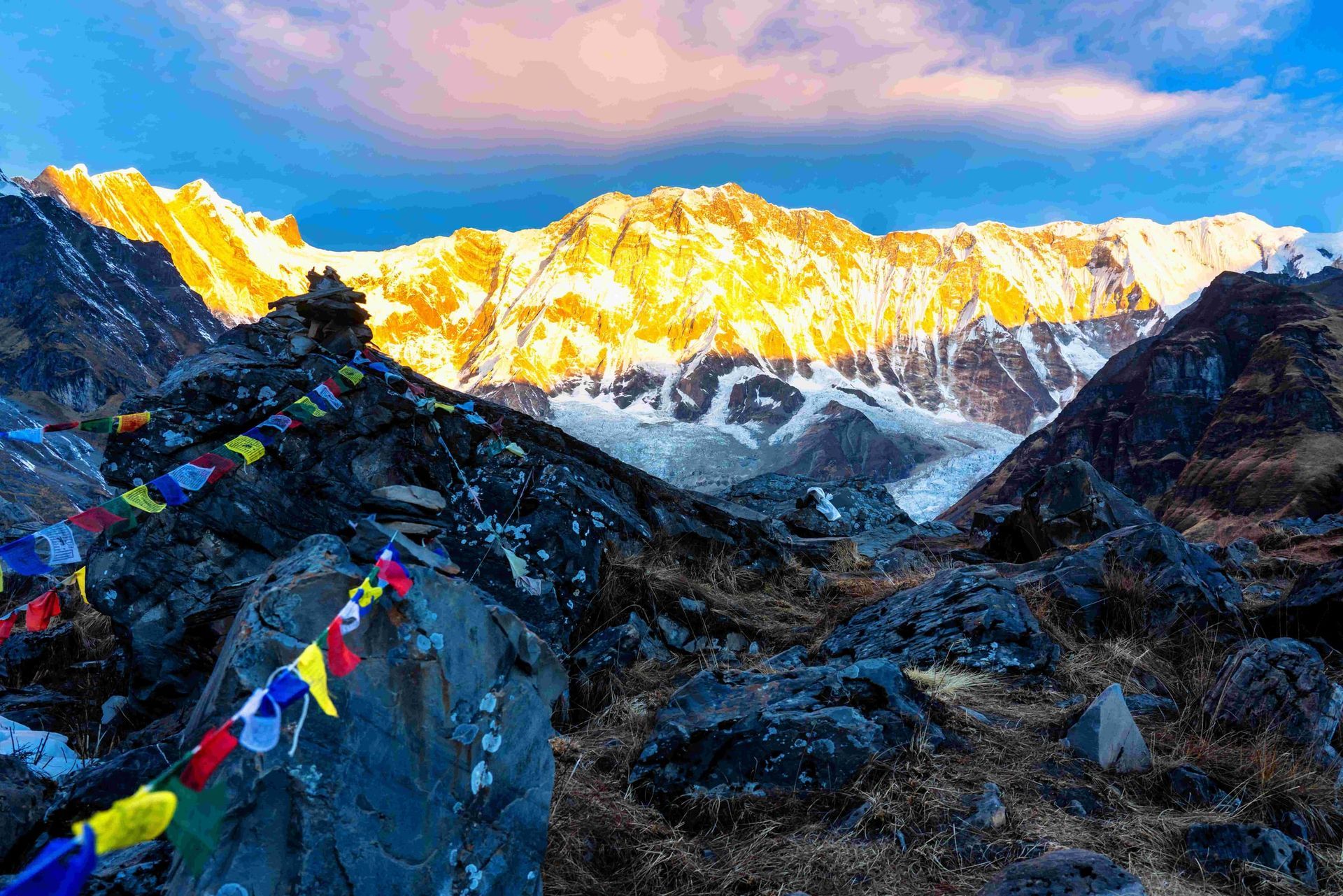
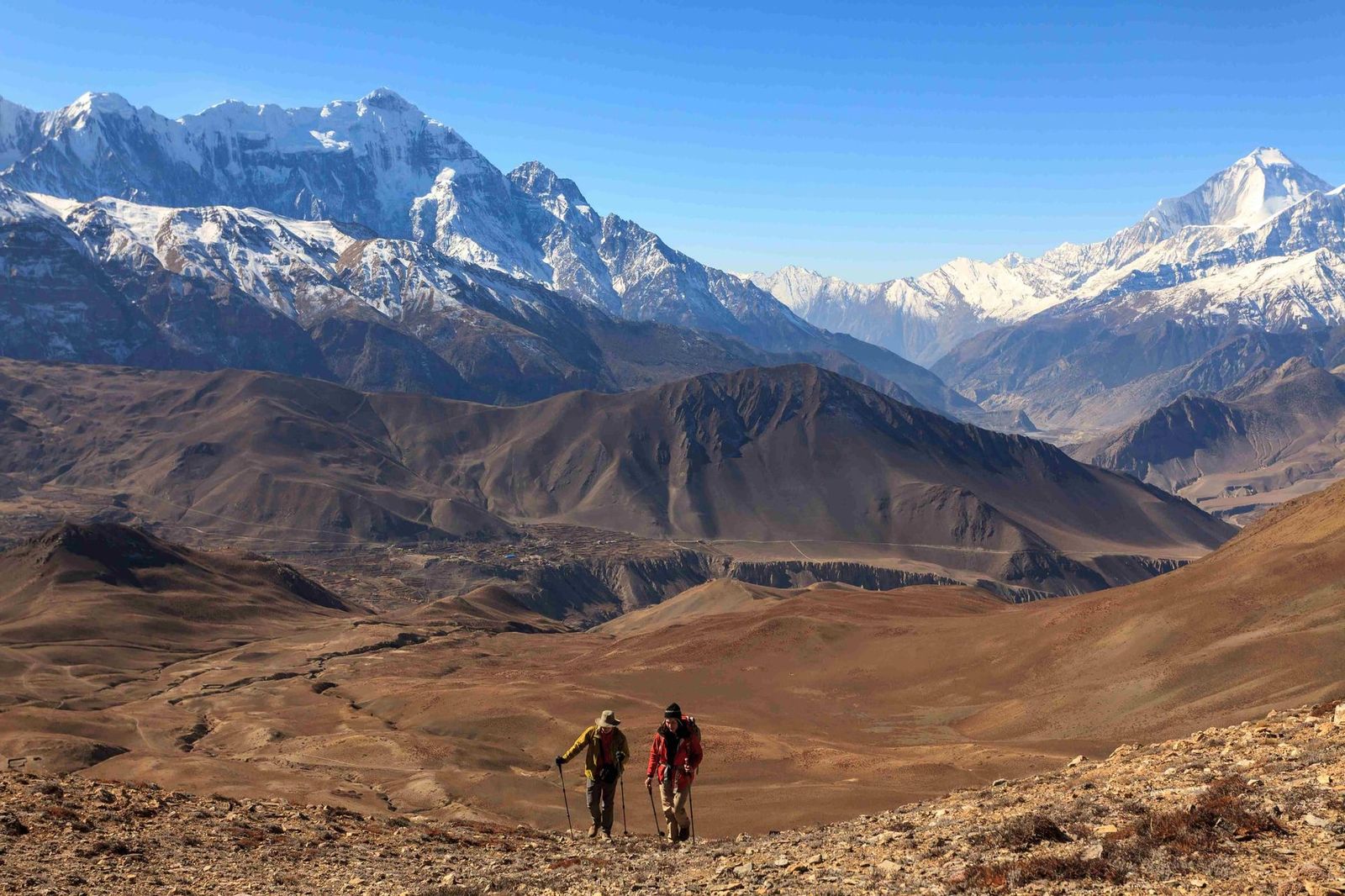
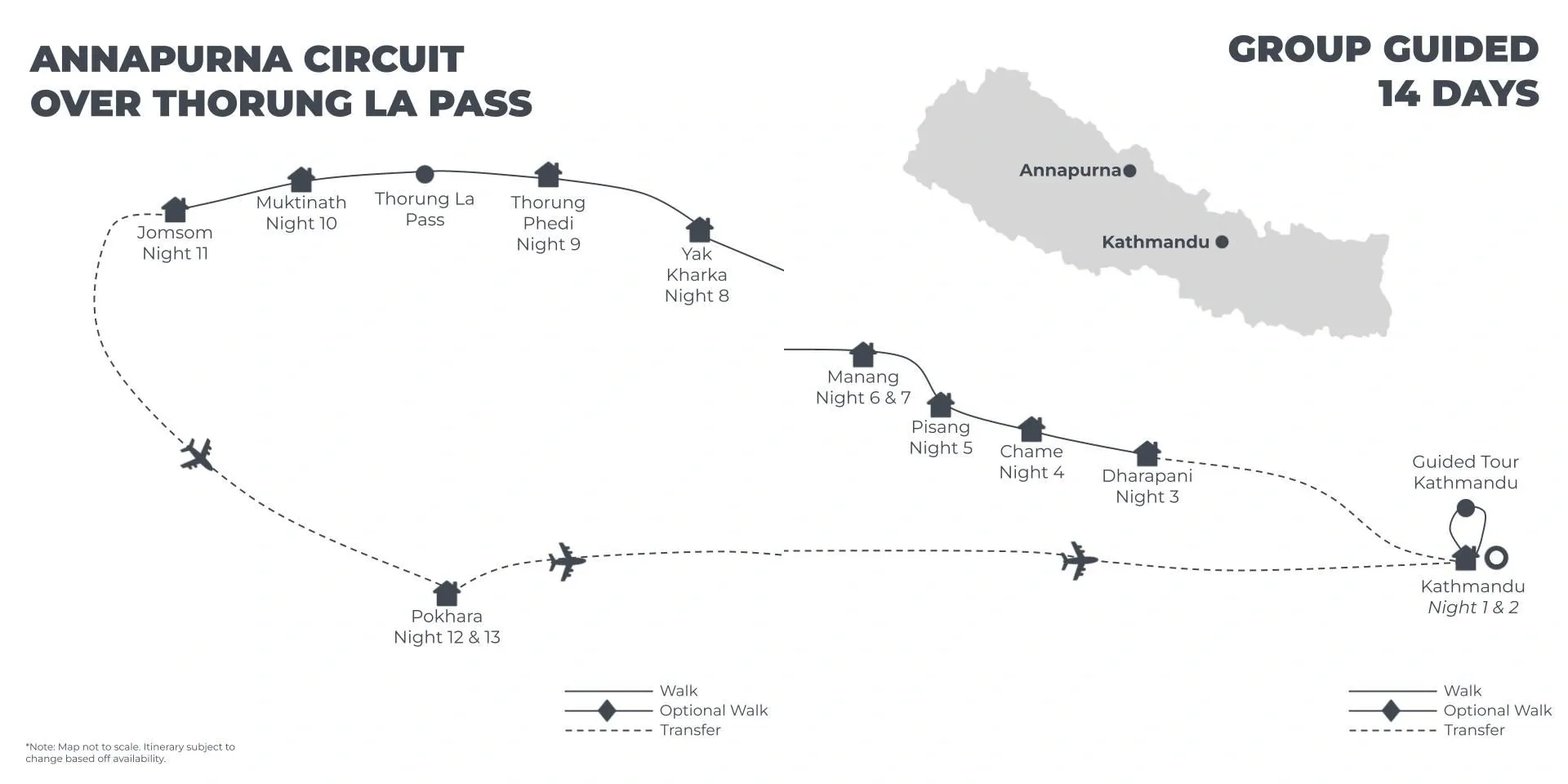
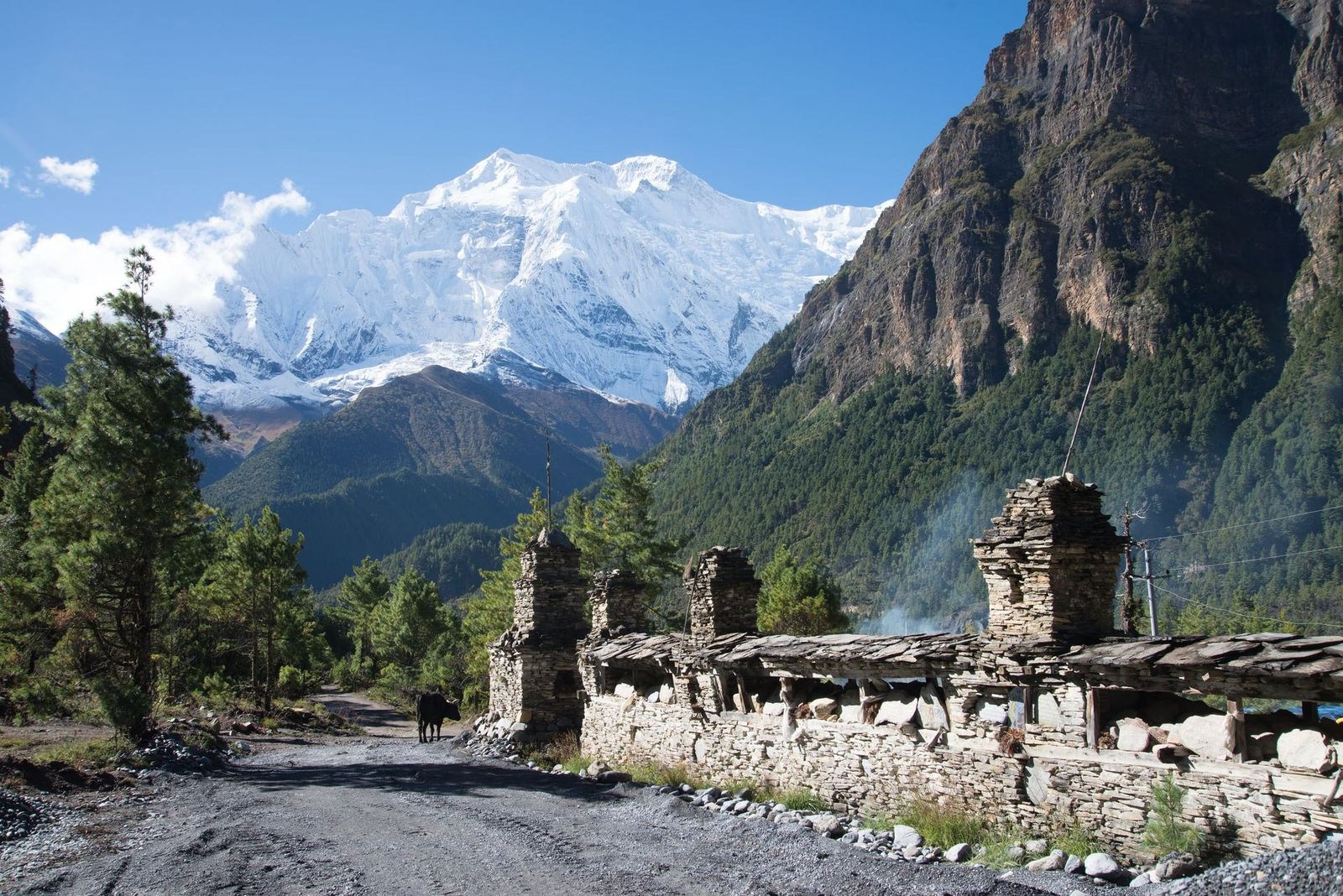
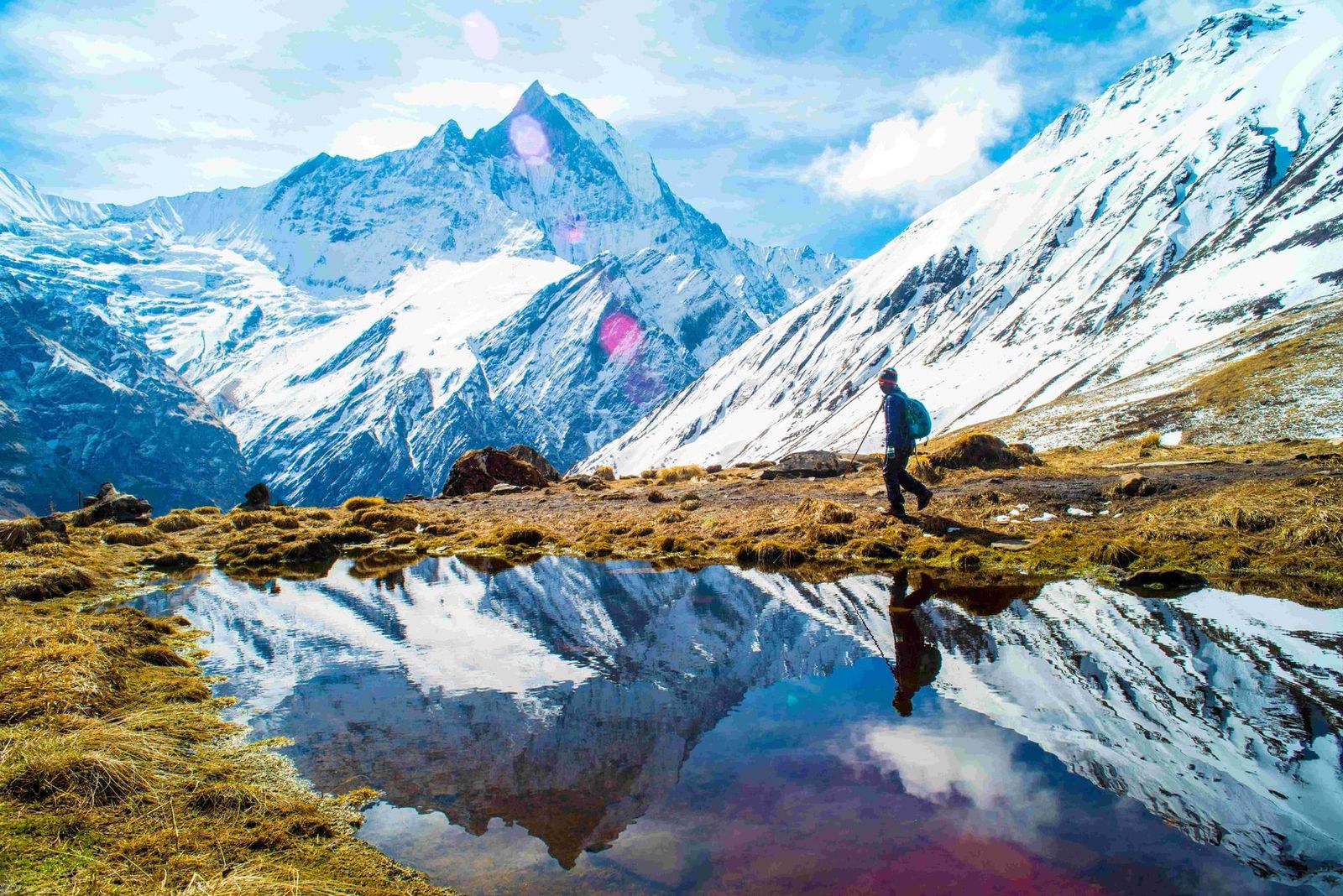
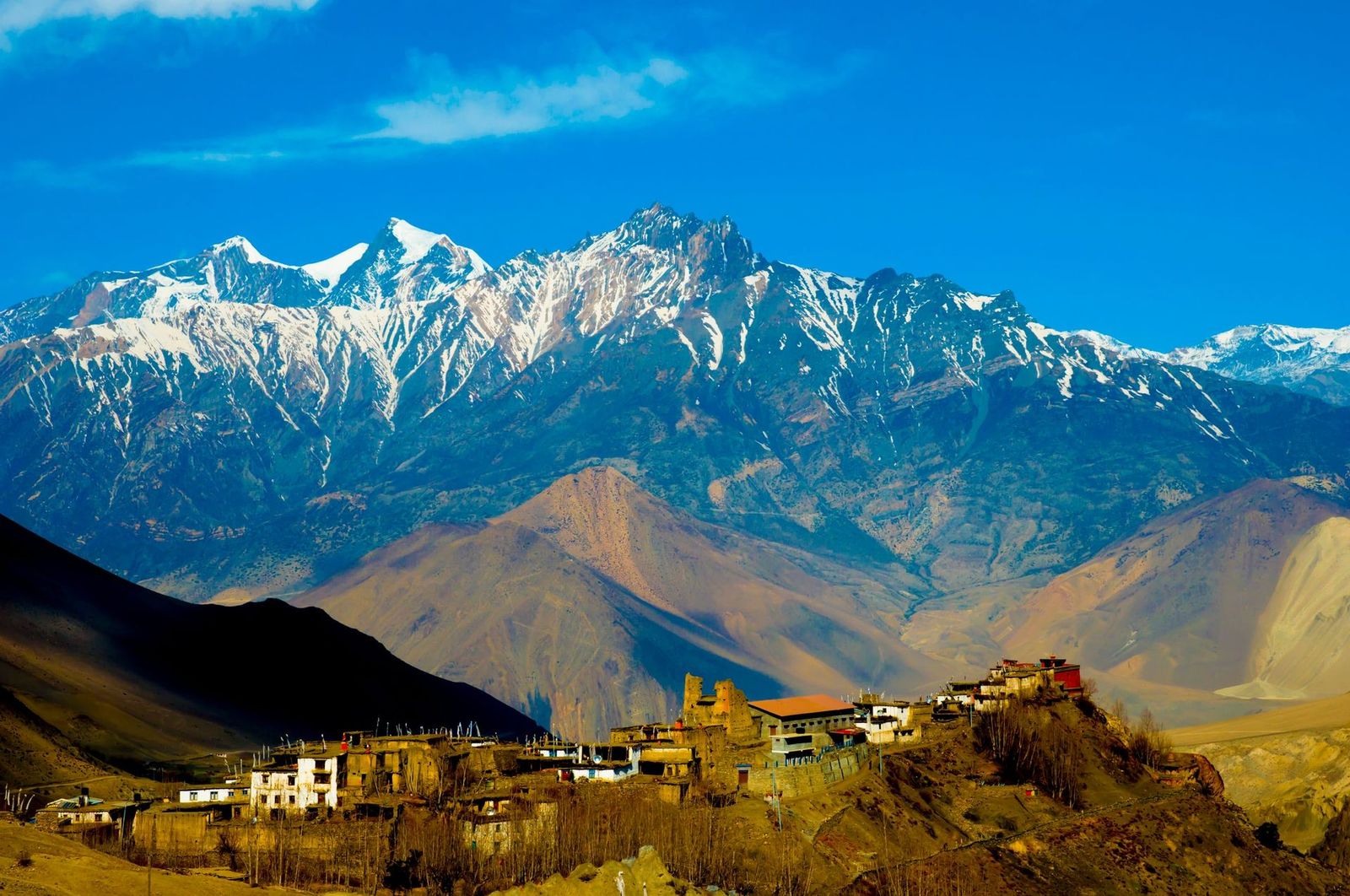
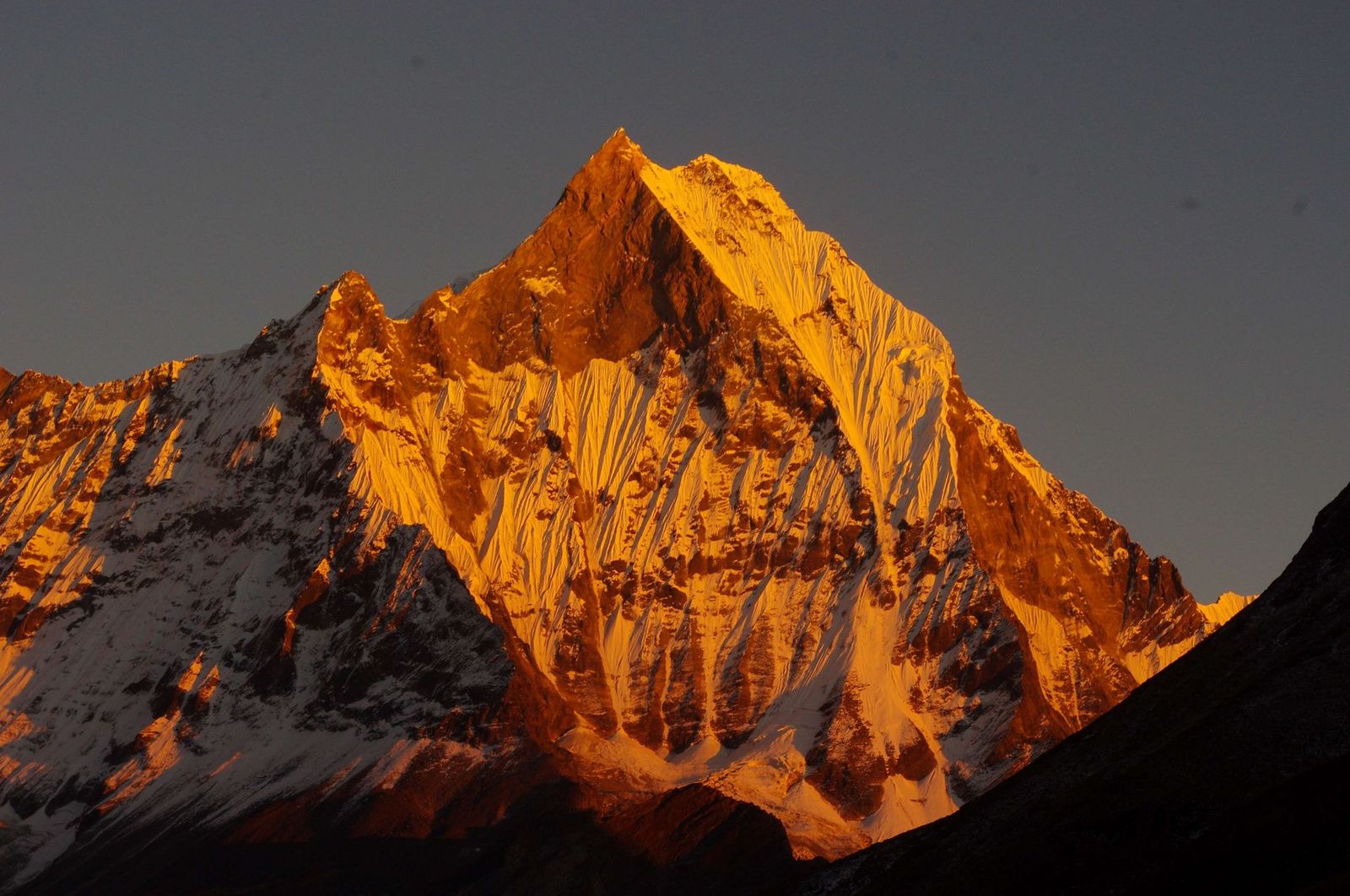
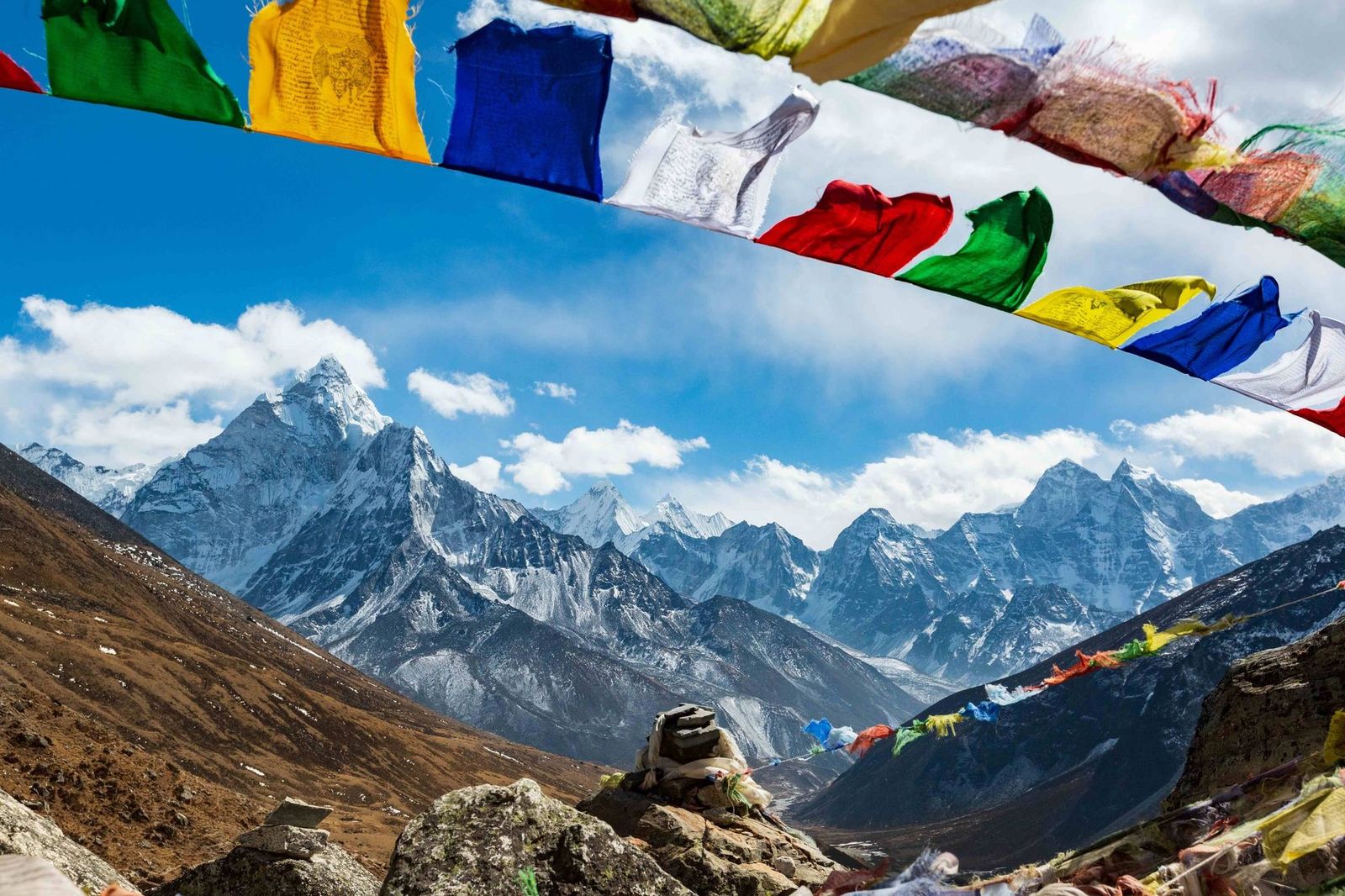
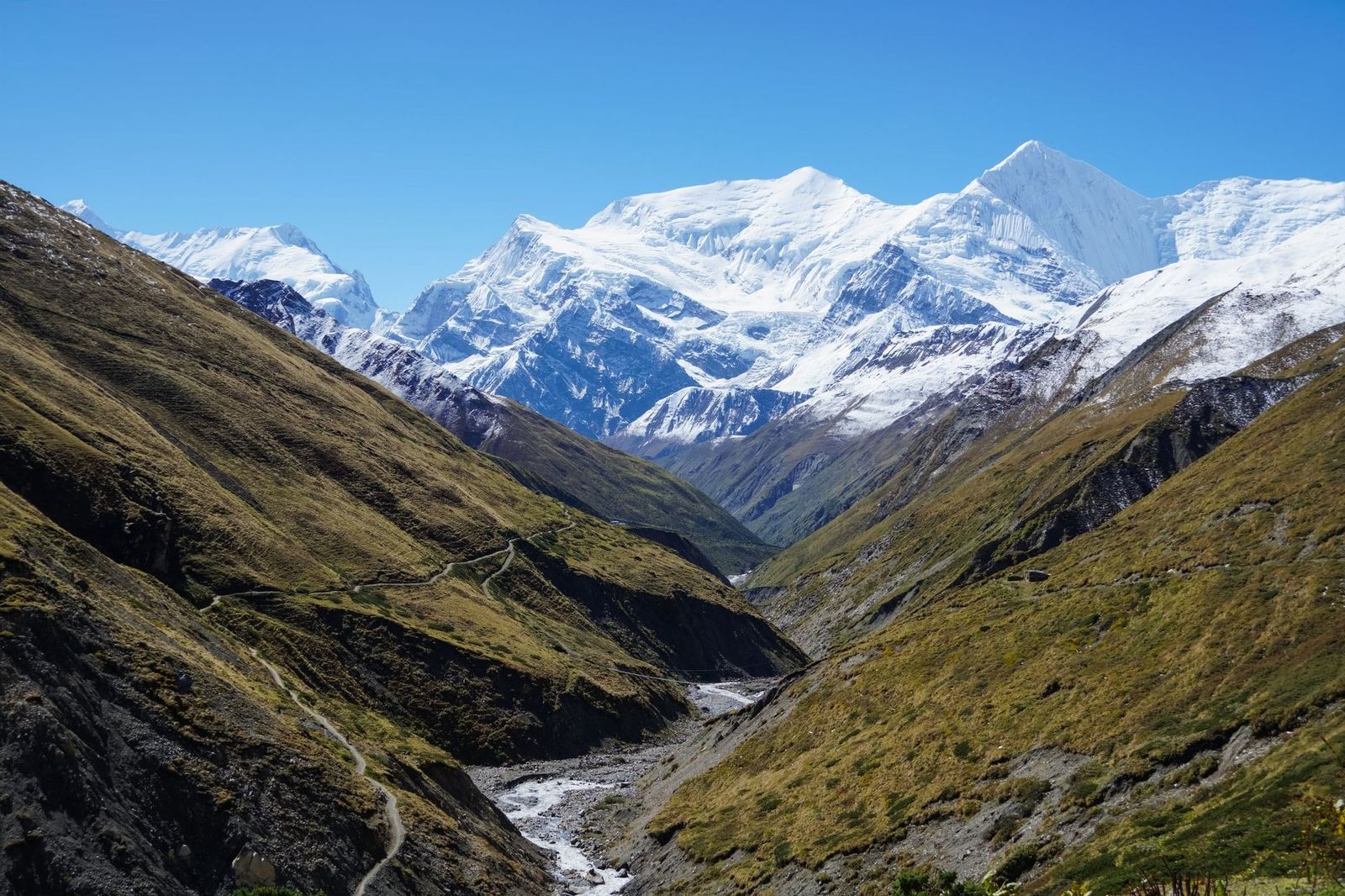
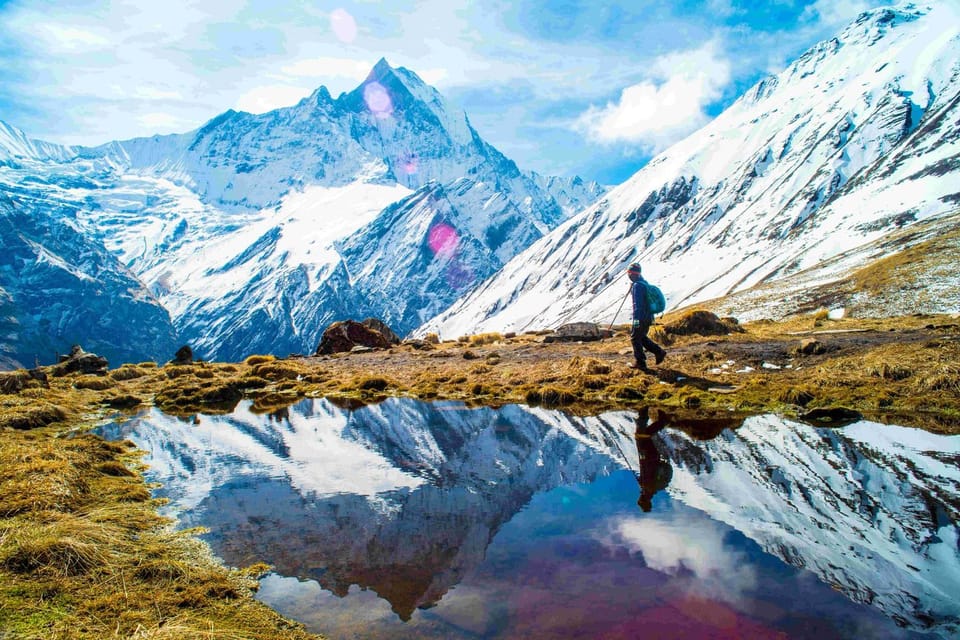
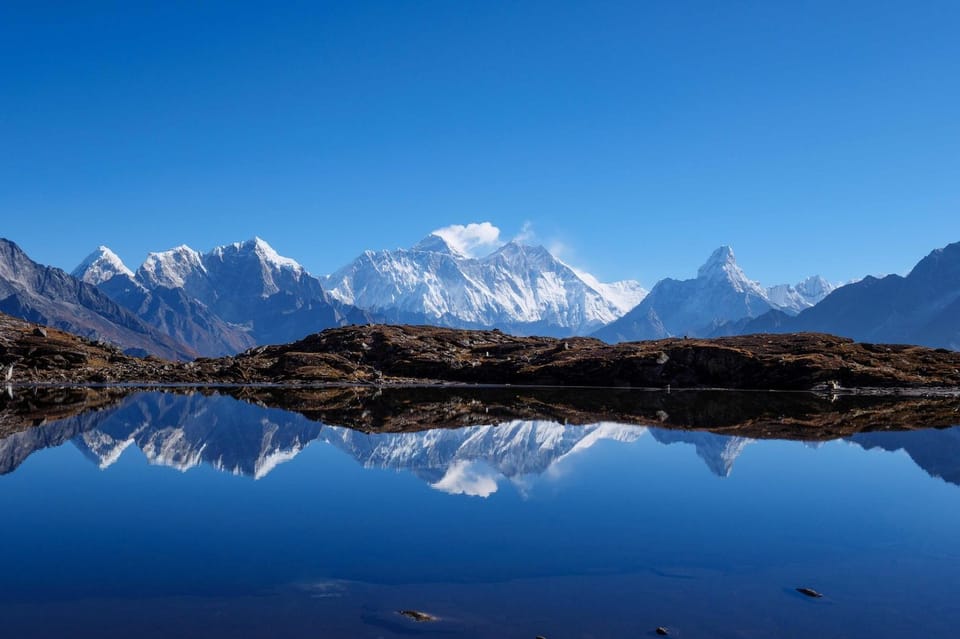
The Annapurna Circuit is one of the great trekking routes of the world, traversing Nepal's most diverse landscapes from lush subtropical valleys to high-altitude desert plateaus. The route crosses the Thorong La Pass at 5,416 metres, one of the highest trekable passes on earth, with the Himalayan giants of Annapurna, Dhaulagiri and Machapuchare visible along the way.

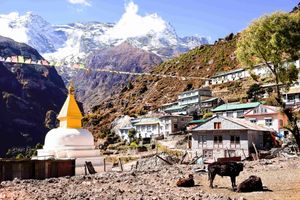
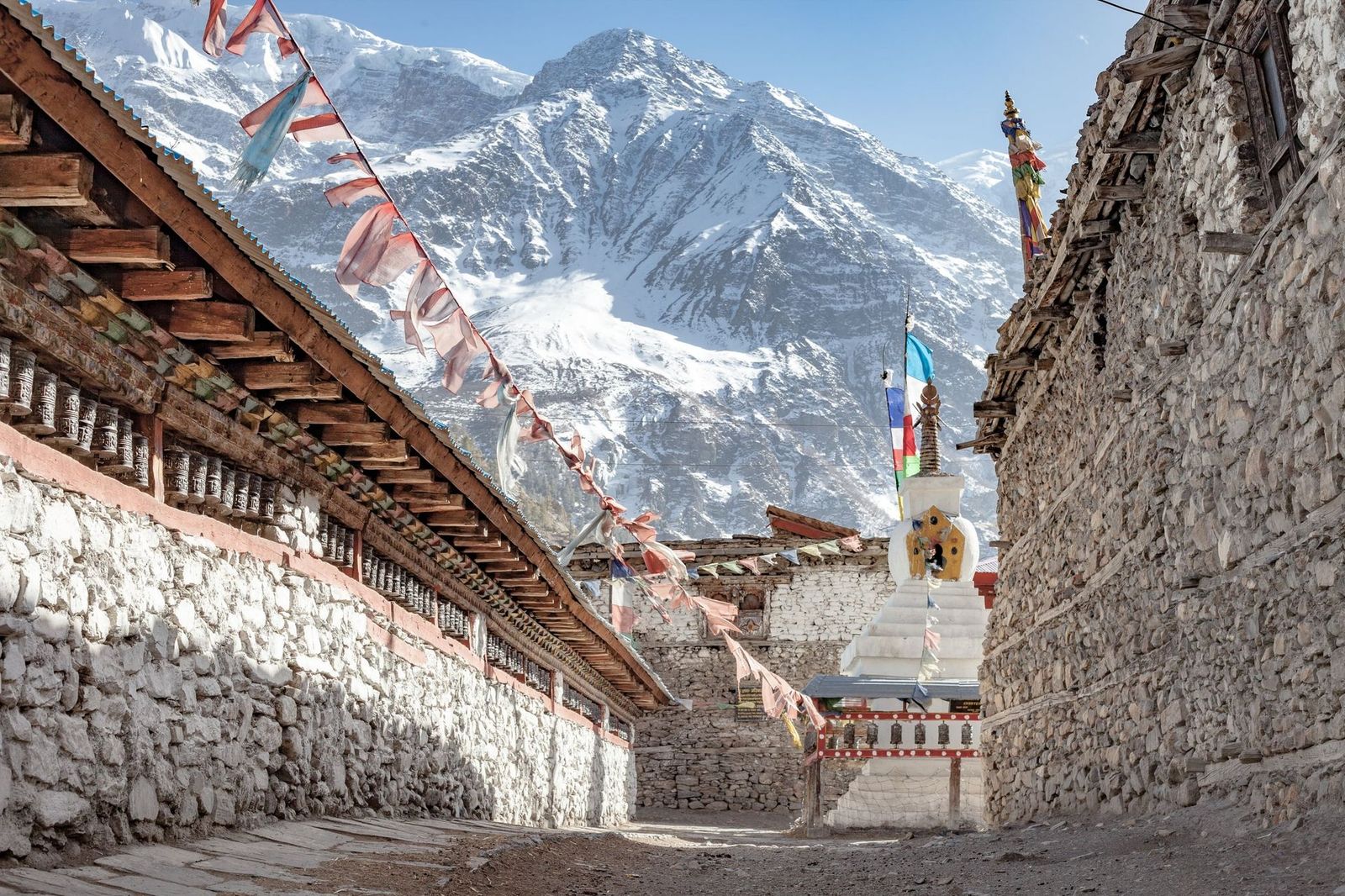
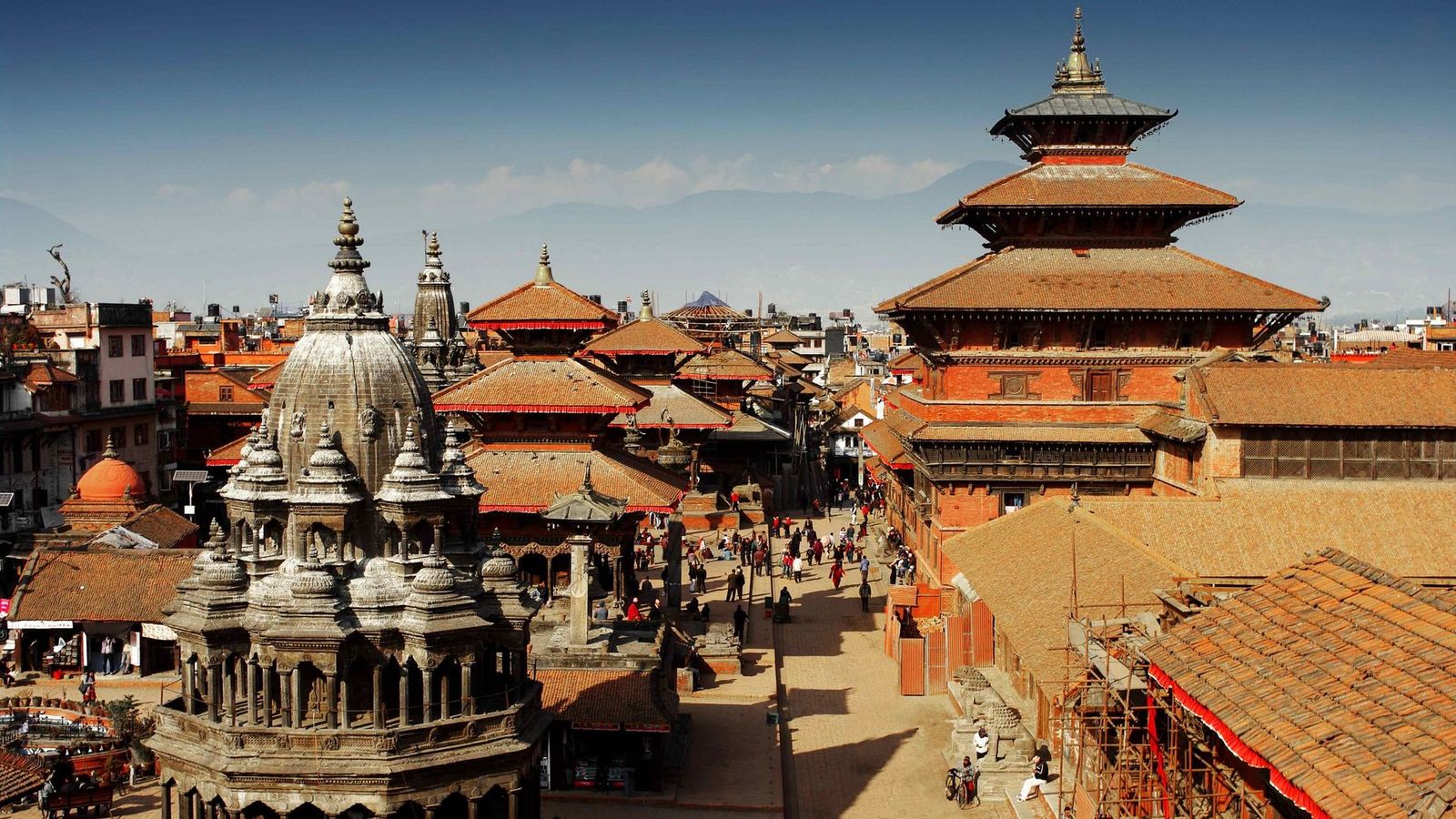
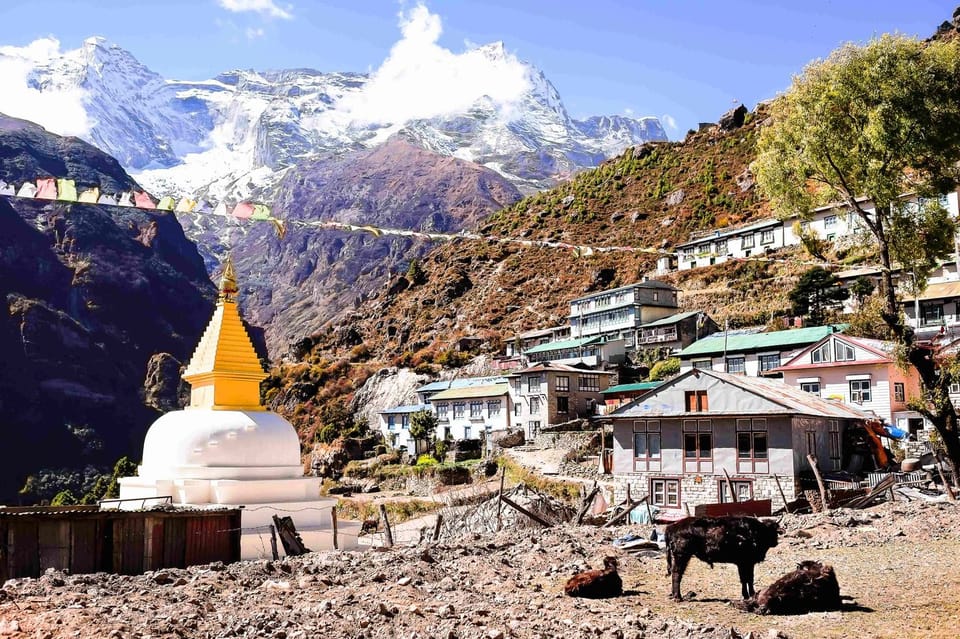
Beyond the physical scale of the trek, the route passes through Tibetan-influenced villages that feel genuinely remote, pausing at natural hot springs and the sacred Muktinath Temple, a site of profound significance to both Hindu and Buddhist pilgrims. It is a journey that combines extraordinary mountain scenery with deep cultural immersion in equal measure.

Highlights

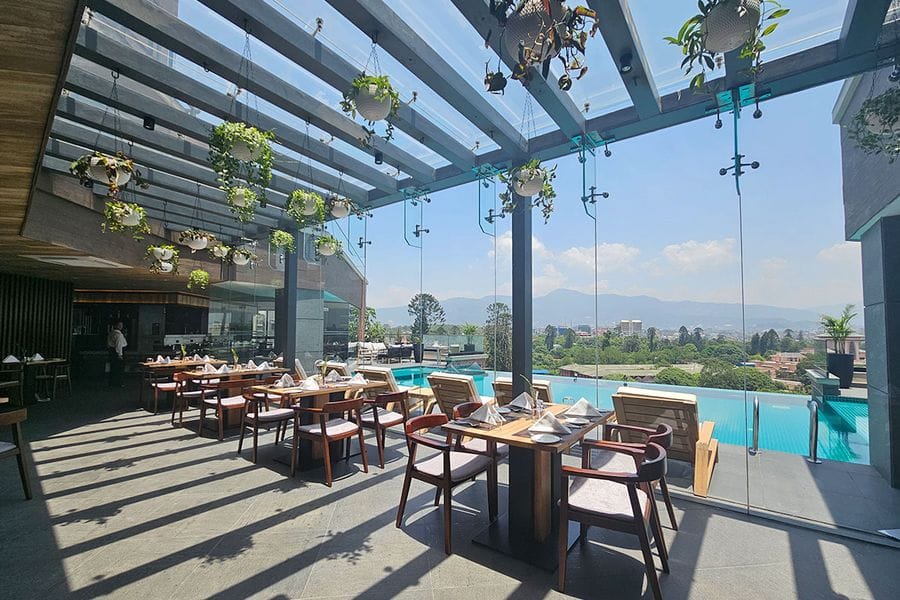
  • Stay in a 4-star hotel in Kathmandu
  • Views of Annapurna I (8091m), as well as Annapurna II, III & IV
  • Walk through Kali Gandaki, the deepest Gorge in the world
  • Best accommodation options available on the trek
  • Optimisation of your time with scenic flights from Jomsom to Pokhara and Pokhara to Kathmandu
  • A contingency rest day is built into the itinerary in Pokhara just in case weather plays an issue on departure from the mountains. You don’t want to miss your international flight!
  • Best and the most experienced fun-loving guides with fluent English
  • Our professional team on the ground ensure that you will have the best possible experience

Itinerary

Day 1

Arrive Kathmandu

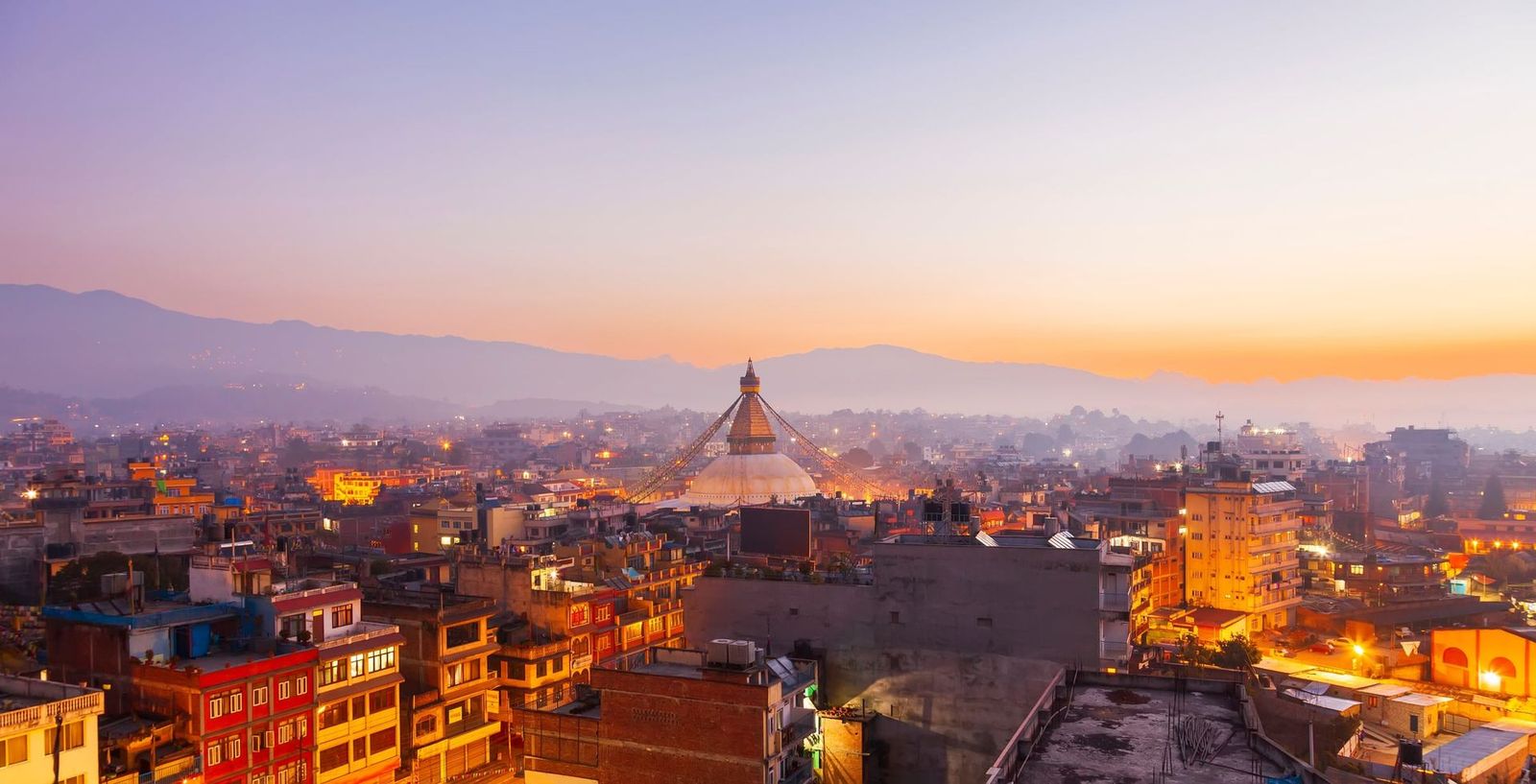
Arrive at Kathmandu International Airport, be met by one of our representatives and enjoy a private transfer to your 4-star hotel. In the evening once you have settled into the gorgeous accommodation there will be a welcome dinner and a trek briefing about the details of the exciting journey ahead that you will take over the next 13 days.

Accommodation

4-star Hotel in Kathmandu

Meals

Dinner

What's Included

Accommodation

4-star Hotel (4 nights), 3-star Teahouse (3 nights), Teahouse (6 nights)

Meals

13 breakfasts, 10 lunches, and 10 dinners

Transfers

  • Private Vehicle Transfers
  • Flights from Jomsom to Pokhara and Pokhara to Kathmandu
  • Flights from Pokhara to Kathmandu

Guidance & Support

  • Itinerary & Walk Notes
  • 24/7 on-trip support

Included Activities

  • Local cooking class
  • Boat ride on lake Phewa

How We Rate This Walk

6

Auswalk Walking Grade

Challenging to Strenuous

Rated by our team — we walk every route before we recommend it.

Demanding terrain with significant elevation gains. Prior hiking experience and strong fitness required.

View Fitness Guide

8

Days on the trail

5-20 km

Daily distance range

143-1076 m

Daily ascent range

6/10

Trail difficulty

Where You'll Stay

This tour starts with two nights in a four-star hotel in Kathmandu and ends with two nights in a four-star hotel in Pokhara. In between, three-star hotels and the best available accommodation in the mountains keep you comfortable throughout the trek. All properties are well used to receiving trekkers and properly equipped to handle whatever the conditions outside bring. Rooms are typically en-suite where possible, and the mountain lodges sit within some of the most breathtaking scenery on earth, built in authentic Nepalese tradition and offering a genuinely comfortable retreat after a demanding day on the circuit.

What You'll Eat

Meals are well covered on this tour, with thirteen breakfasts, nine lunches and ten dinners included throughout. A welcome dinner at an authentic Nepalese restaurant in Kathmandu opens the trip, and all meals are taken care of once the trek is underway. City time gives you the freedom to explore local food at your own pace. On the trail, meals grow simpler with altitude, which is normal and expected in the mountains. Dahl Bhat is the local staple worth getting to know, eaten by sherpas at altitude for good reason. Bringing high-energy snacks from Kathmandu or home is also strongly recommended, particularly protein-dense options and quality trail mix, to help maintain your calorie intake on the circuit.

Note: Please advise us of any food allergies or intolerances at the time of booking. If you have severe allergies, bringing some of your own snacks is recommended, as specialist ingredients can be harder to source in the mountains.


More About This Trip

The walk both starts and finishes in Kathmandu, Nepal. Kathmandu's Tribhuvan International Airport (KTM) is the main gateway to Nepal, with connections from major international hubs across Asia and beyond. A transfer from the airport to your accommodation is included on arrival. Those already in Nepal can arrange to meet the group at the hotel directly.

A transfer back to Kathmandu Airport is included at the end of the trip for your onward flight.

Departure dates for this guided group walk are set for October, November and April, chosen as the finest months for crossing Thorung La Pass. October brings stable, dry weather after the monsoon, with clear skies, unobstructed views of the Annapurna range and firm trails throughout. November remains excellent, with bright days and crisp mountain air, though temperatures drop sharply at altitude and nights above 4,000 metres can be well below freezing. April is one of the most beautiful months to trek, with rhododendrons in full bloom on the lower slopes, warm lower valleys and reliable conditions for the high pass crossing. At Thorung La itself, at 5,416 metres, temperatures can be well below freezing whatever the month. Layered clothing, warm sleeping gear and waterproofs are essential throughout.


This walk is graded challenging to strenuous, with altitude the defining factor rather than daily distance alone. Daily walks average 11.8 kilometres with around 839 metres of ascent along mainly well-travelled tracks. Expect prolonged ascents, steps, and increasingly demanding conditions as the circuit progresses. The acclimatisation day in Manang is essential; do not ascend too quickly at any stage. Sturdy walking boots with excellent ankle support and grip are non-negotiable.

Elevation and altitude are the primary training considerations. Include serious hill climbs, squats, lunges, and core work in your preparation, and incorporate sessions at higher altitude where possible. Your guide is local, with expert knowledge of the track and conditions.

You must hold adequate travel insurance for your trip, including cover for personal liability and accidental injury and illness. For all trips involving international travel, your policy must also include emergency medical treatment, evacuation and repatriation cover. We strongly recommend your policy also covers trip cancellation and curtailment, and loss of or damage to luggage.

A cancellation fee usually applies if you cancel after your booking is confirmed. Travel insurance with cancellation cover will generally cover this fee, so it's worth arranging your policy at the time of booking.

Full insurance requirements are set out in our booking terms and conditions.

In Kathmandu you will have the opportunity to purchase any extra clothing or equipment you would like and our tour leader will be able to make recommendations and assist with this.  Sleeping bags and down jackets are easily available to rent at very minimal cost. Good quality 4 season sleeping bags are essential. Whilst the teahouses all have blankets and bedding as you progress higher they are more basic so can get very cold. We highly recommend you either bring your own or purchase/rent a sleeping bag to ensure your comfort and to rest well during the tour.

Due to the physical nature of this tour we will require your doctor to complete our medical certificate form to say that you are fit enough to undertake the walk you are booking with us. This is for all travellers of 75+ of age and supersedes our standard T&C's of this requirement at 80+ years.

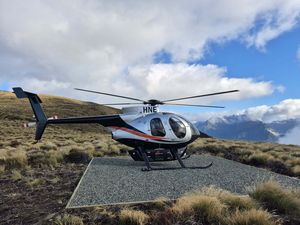
Helicopter evacuations due to problems with high altitudes are rare but a potential occurrence.

We want to bring to your attention some important information regarding helicopter evacuation and associated costs, which are not included in your current Auswalk package.

In the event that a helicopter evacuation becomes necessary, please be aware that there will be additional charges. For this reason, it is essential to ensure that your travel insurance policy provides adequate coverage for emergency evacuation. Should you have any questions about this, please do not hesitate to contact our office.

An evacuation is an unforeseen event that incurs separate costs, supplementary to the Auswalk package you have purchased.

Furthermore, it is important to understand that you will be required to pay for the evacuation services before departing Nepal and then claim the expenses through your insurance provider. The helicopter company is unable to process claims on your behalf. Direct claims by you to your insurance company typically result in a faster reimbursement process.


Their are weight limits on this tour most notably for the flight from Jomsom to Pokhara which has an allowance of 15 kgs. 10kg for the hold luggage and 5kg hand luggage.

You will be able to store additional luggage at the hotel in Kathmandu and collect it at the end of the trip. For the hike we therefore recommend a soft bag (no hard suitcases) for luggage that can hold up to 10kgs and a day pack which you will carry for the entire trip with a carry weight of 5kg.

Every morning of departure to the next destination you should place your luggage bag outside your room, with your name on it before breakfast so that the porters can prepare it accordingly before leaving. Our guides will fully brief you on this procedure at the start of the trip.

Travel without stress or delays

  • Built-in contingency day in case the weather delays departure from the mountains.

The best possible food and accommodation

  • Staying in a 4-star hotel  in Kathmandu, where you enjoy the sights but are insulated from the bustle.
  • Enjoying the best accommodation options available on the trek.  Note: accommodation levels vary and, where possible, rooms have ensuites.   Accommodations at a few high-altitude locations are less luxurious but still comfortable
  • Since food plays a significant role in hiking at higher elevations, we strive to serve our guests fresh and healthy meals every time

Be well guided and looked after

  • Sufficient time to visit Kathmandu’s unmissable World Heritage sites with our guided tour
  • Highly experienced fun-loving guides with fluent English
  • Guide to hiker ratio of 1 guide to 6 passengers so you will be very well looked after
  • Our professional safety-focused team on the ground ensure the best possible experience
  • 1 porter per two passengers

We support the region and the environment

  • We support the organization KEEP (Kathmandu Environmental Education Project). KEEP provides valuable training programs for guides, including language training, map reading, and a porter welfare program
  • We offset our carbon emissions, raise money and donate to Odonata, an environmental charity committed to supporting biodiversity
  • Auswalk has earned Advanced Eco Tourism Certification

Dates & Pricing

Choose Your Departure

Select a fixed group departure - places are limited

Prices shown are per person, twin/double share basis.

Annapurna reviews

5.0
1 review
5 Star
1
4 Star
0
3 Star
0
2 Star
0
1 Star
0

Alan Frederick E
9 months ago

ACT was a tough but very enjoyable trek around the Annapurna range. Very well supported by Guide and Porters to make it as accommodating as possible with good accommodation and food. Good value and a safe acclimatisation programme.

Frequently Asked Questions

March to May (spring) and September to November (post-monsoon autumn) are the ideal windows. Spring brings rhododendron forests in bloom and clear mountain views; autumn offers crisp skies and stable conditions after the monsoon clears. Both seasons sit either side of the June to August monsoon, when trails are wet, and visibility is limited.

Fly into Tribhuvan International Airport in Kathmandu. A company representative and vehicle will meet you on arrival and transfer you to your hotel — no need to sort your own way into the city.

A porter carries your main bag from lodge to lodge each day while you walk with just a daypack. Your main bag must weigh no more than 10kg — on arrival in Kathmandu you'll receive a duffel bag to pack everything you need for the trek. Anything surplus can be stored at your Kathmandu hotel. Keep your passport and valuables in your daypack, not your main luggage.

On the trail, you'll stay in small, independently owned lodges — the kind of places where the owner knows your name, the mountain views are stunning, and the atmosphere is genuinely local. In Kathmandu and Pokhara, the step up is significant: four-star hotels in both cities. All rooms on the trail are clean and comfortable, though they're simple by city standards.

Coverage is patchy in places and drops out entirely between lower Pisang and Muktinath, including the Thorong La high camp section. Most lodges along the route offer WiFi, though speeds slow down considerably in the more remote villages. Some charge a modest fee for access. Pick up an Ncell Visit Nepal SIM in Kathmandu — it's designed for trekkers and offers the most reliable connection on the circuit.

A 30–35L waterproof daypack is ideal. Pack your water (two to three litres minimum), snacks, sun protection (SPF 50+ cream, sunglasses, a hat), lip balm, a warm layer, your headtorch, and any personal medication. Power banks are worth their weight up here — outlets exist in the lodges but are limited, particularly at higher elevations. Nepal uses Type C, D and M plugs.

Layers are the key. During the day you'll likely be warm enough in breathable trekking pants and a long-sleeve top, but temperatures drop sharply at altitude — a down jacket and thermal base layers are non-negotiable for evenings and the high passes. Waterproof, Gore-Tex hiking boots are strongly recommended; the terrain shifts from forest floors to snow-covered passes, and trail runners won't cut it above 4,000m. Walking poles are optional but worth considering given the extended descents. A sleeping bag rated to -15°C is required. If you don't own one, it can be provided on arrival in Kathmandu — bring your own liner regardless.

Altitude sickness can affect anyone, regardless of fitness. The trek crosses Thorong La Pass at 5,416 metres, and the effects of reduced oxygen become real above 2,500m. The itinerary includes an acclimatisation day in Manang to help your body adjust, and guides are trained to manage the ascent pace carefully. Garlic soup, ginger tea and plenty of fluids are the trail remedies of choice. Speak to your GP before departure about prescription options. If symptoms become severe, descent by helicopter is arranged through local partners — another reason travel insurance is not optional.

Yes, and it's a condition of booking. Your policy must cover trekking above 5,000 metres and helicopter evacuation. A rescue from Thorong La can run to several thousand dollars, and you'll be expected to pay upfront — your insurer reimburses you afterwards. Send through your policy details, including your insurer's name, policy number and 24-hour emergency contact number, before you depart.

The local currency is the Nepalese Rupee (NPR). Budget around 3,000 NPR per person per day on the trek to cover lunches, snacks and drinks — you'll stop at tea houses along the way and buy as you go. ATMs are available in cities and larger towns but scarce on the trail, so draw enough cash in Kathmandu before you head out. Tipping is expected and appreciated. The standard amounts per hiker per day are 1,000 NPR for the head guide, 500 NPR for an assistant guide, and 500 NPR per porter.

Do not drink tap water in Nepal under any circumstances. Stick to bottled water or water that has been boiled at your lodge (there may be a small charge). A quality filter or iodine tablets are worth carrying as backup. On food, vegetarian meals are the safer call on the trail — the source document advises against eating meat during the trek to reduce the risk of stomach issues, though many walkers do eat local chicken and yak dishes without issue. Let the team know about any allergies or intolerances at booking; if your requirements are severe, bring some supplementary snacks from Kathmandu before heading out.

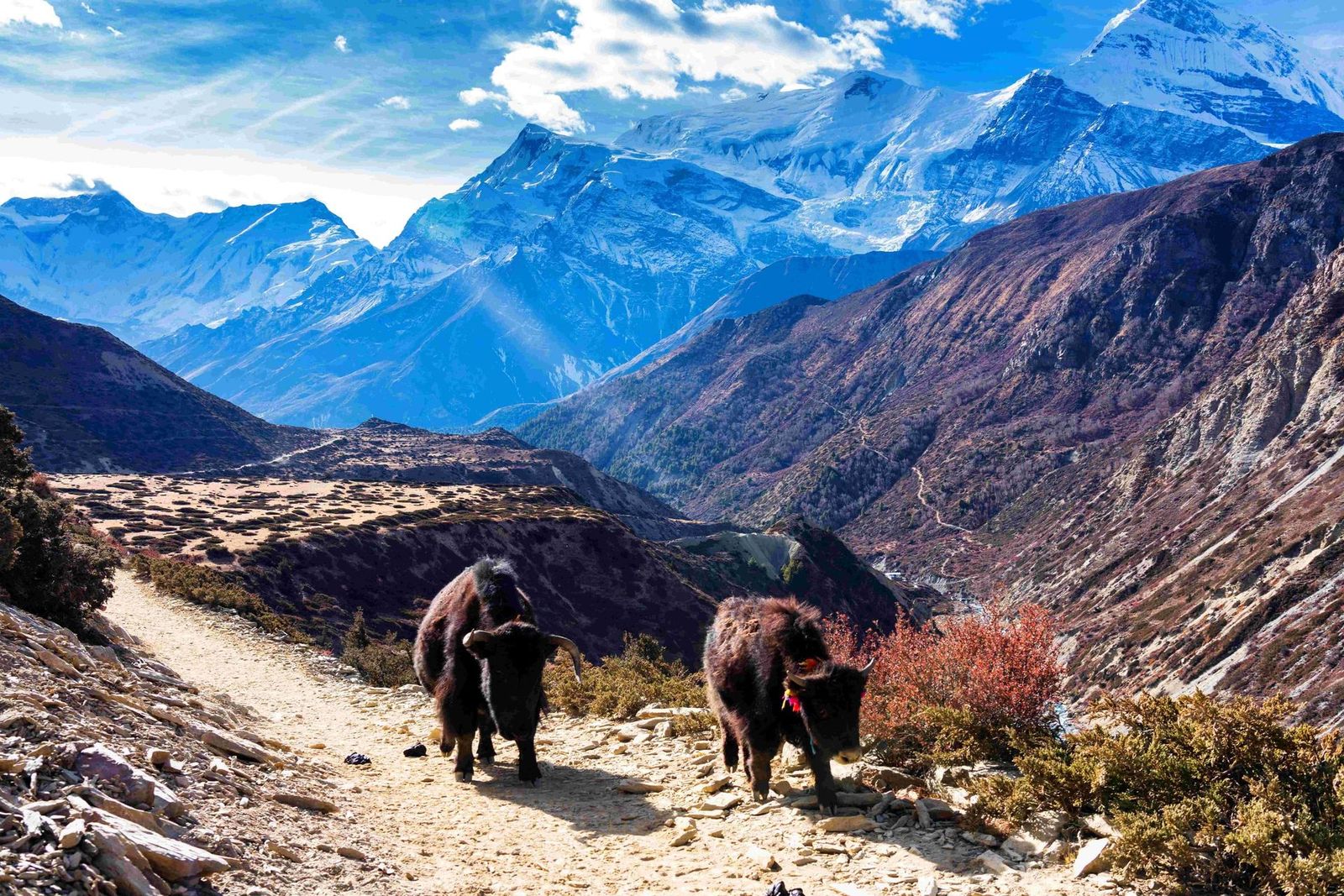
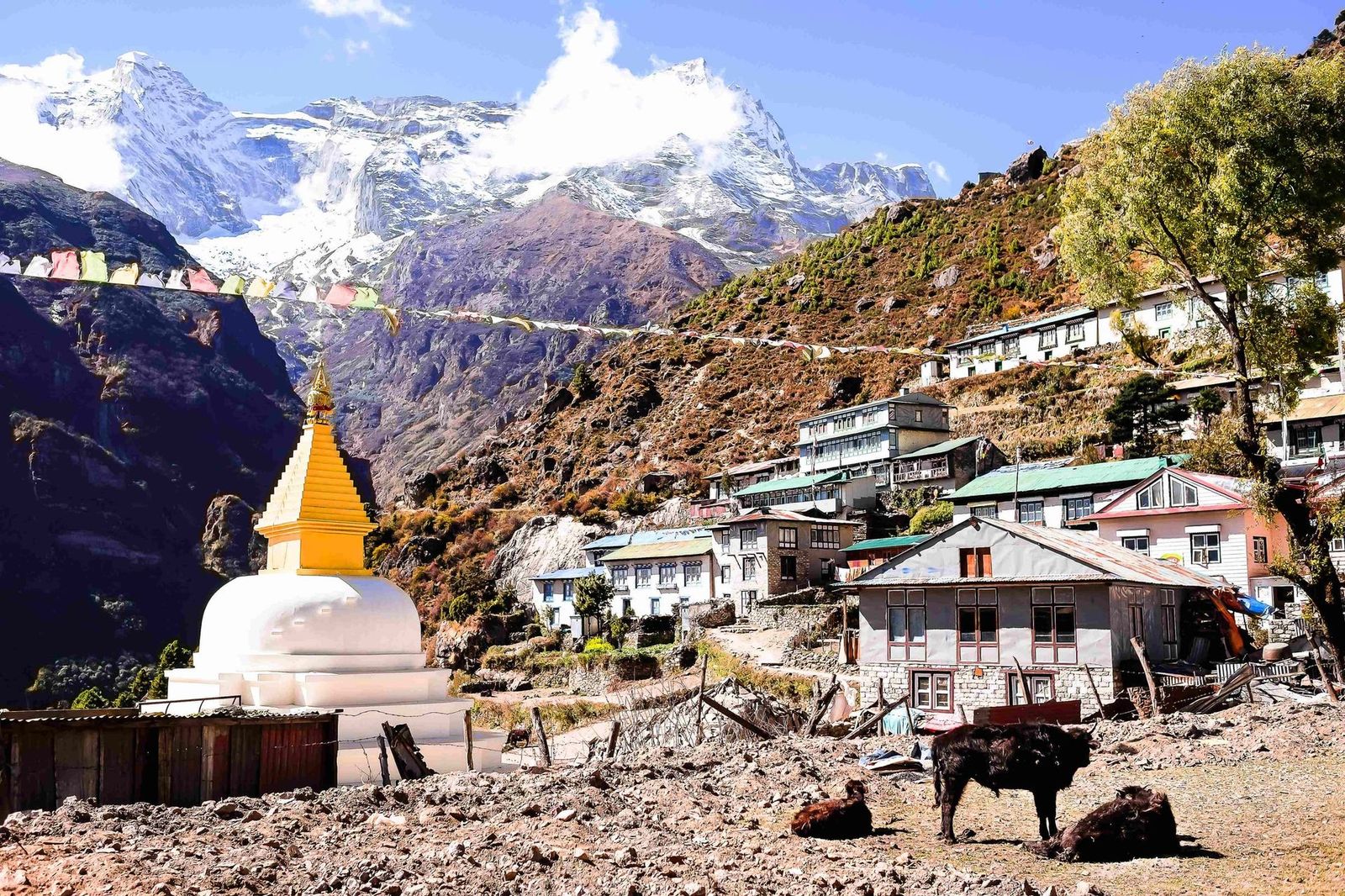
The trek passes through Muktinath, a sacred site, and the Kathmandu day includes Pashupatinath, one of the most revered Hindu temples in Nepal. Dress modestly at religious sites — shoulders and knees covered. On the trail, give yaks plenty of space and always pass on the uphill side. The communities along the circuit are a mix of Tibetan, Thakali and Sherpa cultures.

Want to Know More?

The Annapurna experience

Wonder
Cross the Thorung La Pass at 5,416 metres, one of the highest mountain passes in the world
The Annapurna Circuit is regularly cited as one of the top ten trekking experiences in the world
Complete a circuit that surrounds the entire Annapurna massif, crossing two river valleys and one world-class pass
Wellness
Walk through one of Nepal's most celebrated landscapes at a pace designed for safe acclimatisation
Stay in traditional Nepali teahouses each night and eat home-cooked dal bhat beside open fires
The circuit passes through subtropical forests, alpine meadows, and high-altitude desert in a single journey
Nature
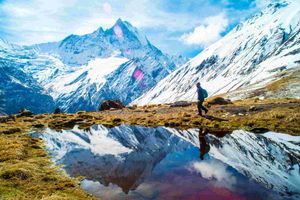
Panoramic views of Annapurna II, III, Gangapurna, and Dhaulagiri from the high trails above Manang
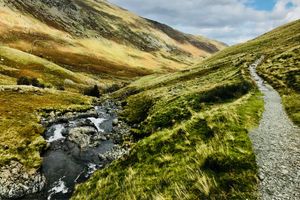
The landscape transforms from lush river valleys and terraced farms to bare rocky mountain terrain
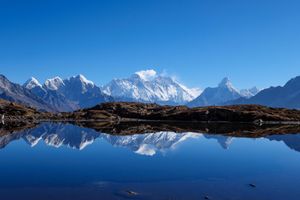
Tilicho Lake at over 4,900 metres is one of the highest lakes in the world, reached on a stunning detour