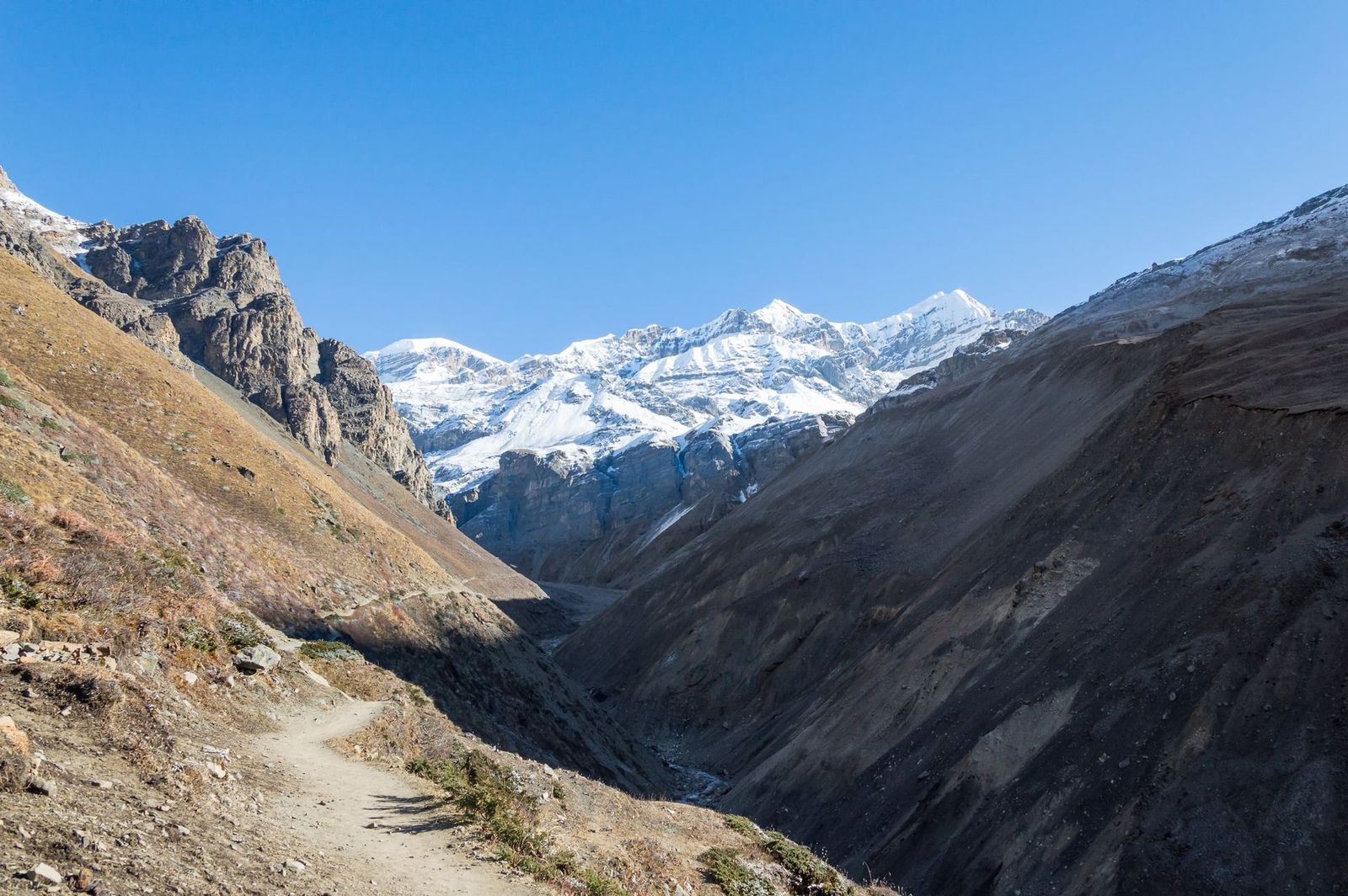
Annapurna

Annapurna

The Annapurna Circuit is Nepal's most celebrated trek, circling the mighty Annapurna massif through subtropical valleys, Tibetan villages and high Himalayan desert.

View 2 walks9 photos

Plan your Annapurna trip with an expert in a free 1:1 consultation.

  • 30+ Years Experience
  • Pack-Free Walking
  • Flexible Itineraries
  • Comfortable Stays
4.9/5reviews on

Overview

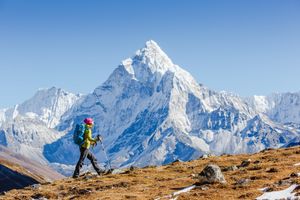
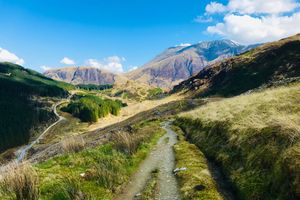
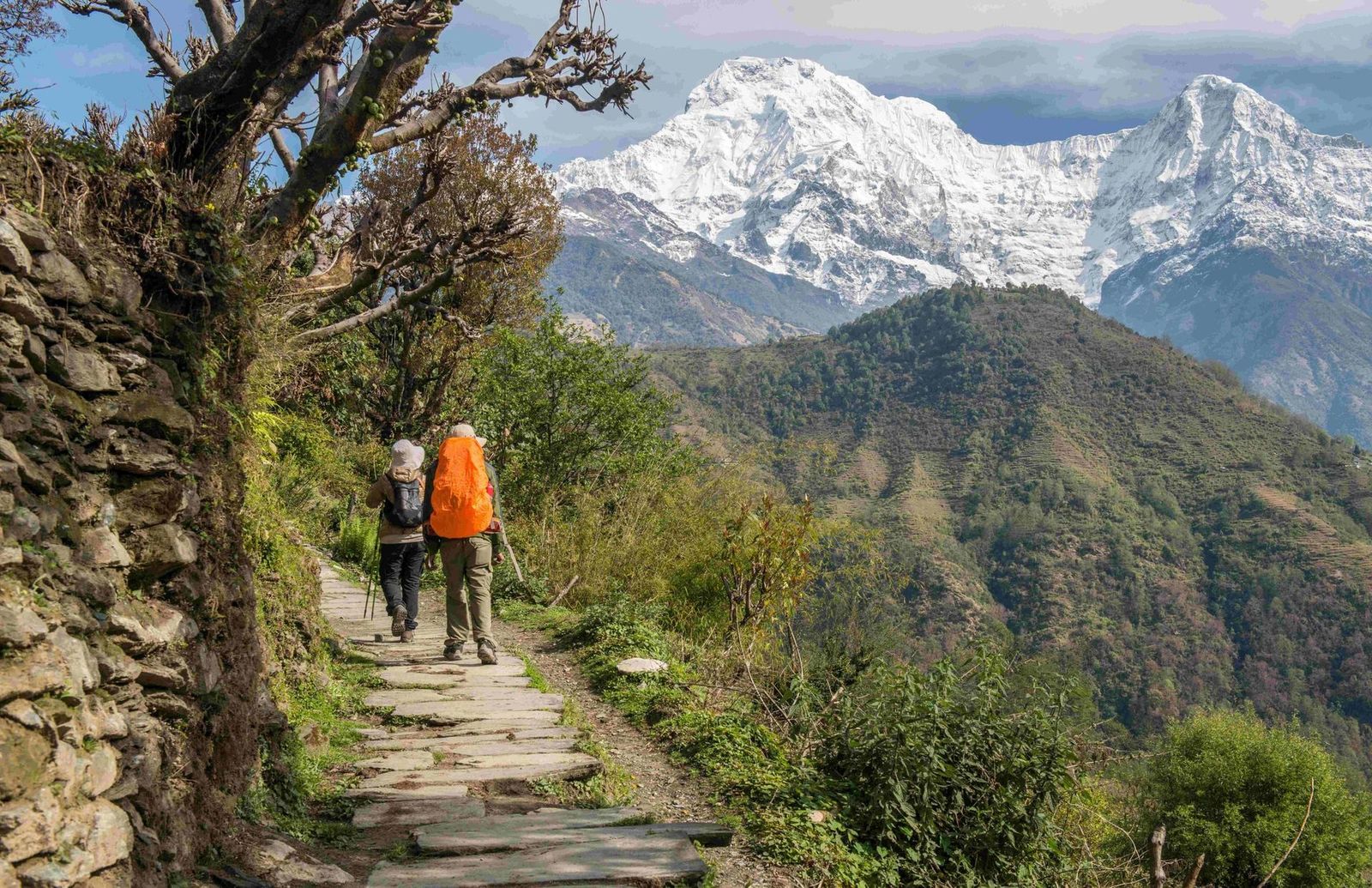
The Annapurna Circuit has been voted the finest long-distance trek in the world, and the title is well earned. The route encircles the entire Annapurna massif through an extraordinary range of landscapes, from subtropical forests and terraced farmland in the lower valleys to the stark, windswept terrain of the high Himalayas above Manang.

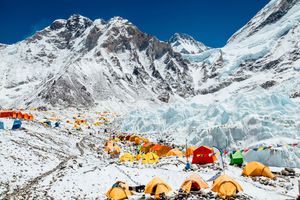
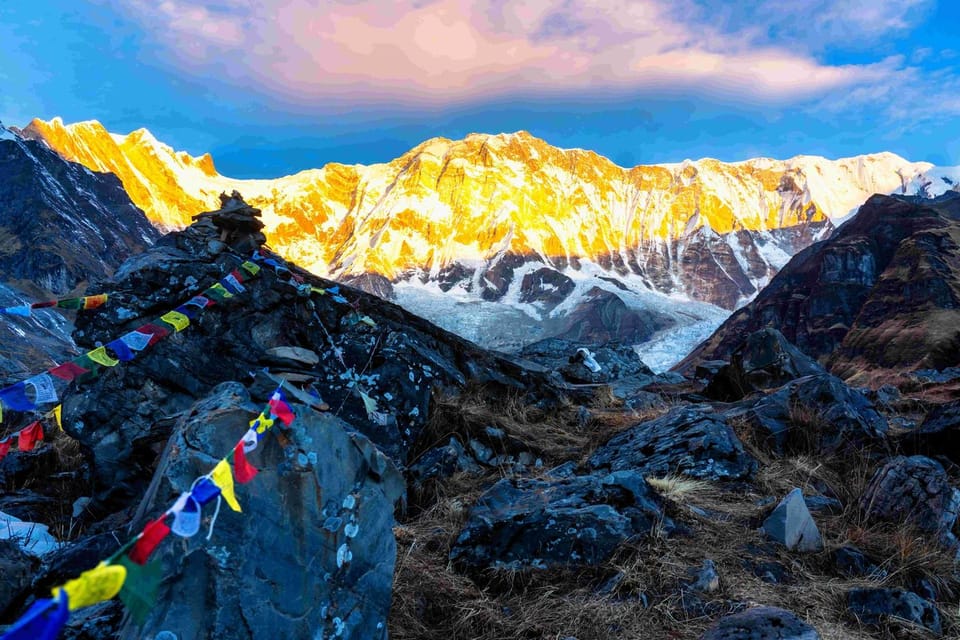
The crossing of Thorong La Pass at 5,416 metres is the defining moment of the trek. Prayer flags mark the summit, the Annapurna and Dhaulagiri ranges stretch across the horizon, and the descent leads to Muktinath, a sacred pilgrimage site revered by Hindus and Buddhists alike. The route then drops into the Kali Gandaki Gorge, the deepest river gorge on earth, before reaching the natural hot springs at Tatopani.

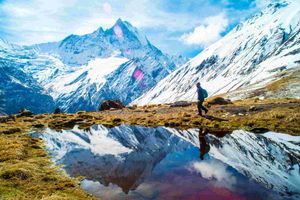
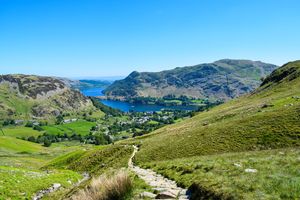
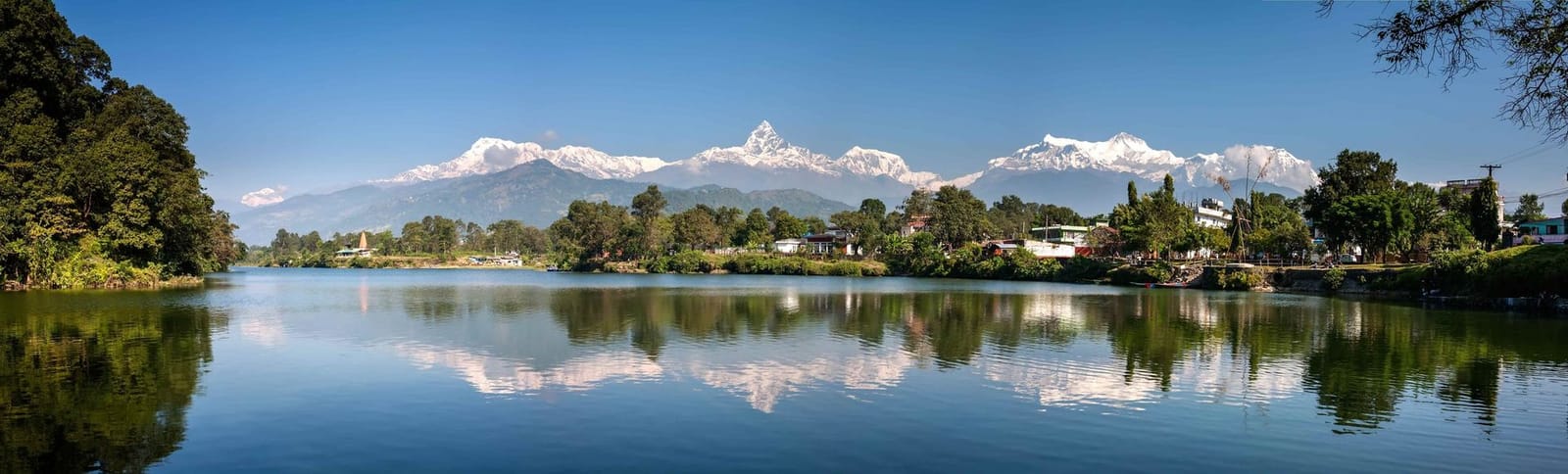
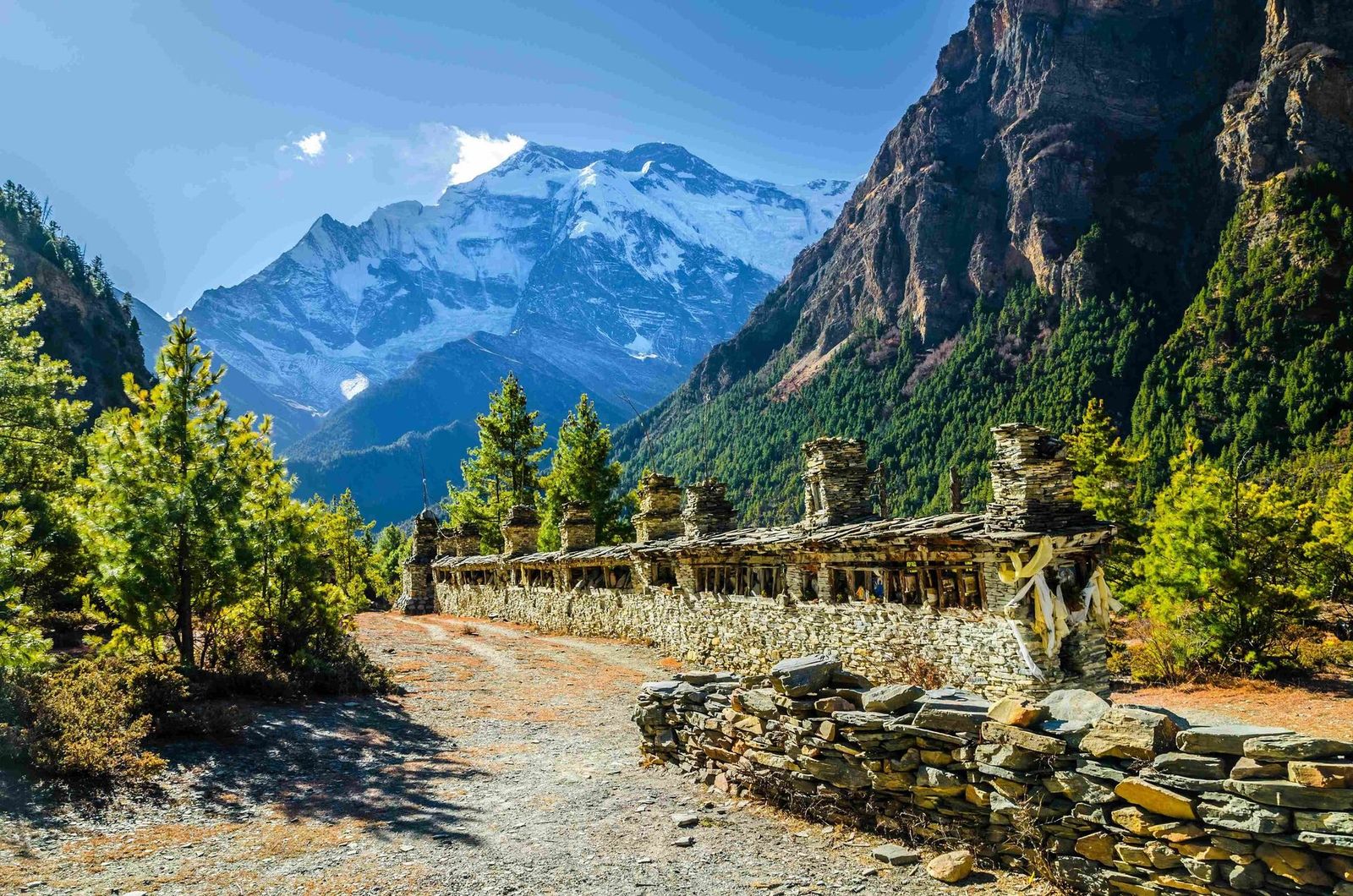
Throughout the circuit, Tibetan-influenced villages, ancient monasteries and close-up views of some of the world's tallest peaks give every day its own distinct character. The journey concludes with a scenic flight to Pokhara, where the mountains reflect in the lake below.



The Annapurna experience

Wonder
Cross the Thorung La Pass at 5,416 metres, one of the highest mountain passes in the world
The Annapurna Circuit is regularly cited as one of the top ten trekking experiences in the world
Complete a circuit that surrounds the entire Annapurna massif, crossing two river valleys and one world-class pass
Wellness
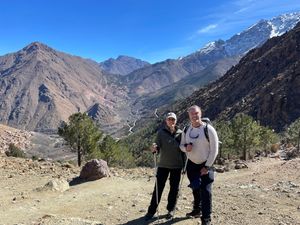
Walk through one of Nepal's most celebrated landscapes at a pace designed for safe acclimatisation
Stay in traditional Nepali teahouses each night and eat home-cooked dal bhat beside open fires
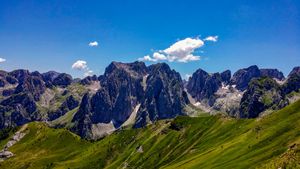
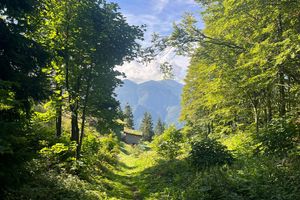
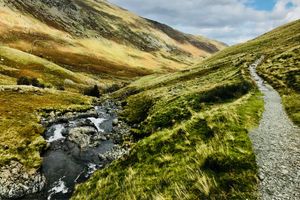
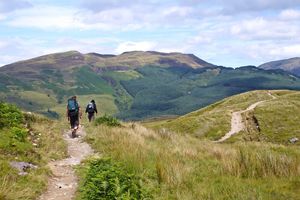
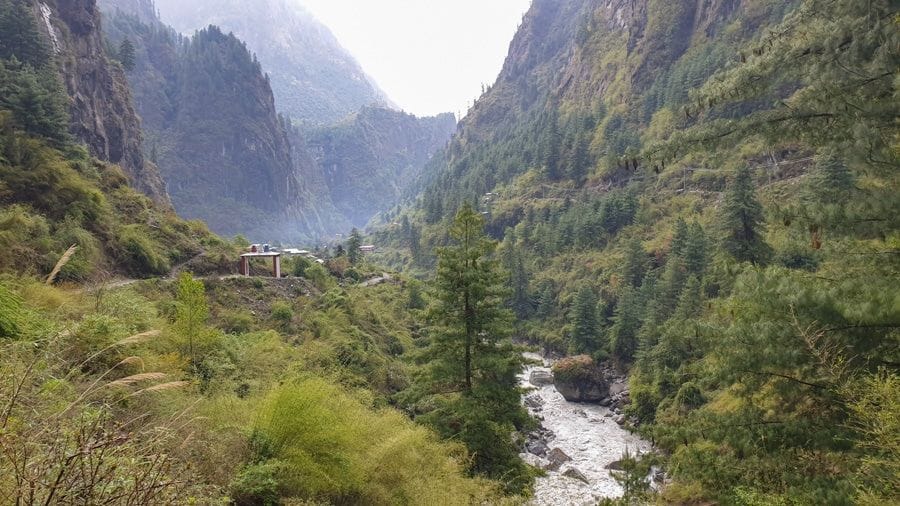
The circuit passes through subtropical forests, alpine meadows, and high-altitude desert in a single journey
Nature
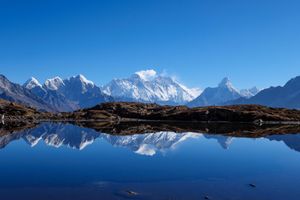
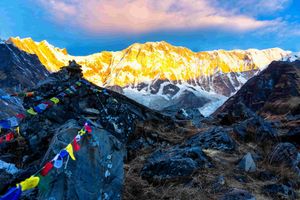
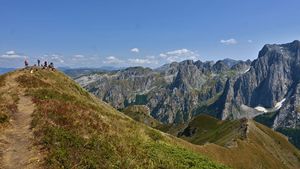
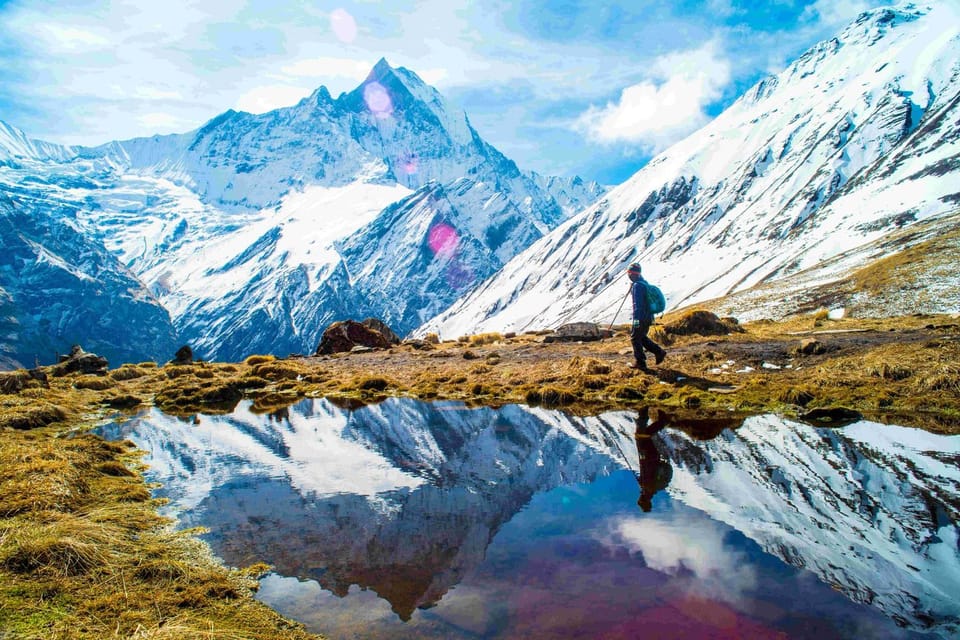
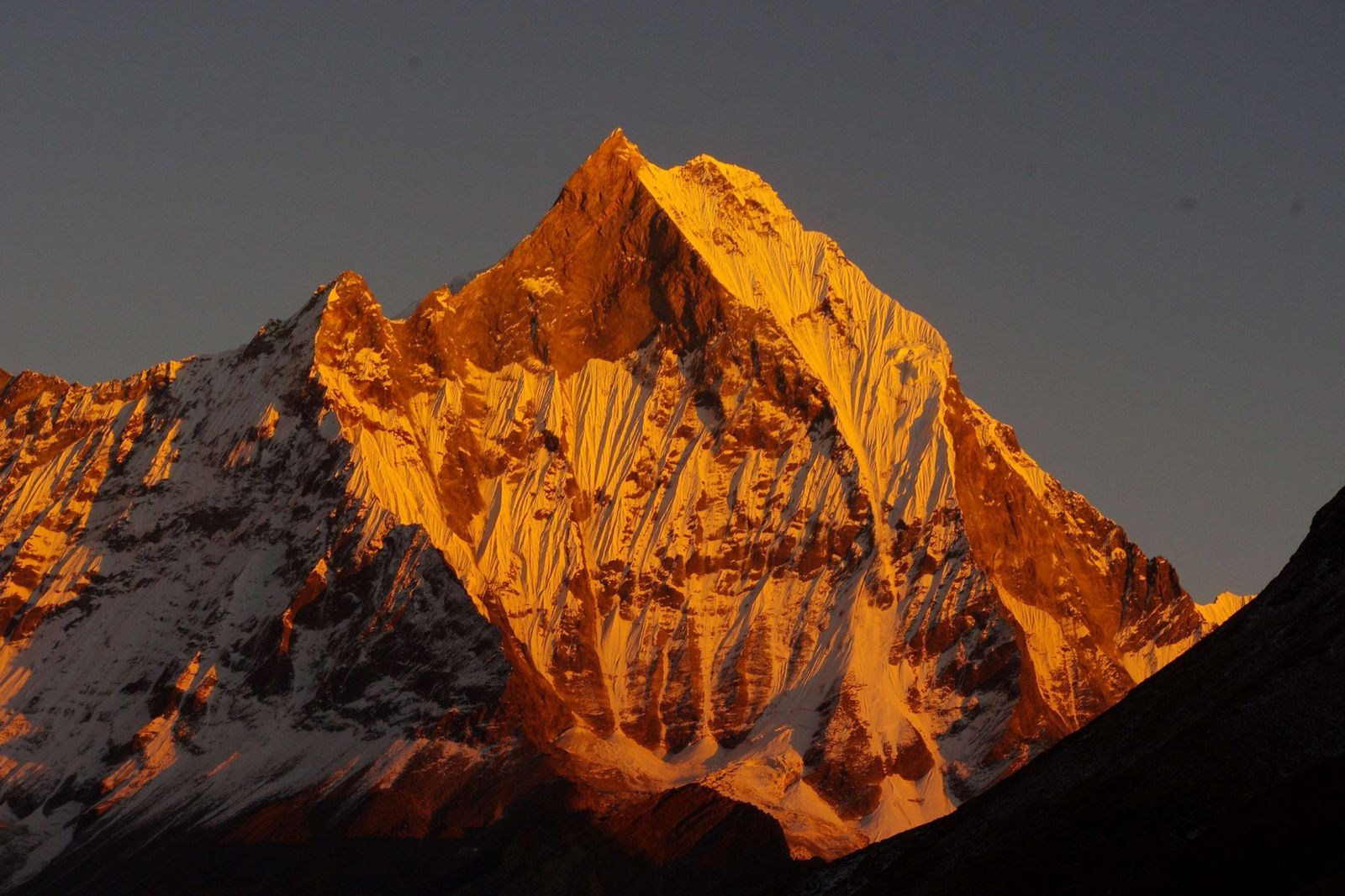
Panoramic views of Annapurna II, III, Gangapurna, and Dhaulagiri from the high trails above Manang
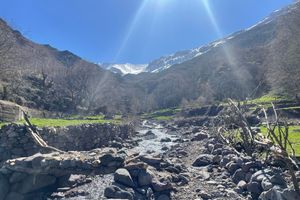
The landscape transforms from lush river valleys and terraced farms to bare rocky mountain terrain
Tilicho Lake at over 4,900 metres is one of the highest lakes in the world, reached on a stunning detour
Coming soon
Local recommendations are coming soon.

Annapurna reviews

Frequently Asked Questions

March to May (spring) and September to November (post-monsoon autumn) are the ideal windows. Spring brings rhododendron forests in bloom and clear mountain views; autumn offers crisp skies and stable conditions after the monsoon clears. Both seasons sit either side of the June to August monsoon, when trails are wet, and visibility is limited.

Fly into Tribhuvan International Airport in Kathmandu. A company representative and vehicle will meet you on arrival and transfer you to your hotel — no need to sort your own way into the city.

A porter carries your main bag from lodge to lodge each day while you walk with just a daypack. Your main bag must weigh no more than 10kg — on arrival in Kathmandu you'll receive a duffel bag to pack everything you need for the trek. Anything surplus can be stored at your Kathmandu hotel. Keep your passport and valuables in your daypack, not your main luggage.

On the trail, you'll stay in small, independently owned lodges — the kind of places where the owner knows your name, the mountain views are stunning, and the atmosphere is genuinely local. In Kathmandu and Pokhara, the step up is significant: four-star hotels in both cities. All rooms on the trail are clean and comfortable, though they're simple by city standards.

Coverage is patchy in places and drops out entirely between lower Pisang and Muktinath, including the Thorong La high camp section. Most lodges along the route offer WiFi, though speeds slow down considerably in the more remote villages. Some charge a modest fee for access. Pick up an Ncell Visit Nepal SIM in Kathmandu — it's designed for trekkers and offers the most reliable connection on the circuit.

A 30–35L waterproof daypack is ideal. Pack your water (two to three litres minimum), snacks, sun protection (SPF 50+ cream, sunglasses, a hat), lip balm, a warm layer, your headtorch, and any personal medication. Power banks are worth their weight up here — outlets exist in the lodges but are limited, particularly at higher elevations. Nepal uses Type C, D and M plugs.

Layers are the key. During the day you'll likely be warm enough in breathable trekking pants and a long-sleeve top, but temperatures drop sharply at altitude — a down jacket and thermal base layers are non-negotiable for evenings and the high passes. Waterproof, Gore-Tex hiking boots are strongly recommended; the terrain shifts from forest floors to snow-covered passes, and trail runners won't cut it above 4,000m. Walking poles are optional but worth considering given the extended descents. A sleeping bag rated to -15°C is required. If you don't own one, it can be provided on arrival in Kathmandu — bring your own liner regardless.

Altitude sickness can affect anyone, regardless of fitness. The trek crosses Thorong La Pass at 5,416 metres, and the effects of reduced oxygen become real above 2,500m. The itinerary includes an acclimatisation day in Manang to help your body adjust, and guides are trained to manage the ascent pace carefully. Garlic soup, ginger tea and plenty of fluids are the trail remedies of choice. Speak to your GP before departure about prescription options. If symptoms become severe, descent by helicopter is arranged through local partners — another reason travel insurance is not optional.

Yes, and it's a condition of booking. Your policy must cover trekking above 5,000 metres and helicopter evacuation. A rescue from Thorong La can run to several thousand dollars, and you'll be expected to pay upfront — your insurer reimburses you afterwards. Send through your policy details, including your insurer's name, policy number and 24-hour emergency contact number, before you depart.

The local currency is the Nepalese Rupee (NPR). Budget around 3,000 NPR per person per day on the trek to cover lunches, snacks and drinks — you'll stop at tea houses along the way and buy as you go. ATMs are available in cities and larger towns but scarce on the trail, so draw enough cash in Kathmandu before you head out. Tipping is expected and appreciated. The standard amounts per hiker per day are 1,000 NPR for the head guide, 500 NPR for an assistant guide, and 500 NPR per porter.

Do not drink tap water in Nepal under any circumstances. Stick to bottled water or water that has been boiled at your lodge (there may be a small charge). A quality filter or iodine tablets are worth carrying as backup. On food, vegetarian meals are the safer call on the trail — the source document advises against eating meat during the trek to reduce the risk of stomach issues, though many walkers do eat local chicken and yak dishes without issue. Let the team know about any allergies or intolerances at booking; if your requirements are severe, bring some supplementary snacks from Kathmandu before heading out.

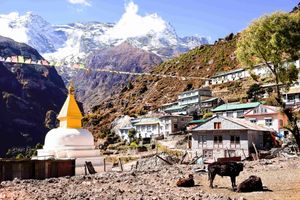
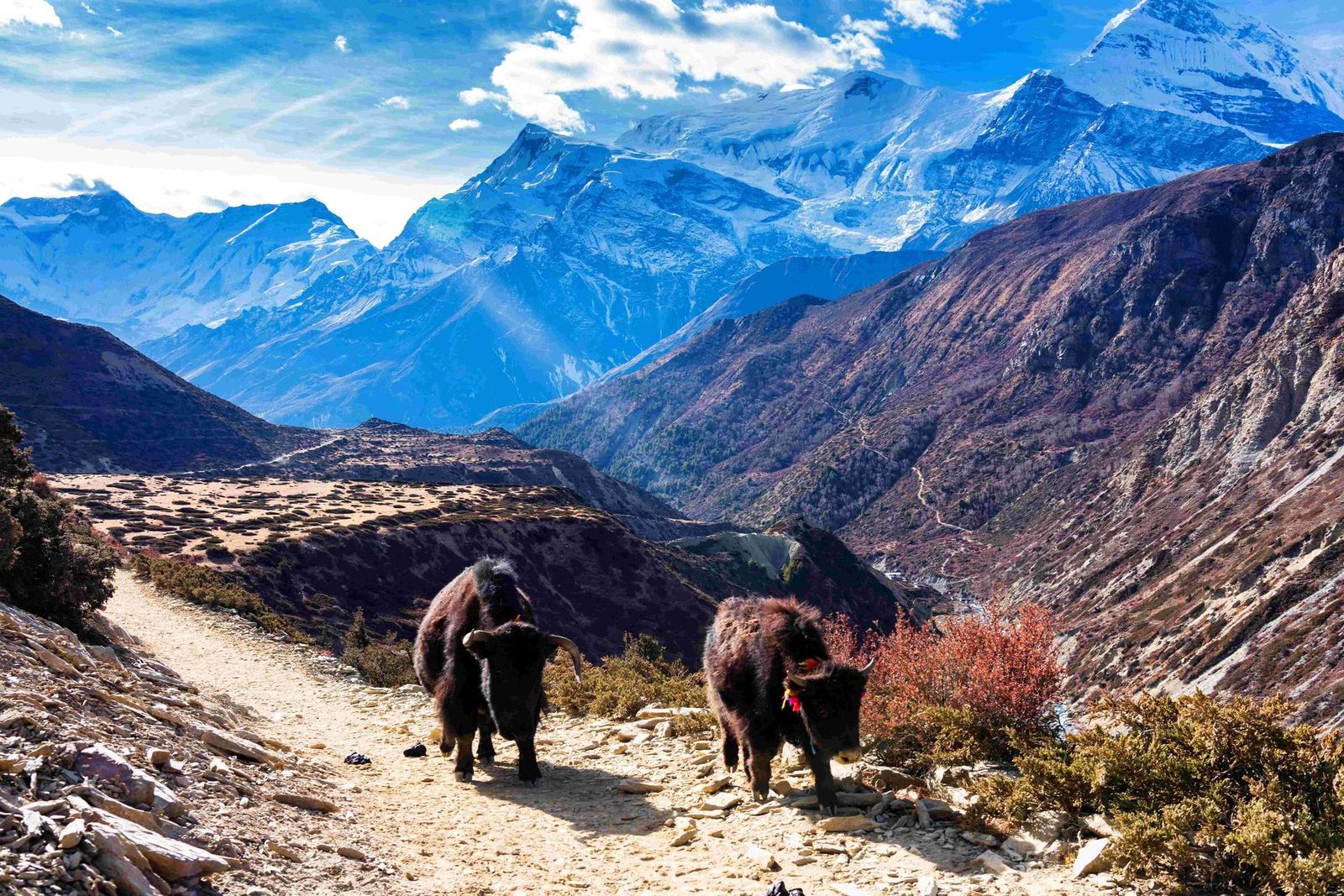
The trek passes through Muktinath, a sacred site, and the Kathmandu day includes Pashupatinath, one of the most revered Hindu temples in Nepal. Dress modestly at religious sites — shoulders and knees covered. On the trail, give yaks plenty of space and always pass on the uphill side. The communities along the circuit are a mix of Tibetan, Thakali and Sherpa cultures.

Can't find what you're looking for?

We can create a custom trip tailored to your preferences.

As Featured In

Lonely PlanetThe AustralianTourism AustraliaNational GeographicTripadvisorCNNThe AgeThe New York TimesTourism Tasmania