


-300x200.jpg)
-300x200.jpg)
-300x200.jpg)
-300x200.jpg)

-300x200.jpg)
-300x200.jpg)
-300x200.jpg)
-300x200.jpg)
-300x200.jpg)
-300x200.jpg)

-300x200.jpg)
-300x200.jpg)
-300x200.jpg)


Andrew W
November 2025
Entire trip went extremely well. Foods were of excellent quality too.
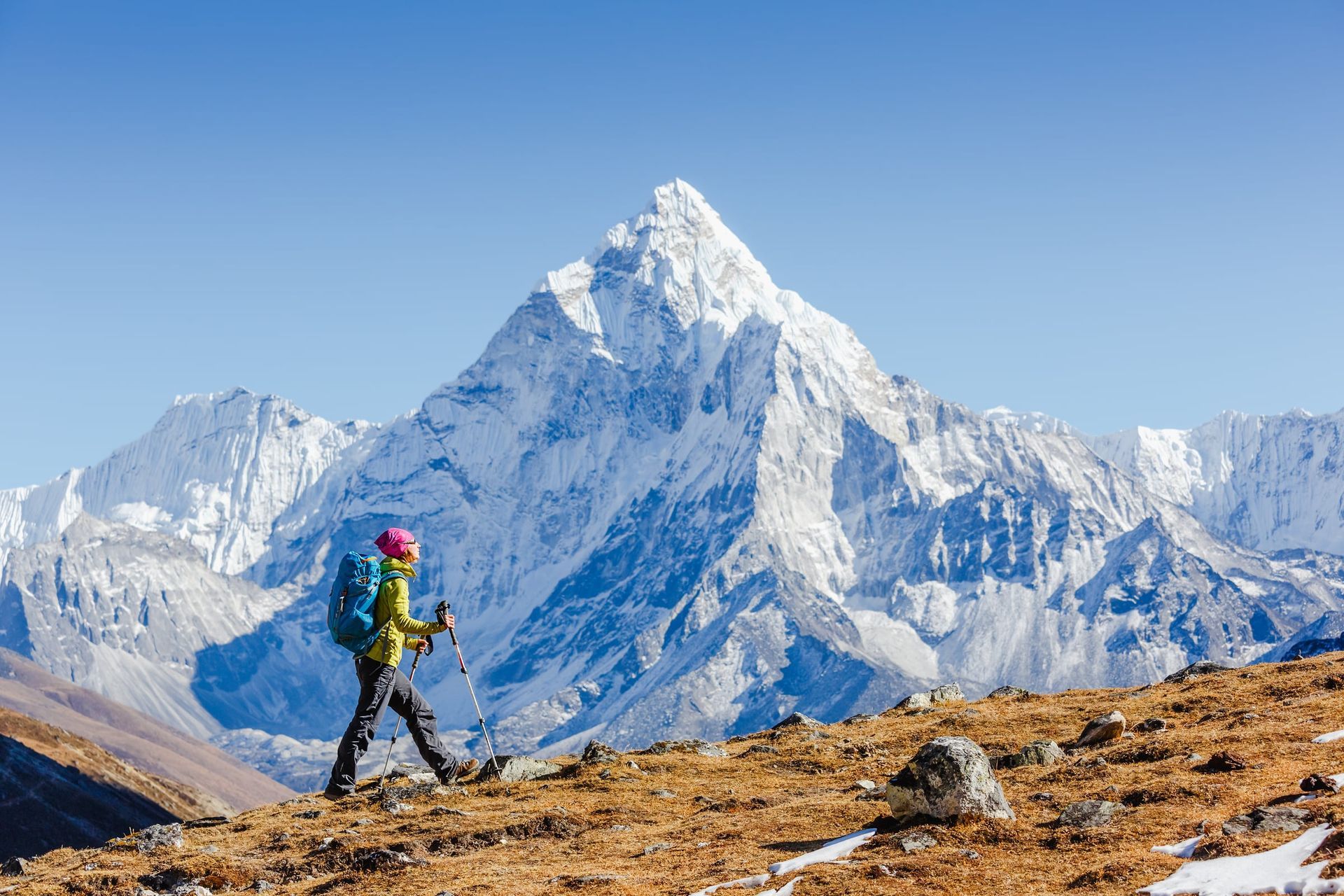
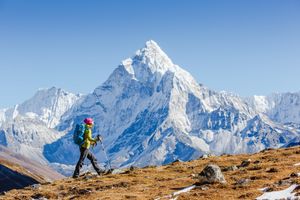
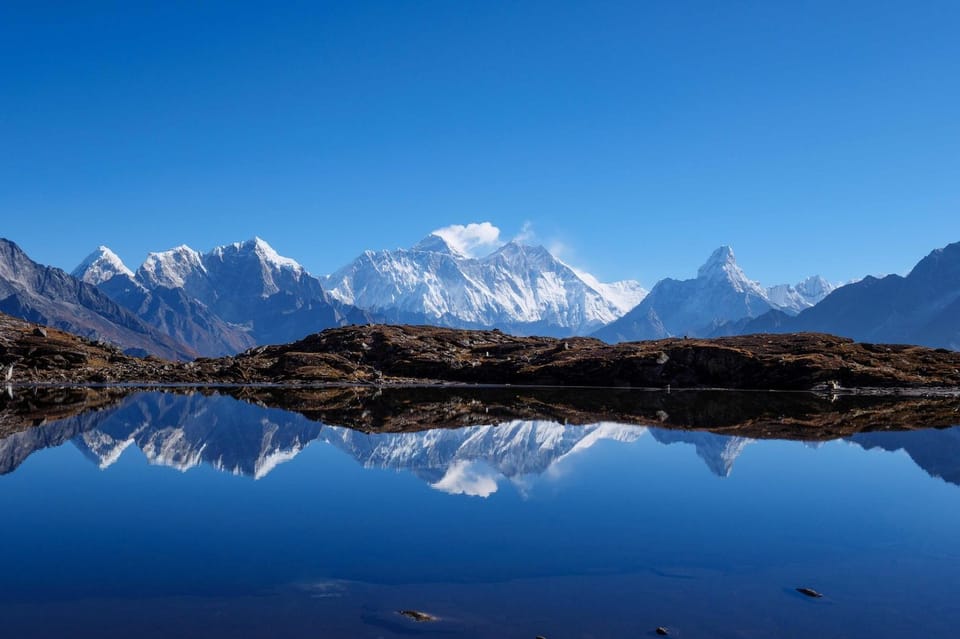
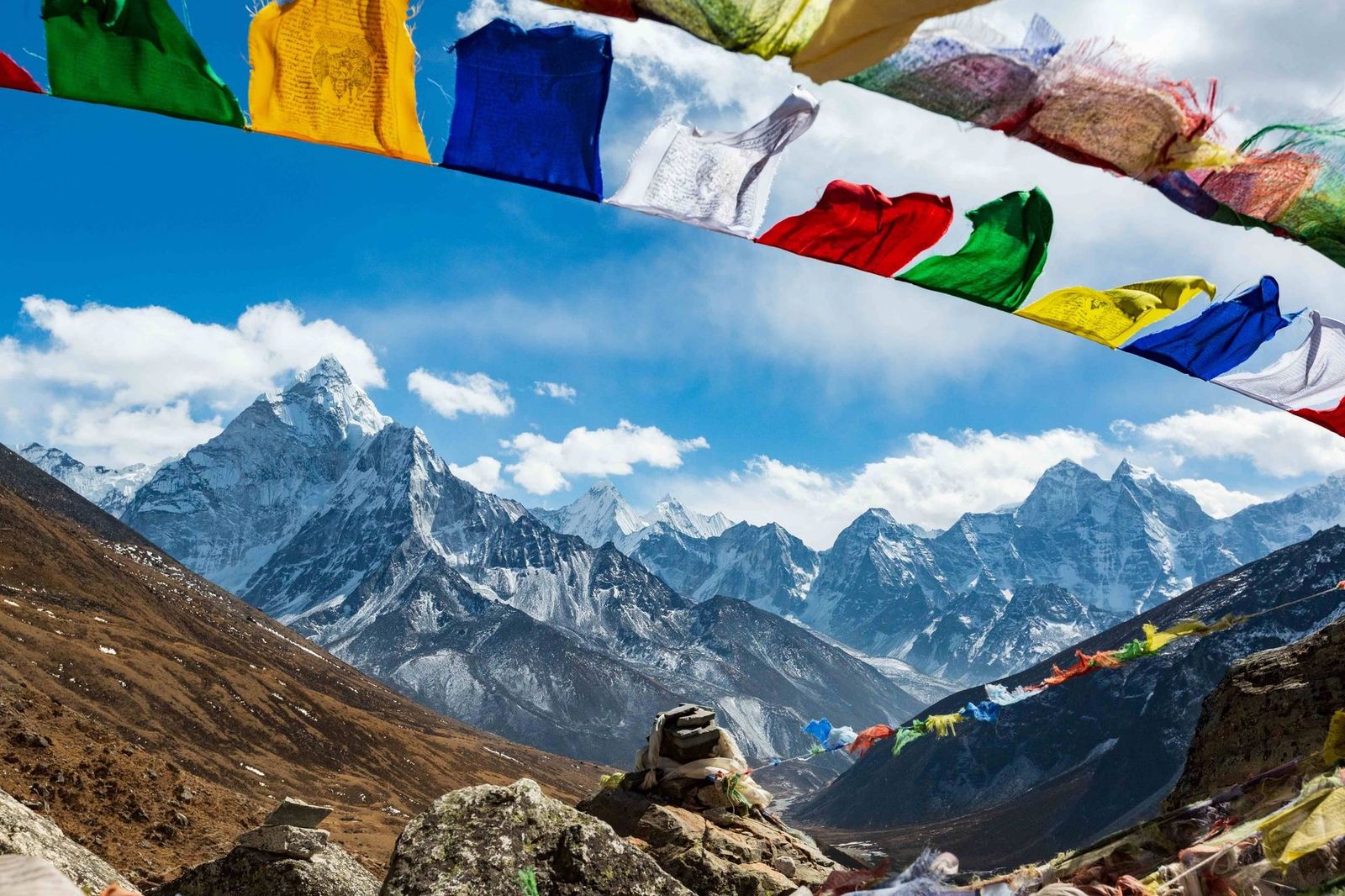
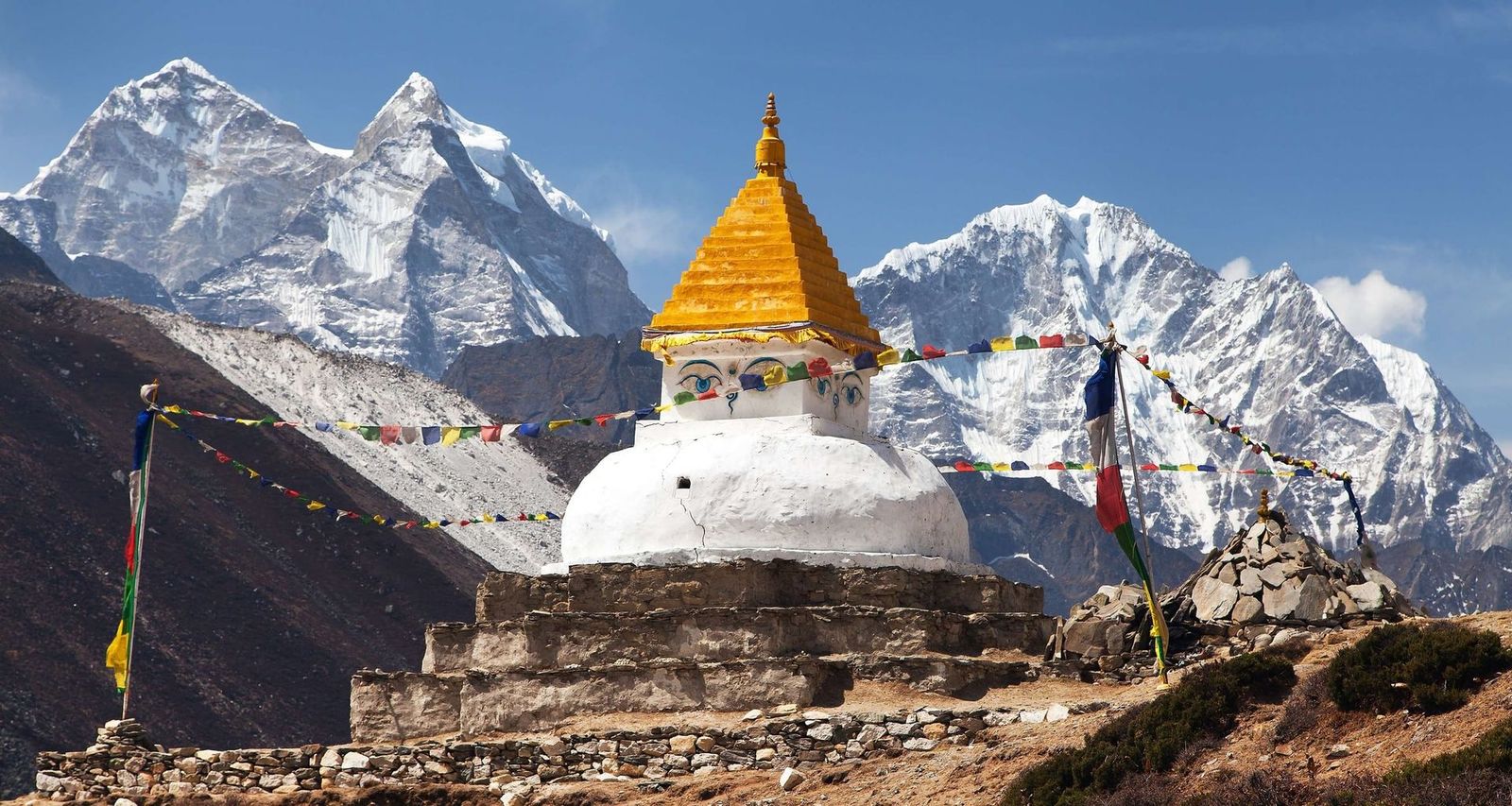
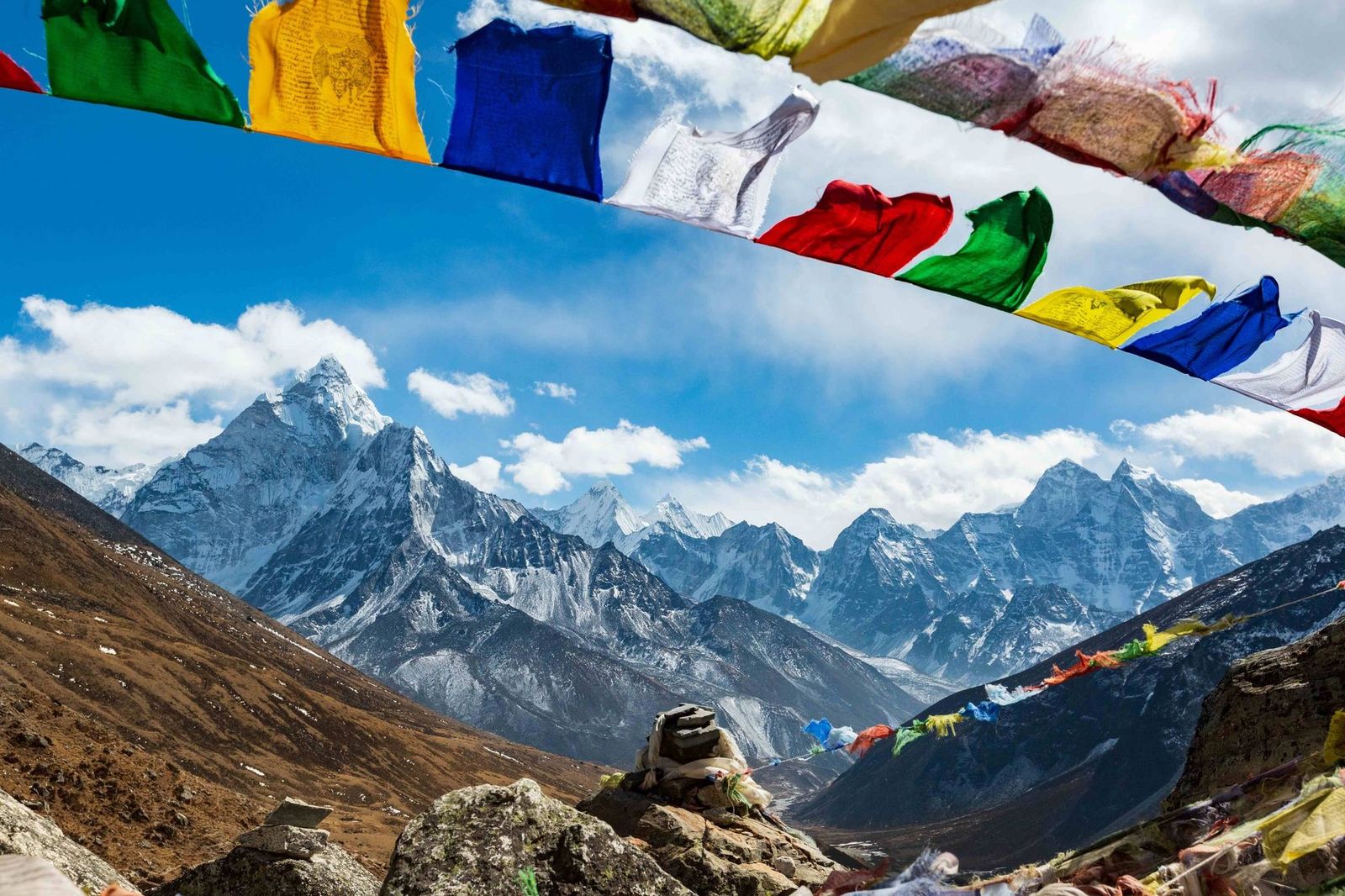
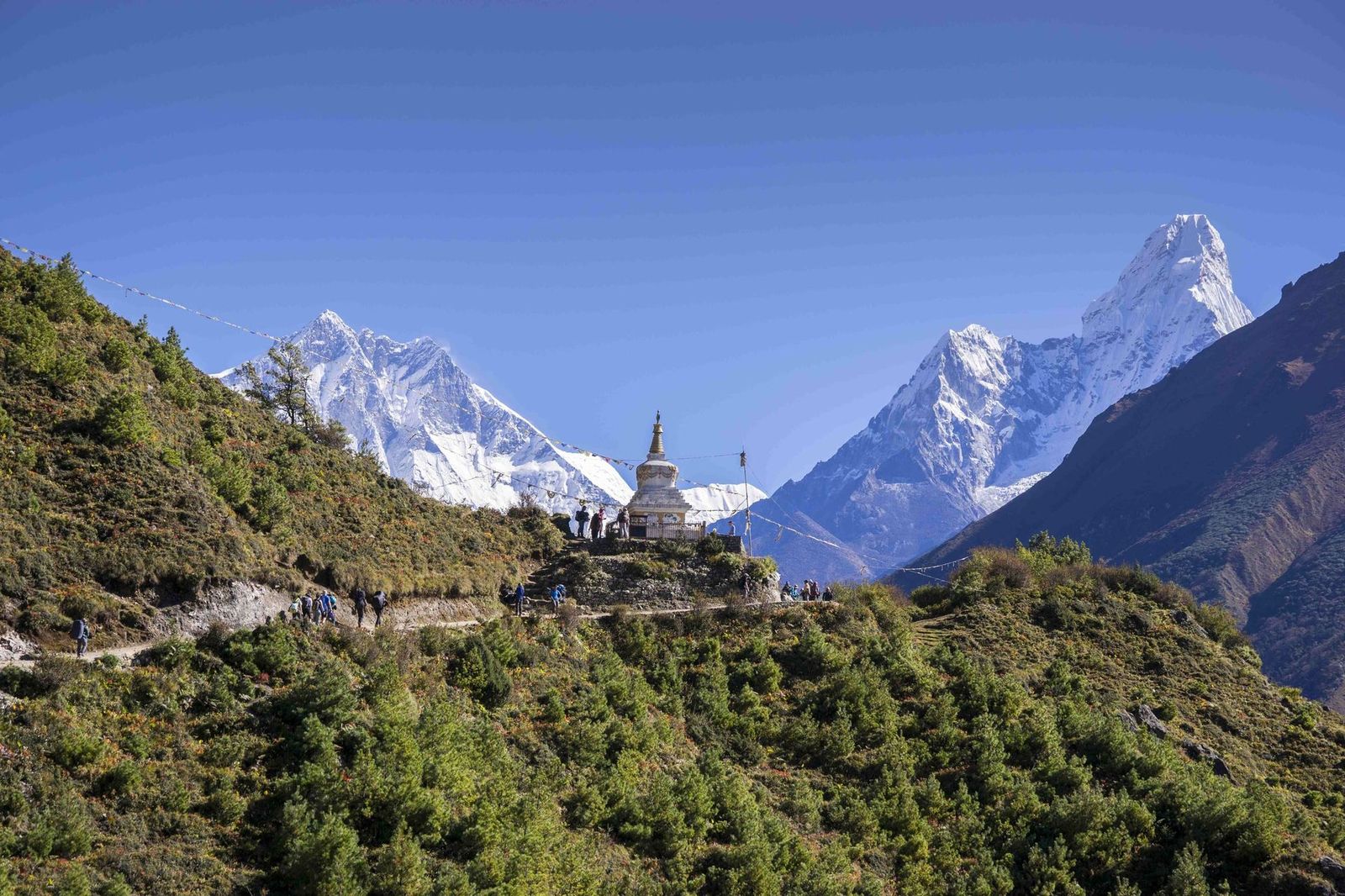
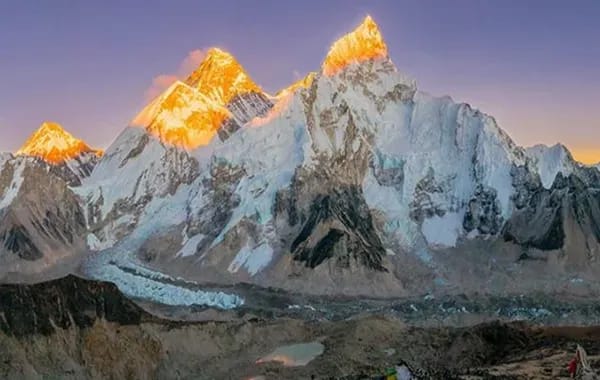
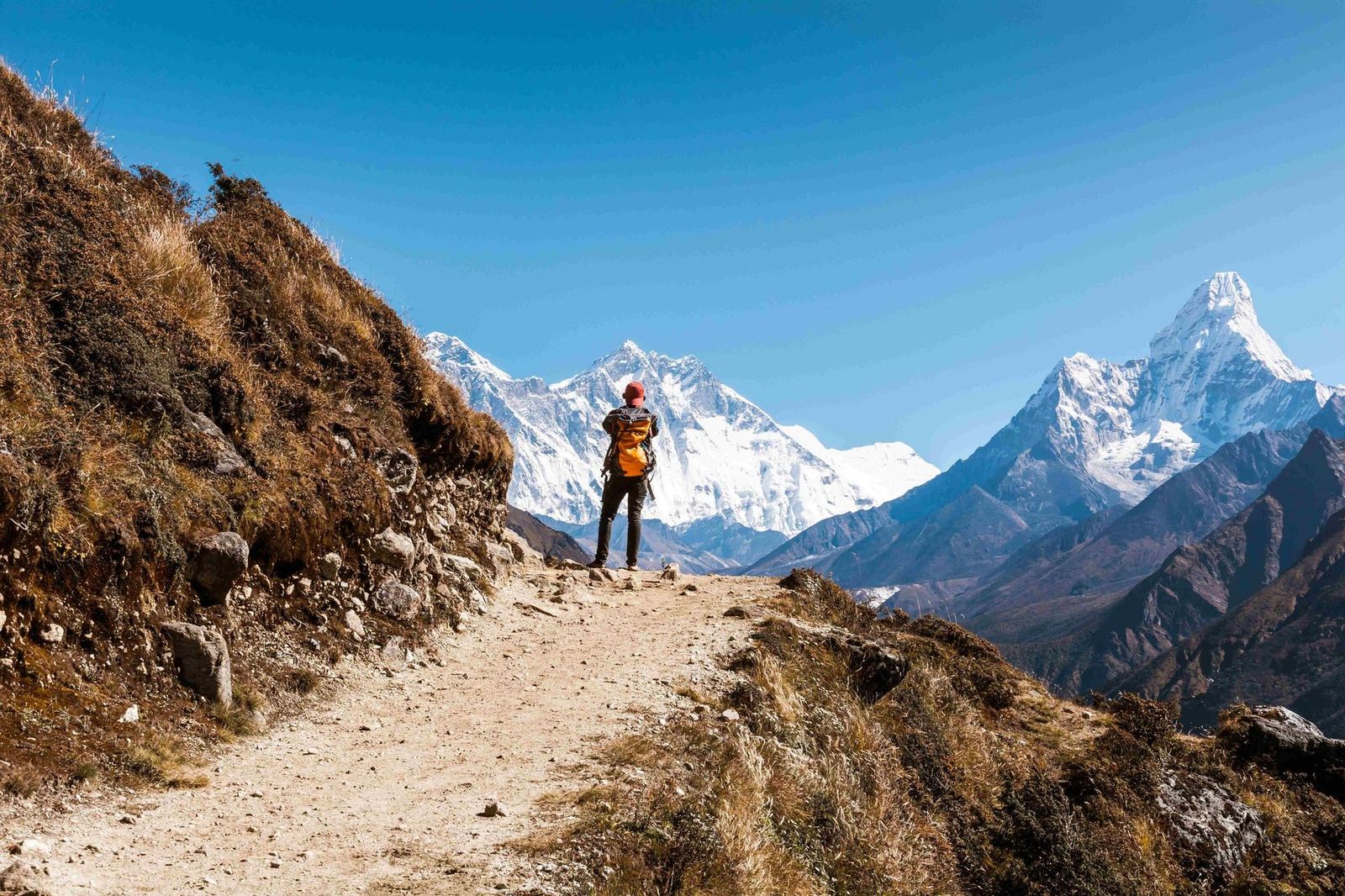
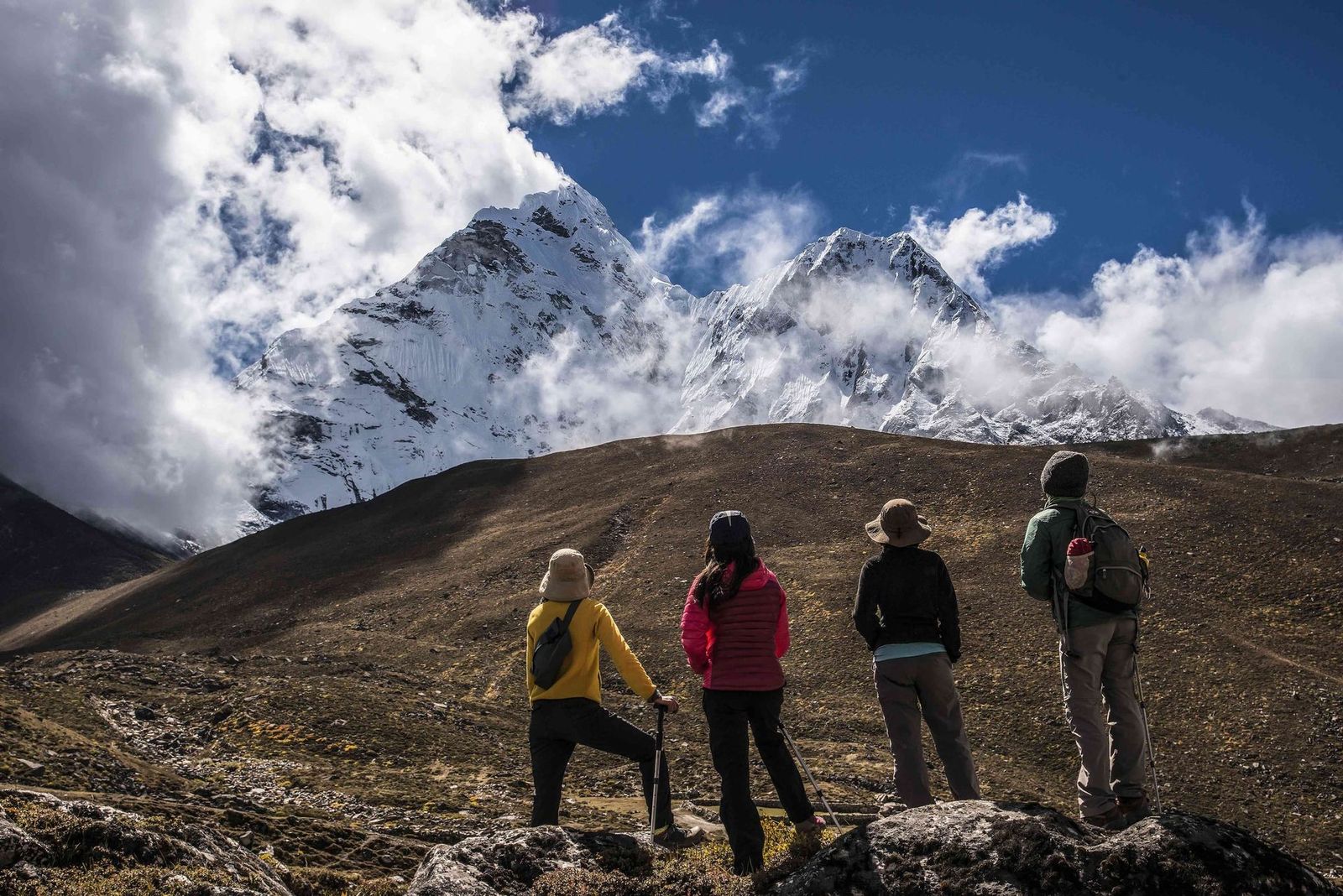
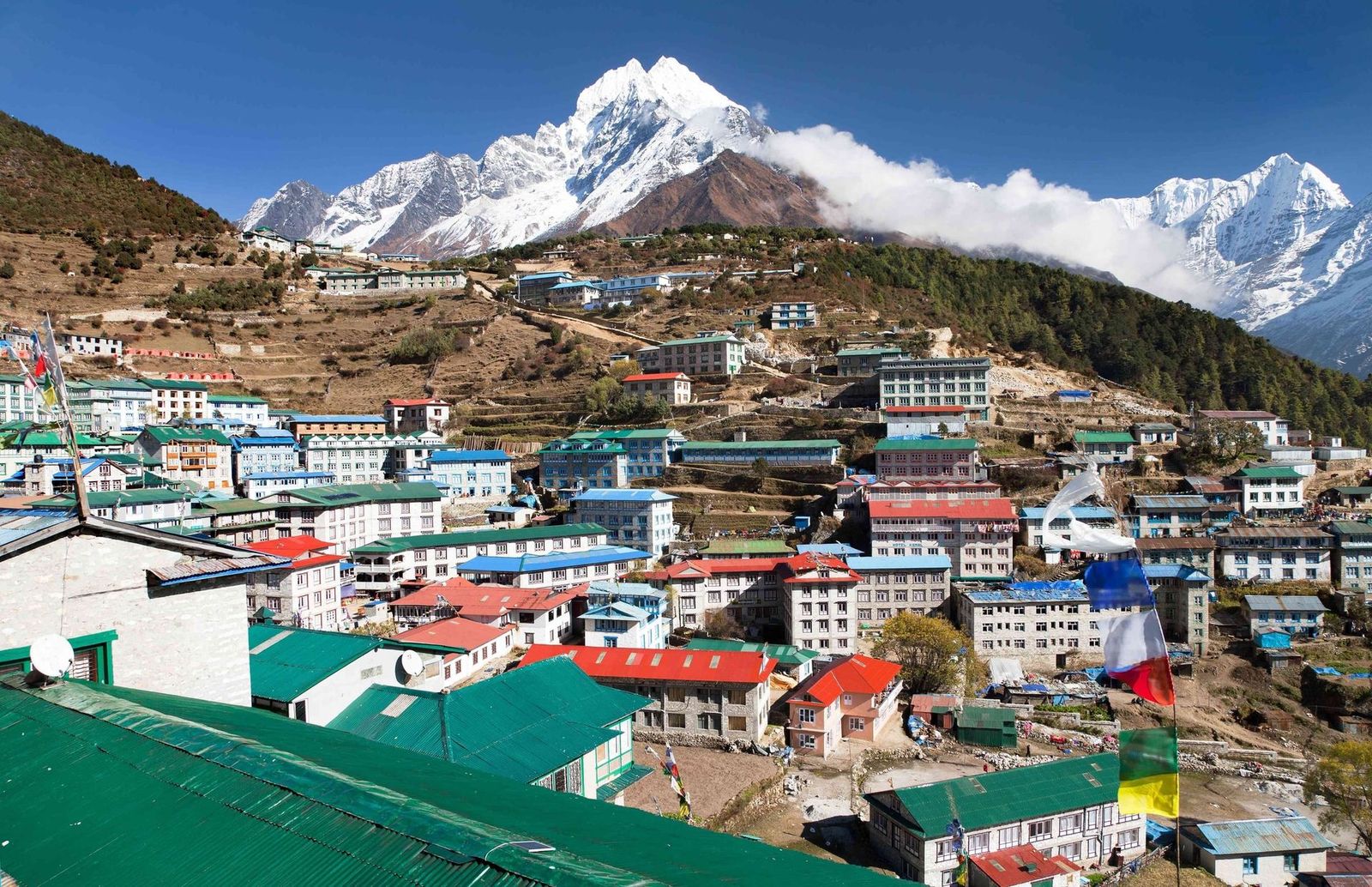
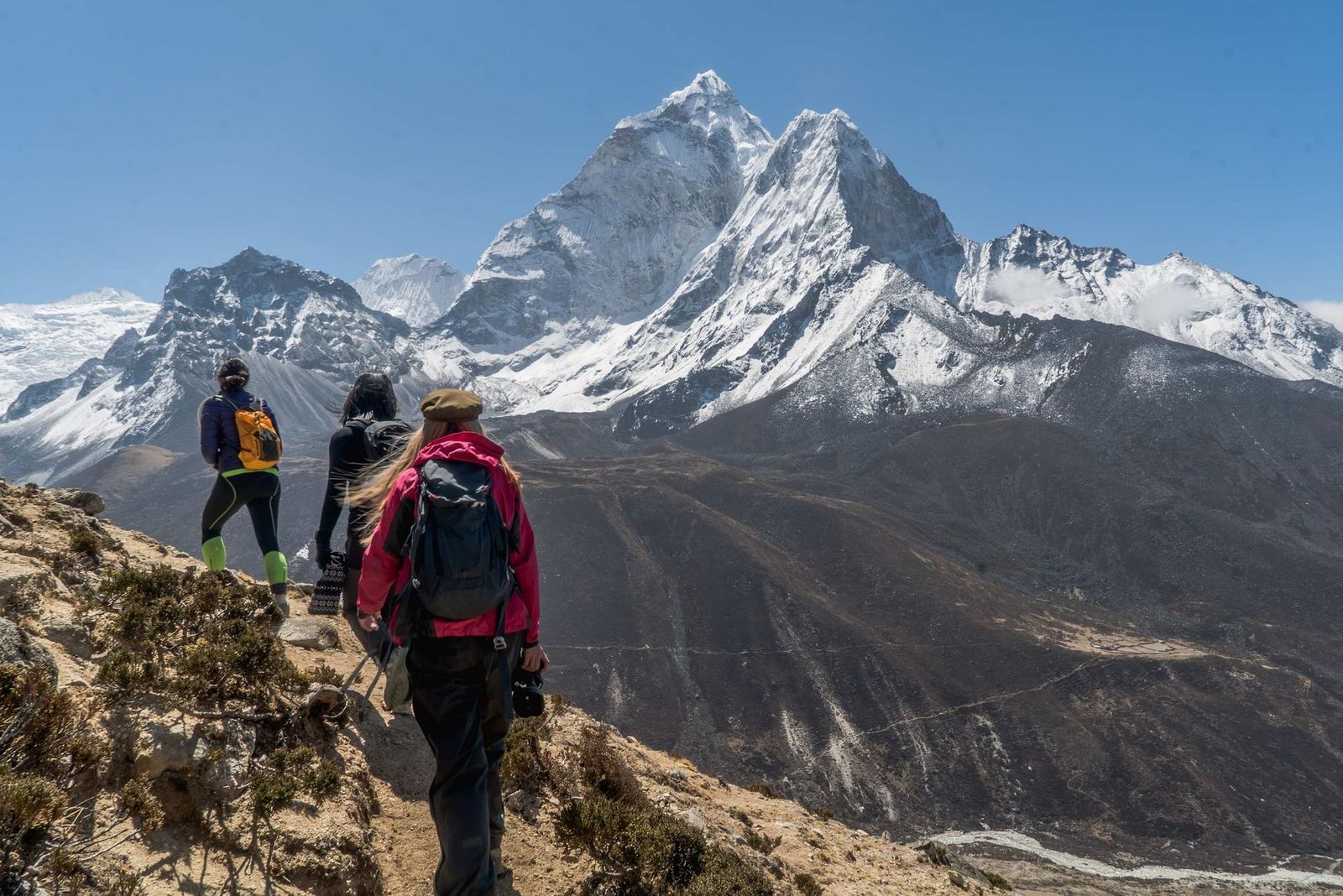
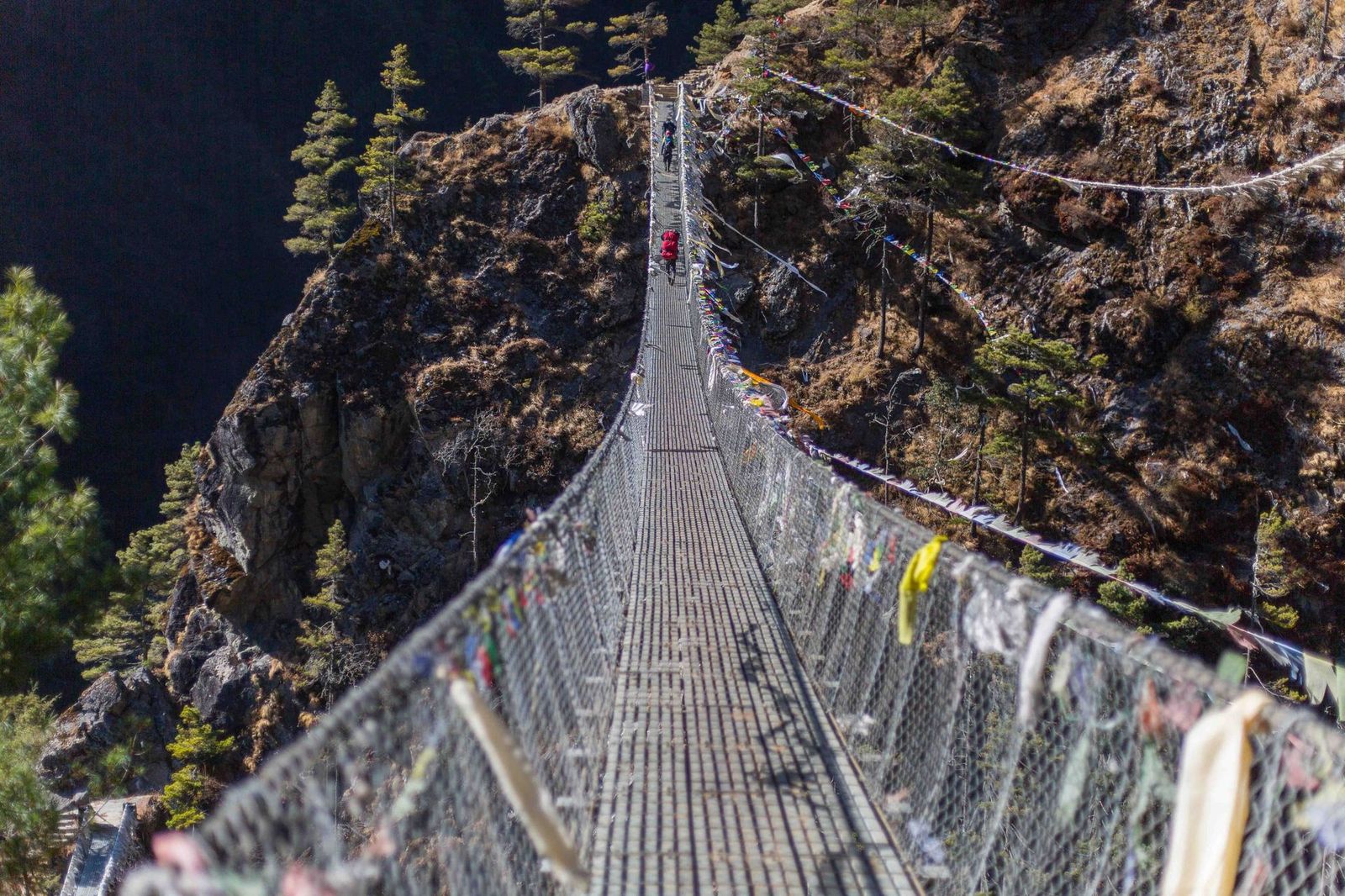
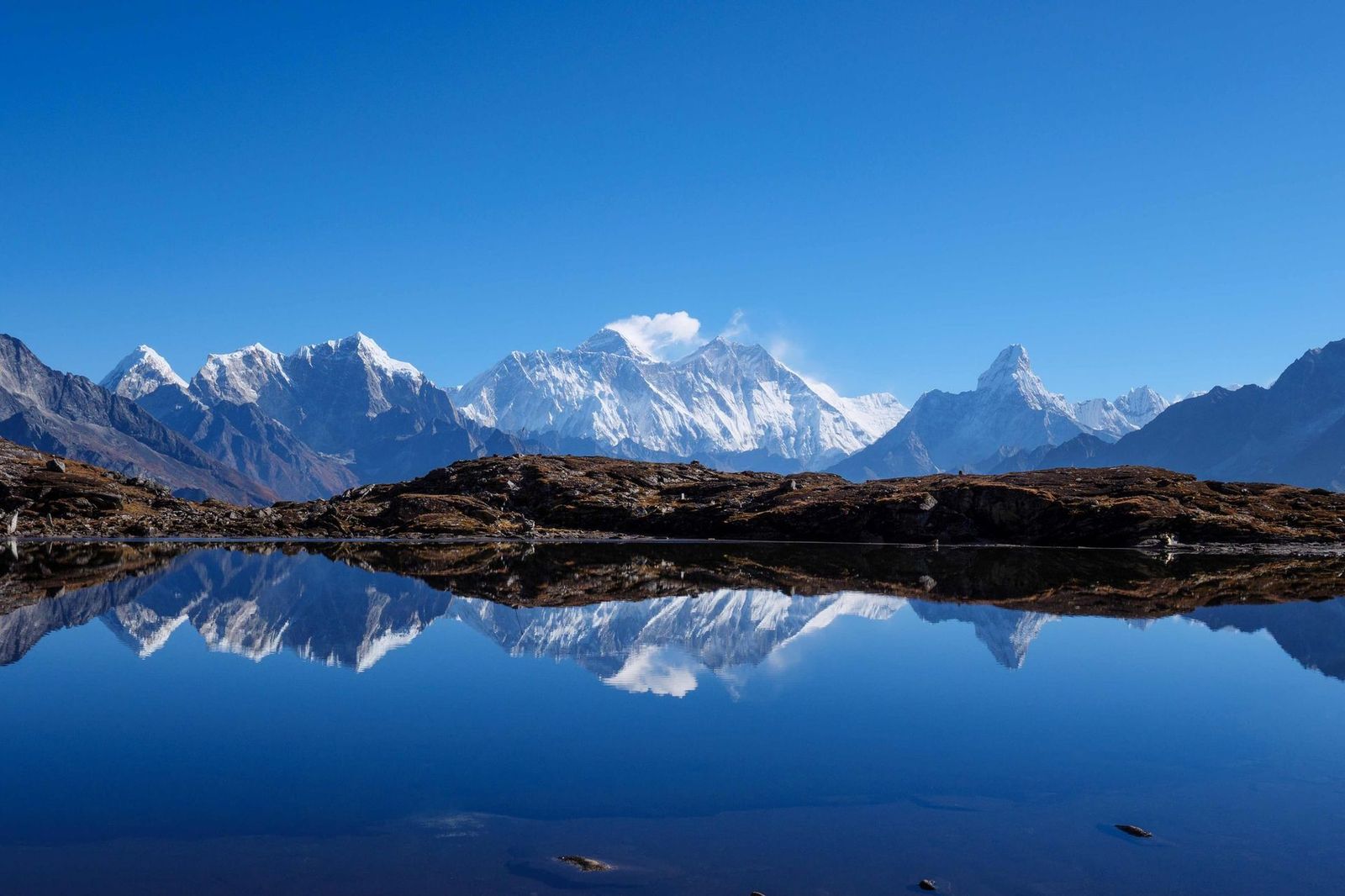
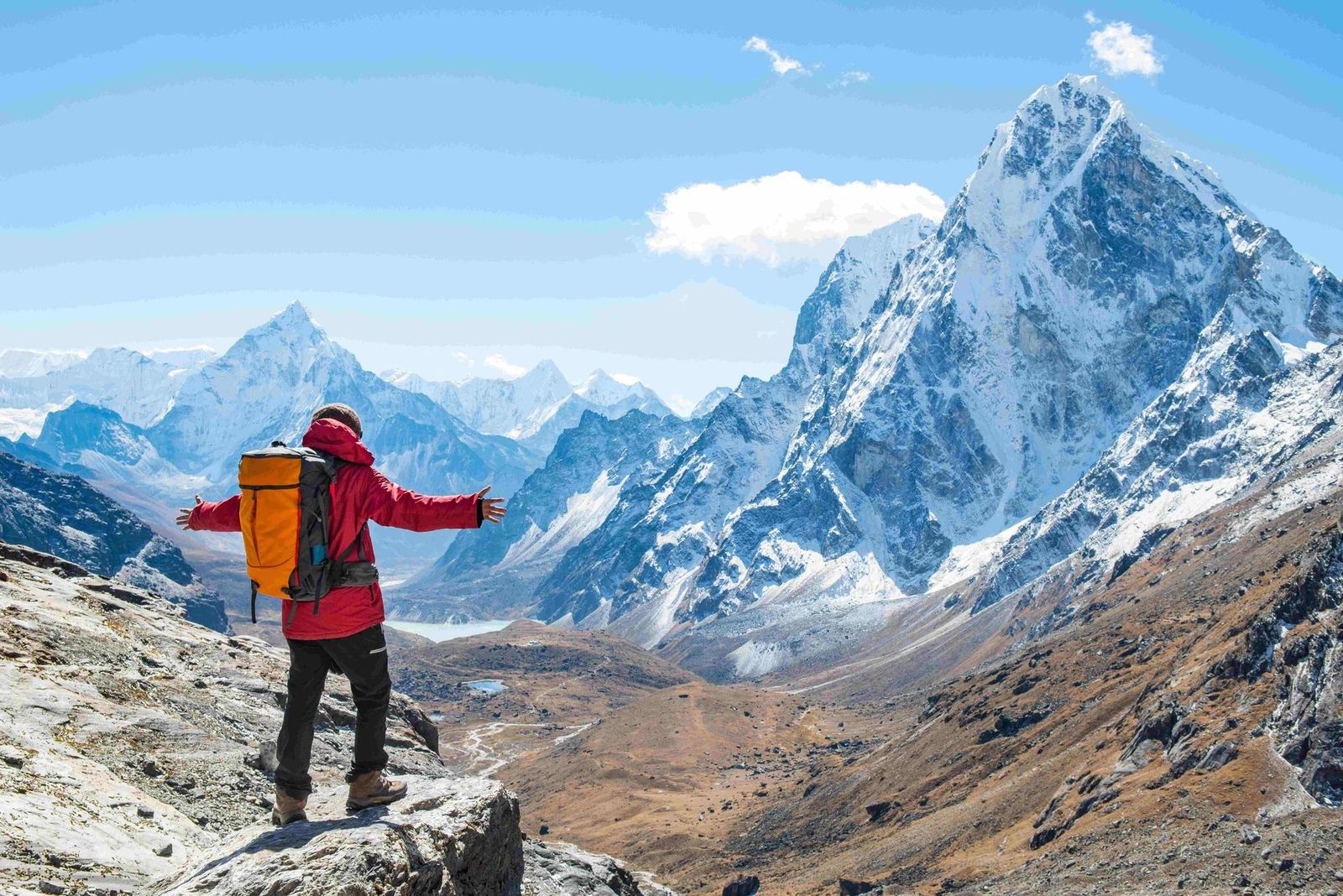
The Everest Base Camp trek is one of the world's most iconic walks, and the reputation is entirely deserved. The route follows the Khumbu Valley from the mountain airstrip at Lukla through rhododendron forests, across suspension bridges draped with prayer flags and into the heart of the Himalaya, with close-up views of Everest, Ama Dablam, Lhotse and Nuptse.
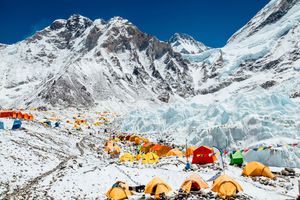
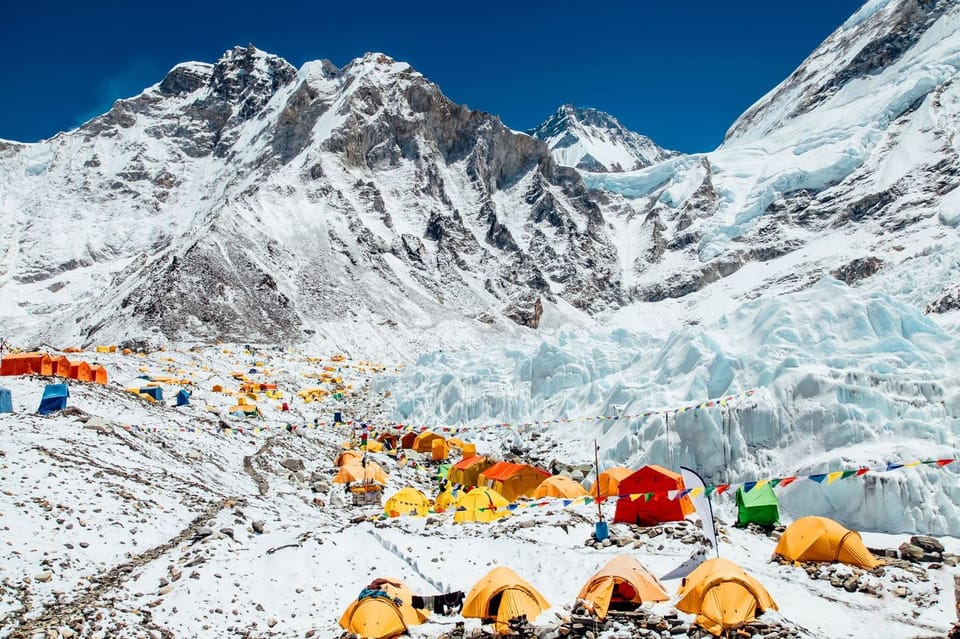
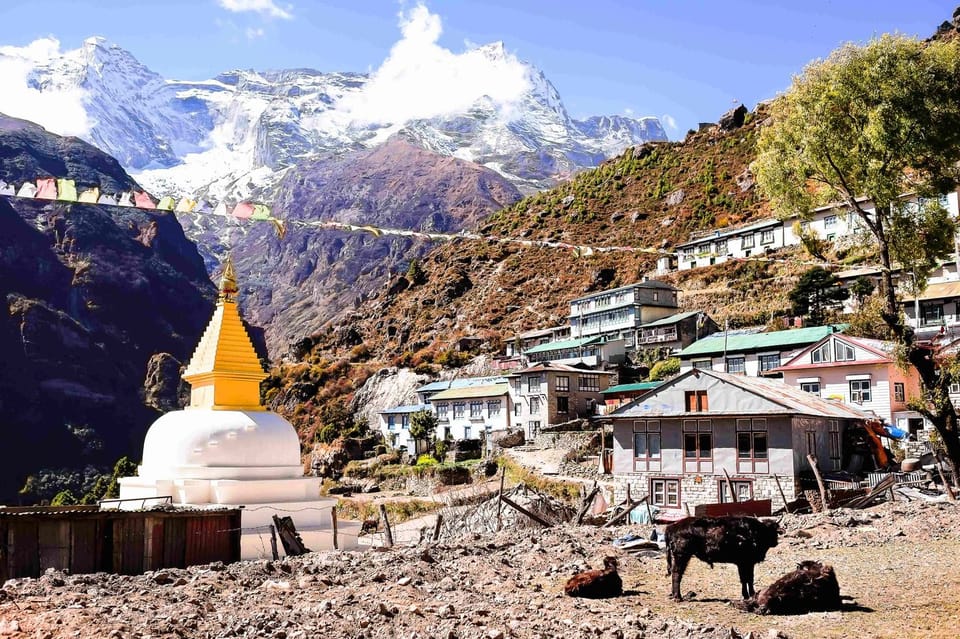
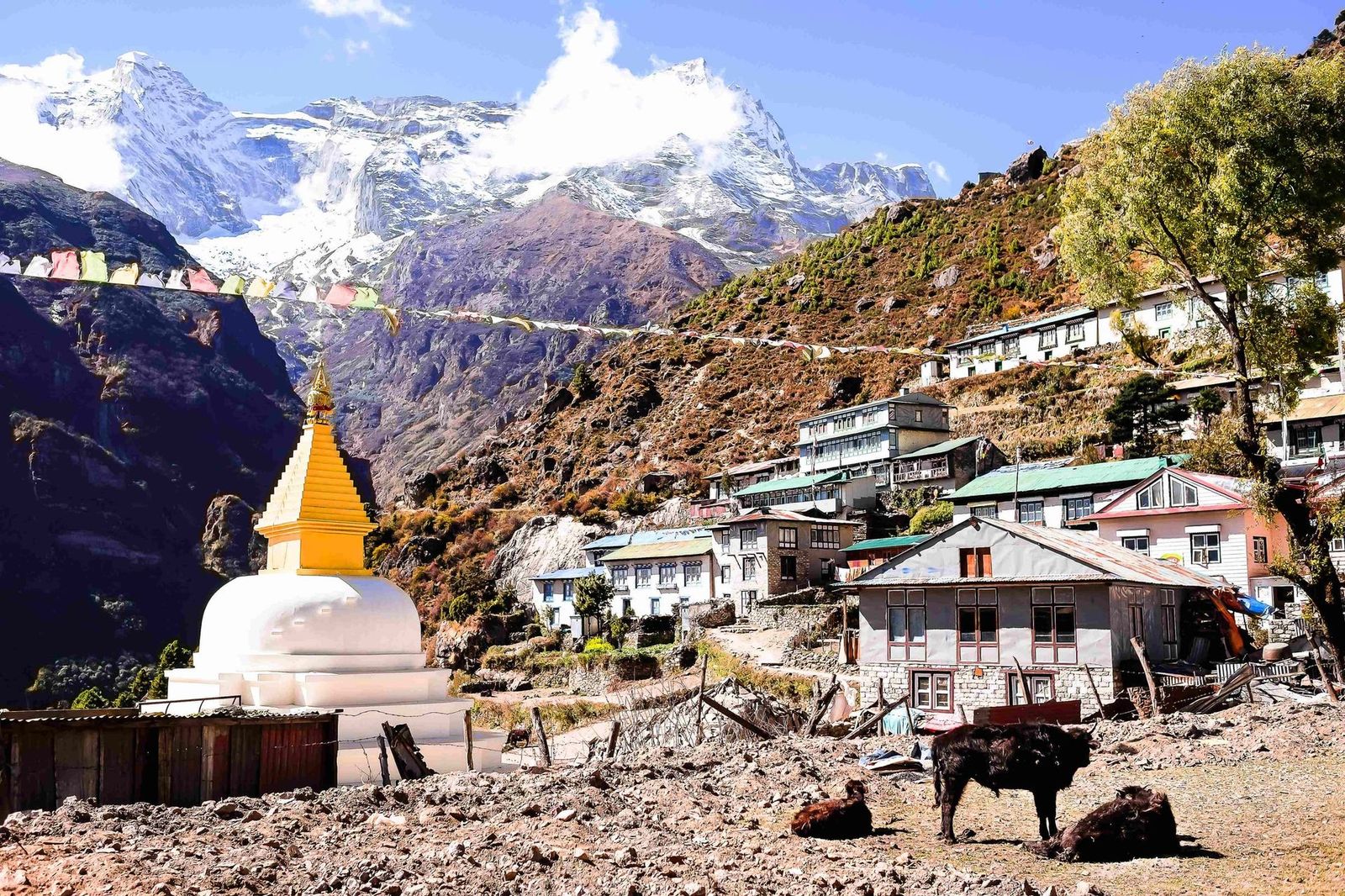
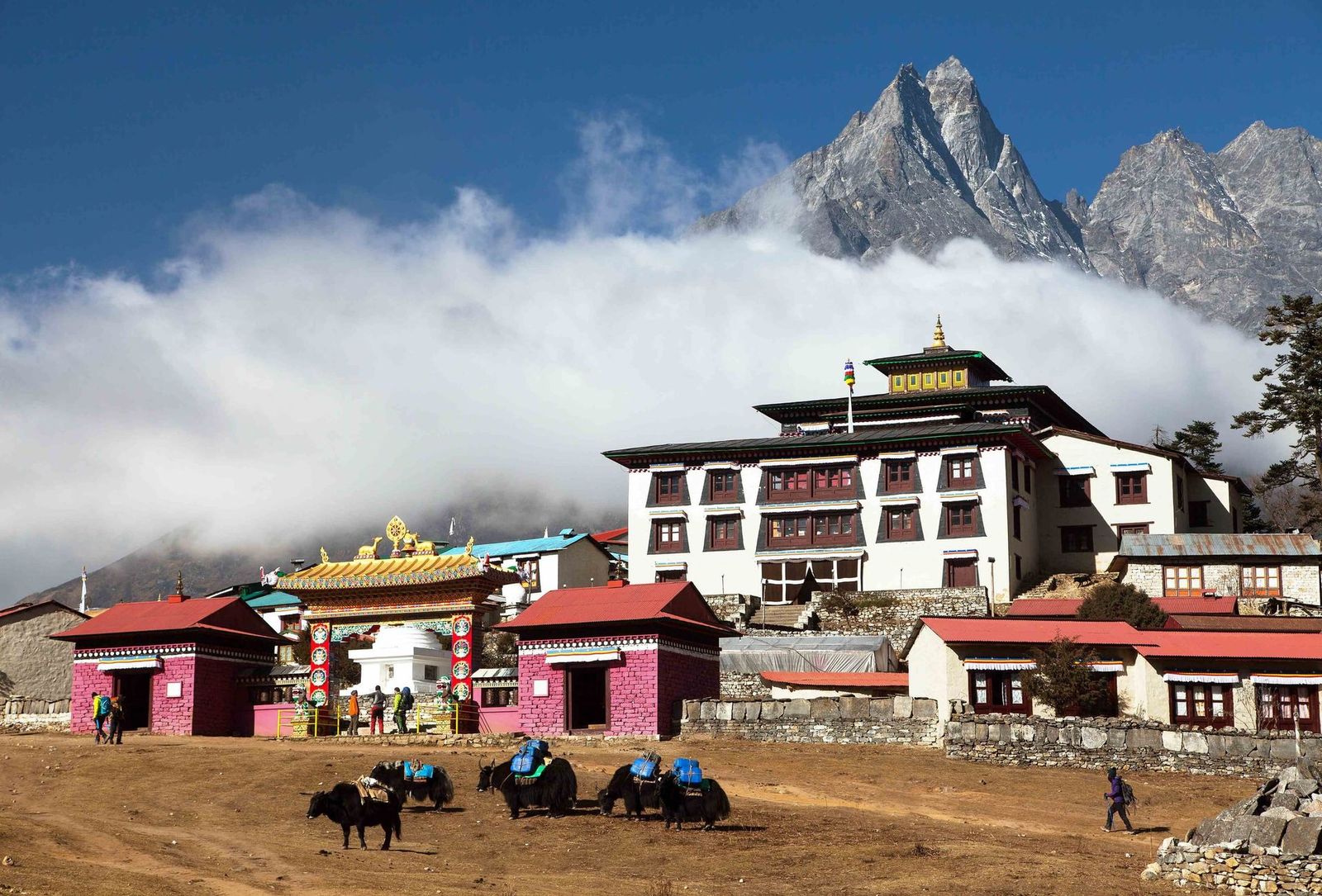
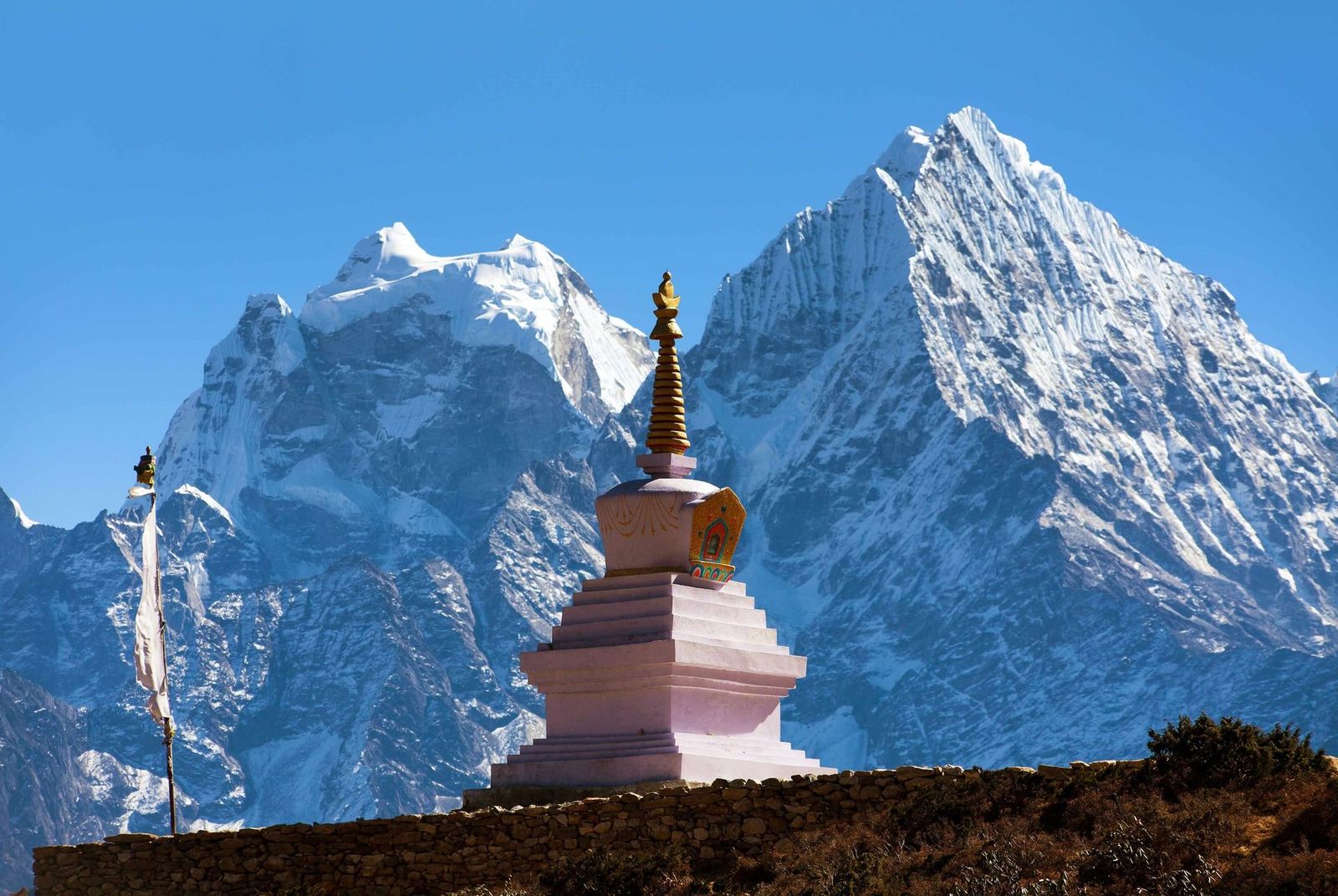
Namche Bazaar, the Sherpa capital of the Khumbu, is the cultural heart of the journey. Above it, Tengboche Monastery sits on a high ridge with an unbroken panorama of the surrounding peaks. The trail then pushes across the Khumbu Glacier to Base Camp, where expedition tents gather at the foot of the great Khumbu Icefall.
The pre-dawn climb to Kala Patthar at 5,545 metres brings you face to face with Everest at close quarters. Reaching Base Camp is an extraordinary personal achievement, and one that stays with you long after the mountains are behind you.
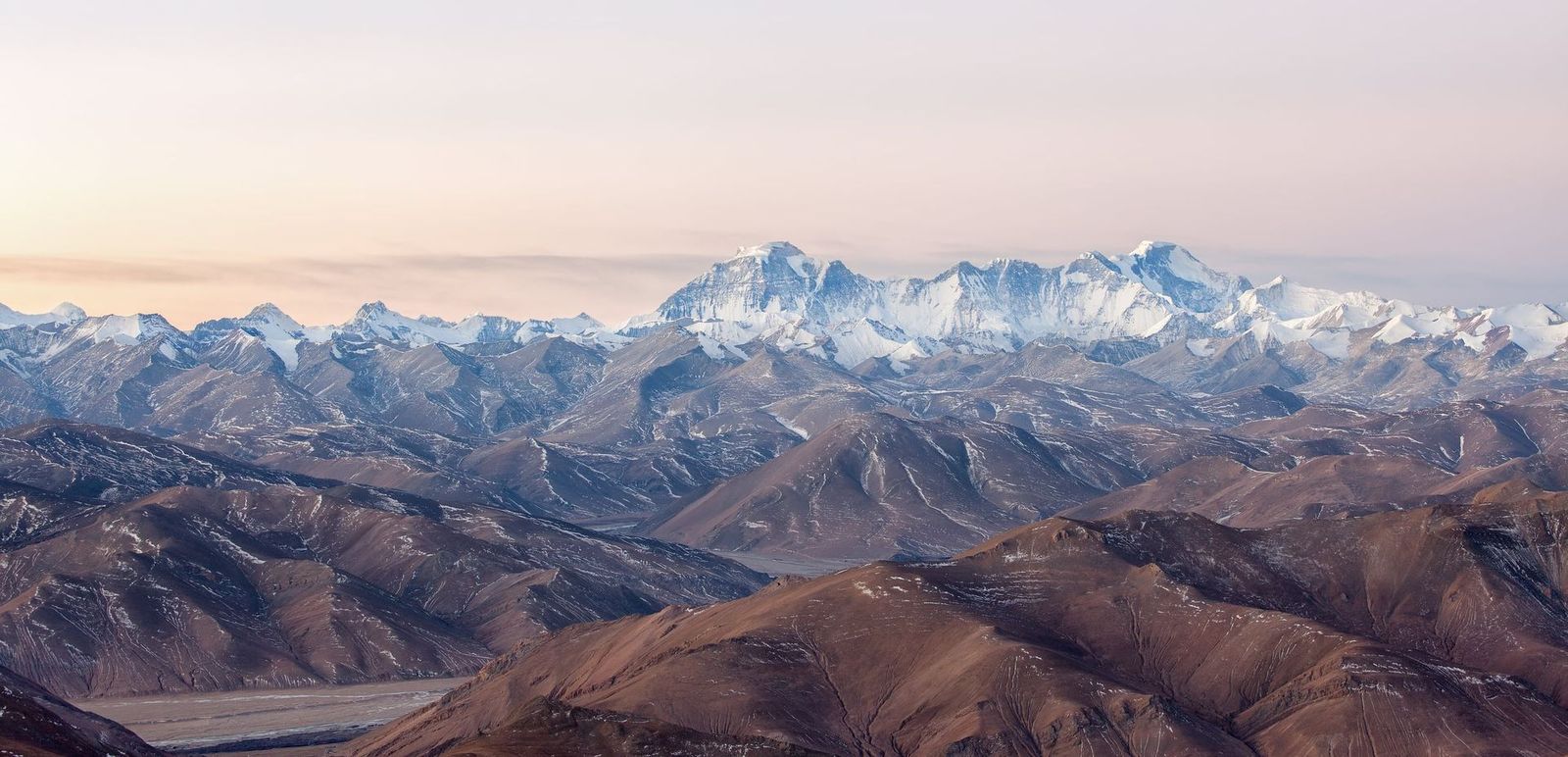
A closer look at Everest
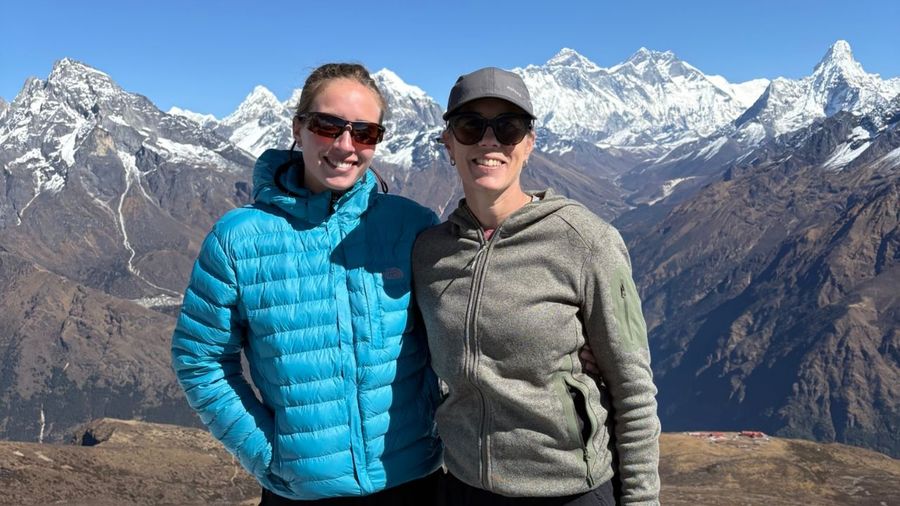
Entire trip went extremely well. Foods were of excellent quality too.
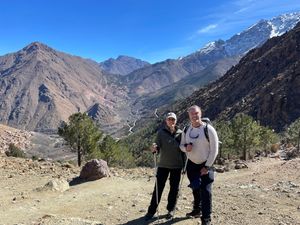
Our guide & porter (Funuru & Penba) were excellent. They were supportive and great company. They willingly shared their knowledge and encouraged us every step This trek is life changing. Would definitely recommend. Auswalk is professional and attentive & flexible, making sure everything is in place to support a successful trek.
Fantastic walking experience. We had wonderful guides and porters. They made sure I reach my goals in a safe manner. Helicopter on the way back to avoid trekking down was great. It saved my knees . Thank you Auswalk for organising a wonderful experience
Accommodation varies across the different trips. We undertake to use the best accommodation available where possible. See each walk page for the accommodation for that trek.
Kathmandu
The hotels available in Kathmandu vary both in quality and location; if you are not in the know, you can come unstuck due to many issues, including noise and other hassles. We stay in the 4-star Mulberry, which is located in Thamel but away from the busiest part in a very quiet nook. It is only a short 100 m walk to the shopping district. The hotel restaurant, where you will have breakfast, is well-rated and has a lovely garden outlook. The spacious foyer and reception area are lovely places to relax, as is the infinity pool or adjacent bar with amazing views over the Thamel. The gym with sky views is also available if you want to get in some last-minute training.
The rooms have excellent contemporary interiors with abundant natural light, with views over Kathmandu, not to mention ample space with luxurious amenities, including free wifi internet, 40” LED TV, AC, toiletries, etc. The rooms at the Mulberry offer travellers the opportunity to experience Kathmandu & its cultural heritage from the heart of the city while enjoying world-class luxuries & comfort away from the hassle. A perfect start to your trek.
ON YOUR TREK
We use the best accommodations available on the trek, and they are, on the whole, very comfortable. However, on the EBC treks at very high altitude, the accommodation becomes less sophisticated. We recommend the Kongde trek walk if this is a concern, where accommodations are consistently very good. See each walk page for more details.
Flights to the Everest Region to and from Kathmandu
The helicopter flights are epic and add another dimension to the overall trekking holiday.
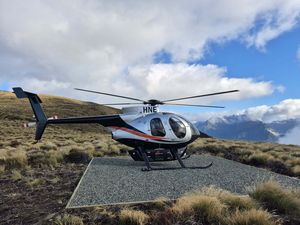
The use of our helicopters eliminates the stress created by often-cancelled Lukla flights, both to and from Kathmandu, and alleviates the need to travel to Ramechhap airport, some 5 hours away, for the flights. The use of helicopters ensures that we have the time to ascend as planned and reduce the likelihood of altitude-related issues. Our team's helicopter company has an impeccable 25-year safety record.
Our professional team on the ground ensure that you will have the best possible experience, including a commitment to safety. We have priority access to our team's 4 helicopters in the unlikely event of an emergency.
Optimisation of your time with the helicopter rides on arrival and departure from EBC saves 4 to 5 days of walking/ travelling, depending on your trip, without diminishing the experience. In fact, quite the opposite!
Private Transfers
We provide private transfers to and from the airport on 4 occasions on these treks. Please let us know when you will be arriving so we can coordinate your arrival and have you met by our team.
The temperature in Nepal varies greatly from season to season, but also dramatically as you ascend the Himalayas.
When planning your visit or trek, be sure to refer to the specific walk you are contemplating undertaking and the seasonal conditions for the area you intend to explore. We provide more detailed information on the walk page of the trek you want to go on, and don't provide the walks out of season for safety reasons.
The Nepalese tracks vary greatly in all aspects. From expertly crafted stone pathways to uneven sections of loose rocks. Long sections of reasonably flat walking to incredibly steep sections that go on for kilometres. Expect to be challenged!
The best time to trek in Nepal largely depends on your preferences and the specific region you plan to visit. Nepal experiences four distinct seasons, each offering a unique trekking experience. See each walk page for when we offer the trek for that region.
Spring (March to May) is one of the most popular times for trekking in Nepal, along with Autumn. The weather is warm, and the hills and valleys burst into colourful blooms of rhododendrons and other wildflowers. This season offers clear skies and excellent visibility of mountain peaks, making it ideal for treks like the Everest Base Camp and Annapurna Circuit.
Autumn (September to November): Another peak trekking season; autumn features stable weather, clear skies, and comfortable temperatures. The trails are well-defined, and you'll encounter lush landscapes. This season is excellent for most treks, including the Manaslu Circuit and Langtang Valley.
Monsoon (June to August): Monsoon season brings heavy rainfall, making trekking challenging in many regions due to slippery trails, landslides, and leeches. However, some rain-shadow areas like Upper Mustang and Dolpo remain accessible and offer a unique experience during this time.
Winter (December to February): Winter is the least popular trekking season in Nepal due to cold temperatures, snowfall, and limited accessibility to higher-altitude areas. However, theoretically, low-altitude treks and even the Everest Base Camp trek can still be completed during this time, but due to it being so very cold, we don't offer walks at this time.
This walking holiday will take you along rocky trails, through forest paths, and in and around the towns of the Himalayas. You will need to be walking fit to undertake these walks, although some are easier than others. Please look at the rating of the hike you have chosen, the kilometres and the elevation each day. It is important to remember that if you are ascending beyond 4000m, then altitude will also affect your breathing, and the cold will also be a factor.
We have created a rating system and subsequent bespoke training for each walk, so please see the Training guide on the walk page.
Your main piece of luggage will be transported for you each day as you walk, so when you arrive at your accommodation, it will be there waiting for you. You will only have to carry a light day pack with your essentials.
As with any journey, it is essential to be prepared for your walking holiday. While we will be transporting your luggage from accommodation to accommodation, you will still be carrying a lightweight day pack with you. Here is what we suggest that you take with you on the trip, some of it in your day pack and the remainder in your luggage:
Any additional items that you will need to take along with you must not amount to more than 15 kg.
If you have any questions, please feel free to contact our office and have a chat with our friendly team - Brett has walked the Himalayas a few times, so he can give a first-hand account of what is required. The Auswalk team can also advise you on what types of clothing, backpacks, boots, and other materials you may need for your walking holiday.
Annapurna and the circuit
Everest Base Camp
Goyko Everest region
Kondge Everest region
Langtang Valley
Mardi Himal
Sightseeing in Nepal
Sightseeing in Nepal offers a unique blend of natural beauty, cultural richness, and historical significance. Here are some of the must-visit attractions and destinations for sightseeing in Nepal:
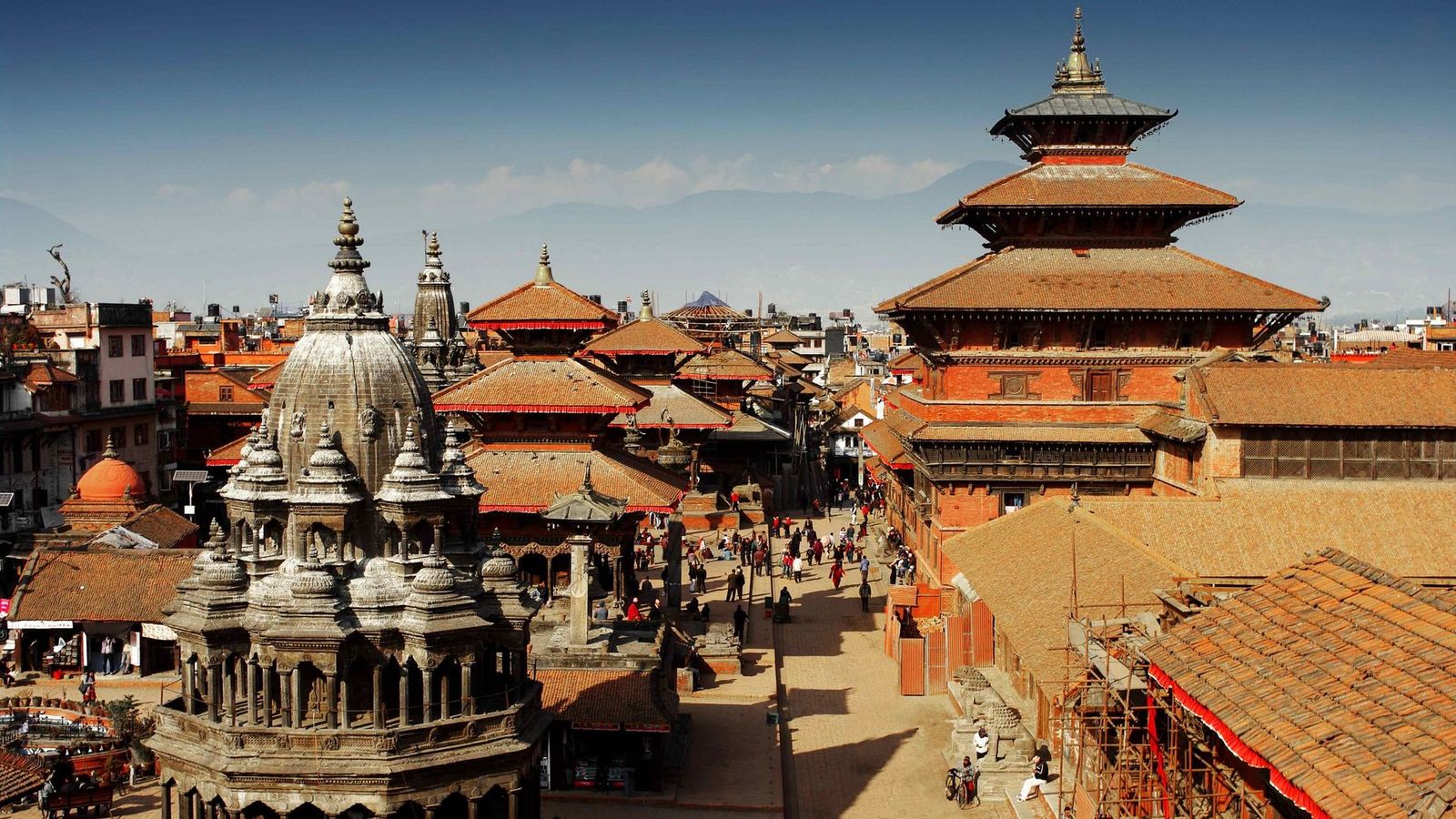
Kathmandu Valley: This UNESCO World Heritage Site is home to a plethora of historical and cultural gems, including Swayambhunath Stupa (Monkey Temple), Boudhanath Stupa, Pashupatinath Temple, and the three Durbar Squares of Kathmandu, Bhaktapur, and Patan.
Lumbini: The birthplace of Lord Buddha, Lumbini is a sacred pilgrimage site with monasteries, temples, and the Maya Devi Temple marking the exact spot where Buddha was born.
Annapurna and Langtang Regions: Perfect for trekking and hiking enthusiasts, these regions offer breathtaking mountain vistas, picturesque villages, and cultural experiences.
Rara Lake: Located in the remote northwest, Rara Lake is Nepal's largest lake and provides a tranquil escape amidst pristine natural beauty.
Mustang: Known as a hidden kingdom, Mustang offers a unique glimpse into Tibetan culture, with its arid landscapes and ancient monasteries.
Upper Dolpo: A remote and untouched region where you can explore traditional villages, pristine lakes, and rugged terrain.
Tengboche Monastery: Nestled in the Everest region, it's one of the most famous monasteries in Nepal, offering spiritual solace and stunning mountain views.
Sightseeing in Nepal promises a blend of cultural immersion and natural wonders, making it a destination that appeals to a wide range of travellers seeking adventure, spirituality, and breathtaking landscapes.
Pokhara
Pokhara, often referred to as the "Gateway to the Annapurna Region," is a picturesque city located in the western part of Nepal. Known for its stunning natural beauty and laid-back atmosphere, Pokhara is a popular destination for travellers seeking adventure and relaxation. Here are some of the highlights of Pokhara:
Phewa Lake: The serene Phewa Lake is Pokhara's centrepiece. You can rent a rowboat or paddleboat to enjoy the peaceful waters while taking in panoramic views of the Annapurna and Machapuchare (Fishtail) mountains reflected in the lake.
Sarangkot: A short drive from Pokhara takes you to Sarangkot, a hilltop viewpoint famous for its sunrise and sunset views over the Annapurna and Dhaulagiri mountain ranges. It's also a hub for paragliding activities.
World-class trekking: Pokhara is a gateway to some of the most famous trekking routes in Nepal, including the Annapurna Circuit and Annapurna Base Camp. Trekkers from around the world visit Pokhara before embarking on these adventures.
Peace Pagoda: Situated on a hilltop, the Peace Pagoda offers a tranquil escape and panoramic views of Pokhara Valley and the surrounding mountains.
Adventure activities: For thrill-seekers, Pokhara offers a range of adventure activities, including paragliding, zip-lining, and white-water rafting.
Gupteshwor Cave: Explore the underground passages and stunning limestone formations of Gupteshwor Cave, which also houses a sacred waterfall.
International Mountain Museum: Learn about the history of mountaineering in the Himalayas and the various expeditions that have taken place in the region at this informative museum.
Local markets: Auswalk through the colourful markets of Pokhara to shop for souvenirs, handicrafts, and traditional Nepali clothing.
Lakeside: The Lakeside area is the main tourist hub, filled with restaurants, cafes, and shops offering a range of international and local cuisines.
Pokhara's natural beauty, combined with its adventure opportunities and cultural richness, makes it a must-visit destination for those exploring Nepal. Whether you're seeking outdoor adventures or a peaceful escape, Pokhara has something to offer every traveller.
Chitwan National Park
Chitwan National Park, located in the subtropical lowlands of southern Nepal, is a UNESCO World Heritage Site and one of the country's most renowned wildlife reserves. This lush sanctuary is famous for its rich biodiversity, including Bengal tigers, one-horned rhinoceroses, Asian elephants, and a variety of bird species. Visitors can explore the park on guided jungle safaris or canoe trips along the Rapti River. Chitwan National Park also offers cultural experiences with the indigenous Tharu community, providing a well-rounded adventure that combines wildlife encounters with a glimpse into local traditions and natural beauty.
Shopping in Kathmandu
Shopping in Kathmandu, Nepal, offers a delightful experience for trekkers looking to bring back unique souvenirs, handicrafts, and cultural artifacts. It also has a plethora of hiking gear, including clothing, at very low prices.
Here are some of the best places and items to shop for in Kathmandu:
Thamel: This bustling neighbourhood is a shopping haven for tourists. You can find a wide range of goods, including clothing, jewellery, Tibetan handicrafts, trekking gear, and local artwork. Be prepared to haggle for the best deals.
Durbar Marg: Known as the high-end shopping district of Kathmandu, Durbar Marg is home to designer boutiques, luxury brands, and upscale stores.
Local Markets: Explore the local markets, such as Asan Tole and Indra Chowk, to discover traditional Nepali clothing, spices, food items, and religious artifacts.
Boudhanath Stupa: The area around Boudhanath Stupa is known for Tibetan crafts, thangka paintings, and Buddhist religious items. It's a great place to shop for unique souvenirs.
Patan Durbar Square: Patan is renowned for its metalwork, woodwork, and traditional Newari crafts. The area around Durbar Square has many shops and workshops where you can find intricate sculptures and statues.
Tibetan Refugee Camps: Visit the Tibetan refugee settlements in Jawalakhel and Jorpati to purchase Tibetan carpets, jewellery, and traditional clothing.
Art Galleries: Kathmandu has numerous art galleries where you can buy contemporary and traditional Nepali artwork, including paintings, sculptures, and pottery.
Antique Shops: For collectors, Kathmandu has a few antique shops that sell old coins, vintage jewellery, and ancient artifacts.
Cashmere and Pashmina: Nepal is known for its high-quality cashmere and pashmina products. Look for reputable stores that offer genuine products.
Handmade Paper and Lokta Products: Lokta paper and products made from it, like journals and cards, are unique to Nepal and make great gifts.
When shopping in Kathmandu, remember to bargain politely, as haggling is common in local markets. Additionally, it's a good idea to check the authenticity of products, especially when purchasing traditional or antique items, to ensure you're getting genuine Nepali craftsmanship. Because there is so much knock-off hiking gear being sold in Nepal, you might want to check if you are buying something important, like a sleeping bag, if it is 'really' rated to minus 20 degrees before purchase. The clothing, by the way, seems to be fine.
Explore the Museums and History of Nepal
Nepal boasts a rich cultural and historical heritage, and several museums in the country offer insights into its history, art, and culture. One of the most notable museums is the "National Museum of Nepal" (Rashtriya Museum), located in Chhauni, Kathmandu. It provides a comprehensive overview of Nepal's history, showcasing artifacts, artwork, and exhibits that span millennia. Some highlights of Nepal's history and museums include:
The National Museum of Nepal (Rashtriya Museum): This museum is divided into three separate buildings: the Chhauni Museum, the Historical Museum, and the Art Museum. It features a diverse collection of artifacts, including ancient sculptures, coins, manuscripts, weapons, and art pieces, providing a comprehensive overview of Nepal's cultural and historical evolution.
Hanuman Dhoka Durbar Museum: Situated within the Hanuman Dhoka Durbar Square in Kathmandu, this museum is housed in a beautifully restored historic palace. It displays an array of traditional Newari architecture and artifacts, including intricately carved wooden windows and doors, idols, and ceremonial objects.
The Patan Museum: Located in the heart of Patan Durbar Square, this museum is renowned for its exceptional collection of traditional Newari art and artifacts. It features bronze statues, traditional architecture, and religious objects that reflect the rich cultural heritage of the Kathmandu Valley.
Natural History Museum: Situated at the base of Swayambhunath Stupa (Monkey Temple), this museum showcases Nepal's biodiversity, including a variety of flora and fauna, fossils, and geological specimens.
Tribal Museum: Located in the heart of Kathmandu, this museum celebrates Nepal's diverse ethnic groups and indigenous cultures. It features traditional clothing, tools, and artifacts from different ethnic communities.
Taragaon Museum: This museum, located in Kathmandu, explores the history of architecture and urban planning in Nepal. It focuses on the Taragaon area and its significance in the development of modern Nepal.
These museums provide visitors with a deeper understanding of Nepal's history, culture, and traditions. They are essential stops for anyone interested in exploring the rich tapestry of Nepal's past and present.
Bhaktapur and Patan
Bhaktapur and Patan are two historically and culturally rich cities located in the Kathmandu Valley of Nepal, each offering a unique glimpse into the country's heritage and artistry.
Bhaktapur, also known as "The City of Devotees," is famous for its well-preserved medieval architecture, narrow streets, and vibrant culture. The Durbar Square in Bhaktapur is a UNESCO World Heritage Site and the heart of the city's attractions. Here, you can admire intricately carved wooden temples, pagodas, and traditional Newari architecture. Bhaktapur is also renowned for its pottery and pottery square, where you can witness artisans crafting clay pots in the age-old tradition.
Patan, or "Lalitpur," is often referred to as "The City of Fine Arts" and is another UNESCO World Heritage Site. It's known for its beautiful palaces, temples, and courtyards, including the Patan Durbar Square. The city is a centre for traditional craftsmanship, especially metalwork and woodwork. The Golden Temple (Hiranya Varna Mahavihar), with its golden facade and stunning Buddhist architecture, is a must-visit attraction in Patan.
Both Bhaktapur and Patan offer a glimpse into Nepal's rich history and culture, with their well-preserved architectural marvels and vibrant communities. Exploring these cities is like stepping back in time while experiencing the living traditions of the Newari people who call them home.
Mountain Biking in Kathmandu Valley, Annapurna and Langtang regions
Mountain biking in Nepal is an incredible adventure that takes you through some of the most breathtaking landscapes on Earth. The Kathmandu Valley, surrounded by hills, offers a variety of trails suitable for riders of all levels. You can explore ancient temples, lush forests, and traditional villages while biking through this culturally rich region.
For more experienced riders, the Annapurna and Langtang regions provide challenging terrain and high-altitude routes. The Annapurna Circuit offers a mix of technical descents and epic climbs, with stunning views of the Himalayan peaks. In Langtang, you'll pedal through rhododendron forests and remote villages, encountering local Tamang culture along the way.
Mountain biking in Nepal allows you to immerse yourself in the country's natural beauty and diverse cultures while enjoying an adrenaline-pumping adventure. Whether you're seeking a leisurely ride or an extreme mountain biking experience, Nepal has it all.
White water rafting on the Trishuli, Sun Koshi, and Set Rivers
White-water rafting in Nepal is an exhilarating adventure that promises an adrenaline rush amidst stunning natural beauty. Nepal's pristine rivers, including the Trishuli, Sun Koshi, and Seti, offer world-class rafting experiences for both beginners and seasoned adventurers. As you navigate through rushing rapids and cascading waters, you'll be surrounded by lush greenery, towering cliffs, and glimpses of local village life along the riverbanks.
The Trishuli River, with its varying grades of rapids, is perfect for those new to rafting, while the Sun Koshi River provides a more challenging and multi-day expedition. For the ultimate adrenaline fix, tackle the white-water rapids of the Bhote Koshi River near the Tibetan border.
Nepal's white-water rafting not only offers heart-pounding excitement but also a chance to connect with nature in a truly unique way. It's an adventure that combines the thrill of adventure sports with the serene beauty of Nepal's landscapes, creating memories that last a lifetime.
Helicopter tours, including over Everest
Helicopter tours over Everest and the surrounding Himalayan region are a thrilling and breathtaking way to witness some of the world's highest peaks. These tours typically depart from Kathmandu or Lukla, and while they are relatively expensive, they offer a unique and awe-inspiring experience. Here's what you can expect from helicopter tours in the Everest region:
Everest Base Camp Helicopter Tour: This popular tour takes you from Kathmandu to Everest Base Camp, allowing you to see the iconic Mount Everest up close. You'll also get panoramic views of other majestic peaks like Lhotse, Nuptse, and Ama Dablam.
Langtang Helicopter Tour: Experience the beauty of the Langtang region, known for its pristine landscapes, lush forests, and stunning mountain vistas. Langtang Lirung and Langtang Valley are among the highlights.
Annapurna Region Helicopter Tour: Explore the Annapurna region, which offers a variety of routes depending on your interests. You can fly over the Annapurna Circuit, the picturesque Pokhara Valley, or the sacred Muktinath temple.
Gosaikunda Helicopter Tour: Discover the sacred Gosaikunda Lake, a pristine high-altitude lake in the Langtang region, surrounded by rugged mountains and glaciers.
Mustang Helicopter Tour: Explore the remote and mystical Mustang region, known as the "Forbidden Kingdom." Fly over ancient monasteries, barren landscapes, and traditional villages.
Makalu Barun National Park Tour: Witness the natural beauty of the Makalu Barun National Park, home to diverse flora and fauna, as well as Makalu, the world's fifth-highest peak.
These helicopter tours provide a quick and convenient way to experience Nepal's Himalayan wonders, making them particularly attractive for those with limited time or physical constraints. It's essential to book with a reputable operator to ensure safety and a memorable experience. Keep in mind that weather conditions can affect the availability of helicopter tours, so flexibility in your schedule is advisable.
Learn Yoga and Meditation in Nepal
Nepal is a spiritual and serene destination, perfect for those seeking to learn yoga and meditation in a peaceful and authentic environment. Here's why Nepal is an ideal place for this transformative journey:
1. Himalayan Setting: The breathtaking Himalayan landscapes provide a natural backdrop for yoga and meditation practice. The tranquillity and majesty of the mountains offer a unique sense of calm and inspiration.
2. Ancient Traditions: Nepal has a deep-rooted history of yoga and meditation, with many renowned yogis and spiritual leaders hailing from the region. You can immerse yourself in the same practices that have been passed down through generations.
3. Experienced Instructors: Nepal boasts a community of experienced yoga and meditation instructors who are well-versed in various traditions and styles. Many of them offer retreats and classes tailored to different levels of experience.
4. Diverse Options: Whether you're a beginner or an advanced practitioner, Nepal offers a wide range of retreats, ashrams, and meditation centres. From Vipassana meditation to Hatha or Ashtanga yoga, you can find the right program to suit your needs and goals.
5. Spiritual Atmosphere: Nepal's rich spiritual atmosphere is palpable, with ancient temples, monasteries, and stupas dotting the landscape. This environment fosters a sense of inner reflection and growth.
6. Affordable Retreats: Compared to many other countries, Nepal offers more budget-friendly options for yoga and meditation retreats, making them accessible to a wide range of travellers.
7. Cultural Immersion: While learning yoga and meditation in Nepal, you can also immerse yourself in the local culture and traditions, deepening your understanding of the spiritual context in which these practices developed.
8. Vipassana centre Kathmandu outskirts: Vipassana is an ancient technique that helps you to focus and learn to relax, especially the thinking brain, with a scientific and proven method. No belief system is necessary, just hard work.
Nepal's combination of natural beauty, spiritual heritage, experienced instructors, and affordable options makes it an excellent destination for those seeking to learn and deepen their yoga and meditation practice in an authentic and inspiring setting.
Discover Tibetan culture
Nepal is a fascinating place to discover Tibetan culture due to its proximity to Tibet and the presence of Tibetan refugees who have settled in various parts of the country. Here are some ways to experience Tibetan culture in Nepal:
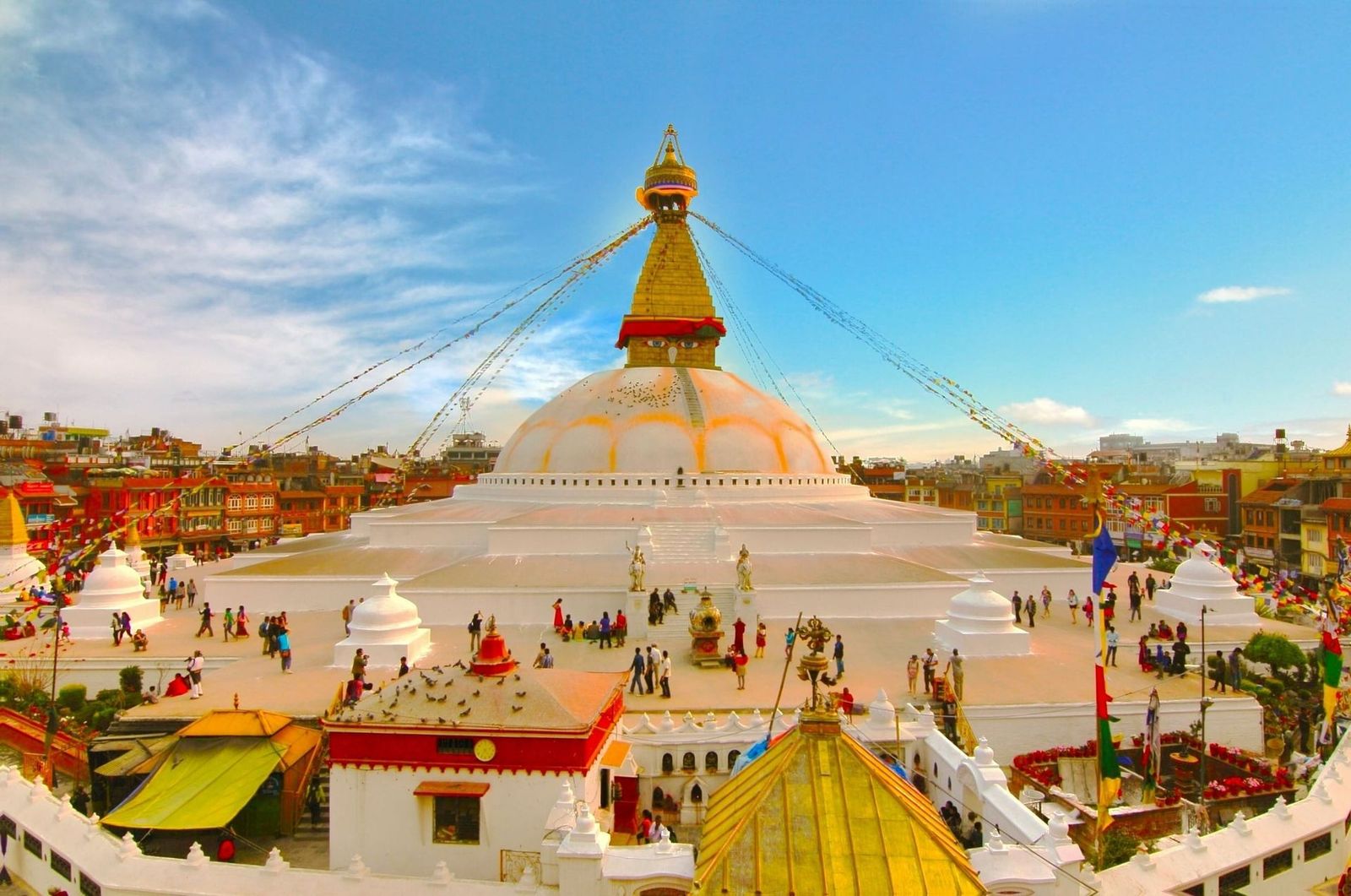
Boudhanath Stupa: Located in Kathmandu, Boudhanath is one of the largest stupas in Nepal and a significant Tibetan Buddhist pilgrimage site. The area surrounding the stupa is known as "Little Tibet," and it's filled with monasteries, Tibetan handicraft shops, and Tibetan restaurants.
Patan and Bhaktapur: See above
Kopan Monastery: Situated on a hill above Boudhanath, Kopan Monastery is a Tibetan Buddhist monastery known for its meditation courses and spiritual teachings. Visitors can attend teachings, explore the monastery, and enjoy the peaceful surroundings.
Tibetan Refugee Camps: Visit Tibetan refugee camps in Jawalakhel and Jorpati, where you can interact with Tibetan residents, learn about their culture, and purchase Tibetan handicrafts, clothing, and jewellery.
Tibetan Festivals: If your visit coincides with Tibetan festivals such as Losar (Tibetan New Year) or other cultural celebrations, you can witness traditional Tibetan dances, rituals, and ceremonies.
Tibetan Food: Savour Tibetan cuisine in restaurants and cafes around Boudhanath and other Tibetan communities. Try momo (dumplings), thukpa (noodle soup), and butter tea to experience authentic flavours.
Tibetan Language and Art: Enrol in Tibetan language classes or attend workshops on traditional Tibetan art forms like thangka painting, mandala creation, or calligraphy to gain a deeper understanding of Tibetan culture.
Tibetan Buddhism: Attend meditation sessions or teachings at Tibetan monasteries and nunneries to learn about Tibetan Buddhist philosophy, practices, and rituals.
Nepal's close ties with Tibet have resulted in a rich blend of cultures and traditions, making it an excellent destination to immerse yourself in Tibetan culture without leaving the country. The Tibetan influence is most prominent in the Kathmandu Valley, making it a hub for cultural exploration and understanding.
Gosaikunda Lake
Gosaikunda, located in the Langtang National Park in Nepal, is one of the most sacred alpine lakes in the country, revered by both Hindus and Buddhists. Here's a brief overview of Gosaikunda:
1. Spiritual Significance: Gosaikunda holds deep religious importance for Hindus, who believe it to be the abode of Lord Shiva. It is said to have been created by Shiva himself when he thrust his trident into the mountain to quench his thirst during the churning of the ocean to obtain the elixir of life (amrita). The lake is also significant in the Buddhist tradition, and there are several monasteries in the surrounding area.
2. Natural Beauty: Aside from its spiritual significance, Gosaikunda is renowned for its natural beauty. The lake sits at an altitude of approximately 4,380 meters (14,370 feet) and is surrounded by rugged, snow-capped peaks, making it a breathtaking destination for trekkers and nature enthusiasts.
3. Trekking: Gosaikunda is a popular trekking destination, and many trekkers include it as part of the Langtang Valley Trek. The journey to Gosaikunda offers a chance to explore picturesque villages, lush forests, and high-altitude landscapes.
4. Holy Dip: Devotees often take a holy dip in the frigid waters of Gosaikunda during the Janai Purnima festival, which usually falls in August. This ritual is believed to cleanse one's sins and is a significant pilgrimage for many.
5. Nearby Attractions: In addition to Gosaikunda, trekkers can explore nearby attractions such as Laurebinayak Pass, Sing Gompa, and Langtang Valley, all offering stunning views of the Himalayan mountains and diverse flora and fauna.
We can create a custom trip tailored to your preferences.
As Featured In