


-300x200.jpg)
-300x200.jpg)
-300x200.jpg)
-300x200.jpg)

-300x200.jpg)
-300x200.jpg)
-300x200.jpg)
-300x200.jpg)
-300x200.jpg)
-300x200.jpg)


-300x200.jpg)

-300x200.jpg)
-300x200.jpg)


Linda M
October 2025
Auswalk definitely makes the logistics much easier in a foreign country and chose excellent accommodation each night. I would use them again for a self guided walk for sure.
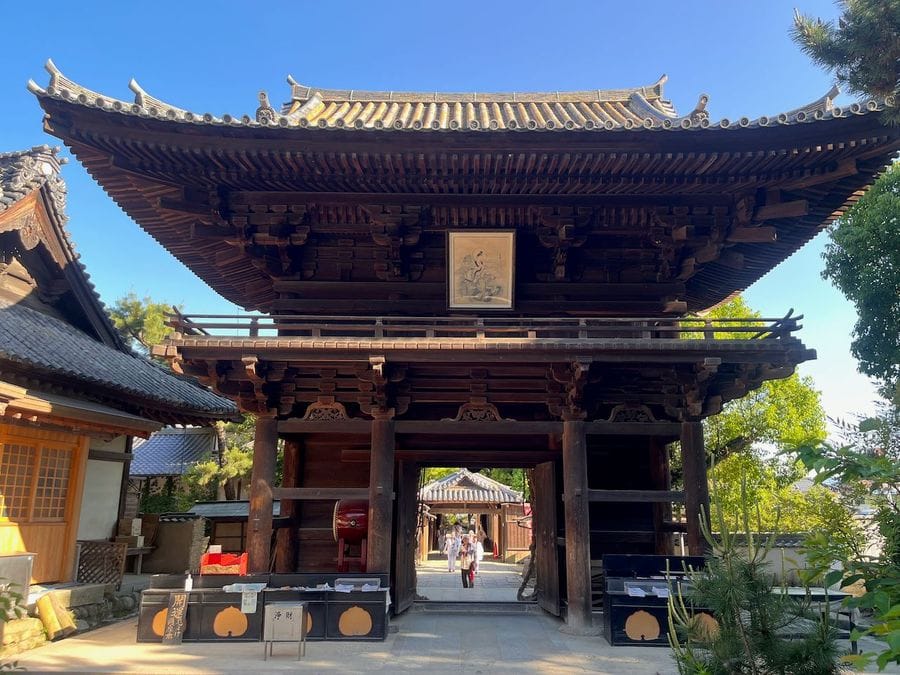
Shikoku Pilgrimage - 7 Days
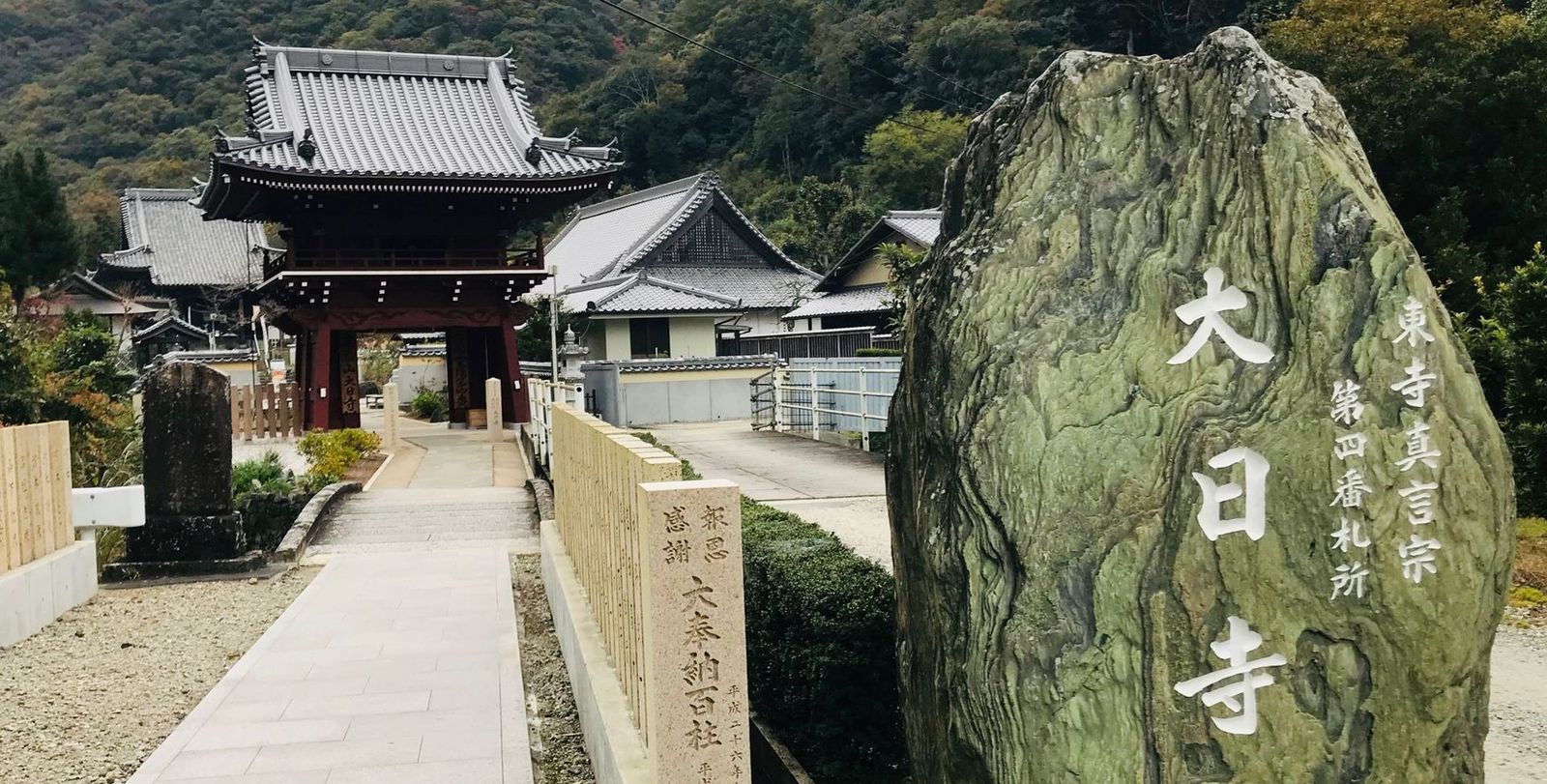
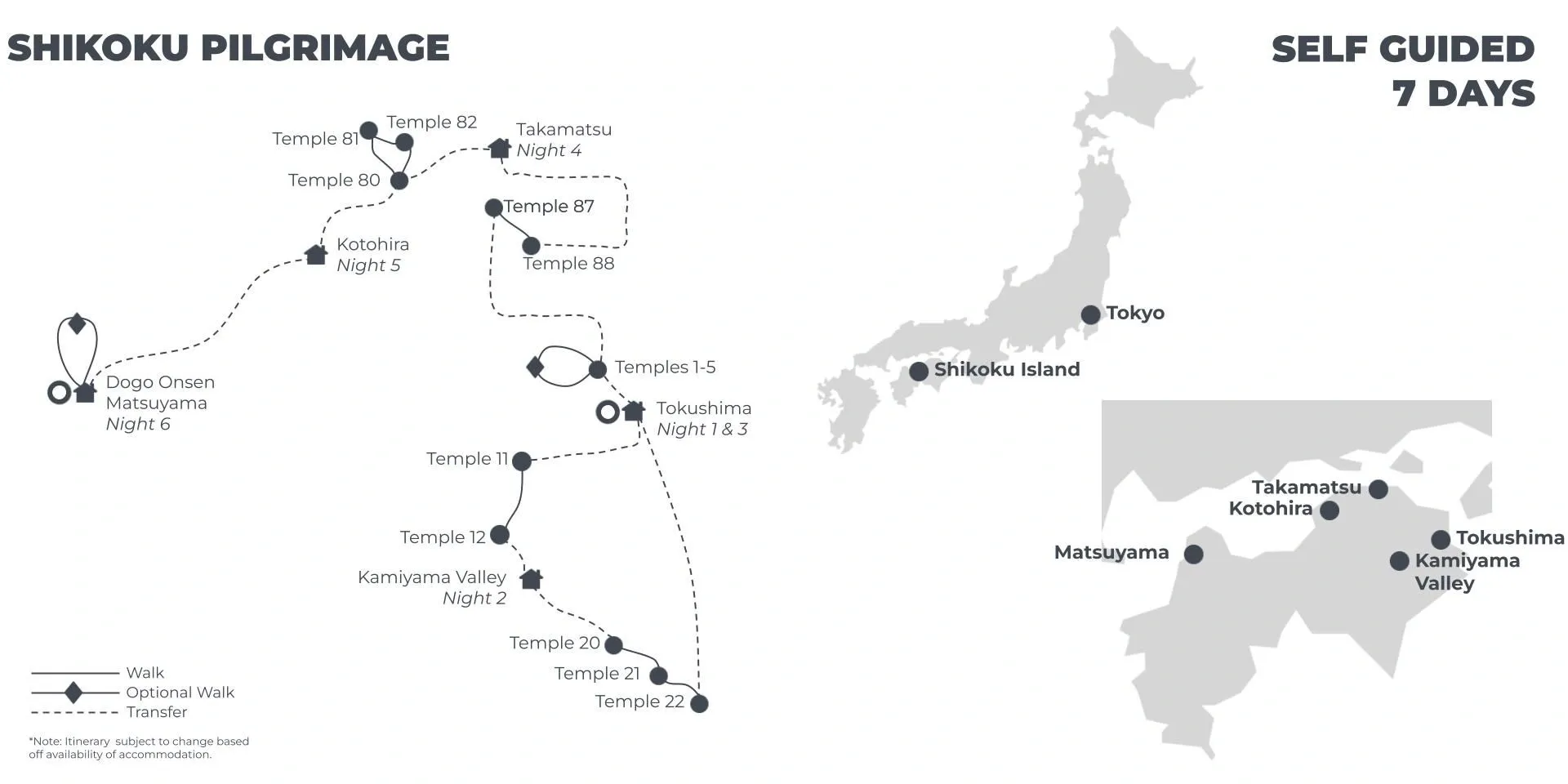
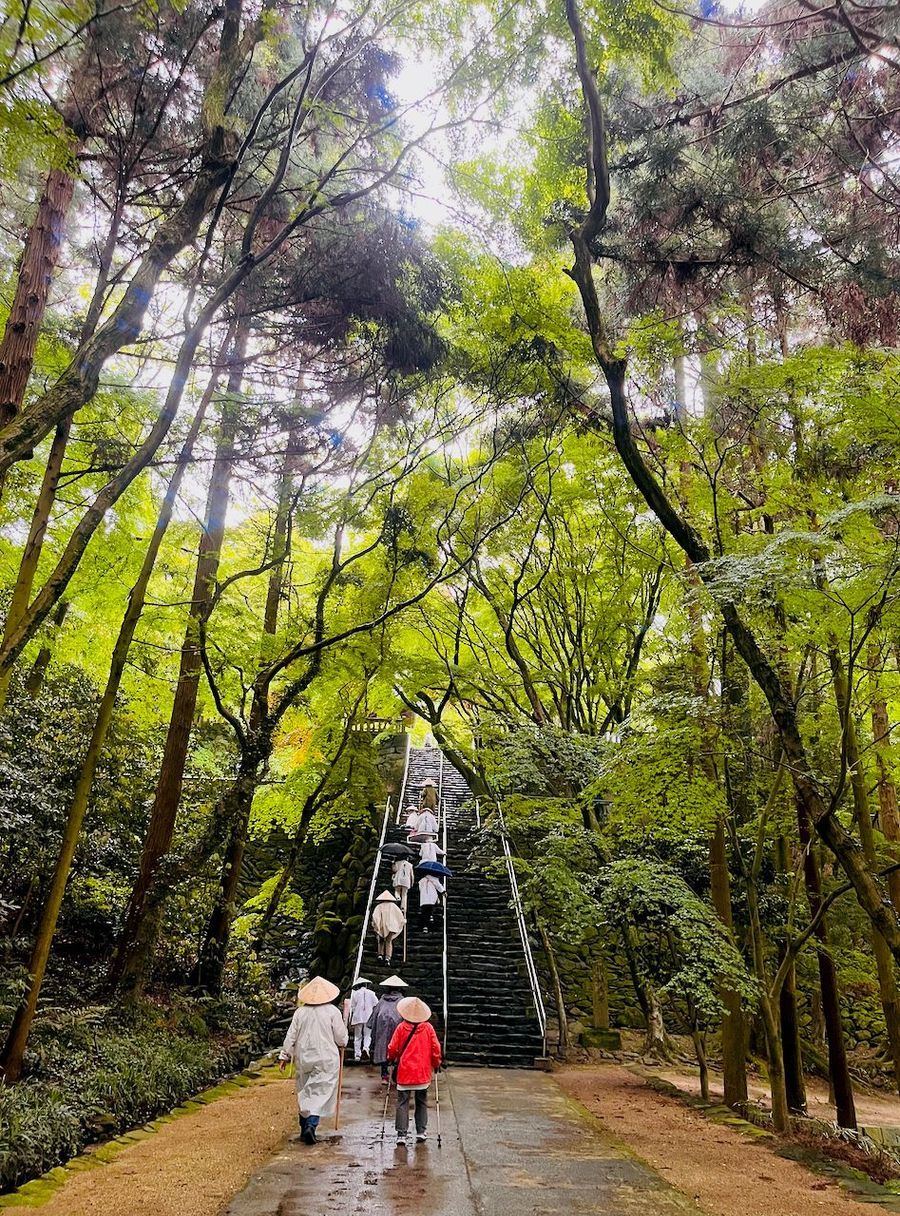
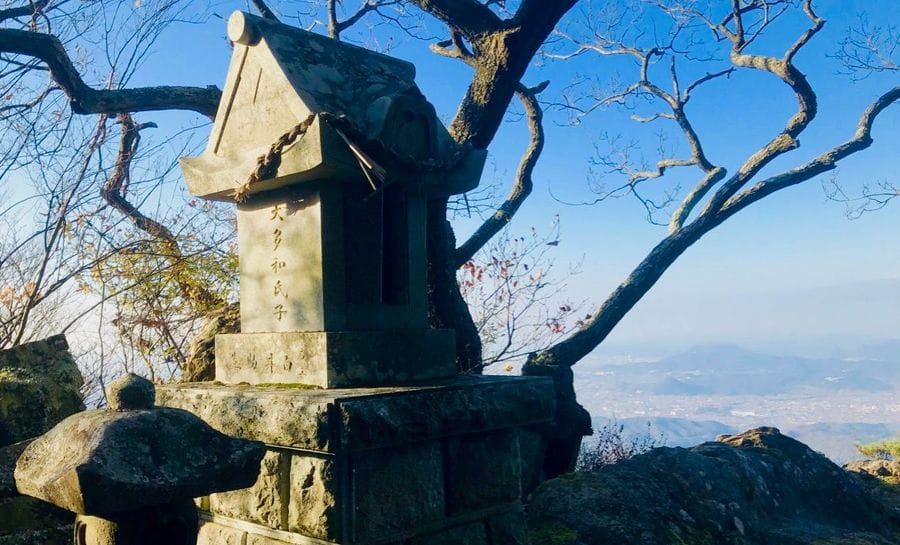
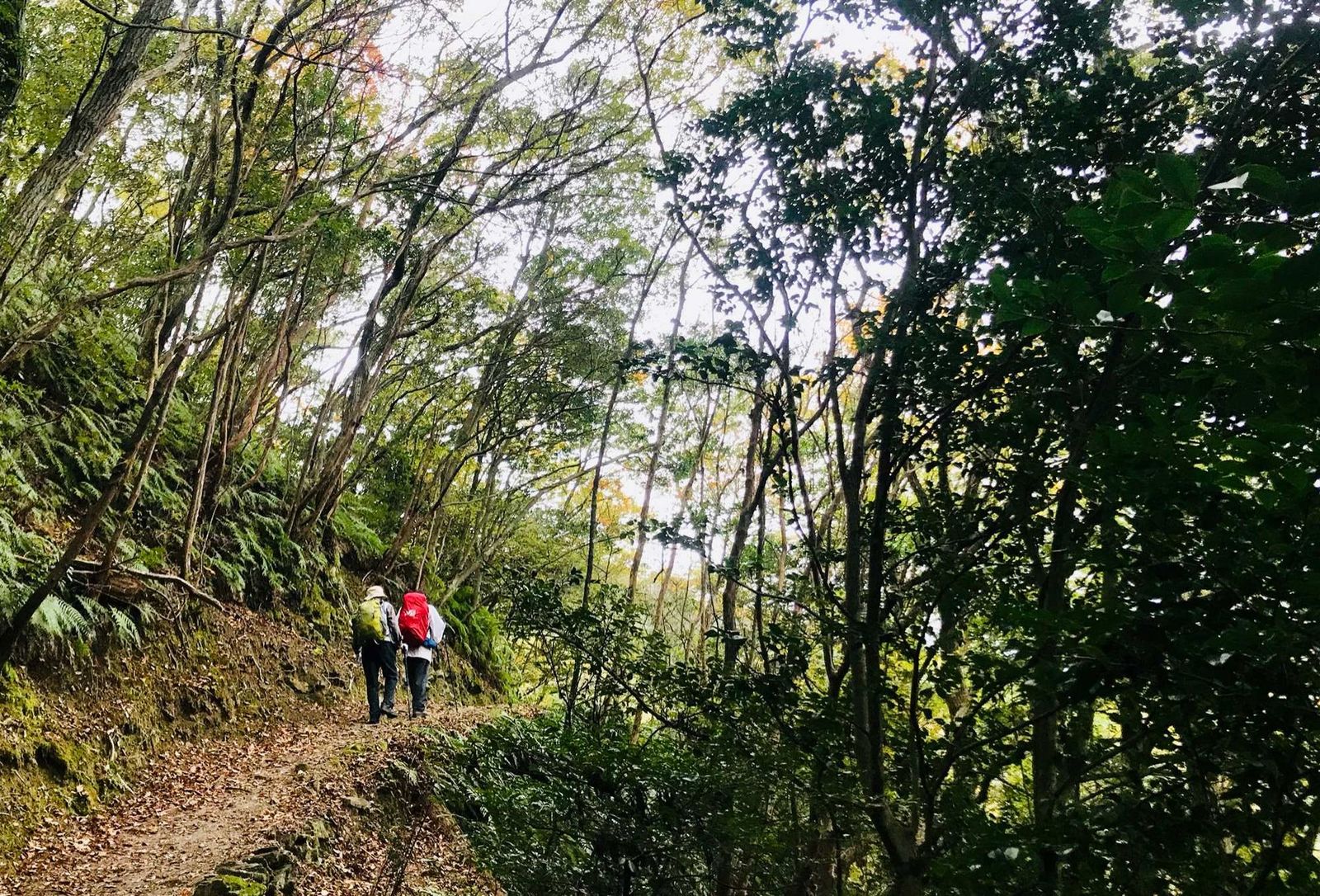
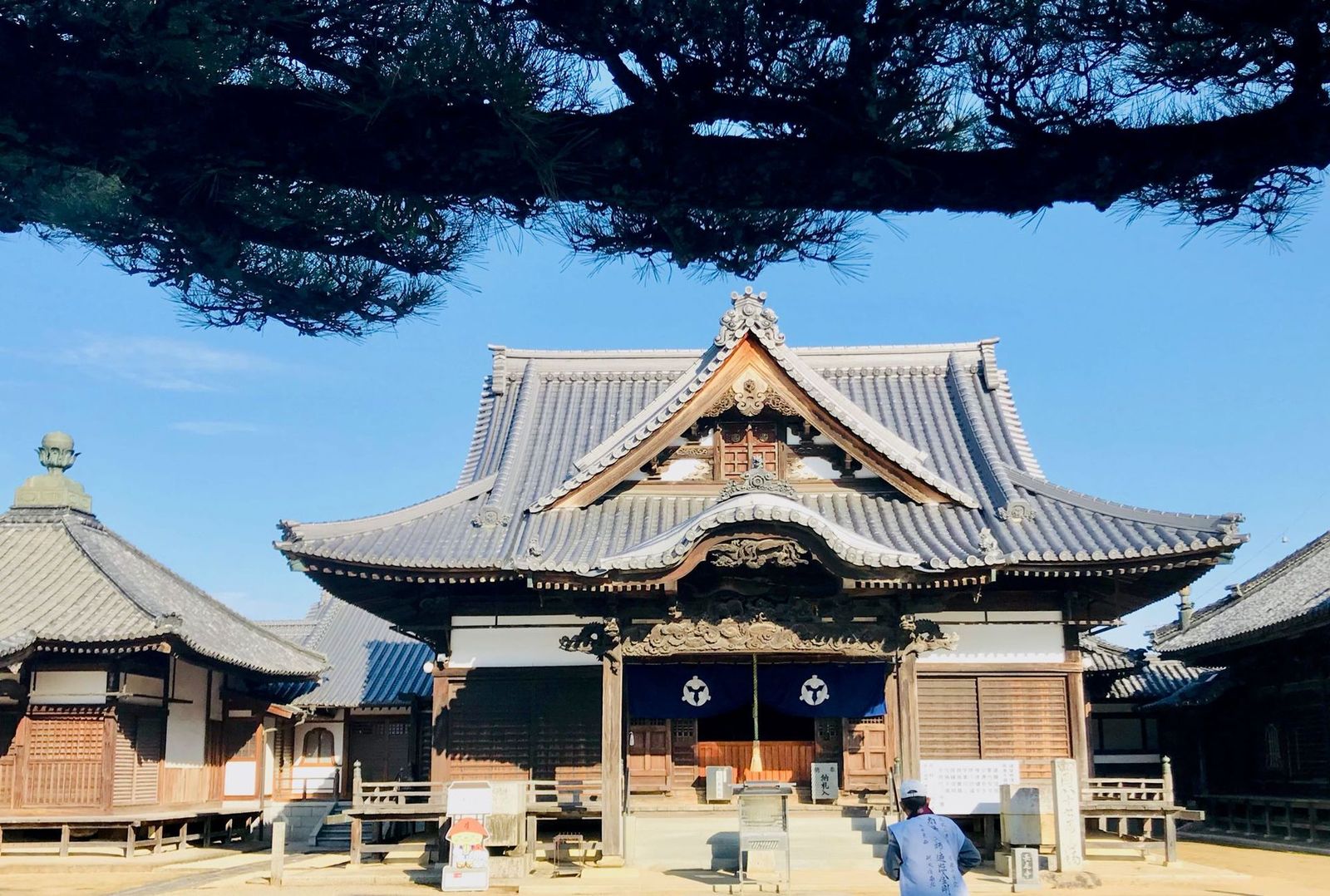
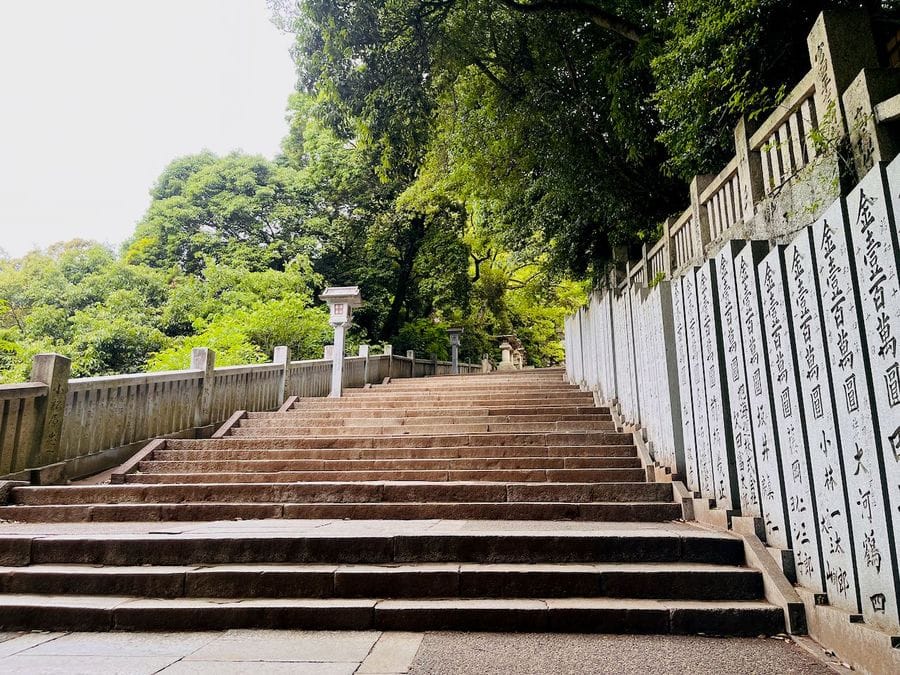
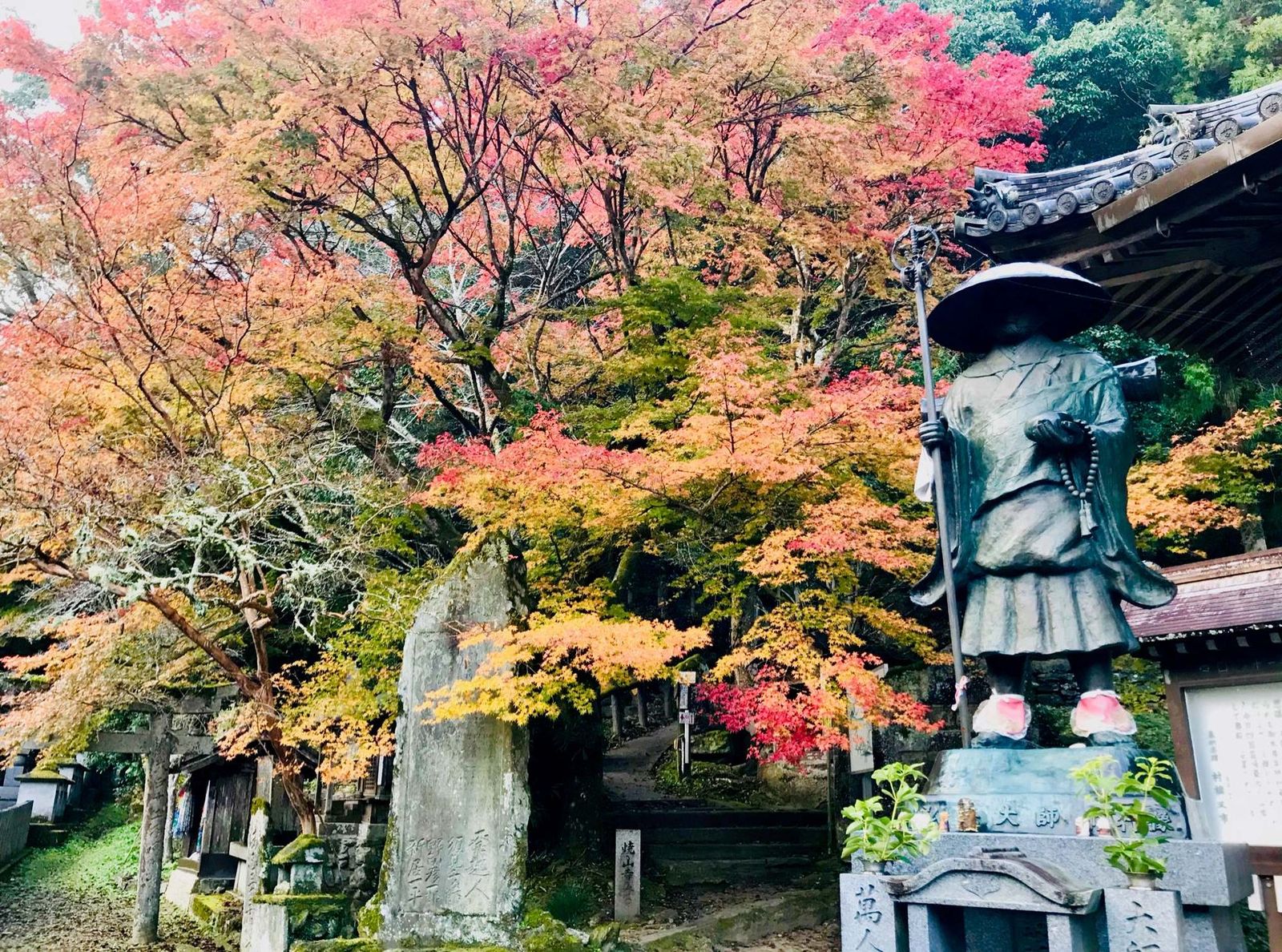
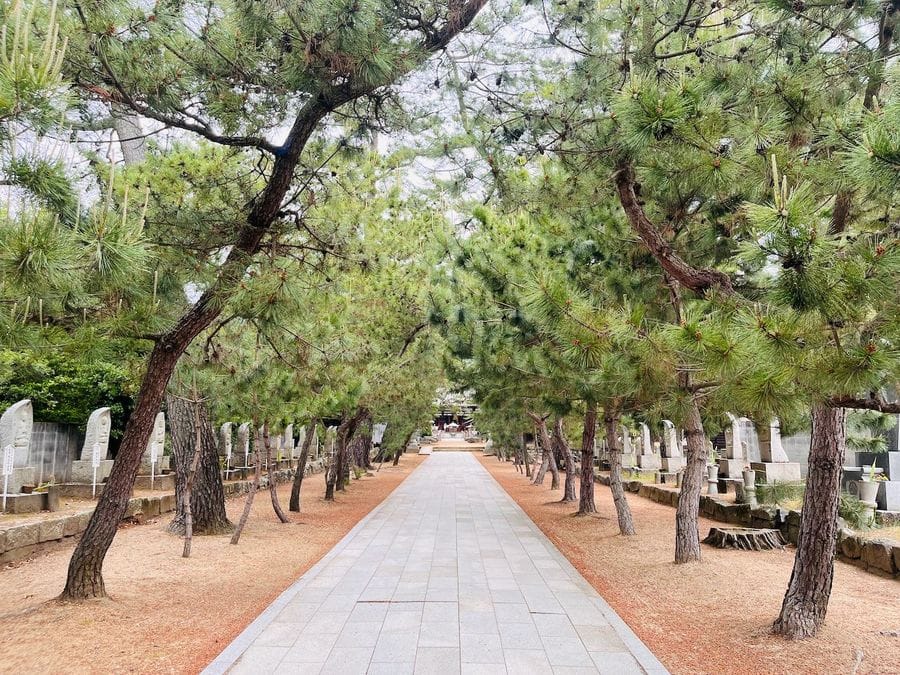
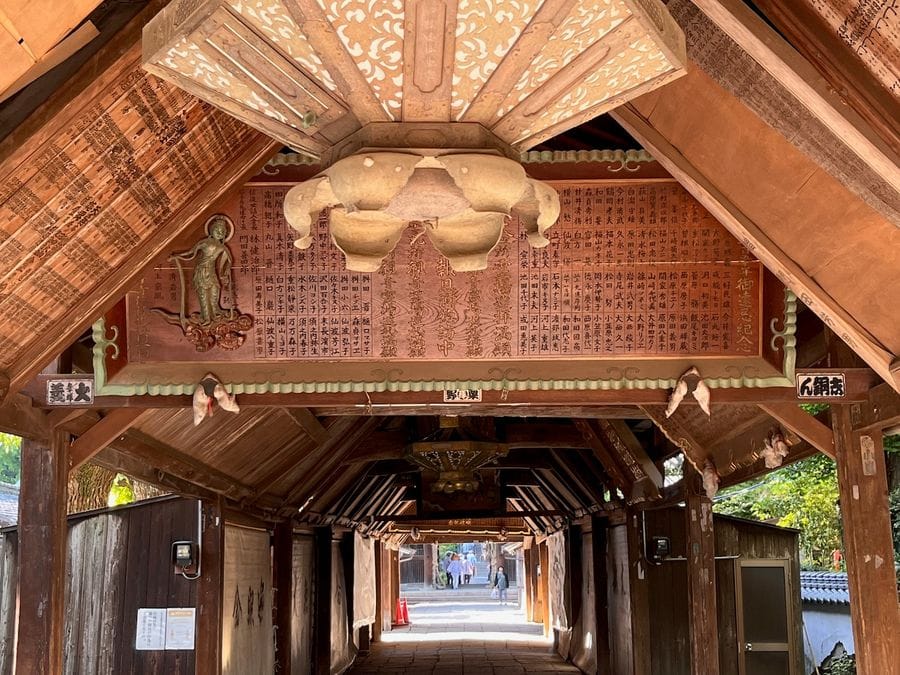
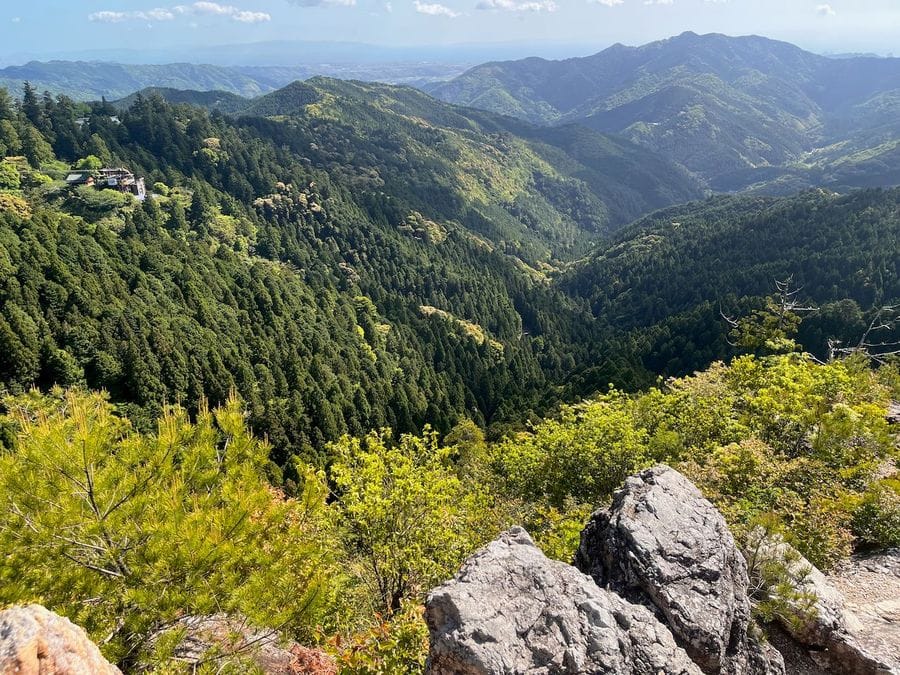
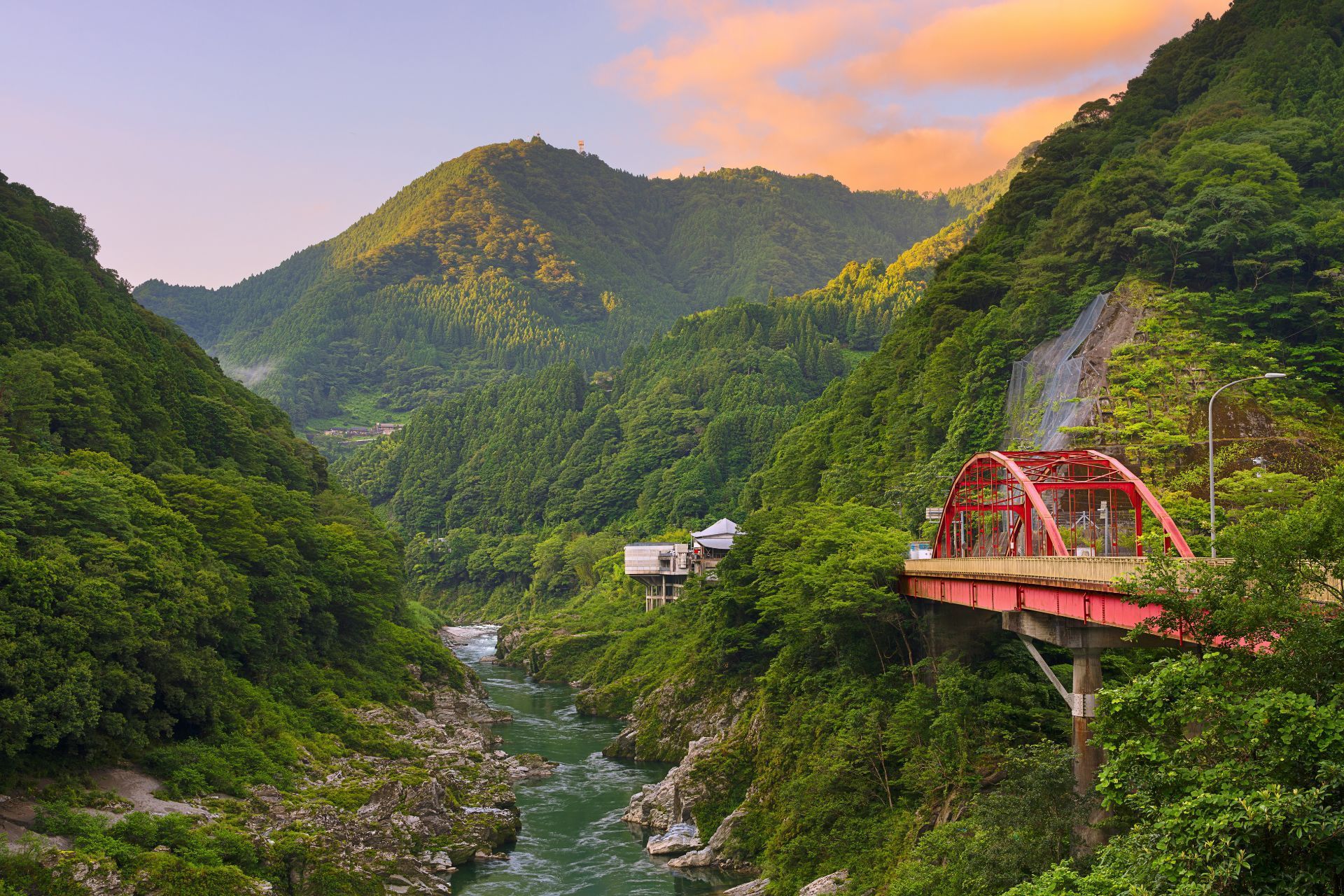
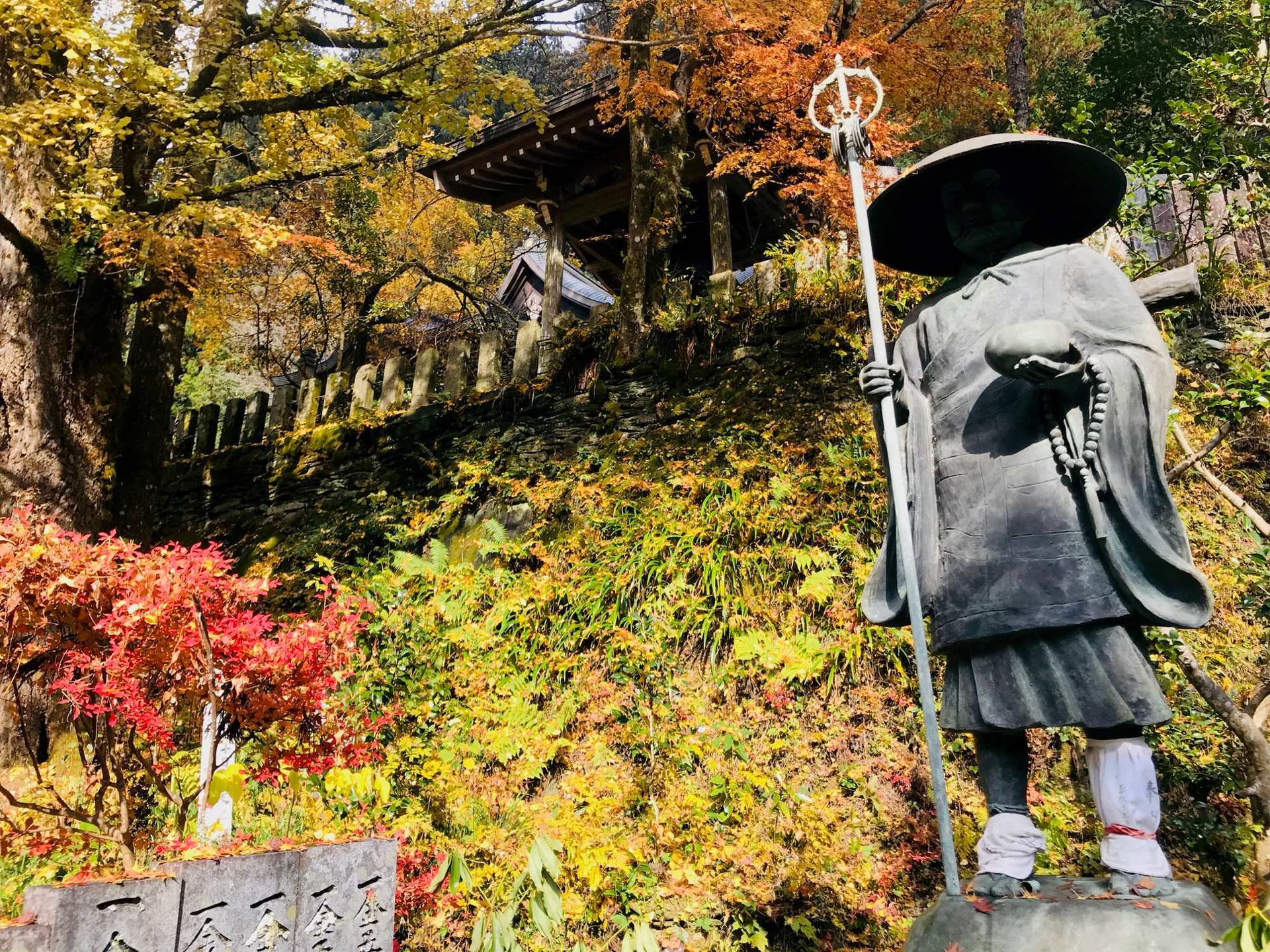
Discover the most rewarding sections of one of Japan's most sacred and least-known pilgrimage routes on this seven-day journey through the heart of Shikoku Island. The full 1,200-kilometre Shikoku Pilgrimage circuits the island's 88 official temples and has been walked by pilgrims for over 1,200 years in the footsteps of the revered monk Kukai.
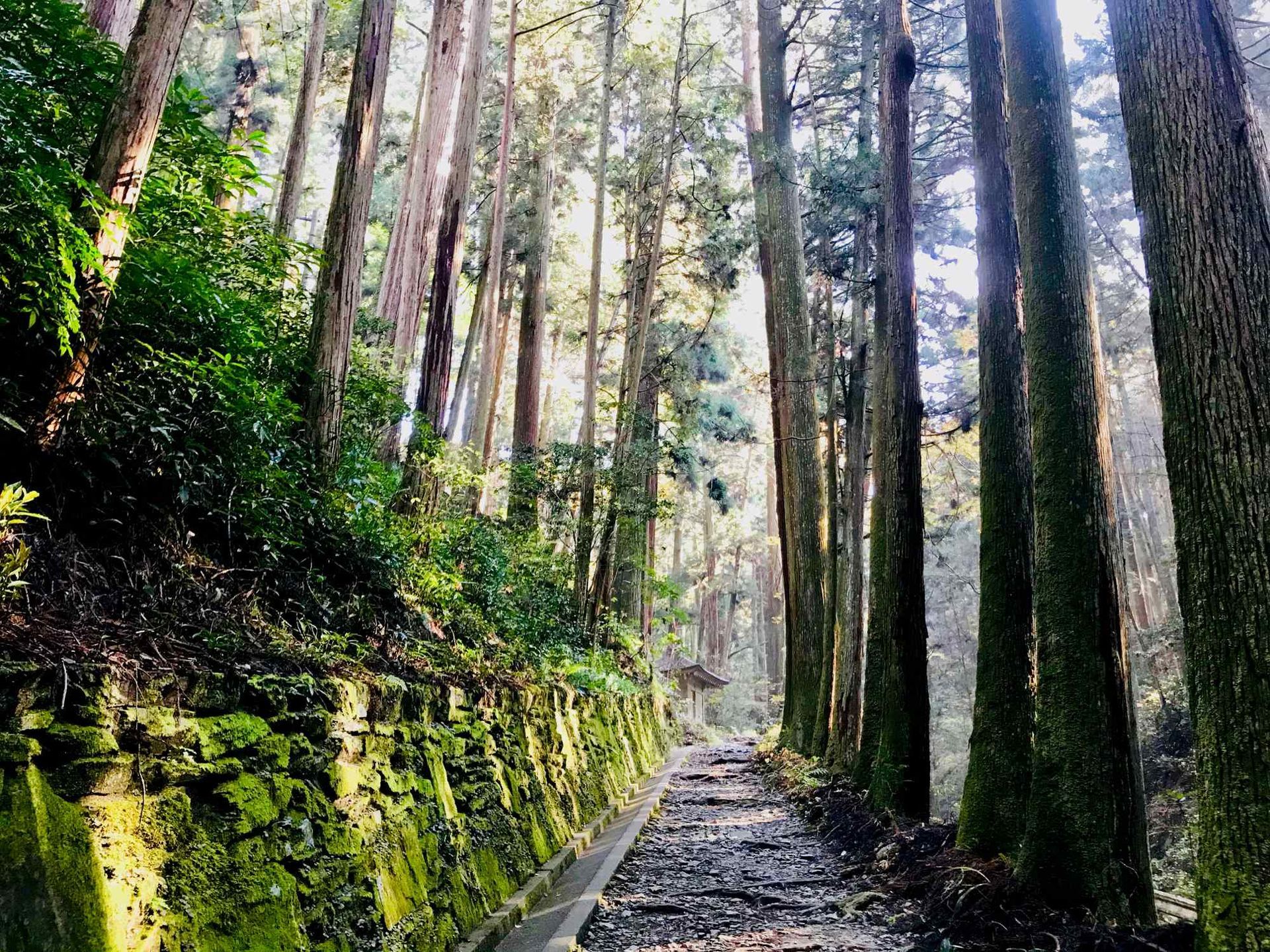
This itinerary distils the very best of the route, joining the white-clad Ohenro-san pilgrims on a journey through misty mountain temples, ancient forest trails and quiet rural landscapes on Japan's least developed and most spiritually resonant island. Whether walked for spiritual reflection, personal challenge or pure cultural immersion, the Shikoku Pilgrimage leaves a profound impression.
Highlights
Loading overview…
3-star Hotel (3 nights), 3-star Hotel / Ryokan (3 nights)
6 breakfasts, and 2 dinners
Auswalk Walking Grade
Challenging
Rated by our team — we walk every route before we recommend it.
Steeper climbs and longer distances. You'll need good fitness and some hiking experience to fully enjoy these walks.
View Fitness Guide6
Days on the trail
5-25 km
Daily distance range
94-1305 m
Daily ascent range
5/10
Trail difficulty
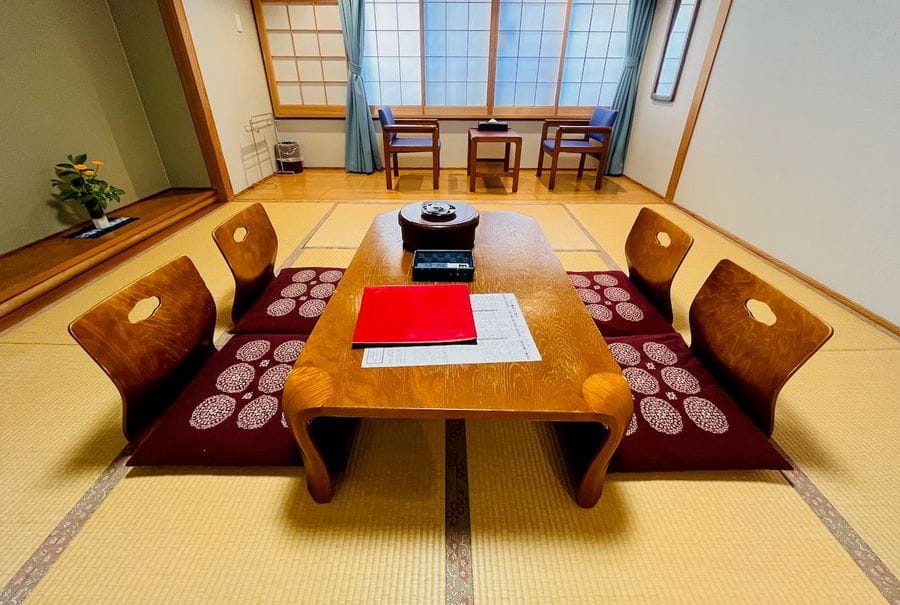
Nights on the Shikoku Pilgrimage are spent in ryokans and hotels.
Ryokans are Japanese guesthouses ranging from beautifully preserved historic wooden buildings to more contemporary hybrid styles. Rooms feature tatami mat floors, shoji sliding doors and futon sleeping, creating an atmosphere of quiet, understated elegance. Few rooms have Western-style beds, and ensuites are not always standard — but the heated toilet seats are a welcome touch of luxury. The pride of most ryokans is the bathing area, and many along the Shikoku Pilgrimage are fed by natural onsen hot springs. After a day traversing the sacred mountain trails, soaking in steaming communal pools is the perfect way to end the day.
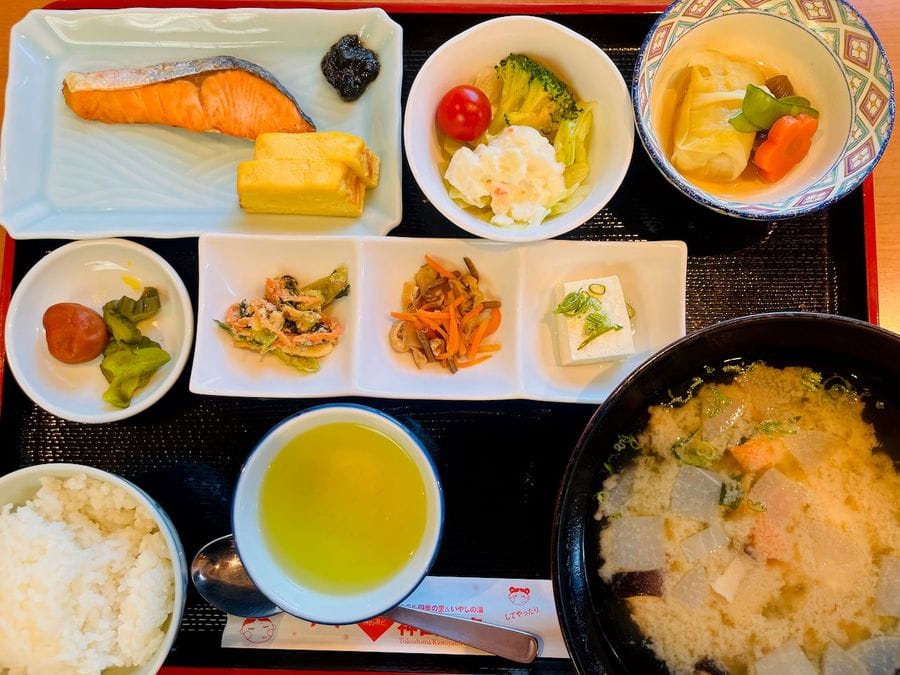
Meals reflect the character of the accommodations themselves. Most nights, dinner is a home-cooked affair using local ingredients. At larger ryokans, this may be a multi-course kaiseki spread or buffet, while more remote stays are accompanied by a carefully prepared bento box. Included breakfasts are served each morning.
The walk starts in Tokushima City and finishes at Dogo Onsen in Matsuyama. The easiest option is to fly into Osaka, from where a highway limousine bus connects directly from Kansai Airport to Tokushima in around two hours and 40 minutes. Alternatively, trains run from Osaka to Tokushima in around three hours and 20 minutes on the fastest service. If flying into Tokyo, direct flights reach Matsuyama Airport in around one hour and 40 minutes, with an airport bus connecting to Dogo Onsen in around 40 minutes.
At the end of the walk, trains from Matsuyama connect to Osaka via Okayama in around five hours, with highway buses also available, taking around six hours. Matsuyama Airport also has direct flights back to Tokyo and Osaka for those preferring to fly. The Japan Transit Planner website is a useful tool for checking timetables and connections.
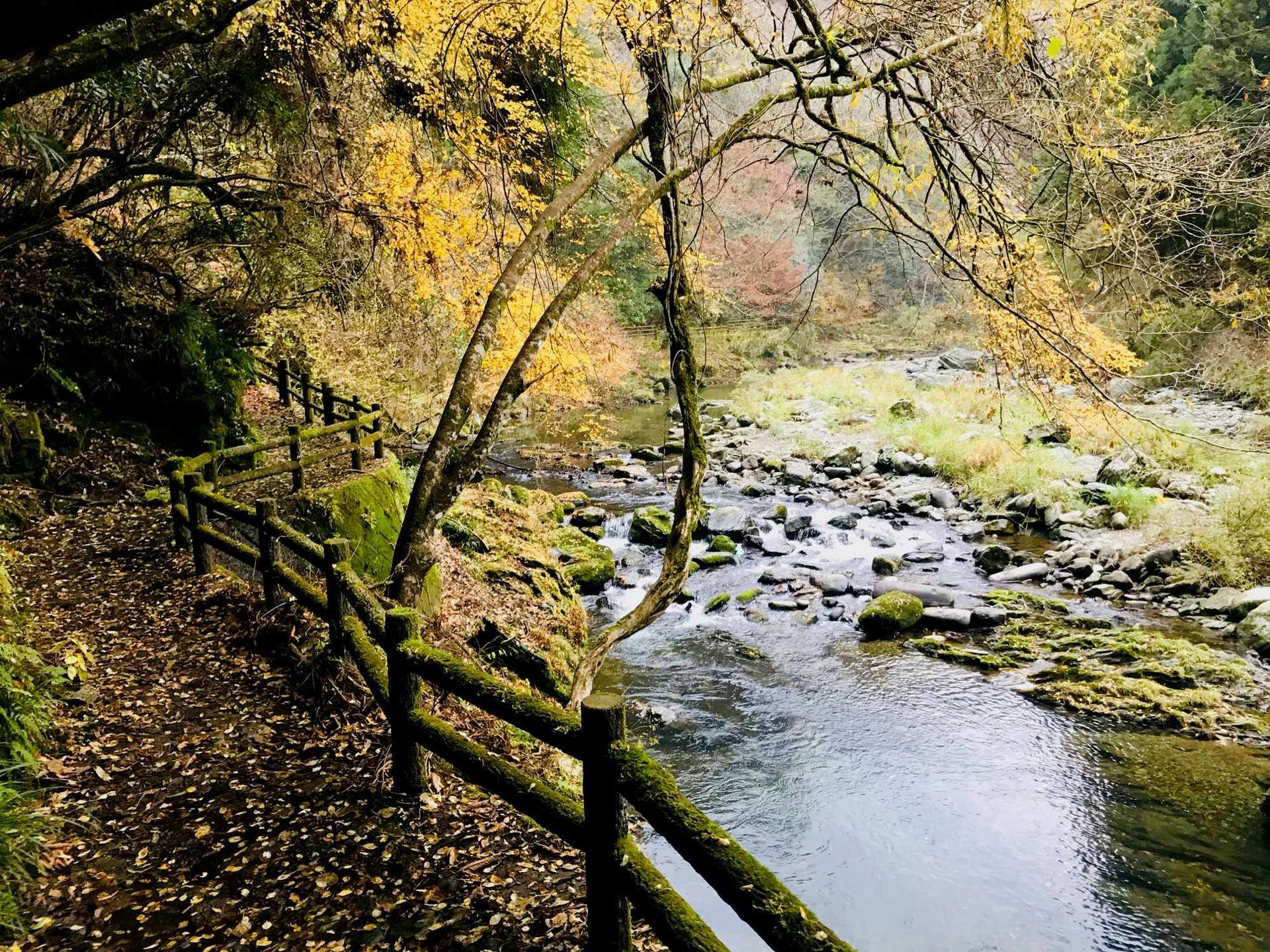
This walk is available from March to November, with spring and autumn the standout seasons. Cherry blossoms in April and the vivid autumn colours of October and November make for spectacular walking conditions, with mild temperatures and the island's landscapes at their most dramatic. Summer is warm and humid but perfectly walkable, and the mountain streams offer welcome swimming on warmer days. Winter walking is possible but cold temperatures and potential snow make it more demanding, though the quieter trails and the experience of soaking in an outdoor Onsen on a cool winter night have their own very real appeal.
This walk is graded moderate to challenging, with daily distances averaging around 14km. The terrain is wonderfully varied, moving between ancient stone pavements, forest tracks, cedar-lined paths, rural countryside and the cobbled streets of preserved post towns, with some sections crossing mountain passes that involve sustained climbs and descents. Forest paths can be uneven and rough in places, so good walking shoes with solid grip are recommended. The route is well-marked in both English and Japanese throughout, and some short sections pass alongside roads. A moderate level of fitness and a training regime of two to three times per week is recommended in the lead-up to the walk. Comprehensive walk notes, maps and GPX tracks are provided for each day.
On this holiday you will not see your main luggage every night. Please organise yourself accordingly and pack a few overnight things to take with you when you walk as required. We will provide you with comprehensive notes outlining what you will need to do with your luggage and when/where you will receive it. On most occasions it will be stored at the Hotel Reception for your return the following day. On the day you travel from Tokushima to Takamatsu your luggage is collected from hotel reception and will be delivered (via courier) where you will receive it the following day when you arrive in Kotohira. On other occasions you will be taking it with you to the next destination.
Japan has four major holiday and high-season periods when domestic travel peaks and accommodation costs rise significantly — in some cases by 30% or more. We recommend avoiding these dates where possible:
Sakura season (Kyoto): mid-March to April
Golden Week: 29 April to 5 May
Obon: 10 to 20 August
Koyo Season (autumn colours): mid-October onwards, weather dependent
Speak to your destination consultant when planning your dates, and we can help you find the best time to go.
For most days on this walk you will need to take some form of public transport whether that is a bus or a train to your accommodation for the night or to start or shorten the day's walk. The journey times vary from 20mins to 2hr depending on the day. We provide a comprehensive public transport document with detailed instructions on which buses and trains to catch. Please note these trips are unable to be pre-booked and you will need to pay directly on the day they are not included in your package.
There are 2 pre-paid taxi transfers included as part of your package. These are at the end of Day 2 and the beginning of Day 3. If you need to use taxis for other transfers during the walk they will be at your own cost.
A detailed information pack and itinerary will be sent to you around six weeks before departure, covering everything you need to know for a seamless experience. In the meantime, our team is always on hand to answer any questions.
You must hold adequate travel insurance for your trip, including cover for personal liability and accidental injury and illness. For all trips involving international travel, your policy must also include emergency medical treatment, evacuation and repatriation cover. We strongly recommend your policy also covers trip cancellation and curtailment, and loss of or damage to luggage.
A cancellation fee usually applies if you cancel after your booking is confirmed. Travel insurance with cancellation cover will generally cover this fee, so it's worth arranging your policy at the time of booking.
Full insurance requirements are set out in our booking terms and conditions.
For your safety and well-being, we are unable to accept bookings for solo walkers on this itinerary. The remote nature of some tracks and limited mobile reception mean that walking alone presents a higher risk in case of emergencies.
Pick any available date — this is your trip, your schedule
Prices shown are per person, twin/double share basis.
Auswalk definitely makes the logistics much easier in a foreign country and chose excellent accommodation each night. I would use them again for a self guided walk for sure.
We loved the forest walking and visiting the temples. The notebooks are packed full of wonderful information that was easy to access. We loved the areas we walked we loved the accommodation and we loved your notes.