Bibbulmun Track
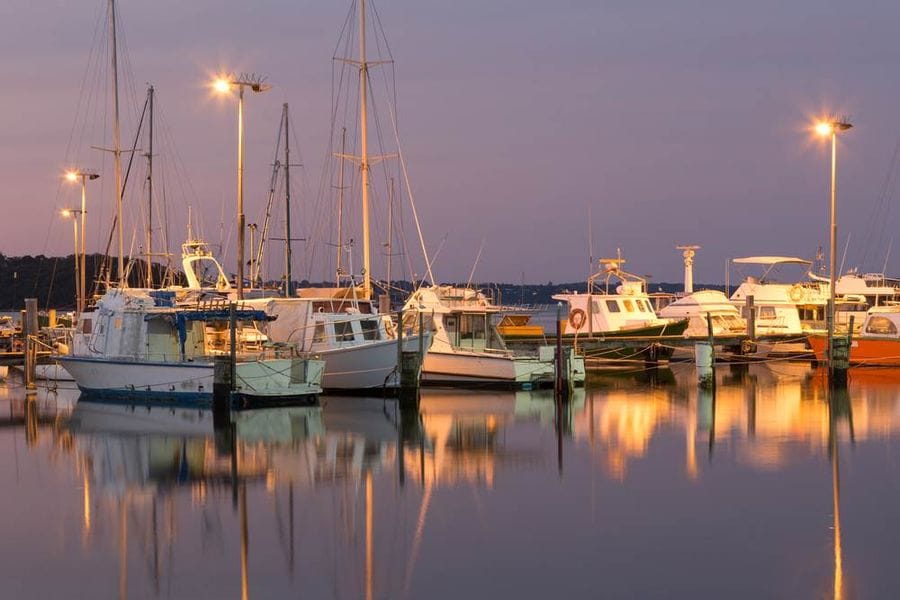
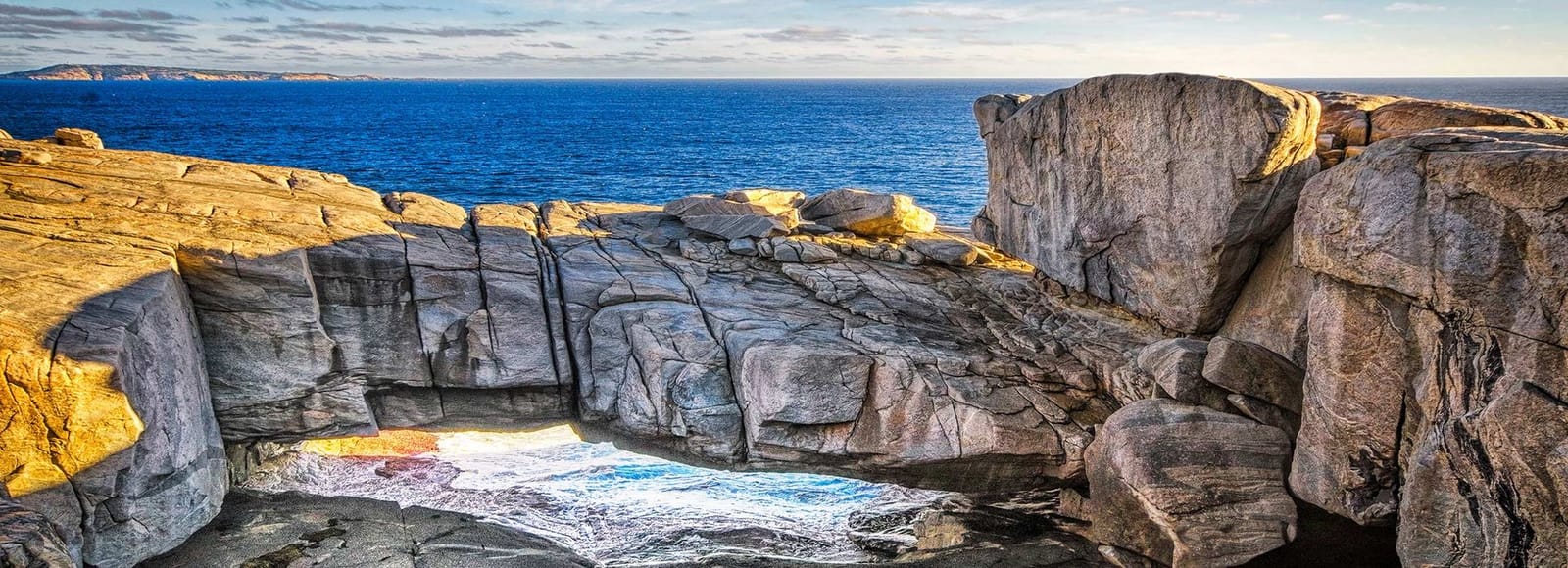
Walk the finest section of one of the world's great long-distance trails through the remote south-west corner of Western Australia, from the towering karri and tingle forests of Walpole to the historic harbour town of Albany.
Plan your Bibbulmun Track trip with an expert in a free 1:1 consultation.
Overview
The Bibbulmun Track stretches 1,000 kilometres from the outskirts of Perth to Albany on the south coast, and the section from Walpole to Albany is the trail at its most spectacular. This is some of the most isolated walking in temperate Australia, through landscapes of extraordinary beauty and biodiversity found nowhere else on earth.
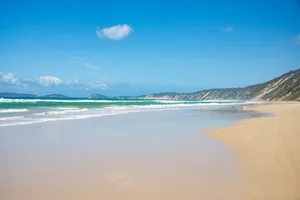
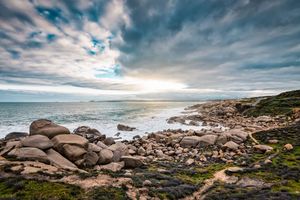
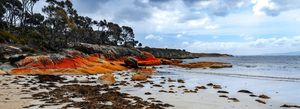
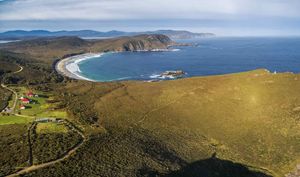
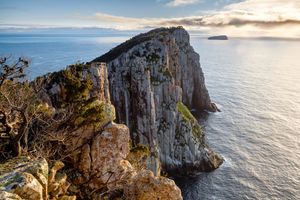
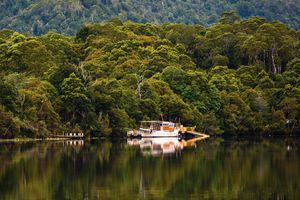
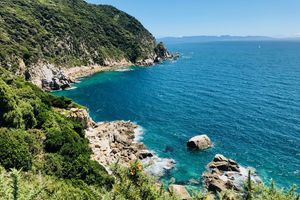
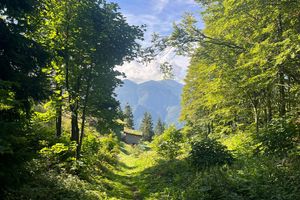
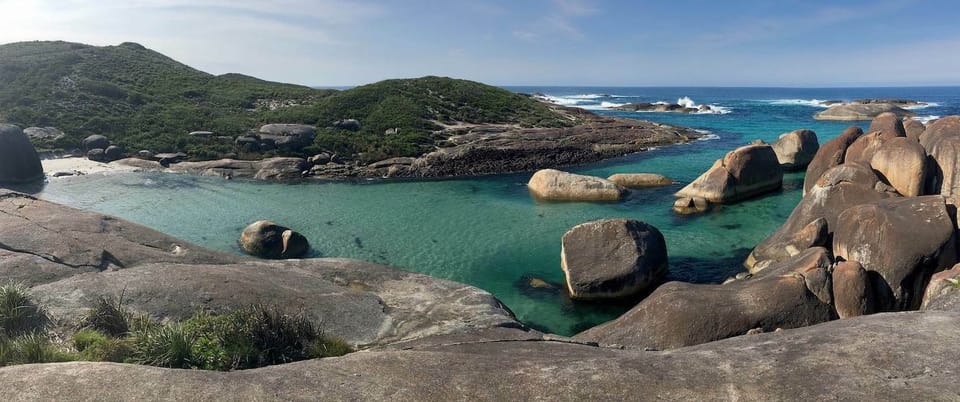
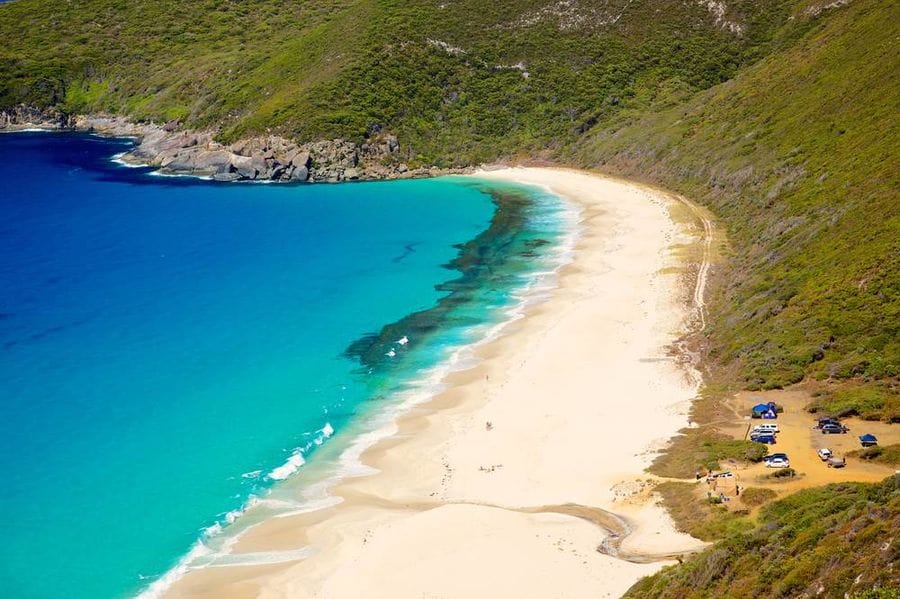
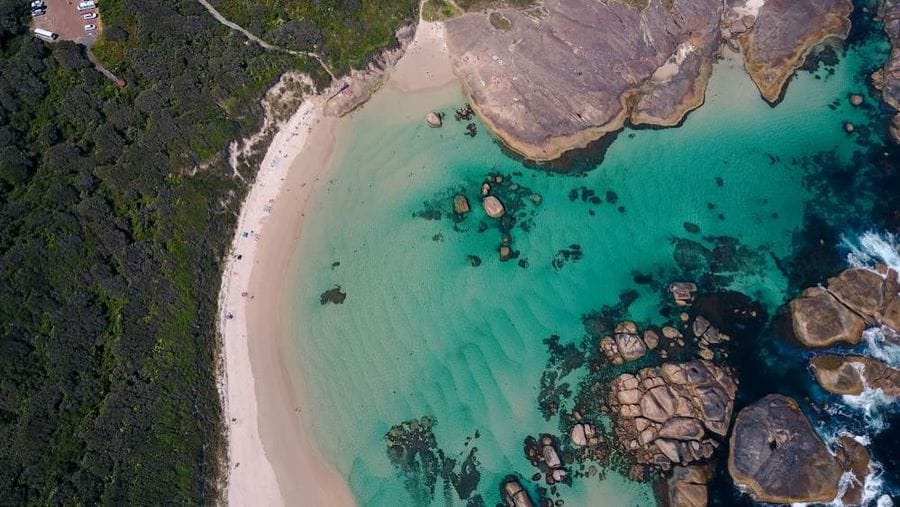
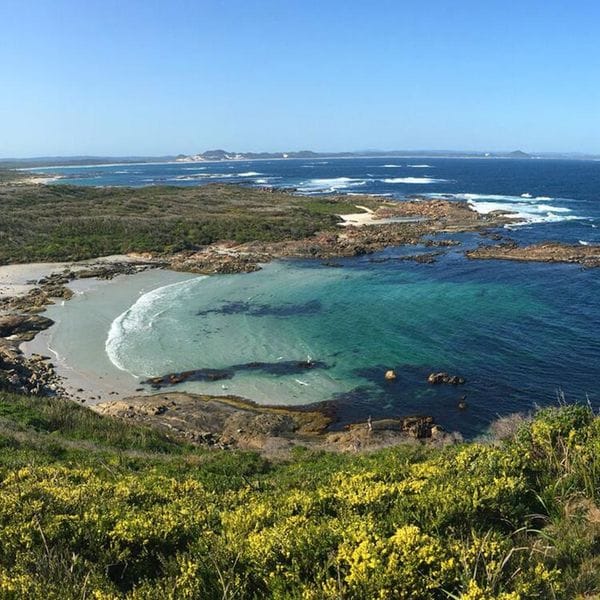
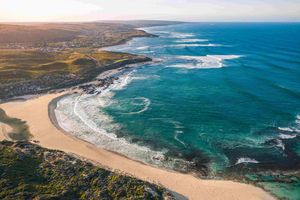
The trail moves between two distinct worlds: inland through towering karri and giant tingle forests, where the trees are among the largest living eucalypts on the planet, and along the coast across rugged granite outcrops, secluded beaches and pristine heathland with the Southern Ocean thundering beyond.
Peaceful Bay, Conspicuous Cliff and the Giant Tingle Tree are among the highlights that make this one of Australia's most rewarding and genuinely remote walking experiences.
Gallery
A closer look at Bibbulmun Track


The Bibbulmun Track experience
Bibbulmun Track reviews
More About This Destination
The first inhabitants of this region were the Mineng Aboriginal people of the larger Noongar group. Evidence of their presence in the area dates back 40,000 years. The first personal contact with Aboriginal people in this area was recorded in 1803 by Matthew Flinders, who explored this area in his ship, the Investigator. The walk was named after the Bibbulmun or Noongar, the first people of this land. The Bibbulmun have lived here for more than 40000 years.
The earliest European account of the area was in 1622, when Dutch mariners in the “Leeuwin” of the United East India Company saw the area and named it “Leeuwin’s Land”. Sealers and whalers, mostly American, French and British, visited these shores in the early 1800s but did not set up permanent settlements here. Matthew Flinders (1774 - 1814), a naval navigator, chart maker and explorer, was the first to circumnavigate the Australian Continent (New Holland) in the ship 'Investigator' in 1802. It was also Flinders who suggested that the continent take on the name "Australia", which was later adopted in 1824. Flinders was born at Donington in Lincolnshire, England. He wanted to become an explorer after being enthralled by the novel Robinson Crusoe, so he joined the navy and trained as a navigator. He first ventured to Australia on the 'Reliance' in 1795.
Denmark has a population of around 5300 and is named after Dr Alexander Denmark, who served in the Royal Navy from 1814 to 1835. European settlers first moved here in 1885, seeking timber and the 19th-century London streets were paved in timber blocks cut from trees that grew here. Denmark is a “Biodiversity Hotspot”, which is where the richest and most threatened reservoirs of plant and animal life are on earth. It has a higher proportion of endemic species than other regions. It has a large number of birds and mammals. It’s also in the top six regions for marine biodiversity, containing one of the most southerly reefs in the world, due to the offshore Leeuwin current.
In 1791, Captain George Vancouver claimed the southern part of WA for the British. As he explored along this coast, his ship, called The Discovery, came across the natural harbour that’s now Albany and named it the Princess Royal Harbour. He reported finding a deserted native village with a large group of huts about 2 km inland.
WA’s colonial history began here too with the arrival of the Brig Amity into this harbour in 1826. The British were worried that the French would establish a hold in the area, so they ordered a settlement to be founded here. The Amity brought the first European settlers, convicts and soldiers to these shores to establish a military post. Brig Amity sailed in with convicts and soldiers. It took 6 weeks and 2 days to sail from Sydney. The traditional owners of this country, the Minang people, had already seen and met European explorers who had visited in the preceding decades. The purpose of this visit, however, was quite different – the other explorers always continued on their journeys, but the Amity’s passengers were here to stay.
The port at Albany has another claim to fame, too. This is where Australian troops sailed for Gallipoli in 1914. Their service was recognised on 25th April 1923 with Australia’s first ever Anzac Day dawn service.
FLORA
A staggering 75% of the south west’s 7000 species of flowering plants are found nowhere else on earth. So be prepared to see plants that you have never seen before if you walk this track. One of the main understorey plants through here is karri hazel (Trimalium ordoratissimum). It usually grows in dense thickets as a large shrub, up to 9m high. Its small flowers are massed into large, delicate, creamy-coloured sprays. The Aboriginal people call this the soap tree and use it for washing as it lathers well. They also used to place it over ponds of water, drugging animals that came to drink, and hence making it easier to catch them.
Peppermint trees (Agonis flexuosa) are common in many coastal areas on this track. They form thickets or open groves, and range from dwarf in coastal areas to tall trees away from the coast. Tufts of white flowers adorn pendulous branches in spring and summer. They are arranged in tight spherical clusters. The leaves have a strong peppermint smell when crushed. The bark is thick, grey and fissured. They are an important habitat for the endangered ringtail possum that feeds on the leaves and builds dreys (nests or platforms) in the branches. Peppermints are extensively planted as a street tree in Western Australia.
There are lots of karri trees (Eucalyptus diversicolor) along the track. Karri is one of the world’s tallest hardwoods and WA’s tallest tree. They can live for 300-350 years and grow up to 90m tall, reaching their full height after about 75 years. They have pale grey peeling bark that reveals smooth pink, orange, and brown trunk hues. The karri’s surface bark is shed every year during summer and autumn, exposing new bark that is pink and cream coloured. Aboriginal people knew that when the bark of the karri dropped, this was the time of year when ocean salmon (perch) were running. There are relatively few upper branches arranged in distinctive “broccoli” shaped clusters. The botanical name “diversicolour” means “separate colours” and refers to the difference between the two shades of green on the leaves – strong green on top and grey green below.
On the walk out of Walpole, you’ll see tingle trees, particularly red tingles. There are three types of tingles – red (Eucalyptus jacksonii), yellow (Eucalyptus guilfoylei) & Rates (Eucalyptus brevistylis).
The red tingle can be identified by its rough fibrous bark of a grey-red colour. Only found near Walpole and Nornalup, this tree has an extremely restricted range. It can only be found in an area of approximately 6,000 hectares. People have tried to grow them elsewhere but have been unsuccessful.
Red tingles are named for their distinctive red wood. They can reach a height of 75 metres and grow for over 400 years. They are known for their large trunks, which can have a circumference of up to 20 metres. They are the largest buttressing eucalypt. Swaying in the wind stimulates growth of the tree’s lower trunk and roots, which broaden outward in the shallow soil to stabilise the tree like angle brackets.
The distinctive feature of the red tingle is its large, hollowed-out base. The hollows have been caused over a long period of time by fire, fungal and insect attack. They can survive with these hollow bases as the wood is very strong, and even a thin shell will support the tree, as long as part of the living layer of the tree immediately under the bark remains intact, the tree will re-shoot and continue to grow.
Jarrah (Eucalyptus marginata) is the state’s most important commercial timber. It’s also one of the most common trees in the south west. Marginata refers to the thick margin around the leaf’s edge. It’s a tall tree growing to 40m. It has grey, fibrous, striated bark, often twisting up the trunk. The bark sheds in long, flat strips. The richly coloured and beautifully grained timber is used for flooring and cabinet making. And, in the early days of European settlement, some famous roads in cities such as London and Berlin were paved with blocks of jarrah.
Marri (Corymbia calophylla) is a tall tree with twisted branches, chunky tessellated bark, oozing resin and broad dark green leaves. One of the most noticeable things you’ll see is the large gum nuts lying underneath the tree. They are bell-shaped and about 2 - 3cm long and are locally called “honkeynuts” fruit. Take care as they are easy to trip over! These nuts are the largest fruit of any eucalypt, and they are a very important food source for a range of parrots and cockatoos. They inspired May Gibbs to write her stories about gumnut babies, Snugglepot and Cuddlepie. They have recently been reclassified and are no longer considered to be Eucalypts.
The sheoak trees (Allocasuarina decussata) have very deeply rutted bark, making them easy to identify. They are also called karri sheoak and are in the Casuarina family. When cut across the grain, early settlers thought it resembled oak from back at home, but of an inferior quality, hence they called it “she” as women in those days were considered inferior!
There are lots of grass trees (Xanthorrhoea preissii) and kingias (Kingia australis) on the southern Bibbulmun. They might look similar at first glance, but check out the flower spikes, and you’ll spot the difference. The grass trees have long, straight flower spikes that usually point upwards, and kingies have lots of short-stemmed flowers with a ball shape on the end, clumped in a ring.
This southern area of the track also contains the restricted, rare and spectacular red flowering gum (Corymbia ficifolia). It used to be called Eucalyptus ficifolia but was reclassified recently. It’s the only place it occurs in the wild. It flowers between January and March and has blossoms ranging from scarlet red and crimson to orange and pink. It is a small tree, growing to about 5m in height, which resembles a small marri with similar leaves and knobbly bark. Seed was originally collected here for nurseries throughout Australia and overseas.
Bull Banksias (Banksia grandis) are common in the understorey of jarrah forests. They have enormous leathery leaves that are quite distinctive as they are deeply divided into numerous large triangular lobes (saw-toothed), as well as very large golden yellow flowers in spring and summer. Candle Banksias (Banksia attenuata) are a tree that has numerous slender cones of bright yellow flowers in spring and summer. They have leathery strap-like leaves with finely serrated edges. Holly-leafed Banksia (Banksia ilicifolia) is not immediately recognisable as a Banksia. It has short holly-like leaves, and the flower cluster is more like a ball shape.
FAUNA
Black cockatoos are red-tailed, white-tailed or yellow-tailed. Yellow-tailed are not common. If you see a black cockatoo, look a little closer to see the colour of the underside of its tail. If there are red panels, then it’s a red-tailed black cockatoo. If the underside of the tail is white, it will be one of two species of white-tailed black cockatoo – Baudin’s cockatoo or Carnaby’s cockatoo. Baudin’s has a long and narrow upper bill, whilst the Carnaby’s is shorter and stouter.
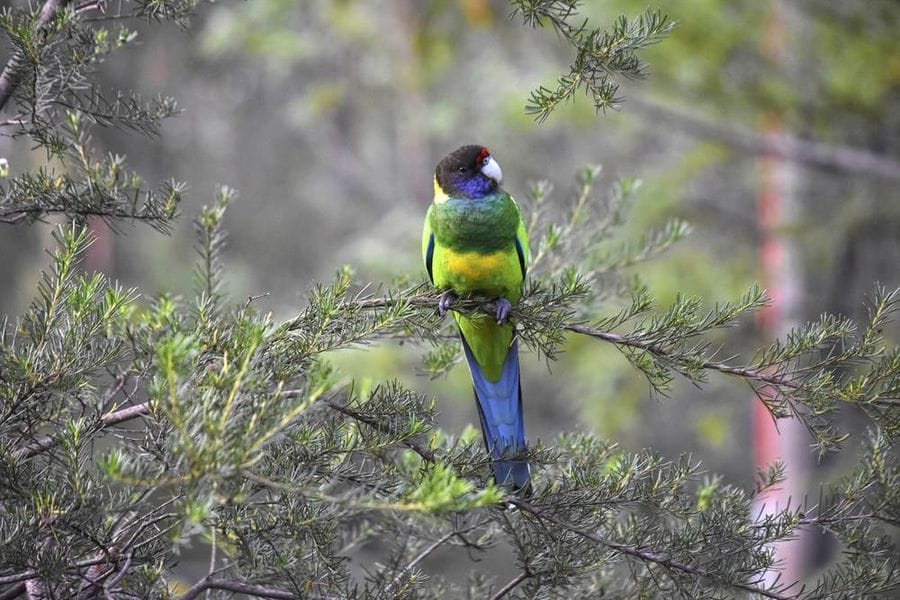
Other birds you might see on this walk include western rosellas, red-winged fairy-wrens, black-faced cuckoo-shrikes, golden whistlers, splendid fairy wrens, white-breasted robins, scarlet robins, spotted pardalotes, white-browed scrub wrens, ring-neck parrots, red-eared firetail finches, purple-crowned lorikeets and crested shrike-tits.
The beaches along this coast are home to many seabirds. Seabirds utilise the energy of the westerly gales in this area, known as the Roaring Forties. The yellow-nosed albatross and the Australasian gannet are regular visitors to these shores. These birds rely on the wind for their survival – they cannot fly low across the waves nor cover the vast distances they travel without it.
As you are walking along the Bibbulmun, you’ll see many skinks (tiny lizards) darting about all over the place. They will often freeze on the track if surprised by walkers, in the vain hope that their camouflage has worked and that you can’t see them! If they are being chased by a predator, such as a bird, they are able to drop the end part of their tail. The predator is usually happy as it gets at least something to eat. The skink can then grow a new tail.
Whales can be seen during winter & spring. Humpbacks are the most acrobatic of whales and often display breaching, spy hopping & tail slapping. They have a dark body, a dorsal fin (i.e. the one on their back), a characteristic “hump” back and rarely exceed 15m in length. From about late April to early May, they leave Antarctica to migrate northwards to their tropical calving grounds along the west and east coasts of Australia. In August, they begin heading south to their feeding grounds in Antarctica, where they feed on krill, so the first whales can be seen here from early spring. They often travel in large pods of 200 or more. They are filter feeders, straining their food from the water by hundreds of horny baleen plates hinged on their upper jaws. A humpback can eat about one tonne of food a day, so they feed where there are large concentrations of krill. Whaling of humpbacks ceased in 1963, and since then, the whale population has steadily increased. Several thousand pass this way every year.
The Southern Right whales hang around inshore for months. They are the rarest of the large whales and grow up to 17.5m long. They are easy to identify as, unlike most whales, they don’t have a dorsal fin. They move slowly, have large callosities (horny growths) on their large heads,
and are commonly seen close to shore, often looking like a floating log. They were so named because they were the “right” whale to harpoon. For a bit of trivia, they have the largest testes and penises of any living thing! Whaling of Southern Right Whales ceased officially in the 1930s, but illegal catches until about 1970 prevented their recovery until then. About 200 visit the south and west coast of Australia each year.

Darley's in Katoomba
Located in one of your options for accommodation, Lilianfels Resort and Spa, is Darley’s. Darley’s is known as the queen of the mountains for its award-winning cuisine and formal English gardens. With the choice of a five or seven-course menu, you will leave stuffed to the brim and your palate fully satisfied.
Miss Lilian Tea House in Katoomba
Authentic and casual Asian dining located in the heart of Katoomba. Miss Lilian Tea House combines the best produce in the region to create flavourful comfort foods from Asia. Steamed dumplings, beef Pho and more are available to fill your belly to satisfaction.
Silk’s Brasserie in Leura
Open seven days a week for lunch and dinner, Silk’s Brasserie in Leura. High ceilings and a checkerboard floor will have you feeling right at home without being too stuffy. Two and three-course meals are available with a wide variety of options within each course to customise them to fit your style. In addition, they have an incredible choice of wines that you may wish to try.
Eucalypt in Leura
If you are looking for finer dining with modern Australian cuisine and an extensive choice of wines, then Eucalypt is the perfect restaurant for you. An intimate setting was created to provide you with a comfortable atmosphere to indulge in a four-course or seven-course meal. This is the place to get a real taste of what Australian-style dining is all about.
Piedmont Inn in Blackheath
This is one of our favourites as your dinner is included one night at a local Italian restaurant, the Piedmont Inn, on the self-guided trips. This restaurant is a comfy and family favourite, specialising in pizza and pasta. Top it off with a delectable dessert, and you will be carb-ready for your next day's walk on your self-guided walking trip. In addition, this restaurant is BYO; as in, bring your own alcohol of choice. Located just down the way, it is the perfect evening stroll.
Thai Silk in Blackheath
If your self-guided walking holiday begins on a Monday, then the normal dining option will be closed. Therefore, dinner this night will be at a local Thai restaurant, Thai Silk. Located just down the road, turn right on Govett’s Leap Road and then right again onto Wentworth Street. Thai Silk will be located 100 metres down on the left-hand side. You will find a $30 voucher per person to spend on food and beverages; in addition, you can bring your own booze. Thai Silk has a vast menu with a plethora of choices that will leave you full and satisfied.
Echoes
Has possibly the best view of any restaurant in the Blue Mountains. Perched way above the Jamison Valley, enjoy superb food as you soak in the gorgeous views. Asian and contemporary Australian cuisine are on offer, and a vast wine list to enjoy. We eat here each day on the guided Blue Mountains Grand Traverse walk. Breakfast is particularly special as you can witness the dawn as the sun comes up over the sea from the east, lighting up the unique red escarpments this place is famous for.
Abel Tasman Lodge
Spacious guest rooms spread across an acre or so of land, with our views over the garden, make this a perfect luxurious getaway after a long day of walking. Able Tasman Lodge is run by my good friend Scott and his lovely wife Jocelyn. Scott supports the All Blacks, and surprisingly, he still has time out from watching reruns of All black games to run his excellent establishment. If Australia were as good as them, I'm not sure I'd have time to run Auswalk. Scott has a wealth of knowledge about the region and can assist with any activity you might be thinking about doing.
The trailhead of the Abel Tasman Coastal Track, one of New Zealand's Great Walks, is only 300m away from the Lodge. The beach and nature, including the outstanding birdlife, are right at your doorstep.
Awaroa Lodge
On the edge of the beautiful forest in the heart of the Abel Tasman National Park sits Awaroa Lodge. There are great views over the forest and lake from the rooms, and an intimate style of service creates an ambient atmosphere that will allow you to soak up all that this national park has to offer. The restaurant is excellent, as is the 4-star service.
Serenity Lodge
Serenity, as it is called, is a tranquil haven from the hustle and bustle of 21st-century life. With only 3 rooms, all with garden views, you aren't likely to feel crowded in. Home-cooked elaborate breakfasts are one of the real highlights. Try Lisa's homemade bread, it is simply scrumptious.
The house is located right on the edge of Abel Tasman National Park. The small village of Marahau is located in the Nelson/Tasman region on the northern tip of New Zealand's South Island. The entrance to the park is only a stone's throw away.
It is possible to catch public transport to Walpole and back out of Albany to Perth. To get to Walpole, it involves swapping buses at Donnybrook, just past Bunbury (or the train to Bunbury), about an 8-hour journey with rest stops. The bus journey from Albany to Perth is only 6 hours. It takes only 5 hours to drive from Perth to Walpole. It is easy to get back to your vehicle if you leave it in Walpole. Or conversely, it can be left at the last accommodation in Albany, ready for you when you arrive on the last day. Speak to the office about how this works. It is useful to have a vehicle if you want to hike the Stirling Ranges on the way back to Perth, or visit the excellent wineries of Denmark.
The climate in the south of Western Australia is temperate. Lots of rain in winter is to be expected.
The Bibbulmun self-guided walking holidays are available year-round. However, October through to May is a more popular time to walk. There is no one around almost all of the year so it doesn't matter when you walk from that aspect.
Please see our What To Bring section in FAQ’s for more information.
For more information, please see the Bureau of Meteorology’s information concerning average temperatures and rainfall levels throughout the year.
The terrain of the Abel Tasman walk is varied, with some reasonable ascents and descents down onto beaches and back up over small hills. There is a little bit of beach walking, but nothing to worry about, I promise. There are no long beach walks.
Almost all the tracks are well-maintained and even underfoot.
September to November is great for walking this track as this is wildflower season. Summer can be warm, but still an excellent time to walk, as you can take a dip in the running streams and the ocean. It then cools down by March. Autumn is also brilliant for walking in this area, as the days are cool and crisp, and the weather is very steady with less wind. This trip is available all year round, but in the winter months between June and August, there can be some rain, making walking more challenging.
The tracks are well defined and well enough maintained to class them as average to good. There’s a lot of walking on what walkers would call flat tracks, so the walking fitness level isn’t challenged by incline. However, as you can see, the walks are all fairly lengthy and thus you will need to be reasonably walking fit and capable of walking over 20kms a day.
It is important to come well prepared when walking the Bibbulmun Track. What to bring will be determined by how long you are going to walk on the track and whether you are going on an organised walk or not. What is outlined here is what we expect our walkers to have with them if they are doing one of our walks.
- walk notes, Bibbulmun Track map and map case
- picnic lunch packed in an insulated container (when supplied)
- quality waterproof jacket with a hood
- warm jumper or jacket
- sunhat
- sunscreen (at least 15+)
- 1 to 2 litres of water
- first aid kit
- toilet paper
- some money
- mobile phone (note that reception is not available in all walk areas)
- personal insect repellent & Band-Aids & a small container of salt mixed with rice grains
Whether or not to carry some of these items may depend on the prevailing conditions.
- waterproof overtrousers
- warm hat
- sunglasses
- camera
- binoculars
- notebook and pen
- matches
- small torch
- walking stick
As you found out if you walked the Bibbulmun track, Denmark is not only bound by the stunning crystal-blue waters of the Southern Ocean and a thick, dense endemic forest, but also, thankfully, a plethora of high-calibre cool-climate wineries. The wineries are nestled neatly in the forested area to the back of Denmark away from the track, I must say it is a pretty remarkable combination. The picturesque region of Denmark and the surrounding area’s vinous reputation is growing, thanks to its numerous excellent cellar doors. The grape varietals that are thriving across the region are the premium cool-climate classics of Riesling and Chardonnay. However, their red cabernet blends counterparts have also begun to get real traction and are almost as popular.
How to make your way around Denmark's wineries: If you’re driving, then this makes things easier getting to the wineries, but not so good coming back. It depends on how much wine you’d like to consume. If you prefer to leave the driving to someone else, there are stacks of wine tours available in the region. No matter what, driving from winery to winery alongside towering trees lining the route is just as much an experience as arriving at the wineries.
The list below is by no means complete, as wineries seem to be popping up by the month. There are more than 30 on this list; if you can get to them all, you’ve done well.
Frequently Asked Questions
Can't find what you're looking for?
We can create a custom trip tailored to your preferences.
As Featured In


-300x200.jpg)


-300x200.jpg)
-300x200.jpg)


-300x200.jpg)


-300x200.jpg)


-300x200.jpg)


-300x200.jpg)
-300x200.jpg)


-300x200.jpg)


-300x200.jpg)


-300x200.jpg)


-300x200.jpg)


-300x200.jpg)


-300x200.jpg)

,path-2+4A6B8A-0.6(jjxtEgjkhUtAvi%40),path-2+4A6B8A-0.6(ba%7BtE%7DnthUulD%7Dxy%40),path-4+385237-0.9(zdntE%7D%60ngUzBLu%40oGrIyFpDc%40xAZxBzB~A%7CK_F~%40qFbJKbIxFfFxBp%40xJdAgAqQCeH~%40cYkDw%40mAiI_%40wGQoGlCOjHWdC%3FvId%40tDyDdGhGLjEnAzExAlFhBp%40vGeBf%40yLz%40gEfAuE%5EgFyAuI%60%40yH%7CBoKgCgLsDgG%40oGs%40qCn%40_O%7CBoR~BgPL%7BD%7DGz%40cCsDoEgBeDmDoH%7BFmJiH%7BHcSWkKe%40qJUmDbDyFjF_EH_ITsKqFiPe%40sJpA%7DJgAiIvEQdBuAgAiBcAiBu%40gF),path-4+385237-0.9(x%7DjtEgc%60hUm%40sO%7CL_%5BdNuChQhA%7CSmJDu_%40jIka%40%60MwYzGuNxGoKpIFhNoDlQiD~AqTaKqVfCe%5B~EoHJaOcSuZ%7DImShEmO%7CDcZFyVeAaFu%40iO%7BL%7BGaH%7D%40eC%5ClH%60CxBaBjCkL~DeXFmByPgDqT%7BVpPa%40nQ%7DDpRqDxP_DlM%7CQlDrAxLqNjOpH%60FrBxO~d%40jGh_%40hP%7CLfNxCbGoAjSCzLdApKY%60Kl%40lCcC%60Eg%40%60CjSk%40%60KlHRyDpIzA%60CnBhDhC%7CB~%40fFhF_ApHkAxAkI~C%40xH%7CNdQe%40),path-4+385237-0.9(%60mxtEo_jhU%7CHbNjAfL~EjMzBnOxDfI%7CBnN%7DCdKnBxItAbLh%40%7CR%60F~OhHjRvGvJnCnAz%40rAeA%7DA%7BBtFfAhCpDg%40f%40mPkCsIz%40wGSeKb%40sGdEnC%60FIjG%3FpFeFvFk%40hEoCf%40%7BSa%40eMbAwHcHkLdA_UfAeQ_BcSwGao%40aGof%40x%40uWPqGy%40%7BGdEmEjCwClCgIOaZfHaBlEyVpGmYbN%60IrOf_%40hFwPzAuGlFqCdC~BlEu_%40BqLHqLjE_RlHuHfHkHgBiNgIqEwXfDgLnBmD%7DMgHyJcLkBop%40vC),path-4+385237-0.9(lsutE%7BhojUvYqK%7D%40oEaDiEqCeJ%7BCcGSiEViFxDj%40%7CB%7B%40cCgLBuFrDqEfAwBFsBtCa%40nAiFz%40iFxD%7DKhBiGwGcT_LmWcI%7DHZqJzAmClD%7BBpA%7DHyAaMbHsS%3FuEyCuGtN_CtDkAfBsCbA%7BJCaHcAwFhAoJ%60B%7BF%60CwGxB%7BMzCoEsCqL%7DFwBcJ%7DXuPyDya%40qPaJaMaHcLiEsCkEPeHmB%7DGrCoAgEoAeFaAaKW_IoEwGcDyEgCeAeCcKp%40mKgCwIKsMdAqF%60DiAnBgGpAcIpCkLiFuk%40),url-https%3A%2F%2Fmedia.stroll.com%2Fmarkers%2Fday-2%402x.png(116.740912,-34.990629),url-https%3A%2F%2Fmedia.stroll.com%2Fmarkers%2Fday-3%402x.png(116.90512,-34.97374),url-https%3A%2F%2Fmedia.stroll.com%2Fmarkers%2Fday-4%402x.png(116.865448,-35.045229),url-https%3A%2F%2Fmedia.stroll.com%2Fmarkers%2Fday-5%402x.png(117.276767,-35.021906),url-https%3A%2F%2Fmedia.stroll.com%2Fmarkers%2Fstart-circle%402x.png(116.731185,-34.975659),url-https%3A%2F%2Fmedia.stroll.com%2Fmarkers%2Ffinish%402x.png(117.331723,-35.000866)/auto/400x540@2x?padding=70&attribution=false&logo=false&access_token=pk.eyJ1Ijoic3Ryb2xsLWFkbWluIiwiYSI6ImNtbW14dGx3bDAxNDkycnNqbnB5MjlkazQifQ.geIr0w_qJcgYgx_w1sFlKg)