Tips, tricks, and trail insights - everything you need to know about multi-day walks in Australia.
30+ Years Experience
Pack-Free Walking
Flexible Itineraries
Comfortable Stays
4.9/5reviews on
Overview
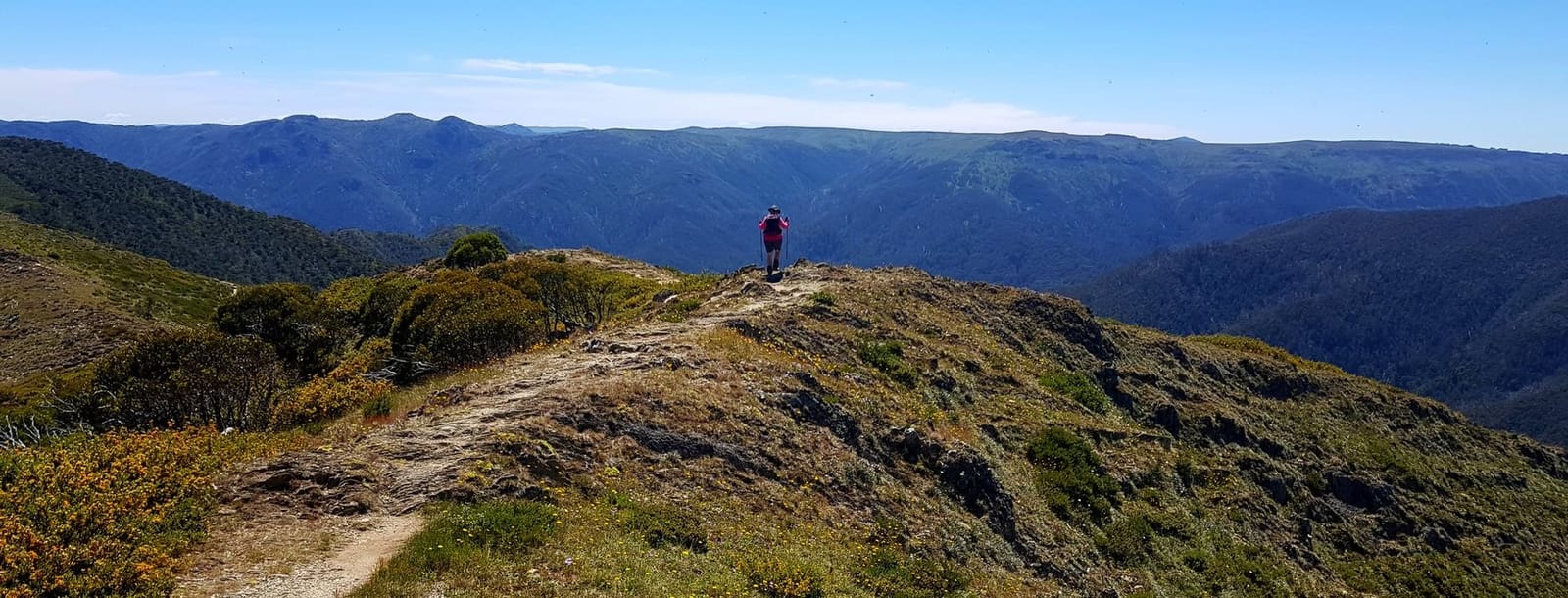
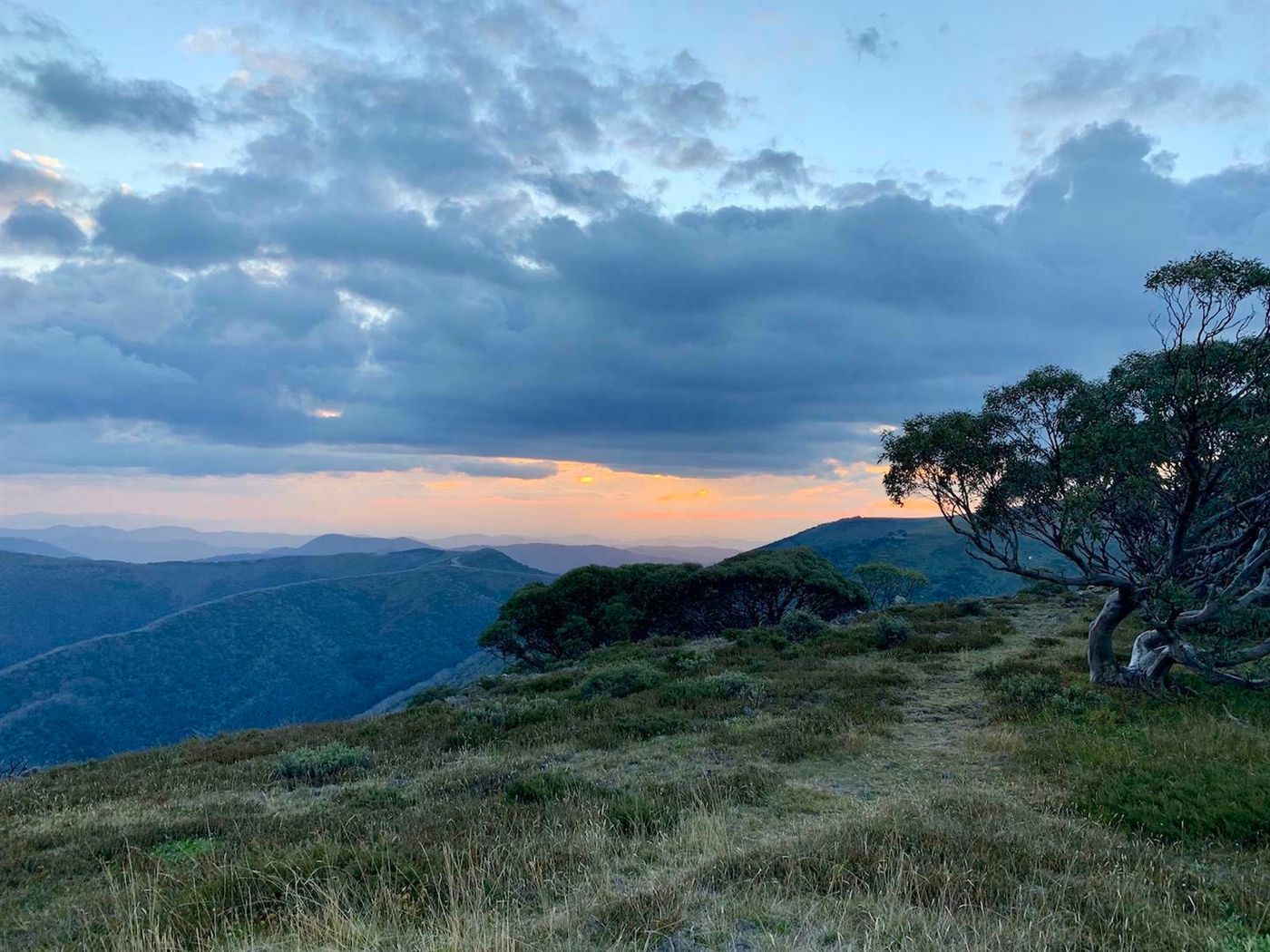
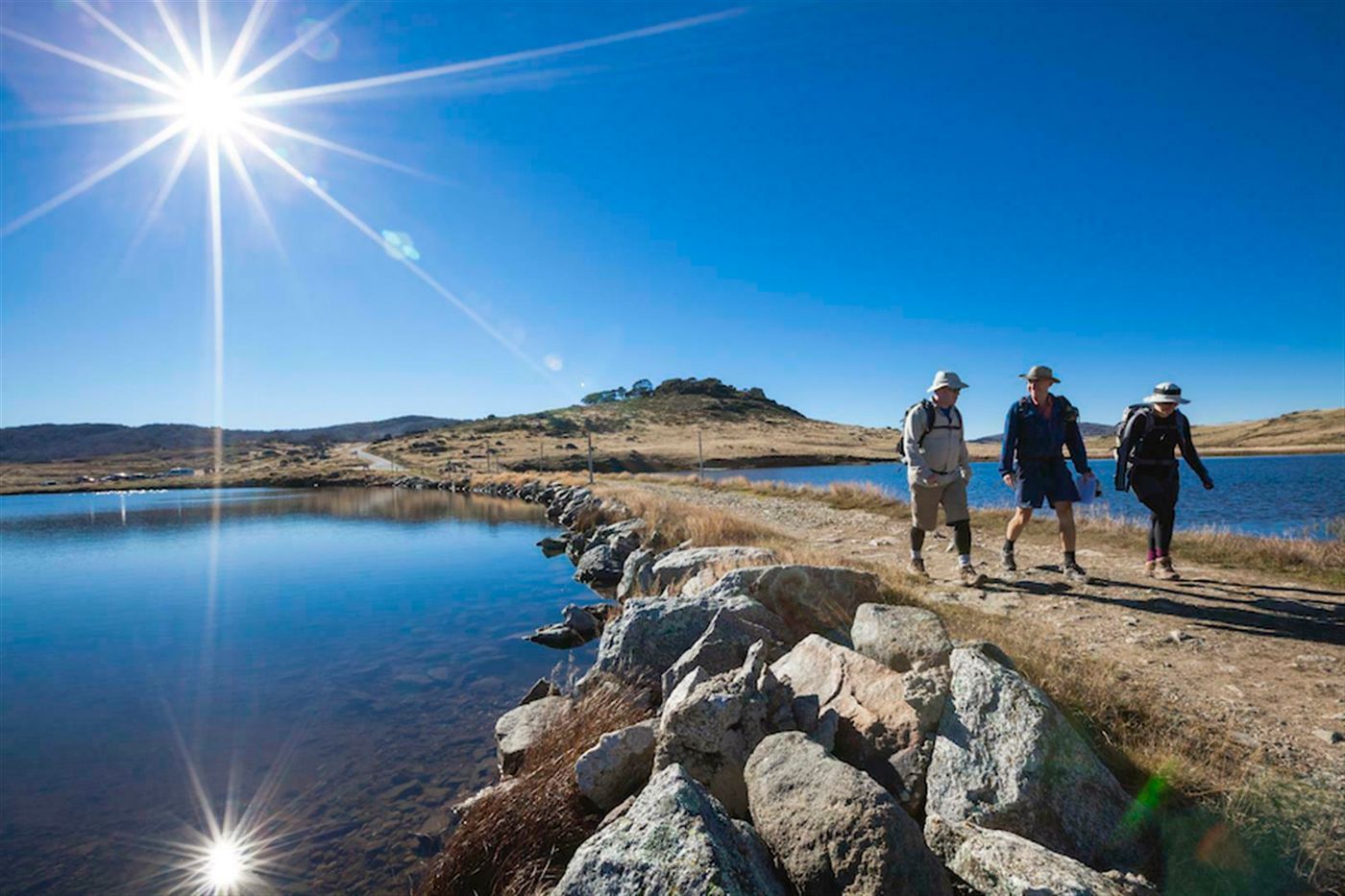
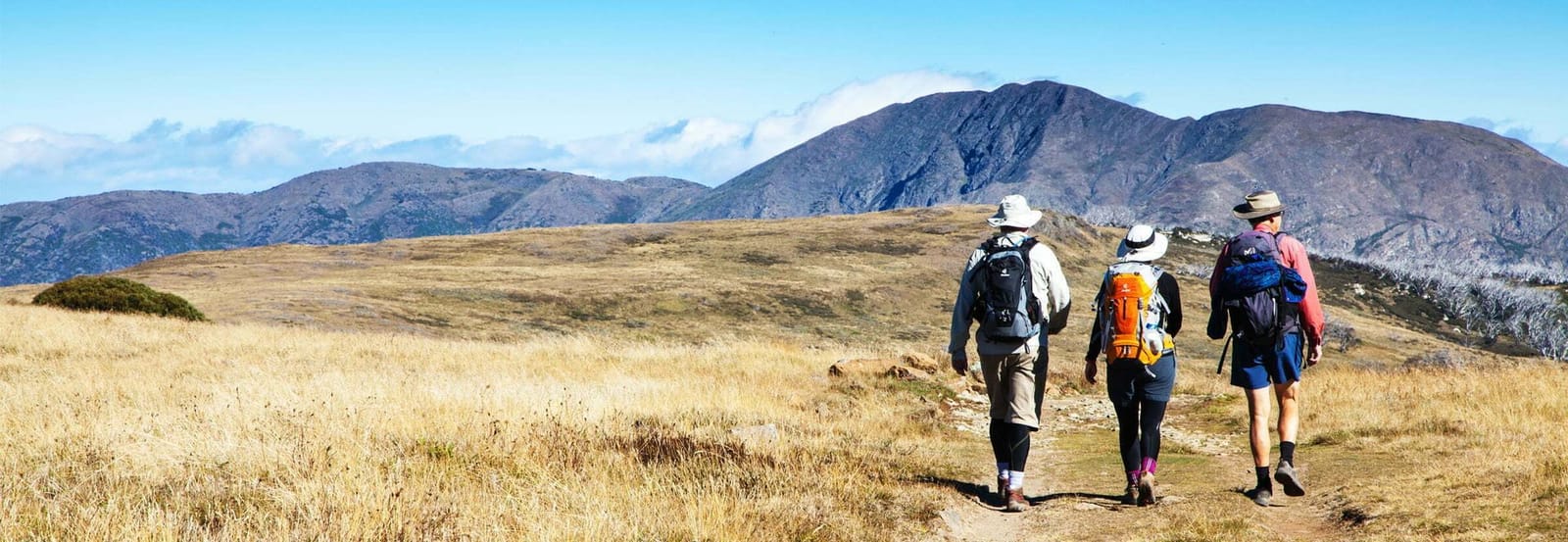
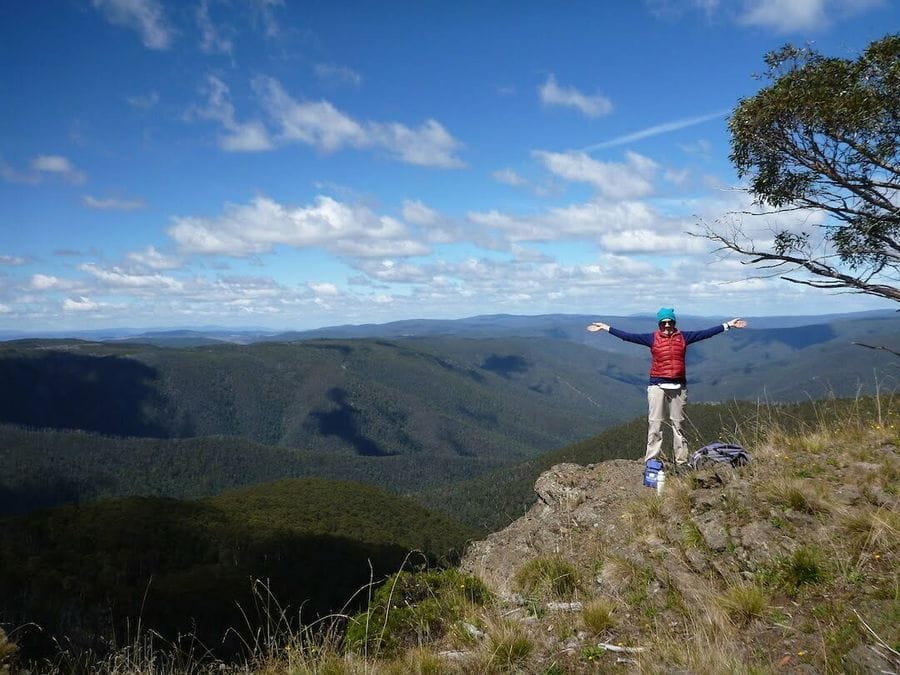
The Victorian Alps offer a side of Australia that many walkers never discover, and the Great Alpine Walk traverses some of its finest country. The route follows sections of the 700-kilometre Alpine Walking Track through a striking diversity of landscapes: alpine forests, snowgrass plains, precipitous ridges and vast high plains that stretch to the horizon.
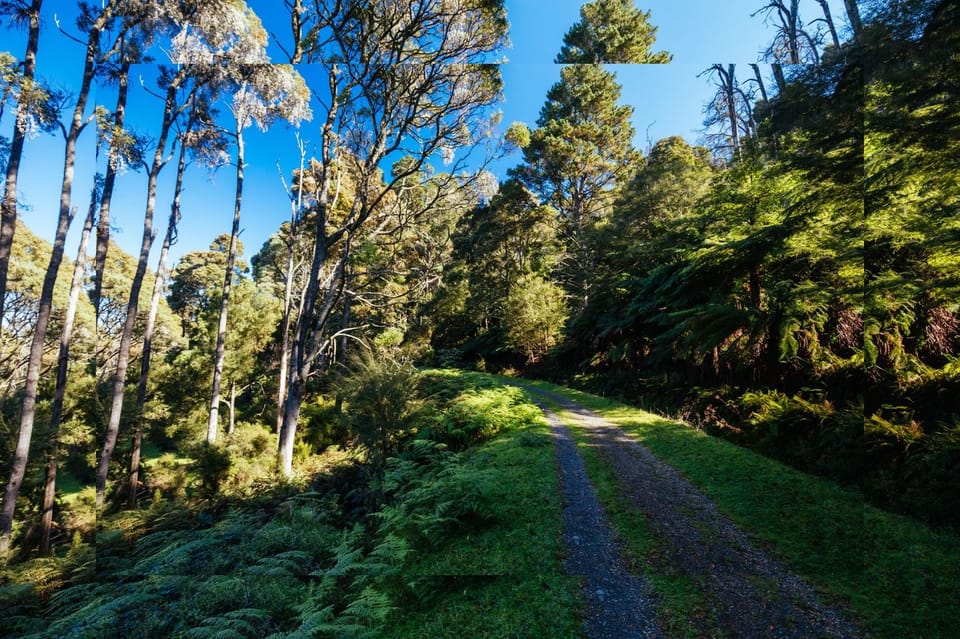
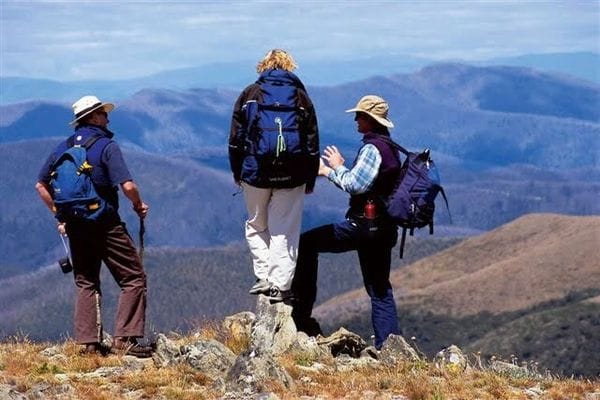
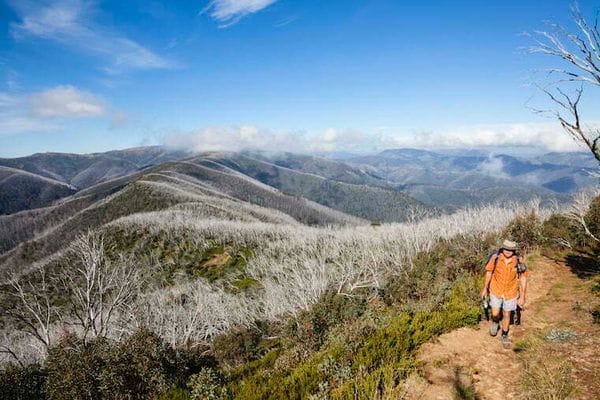
The standout walk is the Razorback Ridge to Mt Feathertop, the second-highest peak in Victoria, where panoramic views across the Alps and surrounding plains reward every step of the climb. The trek from Falls Creek to Mt Hotham via the Cobungra Valley, Derrick Hut and Dibbins Hut is one of the finest alpine walks in the country, combining remote high country with a genuine sense of accomplishment. The descent through stunning Mountain Ash forest to Harrietville brings the journey to a fitting close.
Few places in Australia pack as much natural beauty into a single walk, and on the Great Alpine Walk, the stresses of everyday life are quickly left behind.
Walk a dramatic linear route through the Victorian Alps from one alpine village to the next
Experience the Australian high country's vast and remote landscapes, rarely visited outside of ski season
Pass through historic cattlemen's country with high plains huts and stories of the mountain tradition
Wellness
The Great Alpine Walk suits walkers seeking genuine mountain terrain, solitude, and the satisfaction of a rewardning day's walking
The cattlemen's huts and the stories of the high country are preserved in the landscape and interpreted on the trail
Clear mountain air, expansive views, and the silence of the Victorian Alps are the walk's great daily rewards
Nature
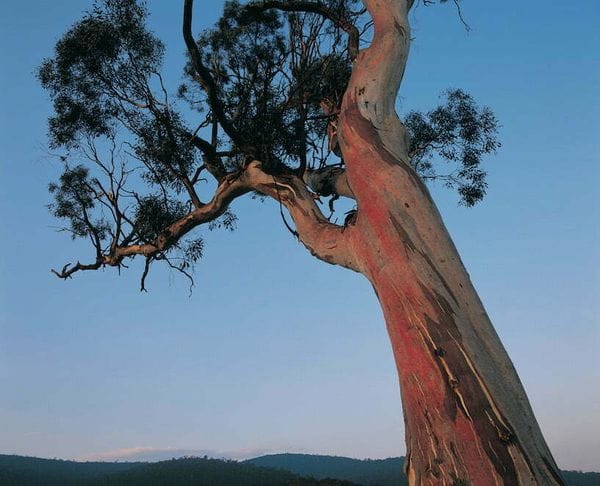
Snow gum woodlands, wildflower-carpeted alpine meadows, and granite tors across the Victorian Alps
Native wildlife including wombats, lyrebirds, and wedge-tailed eagles throughout the high country
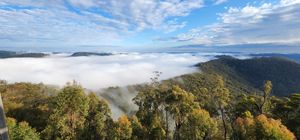
The Razorback Ridge's exposed walking above the clouds, with the Kiewa Valley far below, is extraordinary
Coming soon
Local recommendations are coming soon.
Great Alpine Walk reviews
4.9
32 reviews
5 Star
30
4 Star
2
3 Star
0
2 Star
0
1 Star
0
LS
Leonie S
January 2026
Guides - Georgina & Jim were amazing and incredible. They were both very professional, friendly & knowledgeable of the area & history. No task was an issue. They encouraged people or came up with changes/ideas due to the weather (mist, fog, strong winds, fire haze and crazy weather).
Jim would be a main asset to Auswalk for guided tours. For his 1st Auswalk guided adventure. 5 out of 5.
LO
Lysia O
January 2026
Have recently walked with Auswalk in the Victorian Alpine area, it was excellent and I can highly recommend it, but pack a fly-net in summer!
RS
Rhonda S
January 2026
Just back from an incredible guided 7 day Great Alpine Walk over the new year 2026. It was a fantastic trip, challenging at times, but incredibly rewarding. Great accommodation and food. Our guides Georgina and Marcus were incredible, well organized and brought a wealth of experience and knowledge to our experience. Would l recommend AUSWALK walking holidays? Most definitely .
LH
Laura H
January 2026
Everything about the trip exceeded my expectations - organisation, communication, accommodation, meals, the guides. I felt very well looked after the whole time and could focus on getting out there and enjoying some absolutely stunning walks in the High Country. Georgie and Marcus are professional and fun-loving and worked so hard to ensure that we all had a good time. I especially appreciated the fruit and cold drinks at the bus at the end of each walk, the 'blister clinic' they opened early each morning, and the alternatives offered if we weren't up to doing the full walk.
RS
Rhonda Stephens
January 2026
Just back from an incredible guided walk with AUSWALK. Great Alpine Walk - 7 days. 28th Dec 2025 - 3rd Jan 2026
It was a great trip - challenging at times, but incredibly rewarding.
The accommodation and food was simply outstanding.
Our guides Georgina and Marcus were incredible - well organised, highly professional, and bringing a real wealth of knowledge to the experience. They were wonderfully encouraging and supportive helping us achieve our walks on the trail.
One tip for future walkers: follow the AUSWALK fitness training guide to get the most out of your time on the trail. It truly sets you up for a great experience.
Thanks again, AUSWALK
Happy Hiker
Rhonda ??
CM
Catherine M
January 2025
The guides were wonderful and very supportive of us that were not as fit as we could have been and also walkers who were not fully prepared. Worked well together despite working hard.
The accommodation was great as was the food. Group tours are a wonderful way to see the world as a solo you get some me time and meet lots of like minded people.
TM
Tania M
January 2025
Auswalk provided a great experience. I'd definitely recommend Auswalk generally and the Victorian Alps walks in particular.
SP
Susan P
January 2025
Our trip went very well. Sense of achievement in doing the longest walks on this trip to Mt Feathertop and the Falls to Hotham hike
MM
Margaret M
January 2025
It was difficult at times due to the flies but the company, guides and organisation was excellent. Everything was highly organised the guides were honest in the difficulty of certain walks, including how much water was required and what rating each walk was so much so that I chose to complete an easier walk on to occasions despite being an experienced walker. Some people on the group thought they were more capable than they were and didn’t carry enough water despite being told on many occasions that 2-3 litres was required. The guides were friendly, knowledgeable and accommodating at all times. Thank you Bec and Georgia.
MM
Margaret M
January 2025
It was difficult at times due to the flies but the company and organisation was excellent. Everything was highly organized.
RH
Rob H
July 2022
We loved this walk. The high plains were exceptional and to see Brumbies in the wild was a treat. Going to the huts and through the varied terrain was special. The walking notes were very clear and easy to follow. Overall the walk exceeded expectations
NG
Nathan G
July 2022
The General was a fantastic venue with excellent accommodation. Falls Creek accomm great also (small rooms with huge bed) - food was very good. Was most enjoyable to experience the varied environment, terrain and weather in a beautiful part of the country whilst hiking with dear friends. Thanks.
CW
Christine W
July 2022
An amazing adventure from beginning to end. We were blessed with magnificent weather & the wildflowers were at their best as we traversed different sections of the Victorian highlands. Our walking notes were easily understood & at no time felt out of our depth, except maybe day 2, when we huffed & puffed to the top of the spur that would eventually lead us to Mount Hotham. Perfect accommodation & brilliant food & friendly service by Nelse Lodge Falls Creek set us up for the start of our trek. The General at Mount Hotham again perfect apartment, friendly & helpful staff, plus the Harrietville Hotel/Motel, we can’t say enough for these high country establishments. Very grateful to Auswalk for creating this fabulous adventure in nature including the best country hospitality one could ask for.
JW
Janie W
July 2022
Our favourite day was the 5th along Razorback Ridge which was a real challenge, past the "Ancient Snowgum", Federation Hut, down a long though not unpleasant 8.5km descent, and ending up at the absolutely gorgeous town of Harrietville where we stayed for our final night in the luxury of Shady Brook Cottage. Truly a memorable trip and I'm glad we have our lovely photos to remind ourselves of the great time.
SM
Sue M
July 2022
The organisation of this walk was excellent, the accommodation comfortable and the meals very good (especially Diana Lodge at Falls Creek). The walk notes were accurate and easy to follow, but tended to underestimate the time needed, the degree of up and down, and the difficulty level.
SB
Simon B
July 2022
The Great Alpine Walk was very well organized. Excellent hosts and meals, and very good walking - some of which would have not been easily possible without the transfers provided. We have walked with Auswalk before and we were not disappointed with the arrangements or walking this time either.
PR
Paul R
February 2021
Overall we really enjoyed the walk and will consider other Auswalk itineraries. Notes were generally excellent. Meals and packed lunches were very good. All providers were very friendly and helpful, even when disorganised. Standout was Lisa at Diana Lodge - fantastic service. Thank you
RF
Roger F
February 2021
What a fabulous trip - amazing hiking country and the alpine flowers in bloom made it stunningly pretty! We loved visiting the old cattlemen huts along the way and learning about the gold mining history of the region. All the accommodation and transport arrangements worked smoothly and we didn’t have to worry about a thing! Great standard of accommodation and food along the way and the local Auswalk contacts were so friendly, helpful, and supportive and very flexible to ensure our needs were met! Their local knowledge was invaluable. We felt very well looked after! Would definitely recommend this walk!
PP
Peter P
February 2021
Great Alpine Walk. My wife and I, in our late 60s, did this walk January 2021. It was awesome from all perspectives. Each day’s walking was interesting and varied, and there was a good mix of moderate as well as quite challenging walking. The accommodation and selection of hosts to look after us was first class and a real highlight of the experience.
Lots of organising goes into supporting such a walk, and Auswalk made it all happen very smoothly. We were impressed by the quality of guidance material and learned a lot about the natural and human history of the region.
For anyone looking for a great alternative to the usual “overseas” walking experiences, this is right up there as a “must do”. Our only question to ourselves was, “why hadn’t we done this before?”
DM
Dan M
November 2020
This is a great walk, incorporating the Alpine areas in NE Victoria. None of the walk was affected by the recent bushfires in the area. Accommodation options are excellent, allowing for outback walking but comfortable accommodation and excellent meals. Don
ID
Ian D
November 2020
Once again Auswalk provided us with a great experience, both in terms of the walks and the accommodation and our hosts. A big thanks to the Auswalk team who rearranged our walks to meet our changed circumstances. We enjoyed the walks and they were the right length and difficulty for us. Accommodation and meals were great and it was enjoyable to sit around chatting with our hosts and learning more about the Victorian alpine region. This was our second walk with Auswalk and we can highly recommend them.
PF
Peter F
January 2019
This was my fourth AUSWALK experience and I have just booked my fifth! Threaded through all the past walks, including the one just completed, is a consistency to the commitment to quality, from pre notes, details, meals, accommodation, walking options, nightly briefings, guides and my trekking companions
Invariably the accommodation has character, often with a communal lounge, where I will always be found in the evening with a book and a quiet Bundy Rum and Coke.
This particular week had a character test for us all. In the middle of nowhere one of my fellow walkers has an unfortunate small trip/fall, which resulted in a most debilitating arm injury. Our guides Marie and Paul displayed much leadership in the situation, including the use of the emergency satellite phones that they carried. Much care and leadership was also shown by my trekking colleagues. Within a few hours a dozen or so SES and paramedic staff had trekked in to assist or were on hand – this community assistance makes me so proud of Australia
NG
Ness G
January 2018
This is an excellent trip with stunning scenery and challenging walks. Our guides were excellent, and the accommodation was good.
BE
Bruce E
January 2018
My wife and I just completed the guided version of this tour with 14 other walkers and two wonderful guides, Paul and Marie Killeen. This is a sometimes-challenging week of walks suitable for the avid hiker, with mostly-full days exploring some long (and occasionally steep) stretches of Victoria's beautiful high country. Easy options accommodate those walkers who need a break from the harder stretches. We are repeat Auswalks walkers for a reason: consistently outstanding experiences. A fantastic package, delivered with passion and personal attention by guides who clearly love their work and connecting with their clients.
LE
Liz E
April 2017
In mid March, my husband and I walked the Great Alpine Walk in Victoria's High Country. This inn-to-inn walk saw us stay at the Diane Alpine Lodge at Falls Creek, an apartment at Hotham and Dinner Plain and a cute BnB in Harrietville. All of the accomodation, meals, track notes and hosts were fabulous. The walk was strenuous in some parts, but amazing. We saw wil brumbies on day three. Auswalks is a great organisation to walk with.
JH
Judy H
January 2017
I recently did this walk with a small group of five plus two guides. Our guides, Marie and Paul did a fantastic job and really went out of their way to ensure we all had a positive experience as well as having options available which suited our abilitiy and needs at all times. The countryside was glorious and all in all I thoroughly enjoyed the experience and was disappointed when it was over.
R
Rolando64
December 2016
7 day walk of Victorian Alps Australia. Organised by Auswalks. Accommodation, Food, Local Transport of self's and lugage all exceptional!
DJ
Dixon J
March 2016
The Great Alpine Walk by Auswalks traverses spectacular country in the Victorian Alps. Every phase of the organisation of the walk by Auswalks was faultless. The booking staff were always friendly and helpful, even when we changed our plan midway to skip our rest day. The accommodation and hosts were fantastic in the Alpine region. It was just so relaxing to walk at our own pace with all the details taken care of and fantastic notes to guide us along the way.
JH
Jess H
March 2016
My mum, sister and I did the self guided Great Alpine Walk just before Easter. The walk is a selection of stunning tracks across the Vic Alps. Aside from the walk being brilliant - Aus walks were amazing to deal with. Everything, at every stage was managed expertly. Booking the trip was painless. The accommodation and hosts were delightful. The food was excellent (not 'basic' as it was sometimes described in the notes, perhaps 'rustic' is a better term!). Can recommend highly enough!
JM
Julie M
January 2015
We have have just completed 7 days in the Victorian Alps with Auswalk. Our first Auswalk experience; interestingly 11 out of 14 participants were returning clients. A superb week of scenic walks. Ratings would be 10 out of 10 all round. Our guides Marie & Lisa were friendly, helpful, knowledgeable and worked so well together. We had confidence in their outdoor skills, their driving and all round management. Accommodation and meals were excellent. We look forward to more Auswalks in the future. Excellent value for money. A huge thank you Marie & Lisa and Auswalk for a very memorable week. We were lucky to also have very congenial walking companions and good weather. Brian & Julie Moore. Brisbane.
I
Intellek693
August 2014
Completed the tour in the last exit before the winter season. Very good route and accommodation was excellent with very good hosts.
Variable terrain from day to day - and wild brumbies rambling on the Bogong Plain.
G
geoffe703
May 201
Great walk. A little tough in places for 71 year olds (Swindler's Spur). The organisation (taxi, transfer of luggage, accommodation, dinners, lunches etc) were all excellent with very friendly and attentive staff.
Would recommend Auswalk to anyone contemplating a hassle free adventure.
More About This Destination
The climate in the south of Victoria is temperate. However, this is a high snow country, so please be aware that the weather can change quickly to very cold.
The Victorian Alps self-guided and guided walking holidays are available from December to April.
Please see our What To Bring section in FAQ’s for more information.
For more information, please see the Bureau of Meteorology’s information concerning average temperatures and rainfall levels throughout the year.
September to November is great for walking this track as this is wildflower season. Summer can be warm, but still an excellent time to walk, as you can take a dip in the ocean or at the hot springs. It then cools down by March. Autumn is also brilliant for walking in this area, as the days are cool and crisp, and the weather is very steady with less wind. This trip is available all year round, but in the winter months between June and August, there can be some rain, making walking more challenging.
The tracks are well are in good condition and well maintained, so we would class them as quite good. There is limited walking on beaches, but all the rest of the tracks are flat and very solid underfoot. Your walking fitness level will not be challenged by an incline. However, as you can see, the walks are all reasonably lengthy and thus you will need to be reasonably walking fit and capable of walking over 21kms a day.
It is important to come prepared for walking the Mornington Peninsula walk. We believe that what you need to bring is determined always by how long you intend to walk on the track, what time of year you are walking and whether you are going to stick around to enjoy the peninsula after the walk. What is outlined here is what we expect our walkers to have with them if they are doing one of our walks.
walk notes, map and map case
picnic lunch packed in an insulated container (when supplied)
quality waterproof jacket with a hood
warm jumper or jacket
sunhat
sunscreen (at least 15+)
1 to 2 litres of water
first aid kit
toilet paper
some money
mobile phone (note that reception is not available in all walk areas)
personal insect repellent & Band-Aids & a small container of salt mixed with rice grains
Whether or not to carry some of these items may depend on the prevailing conditions.
waterproof overtrousers
warm hat
sunglasses
camera
binoculars
notebook and pen
matches
small torch
walking stick
Frequently Asked Questions
A good level of fitness is recommended. The terrain is well-maintained alpine trail with significant daily distances — you should be comfortable covering longer distances on consecutive days. The elevation and mountain environment add to the physical demand, so building endurance before departure is worthwhile.
Despite being a summer walk, alpine conditions can change rapidly — a quality waterproof jacket, warm layers, and sun protection are all essential. Broken-in hiking footwear with good ankle support is a must. Note that mobile coverage can be patchy in some areas of the park.
Yes, and it's a condition of booking. Your policy should cover injury, cancellation, and loss of luggage.
Can't find what you're looking for?
We can create a custom trip tailored to your preferences.
As Featured In
Trip added to your saved list. Find your saved trips anytime using the in the header.



-300x200.jpg)
-300x200.jpg)
-300x200.jpg)
-300x200.jpg)

-300x200.jpg)

-300x200.jpg)
-300x200.jpg)
-300x200.jpg)
-300x200.jpg)
-300x200.jpg)


-300x200.jpg)
-300x200.jpg)
-300x200.jpg)
-1920x1280.jpg)
-1400x933.jpg)








-300x200.jpg)
-1920x1280.jpg)
-300x200.jpg)
-1920x1280.jpg)
-300x200.jpg)
-1920x1280.jpg)