


-300x200.jpg)
-300x200.jpg)
-300x200.jpg)
-300x200.jpg)

-300x200.jpg)
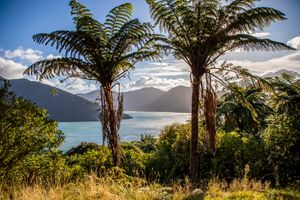
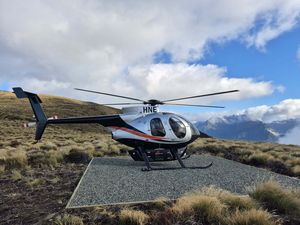

-300x200.jpg)
-300x200.jpg)
-300x200.jpg)
-300x200.jpg)
-300x200.jpg)

-300x200.jpg)
-300x200.jpg)
-300x200.jpg)
-1400x933.jpg)


Elizabeth D
March 2026
Everything about the tour was amazing from the guides to the hotels the food to the walks & also the other walkers. The guides were so good - our main guide Michelle was so knowledgeable & also friendly.
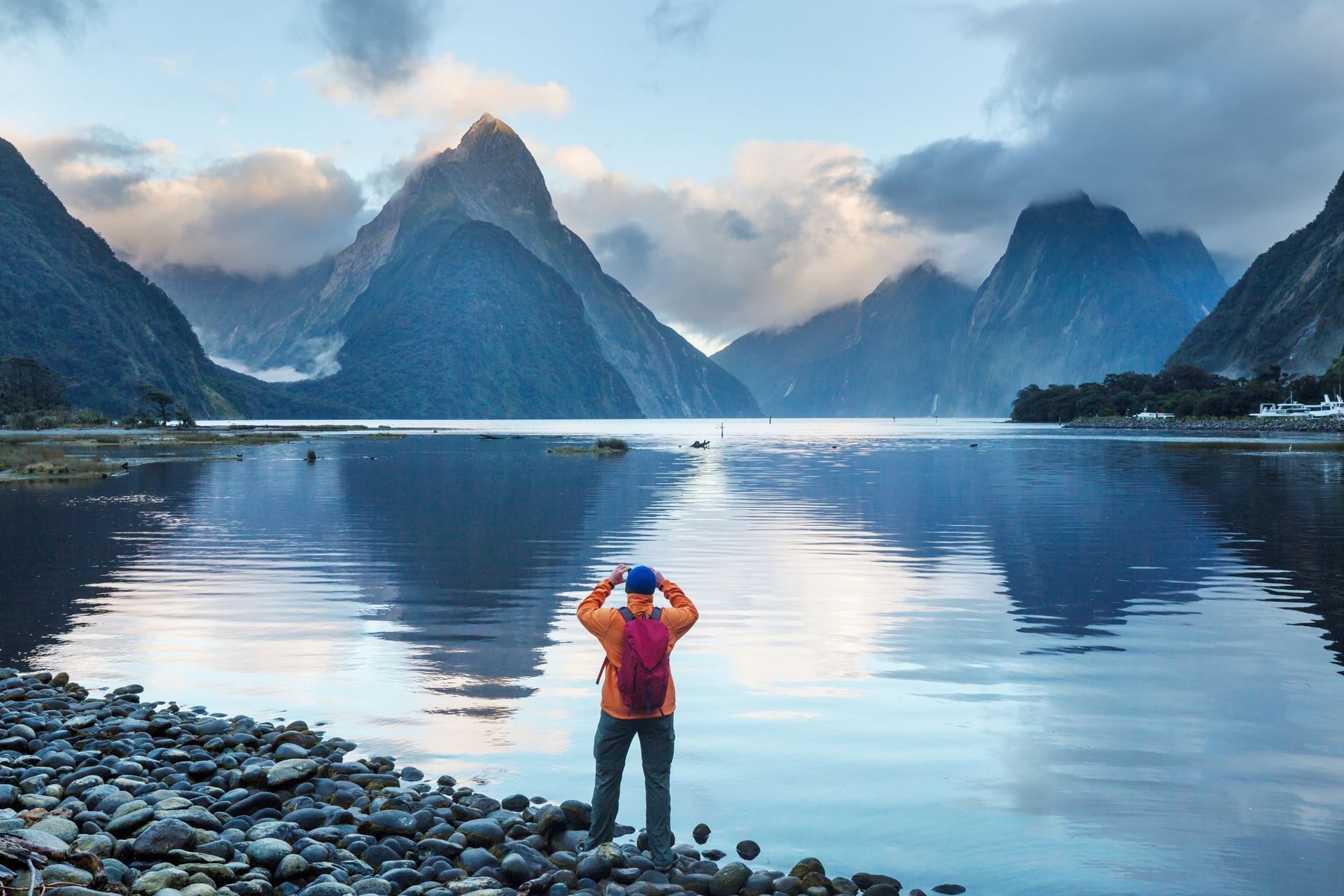
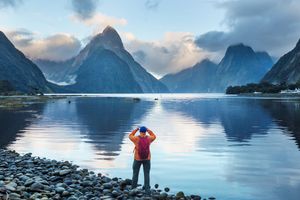
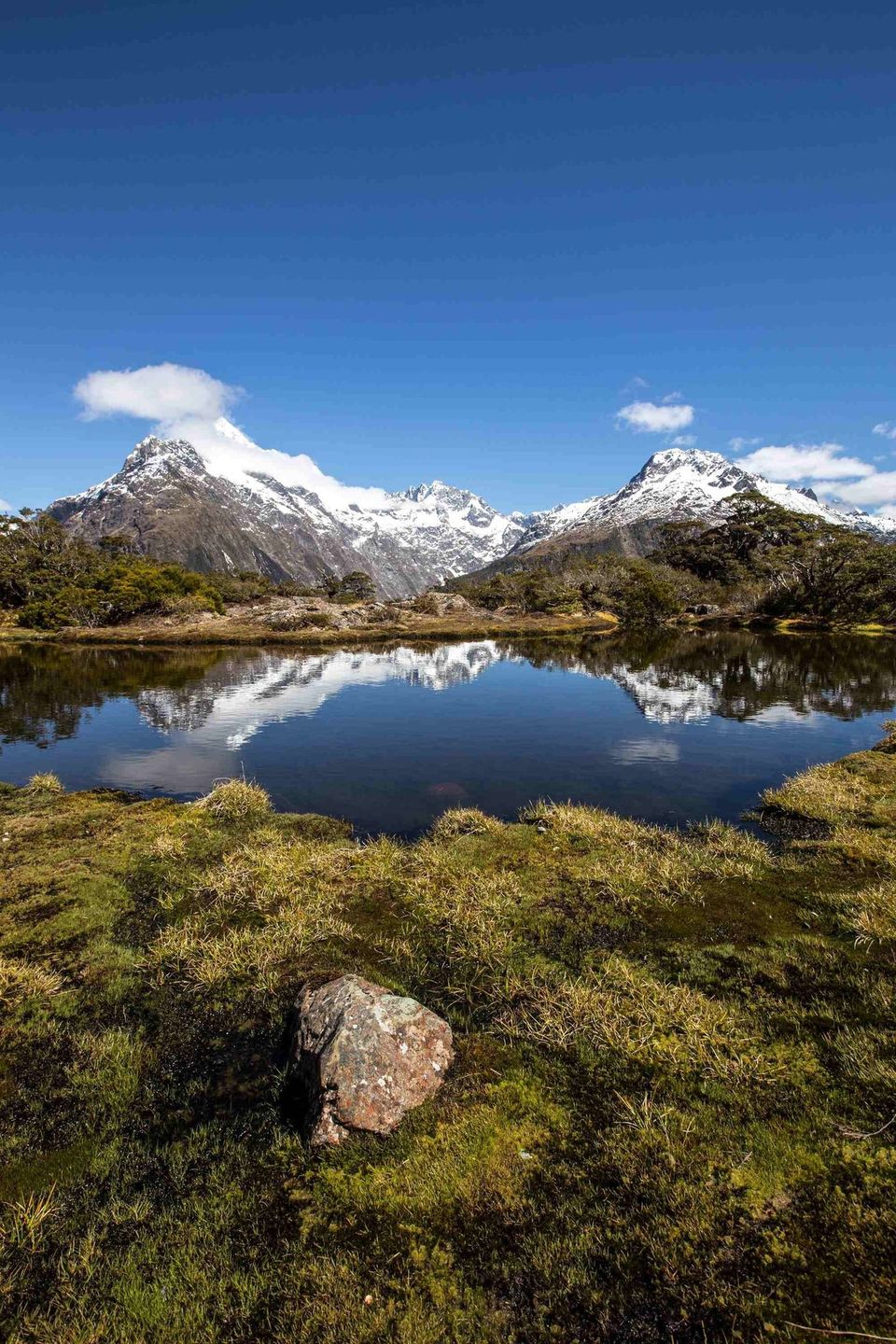
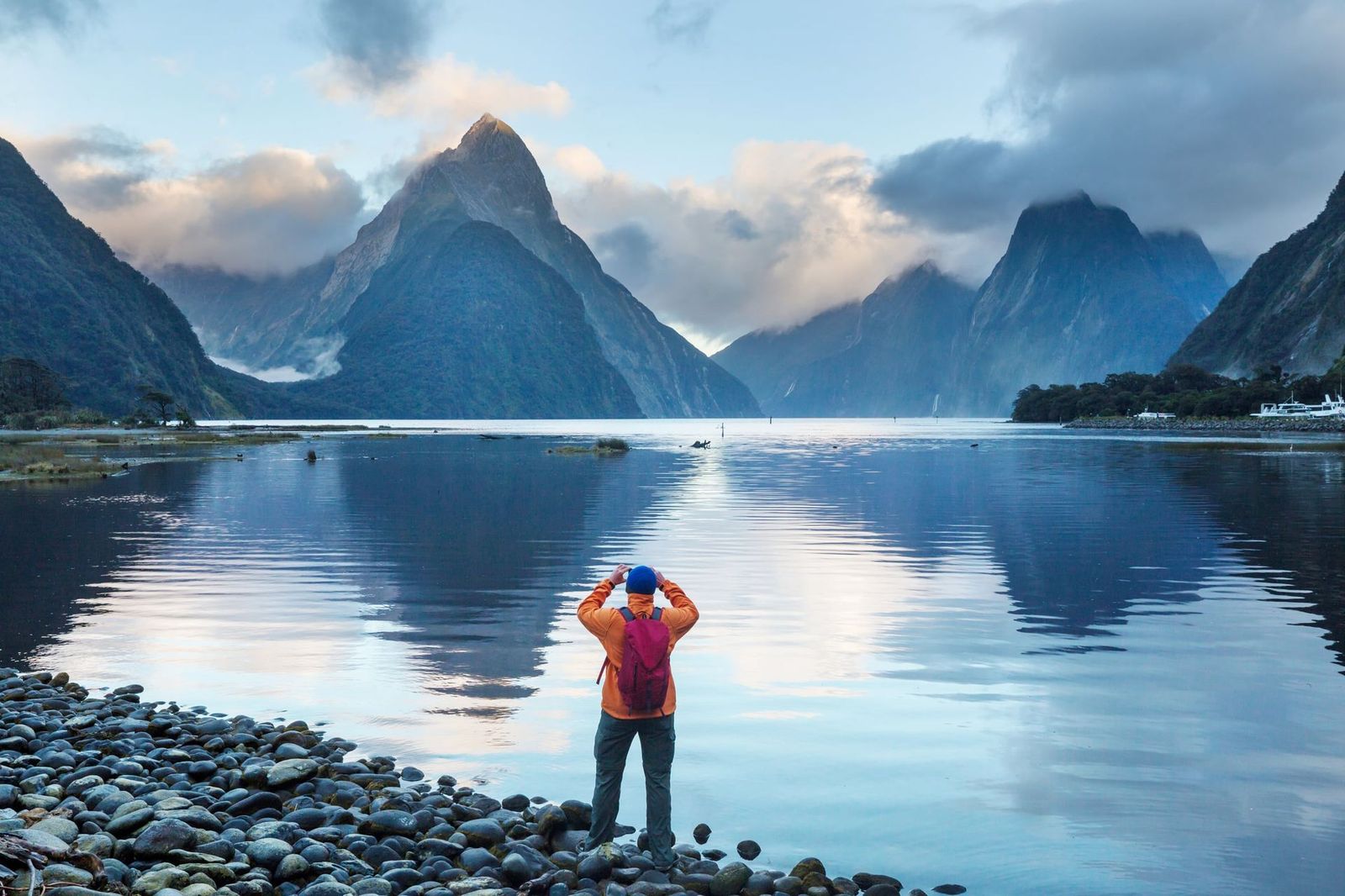
Fiordland is New Zealand walking at its most dramatic. This remote corner of the South Island contains some of the most celebrated trails in the world, and the experience takes in all four of the region's great tracks in a single unforgettable journey.
The Milford Track is the jewel, winding through ancient rainforest past the thundering Sutherland Falls to the shores of Milford Sound. The Routeburn links two national parks across high alpine terrain, with panoramic ridge walks and views that are difficult to match anywhere in the world. The Hollyford offers something different again, a year-round accessible track that descends from towering mountains all the way to the wild Tasman coast. The Kepler rounds out the four, looping through beech forest, alpine meadows and glacier-carved valleys.
Together they cover the full spectrum of Fiordland's extraordinary landscape, from its peaks and passes to its forests, fiords and ocean edge.
A closer look at Fiordland
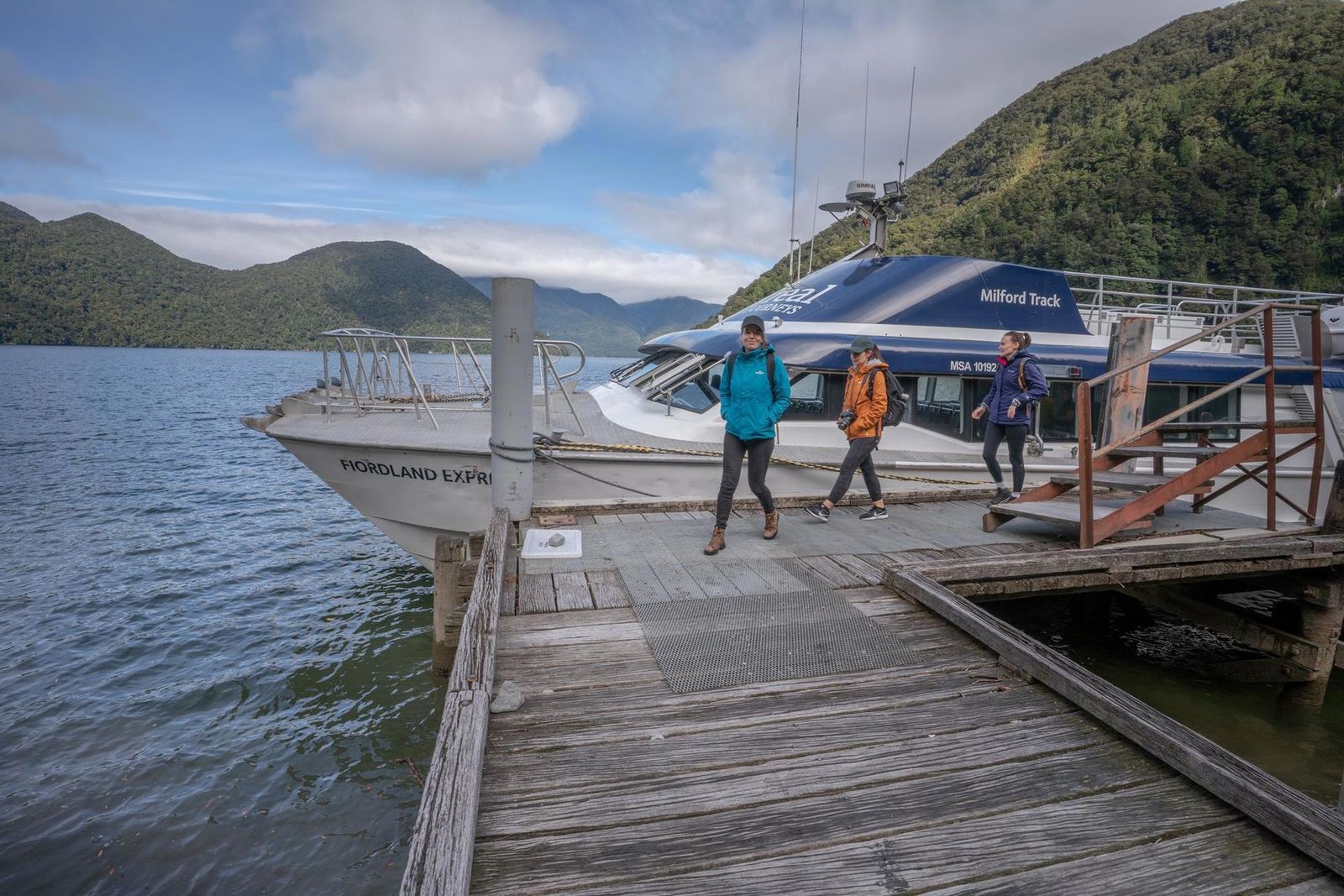
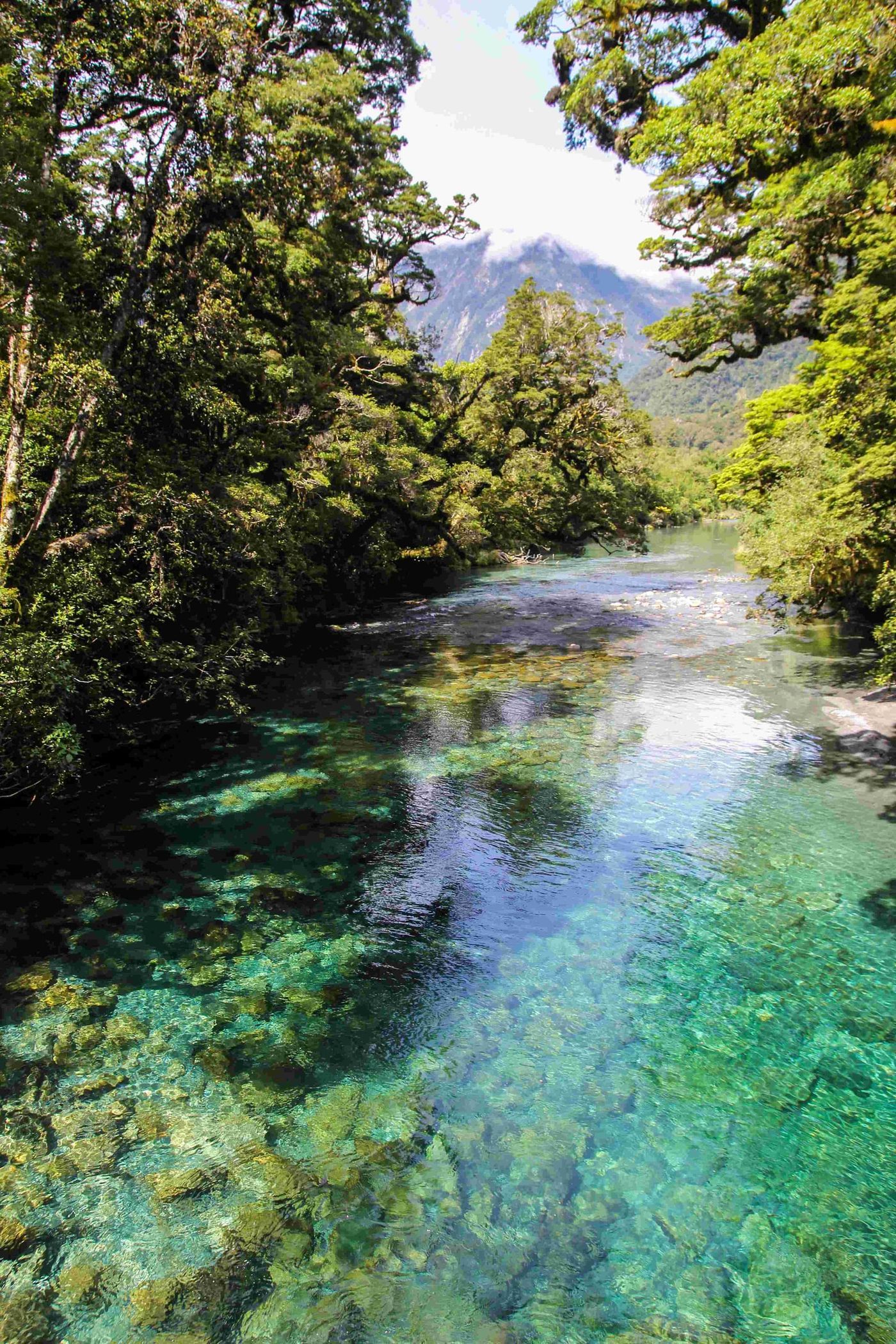
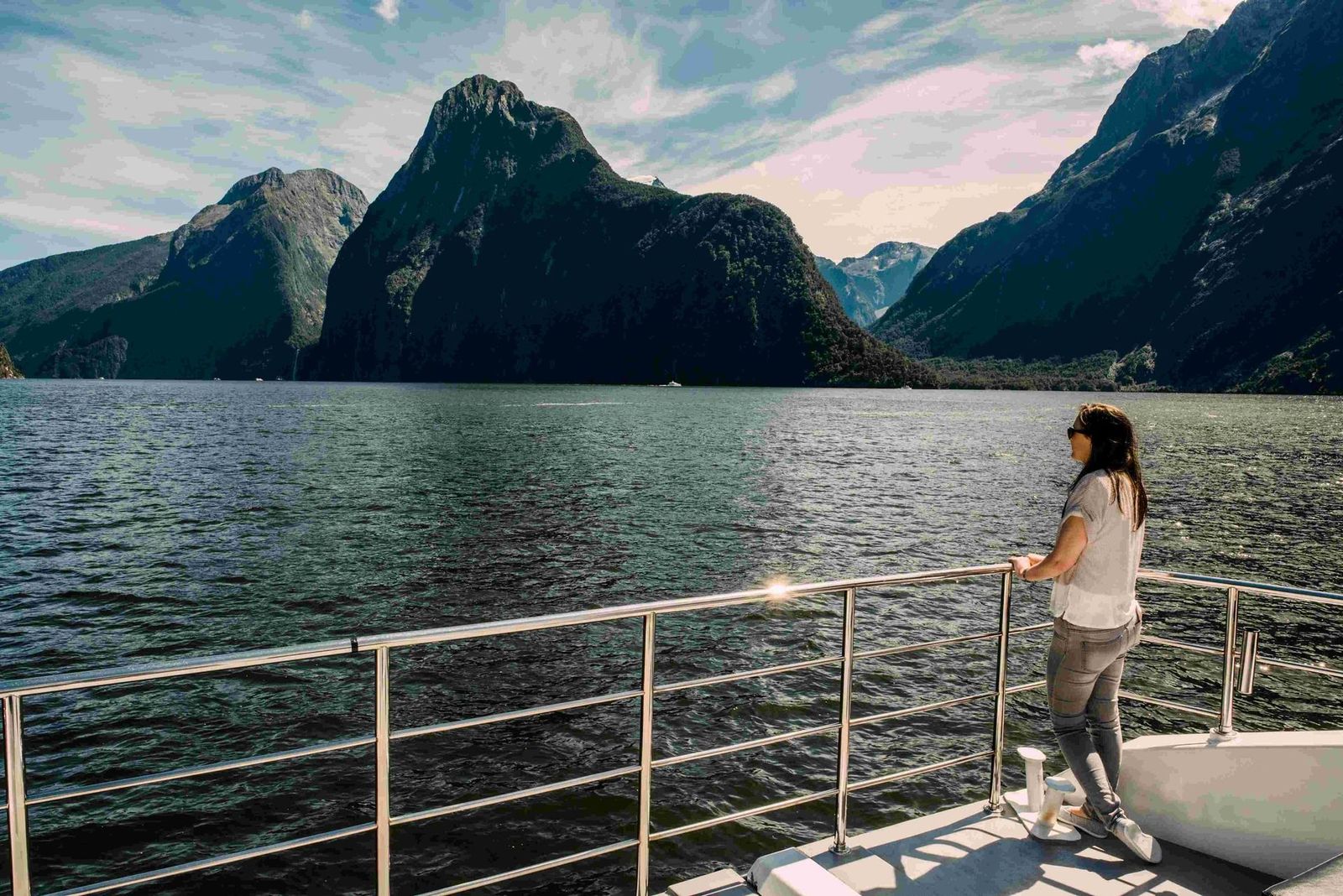
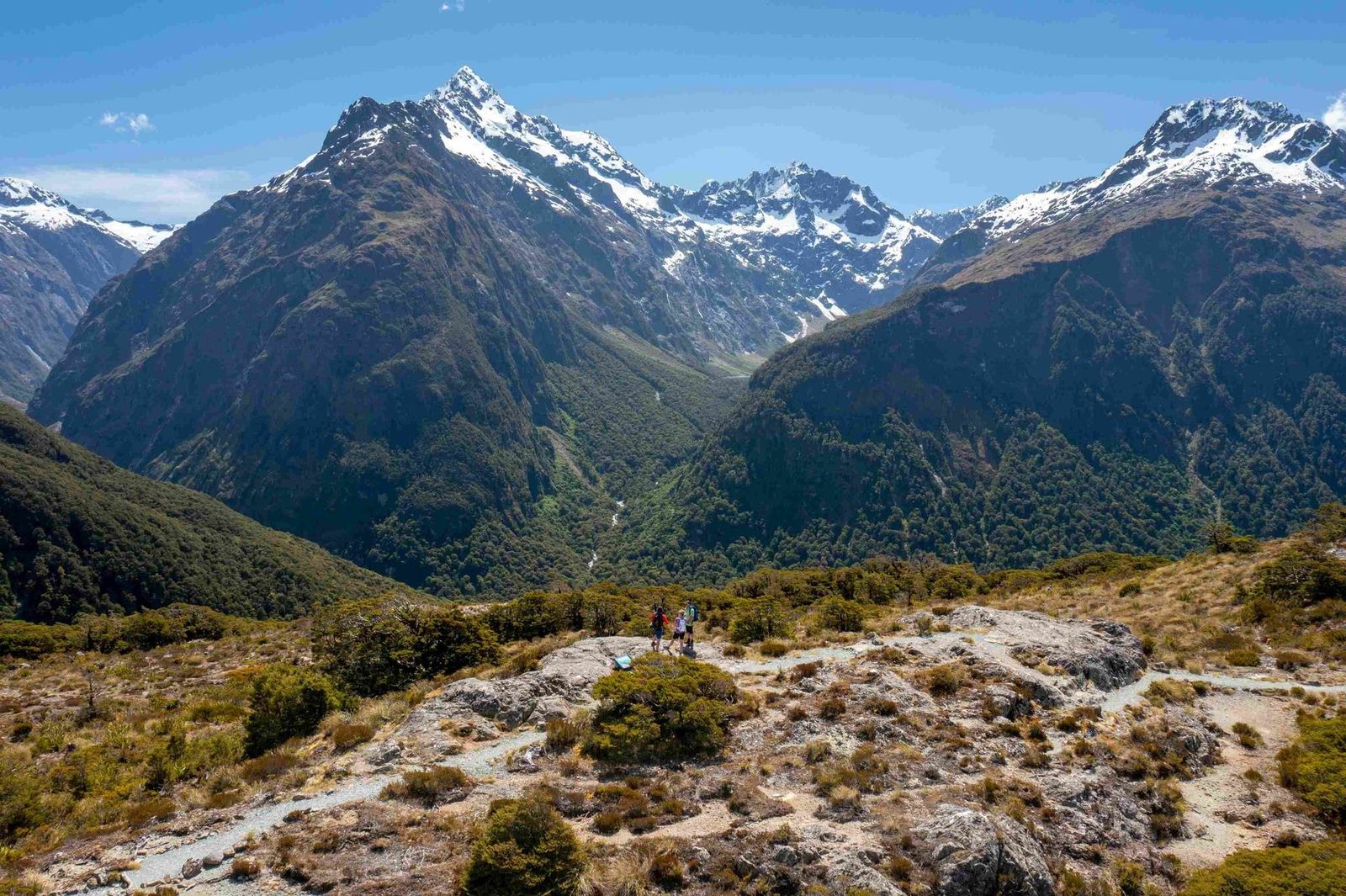
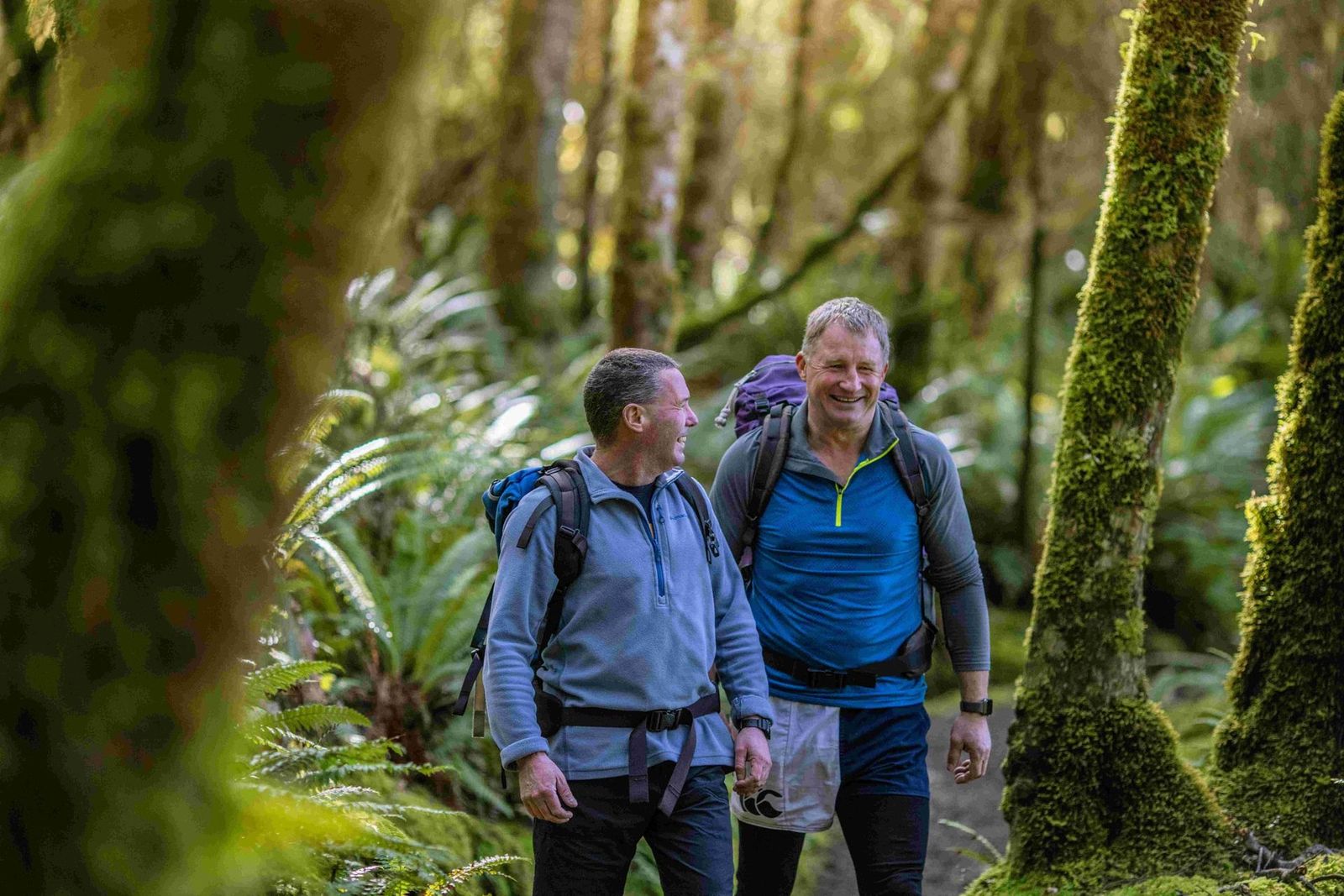
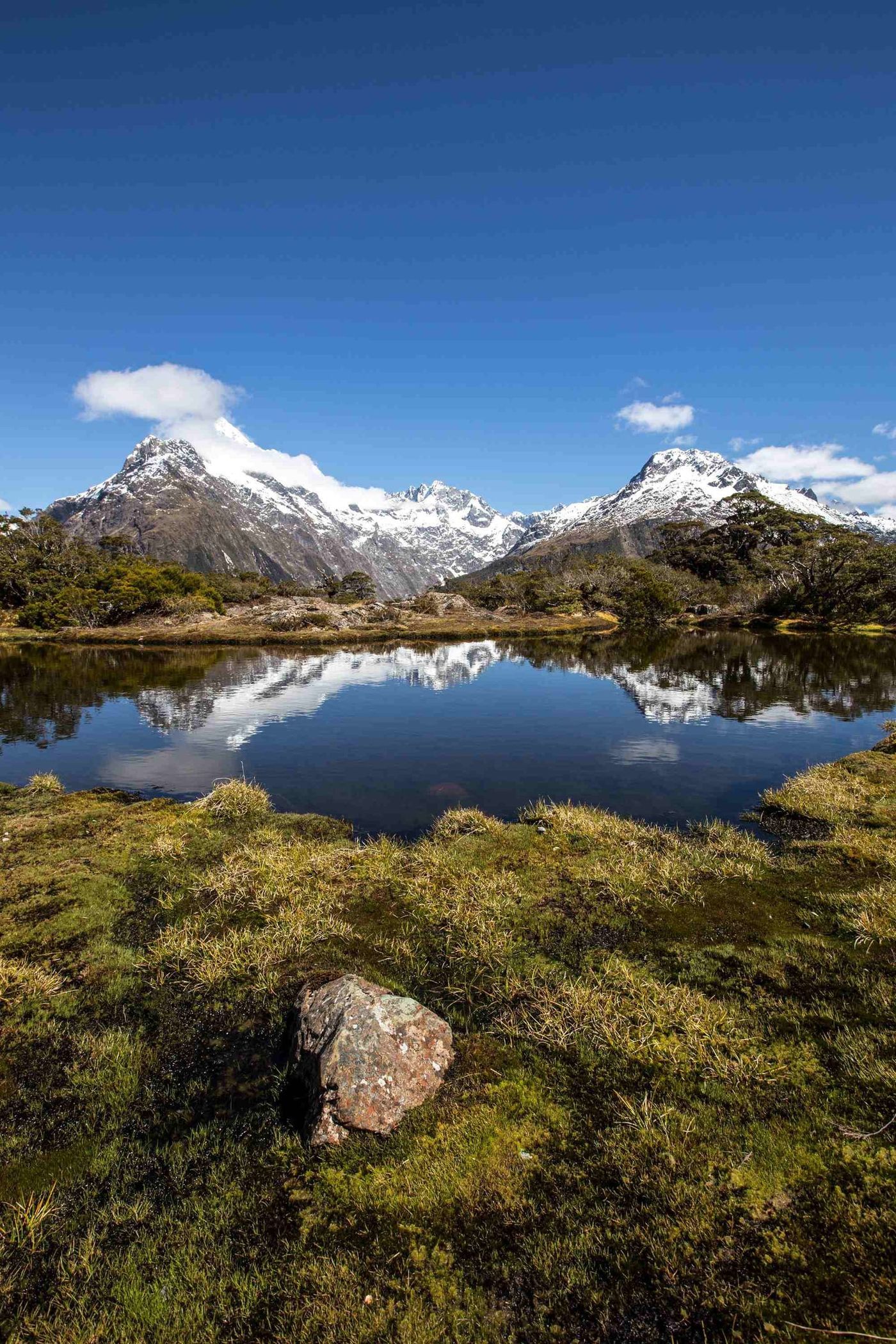
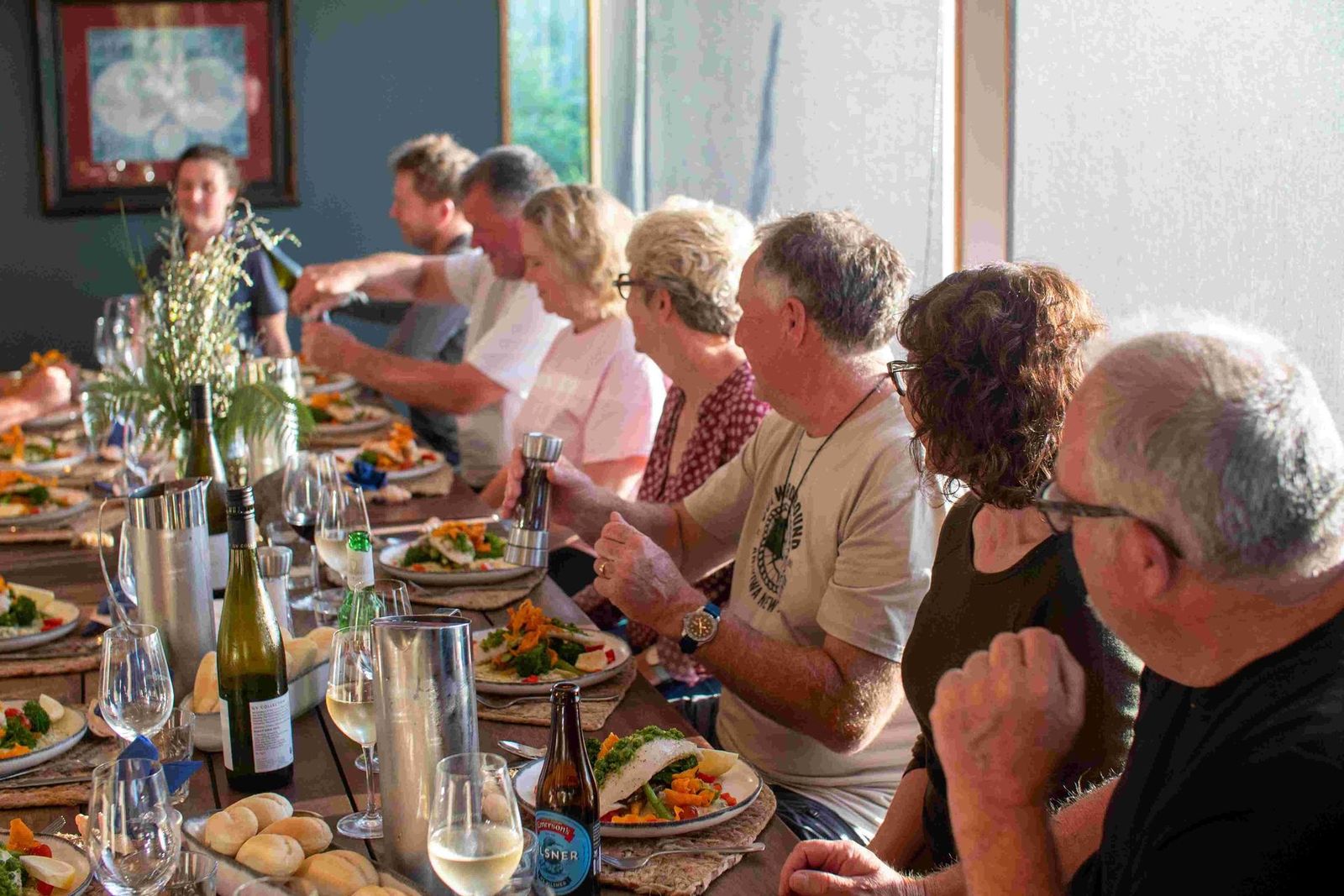
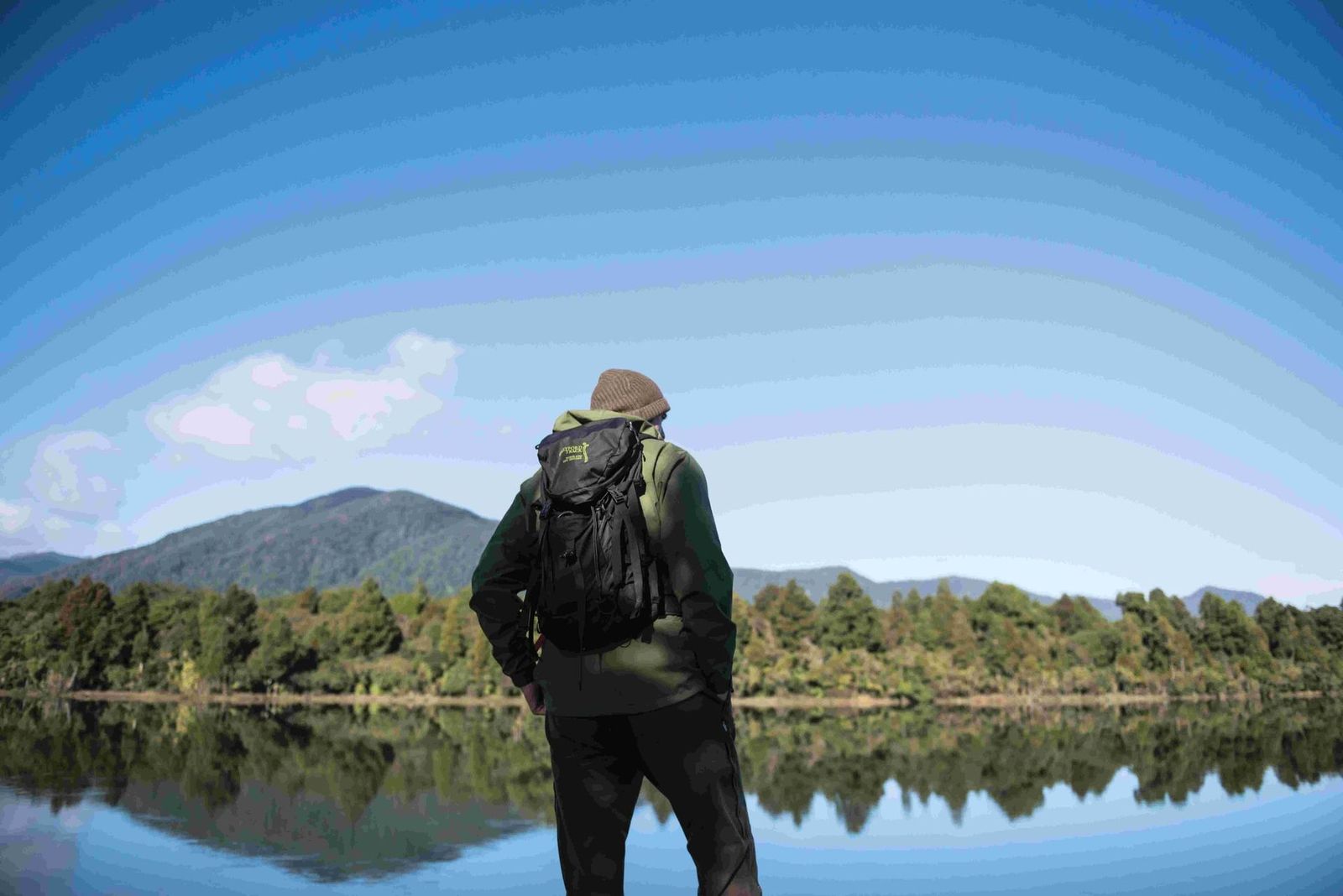
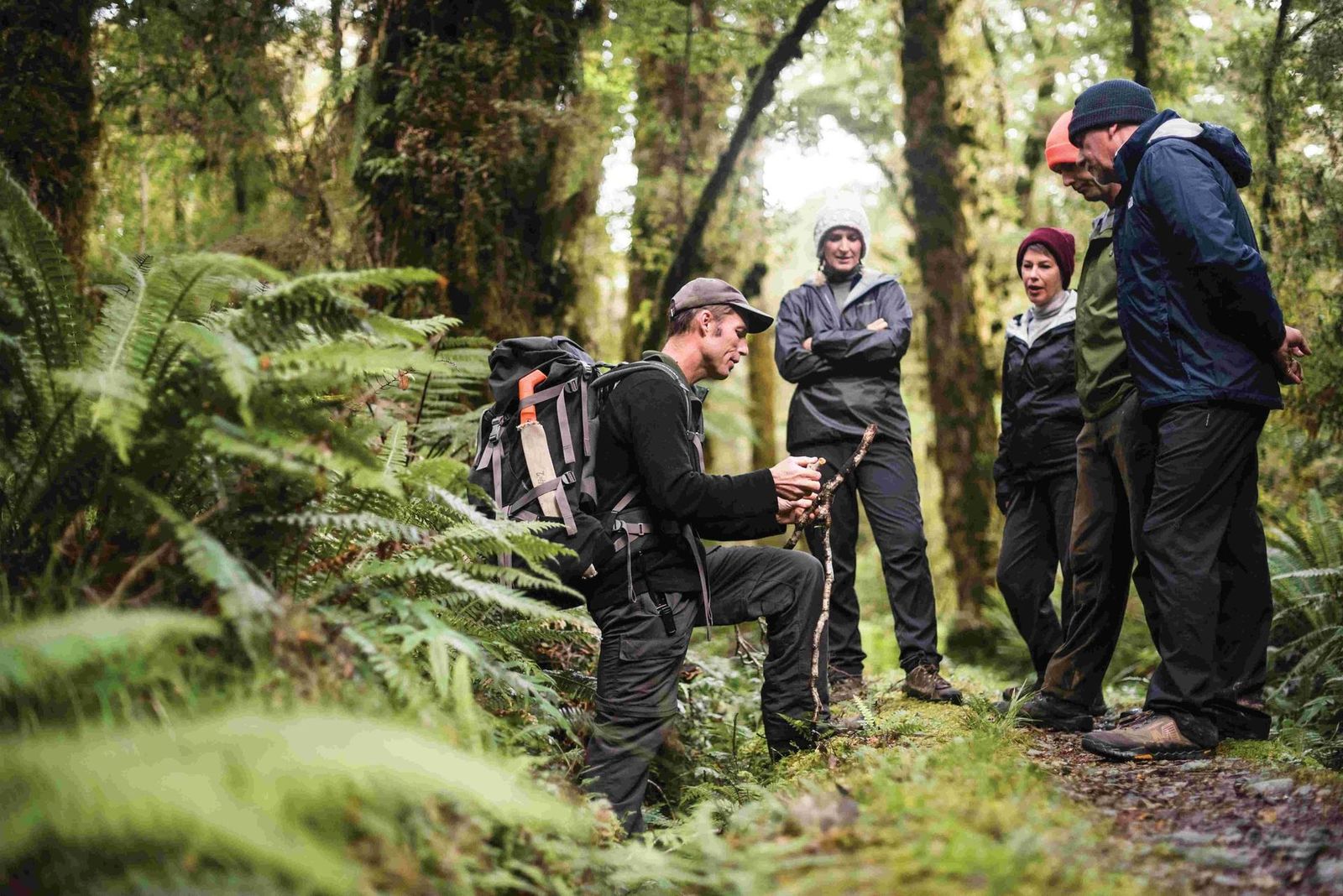
Everything about the tour was amazing from the guides to the hotels the food to the walks & also the other walkers. The guides were so good - our main guide Michelle was so knowledgeable & also friendly.
Michelle is an excellent guide- the best! Such a lovely person & wide knowledge base.
The itinerary was well balanced. The walks were different everyday. Easy with only one moderate day. All were spectacular. A highlight for me , and the most unexpected was the back road gravel drive to Walter Peak High Country Station. Just stunning.
All the guides were amazing, especially Michelle. She gave 110 % the entire trip. Accommodation walks and food were all fantastic.
The tour was absolutely well managed and extremely enjoyable. I wouldn't change anything. The guides were extremely knowledgeable and the walks were just right.
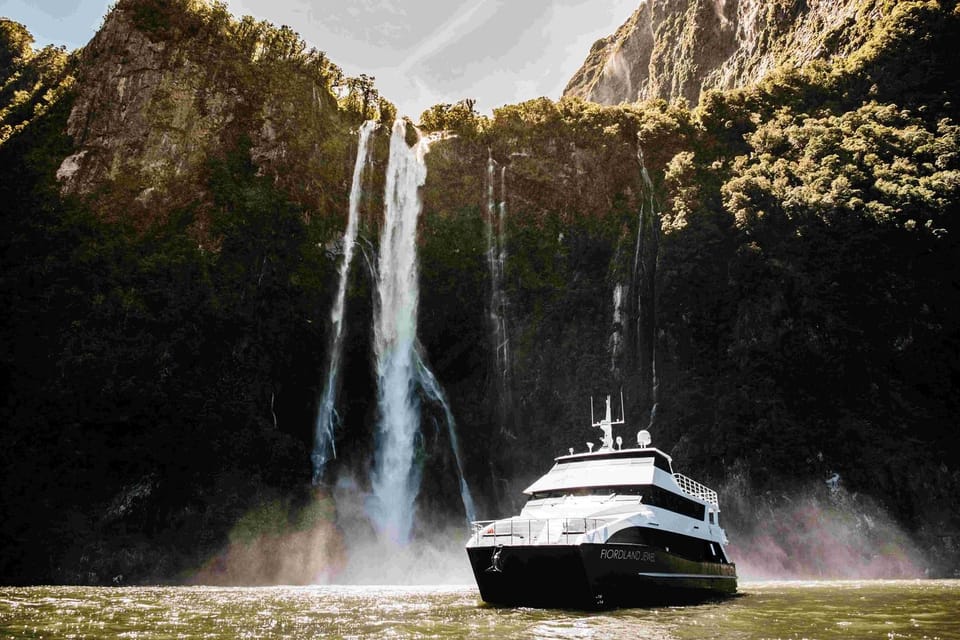
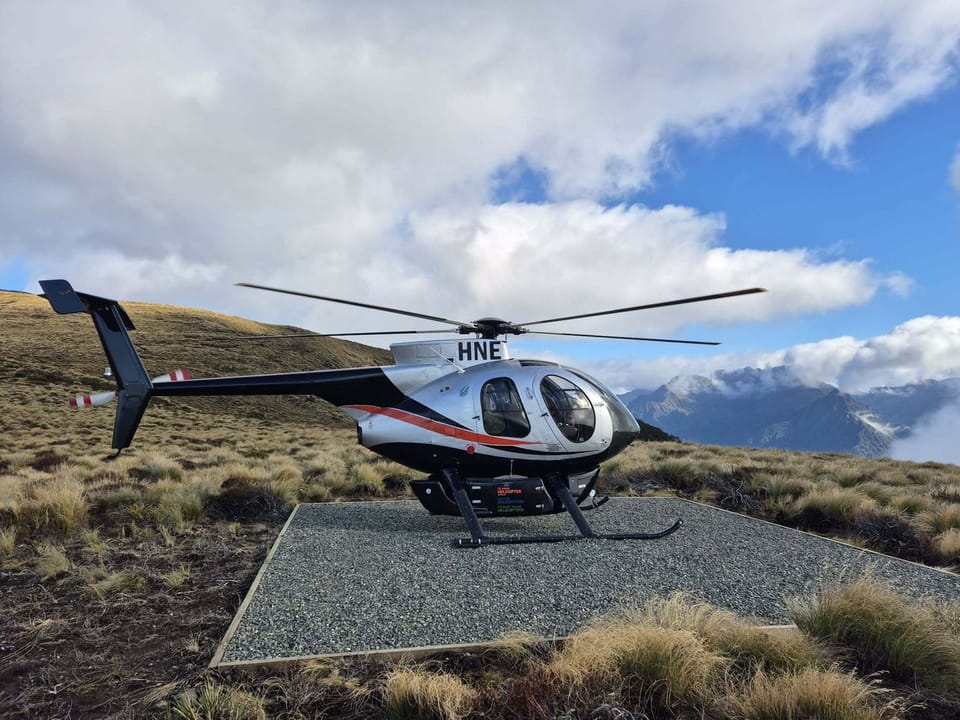
Guides were great. Excellent- amazing walks scenery organisation. From helicopter and jet boat trips to Milford Sound cruise all was excellent. Accommodation and food at Martin's was amazing.
Like in most parts of New Zealand, the eradication of feral animals is of prime importance. The ferals are causing massive destruction, particularly to wildlife. The stoats, possums and rats, among others, are very effective killers. They can kill up to 68000 native birds a day across the country. They have contributed to the extinction of many species of native animals. Over half of the native fauna is now extinct since the arrival of humans in the 1200’s.
Fortunately, Project Janszoon has been working 24/7 to restore the parks and their ecology to their former glory. They have managed to eradicate 30,000 dead ferals, planted over 50,000 trees, and released 280 birds so far. It's a great success, and as you walk, you will get to spot endangered species along the Abel Tasman track.
The most common birds on the tracks are Weka, Shags, Little Blue Penguins, Bellbirds, Oystercatchers, Shearwaters and Fantails. Bar-tailed Godwits can be seen at Marahau at low tide, migrating all the way from Alaska, arriving in September. Heron, Pie Stilts, Gannet and the plain old red-billed seagulls are also common.
Weka look a little like a kiwi to the uninitiated. Gallirallus australis are also known as Maori hens. These birds are endemic to New Zealand (i.e. found only here). Once common in Abel Tasman, they suffered a precipitous decline due to nest predation by feral mammals. A small number of birds were reintroduced by Project Janszoon, and they now seem to be doing well. They are smart, opportunistic scavengers and may be seen around campgrounds and picnic areas.
Bellbirds (Maori name: korimako). You will hear the melodic piping song of these small birds throughout Abel Tasman National Park. Light grey-green in colour with a line of white at the base of their wings. These are a different species to the Australian bellbird (aka bell miner), but they are part of the same family – the Meliphagidae or Honeyeaters. They feed on fruit, nectar and small insects, as well as lerp from the leaves of beech trees.
Orca have been spotted more often on the Abel Tasman Track than for a long, long while, mainly because the fur seal population is now thriving. And we know Orcas love to eat seals. Hunting had formerly decimated the fur seal population, but once a marine park was established, the seals quickly started to grow in numbers. New Zealand Fur Seals (Arctocephalus forsteri) Maori name: kekeno. These are the most common seals in New Zealand. Having been hunted to the brink of extinction, their population has grown substantially over recent decades. The last total population estimate was 200,000 (2001). It will be higher now. Fur seals may be found hauled out on rocky shores throughout mainland New Zealand, the Chatham Islands, and the Subantarctic islands, as well as southern parts of Australia. If you have seen fur seals in Tasmania, they are the same species. In Australia, this species is known as the Long-Nosed Fur Seal. Seals are very good swimmers, and weaned pups will sometimes travel great distances. They feed mainly on squid and small mid-water fish, but also take larger species further offshore. If encountered, seals should be left alone as they do bite. Do not disturb seals or other wildlife.
Common, Dusky and Bottlenose dolphins also frequent the idyllic bays chasing the fish that remain uncatchable; now the area is a marine park.
This forest was dominated by three species of southern beech (black, hard, and silver) and several species of podocarps (rimu, miro, matai, kahikatea, and Hall’s totara). Podocarps are a group of conifers that are dominant in the Southern Hemisphere. In contrast to most conifers, which have light, airy seeds that are dispersed by the wind, podocarps have fleshy seeds that are dispersed by birds. Plaques on the trees along this nature loop identify the trees. It is recommended that you walk the loop in a clockwise direction. The most common flora include the massive Beech trees, tree ferns, manuka, kanuka and Rata, which turn a bright red close to Christmas.
Wilding Pines. These are pests. Self-seeding Radiata pine trees, originally from California, are escapees from local pine plantations and not wanted in these native forests. Much of the vegetation here on the southern side of Abel Tasman NP is second or third-generation regrowth. The forests were heavily logged for wood like rimu, totara, and other podocarps. With protection, it is now slowly regenerating.
Hakeas. Some of the trees with woody nuts may look familiar. These are willow-leaved hakeas from Australia. They were brought to NZ as garden plants for hedges and escaped. Hakeas thrive in the dry, acidic soils here along parts of the Abel Tasman track, and need the heat of a bush fire for their nuts to open.
Fiordland's weather is famously unpredictable, with high rainfall year-round. Be prepared for sudden changes regardless of the season.
Summer (December-February): These are the warmest months, with average daytime temperatures ranging from 16-23°C (60-73°F), occasionally reaching higher. While still prone to rain, you'll likely experience longer periods of settled, sunny weather and long daylight hours, perfect for exploring.
Autumn (March-May): Pleasant weather often continues into autumn, with March typically being warm before temperatures gradually cool to an average of 10-20°C (50-68°F). Daylight hours shorten, and you might experience crisp mornings and mist.
Winter (June-August): Surprisingly, winter can be the most settled season with clear blue skies. With low average temperatures ranging from 5-10°C (41-50°F), minimal daylight hours, and snow common on the mountains, we do not offer walks in this period.
Spring (September-November): Spring brings increasing daylight and milder temperatures, averaging 10-18°C (50-64°F). However, it's often unsettled with more wind and rain, and occasional storms can bring snow to lower levels. You'll see new growth and blooming flowers.
Remember that Fiordland is one of the wettest places on Earth, so packing waterproof gear is essential any time of year. The high rainfall contributes to the stunning waterfalls and lush rainforests.
VISAS
Do you need a visa for New Zealand?
If you are an Australian citizen, you do not need one, but your passport must be valid for at least 3 months.
There are many countries that New Zealand call visa waiver countries, but this still requires you to apply for a New Zealand Travel Authority (a NZeTA) online. See below for those countries that are eligible:
Andorra, Argentina, Austria, Bahrain, Belgium, Brazil, Brunei, Bulgaria, Canada, Chile, Croatia, Cyprus, Czech Republic, Denmark, Estonia citizens only, Finland, France, Germany, Greece, Hong Kong — residents with HKSAR or British National–Overseas passports only, Hungary, Iceland, Ireland, Israel, Italy, Japan, Korea South, Kuwait, Latvia citizens only, Liechtenstein, Lithuania citizens only, Luxembourg, Macau only if you have a Macau Special Administrative Region passport, Malaysia, Malta, Mauritius, Mexico, Monaco, Netherlands, Norway, Oman, Poland, Portugal if you have the right to live permanently in Portugal, Qatar, Romania, San Marino, Saudi Arabia, Seychelles, Singapore, Slovak Republic, Slovenia, Spain, Sweden, Switzerland, Taiwan if you are a permanent resident, United Arab Emirates, United Kingdom (UK) if you are travelling on a UK or British passport that shows you have the right to reside permanently in the UK, United States of America (USA) including USA nationals, Uruguay and the Vatican City.
New Zealand has very strict quarantine laws, so don’t bring any food or animal products into the country. It is also a good idea to clean your walking shoes/boots thoroughly to make sure you haven’t got any mud on them. (or hidden bugs or microbes in the mud). Failure to declare any restricted items will result in hefty fines, so leave your local produce at home or eat it on the flight.
TRANSPORT
Flights to New Zealand are regular, as tourism is a big part of New Zealand’s economy is tourism, nearly 10% if you count all the indirect activity. It makes up a wapping 20% of New Zealand's total exports. Here are some of the airlines that fly to New Zealand.
Air New Zealand (This is New Zealand's national carrier)
It is worthwhile flying to where you are going for most of your activity. Many countries have direct flights to Auckland and Queenstown. Flying from Australia, there are many extra choices of where you can land. Christchurch is a good place to arrive at if you intend on driving up the east coast of the South Island to Blenheim, Queen Charlotte or the Abel Tasman. As the drive is magnificent. If you're walking the Milford Track, it makes more sense to land in Queenstown. Or if you want to visit the Bay of Islands, then Auckland is the most central place to land.
FOOD & WINE
New Zealand punches well above its weight when it comes to food.
For those people who are on restricted diets, like vegetarian, Halal or just want to eat similar food to home (like Indian food, for example), there is no shortage of options. New Zealand prides itself on its quality of fresh produce and the sheer variety of choice. New Zealand contemporary cuisine is influenced by European cuisine, but there are other influences beginning to make their mark on the New Zealand palette, such as Thai, Indian and Vietnamese.
New Zealand has come a long way from fish and chips and steak on a barbecue. There’s said to be a distinct Pacific Rim cuisine in New Zealand, so you can expect to eat plenty of seafood like mussels, lobster, oysters and fresh fish. There are also the award-winning cheeses and the famous lamb that New Zealand is famous for.
The wine-growing regions of New Zealand have become world-renowned over the last 30 years or so. The main places or regions to visit are, namely: Marlborough, Hawkes Bay, Auckland, Wairarapa, Waipara Valley and Central Otago.
THINGS TO DO
New Zealand is famous for its hikes and outdoor activities. Milford Sound, Routeburn, Abel Tasman, Queen Charlotte Track, Bay of Islands and Queenstown are all principal to New Zealand’s outdoor adventure product. Other walks include the Heaphy Track, Tongariro Circuit, Kepler Track, Rakiura and the Te Araroa (3,000 km walking from end to end of New Zealand), but all of these hikes require that you are willing to camp or stay in rudimentary huts.
Beyond walking, there are many scenic routes to drive in New Zealand. You will need an international driver’s licence to drive in New Zealand, accompanied by your own country's driver's licence. New Zealanders drive on the left-hand side of the road, and vehicles seat the driver on the right, like the UK. New Zealand’s roads travel over a variety of terrain, so be ready for roads that are sometimes narrow, undulating and windy with plenty of severe cornering. Many of the roads are single-lane in each direction without any barriers in between them. For more information, see NewZealand.com. The narrow roads require that you plan to take more time getting from place to place.
There is, of course, also the wineries as mentioned above. There are literally hundreds of them to visit. Some of the areas have become world-famous, like the Marlborough region.
Kayaking in the Abel Tasman Park is very popular, as are all the other water activities that you can partake in; sailing, diving, surfing and fishing, to name a few. Sailing is very popular in the Bay of Islands, and it is possible to book a charter to explore the islands.
HEALTH
New Zealand is the first world, so there is very little to worry about from a disease point of view.
However, if you are planning on going off-grid and hiking the Te Aroroa, for example, make sure you have a comprehensive first aid kit.
As with any journey, it is essential to be prepared for your self-guided walking holiday. While we will be transporting your luggage from accommodation to accommodation, you will still be carrying a lightweight day pack with you. Here is what we suggest that you carry with you each day:
Now that we have the essentials packed, it is time to think of those additional items that may be worth packing along with you. These may include and are not limited to:
We can create a custom trip tailored to your preferences.
As Featured In