Annapurna Foothills & Himalayan Vistas in Style - 9 Days

Annapurna Foothills & Himalayan Vistas in Style - 9 Days

9 Days
Moderate

Annapurna Foothills & Himalayan Vistas in Style - 9 Days

from $3,085 / person

Overview

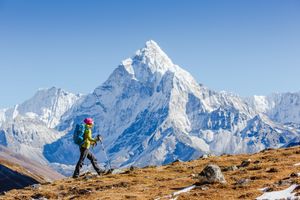
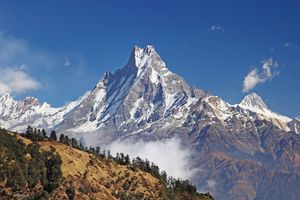
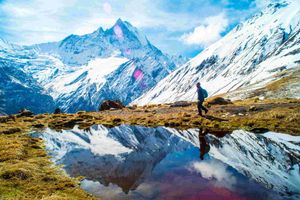
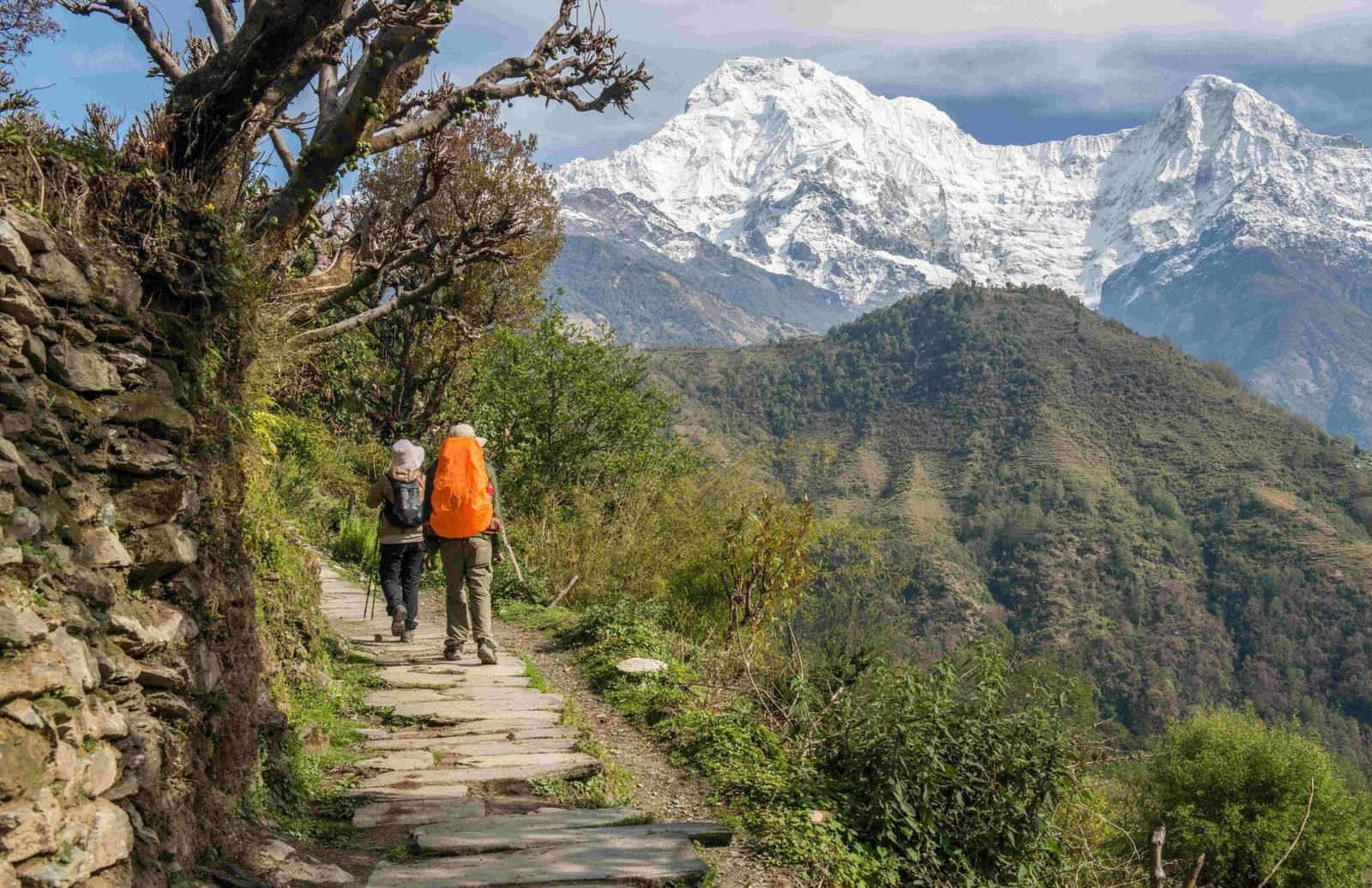
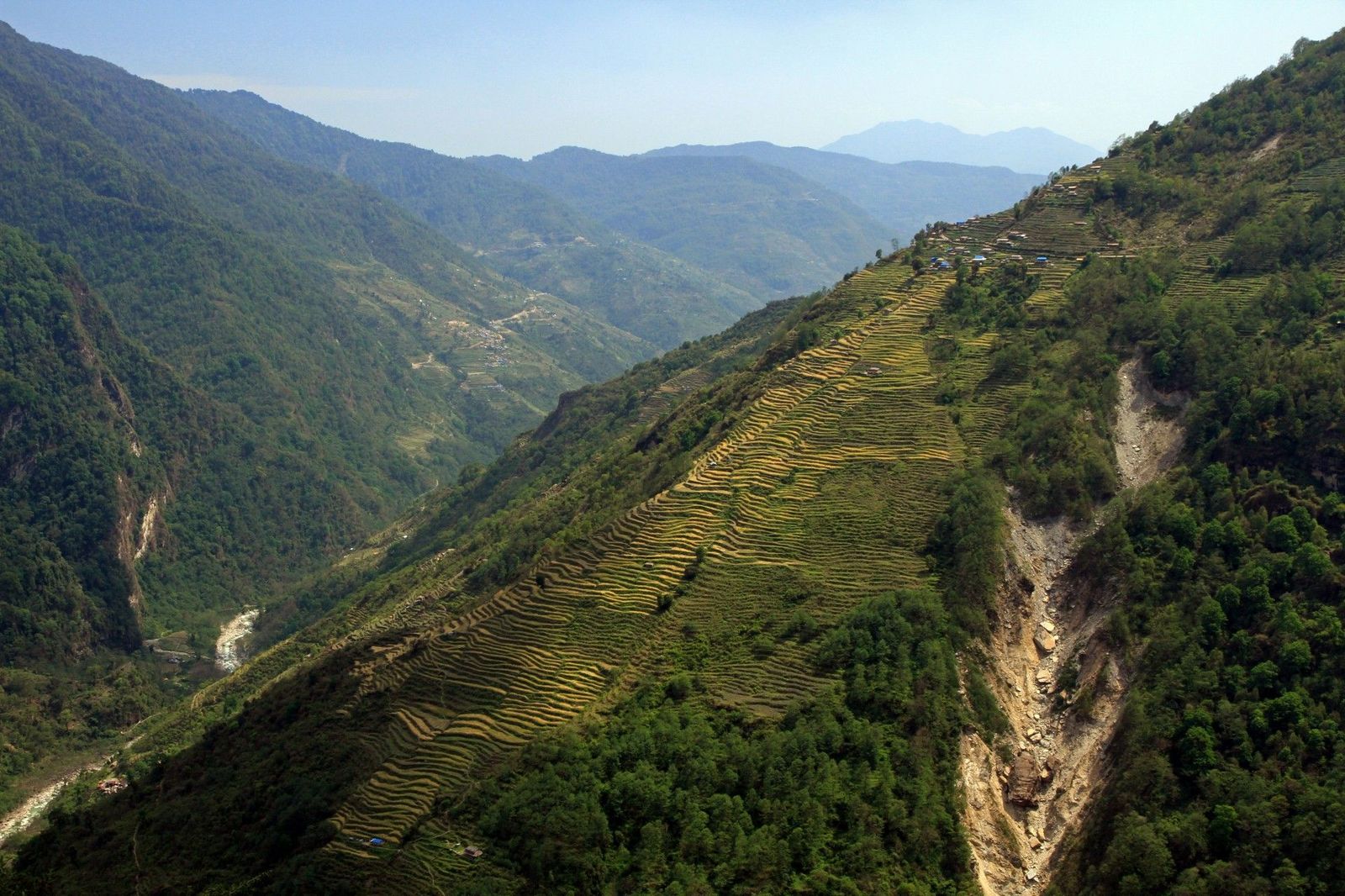
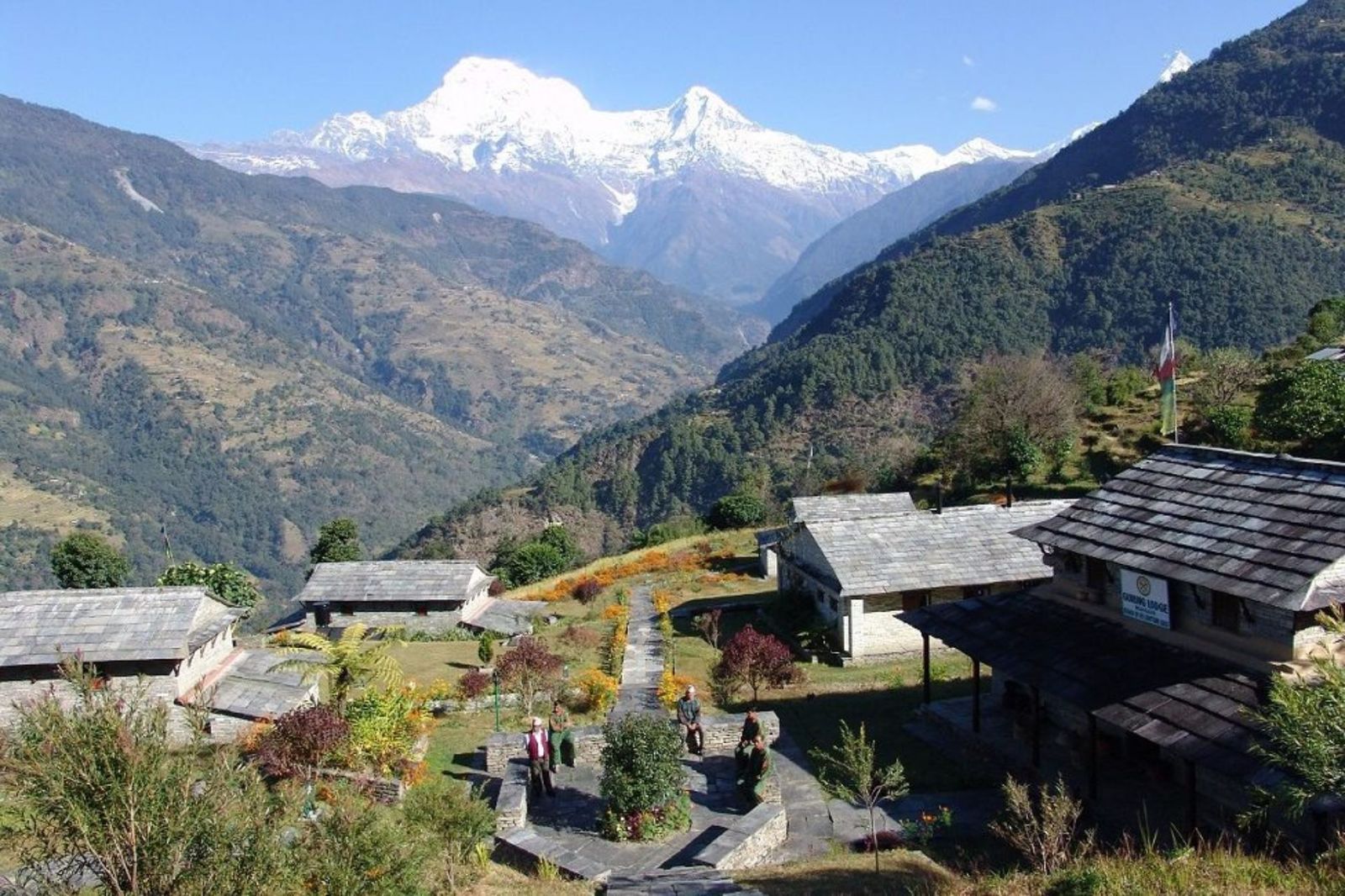
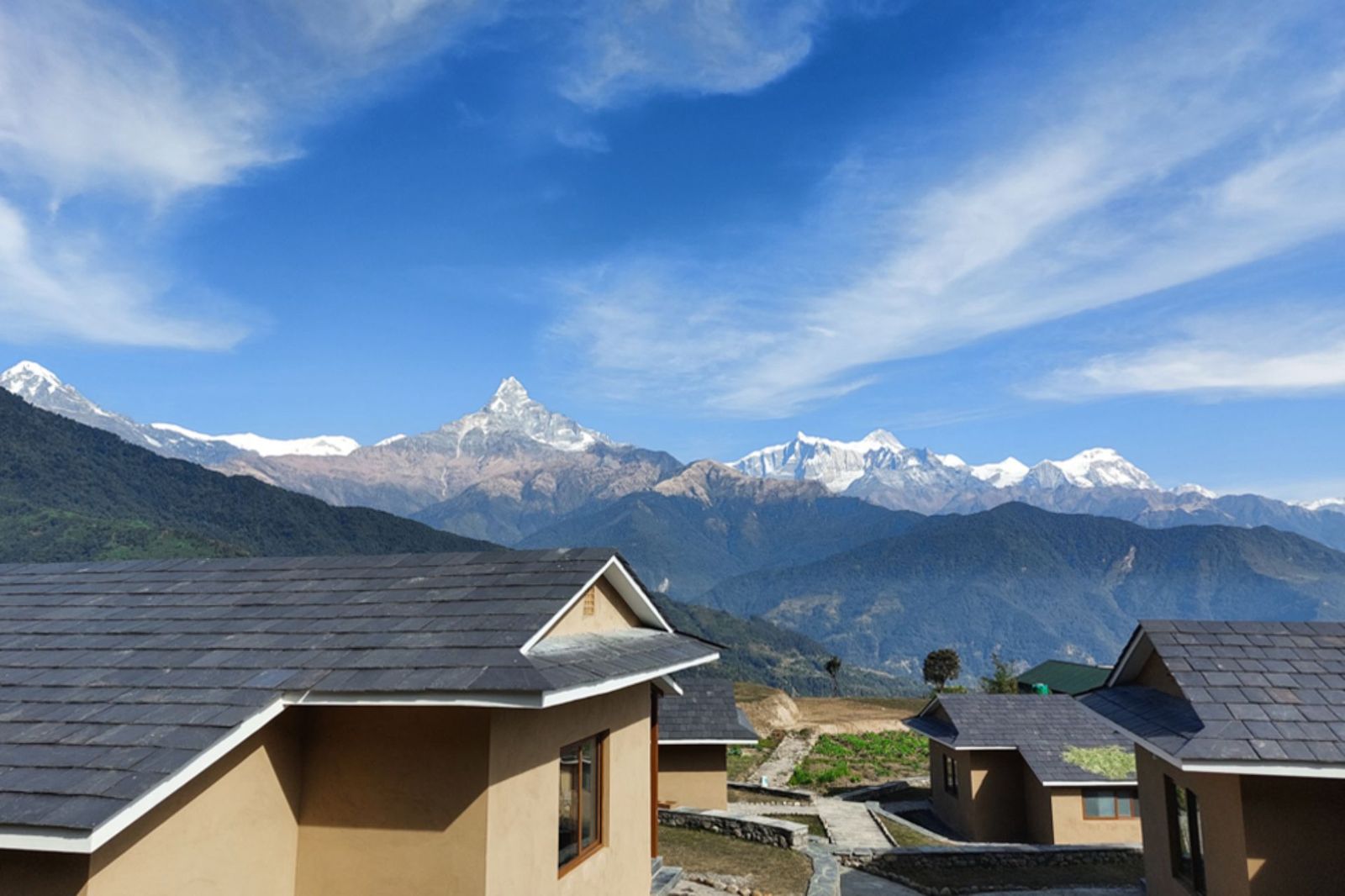
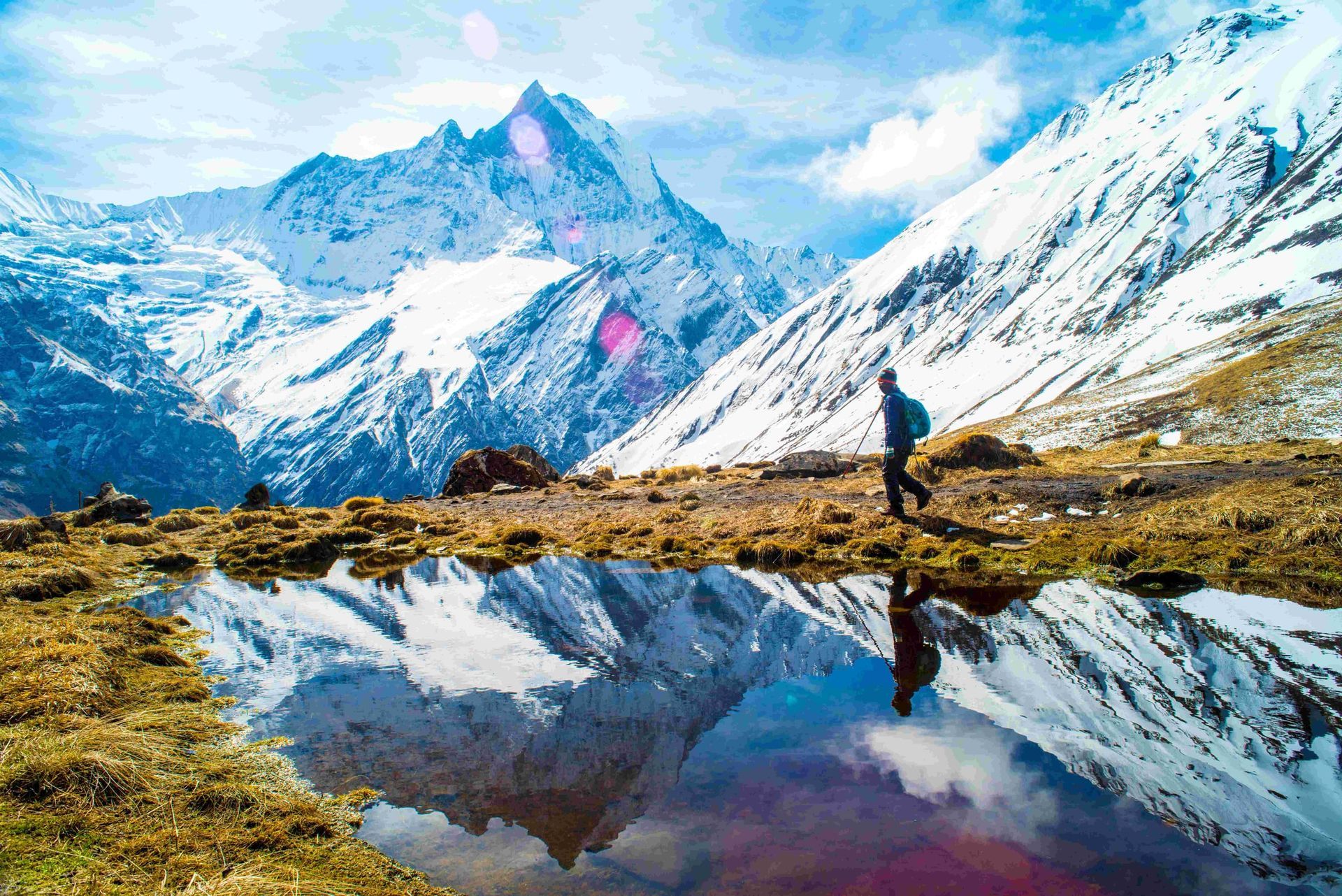
The Annapurna region rewards you with some of the most dramatic mountain scenery in Nepal, and this nine day trek takes you through the heart of it with a trek leader by your side the whole way. The lower altitudes and mostly mild distances, in conjunction with the comfort of mountain lodges, make for a perfect introduction to the Himalaya. You begin in Kathmandu, exploring the valley's temples and stupas, before a scenic flight over the Himalaya to Pokhara. From there the trail leads into the foothills, through the Gurung villages of Ghandruk, Landruk and Majhgaon, where stone farmhouses and terraced fields sit beneath Annapurna South, Hiunchuli and the sacred peak of Machhapuchhre. You'll spend four nights in comfortable mountain lodges on well-graded trails, and finish with ridge-top views from Dhampus before heading back to Pokhara and Kathmandu. Porters carry the overnight bags, so you're free to take in the villages and the mountains around you.

Highlights

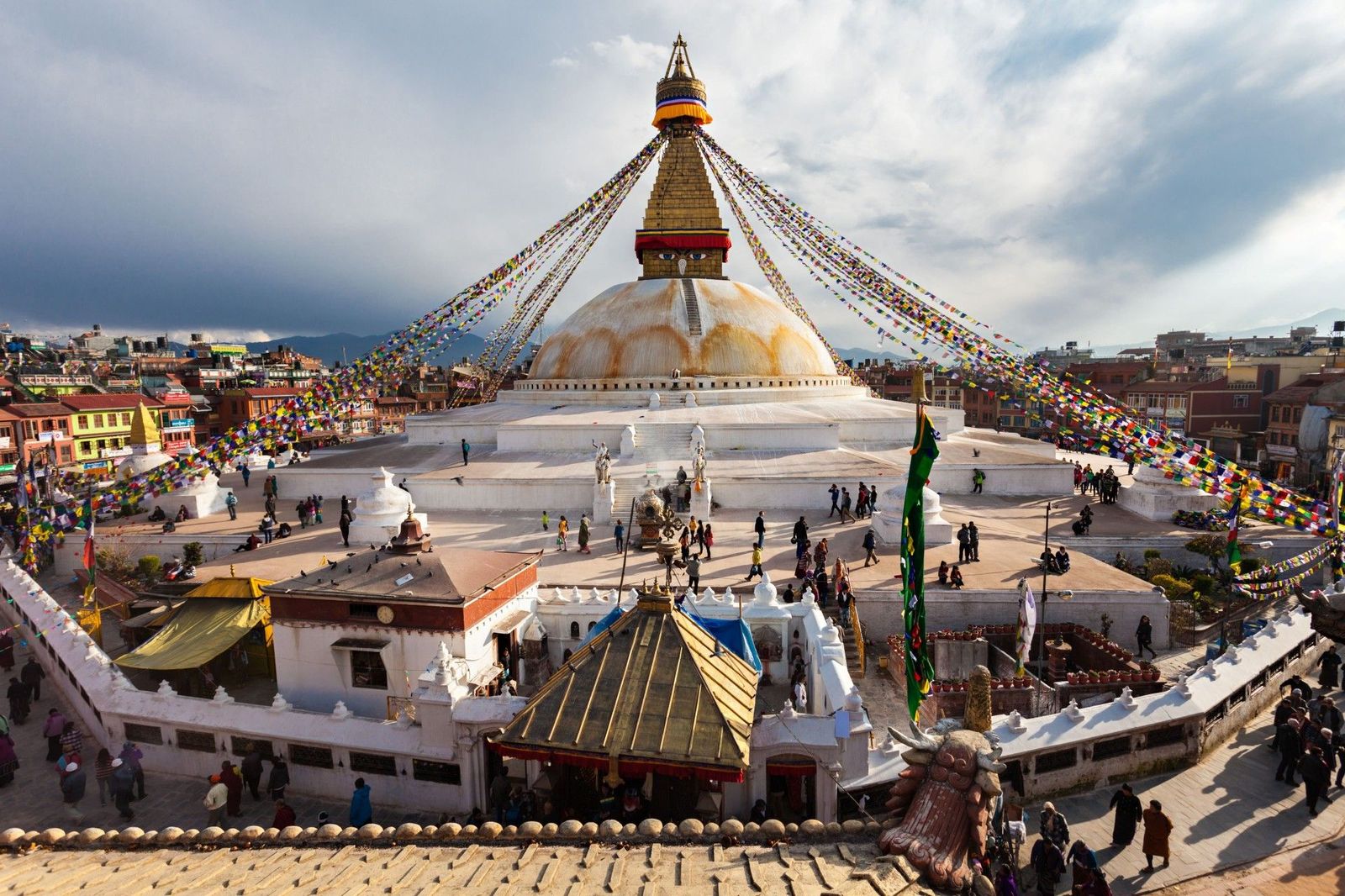
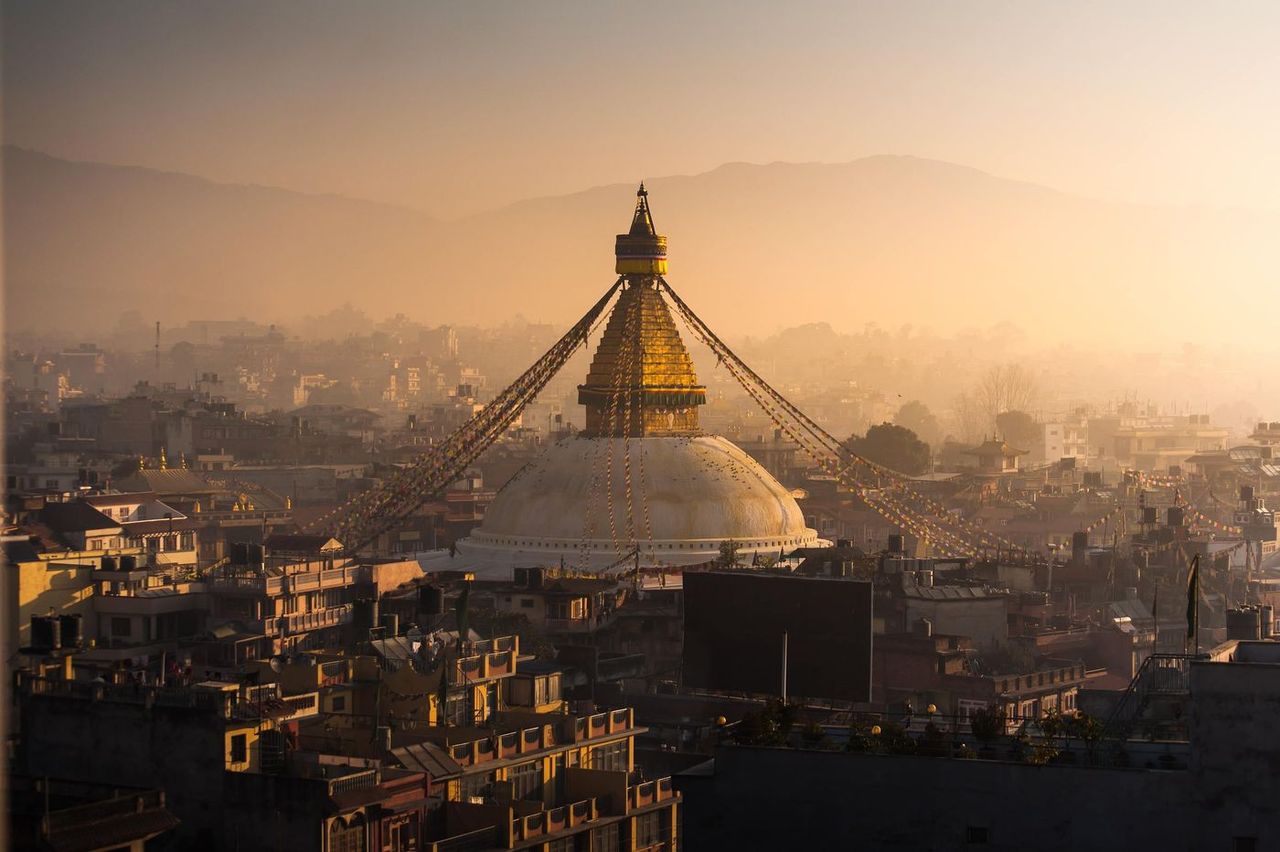
  • Explore Kathmandu's UNESCO World Heritage Sites, from Pashupatinath Temple to Boudhanath Stupa
  • Fly over the Himalaya on the short hop between Kathmandu and Pokhara
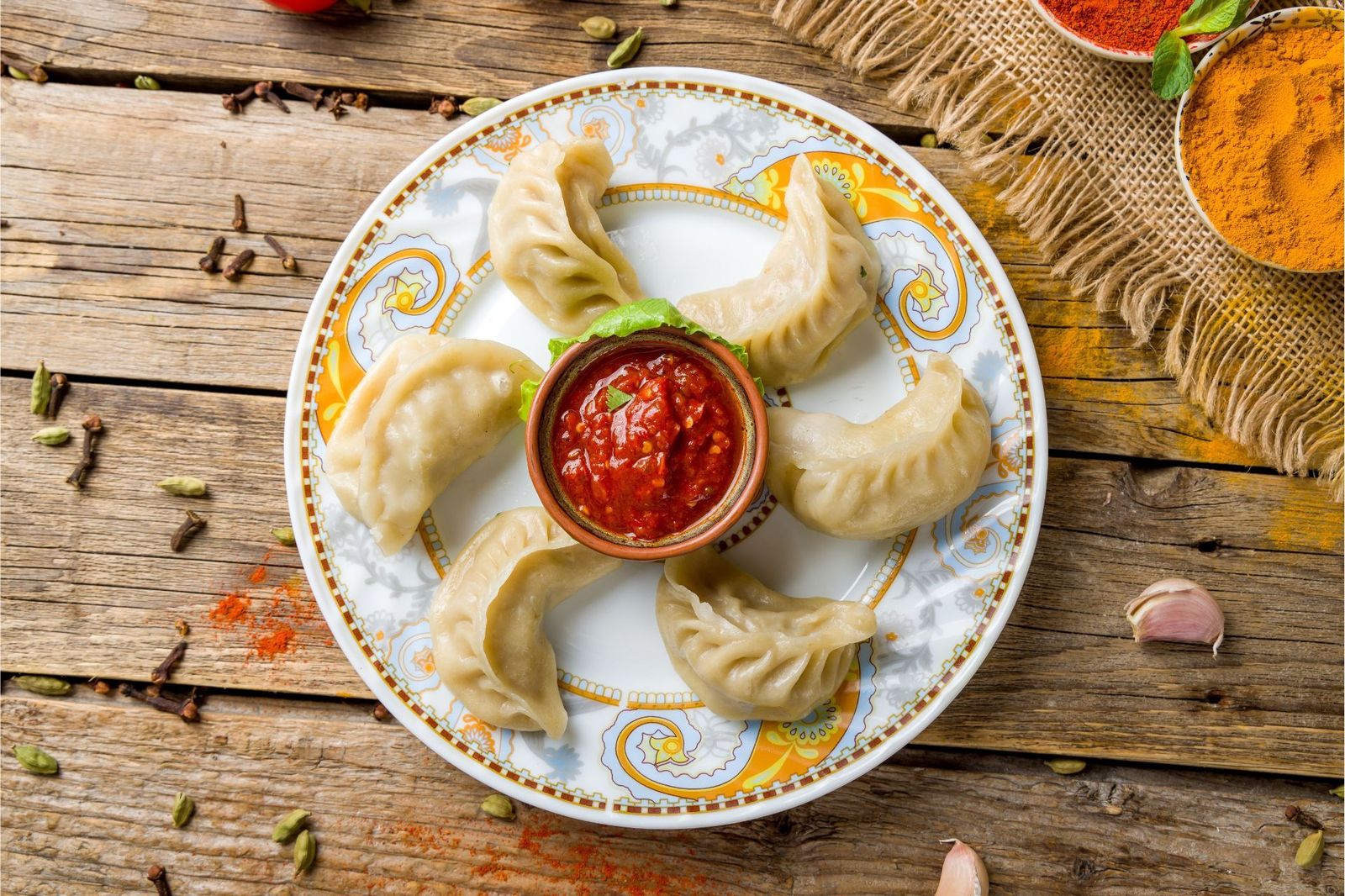
  • Learn to make momo dumplings with a Tibetan refugee community at Phewa Lake
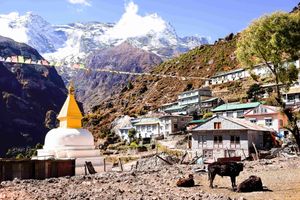
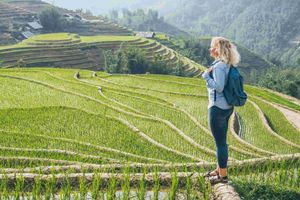
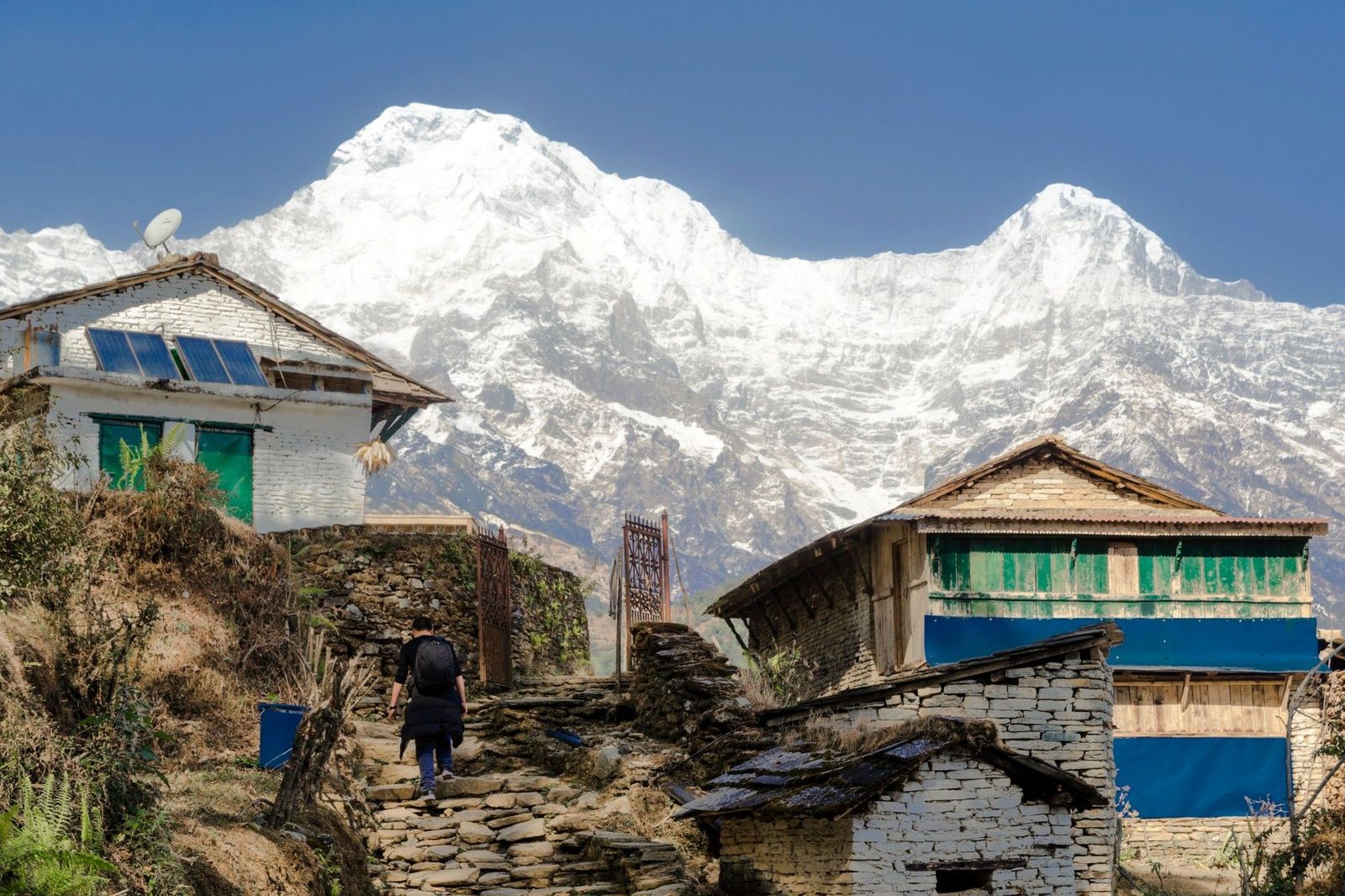
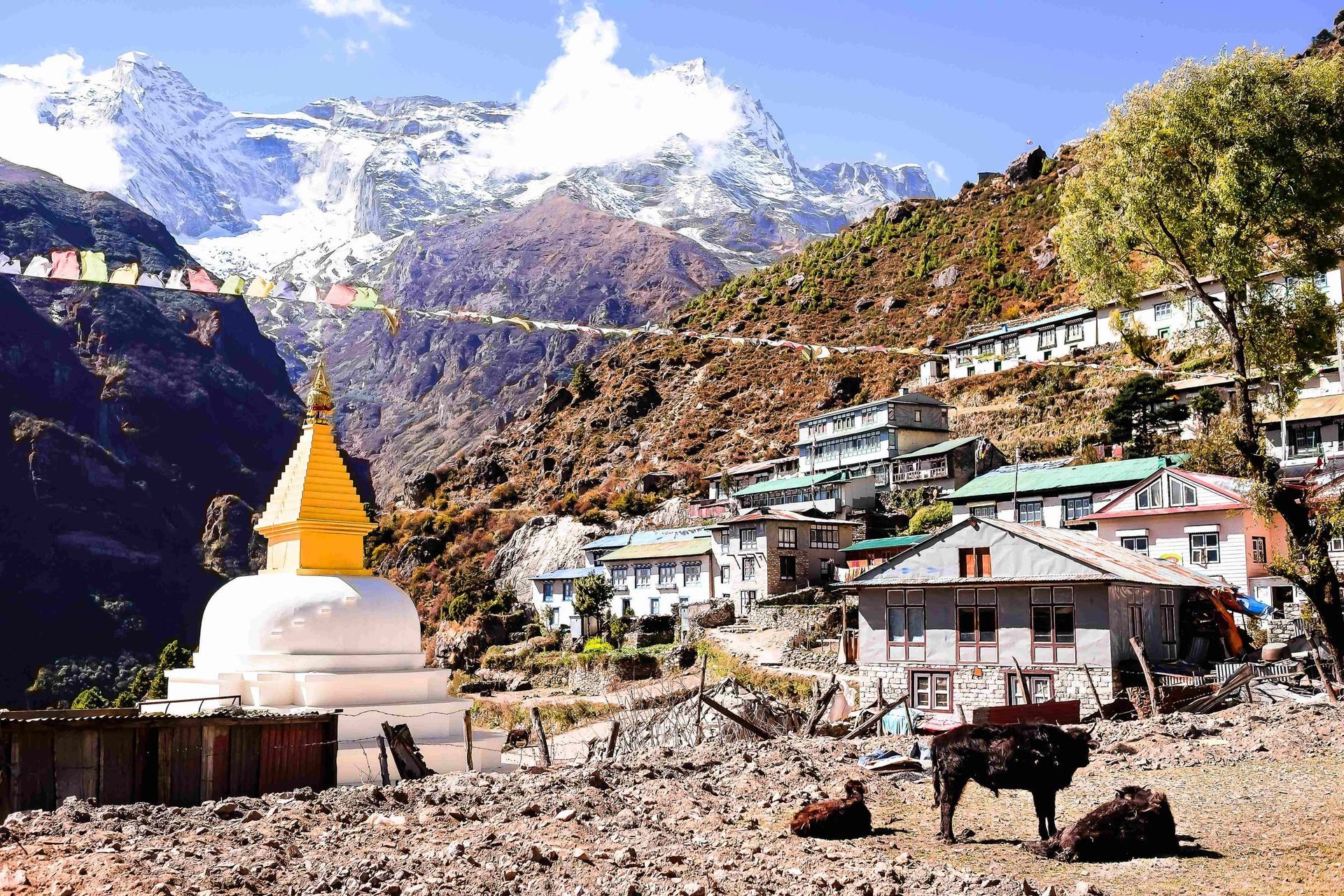
  • Trek through the stone-house Gurung villages of Ghandruk, Landruk and Majhgaon
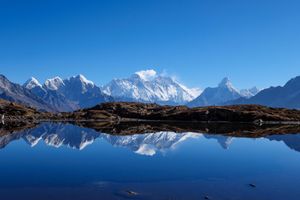
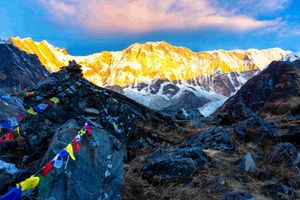
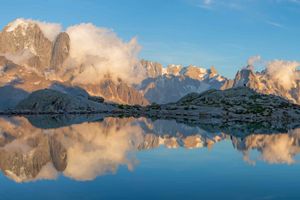
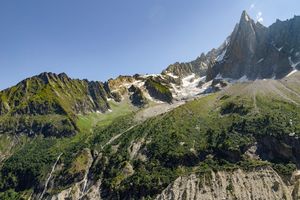
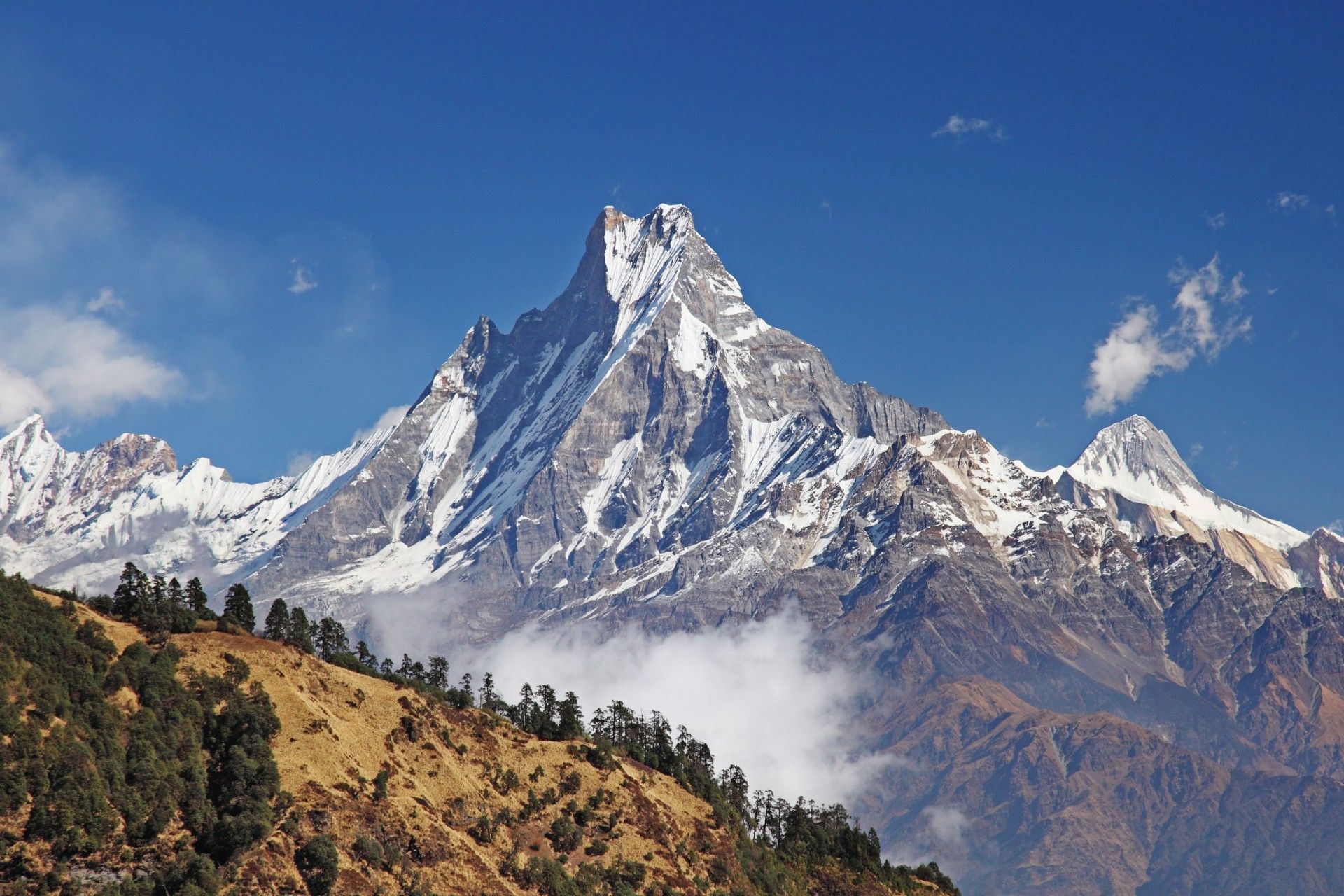
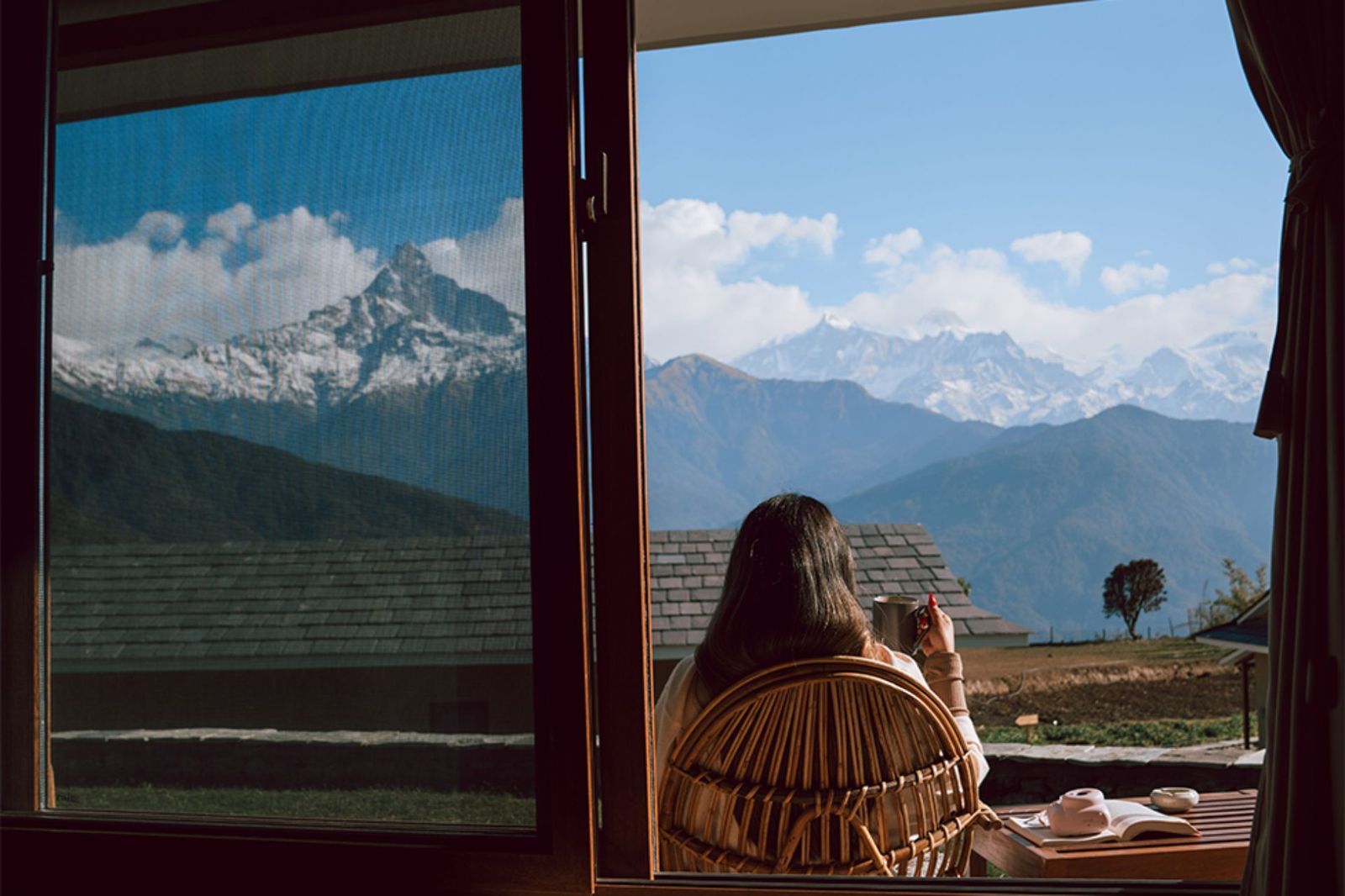
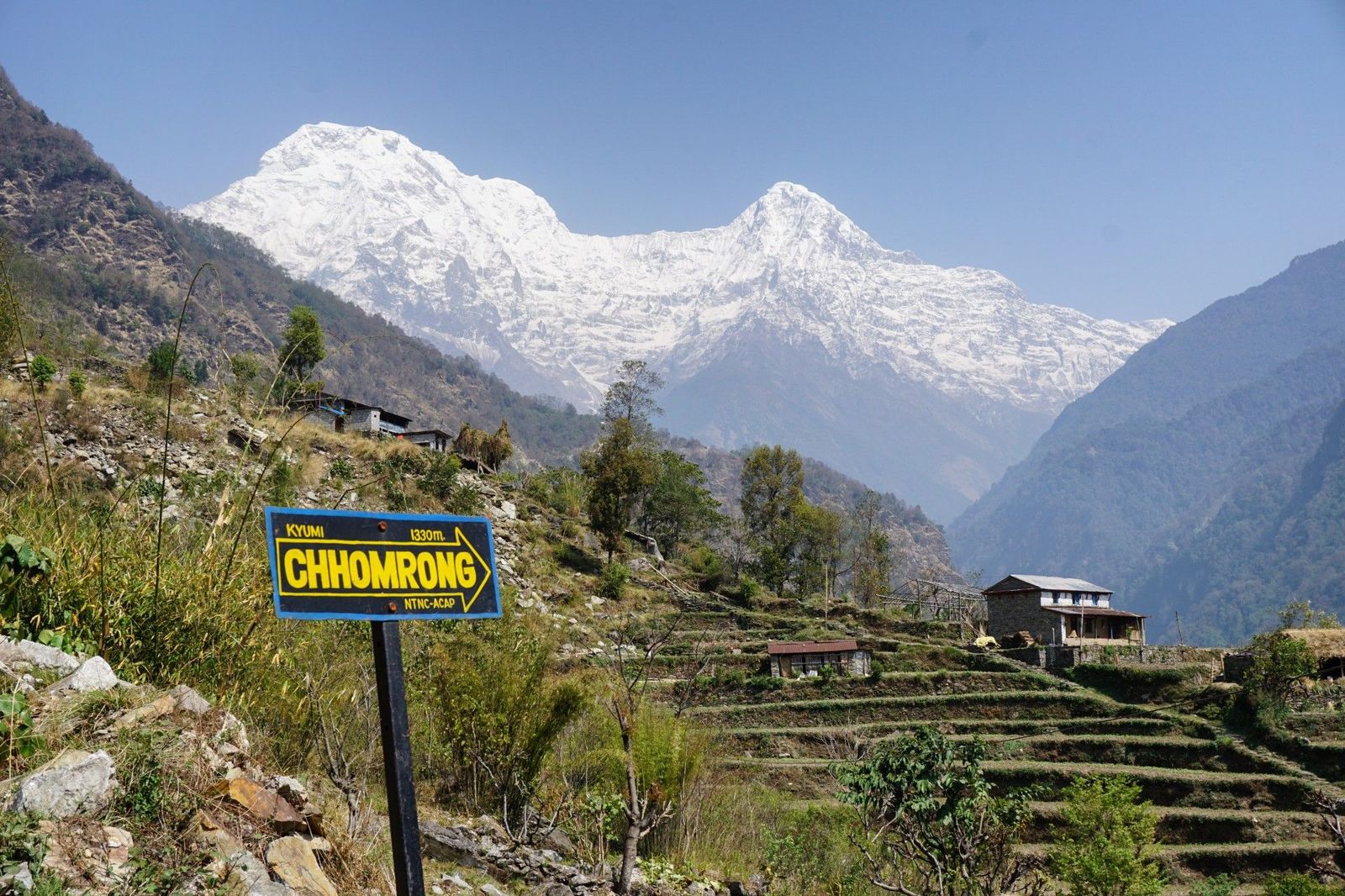
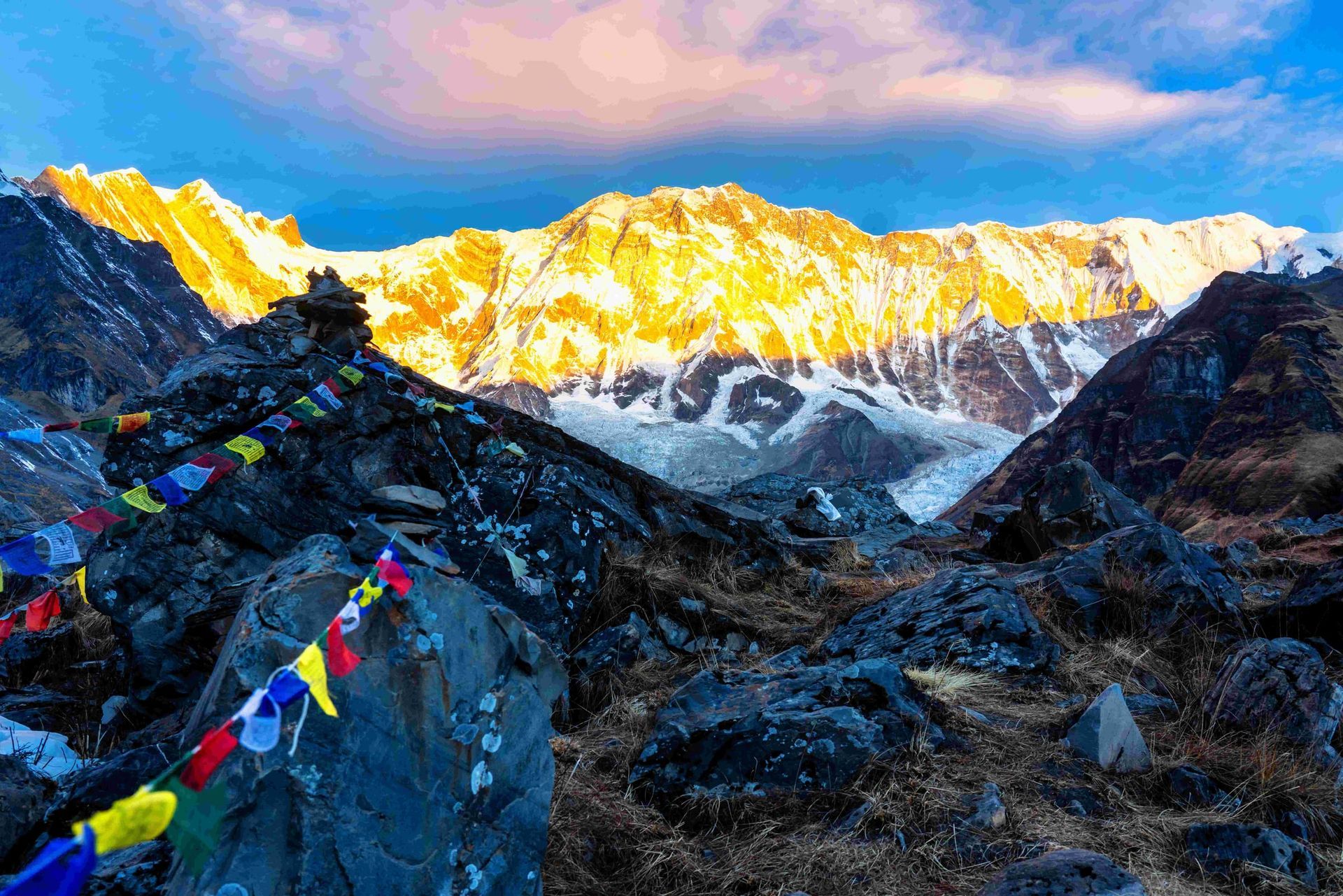
  • Take in views of Annapurna South, Hiunchuli and Machhapuchhre from the trail
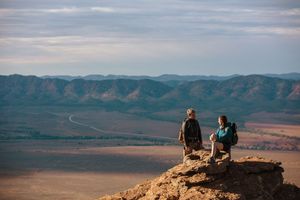
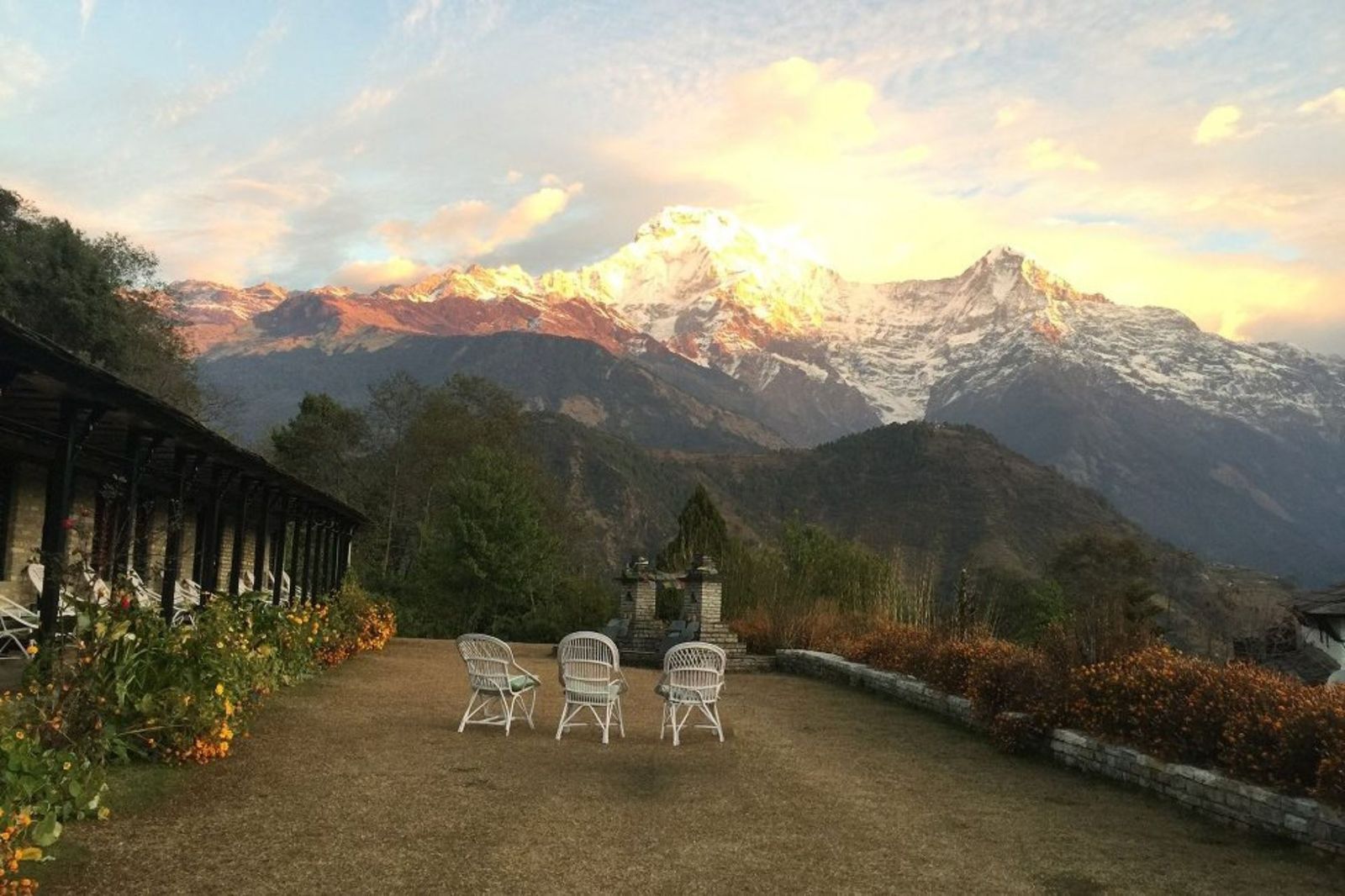
  • Watch sunrise or sunset from the ridge at Dhampus, with the Annapurna and Dhaulagiri ranges laid out in front of you
  • Stay in comfortable mountain lodges rather than teahouses, with a trek leader, porters and assistant guides throughout
  • Trek at lower altitudes to ease into your first Himalayan experience

Itinerary

Day 1

Arrive Kathmandu

Your trip begins in Kathmandu, Nepal's historic capital and the gateway to the Himalaya. The Kathmandu Valley has been a centre of art, culture and trade for over two millennia, and you will feel that history the moment you step out into the city. Take the afternoon to rest and recover from your journey, then gather in the evening for a short walk to a welcome dinner, where you are introduced to traditional Nepali cuisine in an authentic setting.

Accommodation

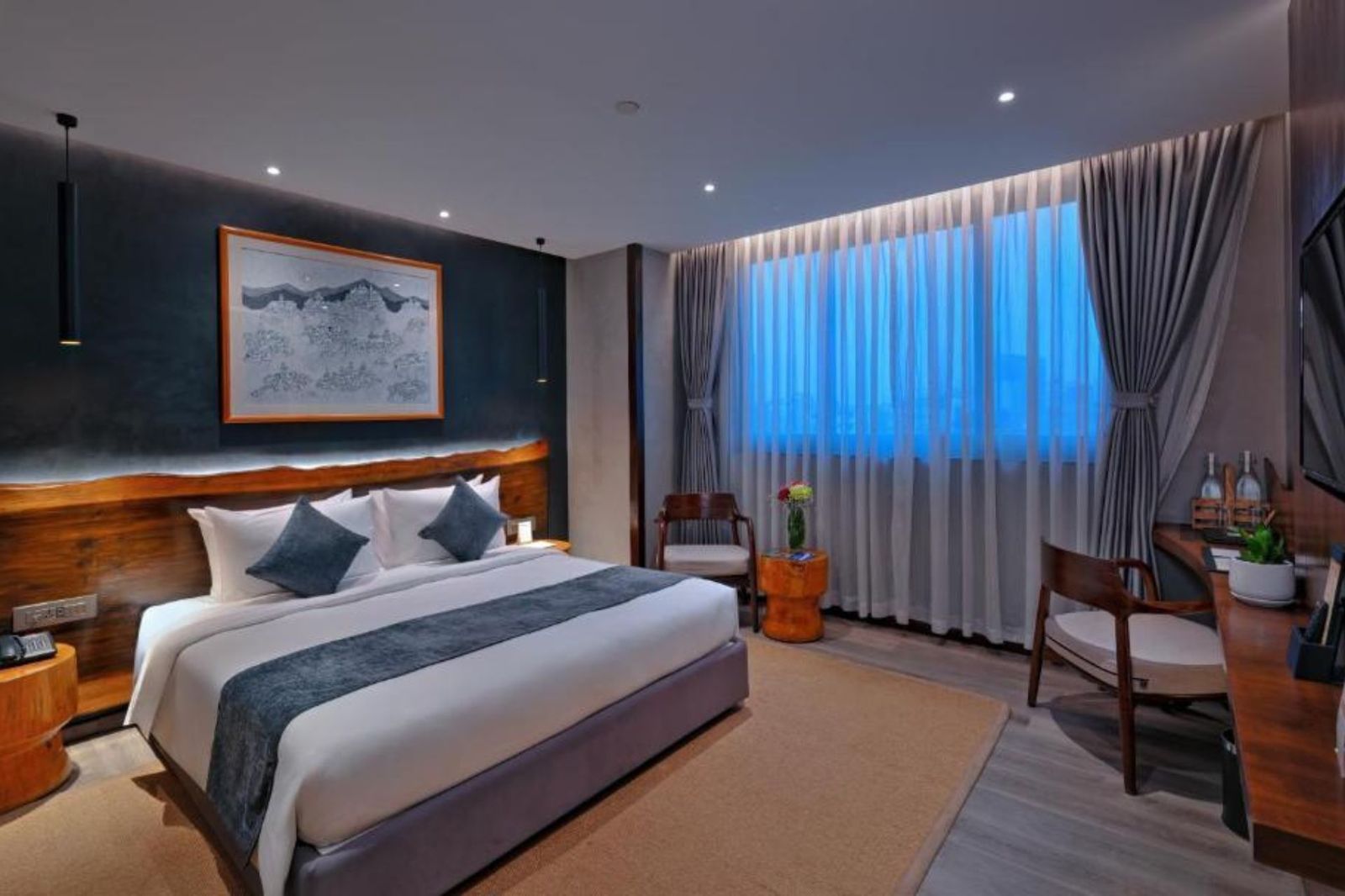
4-star Hotel in Kathmandu

Meals

Dinner

What's Included

Accommodation

4-star Hotel (4 nights), Mountain Lodge (4 nights)

Meals

8 breakfasts, 5 lunches, and 4 dinners

Transfers

  • Private Vehicle Transfers
  • Return flights to Pokhara

Guidance & Support

  • Tour Guide
  • Trekking Guides
  • Porters

Included Activities

  • Kathmandu - Guided Tour
  • Pokhara - Momo Cooking Class

How We Rate This Walk

3

Auswalk Walking Grade

Moderate

Rated by our team — we walk every route before we recommend it.

Expect some hills and longer walking days. A reasonable level of fitness will help you enjoy the experience.

View Fitness Guide

7

Days on the trail

4-16 km

Daily distance range

175-800 m

Daily ascent range

5/10

Trail difficulty

Where You'll Stay

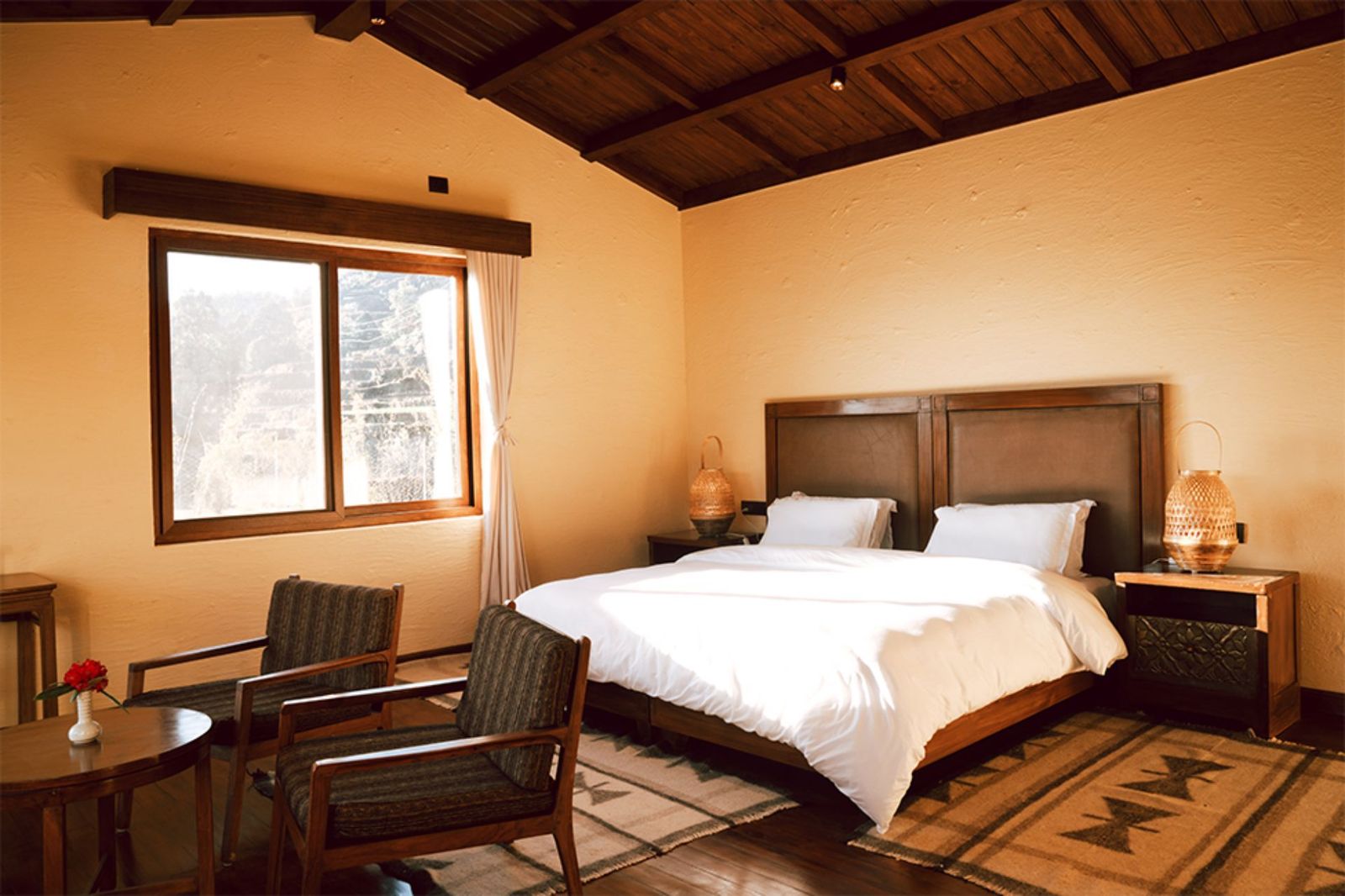
Your nights fall into two distinct styles. In Kathmandu and Pokhara you settle into stylish hotels, twin share or double as standard, the kind of base that lets you properly recover before and after the trek. Once the trail begins, you move into comfortable mountain lodges through the foothills of the Annapurna region, from Ghandruk through to Dhampus, warm and welcoming stops with hot showers waiting at the end of each day's walk.

What You'll Eat

Breakfast is included every morning of the trip, and lunch and dinner join the mix on trekking days. Lunch is usually taken trail side, often with a view of Annapurna South, Himchuli or Fishtail to go with it, while dinner is shared back at the lodge after a big day on your feet. Your first night in Kathmandu opens with a welcome dinner introducing you to traditional Nepali cuisine, and in Pokhara you'll also take part in a hands on momo making session with a local Tibetan family.

More About This Trip

Your trip both starts and finishes in Kathmandu. Fly into Kathmandu's international airport, where you can arrange an airport transfer to your hotel on request. At the end of the trip, a scenic domestic flight brings you back from Pokhara to Kathmandu, with a transfer arranged to the Thamel area. International flights and transfers are not included and should be booked separately.

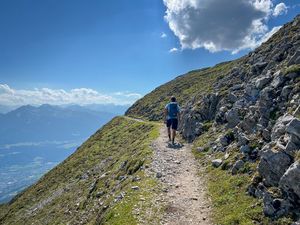
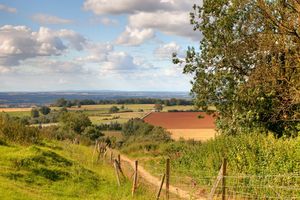
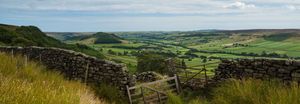
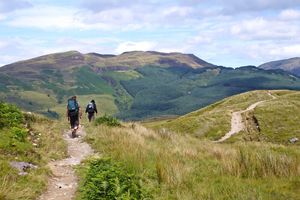
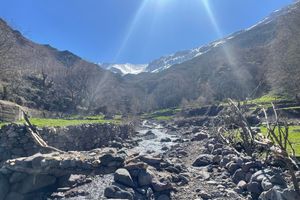
This trek moves through the classic landscapes of the Annapurna foothills, from terraced farmland and forested hillsides to traditional Gurung stone villages. Trails are well established throughout, following river valleys, cultivated slopes and ridgelines, with a mix of gentle walking and steadier climbs on stone steps and staircases. A suspension bridge crossing features on one of the days. Underfoot conditions range from easy, flat sections on black topped roads and village paths to more sustained mountain walking through forest and staircase terrain, with the most demanding day taking in a return trek toward Chhomrong on the Annapurna Base Camp trail.

You must hold adequate travel insurance for your trip, including cover for personal liability and accidental injury and illness. For all trips involving international travel, your policy must also include emergency medical treatment, evacuation and repatriation cover. We strongly recommend your policy also covers trip cancellation and curtailment, and loss of or damage to luggage.

A cancellation fee usually applies if you cancel after your booking is confirmed. Travel insurance with cancellation cover will generally cover this fee, so it's worth arranging your policy at the time of booking.

Full insurance requirements are set out in our booking terms and conditions.

In Kathmandu you will have the opportunity to purchase any extra clothing or equipment you would like and our tour guide will be able to make recommendations and assist with this. 

Due to the physical nature of this tour we will require your doctor to complete our medical certificate form to say that you are fit enough to undertake the walk you are booking with us. This is for all travellers of 75+ of age and supersedes our standard T&C's of this requirement at 80+ years.

Helicopter evacuations due to problems with high altitudes are rare but a potential occurrence.

We want to bring to your attention some important information regarding helicopter evacuation and associated costs, which are not included in your current Auswalk package.

In the event that a helicopter evacuation becomes necessary, please be aware that there will be additional charges. For this reason, it is essential to ensure that your travel insurance policy provides adequate coverage for emergency evacuation. Should you have any questions about this, please do not hesitate to contact our office.

An evacuation is an unforeseen event that incurs separate costs, supplementary to the Auswalk package you have purchased.

Furthermore, it is important to understand that you will be required to pay for the evacuation services before departing Nepal and then claim the expenses through your insurance provider. The helicopter company is unable to process claims on your behalf. Direct claims by you to your insurance company typically result in a faster reimbursement process.


Their are weight limits on this tour most notably for the flight from Jomsom to Pokhara which has an allowance of 15 kgs. 10kg for the hold luggage and 5kg hand luggage.

You will be able to store additional luggage at the hotel in Kathmandu and collect it at the end of the trip. For the hike we therefore recommend a soft bag (no hard suitcases) for luggage that can hold up to 10kgs and a day pack which you will carry for the entire trip with a carry weight of 5kg.

Every morning of departure to the next destination you should place your luggage bag outside your room, with your name on it before breakfast so that the porters can prepare it accordingly before leaving. Our guides will fully brief you on this procedure at the start of the trip.

Dates & Pricing

Choose Your Departure

Select a fixed group departure - places are limited

Prices shown are per person, twin/double share basis.

Annapurna reviews

5.0
1 review
5 Star
1
4 Star
0
3 Star
0
2 Star
0
1 Star
0

Alan Frederick E
November 2025

ACT was a tough but very enjoyable trek around the Annapurna range. Very well supported by Guide and Porters to make it as accommodating as possible with good accommodation and food. Good value and a safe acclimatisation programme.

Similar walks

Frequently Asked Questions

On the trail, you'll stay in small, independently owned lodges — the kind of places where the owner knows your name, the mountain views are stunning, and the atmosphere is genuinely local. In Kathmandu and Pokhara, the step up is significant: four-star hotels in both cities. All rooms on the trail are clean and comfortable, though they're simple by city standards.

Coverage is patchy in places and drops out entirely between lower Pisang and Muktinath, including the Thorong La high camp section. Most lodges along the route offer WiFi, though speeds slow down considerably in the more remote villages. Some charge a modest fee for access. Pick up an Ncell Visit Nepal SIM in Kathmandu — it's designed for trekkers and offers the most reliable connection on the circuit.

A 30–35L waterproof daypack is ideal. Pack your water (two to three litres minimum), snacks, sun protection (SPF 50+ cream, sunglasses, a hat), lip balm, a warm layer, your headtorch, and any personal medication. Power banks are worth their weight up here — outlets exist in the lodges but are limited, particularly at higher elevations. Nepal uses Type C, D and M plugs.

Layers are the key. During the day you'll likely be warm enough in breathable trekking pants and a long-sleeve top, but temperatures drop sharply at altitude — a down jacket and thermal base layers are non-negotiable for evenings and the high passes. Waterproof, Gore-Tex hiking boots are strongly recommended; the terrain shifts from forest floors to snow-covered passes, and trail runners won't cut it above 4,000m. Walking poles are optional but worth considering given the extended descents. A sleeping bag rated to -15°C is required. If you don't own one, it can be provided on arrival in Kathmandu — bring your own liner regardless.

Altitude sickness can affect anyone, regardless of fitness. The trek crosses Thorong La Pass at 5,416 metres, and the effects of reduced oxygen become real above 2,500m. The itinerary includes an acclimatisation day in Manang to help your body adjust, and guides are trained to manage the ascent pace carefully. Garlic soup, ginger tea and plenty of fluids are the trail remedies of choice. Speak to your GP before departure about prescription options. If symptoms become severe, descent by helicopter is arranged through local partners — another reason travel insurance is not optional.

Yes, and it's a condition of booking. Your policy must cover trekking above 5,000 metres and helicopter evacuation. A rescue from Thorong La can run to several thousand dollars, and you'll be expected to pay upfront — your insurer reimburses you afterwards. Send through your policy details, including your insurer's name, policy number and 24-hour emergency contact number, before you depart.

The local currency is the Nepalese Rupee (NPR). Budget around 3,000 NPR per person per day on the trek to cover lunches, snacks and drinks — you'll stop at tea houses along the way and buy as you go. ATMs are available in cities and larger towns but scarce on the trail, so draw enough cash in Kathmandu before you head out. Tipping is expected and appreciated. The standard amounts per hiker per day are 1,000 NPR for the head guide, 500 NPR for an assistant guide, and 500 NPR per porter.

Do not drink tap water in Nepal under any circumstances. Stick to bottled water or water that has been boiled at your lodge (there may be a small charge). A quality filter or iodine tablets are worth carrying as backup. On food, vegetarian meals are the safer call on the trail — the source document advises against eating meat during the trek to reduce the risk of stomach issues, though many walkers do eat local chicken and yak dishes without issue. Let the team know about any allergies or intolerances at booking; if your requirements are severe, bring some supplementary snacks from Kathmandu before heading out.

The trek passes through Muktinath, a sacred site, and the Kathmandu day includes Pashupatinath, one of the most revered Hindu temples in Nepal. Dress modestly at religious sites — shoulders and knees covered. On the trail, give yaks plenty of space and always pass on the uphill side. The communities along the circuit are a mix of Tibetan, Thakali and Sherpa cultures.

Want to Know More?

The Annapurna experience

Wonder
Cross the Thorung La Pass at 5,416 metres, one of the highest mountain passes in the world
The Annapurna Circuit is regularly cited as one of the top ten trekking experiences in the world
Complete a circuit that surrounds the entire Annapurna massif, crossing two river valleys and one world-class pass
Wellness
Walk through one of Nepal's most celebrated landscapes at a pace designed for safe acclimatisation
Stay in traditional Nepali teahouses each night and eat home-cooked dal bhat beside open fires
The circuit passes through subtropical forests, alpine meadows, and high-altitude desert in a single journey
Nature
Panoramic views of Annapurna II, III, Gangapurna, and Dhaulagiri from the high trails above Manang
The landscape transforms from lush river valleys and terraced farms to bare rocky mountain terrain
Tilicho Lake at over 4,900 metres is one of the highest lakes in the world, reached on a stunning detour