


-300x200.jpg)
-300x200.jpg)
-300x200.jpg)
-300x200.jpg)

-300x200.jpg)
-300x200.jpg)
-300x200.jpg)
-300x200.jpg)
-300x200.jpg)
-300x200.jpg)



-300x200.jpg)
-300x200.jpg)
-300x200.jpg)
Overview
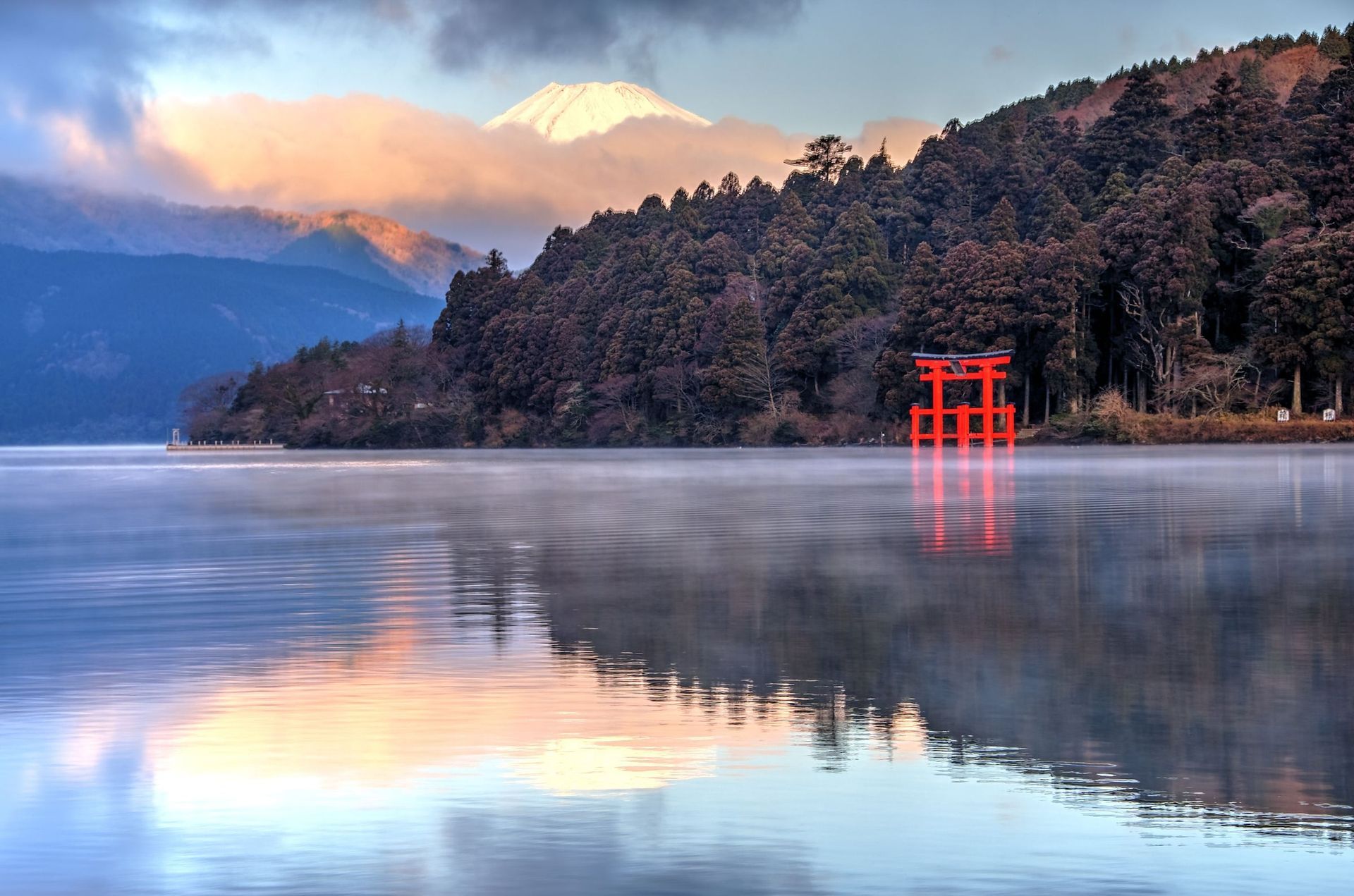
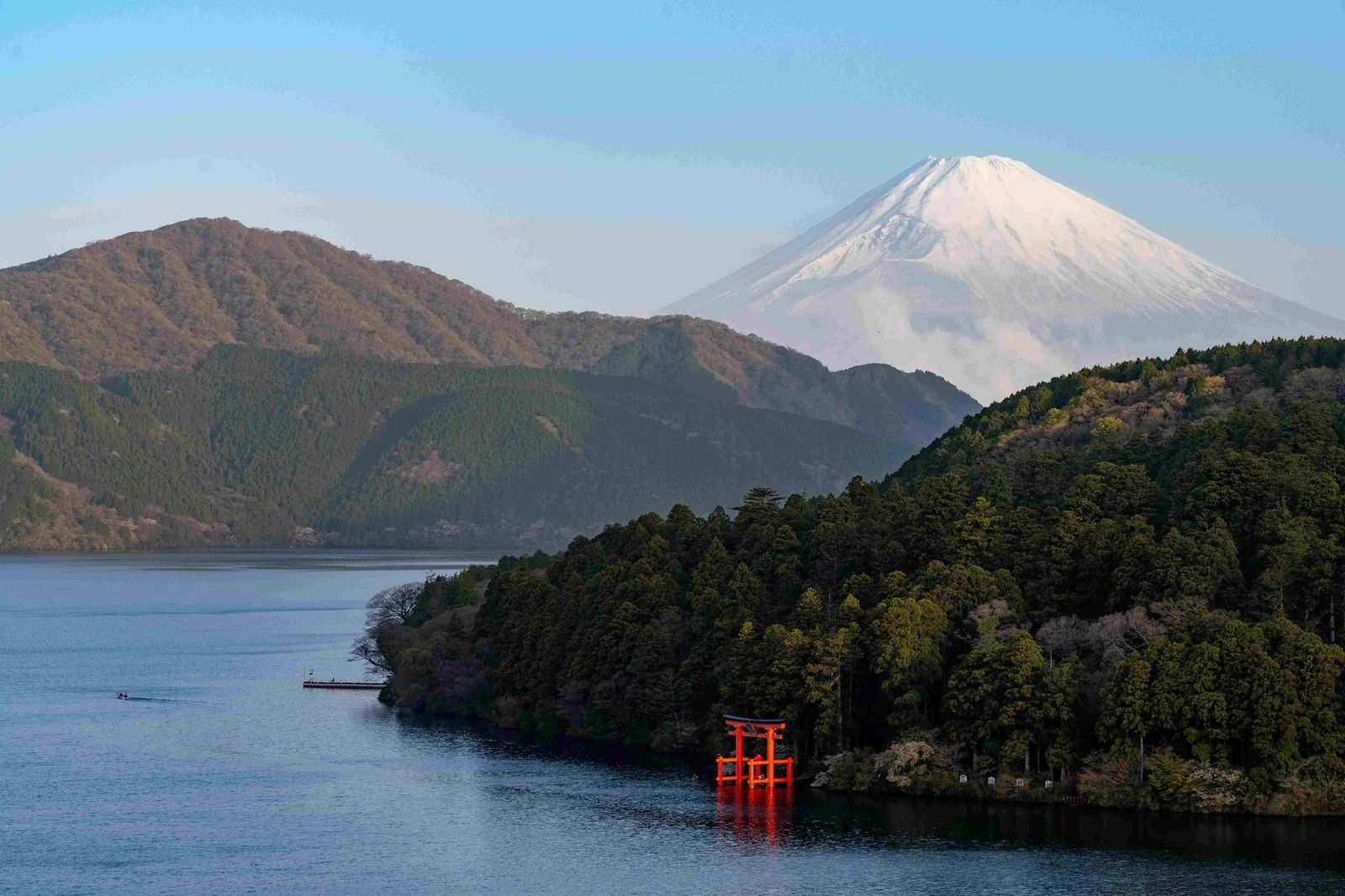
This is where Tokyo locals come to recharge and it's easy to see why. Hakone blends the comfort and polish of modern Japan with the timeless calm of traditional culture, all set against a stunning backdrop of mountains, lakes, and iconic views of Mount Fuji.
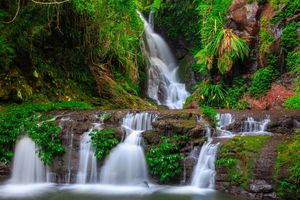
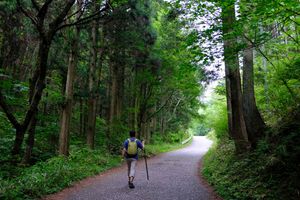
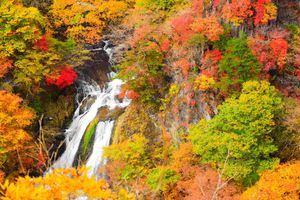
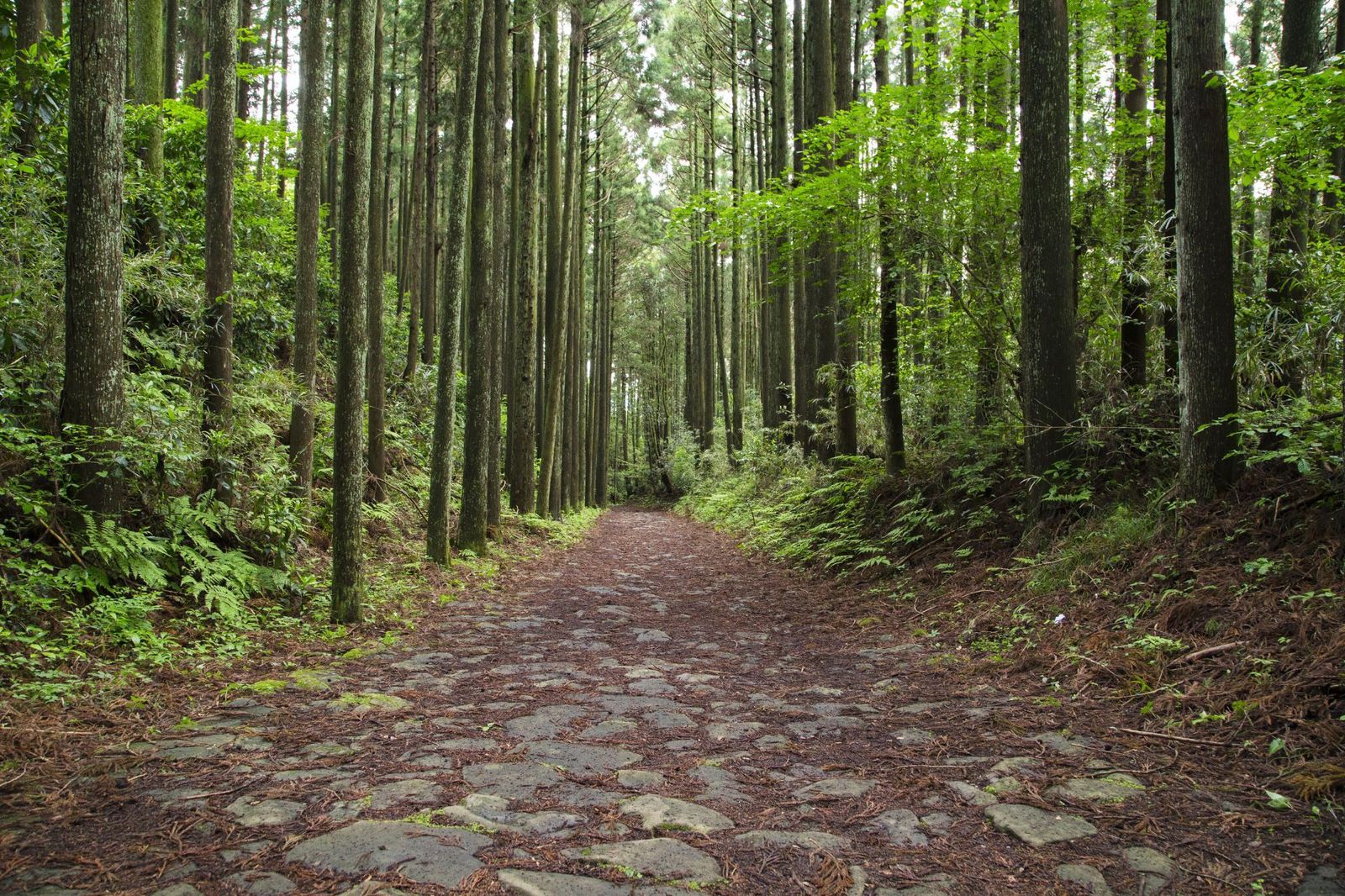
On foot, you'll wander past beautiful waterfalls and along the historic Old Tokaido Road, winding your way down to the shores of Lake Ashi. It's the kind of walk that feels both adventurous and wonderfully unhurried.
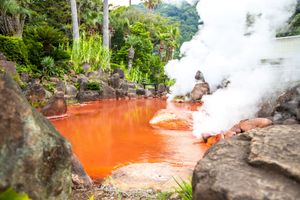
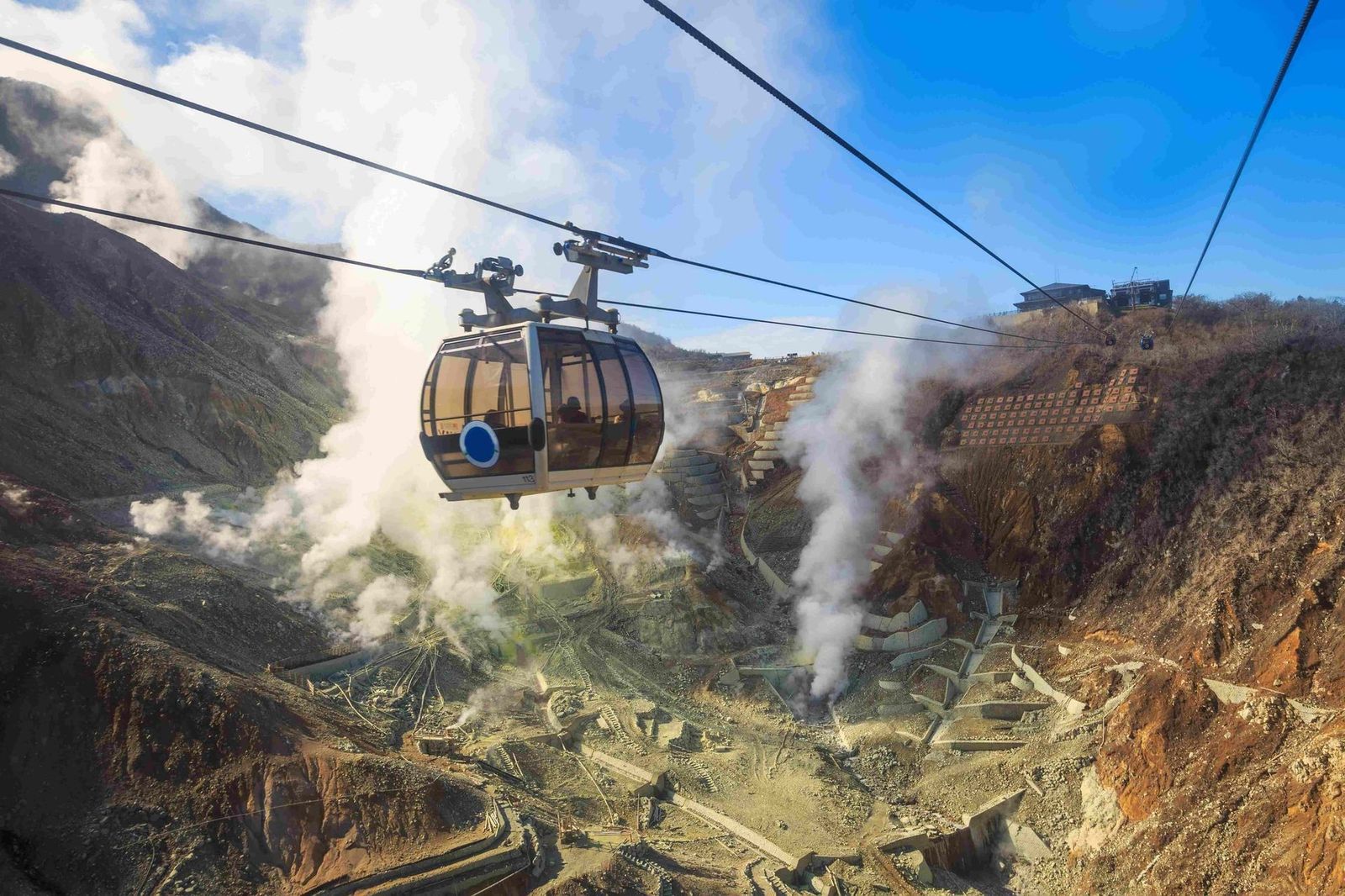
Beyond the walking, Hakone has plenty more to savour. You'll soak in a natural onsen, then hop on the ropeway for a ride over Owakudani, the "Great Boiling Valley", where volcanic vents hiss and steam in a landscape unlike anything else in Japan. And you won't miss riding the Hakone Tozan Railway, the country's steepest mountain railway, threading through lush green scenery that bursts into colour during hydrangea season.
Hakone is one of those rare places that manages to feel both alive and deeply peaceful. Come and see for yourself.
With over 33 years of experience, 50,000+ satisfied guests, and more than 4 million kilometres walked, you’re in expert hands!
Available Walks
Gallery
A closer look at Hakone





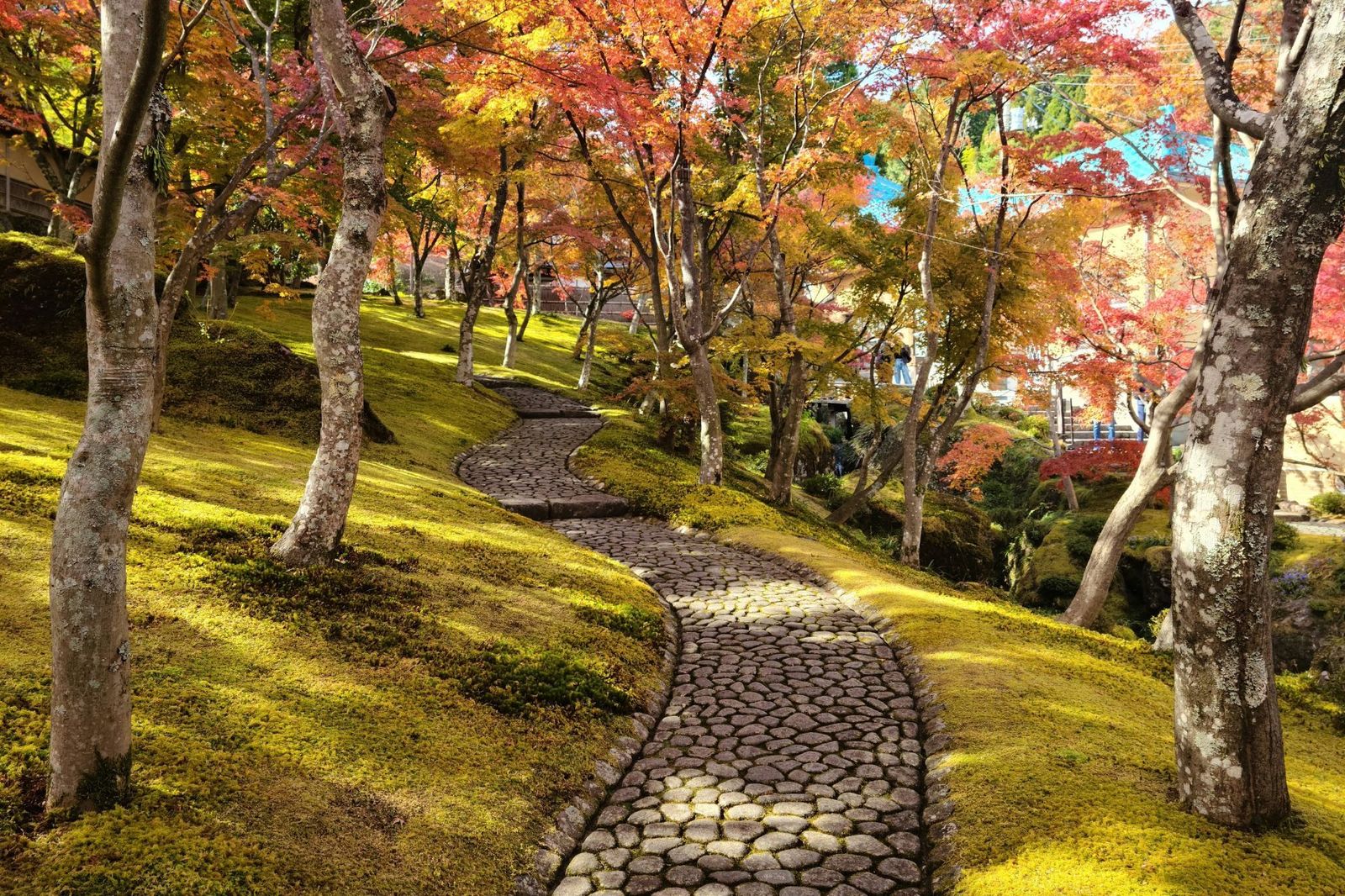

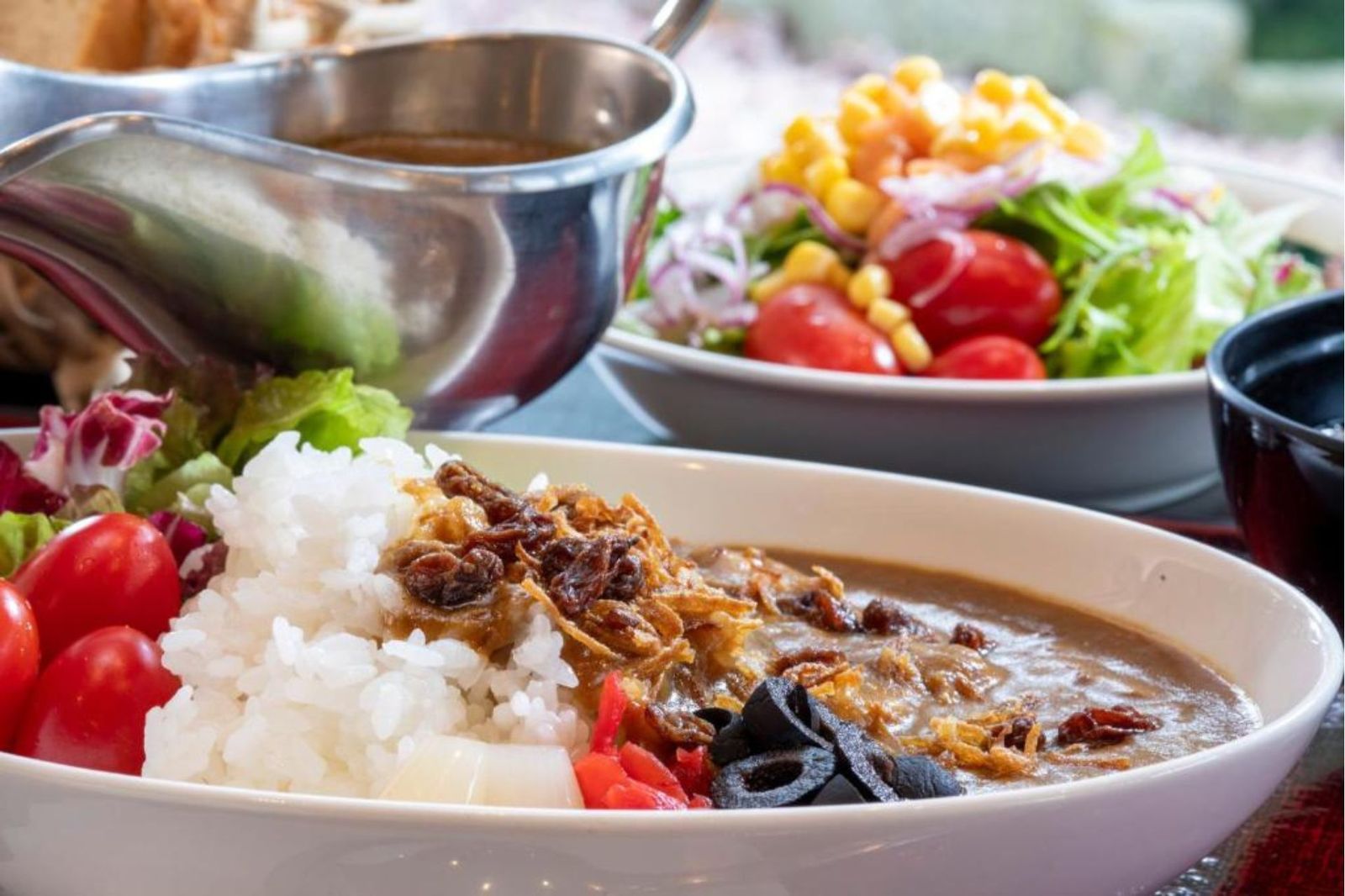

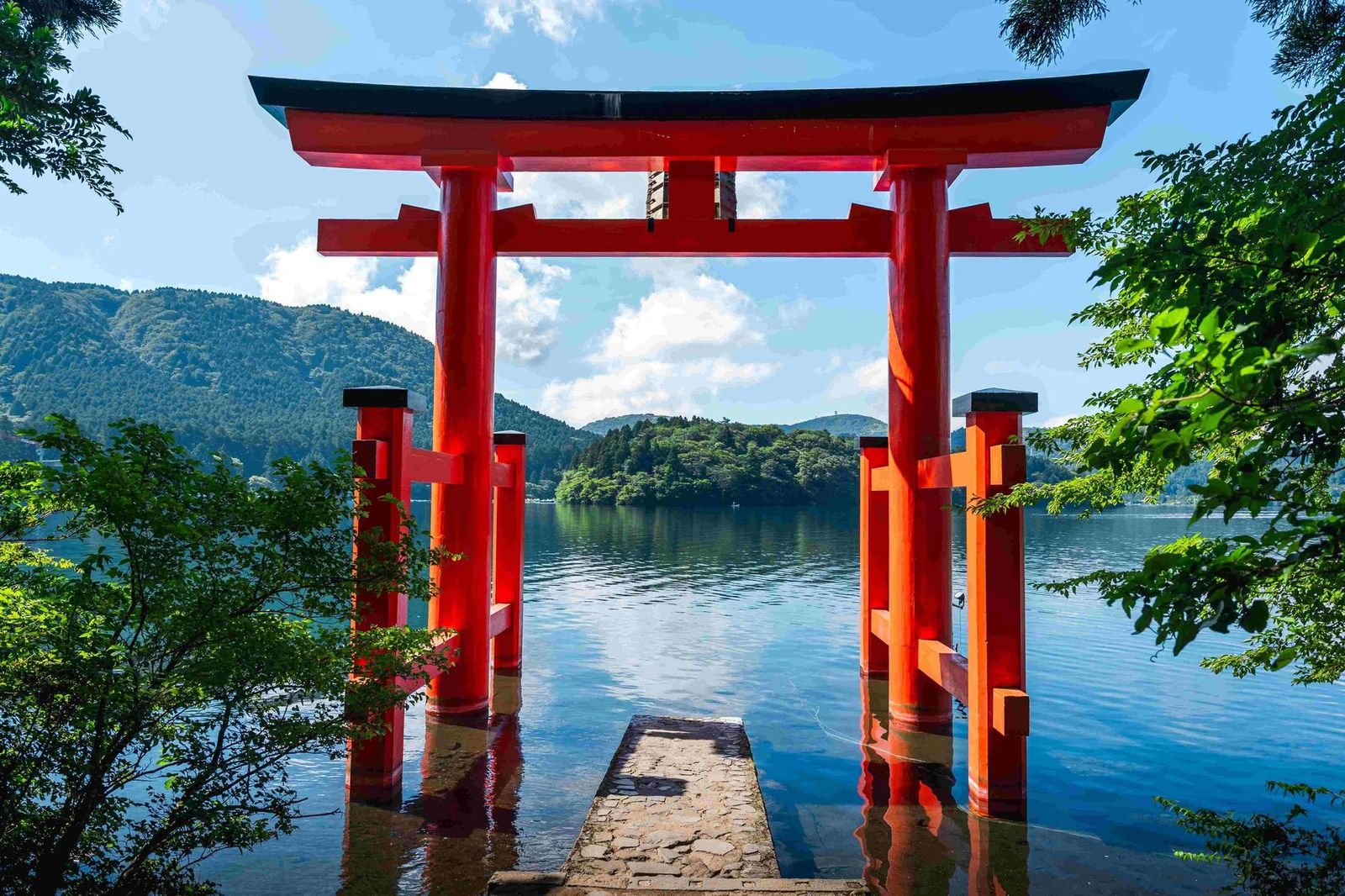

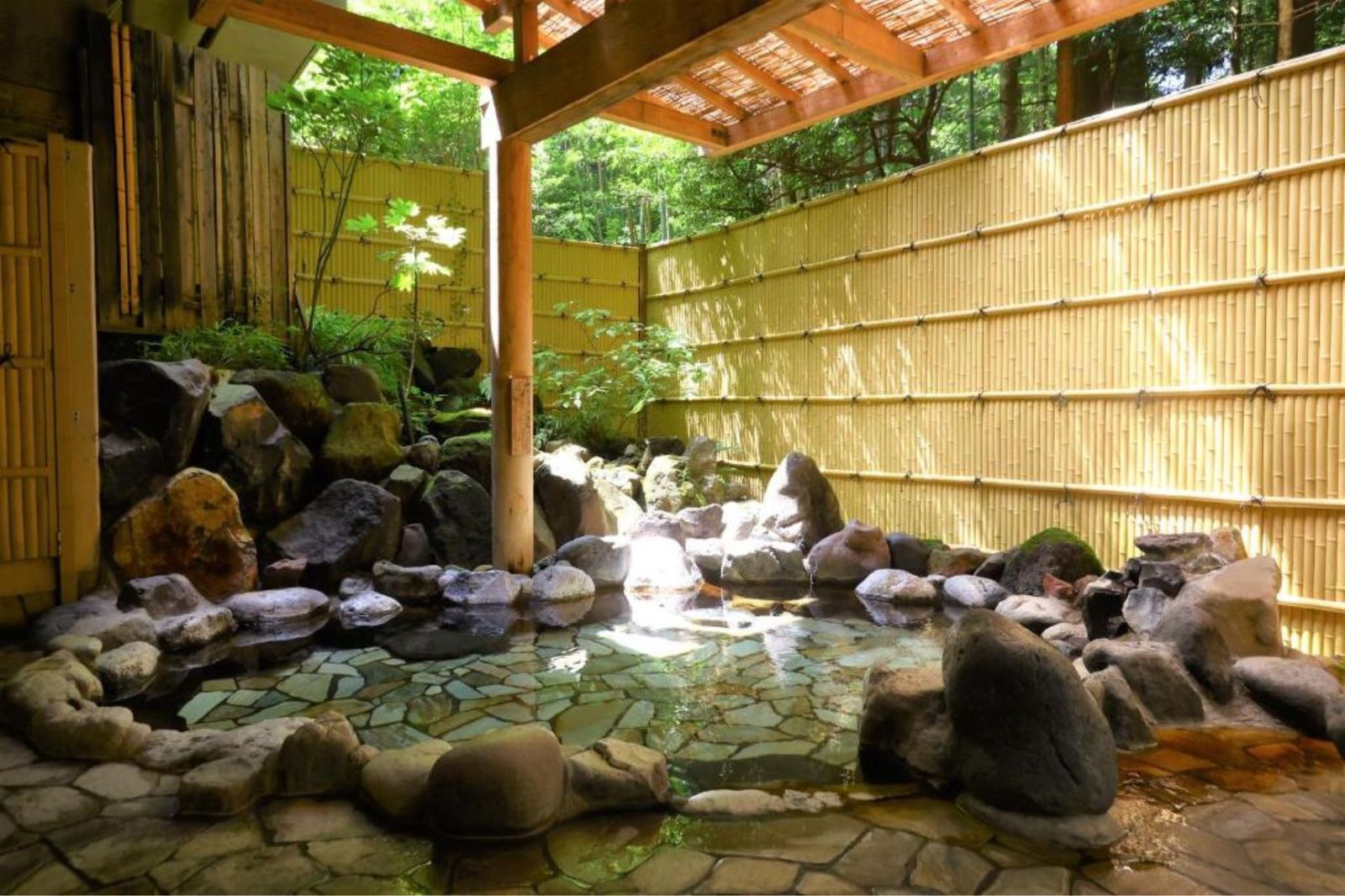






THE HAKONE EXPERIENCE
What you'll eat
Where you'll stay
How you'll travel
More About This Destination
HIGHLIGHTS OF THIS IMMERSIVE WALKING EXPERIENCE:
- This self-guided walking holiday allows you to choose when and who you want to walk with and at your own pace.
- Get away from the crowds and see the real Japan the way the Japanese experience it with much more of the nature
- Walk in the feet of Samurai, Shoguns and Emperors, as they did for 1000 years or so
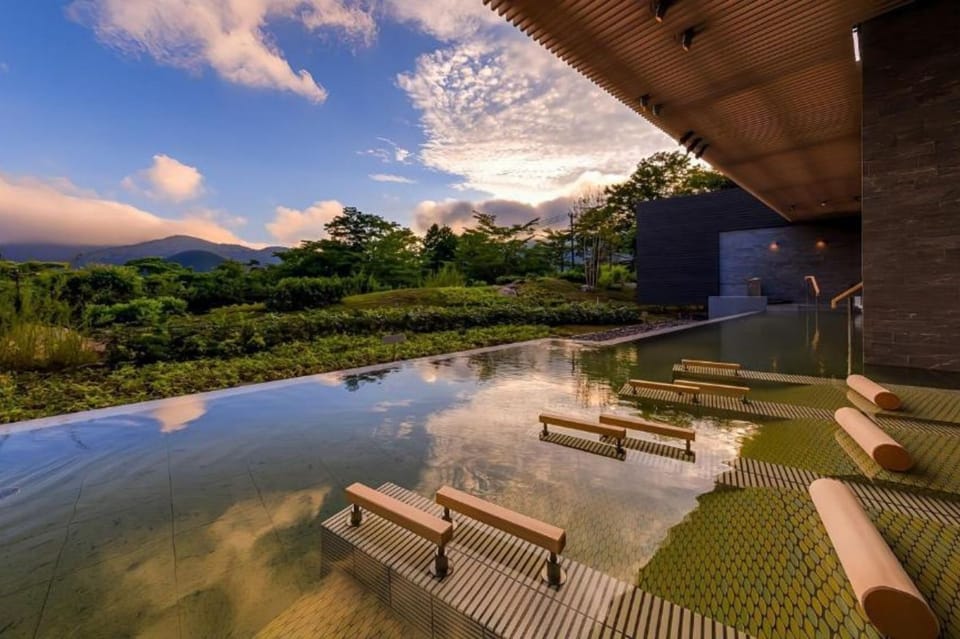
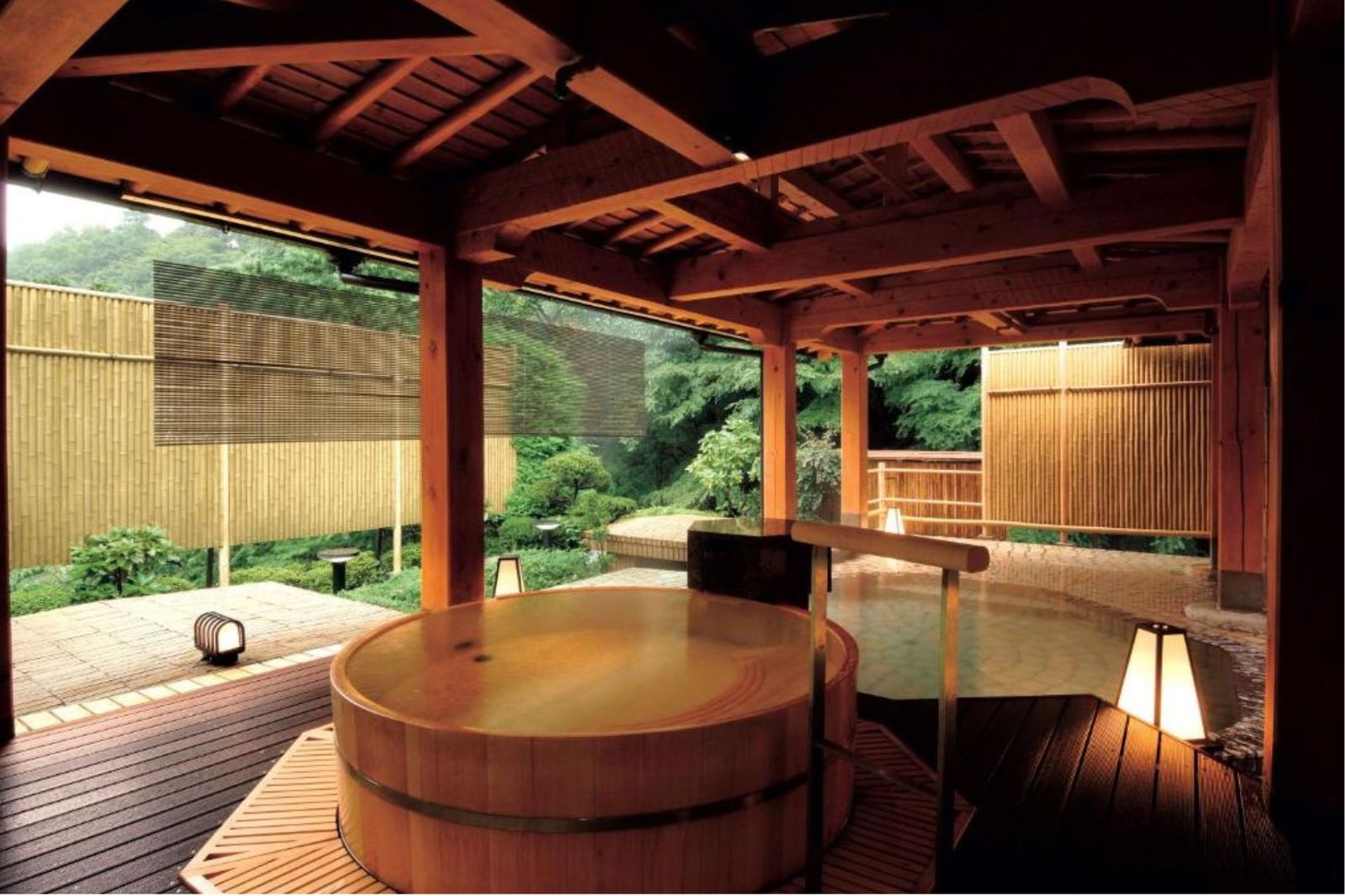
- Hot Springs (Onsen): Hakone is one of Japan’s premier onsen resort areas, with numerous ryokan (traditional inns) offering natural hot spring baths fed by volcanic activity
- Volcanic Landscape: The Owakudani (“Great Boiling Valley”) is a dramatic active volcanic zone with steaming vents and sulphurous fumes, where you can try the famous kuro tamago (black eggs hard-boiled in the volcanic springs).
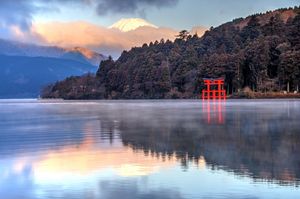
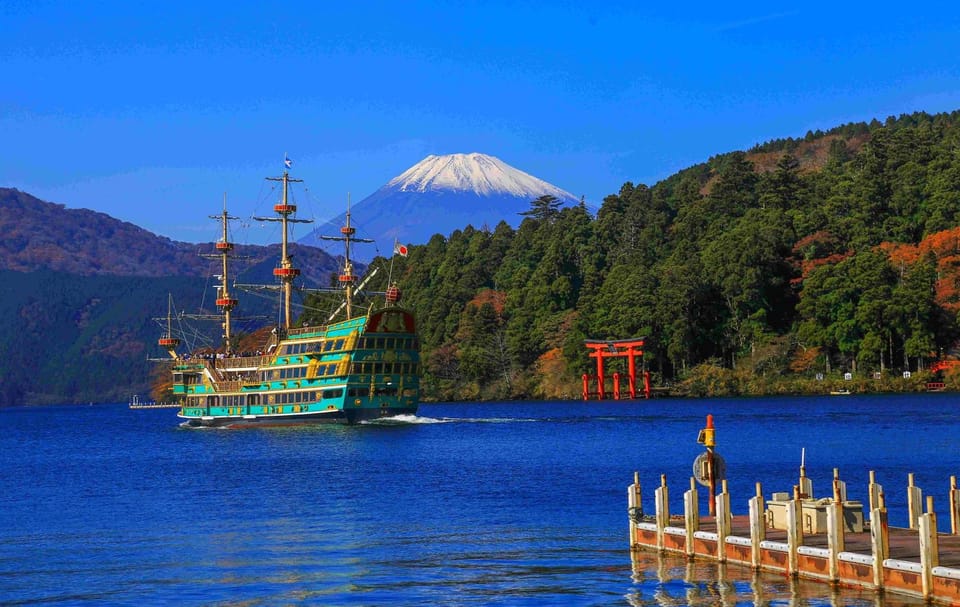
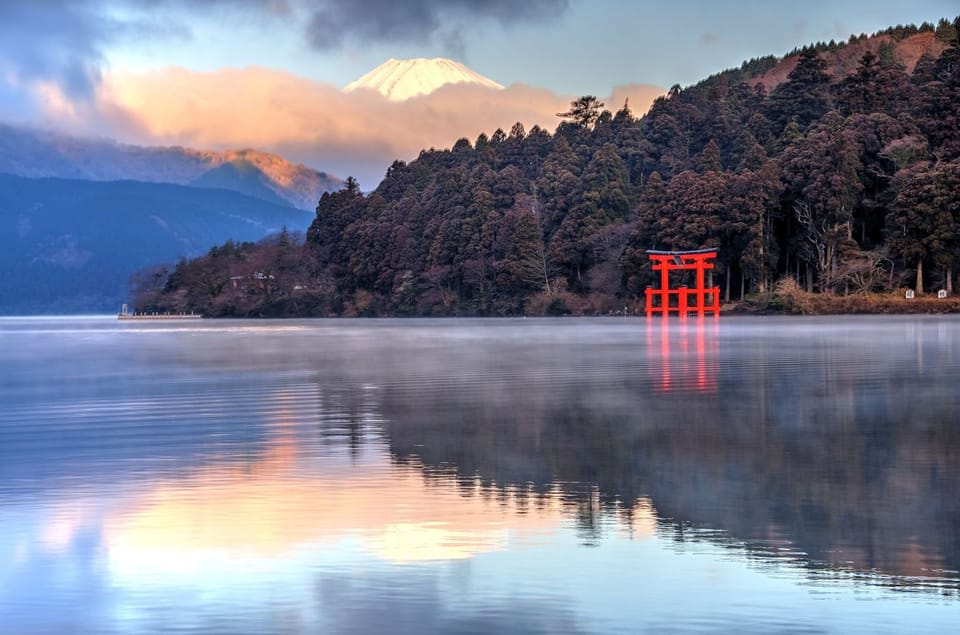
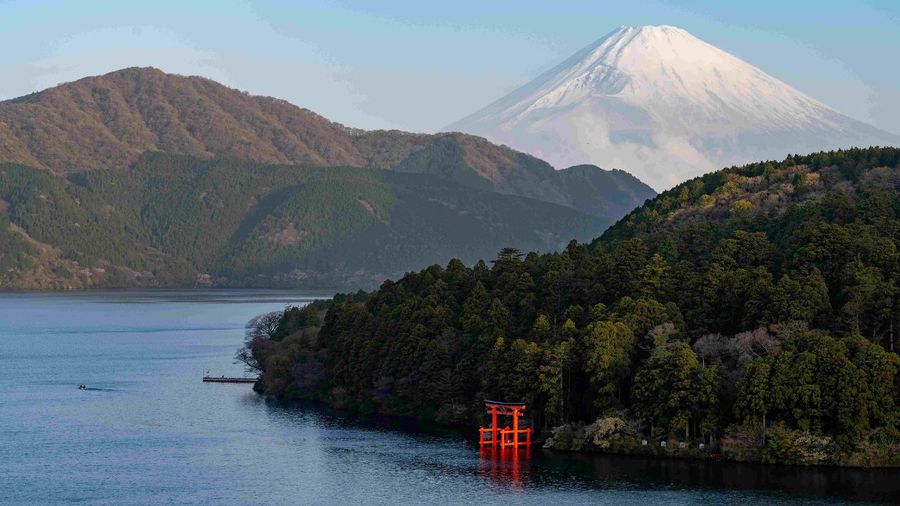
- Lake Ashi: A scenic crater lake where visitors can take sightseeing cruises with views of Fuji in the background
- The Hakone Open-Air Museum: A renowned outdoor sculpture park featuring works by Picasso, Rodin, and many other artists set against mountain scenery.
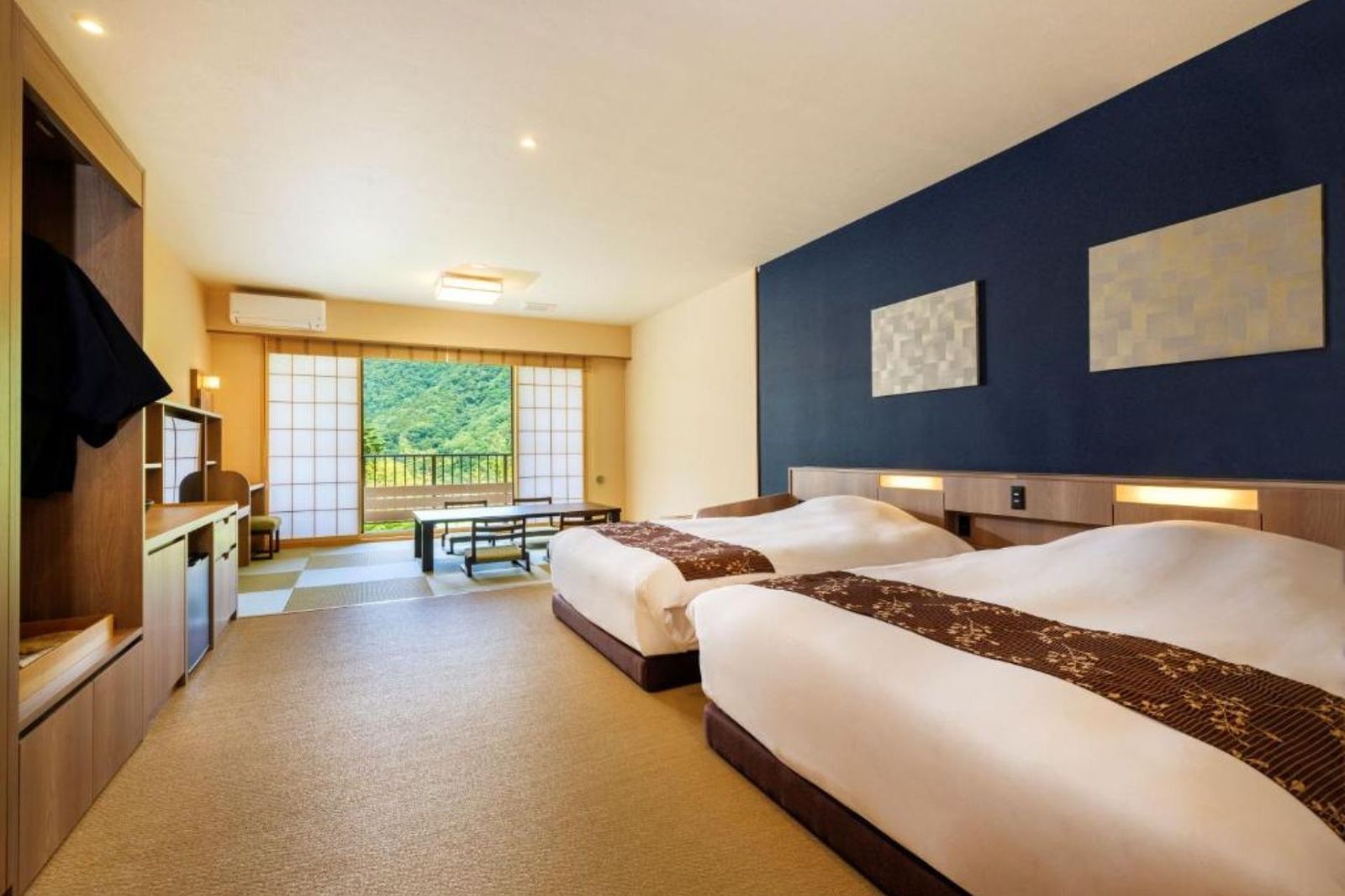
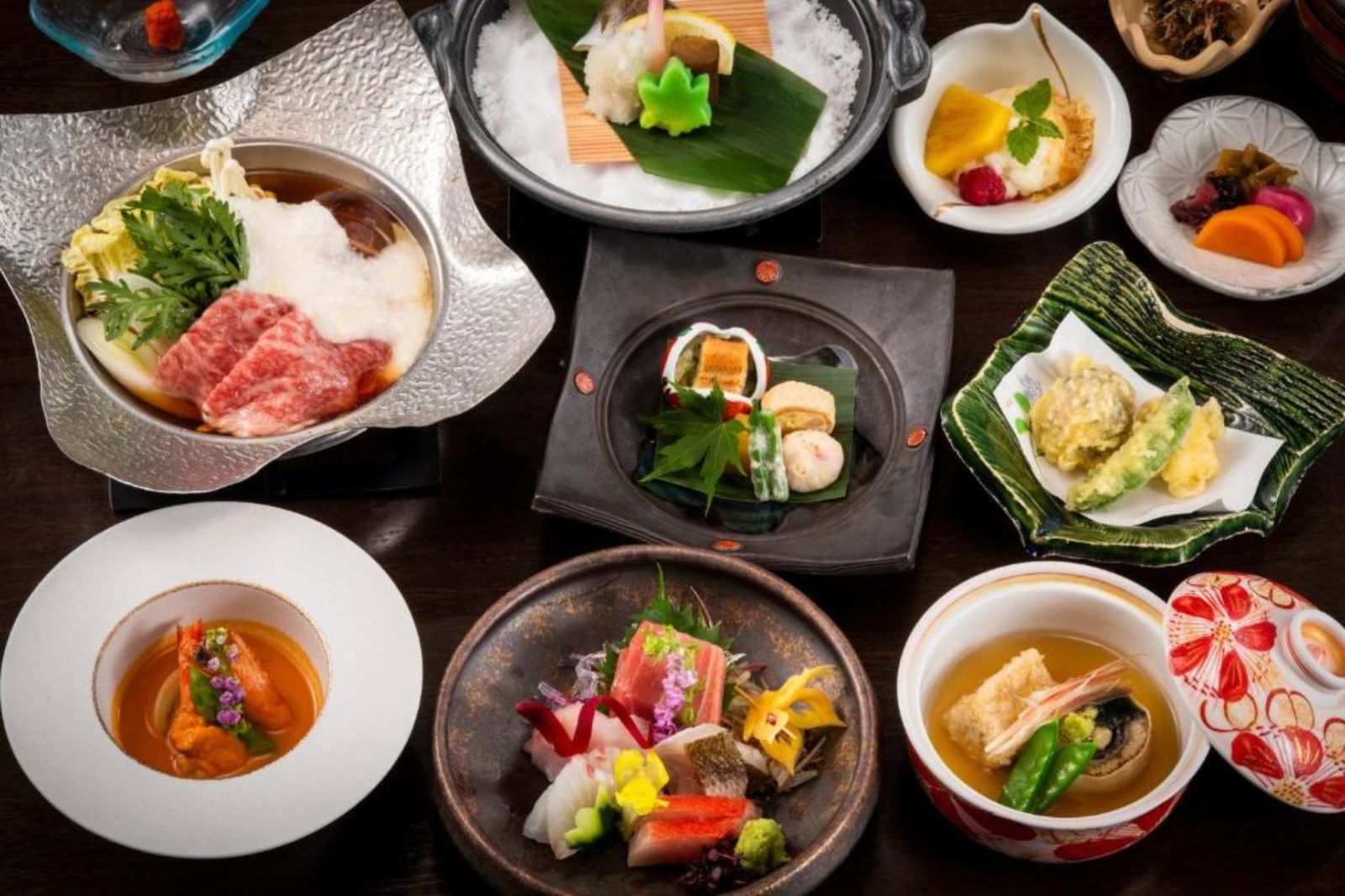
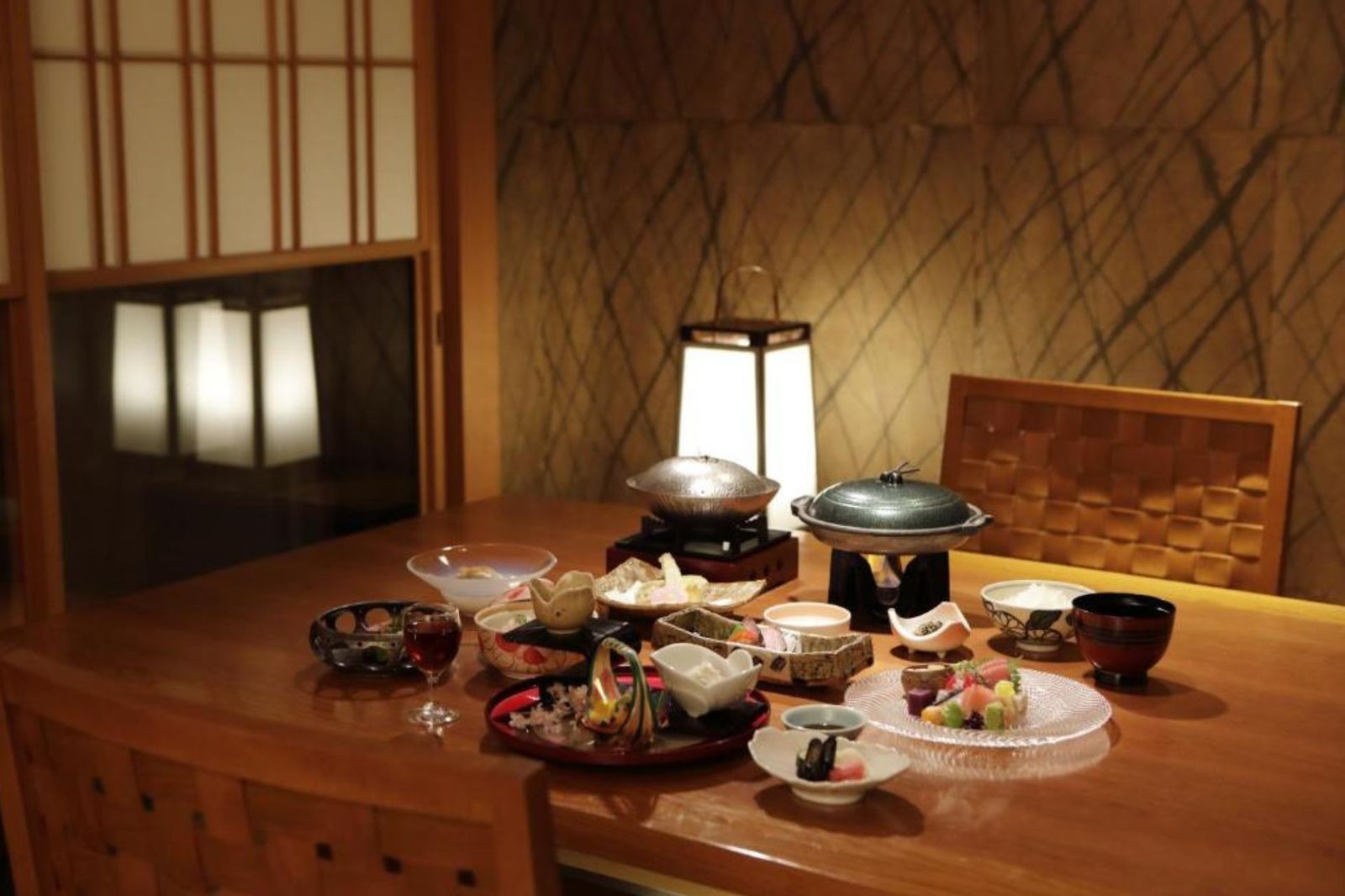
- Traditional Ryokan Culture: It’s considered one of the best places in Japan to experience staying in a traditional inn with kaiseki (multi-course) dining and private onsen baths.
- Proximity to Tokyo: Just about 90 minutes from Tokyo, it’s one of the most popular weekend getaways for both locals and tourists.
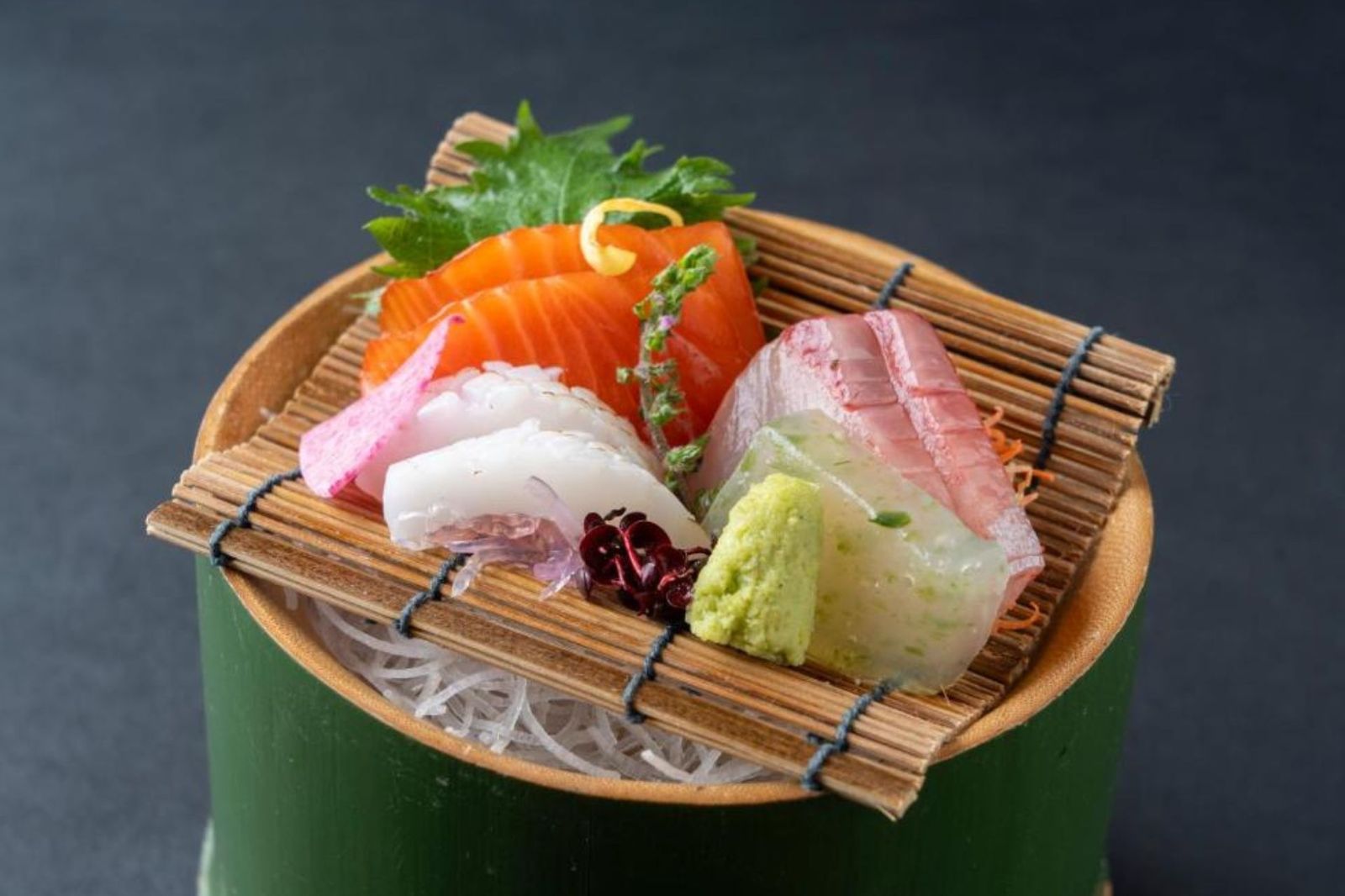
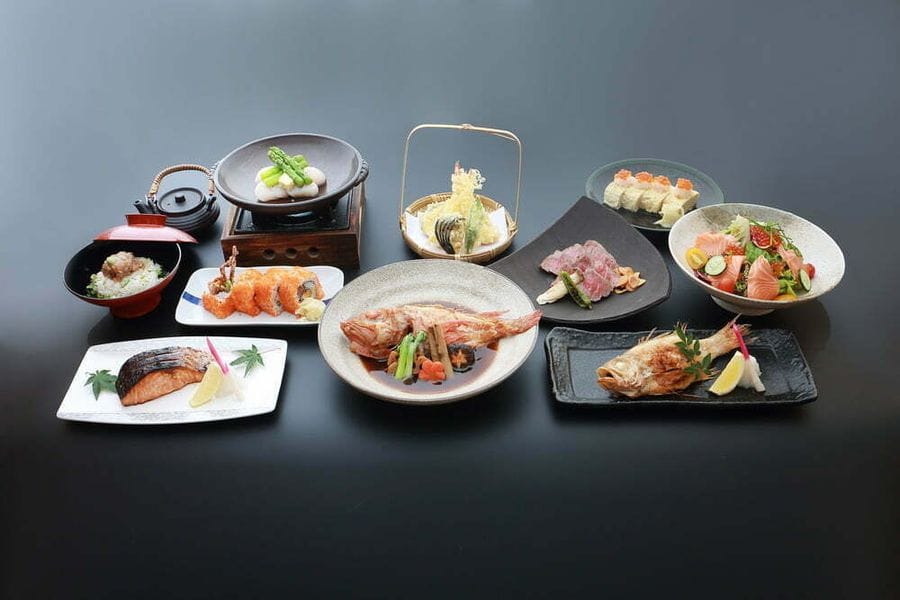
Hakone’s food draws on mountain and sea alike, shaped by the region’s volcanic hot spring water. At Owakudani, eggs boiled in sulphurous spring water turn black, and legend says each one adds seven years to your life. That same spring water goes into delicate yuba (tofu skin) and handmade soba, often topped with grated mountain yam. Freshwater wakasagi smelt from Lake Ashi, kamaboko fish cake and warm onsen manju make good snacks between stops, while many ryokan serve kaiseki, a multi-course dinner showcasing the freshest seasonal, local ingredients.
Hakone sits around 90 kilometres southwest of Tokyo, and the easiest way in is by train. The Odakyu Romancecar limited express runs direct from Shinjuku Station to Hakone-Yumoto in around 90 minutes.
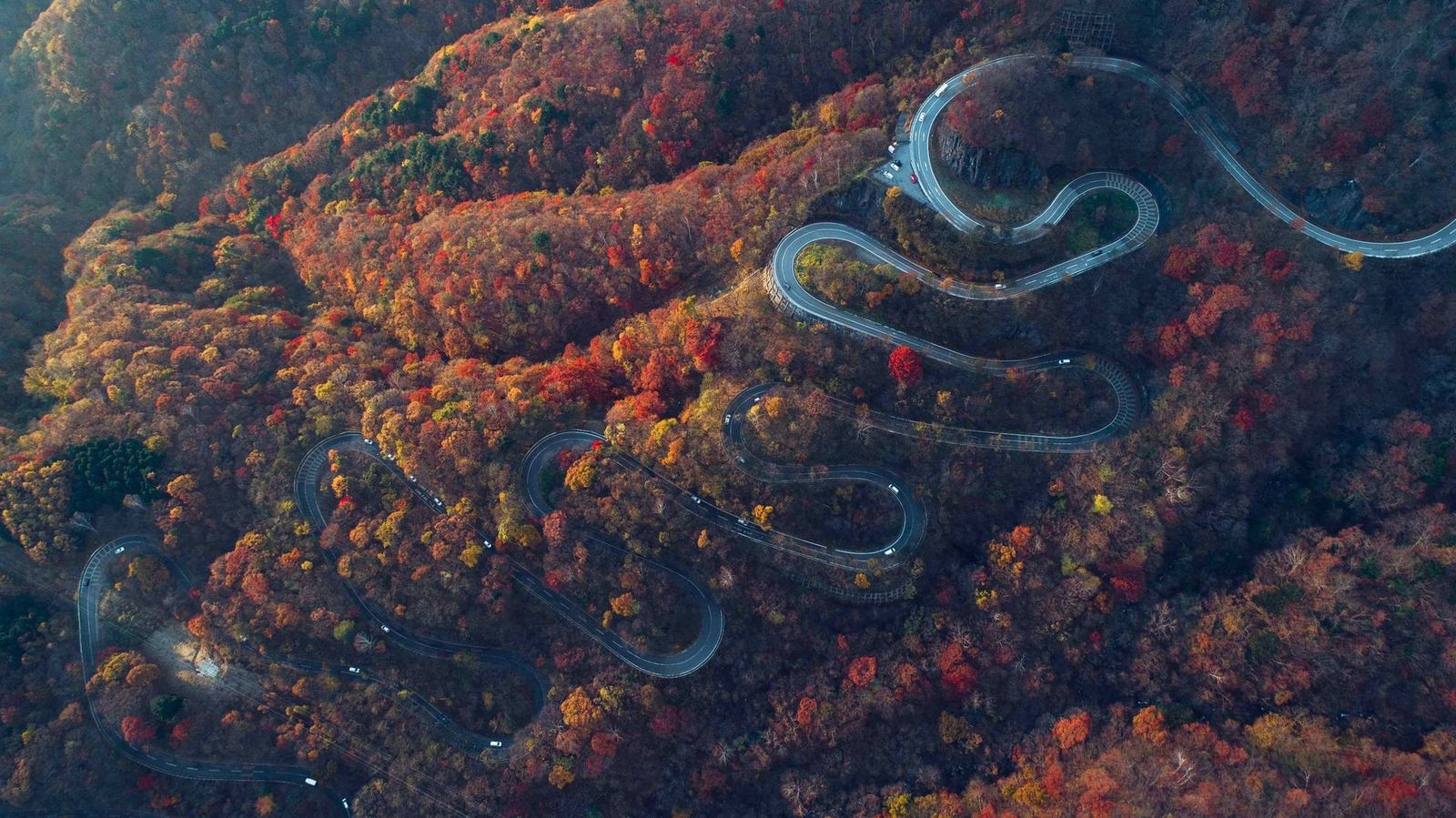
Hakone has four distinct seasons, with temperatures shaped as much by altitude as by time of year. Spring (March to May) brings mild days and cherry blossom from late March, though nights stay cool enough for a jacket. Summer (June to August) is warm and humid, with a rainy season through June and occasional typhoons in September, so pack a light rain jacket. Autumn (September to November) is one of the best times to visit, with crisp, mild days and vivid maple foliage. Winter (December to February) is cold, with occasional snow and average temperatures hovering around 2 to 6°C, but it’s also the clearest season for views of a snow-capped Mt Fuji. Because much of Hakone sits above 500 metres, it typically runs several degrees cooler than Tokyo, so layers are worth packing whatever the season.
Frequently asked questions
Can't find what you're looking for?
We can create a custom trip tailored to your preferences.
As Featured In