


-300x200.jpg)
-300x200.jpg)
-300x200.jpg)
-300x200.jpg)

-300x200.jpg)
-300x200.jpg)
-300x200.jpg)
-300x200.jpg)
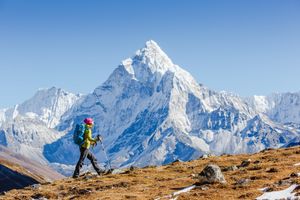
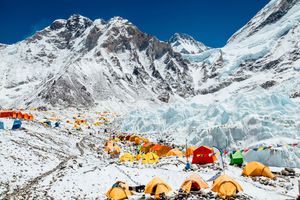
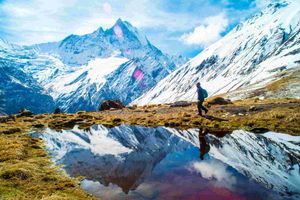
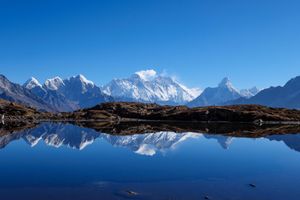
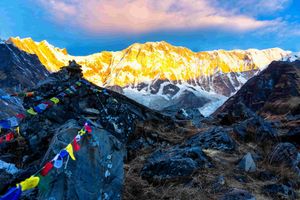
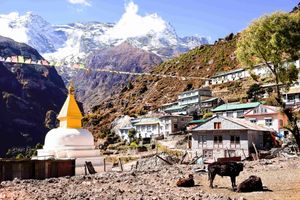
-300x200.jpg)
-300x200.jpg)

-300x200.jpg)
-300x200.jpg)
-300x200.jpg)
Nepal
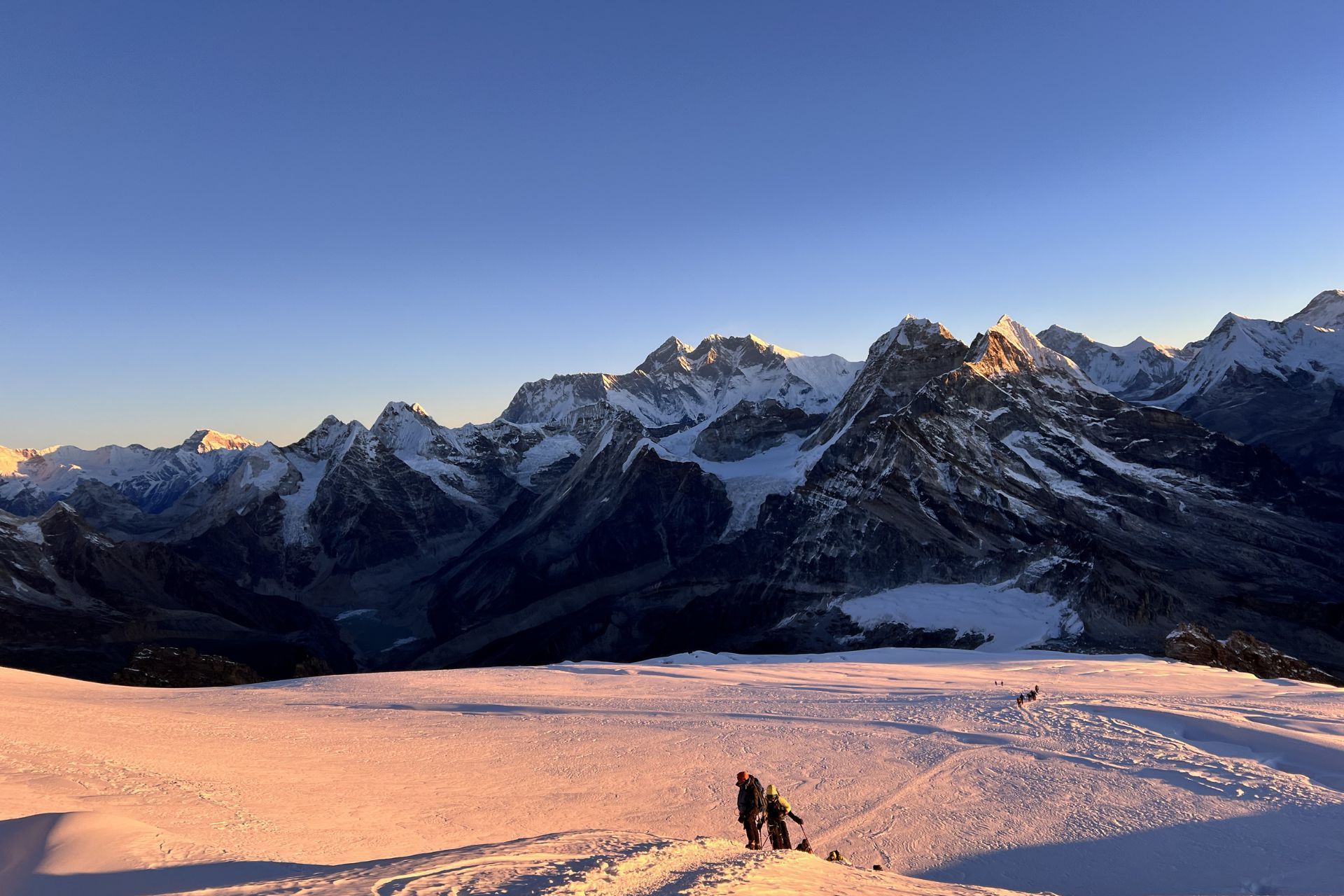
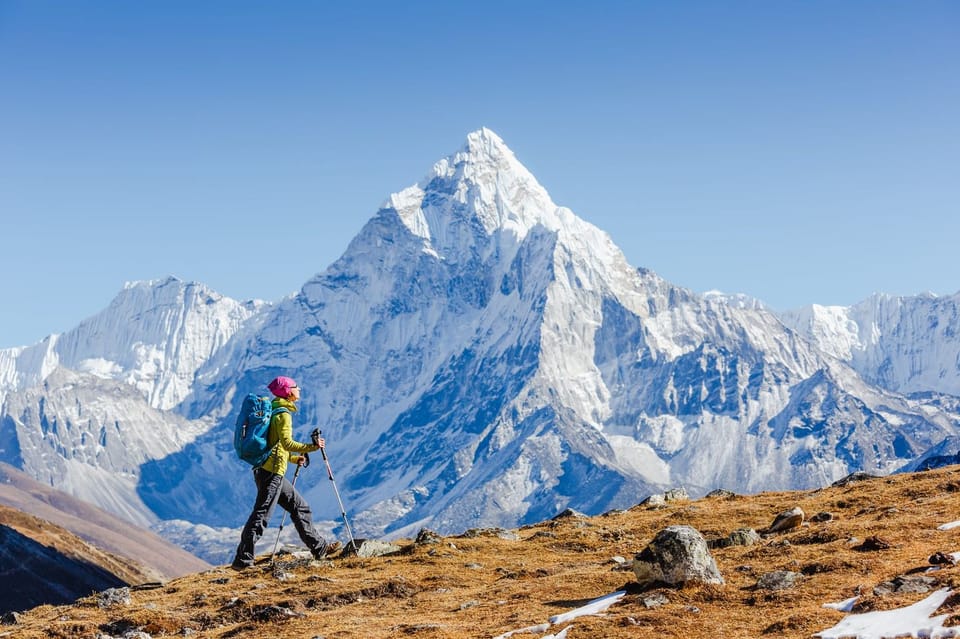
Nepal sits between India and Tibet on the roof of the world, home to eight of the planet's ten highest mountains and a culture shaped by centuries of Hindu and Buddhist tradition. From the medieval temples of Kathmandu to the terraced hillsides of the Himalayan foothills, it is a country of extraordinary beauty, spiritual depth and raw natural drama.
30+ Years Experience
Three decades of crafting memorable walks worldwide
Pack-Free Walking
Your luggage travels ahead while you walk light
24/7 Support
We're always just a phone call away
Eco Travel
Tread lightly through the places you love
As Featured In









Destinations in Nepal
2 destinations to explore
Swipe to explore
-1400x933.jpg)
All Walks in Nepal
5 walks available
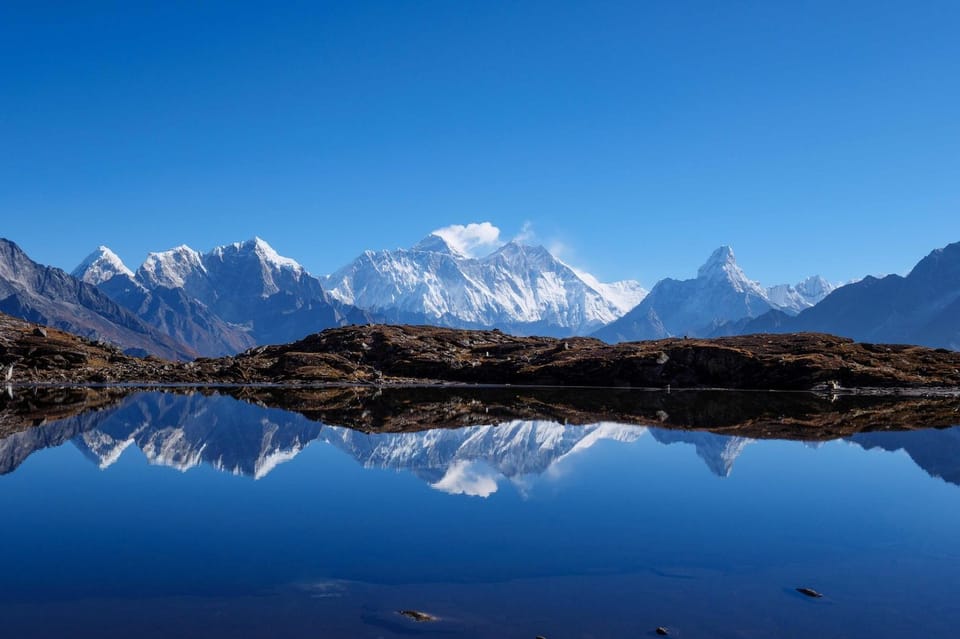
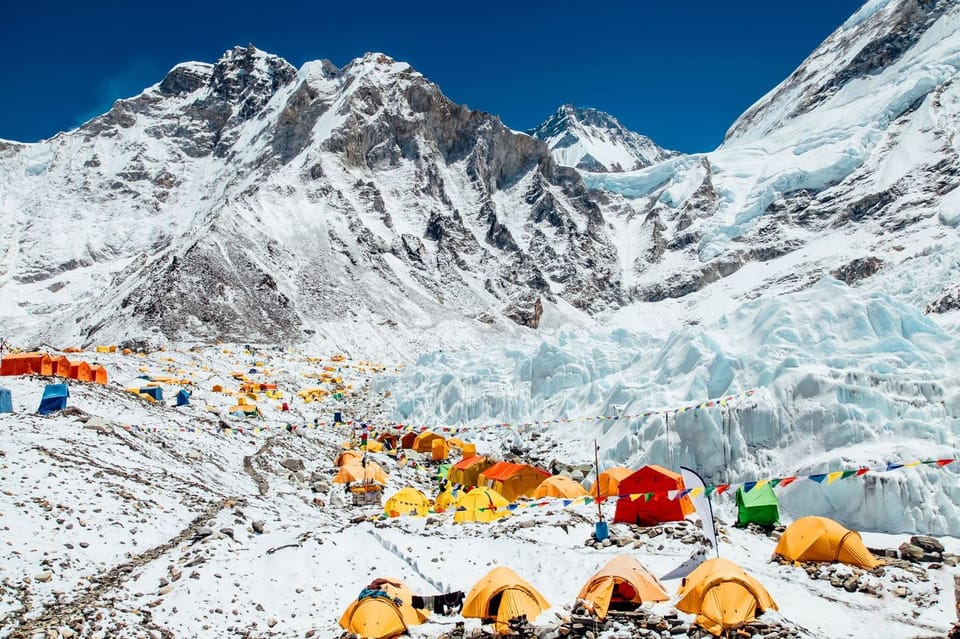
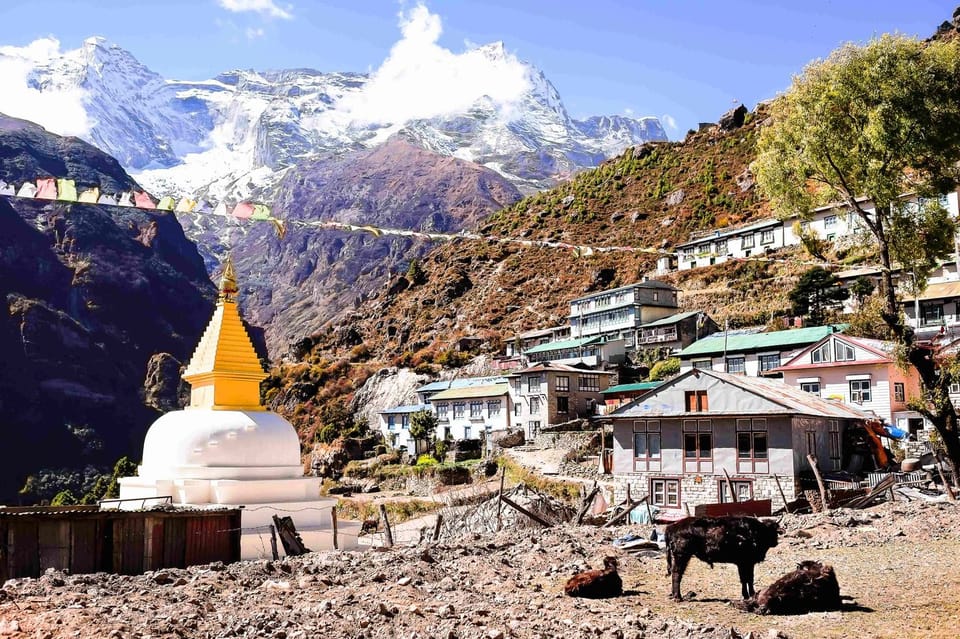
Nepal reviews
Loved by walkers
More About This Region
Auswalk Nepal Trekking: Comprehensive Inclusions
An Auswalk Nepal hiking trip is designed to be a fully supported, premium experience where nearly all major logistics, safety provisions, and essential costs are included, allowing guests to walk pack-free and stress-free.
Core Inclusions
Expert Guidance & Support:
- Expert Local Guides: Highly trained, English-speaking mountain guides with a superior guide-to-hiker ratio.Walk
- Pack-Free: Porters handle daily luggage transfers (you only carry a light daypack).
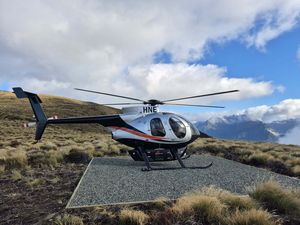
- Safety Priority: Dedicated acclimatization and contingency days are built into the itinerary for safety and flexibility. Many treks also include access to specialized helicopter transport for specific transfers or emergencies.
Accommodation:
- City Stays: High-quality 4-star hotels in Kathmandu and Pokhara (where applicable).
- Trek Stays: Handpicked, often 3-star standard traditional lodges/teahouses, frequently offering private rooms and ensuites where available.Meals & Dining:
- Nearly All-Inclusive: All breakfasts and most dinners (and often lunches) are included.
- Special Dinners: Welcome and farewell dinners at excellent restaurants in Kathmandu.
Logistics & Fees:
- Transfers: Private airport transfers to and from your accommodation.
- Internal Transport: Domestic flights (e.g., Jomsom to Pokhara) or private jeep transfers are included to optimize trekking time and comfort.
- Permits & Fees: All necessary trekking permits (ACAP/SNP), government taxes, and entrance fees to heritage sites are covered.
- Extras: A guided tour of Kathmandu and often a duffel bag, buff, and a walking information pack are provided.
This comprehensive package eliminates the need to budget for nearly all major daily expenses and logistical headaches once you arrive.
Common Concerns Solved by Auswalk:
- Flight Cancellations: Helicopter transfers minimise delays, making it safer and giving you more time to enjoy your trek.
- Emergencies: Our team has access to four priority helicopters for immediate assistance.
- Tiring Descents: Finish on a high with helicopter returns—no wasted days or aching knees.
- Language Barriers: Our English-speaking guides are experienced and attentive
- Accommodation Quality: Stay in a quiet 4-star hotel with an infinity pool in Thamel, and enjoy the best available lodgings during your trek and ensuites when available. For extra comfort, try our Kongde trek.
- Tight Schedules: We build in contingency days so you won't miss your international
The History and Importance of Trekking in Nepal
Trekking in Nepal is an industry with a relatively recent, yet transformative, history. For centuries, the mountain trails were used exclusively by local people for trade, pilgrimage, and daily life. The modern era of hiking began after Nepal opened its borders to foreigners in 1949.
A Brief History
The foundations of commercial trekking were laid by mountaineering expeditions. In 1949, British adventurer Bill Tilman secured permission to explore remote regions. The successful ascent of Annapurna I in 1950, and the historic 1953 Everest climb by Sir Edmund Hillary and Tenzing Norgay Sherpa, put the Himalayas on the world map. Recognising the potential, retired Gurkha officer Colonel Jimmy Roberts established the country’s first commercial trekking company, Mountain Travel, in 1964. This move commercialised the experience, evolving it from rugged camping trips for elite adventurers to the widely accessible teahouse trekking model we know today.
Importance to Local Communities: Trekking is critically important to the local people, serving as the primary engine for economic development and an anchor for cultural preservation in remote mountain regions.
Economic Backbone: It provides direct employment for tens of thousands of people as guides, porters, cooks, lodge owners, and support staff. This income is vital for remote Himalayan communities, enabling families to afford better education for their children, healthcare, and an improved standard of living.
Cultural Exchange: The teahouse model facilitates profound cultural exchange. Trekkers stay in locally owned lodges and interact with Sherpa, Tamang, Gurung, and Thakali communities. This interaction provides locals with a platform to preserve and showcase their unique traditions while gaining respect for their way of life.
Infrastructure and Conservation: Tourism revenue finances local infrastructure like bridges, trails, and even small health posts. Furthermore, the establishment of protected areas, such as the Annapurna Conservation Area, relies on trekking permits and fees to fund conservation efforts, ensuring the preservation of the mountain environment.
Nepal's Biodiversity: Flora and Fauna on the Trekking Trails
Hiking in Nepal is a journey through multiple climatic zones, each supporting a spectacular array of plant and animal life. The immense change in altitude —from subtropical river valleys to high alpine zones —creates this profound biodiversity.
Flora: A Changing Landscape
At lower to mid-altitudes (up to 3,000m), trekkers move through lush temperate forests dominated by dense stands of oak and various species of pine. The floral highlight, particularly in the spring (March-May), is the vibrant Rhododendron, Nepal's national flower. Over 30 varieties bloom here, creating bursts of red, pink, and white across the hillsides, especially prominent in the Annapurna and Langtang regions. Medicinal herbs, mosses, and numerous orchid species carpet the forest floor.
As the trail climbs above the tree line (around 4,000m), the dense forests give way to hardier sub-alpine and alpine vegetation. Here, you find dwarf rhododendron and fragrant juniper scrub, eventually transitioning to short, resilient grasses, mosses, and brightly colored alpine wildflowers like primulas and saxifrages in the brief summer months, persisting until the permafrost begins.
Fauna: The Elusive High-Altitude Dwellers
While much of the fauna is shy, the mountains are home to highly specialised species.
- Mammals: Common sights include the Himalayan Tahr (a large wild goat) and the Blue Sheep (Bharal), which often graze in herds on the rocky, steep slopes and are crucial prey for the rare and highly elusive Snow Leopard. In the temperate bamboo forests, particularly in the east and central regions, you might spot the endangered Red Panda. Domesticated Yaks are omnipresent on the upper trekking routes, serving as the main transport and providing food and wool.
- Birds: Birdlife is rich. The magnificent, iridescent Himalayan Monal (Nepal's national bird) forages at mid-altitudes. High above, large raptors like the Bearded Vulture (Lammergeier) and Golden Eagles ride the thermals.
This transition of life, from subtropical density to alpine tundra, is a central, defining feature of the Himalayan trekking experience.
Conservation Efforts Funded by Trekking in Nepal
Nepal has established an extensive network of National Parks and Conservation Areas, covering approximately 23% of its total land area. The revenue generated from trekking permits—specifically the Conservation Area Permits (ACAP, MCAP, KCAP) and National Park entry fees (Sagarmatha, Langtang)—is the primary financial engine for conservation and local development in these regions.
Key Conservation Initiatives
- Biodiversity Protection: Funds support crucial projects for iconic and endangered high-altitude fauna, such as the Snow Leopard and Red Panda. Efforts include habitat restoration (such as bamboo reforestation for the Red Panda), scientific monitoring using camera traps and genetic analysis, and anti-poaching initiatives.
- Community-Based Conservation: Nepal is a world leader in this approach. Protected areas like the Annapurna Conservation Area (ACA) are managed on a community-based model. Trekking fees directly support local development projects, including the construction and maintenance of schools, health posts, and clean water systems. This incentivises local people to protect the environment because their livelihoods are directly tied to sustainable tourism.
- Trail and Waste Management: Permit revenue is used to maintain trekking trails, bridges, and local infrastructure. Critically, it funds programs for waste management in areas like the Everest region, mitigating the environmental impact of thousands of visitors.
- Safety and Rescue: The Trekkers' Information Management System (TIMS) card (or similar local permits) helps track trekkers for emergency rescue, ensuring a safer, more regulated travel environment that protects both visitors and fragile ecosystems.
By trekking through designated areas with the required permits, you are directly contributing to the long-term sustainability of the Himalayan environment and the well-being of the mountain communities.
Would you be interested in learning about the specific National Parks or Conservation Areas that Auswalk treks visit?
Auswalk focuses its Nepal treks primarily on the two most iconic and well-protected regions:
1. Annapurna Conservation Area (ACA / ACAP)
The Annapurna region is where Auswalk operates treks such as the Annapurna Circuit and the Annapurna Sanctuary.
- Protected Status: It is governed by the Annapurna Conservation Area Project (ACAP), Nepal's first and largest conservation area, covering over 7,600 sq. km.
- Conservation Focus: The ACAP fee that is included in your trek price directly funds an Integrated Conservation and Development Programme. This approach is crucial because it prioritises the needs of the over 100,000 residents (mainly the Gurung, Magar, and Thakali communities) living within its boundaries.
- Your Contribution Supports:
Protecting the dense rhododendron forests and deep valleys (home to the Red Panda). - Funding local schools, health posts, and village infrastructure.
- Sustainable tourism management and waste management initiatives.
2. Sagarmatha National Park (SNP)
This is the region home to Mount Everest, where Auswalk runs its Everest Base Camp treks.
- Protected Status: It is a National Park and a UNESCO World Heritage Site.
- Conservation Focus: This area is managed more strictly, with park fees going toward the conservation of high-altitude flora and fauna, including the Snow Leopard and Himalayan Monal, and protecting the fragile high-altitude ecosystem.
- Your Contribution Supports:
Protecting the ancient Sherpa culture and its monasteries. - Maintaining the fragile Khumbu Icefall monitoring and general park maintenance.
- Anti-poaching patrols for endangered species.
By booking an Auswalk trek, your necessary permits and fees for either ACAP or SNP are automatically handled, ensuring your visit is legal and that you contribute directly to environmental and community projects in the area you are enjoying.
Auswalk Nepal Trekking: Comprehensive Inclusions
An Auswalk Nepal hiking trip is designed to be a fully supported, premium experience, with nearly all major logistics, safety provisions, and essential costs included, allowing guests to walk pack-free and stress-free.
Core Inclusions
- Expert Guidance & Support:
- Expert Local Guides: Highly trained, English-speaking mountain guides with a superior guide-to-hiker ratio.
- Walk Pack-Free: Porters handle daily luggage transfers (you only carry a light daypack).
- Safety Priority: Dedicated acclimatisation and contingency days are built into the itinerary for safety and flexibility.
- Many treks also include access to specialised helicopter transport for specific transfers or emergencies.
Accommodation:
- City Stays: High-quality 4-star hotels in Kathmandu and Pokhara (where applicable).
- Trek Stays: Handpicked, often 3-star standard traditional lodges/teahouses, frequently offering private rooms and ensuites where available.
Meals & Dining:
- Nearly All-Inclusive: All breakfasts and most dinners (and often lunches) are included.
- Special Dinners: Welcome and farewell dinners at excellent restaurants in Kathmandu.
- Logistics & Fees:
Internal Transport:
- Domestic flights (e.g., Jomsom to Pokhara) or private jeep transfers are included to optimize trekking time and comfort.
- Permits & Fees: All necessary trekking permits (ACAP/SNP), government taxes, and entrance fees to heritage sites are covered.
- Transfers: Private airport transfers to and from your accommodation.
- Extras: A guided tour of Kathmandu and often a duffel bag, buff, and a walking information pack are provided.
- This comprehensive package eliminates the need to budget for nearly all major daily expenses and logistical headaches once you arrive.
Common Concerns Solved by Auswalk:
- Flight Cancellations: Helicopter transfers minimise delays, making it safer and giving you more time to enjoy your trek.
- Emergencies: Our team has access to four priority helicopters for immediate assistance.
- Tiring Descents: Finish on a high with helicopter returns—no wasted days or aching knees.
- Language Barriers: Our English-speaking guides are experienced and attentive
- Accommodation Quality: Stay in a quiet 4-star hotel with an infinity pool in Thamel, and enjoy the best available lodgings during your trek and ensuites when available. For extra comfort, try our Kongde trek.
- Tight Schedules: We build in contingency days so you won't miss your international
Your main piece of luggage will be transported for you each day as you walk, so when you arrive at your accommodation, it will be there waiting for you. You will only have to carry a light day pack with your essentials.
As with any journey, it is essential to be prepared for your walking holiday. While we will be transporting your luggage from accommodation to accommodation, you will still be carrying a lightweight day pack with you. Here is what we suggest that you take with you on the trip, some of it in your day pack and the remainder in your luggage:
- Comfortable day pack 30-35L (waterproof or with rain cover)
- Mobile phone is great for photos but also for the internet if you want to connect
- Battery pack to recharge phone and/or camera
- Good waterproof/windstopper jacket and optional over trousers
- A down jacket
- Layers for the day: long sleeve and/or short sleeve t shirts/shirts (quick-drying clothing is always more comfortable)
- A warm fleece for the night
- Lightweight walking trousers (preferably can be shortened)
- Polypropylene thermals (tights) top and bottom
- Walking boots and/or sturdy walking shoes (trainers are not appropriate)
- 2 – 4 pairs of trekking socks
- 1 pair of woolen thick socks
- Comfortable shoes/ shower shoes for evenings
- Hat & warm gloves
- Head torch
- Sunglasses
- Sun protection (glasses, cream 50+ and a hat)
- Lip balm (strongly recommended for treks above 3,500m)
- Food, snacks
- Water bottle(s) or hydration system up to 2-3 litres minimum
- Toilet provisions (paper and waste bag)
- Microfibre towel (for showering)
- Nepalese cash – you must get this in Kathmandu. Also, account for tipping the guide and porters, which is standard but not compulsory ($30 a day to be shared)
- Passport (never pack it in your main luggage)
- Personal medication and personal first aid kit
- Walking stick/walking poles - highly recommended to limit pressure on joint (optional)
- Buff to prevent the cold dry air from drying out your lungs
- Waterproof over-trousers
- Thermal underwear
- Sleeping bag warm to -15C, either down or fibrefill. This can be hired or purchased in Kathmandu (Kongde trip not required)
Any additional items that you will need to take along with you must not amount to more than 15 kg.
If you have any questions, please feel free to contact our office and have a chat with our friendly team - Brett has walked the Himalayas a few times so he can give a first-hand account of what is required. The Auswalk team can also advise you on what types of clothing, backpacks, boots, and other materials you may need for your walking holiday.
You Might Also Like
Explore more walking destinations
Frequently asked questions
Want a custom experience in Nepal?
We can create a tailored trip just for you.