

-300x200.jpg)
-300x200.jpg)
-300x200.jpg)
-300x200.jpg)

-300x200.jpg)

-300x200.jpg)
-300x200.jpg)
-300x200.jpg)
-300x200.jpg)
-300x200.jpg)

-300x200.jpg)
-300x200.jpg)
-300x200.jpg)


Sonya S
September 2026
Great service and ease of booking. Quality of information and accomodation. Scenery was breath taking!
Alpine Trails of Lake Lucerne - 7 days
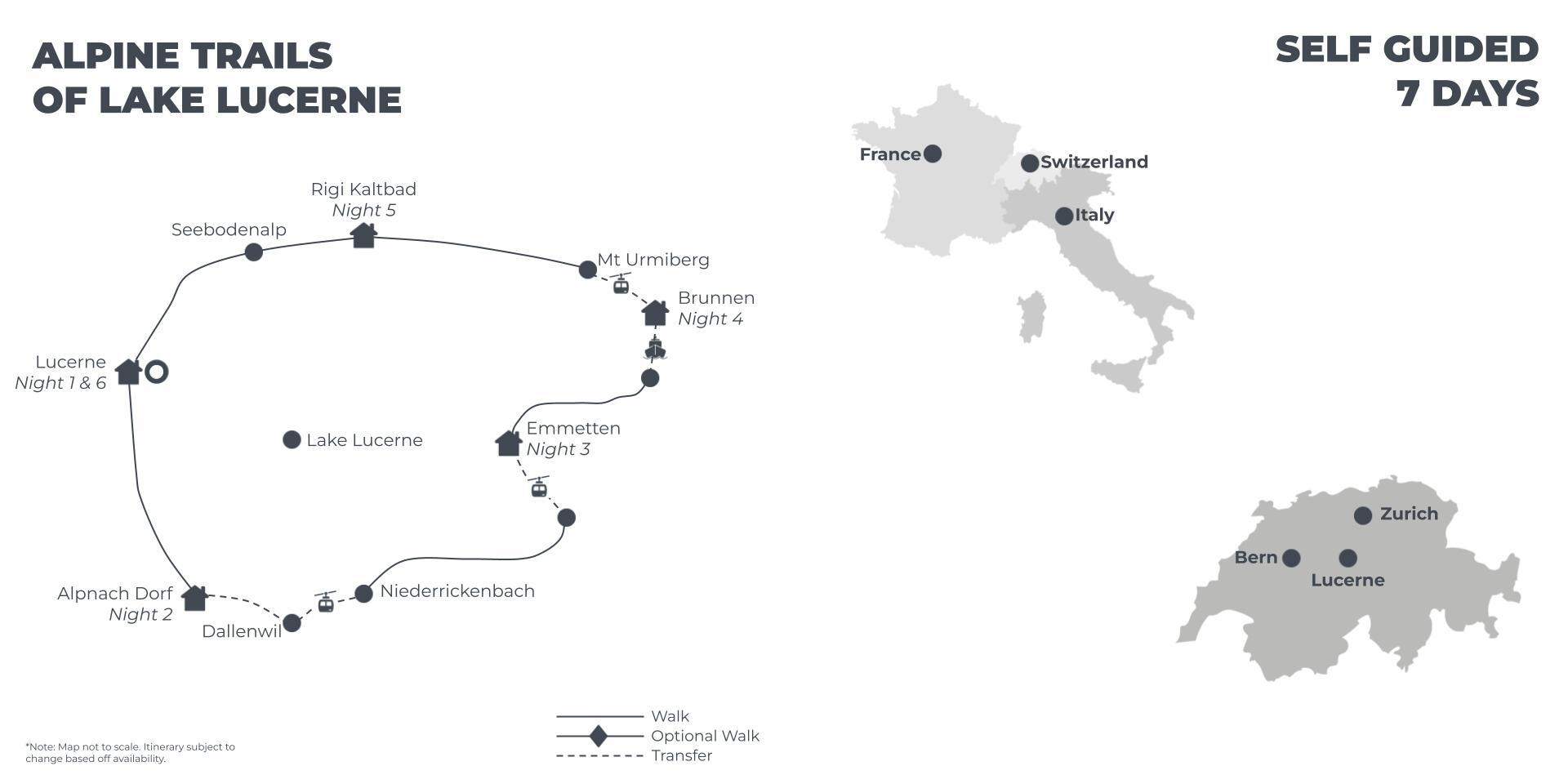
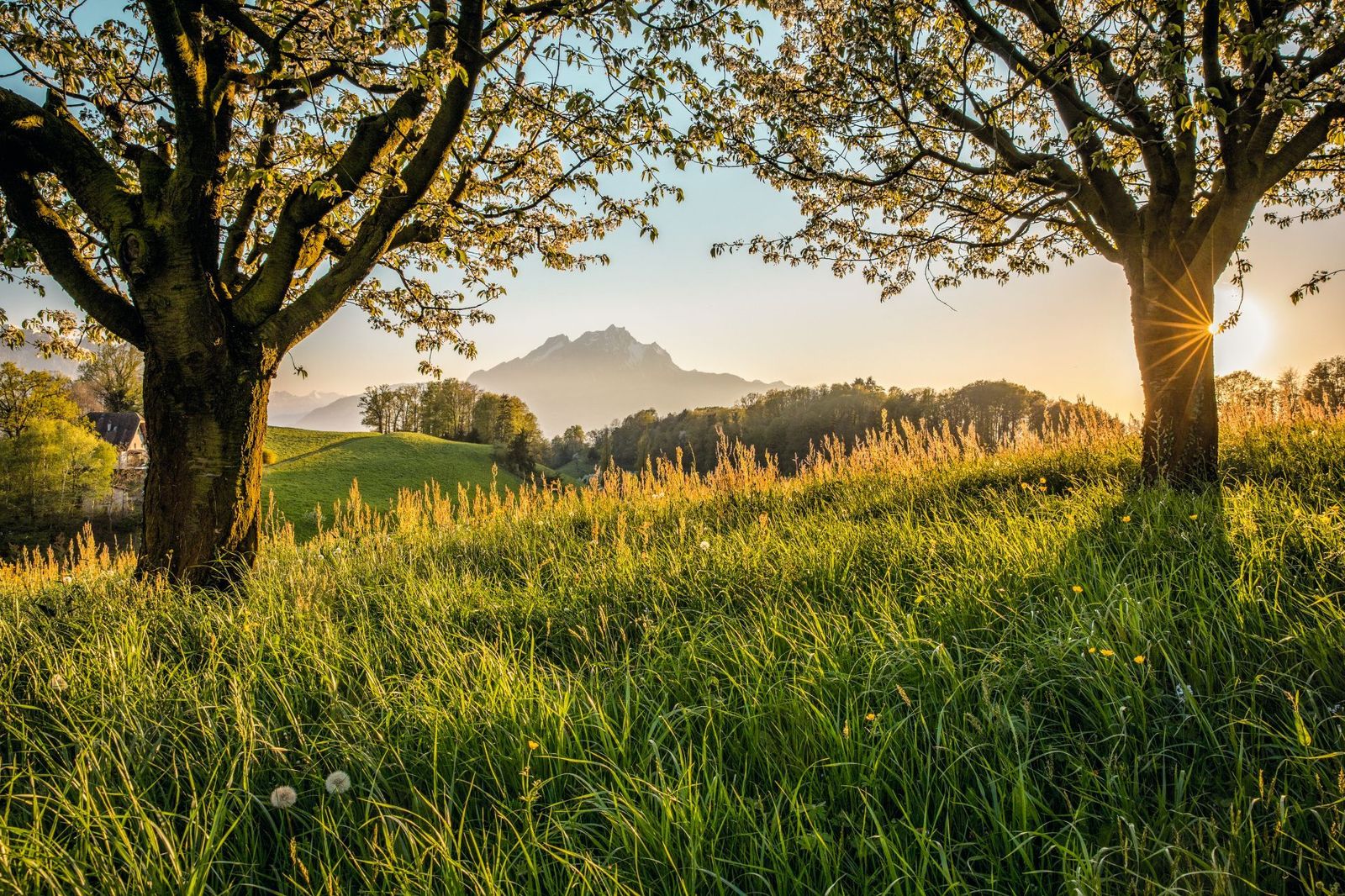
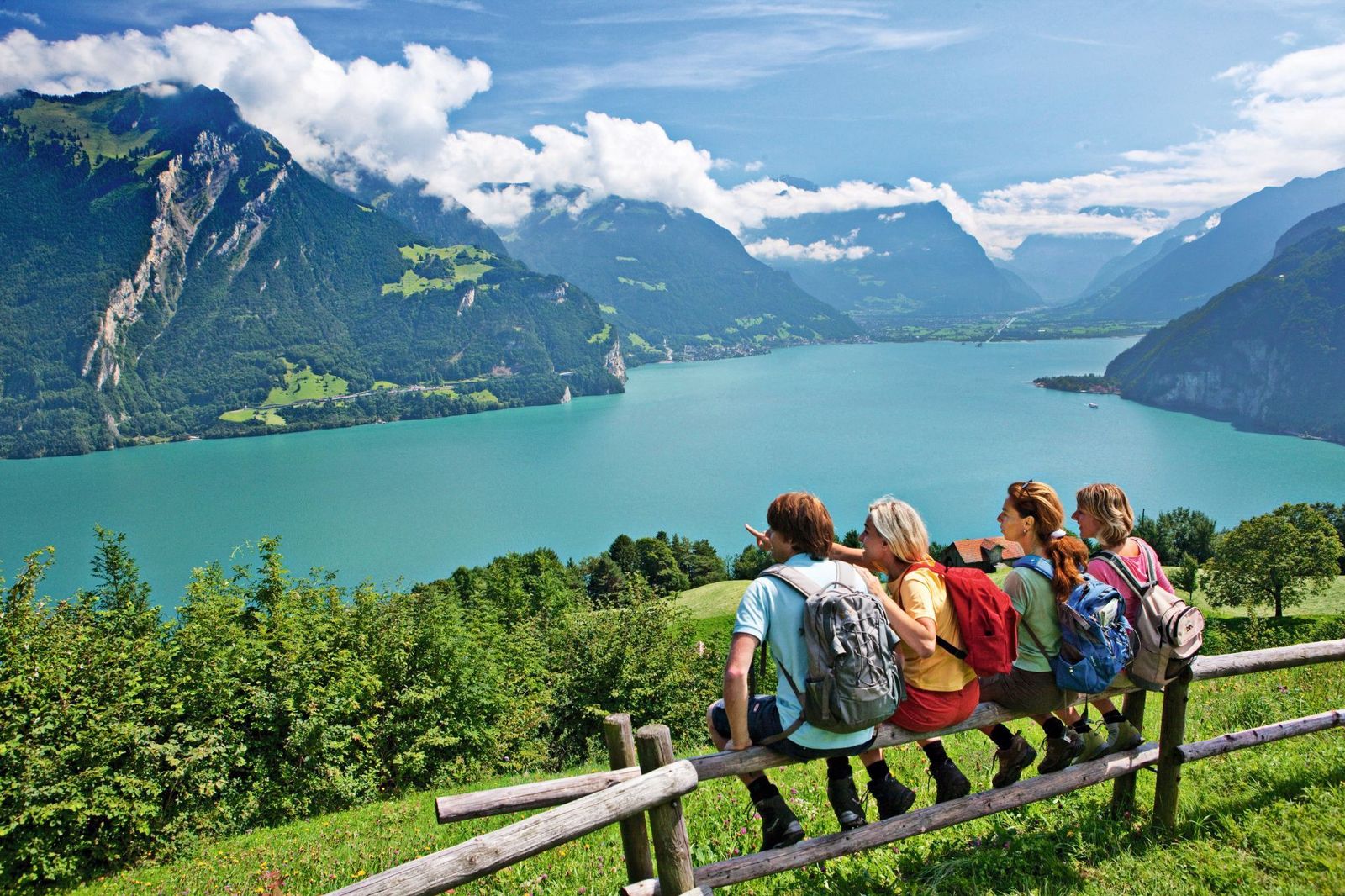
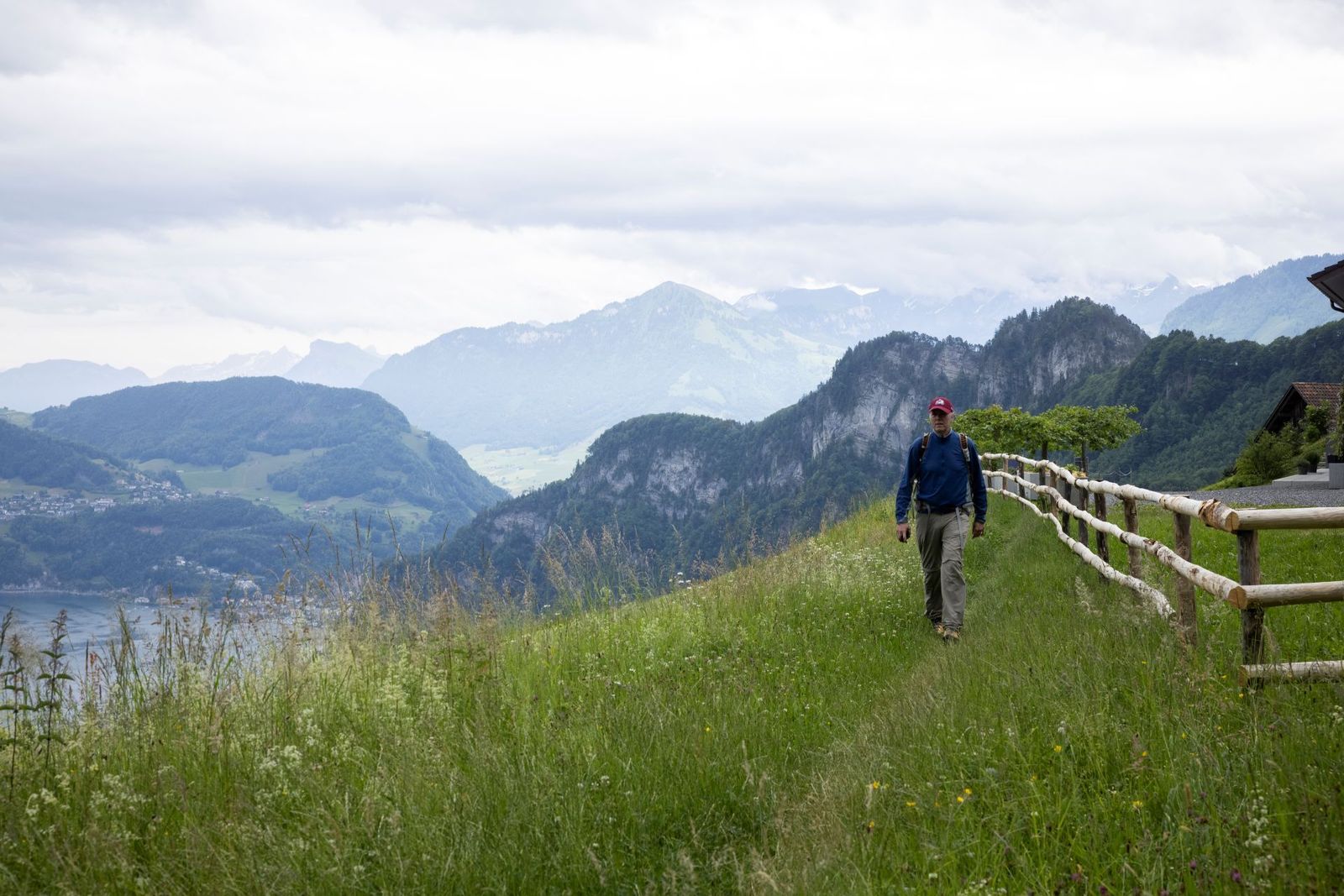
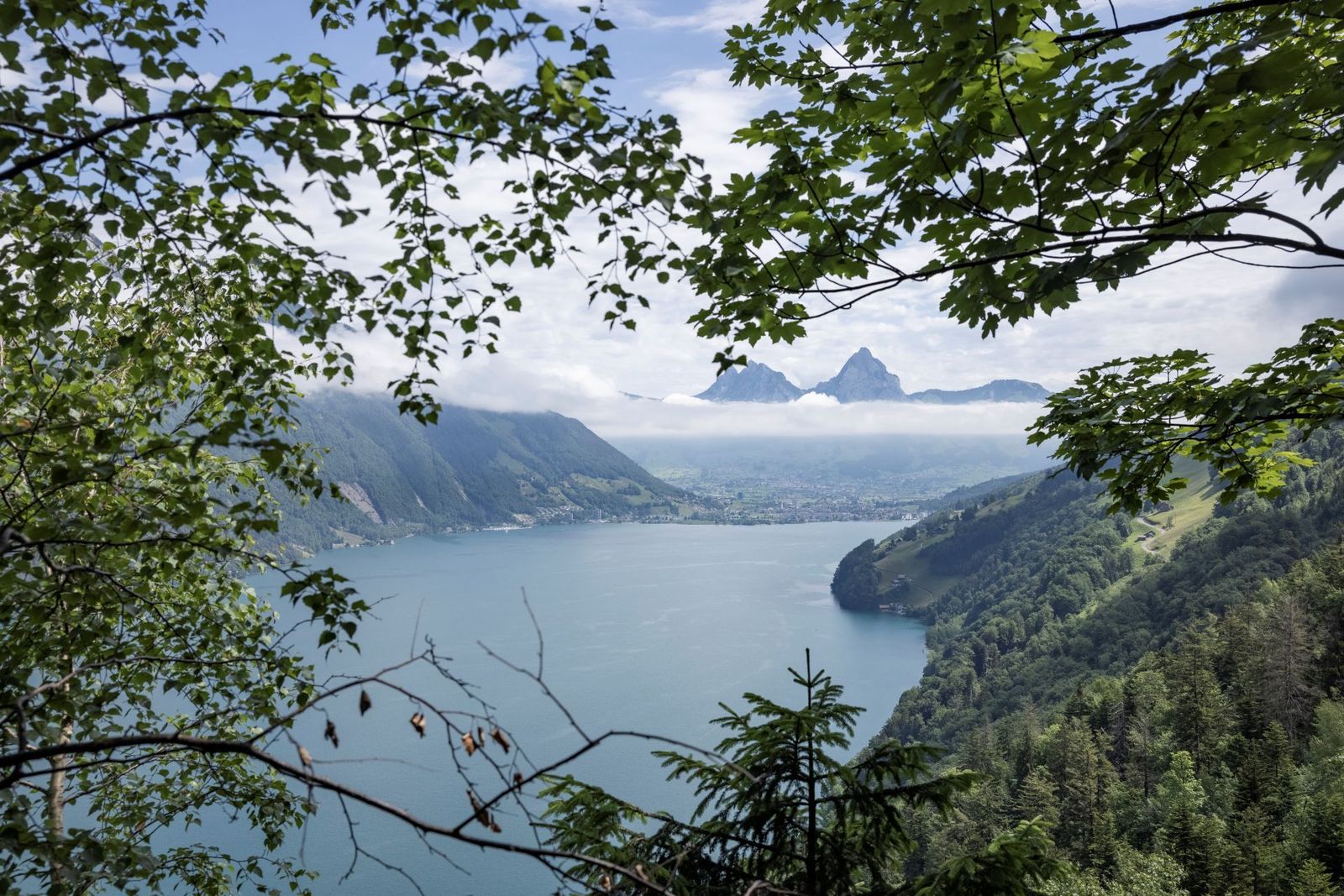
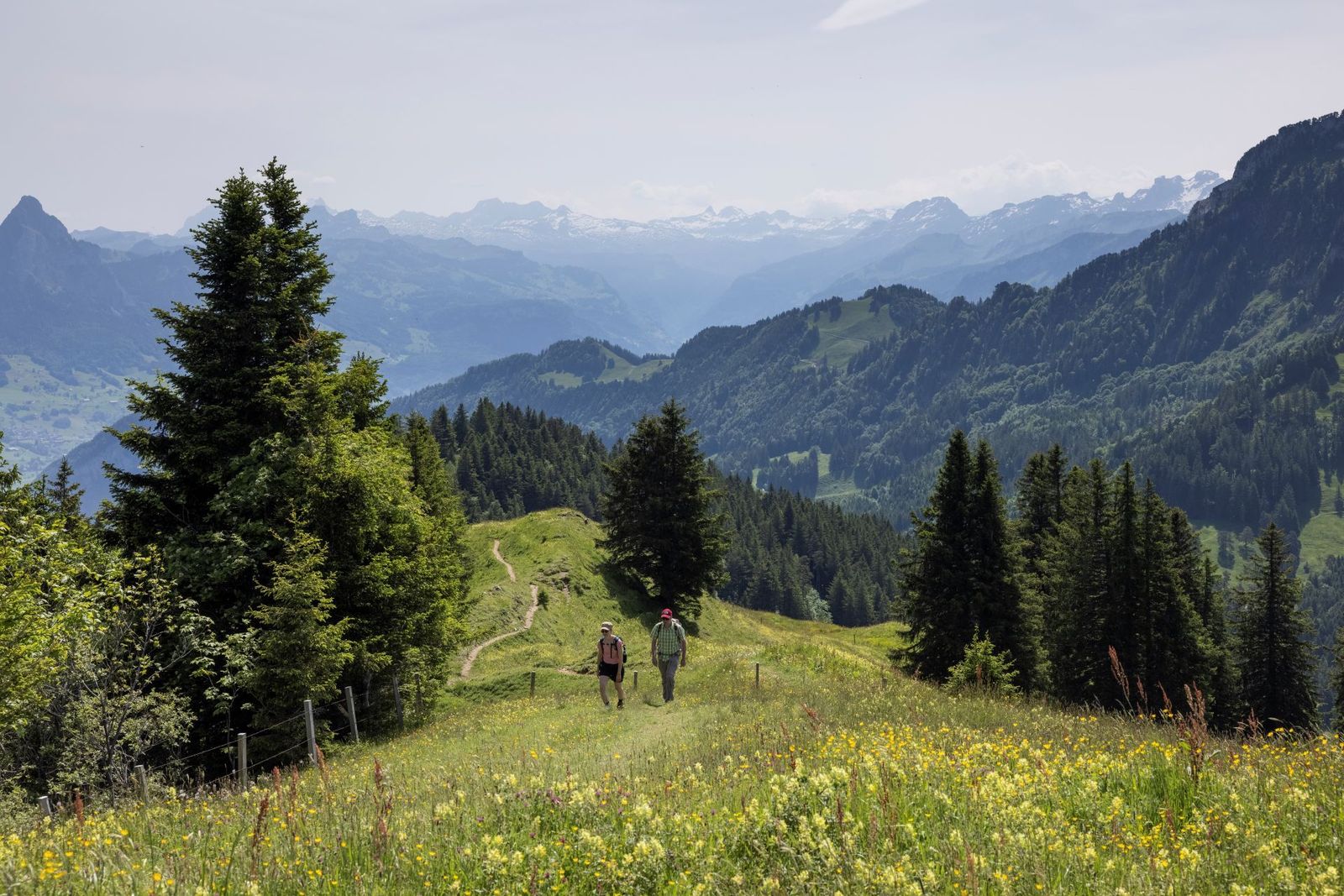
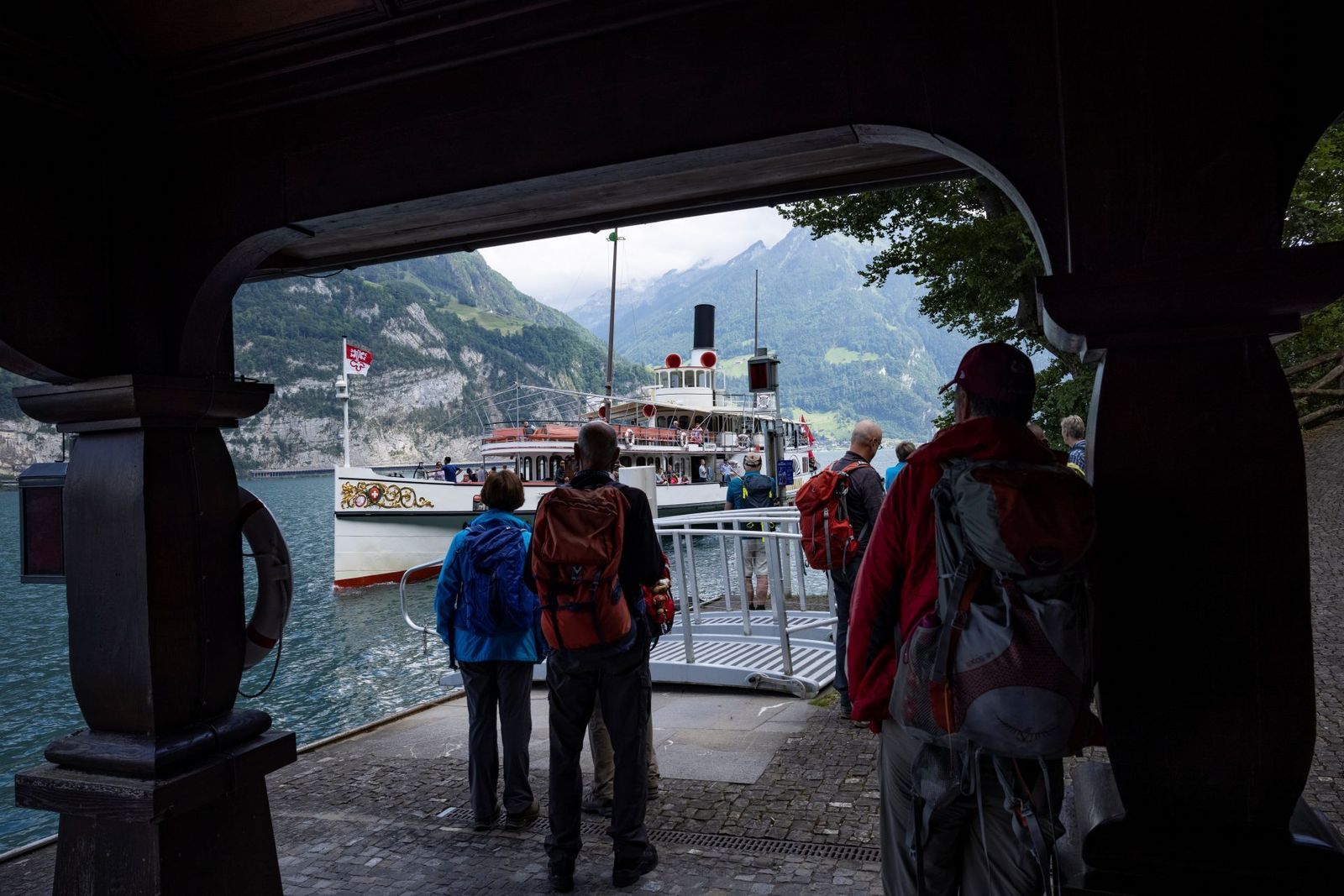
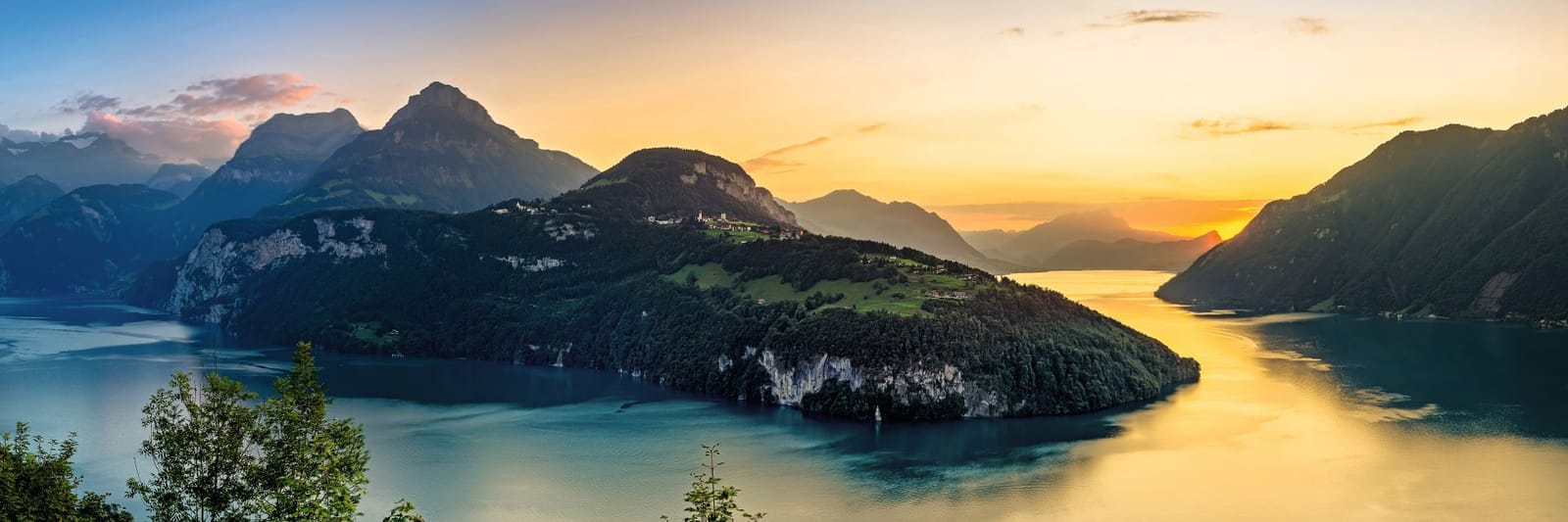
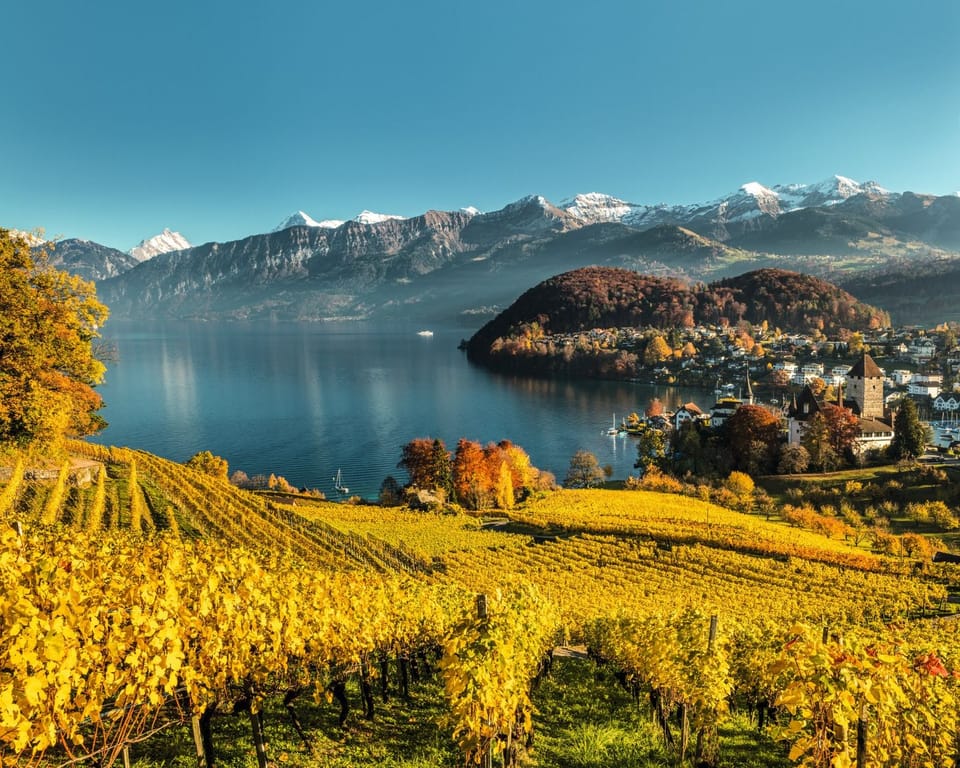
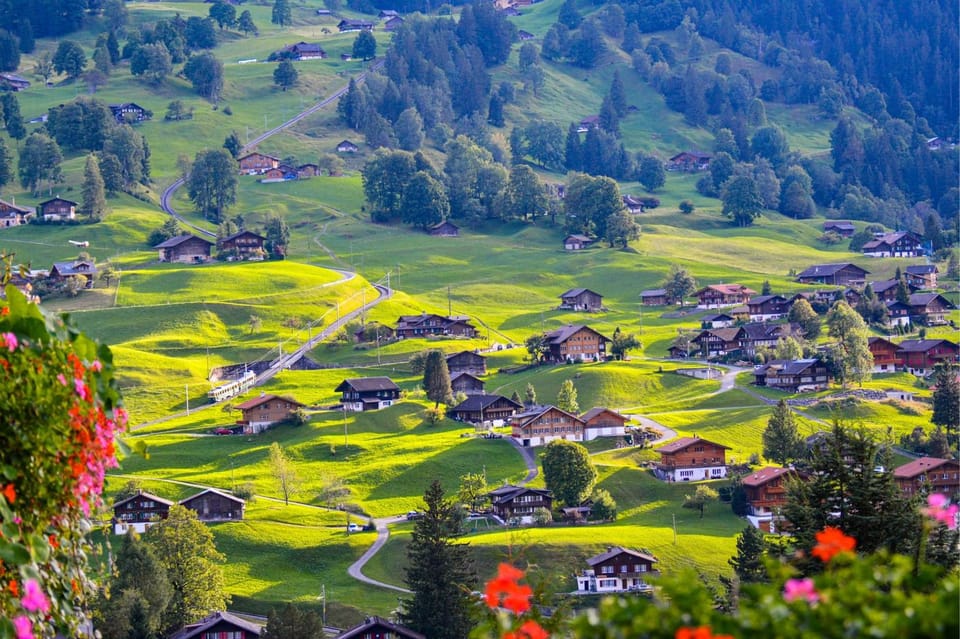
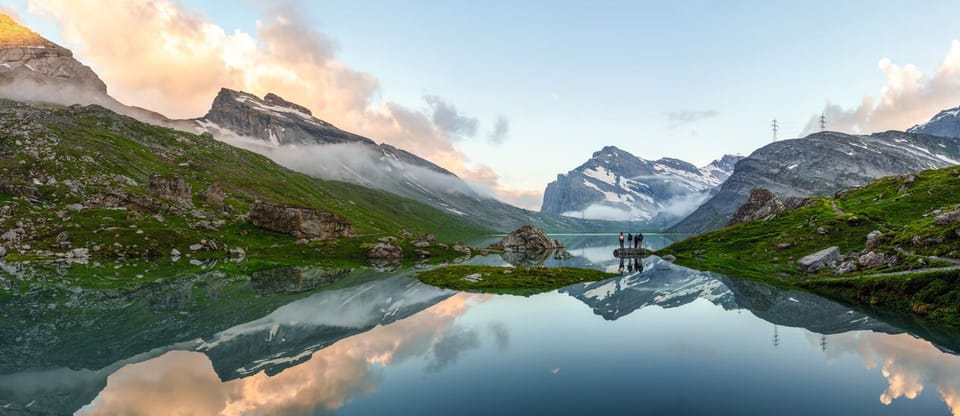
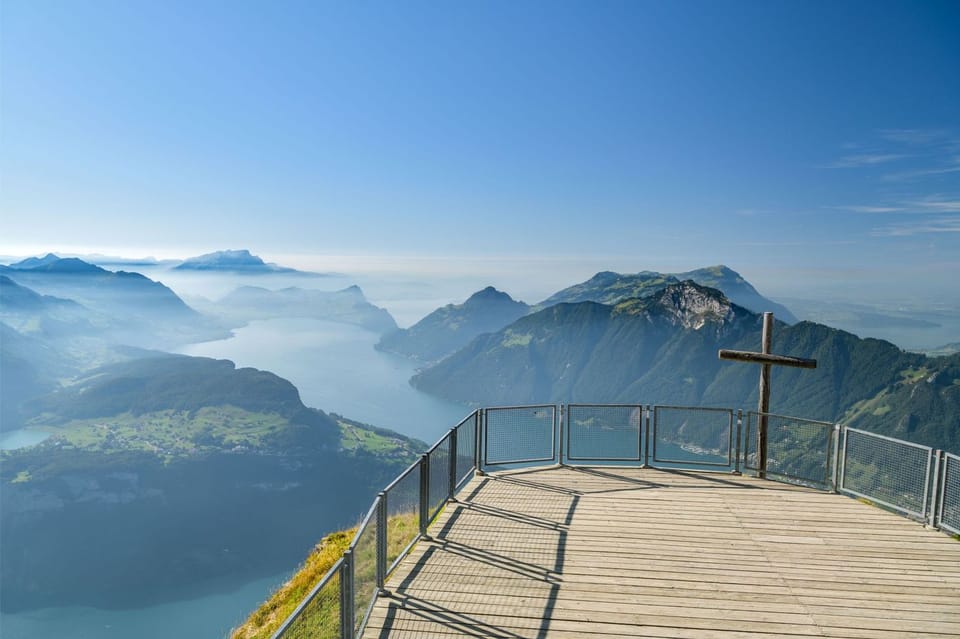
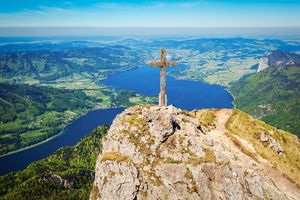
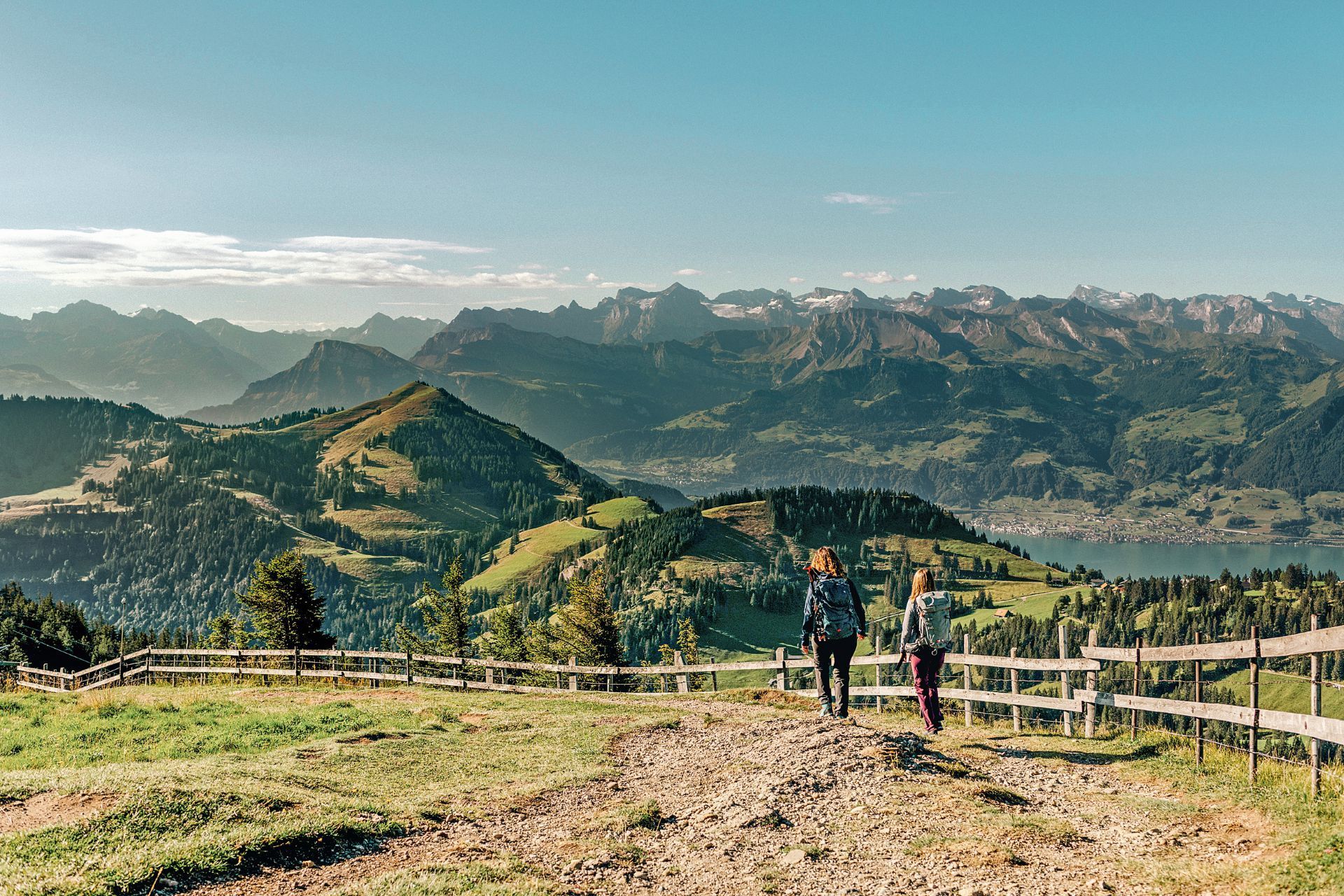
Experience the timeless majesty of Central Switzerland on a self-guided walking journey around the alpine trails of Lake Lucerne. Your adventure begins with a classic crossing over the Renggpass, below Mt Pilatus, opening up to the dramatic lakes and soaring peaks of central Switzerland. From here, your path guides you deeper into Nidwalden, offering marvelous, sweeping views across the deep blue waters of the Lake of Uri and the distant silhouette of Mount Rigi. After crossing the lake basin, you will partially ascend the famed Mount Rigi. Blending breathtaking natural splendor with rich Swiss tradition, this route offers a truly soulful alpine escape. Thanks to a seamless network of cable cars and other transport, the steepest elevation gains are effortlessly softened, leaving you free to simply drink in the spectacular mountain views.
Highlights
Day 1
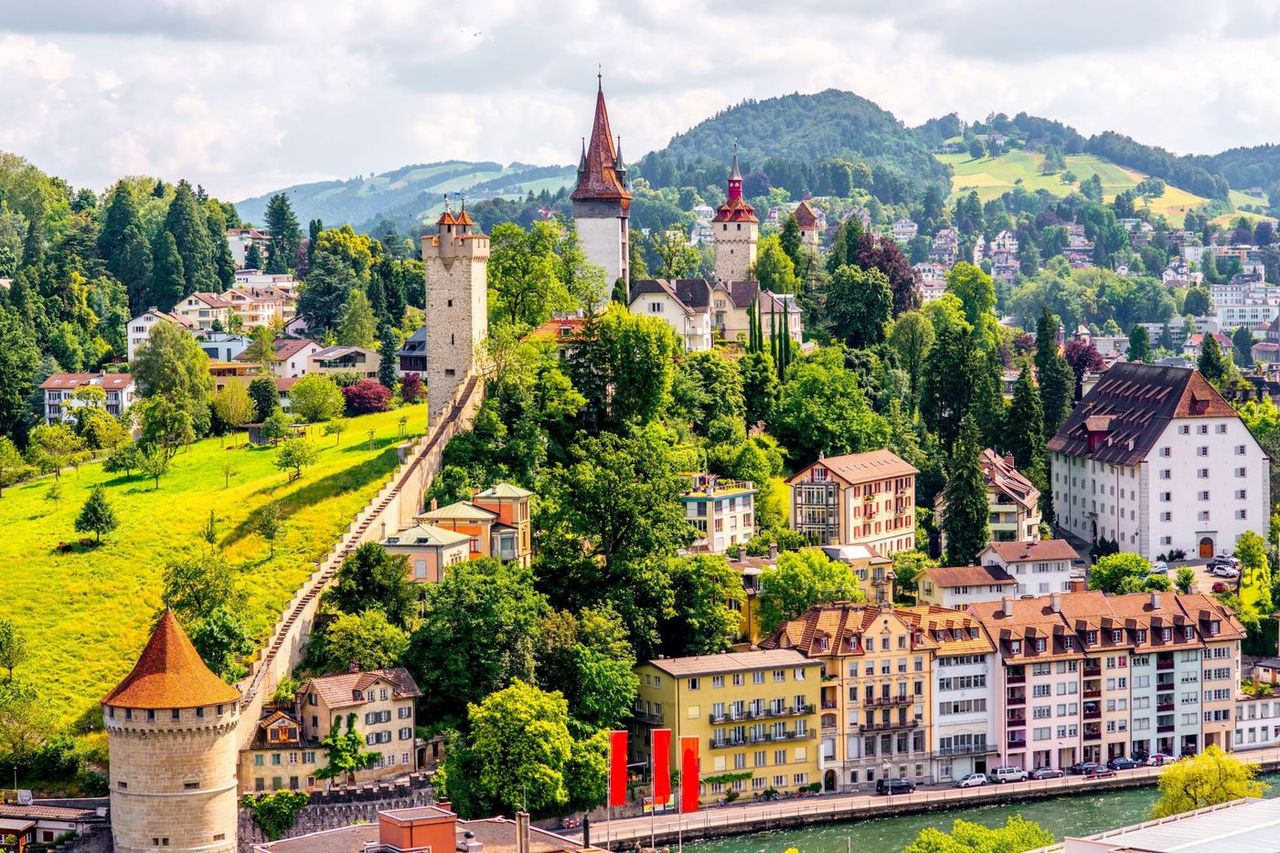
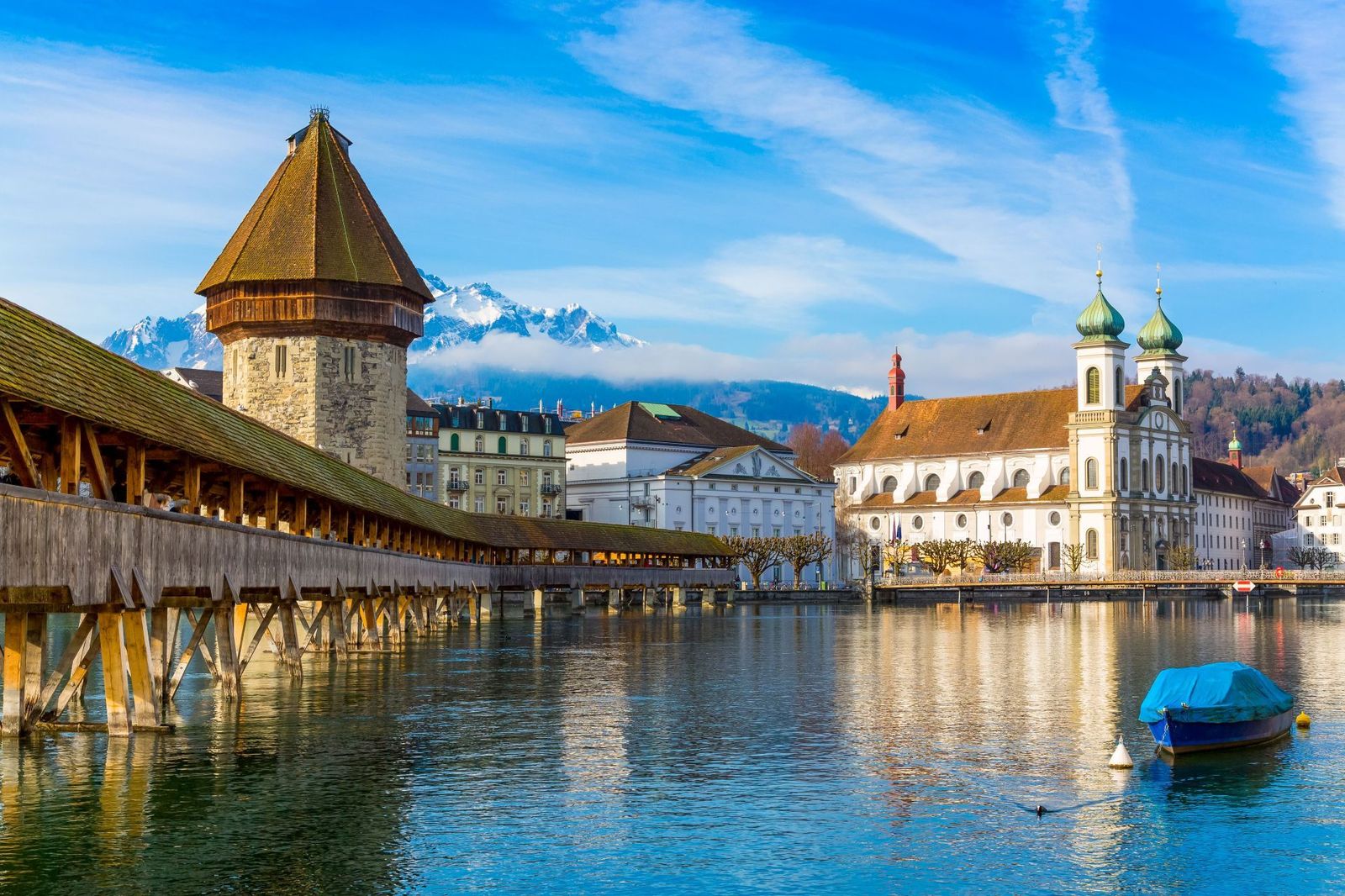
Start your Swiss journey in Lucerne, a postcard-perfect city framed by dramatic mountains and crystal-clear waters. Discover the historic Old Town, admire the vibrant frescoes, and walk the iconic Chapel Bridge before finding a seat at a stylish riverside café. It's the perfect spot to sample local delicacies and watch the world go by against a spectacular alpine backdrop.
3-star Hotel in Lucerne
3-star Hotel (6 nights)
6 breakfasts, and 1 dinner
Auswalk Walking Grade
Moderate to Challenging
Rated by our team — we walk every route before we recommend it.
Regular hills and varied terrain. These walks involve more challenging sections. Regular walking beforehand is recommended.
View Fitness Guide5
Days on the trail
10-24 km
Daily distance range
160-965 m
Daily ascent range
5/10
Trail difficulty
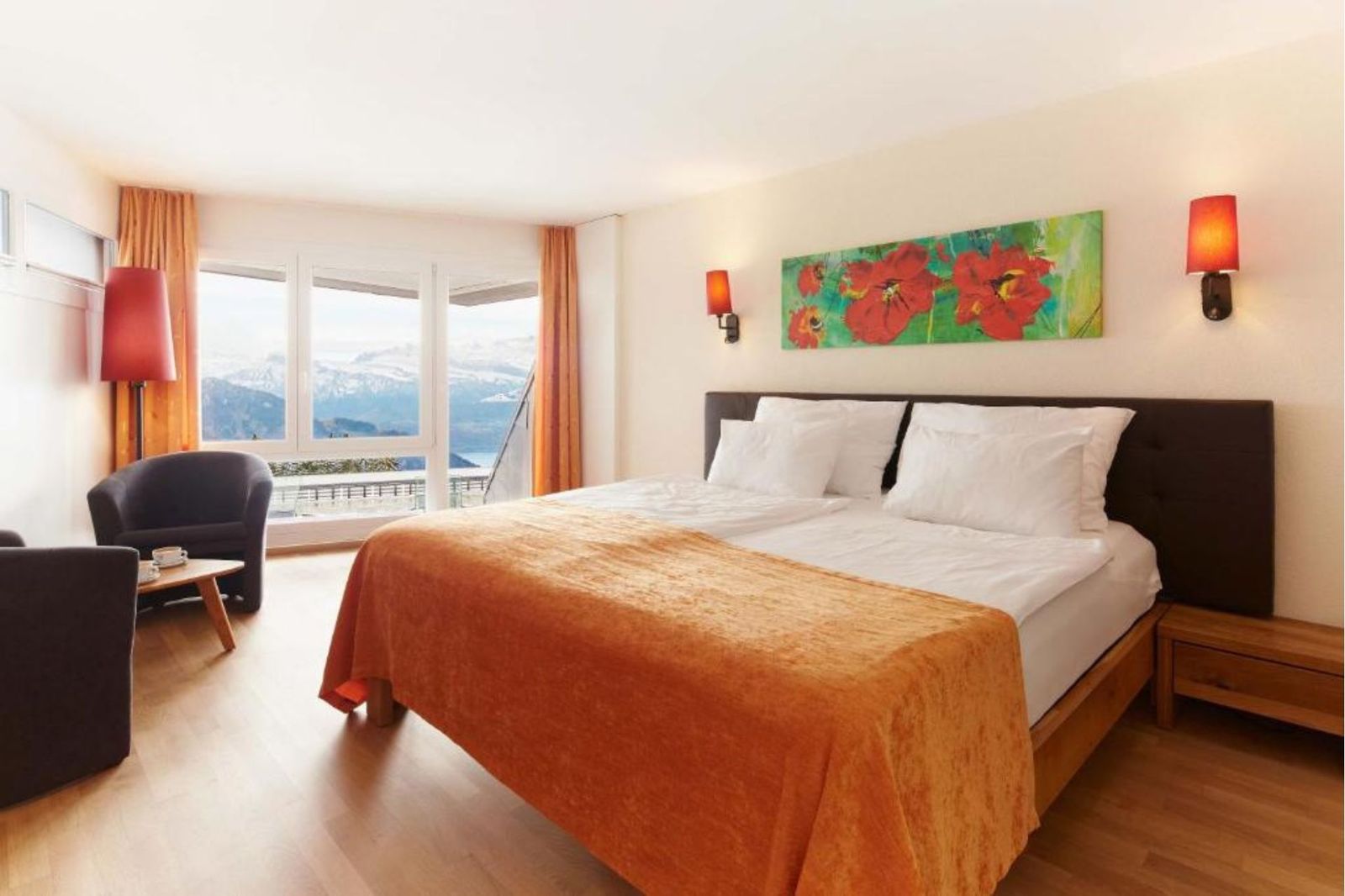
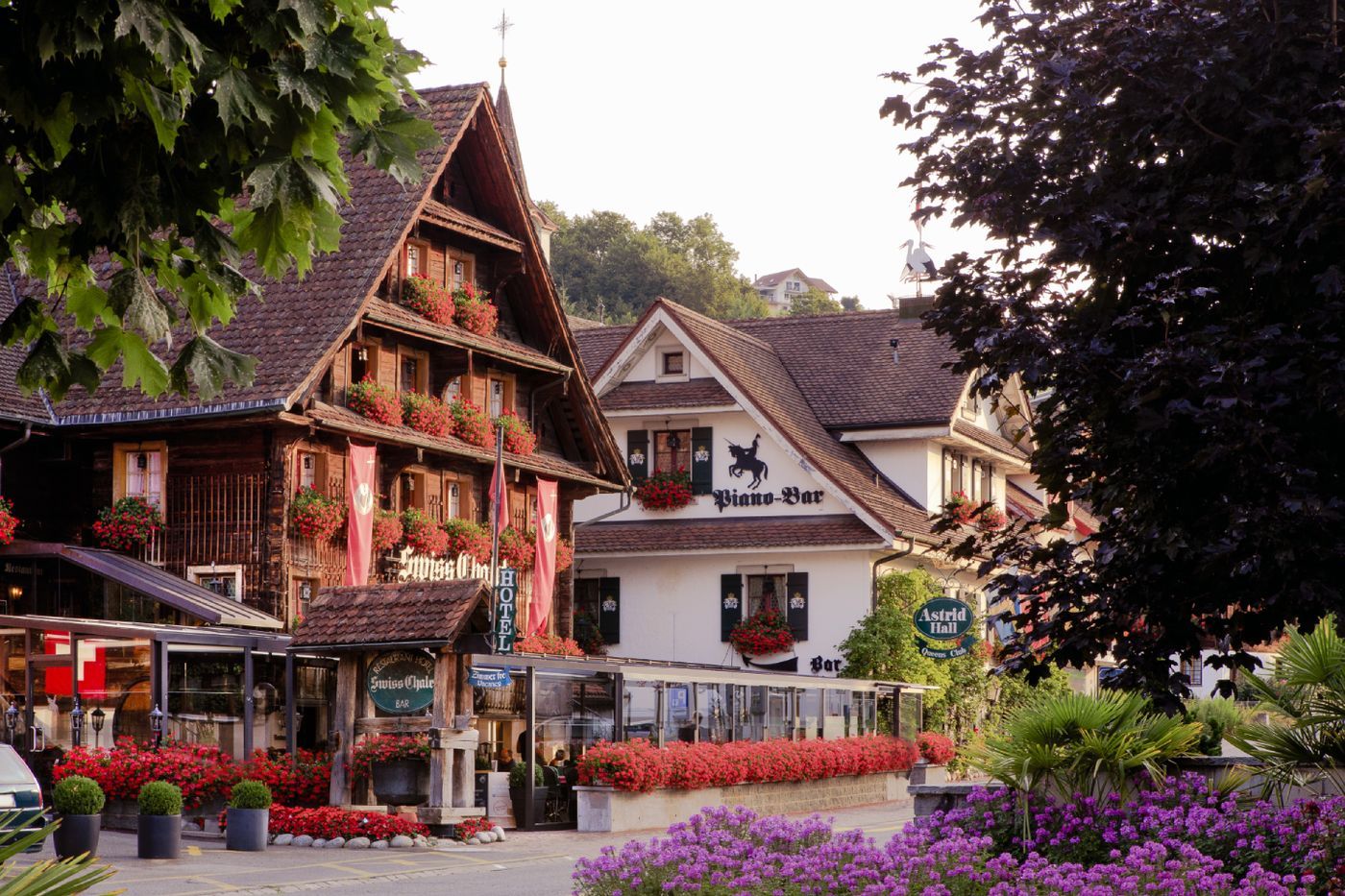
Each night you'll settle into handpicked 3-star hotels, chosen for their comfort, warm hospitality and local character. After a day on the trail there's real pleasure in swapping boots for slippers and sinking into a welcoming space that feels distinctly Swiss. These aren't cookie-cutter rooms. Every property has been selected to give you a genuine taste of the region, and a good night's rest before the next day's walking.
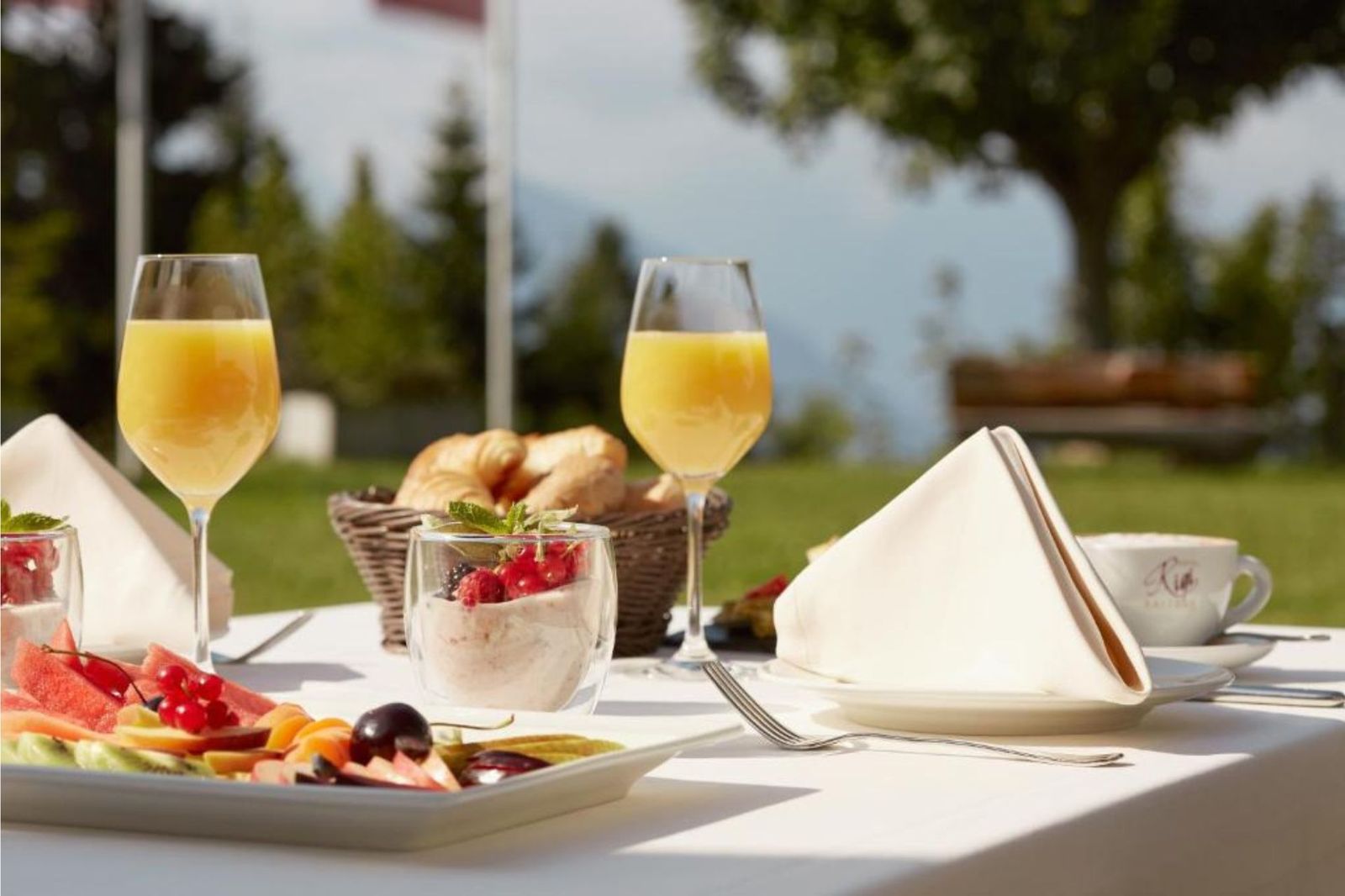
Mornings start with a hearty breakfast, the kind that sets you up properly for the climbs and views ahead. At Rigi Kaltbad you'll sit down to a delightful dinner built around seasonal and regional specialties, a chance to taste the valley as much as walk through it. Evenings here are unhurried. Share the day's stories with fellow walkers over a good meal, and let the atmosphere do the rest.
The nearest international airport is Zurich, with direct trains to Lucerne roughly every hour, or a quick connection at Zurich HB every 30 minutes. Either way the journey takes about 1 hour and 10 minutes. Your walk begins and ends in Lucerne, so getting away is just as simple, with the city's excellent transport links carrying you on to your next stop.
This walk runs every day from 30 April to 11 October, when Central Switzerland's high trails and cable cars are clear of snow and reliably open. Early and late season bring cooler air and quieter paths, while high summer gives you the longest days and the surest cable car and boat connections. Whichever end of the season you choose, pack layers for the mountains.
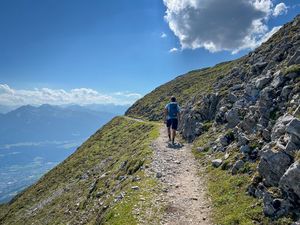
Paths mix forest tracks, lakeside trails and open alpine meadow, with a few genuinely steep climbs, particularly over the Renggpass on day two and the descent from Rigi on day six. Cable cars and boats take care of the steepest sections along the way, so the effort stays manageable while the views stay big. Daily distances range from 10 to 24 km, and detailed route descriptions are provided for confident, independent navigation.
The bus journey from Alpnach Dorf to Dallenwil cannot be pre-booked and is therefore at own cost. This costs approximately CHF 6 pp.
A small tourist tax, payable at each accommodation, is not included in the price.
Each morning it will be up to you to place your luggage at the designated luggage pick-up point within the hotel by 9.00 am. This generally will be at reception or where you pick up your luggage the night before. There is a strict limit of one suitcase with a maximum weight of 20 kg.
You must hold adequate travel insurance for your trip, including cover for personal liability and accidental injury and illness. For all trips involving international travel, your policy must also include emergency medical treatment, evacuation and repatriation cover. We strongly recommend your policy also covers trip cancellation and curtailment, and loss of or damage to luggage.
A cancellation fee usually applies if you cancel after your booking is confirmed. Travel insurance with cancellation cover will generally cover this fee, so it's worth arranging your policy at the time of booking.
Full insurance requirements are set out in our booking terms and conditions.
For over 30 years, we have taken pride in providing seamlessly organised walking holidays, but we know you’ll have many more questions even with that in mind. You will receive a detailed information pack and itinerary approximately six weeks before departure outlining all the fine details and much more.
If you have any questions, feel free to ask one of our destination consultants, or if you have specific track-related questions if we can't answer them, we can also ask our staff who have walked the track. You can contact us via our contact form, email us at info@auswalk.com.au, or call us on +61 3 9597 9767.
For your safety and well-being, we are unable to accept bookings for solo walkers on this self-guided trip. The remote nature of some tracks and limited mobile reception mean that walking alone presents a higher risk in case of emergencies.
Pick any available date — this is your trip, your schedule
Prices shown are per person, twin/double share basis.
Great service and ease of booking. Quality of information and accomodation. Scenery was breath taking!