








-300x200.jpg)


-300x200.jpg)
-300x200.jpg)







-300x200.jpg)


-300x200.jpg)



-300x200.jpg)
-300x200.jpg)









-300x200.jpg)









-300x200.jpg)



-300x200.jpg)
































-300x200.jpg)

























-300x200.jpg)

-300x200.jpg)





Glenda M
July 2026
Nearly everything was perfect - the organisation, the accommodation, the luggage transfers were seamless.
Coast to Coast
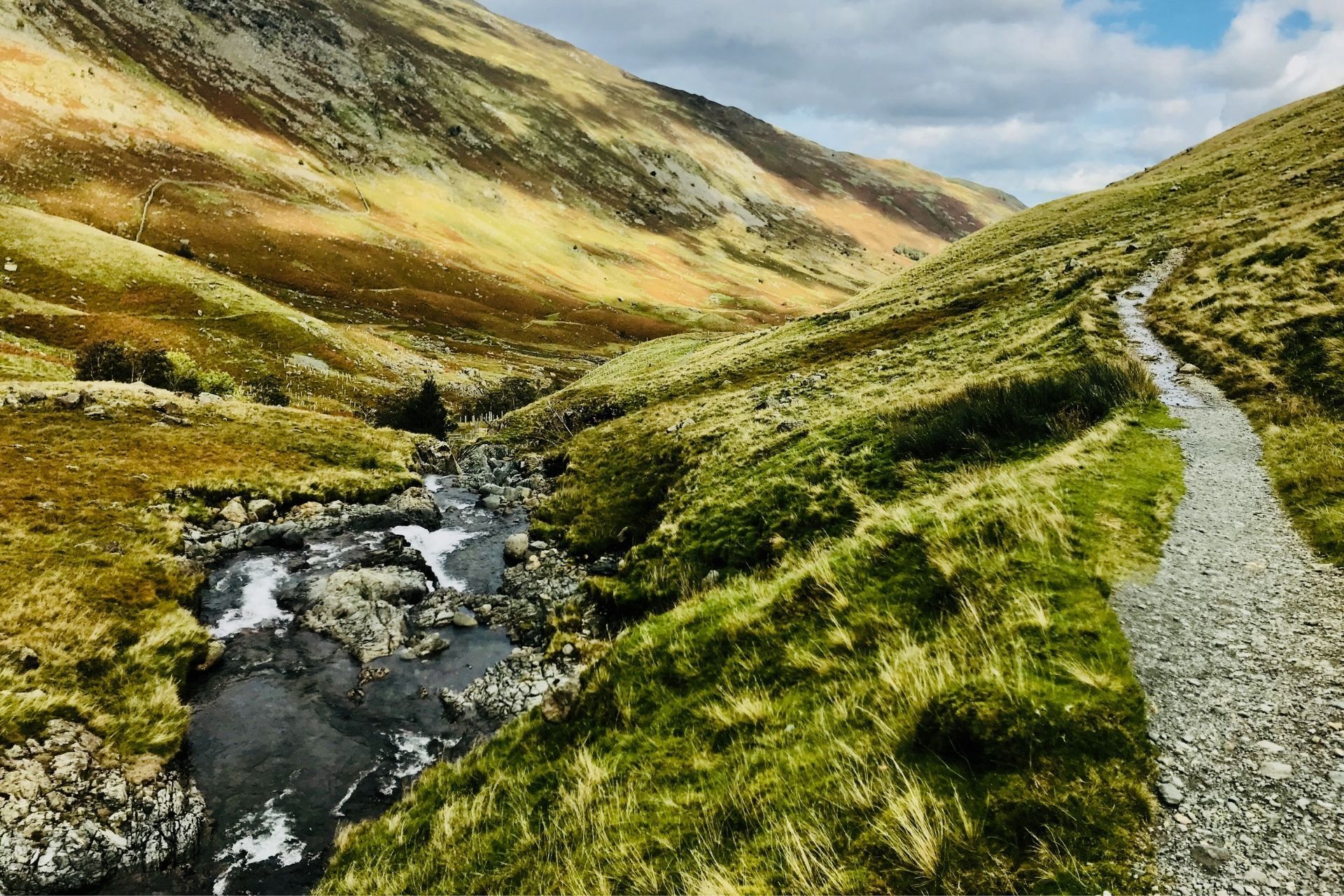
Devised by legendary fell-walker Alfred Wainwright, the Coast to Coast crosses England from the Irish Sea to the North Sea, taking in the best of three National Parks across 192 miles of endlessly varied northern landscape.
Few walks in Britain carry the weight of legend that the Coast to Coast does. Devised by Alfred Wainwright in 1973, the route starts at the red sandstone cliffs of St Bees on the Irish Sea and finishes in the fishing village of Robin Hood's Bay on the North Sea. In between, it passes through three distinct national parks: the dramatic fells of the Lake District, the limestone dales of Yorkshire, and the heather-clad North York Moors. Evenings end in village pubs and characterful inns, where the camaraderie of fellow walkers is as much a part of the experience as the walking itself.
A closer look at Coast to Coast




Nearly everything was perfect - the organisation, the accommodation, the luggage transfers were seamless.
We loved the trip and I have already recommended friends use Auswalks for it. I am also already looking at my next hike using Auswalks.
The C2C with Auswalks is a sensational walk! Seamlessly organised along the perfect route.
Auswalk booking and planning were all seamless. The Coast to Coast track is scenic and the accommodation was all as expected.
Auswalk made our C2C walk so much easier, not having to worry about accommodation and luggage transfers. The walking app was fantastic, easy to use and highlighted places of interest. Thanks
Auswalk made our C2C walk so much easier, not having to worry about accommodation and luggage transfers. The walking app was fantastic, easy to use and highlighted places of interest. Thanks
The Coast to Coast walk was initially described by Alfred Wainwright in his 1973 book bearing the same title. He was an established fellwalker (mountain walker/hiker), guidebook author and illustrator. The manual, which is one of his 40 literary works, has since been revised several times most recently in 2017. The updates cover recommended routes, alternative routes due to erosion and poor weather, public footpaths, minor roads, and tracks.
Wainwright's book describes the Coast to Coast walk in 12 stages. With each step ending at a settlement with at least overnight accommodation nearby. However, Wainwright did not intend people to follow his route or his stages explicitly.
He encouraged other fellwalkers to create and discover their own stages and routes:
"I want to encourage in others the ambition to devise with the aid of maps their own cross-country marathons and not be mere followers of other people's routes: there is no end to the possibilities for originality and initiative."
According to Wainwright, one should periodically stop and stare at the surrounding from time to time to enjoy the magnificence and beauty of the surrounding views. A survey of experts in 2004 named the walk as the second-best walk in the world.
Although the Coast to Coast Walk is one of the most popular of all the long-distance walks in the UK, it lacks the National Trail status.
Due to overgrazing and harvesting of wood for shipbuilding, large sections of the fell area were left bare. This attribute has led to the Lakeland area, having some of the most daunting walking routes. However, afforestation efforts have resulted in rows of a carefully planted conifer forest.
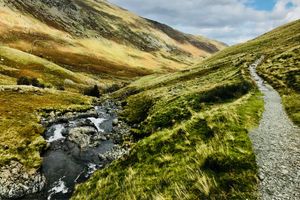
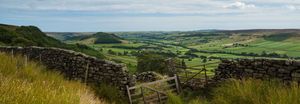
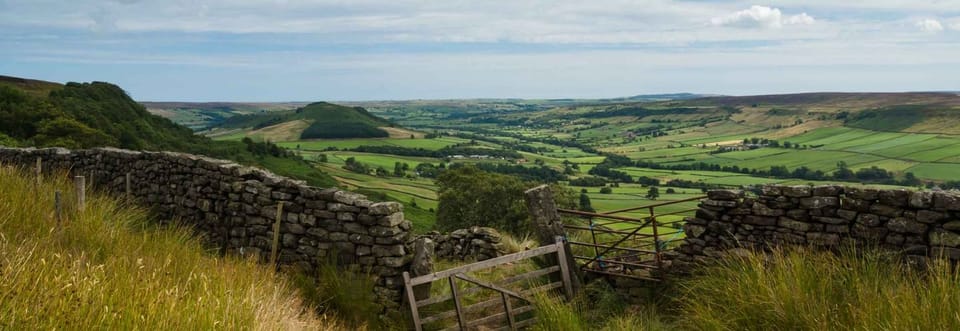
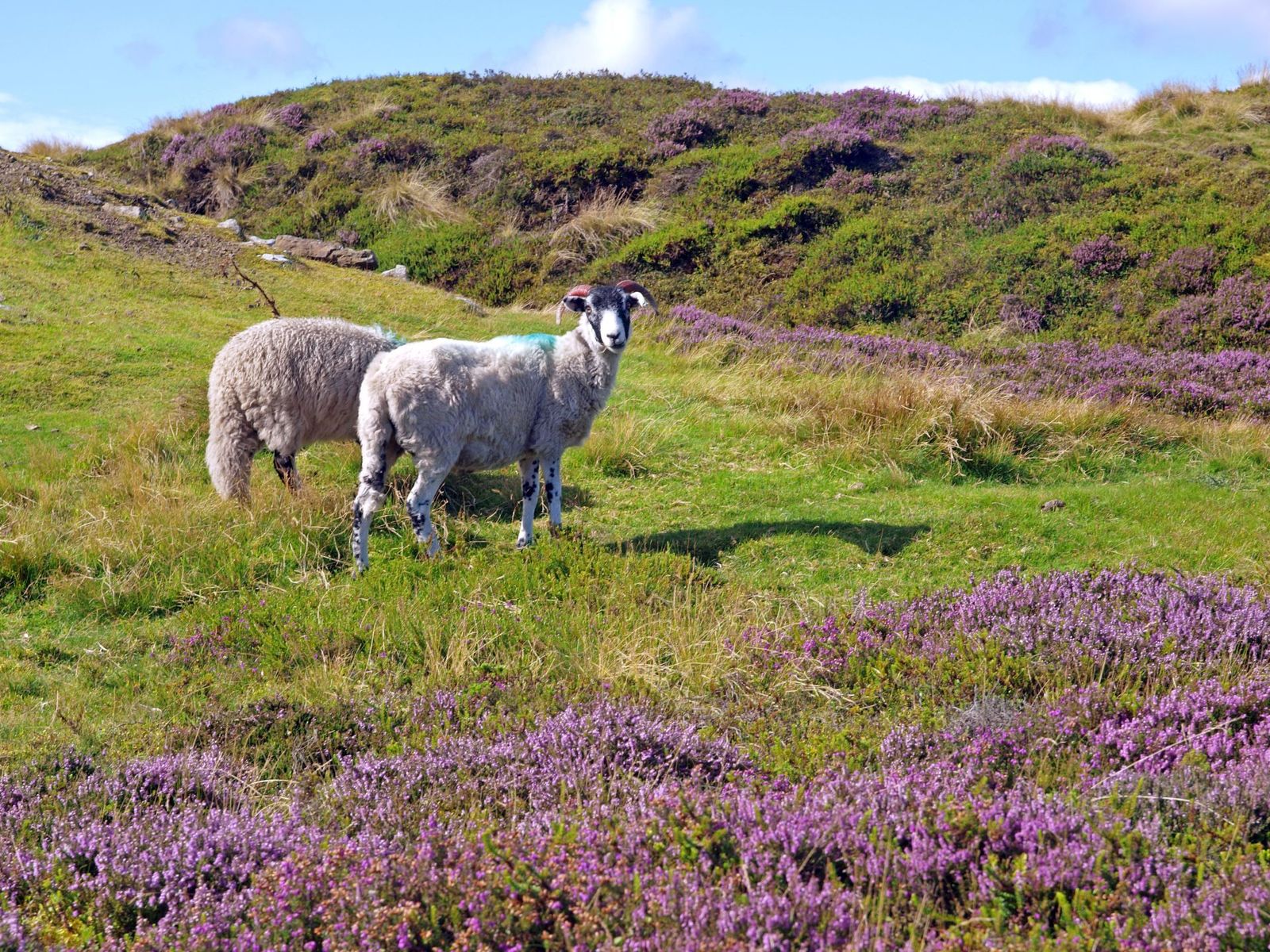
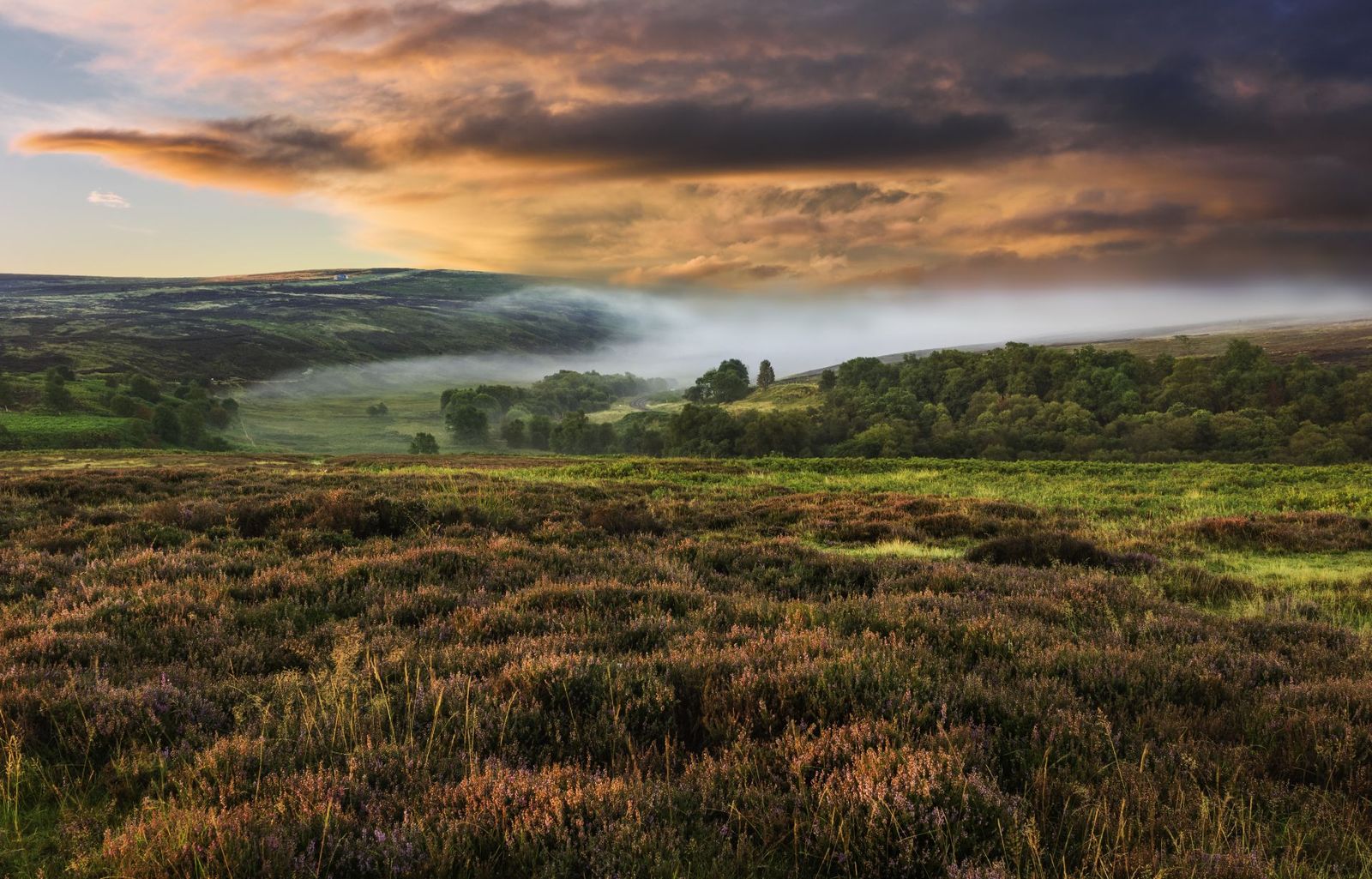
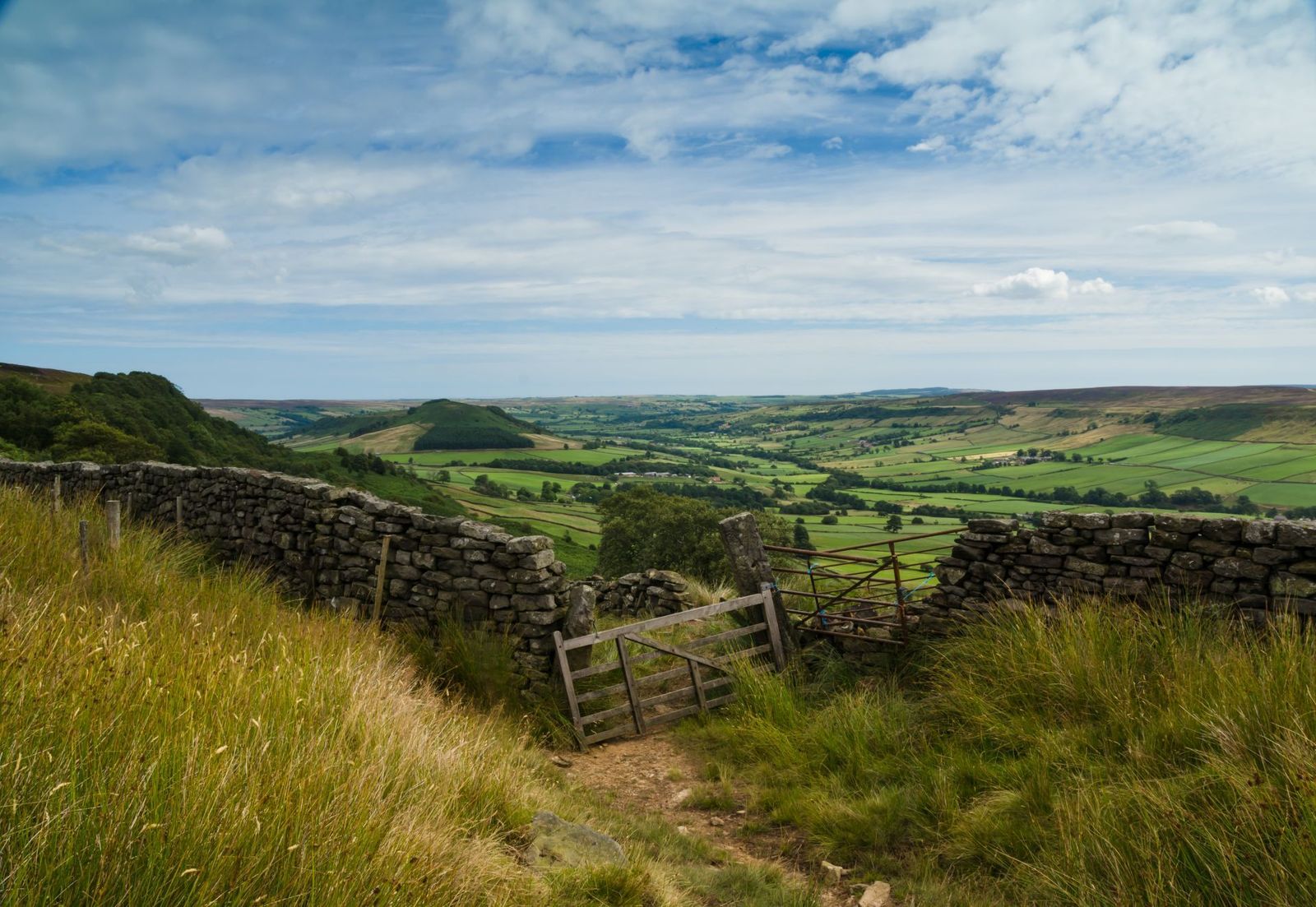
As you walk the coast to coast, you will traverse through rough terrain, moors, and valleys. You will also come across pasture lands, not forgetting the jaded rocks of the coastal areas. Wind-sculpted millstone grit, glass-like lakes, and gentle streams make this walk one that truly helps one to appreciate nature.
During the coast to coast walk, you will come across hotels, inns, bed and breakfasts, and pubs that are family-run offering genuine Yorkshire hospitality. Most accommodation properties provide a vast English breakfast of cereal, eggs, bacon, broiled tomatoes, beans, toast, and marmalade. This bill of fare is the most common breakfast presented by every establishment.
Food along the walk is relatively affordable, and most of the bed and breakfasts provide tasty ready meals.
There are numerous accommodation facilities along the coast to coast. However, as the walk is trendy one needs to book accommodation early. Accommodation can be found in the towns and villages along the trail and they provide all the necessary amenities that one may require to fuel up for the journey ahead.
Hostels and Bunkhouses
Hostels are top-rated and common in the Lake District. However, thanks to the popularity of the walk, some can be found on other parts of the route. Bunkhouses are also available along the trail. However, they also require advance booking as they are limited.
Hotels, Inns, Guesthouses and Bed and Breakfast’s
In every village or small town that you will come across during the walk, you will find a bed and breakfast, an inn, or a pub. They all provide walkers with a warm welcome and delicious local food.
The accommodation available in the route is adequate with hearty meals, traditional hospitality, and delicious local food. When walking during harsh weather conditions, the hotels, pubs, and inns are a massive relief as the provide areas where walkers can dry their gear. The baths are more than adequate and are ideal after a long day of walking.
Camping
If you fancy camping, it is also a welcome way to experience the walk. The trail is very well served for campers with tents, and there are some campsites along the route. Equally, many pubs and farms offer space for walkers to pitch a tent as well as a few camping barns that provide this service too.
If you are a fan of camping in the wild, there are numerous great camping spots in the Lake District. It is worth noting, however, that there is no legal right to wild camping in England, although it is tolerated in some areas. However exciting wild camping may be, it is advisable to stay in proper facilities as camping in the wild may be a little challenging for the inexperienced.
Here's a few tips on how you can travel to and from the start and end of your Coast to Coast walk.
To St. Bees
By Airplane
You cannot get to the start of the coast to coast walk by plane alone. However, you can fly to the closest airports to the beginning of the trail which is in Manchester and Newcastle. From both airports, you will need to catch a train to St Bees.
Train
The travel time by train from most locations in the UK is approximately 4 hours. From London, you can take a train north from London Euston to Carlisle and another connecting train to St Bees. There are also alternative trains going via Preston and Barrow-in-Furness.
The train ride takes you through beautiful sceneries of England, giving the journey a great beginning. It is worth noting the importance of checking the train schedule as you plan your trip to avoid inconveniences.
Driving
Public transport provides the ideal means of getting to the beginning of the coast to coast. Public transportation is perfect because it the walk takes you across the UK, and driving to St Bees means having to travel back to retrieve it. There is also a shortage of parking facilities with train stations providing limited public parking, which is not intended for coast to coast walkers. Many bed and breakfasts provide parking facilities at a small fee per night.
Luggage Transfer
It would be close to impossible if not impossible, to walk with all your luggage. For this reason, we provide luggage transfer services for the main luggage. This transfer is carried out between accommodations along the way and therefore allows the walkers to only to wear lightweight daypacks.
From Robin Hood's Bay
By Airplane
The closest airports to Robin Hood’s Bay are either Newcastle or Manchester. The two airports are approximately 4 hours from Robin Hood’s Bay by bus and train.
By Road
From Robin Hood’s Bay, you can catch a bus to Scarborough where you can find a train to Newcastle, Manchester, and London to make your onward journeys. Scarborough is a 30-minute taxi or 60-minute bus journey from Robin Hood’s Bay and regular trains connect to York and the other UK destinations.
If you left your car at St Bees, you could use the bus and trains to get to St Bees.
Robin Hood’s Bay also has hourly buses on route X93 to Whitby or Scarborough. During the summer, the coaches are available half hourly. Whitby is nearer Robin Hood’s Bay; however, there are more trains from Scarborough. The bus journey from Scarborough is also not much longer. Scarborough trains go via York, which also has excellent rail links.
By Train
There are no running trains in Robin Hood’s Bay. However, neighboring towns of Whitby and Scarborough run regular train services. Similar to the train journey to St Bees, the views are scenic and a great memoir of your walk across the UK.
England is famous for its rain and the lush green of its countryside. The Gulf Stream ensures mild, maritime-influenced weather which provides rainfall throughout the year. The Lake District with the lakes and mountains is prone to sudden weather changes and moisture which experienced walker’s advice people to prepare adequately.
By being along some of the remote and harshest regions, the climate and weather significantly differ as one walks further from St Bees and moves closer to Robin Hood Bay.
The Coast to Coast could be walked all year round. However, navigation and conditions can be difficult during the winter season. As such, it is best hiked from May to October.
This trek is a strenuous 309 kilometer (192-mile) hike designed for you to take in the most beautiful and historic sections of Alfred Wainwright’s and the UK famous English countryside. This trip is considered as a strenuous activity and is regarded as ideal for experienced hikers in excellent physical condition. However, you can design an itinerary that suits your walking style and expertise. On average, hikes range from 4 to 9 hours on moderate trail conditions, and one should adequately prepare for these conditions.
Besides your enthusiasm and company, some vital necessities are necessary for making the walk a success.
Waterproof Boots and Gear
Hiking boots are essential for this trip, and waterproof boots are a necessity. English weather has a reputation for being unpredictable, and having boots that can withstand the elements is essential. Waterproof gear that will keep you dry is vital during the beginning sections of the walk where rain or ‘heavy drizzle’ may hamper your tour.
Keeping your feet comfortable is essential on the Coast to Coast, especially as the terrain is quite rough and the distances walked in a day are numerous. As you will be out walking over a long period, hiking boots that provide sufficient ankle support is a necessity. Ensure that your shoes are comfortable and well-worn in otherwise the experience may not be a pleasant one.
Socks
Using the right socks is as important as using the right pair of boots. Wearing the right pair of good quality walking socks and coating your feet with petroleum jelly will help prevent blisters.
Waterproof Wax
Waterproof wax is as crucial as waterproof boots. Marshes, harsh weather and wear and tear are sure to ruin your shoes. Waterproof wax will help you keep your feet dry for the course of the journey.
Backpack
If you are booked through Auswalk, the chances are that you have the main bag which has the bulk of your clothes and equipment will be transferred to your accommodation. However, you still require a backpack to carry spare clothing, food, and water. An ideal pack should be 15-30 liters and have a waistband for additional support.
Walking Poles
Walking the coast to coast requires having reliable walking poles. There are numerous benefits of arming yourself with one for the trek. Walking poles provide support when going uphill and a brake when going downhill. A walking pole also provides a balance point when crossing ravines and rivers. Having a pair is ideal, but many walkers are generally ok with just one. There are numerous brands of walking poles in the market, and one should seek the advice of knowledgeable mountain hikers before purchasing one.
Sunscreen
During the warmer summer months, sunscreen is necessary as most of the walking will be done in open paths resulting in direct risk of sunburns. Besides sunscreen, insect repellant is also required during the summer months. A good sun hat that covers the back of your neck is also essential when attempting the walk during the summer while a waterproof jacket and trousers are highly recommended during the winter, autumn, and spring. A waterproof jacket and pants are also ideal as the weather may prove unpredictable, and it can rain at any time of year.
Water Carrier
As every hiker can attest, water is essential when walking. It is vital to carry a water carrier for the length of your journey as it is key to keeping hydrated. Recent advances have seen the hydration system with a reservoir in your pack, and a drinking tube become popular.
Snacks
It doesn’t hurt to have snacks that will provide you with much-needed energy during the coast to coast walk. Energy bars and snack low on sugar are ideal.
Camera
Although the experience of walking the coast to coast is hard to replicate, having a camera to capture your journey will help. A camera will also help you capture the picturesque and breathtaking views of the English countryside.
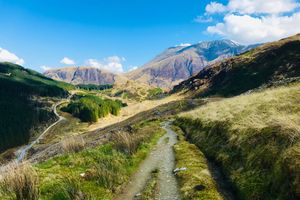
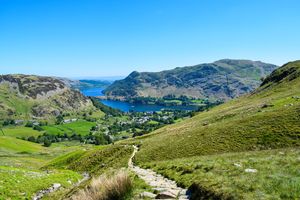
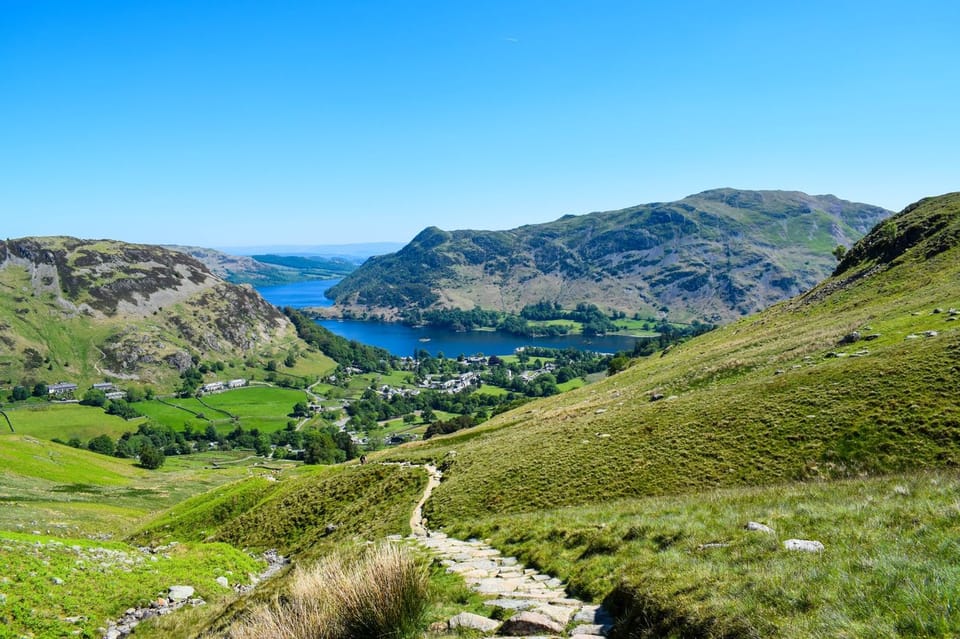
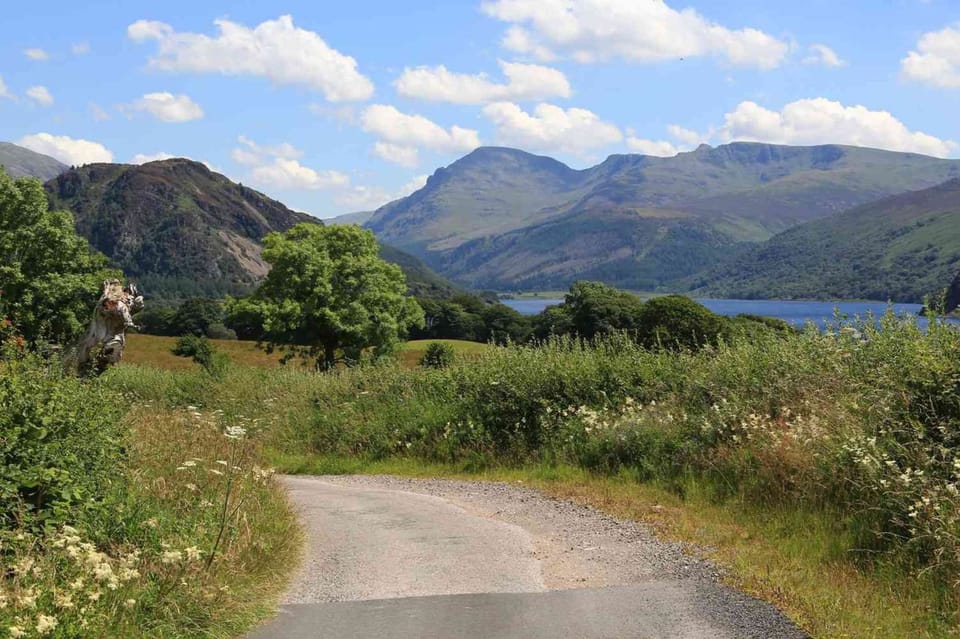
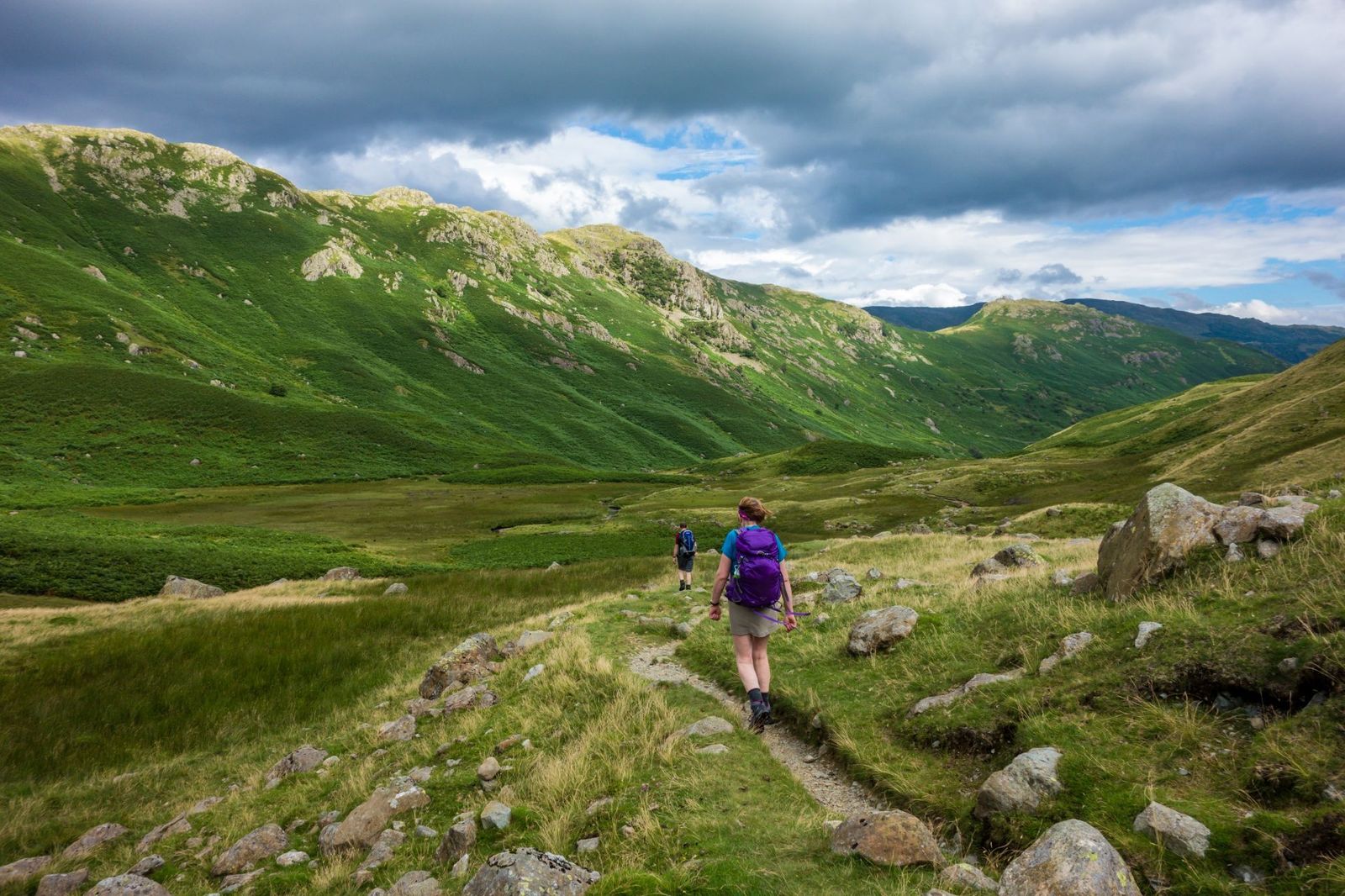
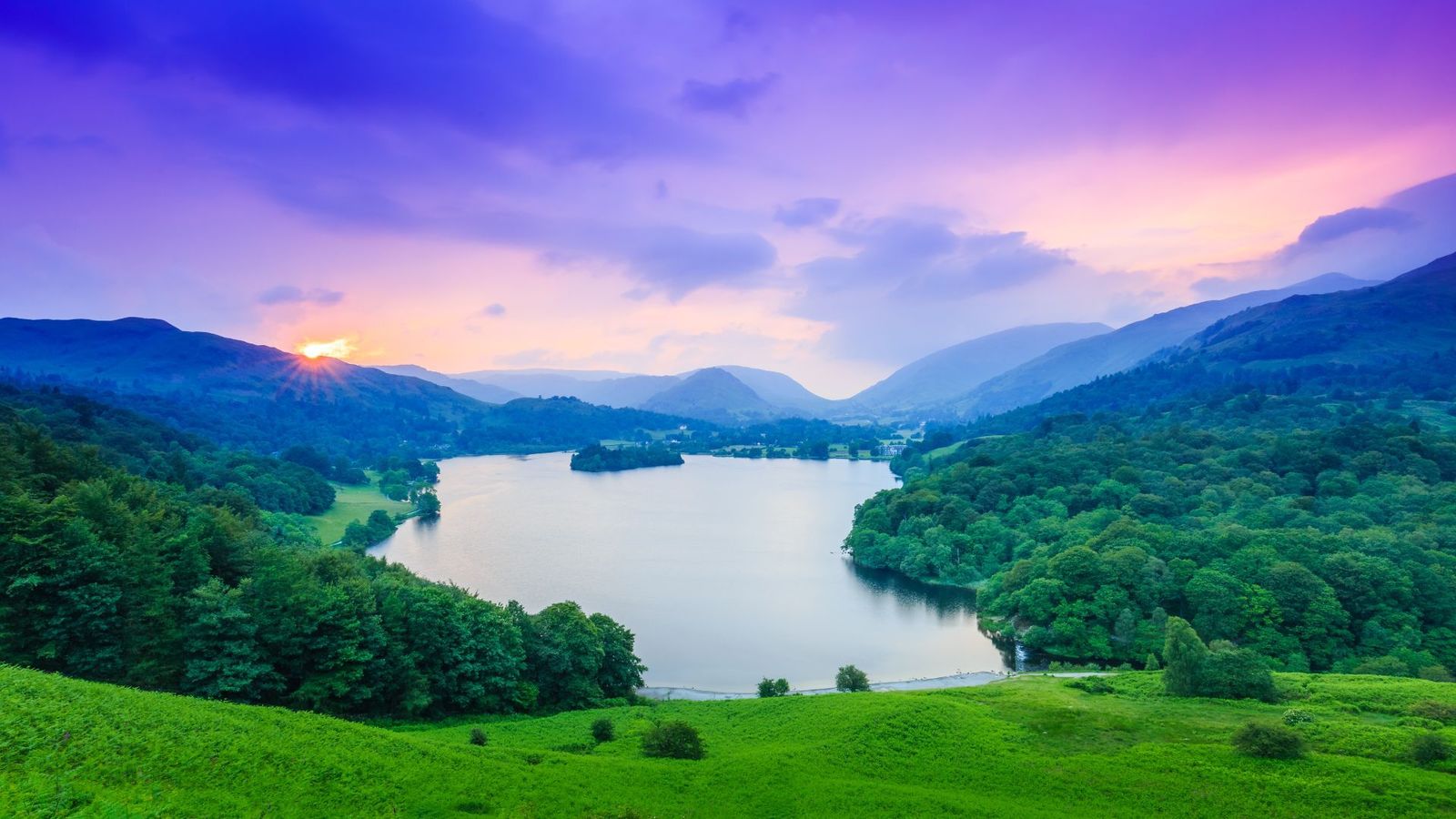
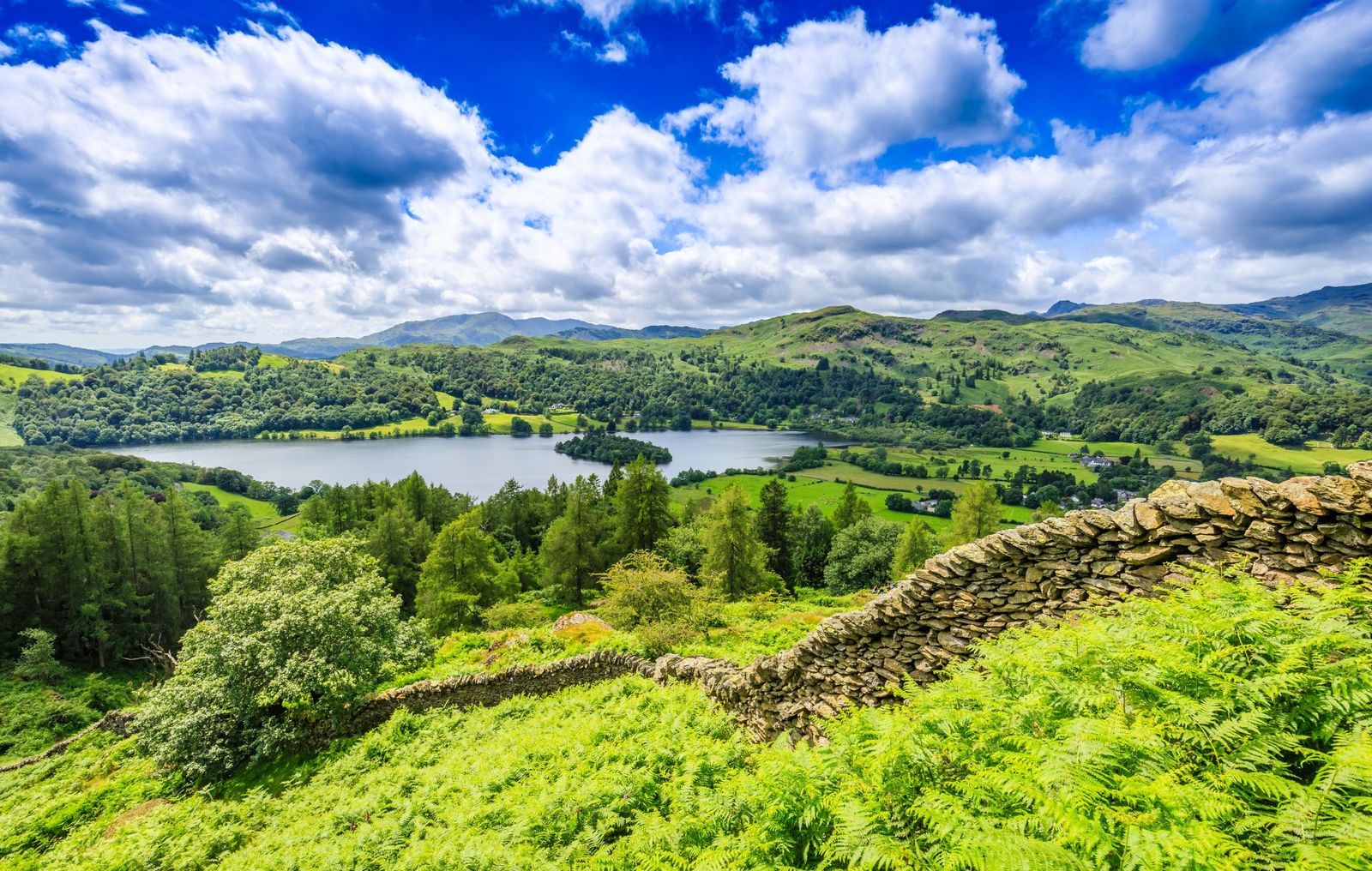
There is an abundance of breathtaking views along the route. The route provides a look into the old English life of years-gone-by surrounded by awe-inspiring sceneries. One cannot fail to appreciate the oneness with nature, though it remains almost out of touch. The Lake District provides picturesque views of the Ennerdale Water as well as other lakes with the mountains serving as a gargantuan backdrop.
The Innominate Tarn (lake) was Alfred Wainwright’s favorite spot. His wrote of the area "A quiet place, a lonely place, where the water gently laps the gravelly shore and the heather blooms and Pillar and Gable keep unfailing watch."
The Haystacks are a prehistoric heap of rocks that are also found along the route of the Coast to Coast. The further one walks the coast to coast; the deeper one goes into British history. With the help of a guide, one can get the opportunity to learn of the tumultuous history of Britain that played out in the region.
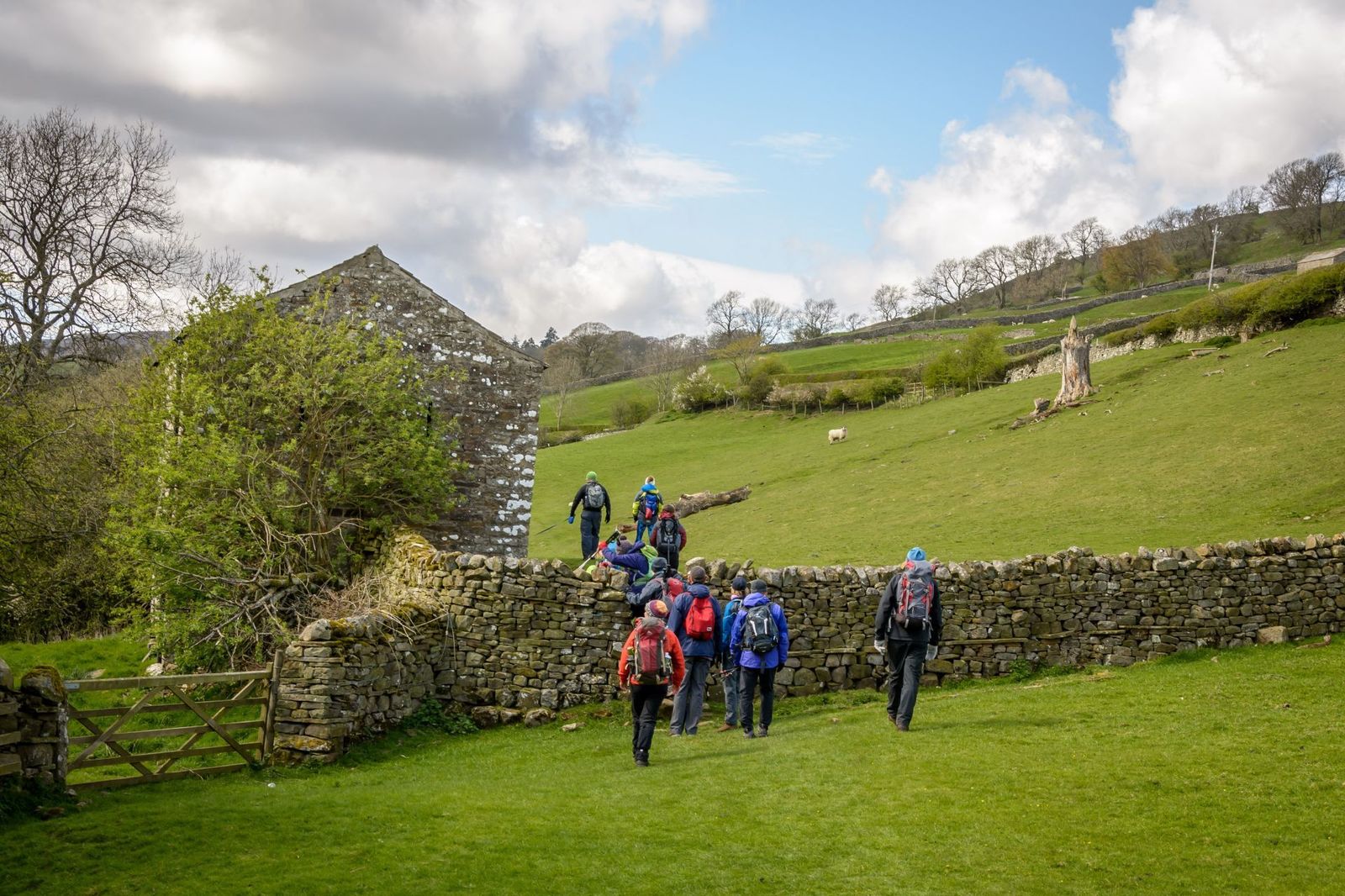
The walk takes you through sites and settlements occupied by the Romans, Anglo-Saxons, Vikings and later the Normans. The history is evident by surrounding prehistoric standing stones, ancient ruins of Roman forts, and old terms like gill and fell, which were used by the Vikings. There is also a prehistoric stone fence from the 18th century.
During the rest days, one can also explore the history of the villages and towns around. These communities include;
Grasmere
This is a village that one gets to in very early stages of the Coast to Coast. It was home to the great poet William Wordsworth and also where he wrote some of his most accomplished works. You can visit Dove cottage, one of William Wordsworth’s home, stroll the village and the nearby hills, as well as buy some freshly baked gingerbread. Grasmere is a walker’s paradise stuck in time. You can climb over Grisedale Hause and enjoy the views of the Helvellyn, England’s third-highest peak before hiking down the valley toward Lake Ullswater.
Kirkby Stephen
A great place to explore almost halfway through your trip. The little town is in the beautiful Eden Valley, and one can enjoy an iconic steam train experience. It’s also a lovely town surrounded by hill country.
Nine Standards Riggs as the summit of Hartley Fell in the Pennine Hills of England is a few kilometers away from Kirkby Stephens on the Coast to Coast route. At least 200 years old and of uncertain origin, the nine standard Riggs is a much-loved landmark for most hikers.
Richmond
The largest town on the Coast to Coast. It is a bustling place with a castle and lots of history to explore. Although not considered as a layover town, it’s an ideal location to rest before pushing on with your walk. Richmond Castle is a historical landmark built by Alan Rufus who was one of William the Conqueror’s lieutenants. Richmond provides a welcome break from the peace of the walk.
Grosmont
Home to the NorthYork Moors Railway. Stopping over at Grosmont is much advised although it is only a few kilometers away from Robin Hood’s Bay. Steam trains operate daily during the summer school holidays, but operation patterns vary during other seasons. You can also enjoy walking through moorland and forest in the area.
You will pass by High Street, the old Roman road, picturesque lakes and mountain peaks, historical sites, and more. The Coast to Coast provides numerous memorable sites seemingly without any effort.
We can create a custom trip tailored to your preferences.
As Featured In