


-300x200.jpg)
-300x200.jpg)
-300x200.jpg)
-300x200.jpg)

-300x200.jpg)
-300x200.jpg)
-300x200.jpg)
-300x200.jpg)
-300x200.jpg)
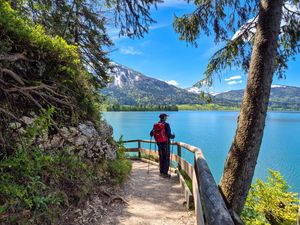
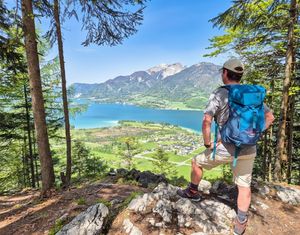
-300x200.jpg)
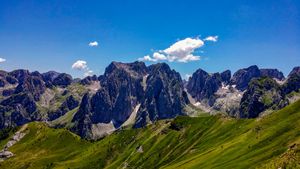
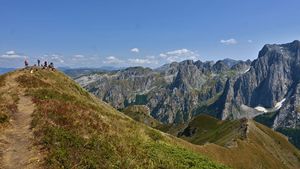

-300x200.jpg)
-300x200.jpg)
-300x200.jpg)
-1920x1280.jpg)
Overview
Walk through the heart of the Austrian Alps on a landscape shaped by centuries of mountain culture. Austria has over 50,000 kilometres of meticulously marked trails, a network of mountain huts serving cold beer and hearty Tyrolean food, and a walking tradition that stretches back to the 19th century. The routes cross high alpine passes, glacier-carved valleys and historic postcard villages, with cable cars available to access the highest terrain. Whether tackling the full crossing of the Austrian Alps or the spectacular traverse from Kitzbühel to the Dolomites, the scenery is relentless and the infrastructure exceptional.
Gallery
A closer look at Austrian Alps
1 / 9



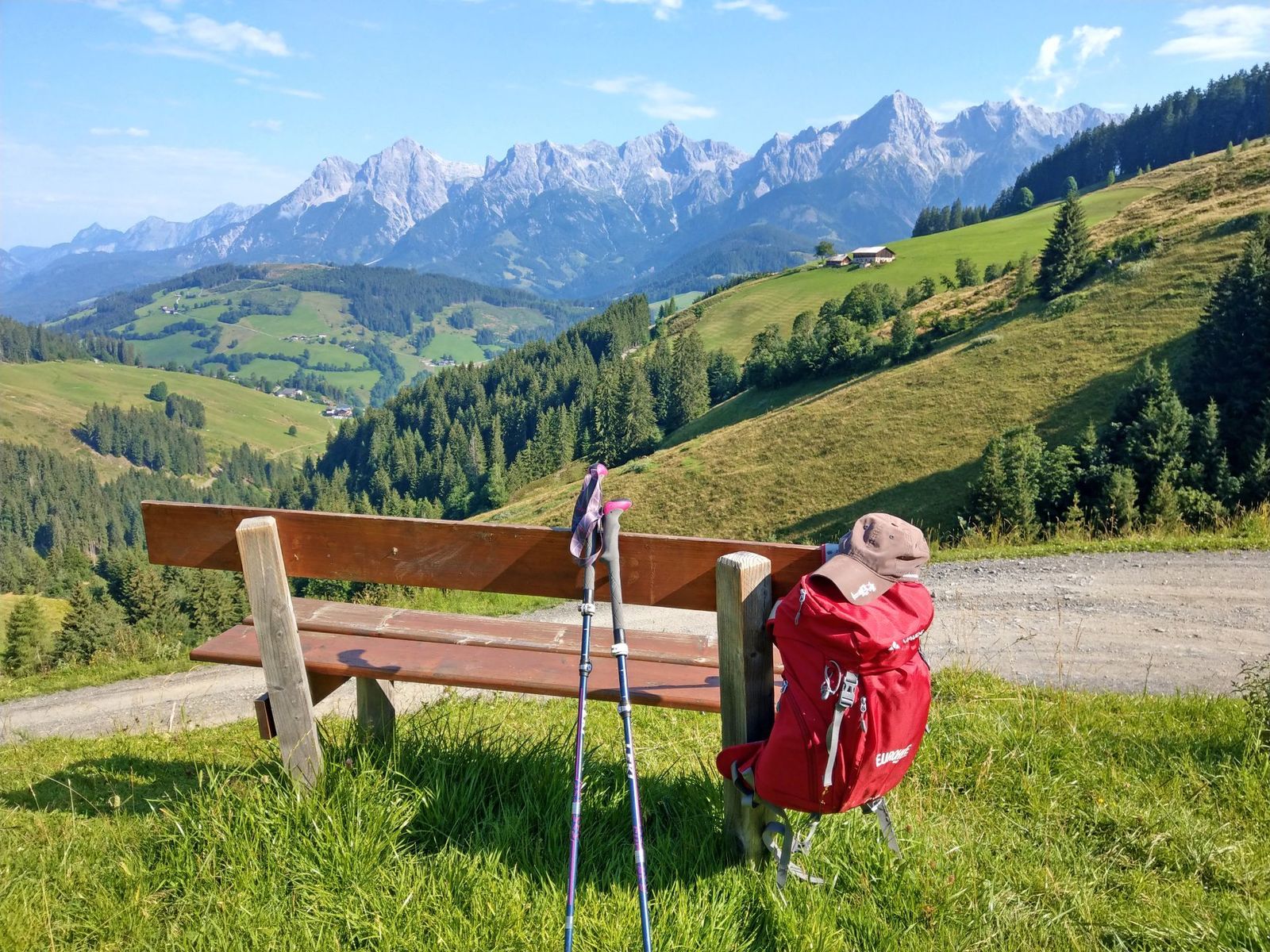

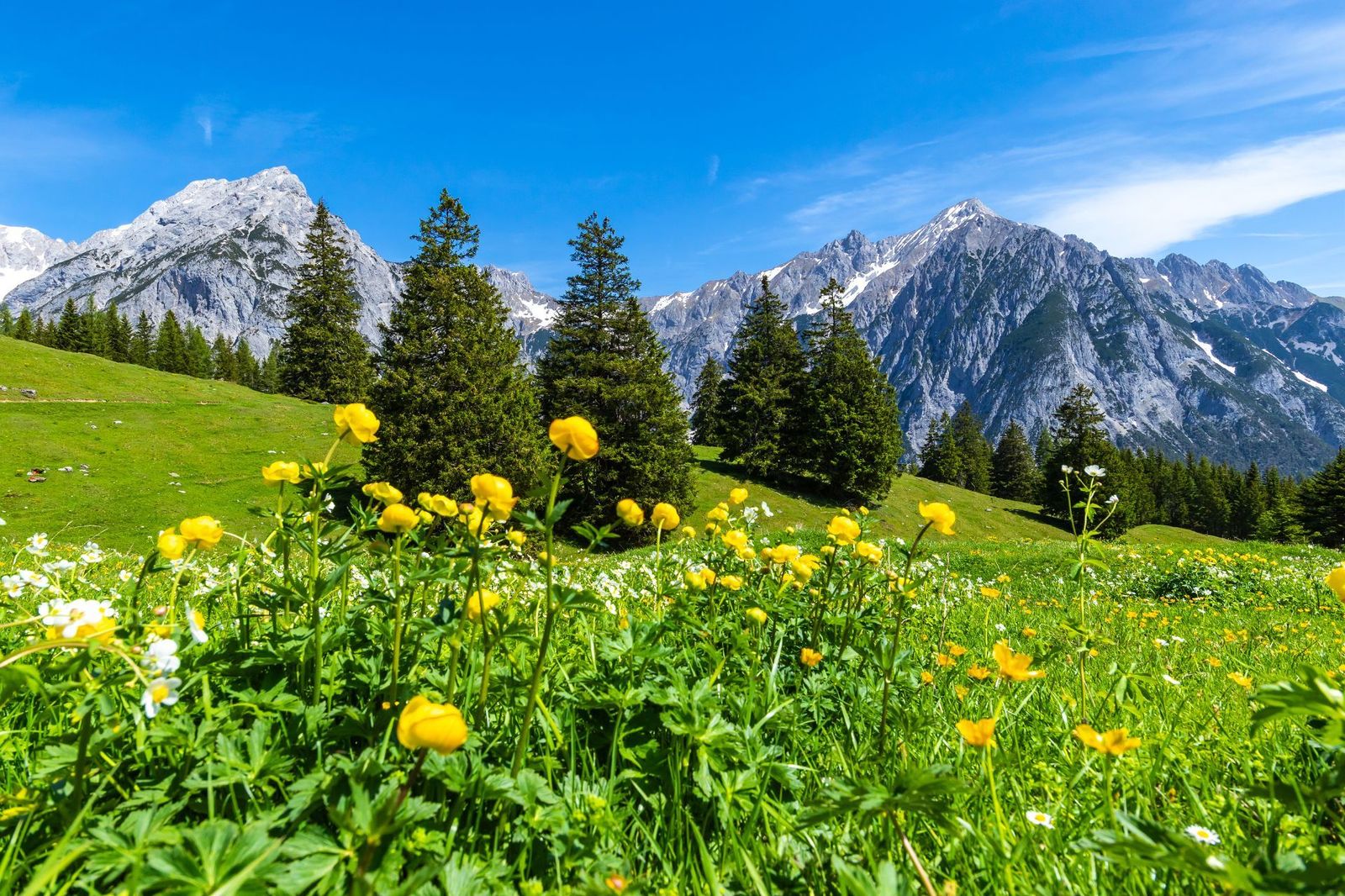

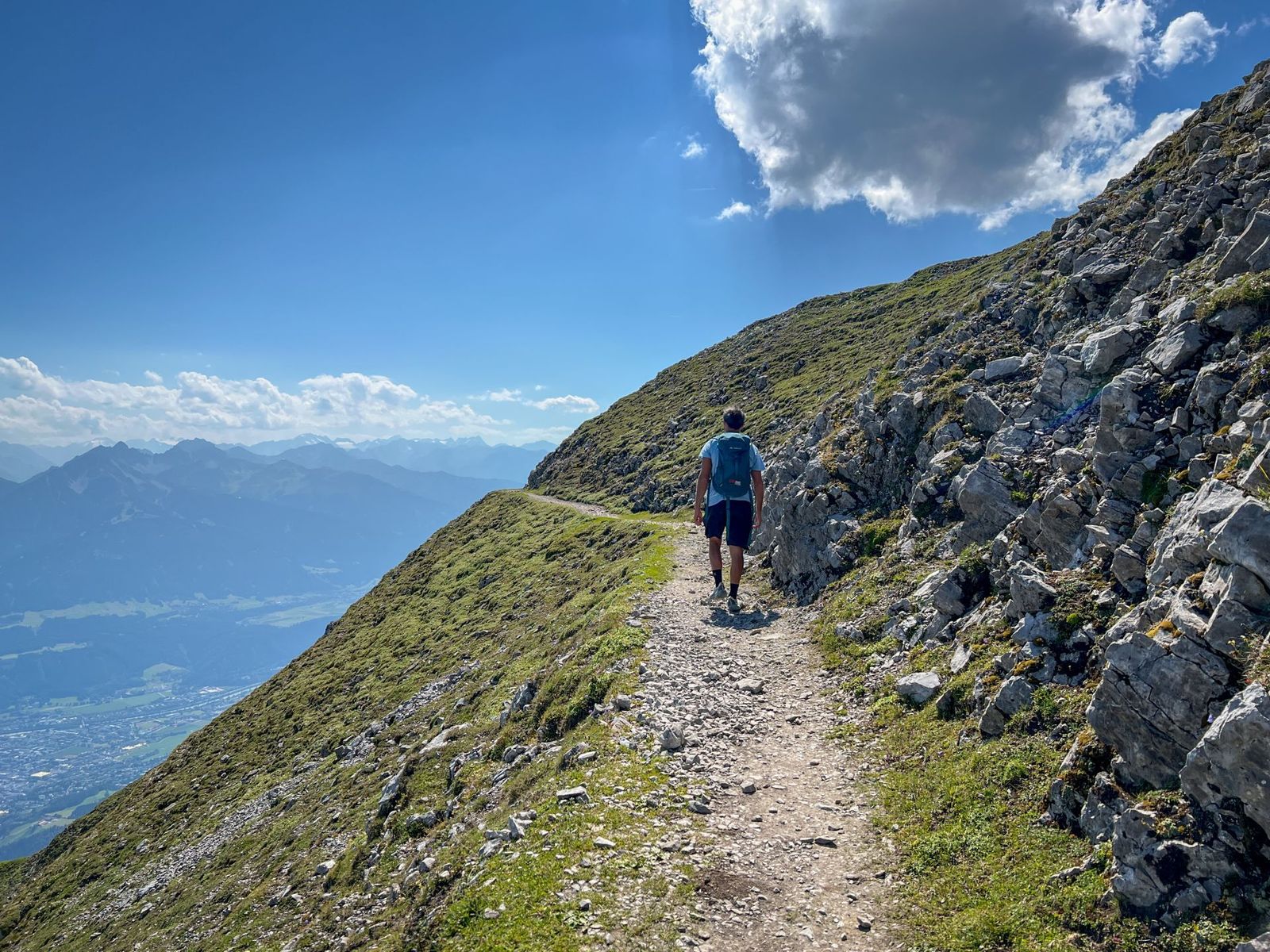

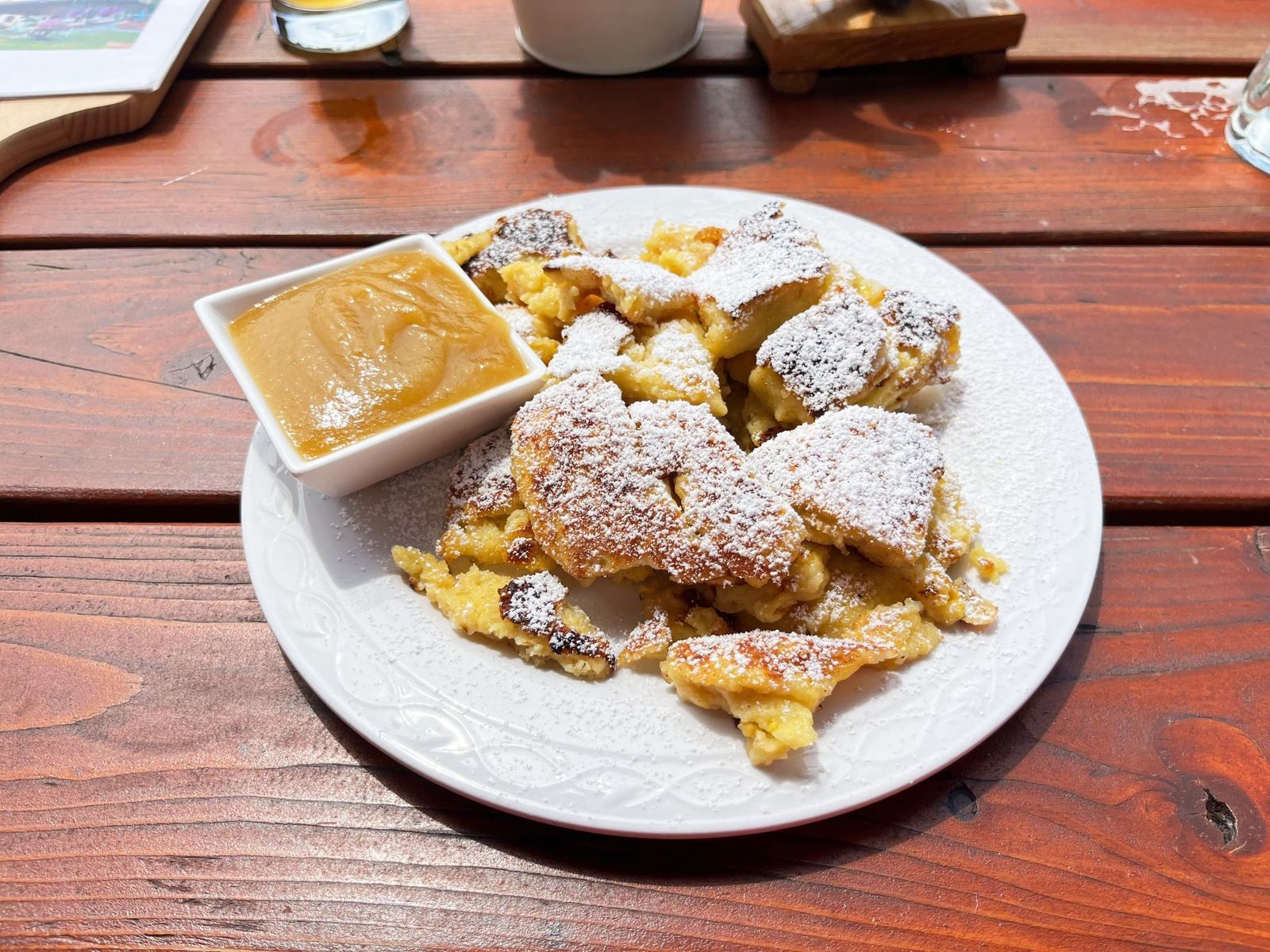



1 / 9
The Austrian Alps experience
Wonder
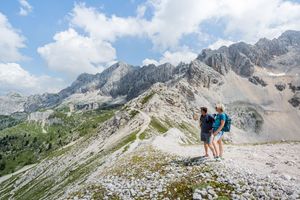
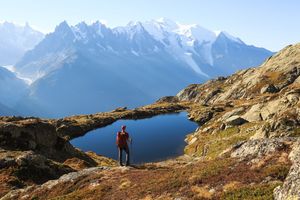
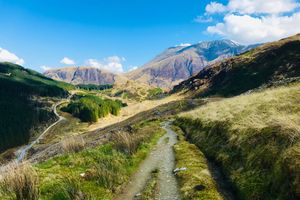
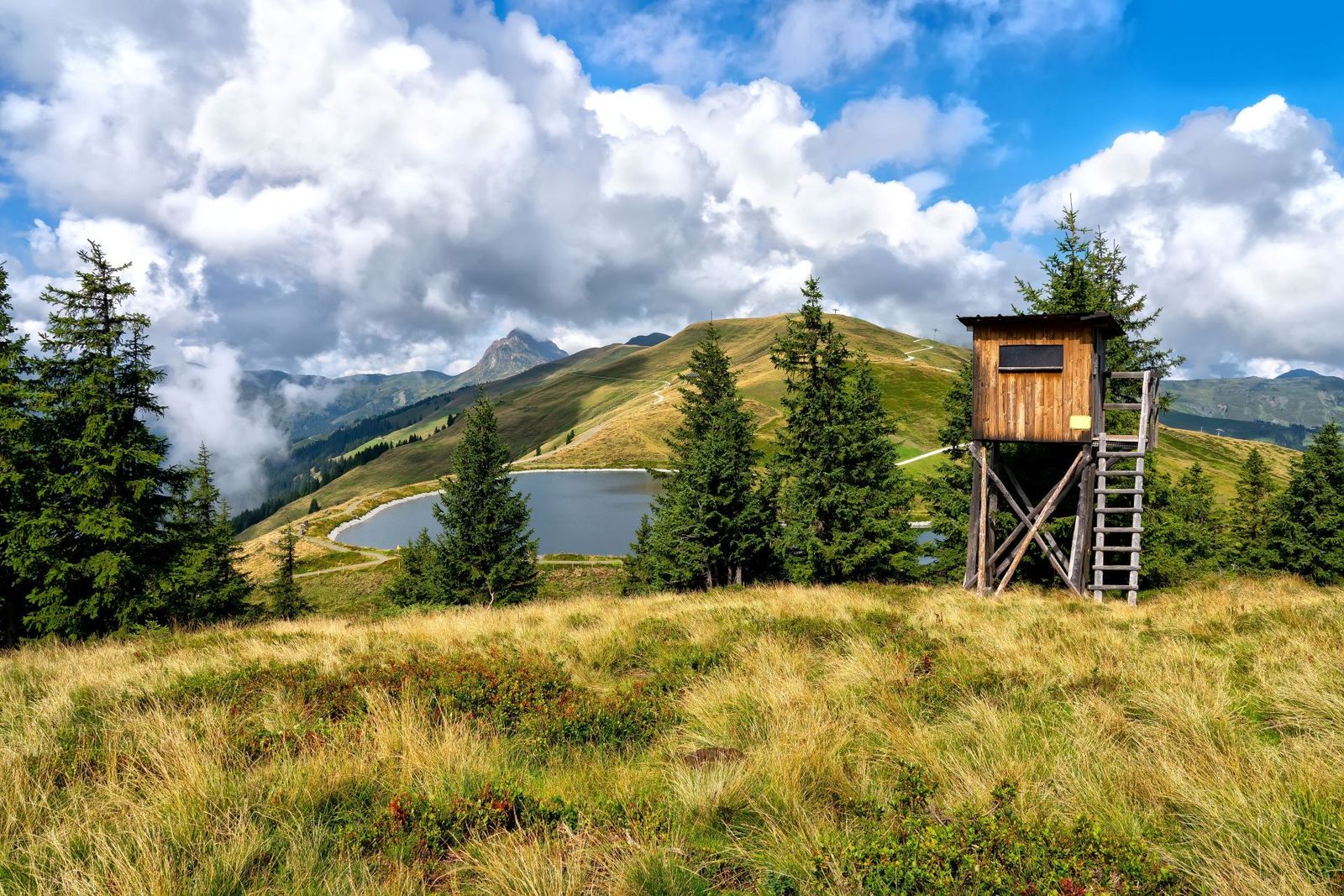
Trek across the Kitzbuhel Alps with panoramic views of more than 30 peaks above 3,000 metres
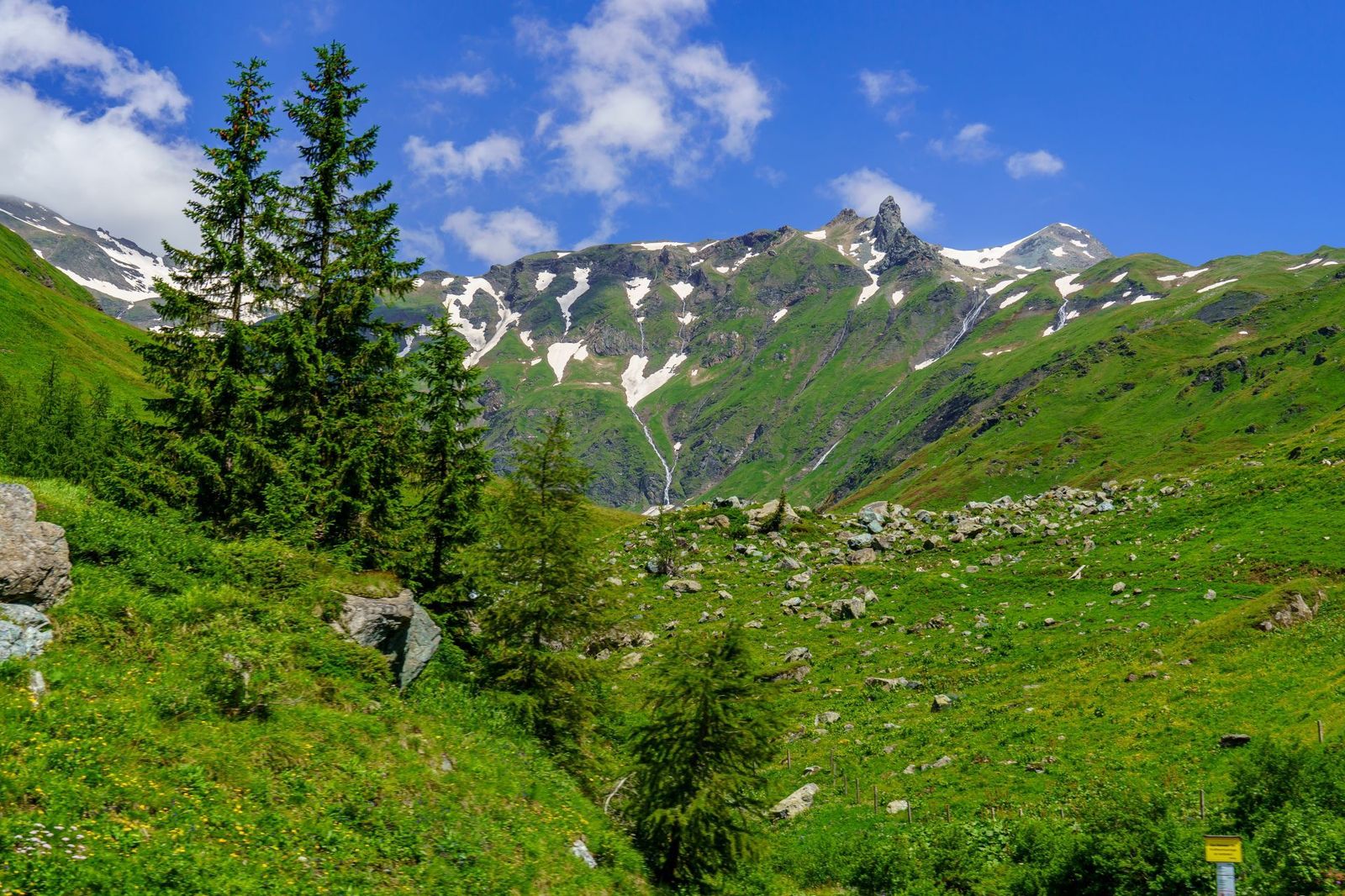
Cross the main Alpine ridge at Sandjochl pass on paths once used by smugglers
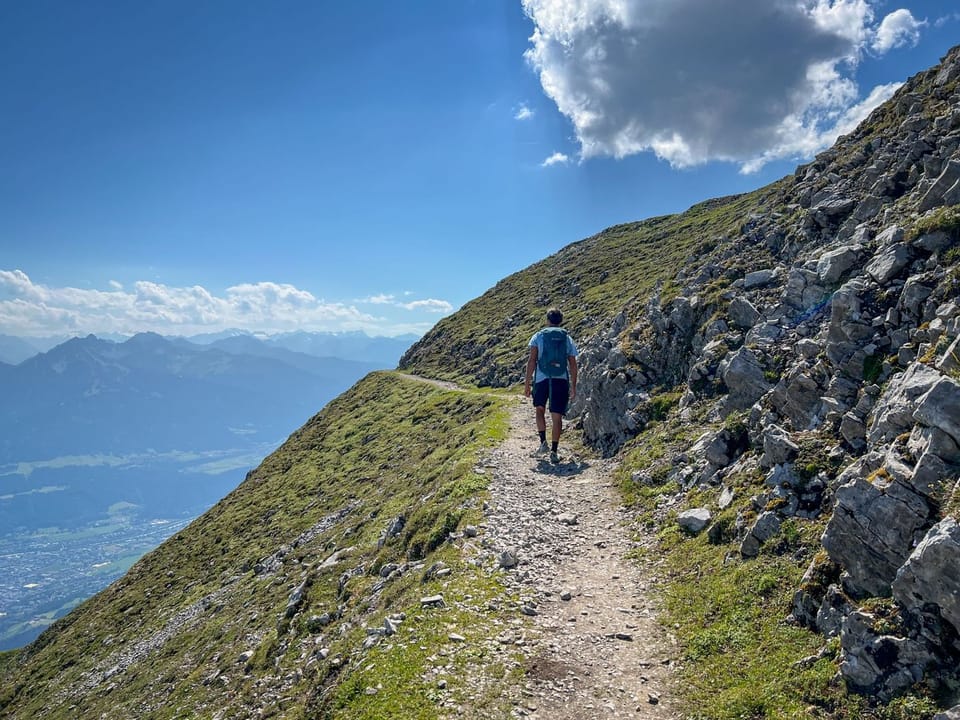
Walk the spectacular Nordkette ridge with the city of Innsbruck spread far below
Wellness
Refuel at rustic alpine huts with local Tyrolean delicacies, including Buchteln and Nidai
The Kitzbuhel Alps walk suits confident walkers who want genuine high-route mountain terrain
Comfortable hotels in resort villages like Saalbach-Hinterglemm each evening
Nature
Traverse the Wetterstein, Karwendel, and Stubai Alps through three countries in a single walk
Walk through the thundering Partnach Gorge before climbing into the high alpine world above
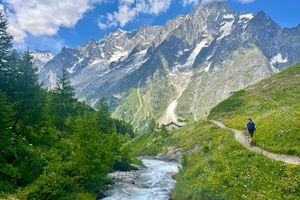
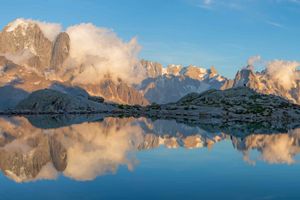
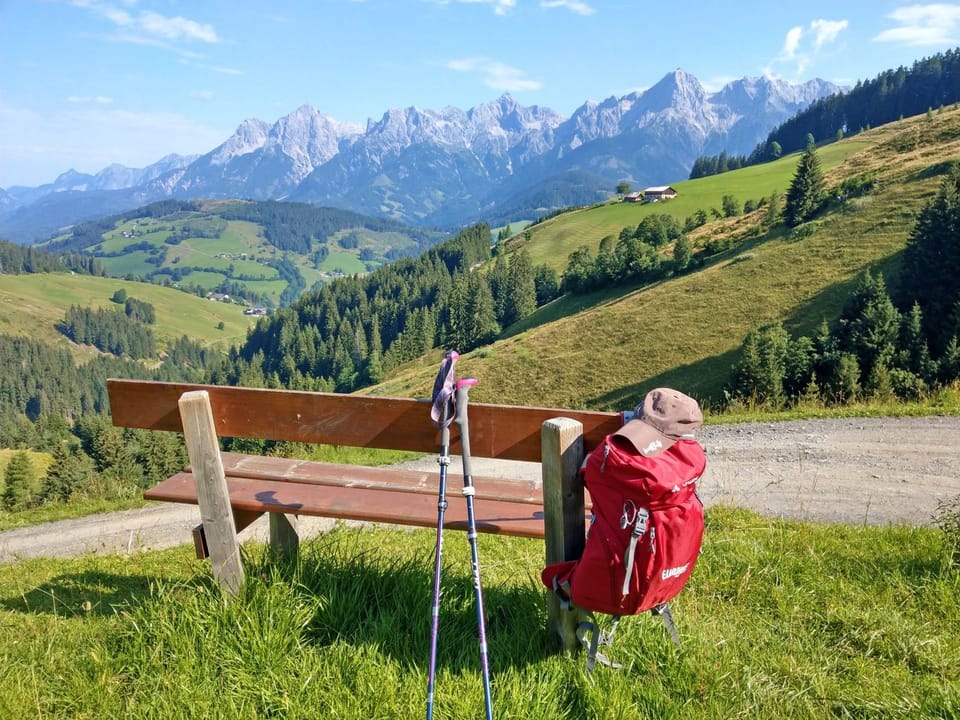
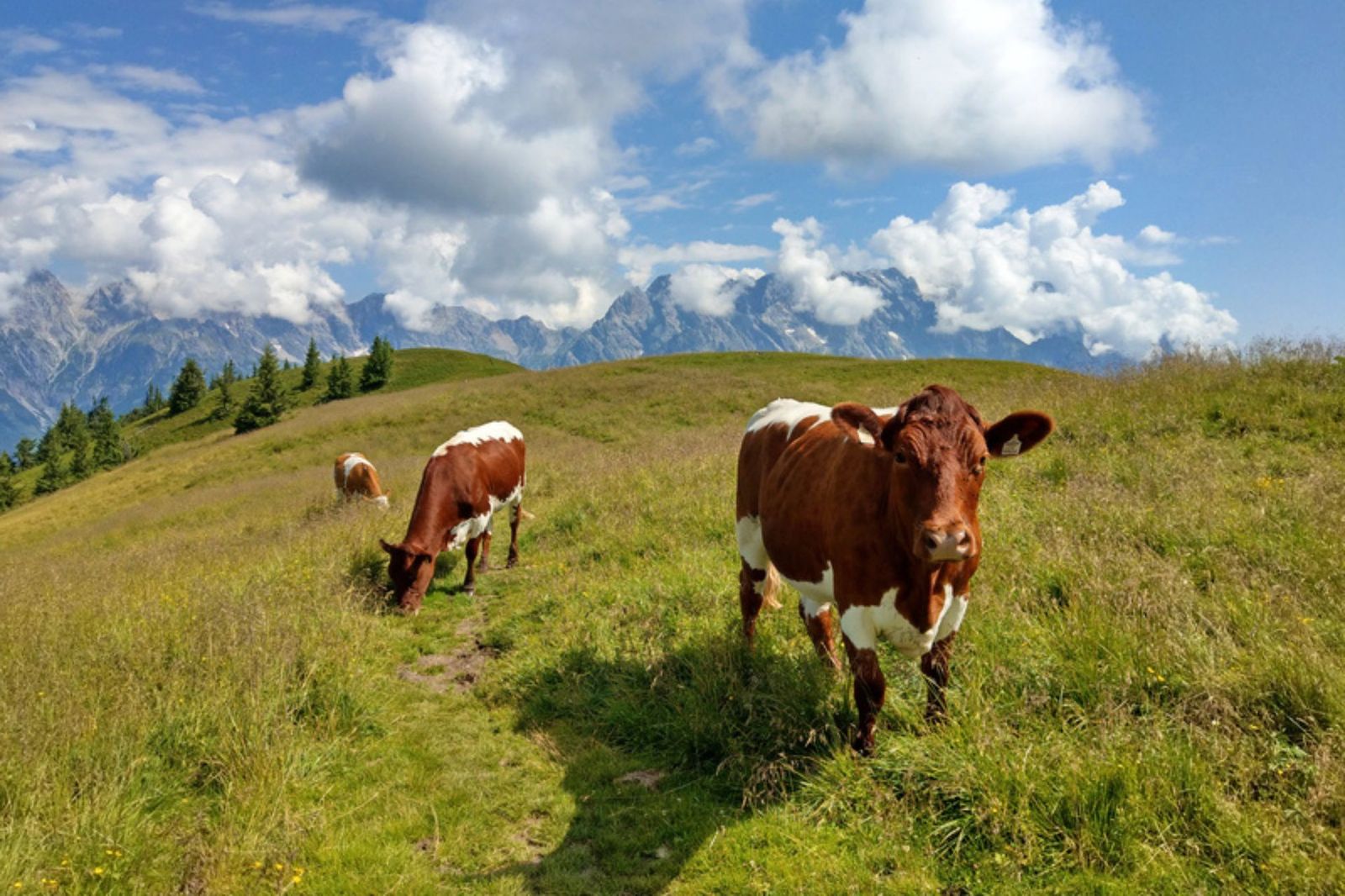
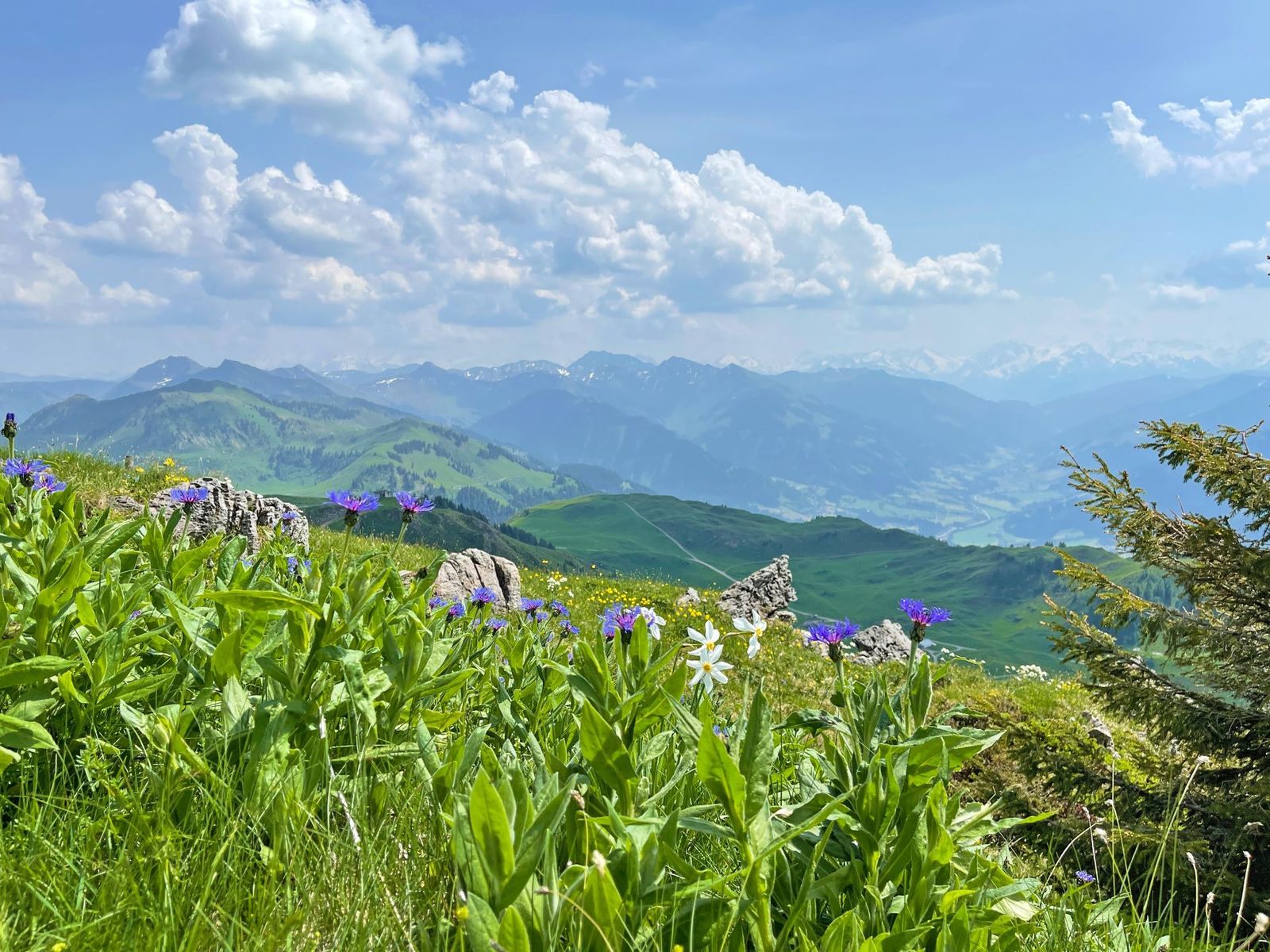
Flower-filled meadows, cowbell valleys, and turquoise alpine lakes throughout the route
Coming soon
Local recommendations are coming soon.
Frequently Asked Questions
A well-fitted daypack is all you need on the trail. Pack your rain jacket, a warm layer, one to two litres of water, lunch and snacks, sunscreen, insect repellent, a basic first aid kit, and some cash. Walking poles are worth bringing, particularly for the rocky descents on the Alps crossing. Most daypacks are not fully waterproof, so line yours with a heavy-duty plastic bag or use a waterproof cover — afternoon storms in the mountains are not uncommon.
Alpine weather moves fast. A clear morning can turn into an afternoon storm with little warning, and visibility can drop quickly at altitude. Pack for sunshine and rain in equal measure. At least one person in your group should be comfortable reading a map and compass if conditions deteriorate on more remote sections of the trail.
Austria uses the Euro. Cards are widely accepted in hotels and larger towns, but you will need cash for local bus fares along the trail — these run between roughly EUR 5 and EUR 22 per person, cannot be pre-booked, and must be paid on the day. It's worth carrying a decent amount before heading out each morning.
Tipping is not obligatory, but rounding up the bill at a cafe or restaurant is standard practice and always warmly received.
Only breakfast is included in the trip package, which gives you flexibility to eat around most dietary needs at lunch and dinner. Austrian cuisine leans heavily on meat and dairy, so strict vegans may need to plan ahead and seek out specific restaurants in larger towns. If your requirements are complex, stock up on supplementary snacks in the city before heading out on the trail.
Yes, and it is a condition of booking. Your policy must cover injury, cancellation, luggage loss, and medical evacuation. These are self-guided walks through genuine alpine terrain — adequate insurance is not optional.
Coverage is reliable in towns and most settled areas, but can be patchy on more remote sections of the alpine tracks. Carry your phone fully charged, bring a backup power bank for longer days, and know that most accommodations have WiFi.
Can't find what you're looking for?
We can create a custom trip tailored to your preferences.
As Featured In