

-300x200.jpg)
-300x200.jpg)
-300x200.jpg)
-300x200.jpg)

-300x200.jpg)
-300x200.jpg)
-300x200.jpg)
-300x200.jpg)
-300x200.jpg)
-300x200.jpg)

-300x200.jpg)
-300x200.jpg)
-300x200.jpg)


Andrew W
November 2025
Entire trip went extremely well. Foods were of excellent quality too.
Everest Base Camp via Gokyo Lake & Cho La Pass - 17 Days
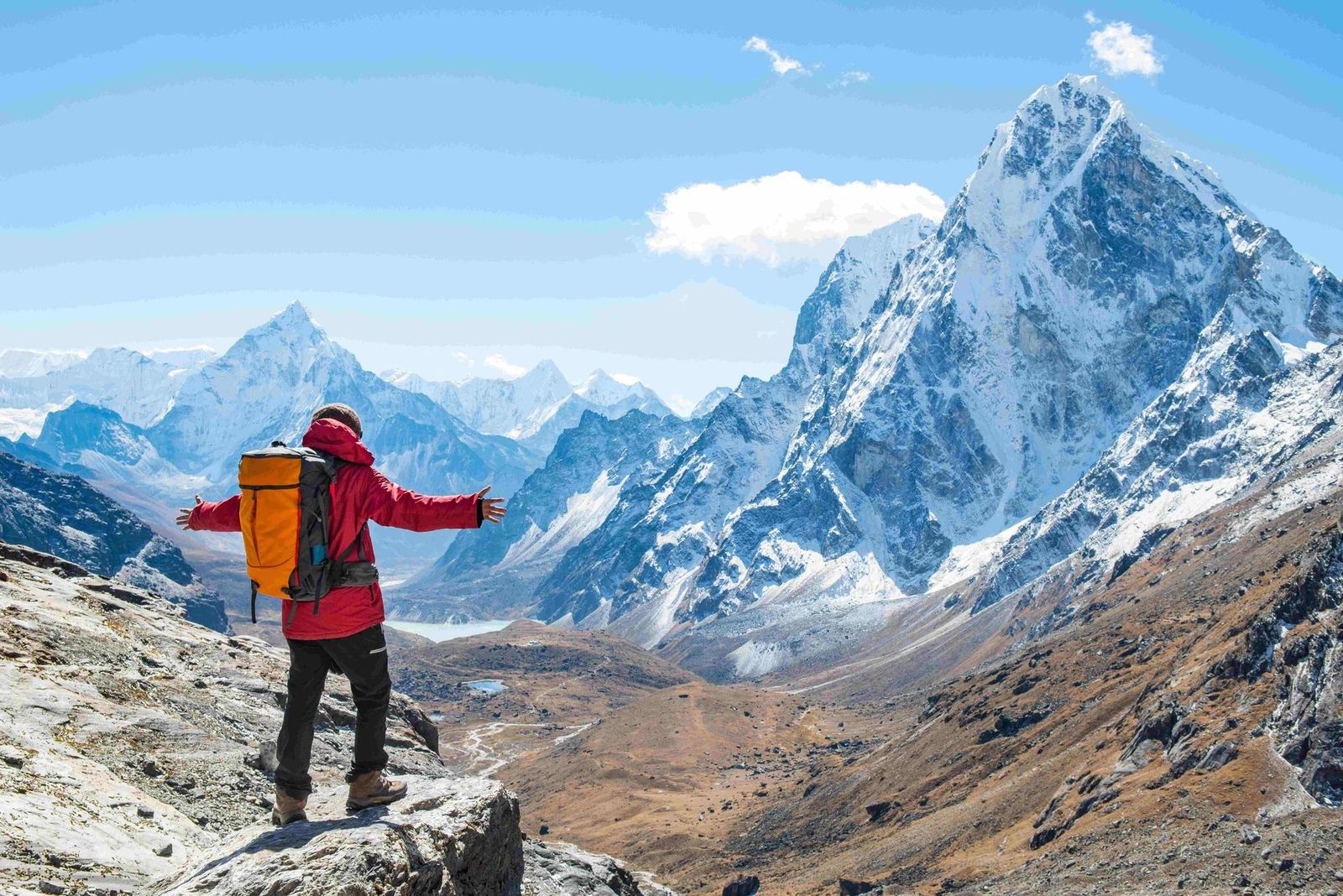
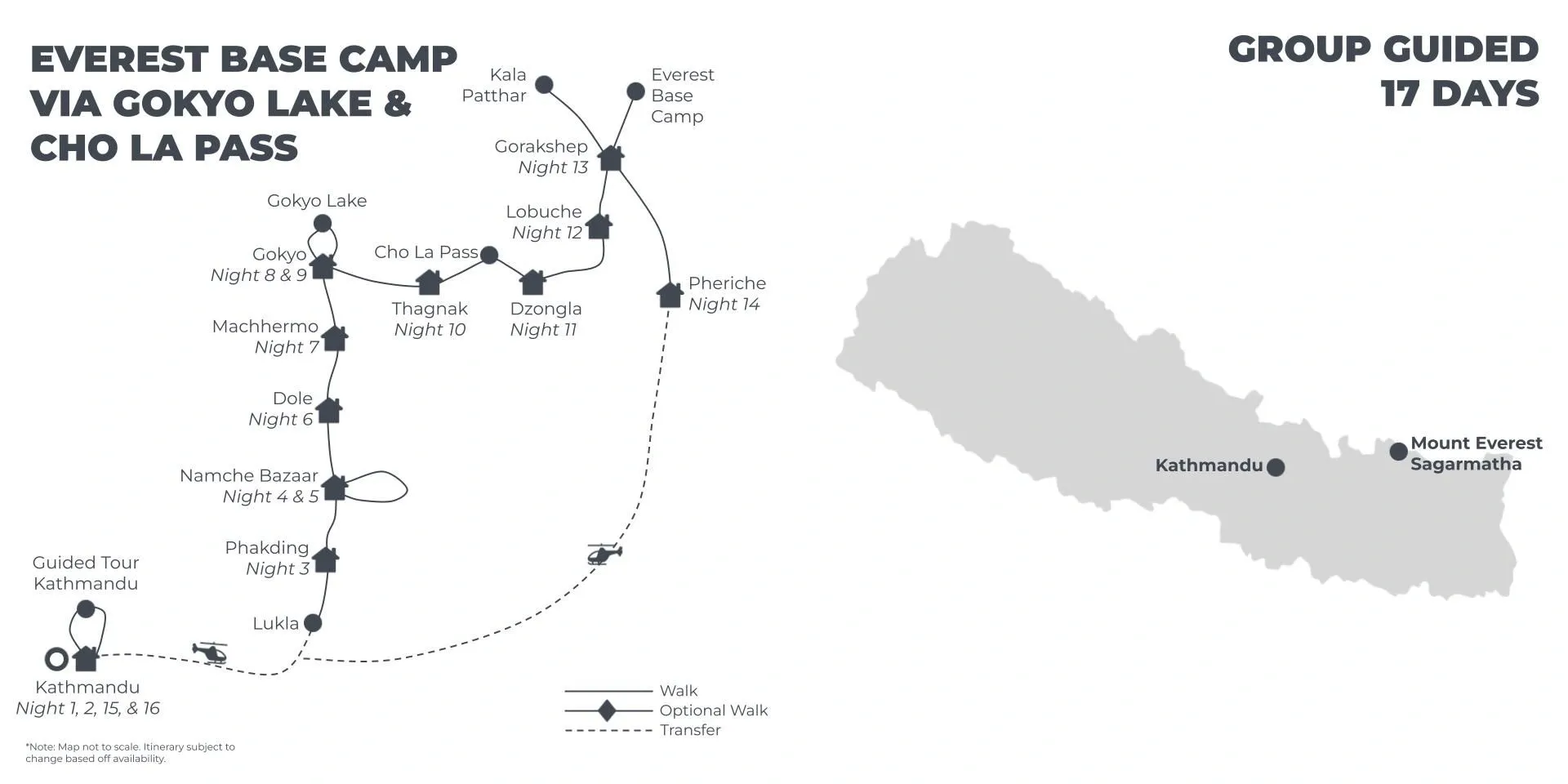
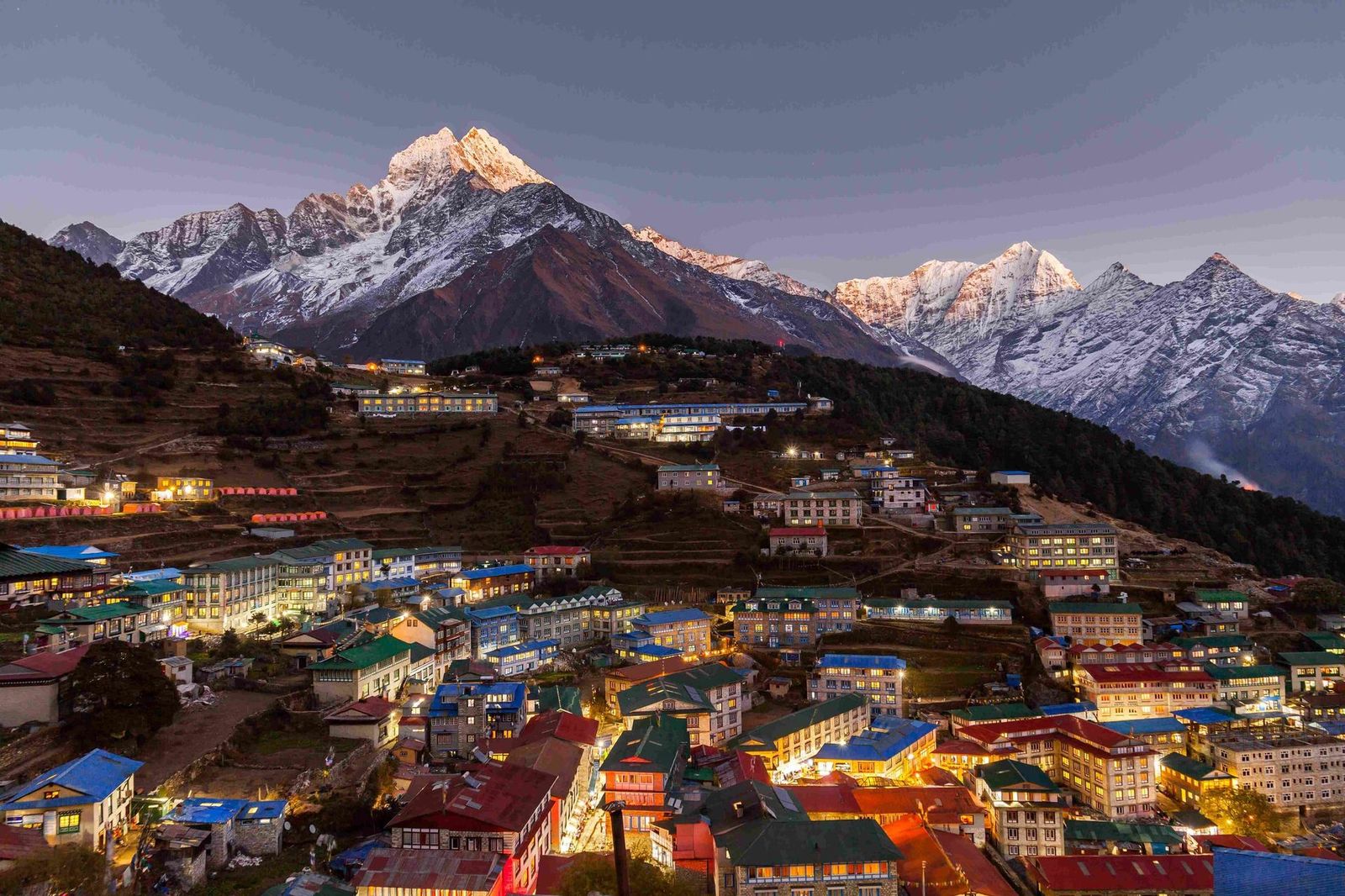
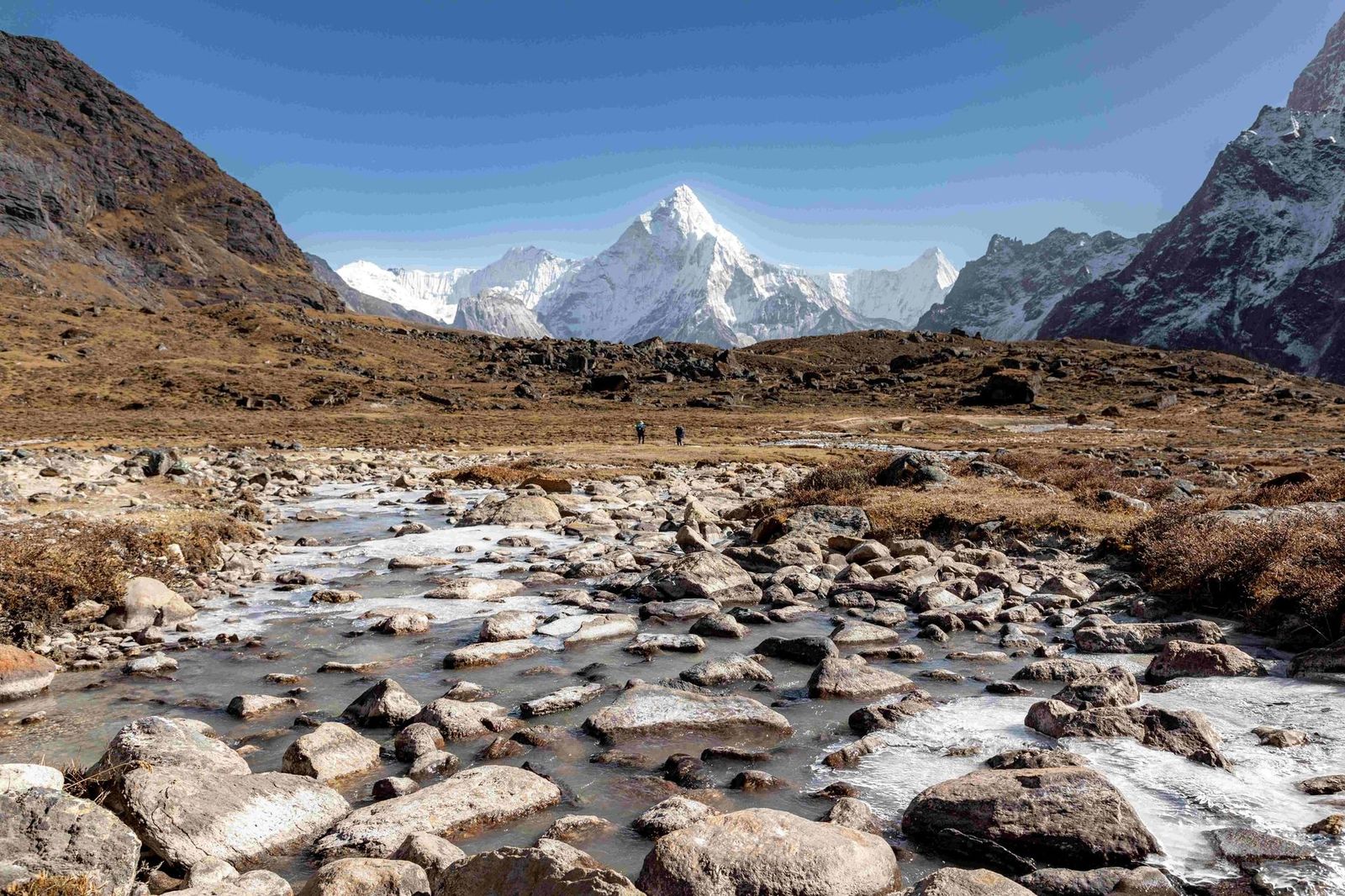
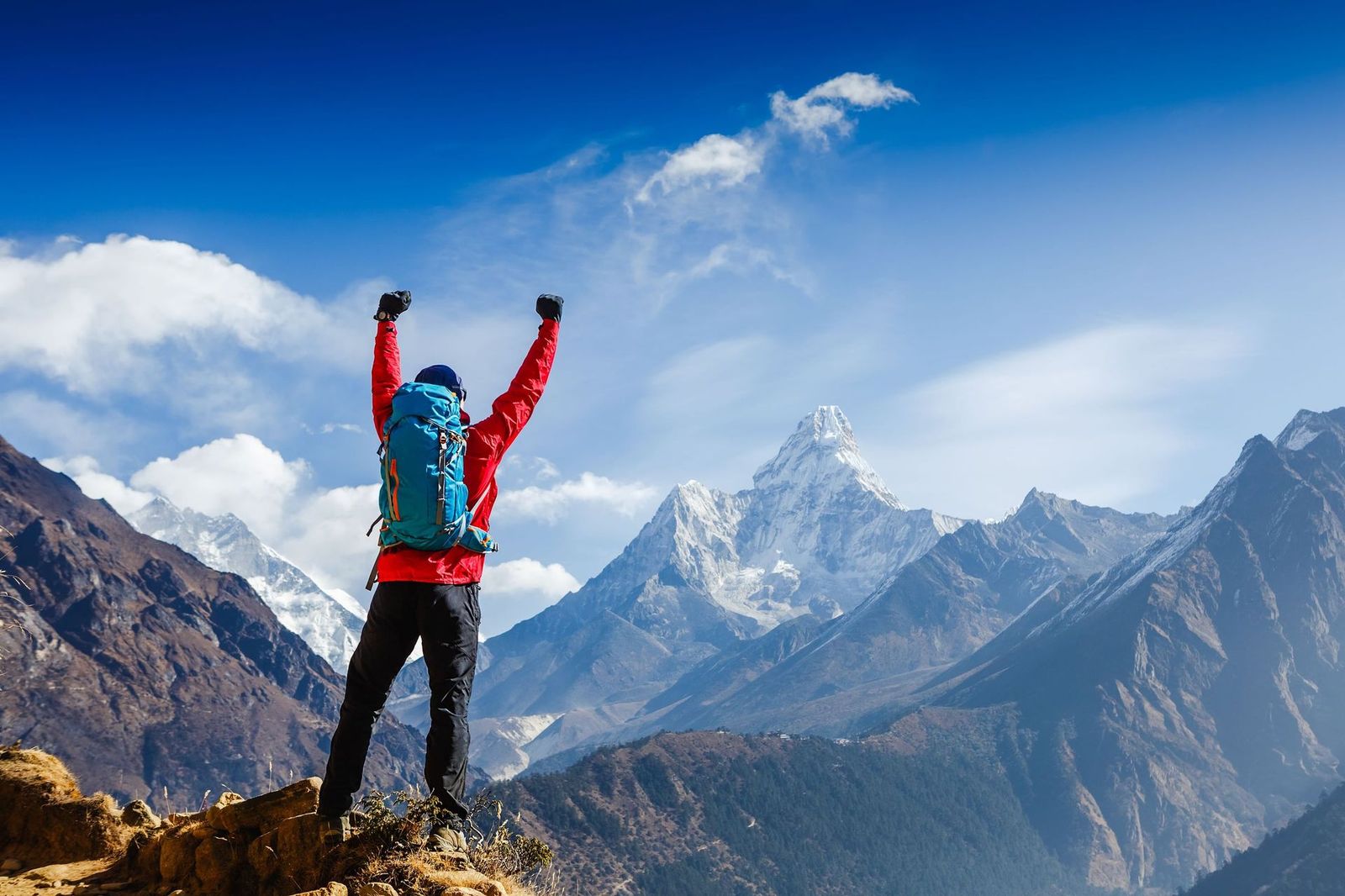
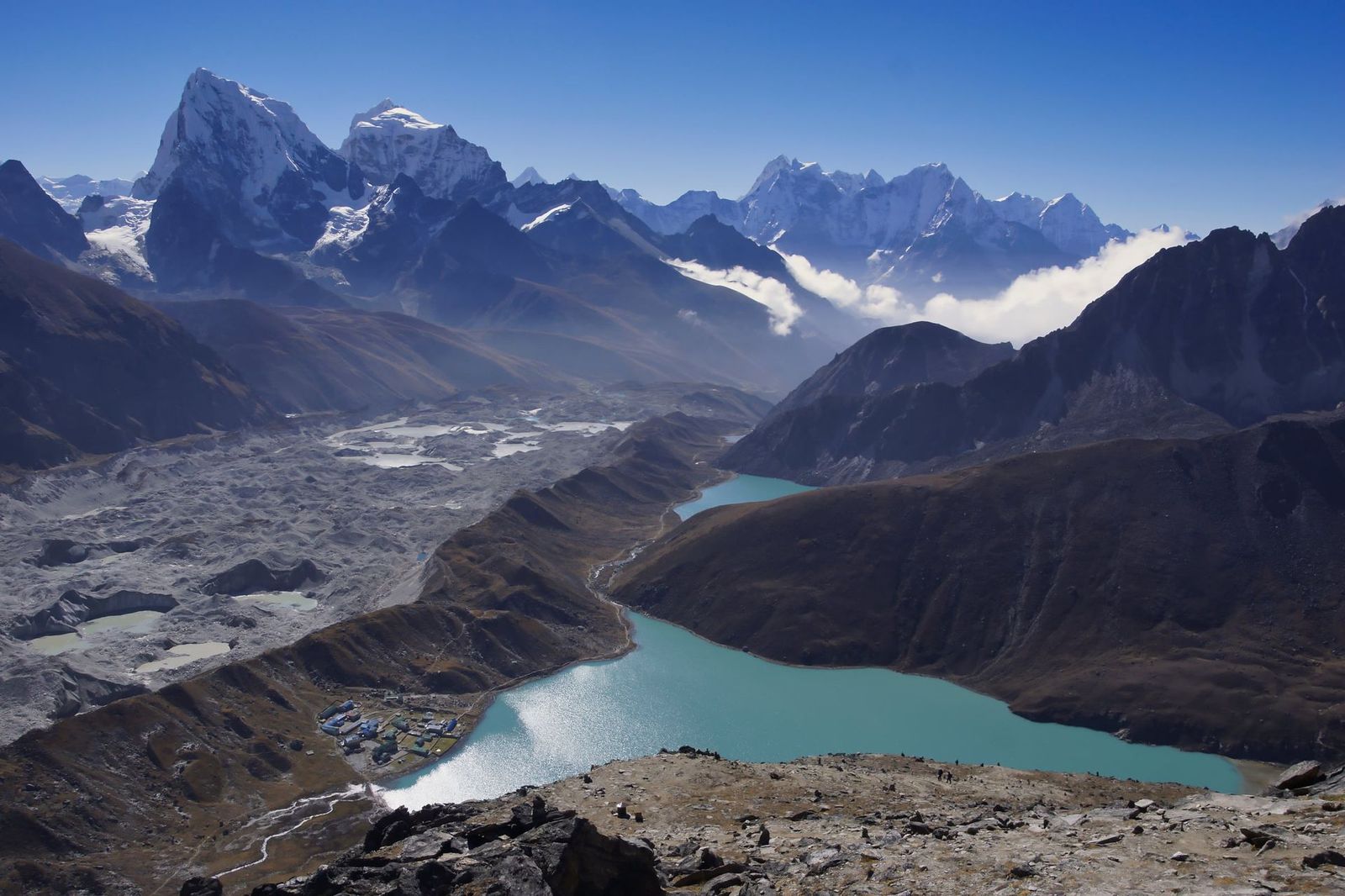
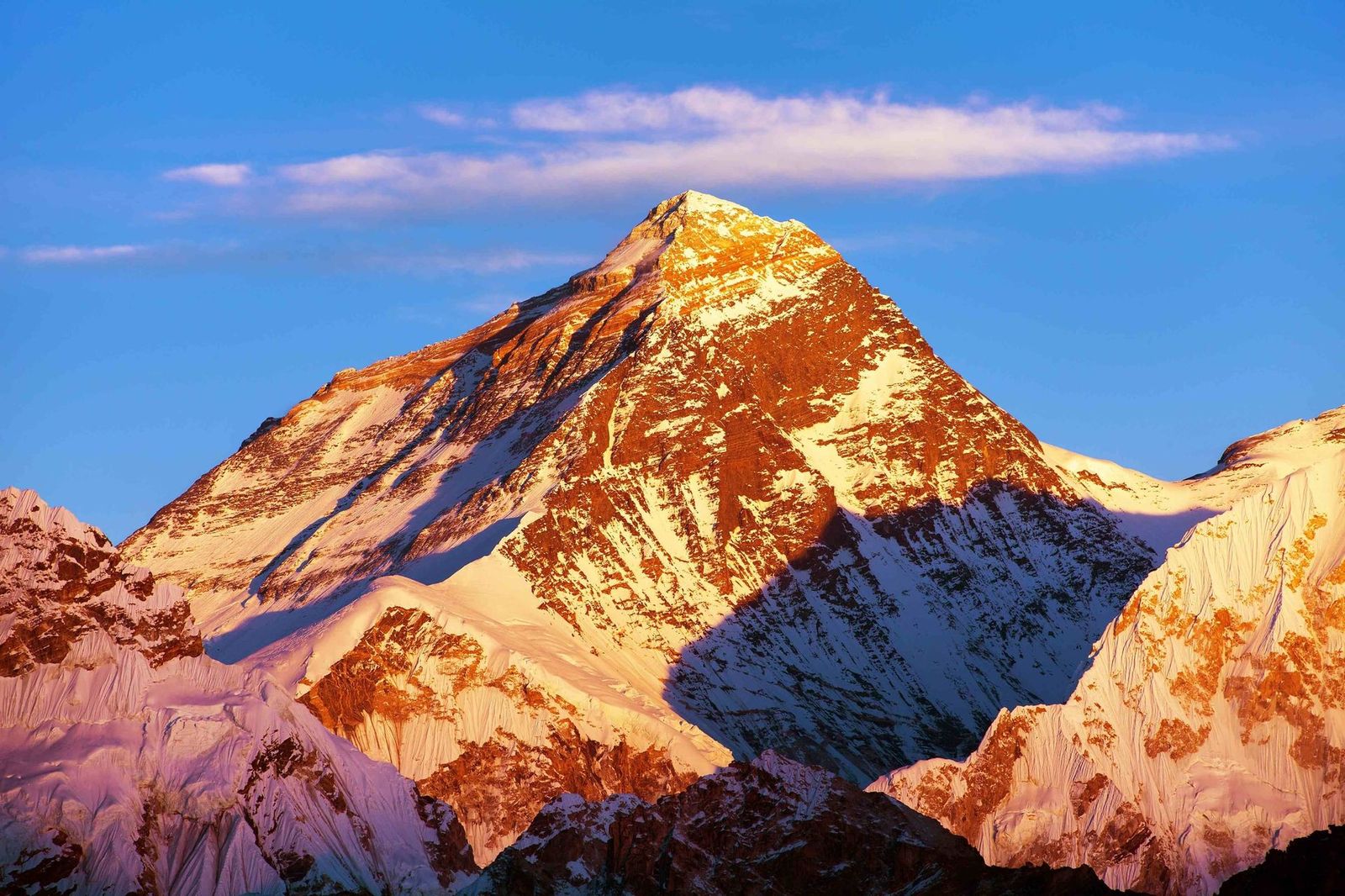
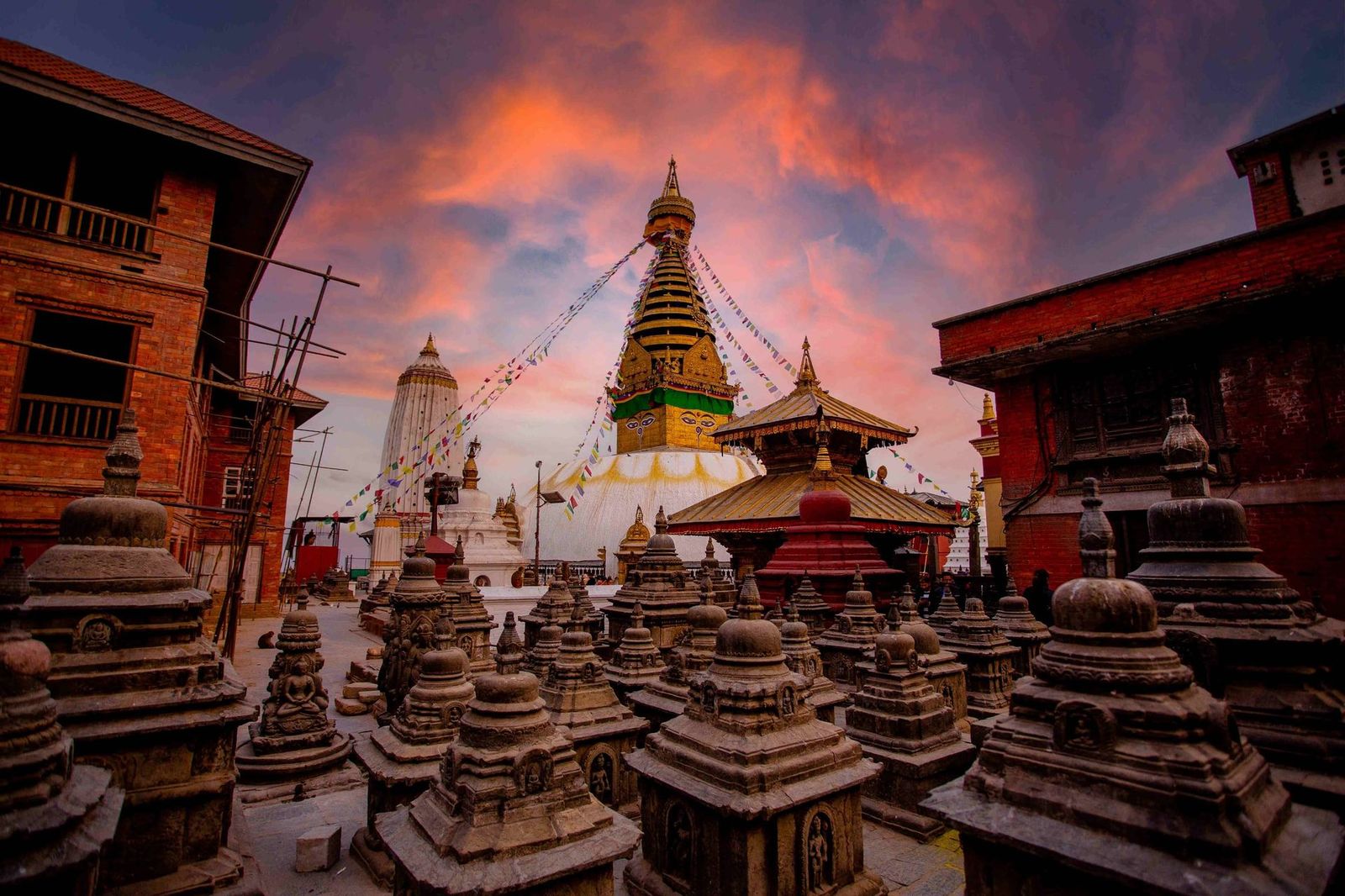
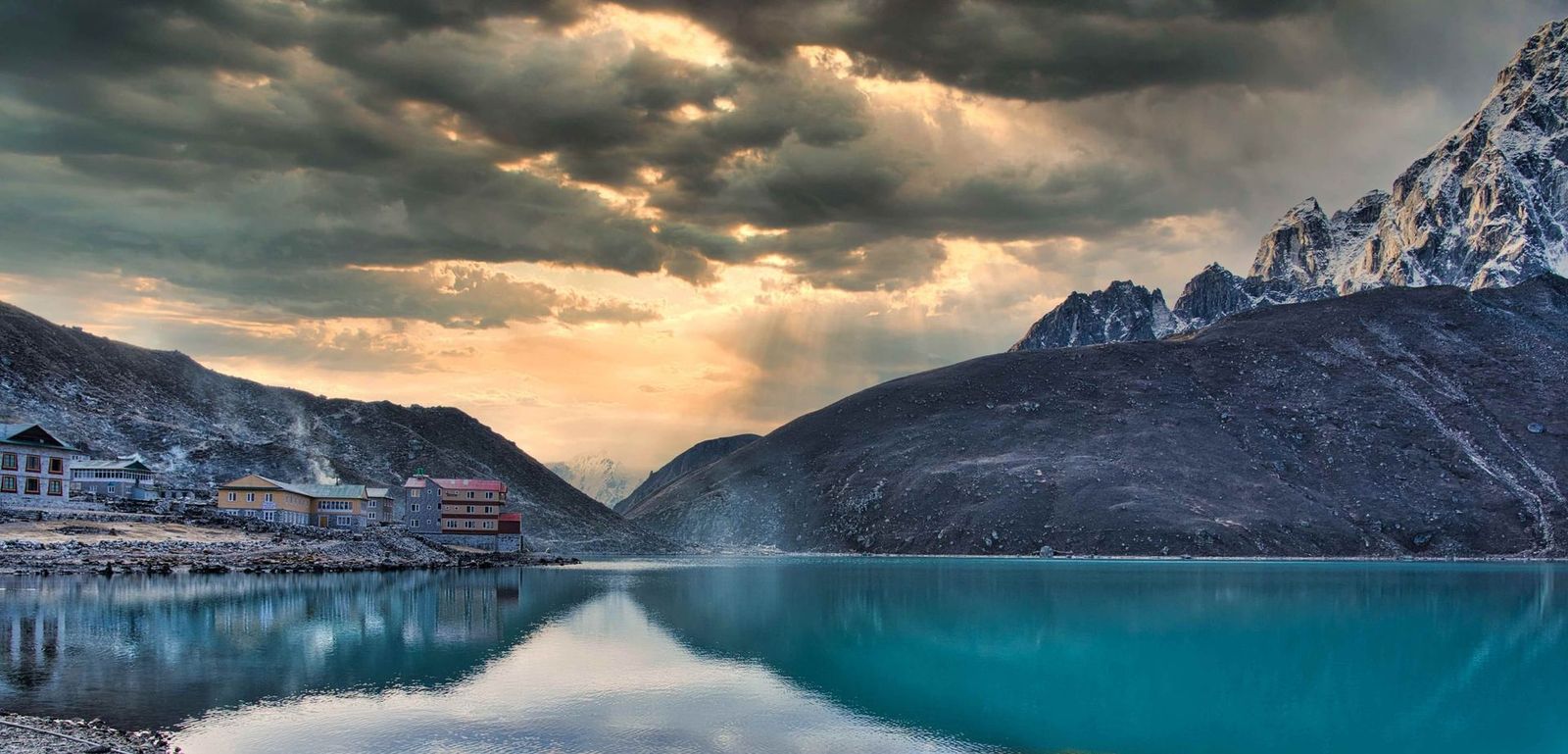
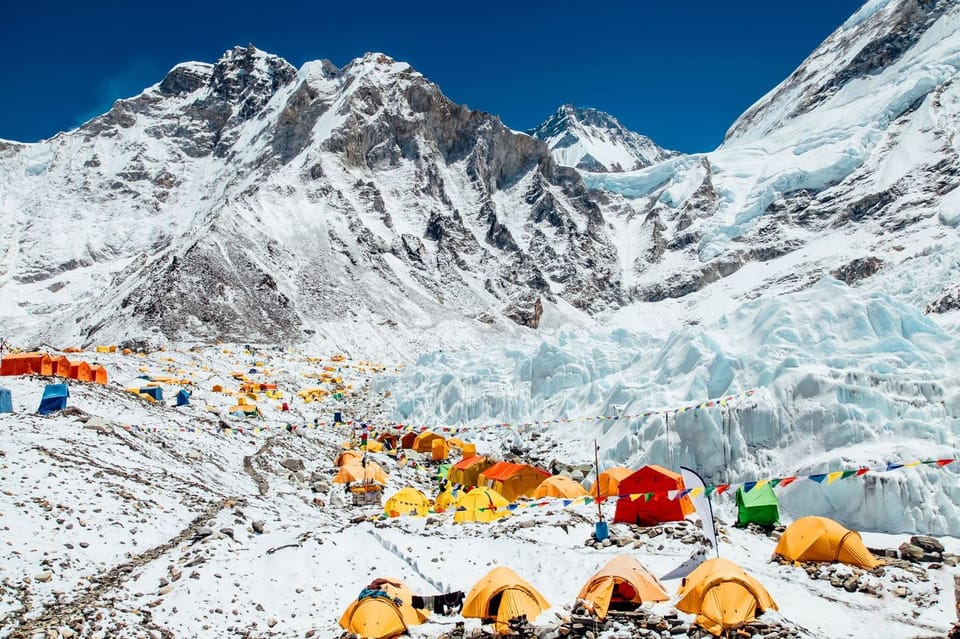
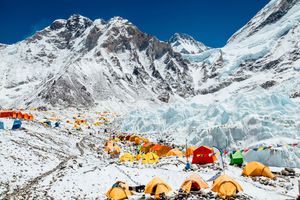
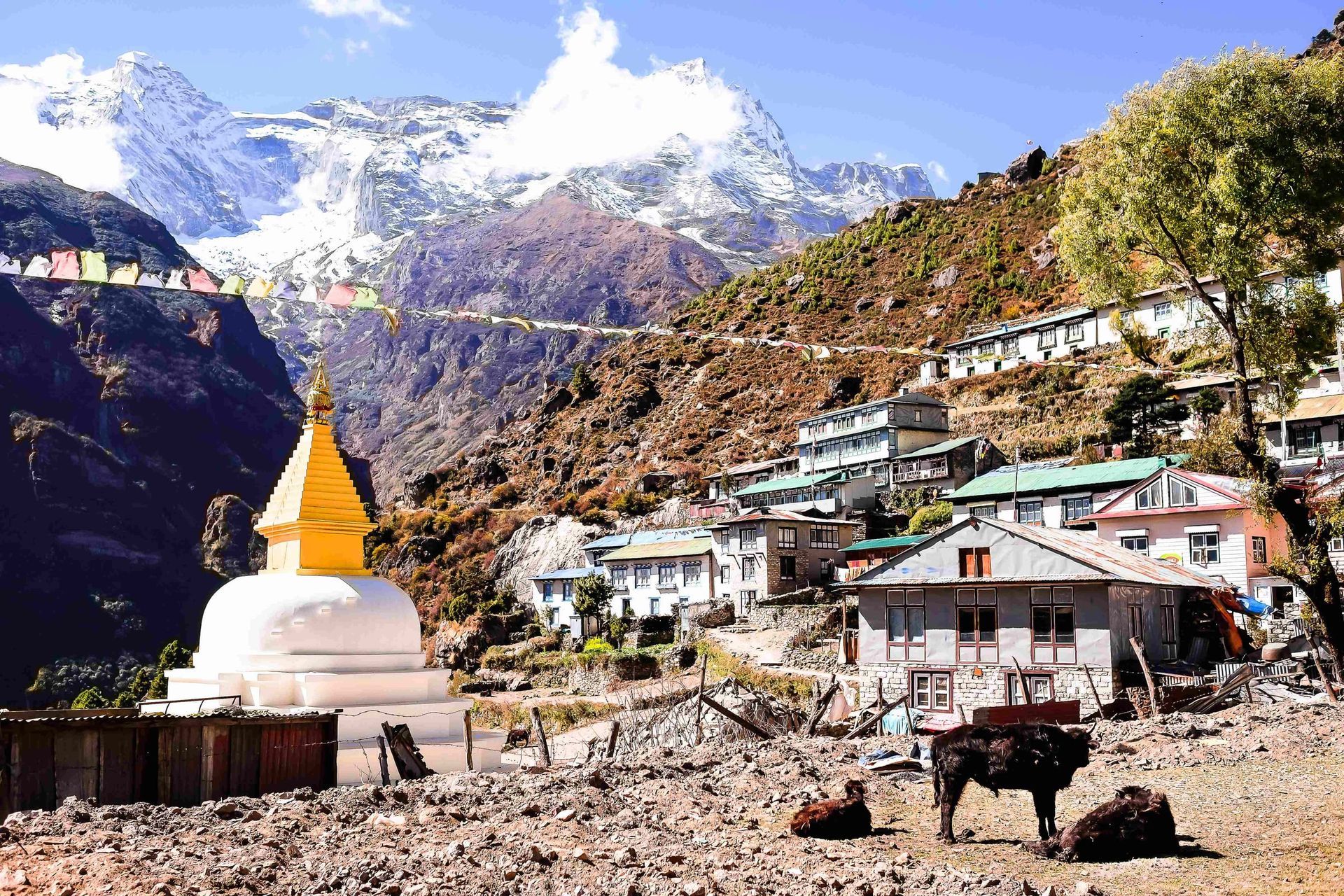
This 17-day group-guided trek is the most ambitious and rewarding way to reach Everest Base Camp, combining the classic EBC route with the spectacular Gokyo valley, Gokyo Ri Peak and the demanding crossing of Cho La Pass. Rather than following the main trail in its entirety, this itinerary branches into quieter, less-travelled terrain through forests of juniper and birch, along alpine lakes and beside the vast Ngozumpa Glacier, one of the largest in the Himalayas, before rejoining the EBC trail for the final push to Base Camp.
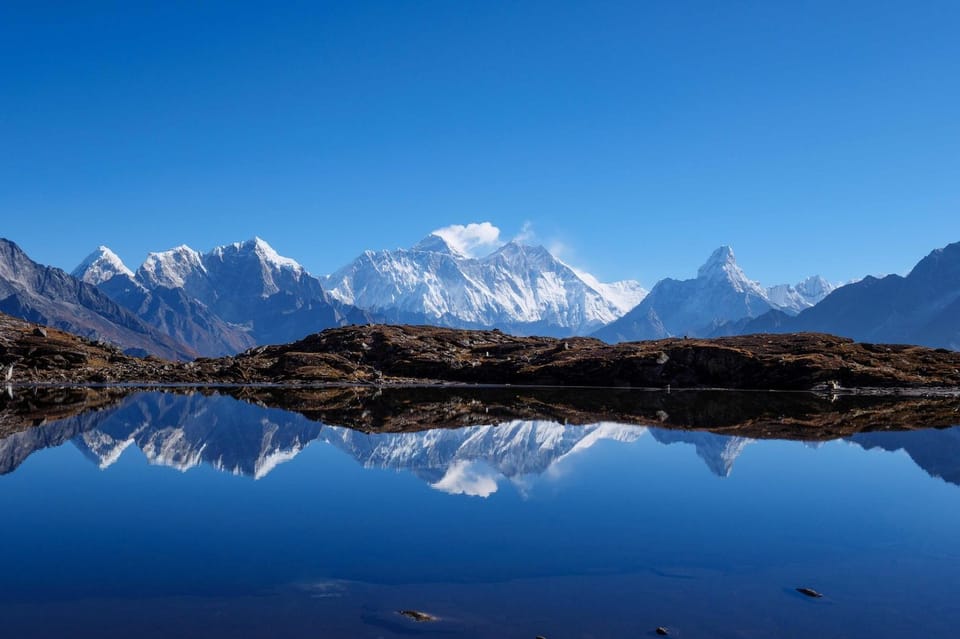
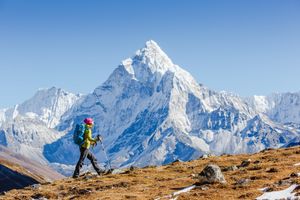
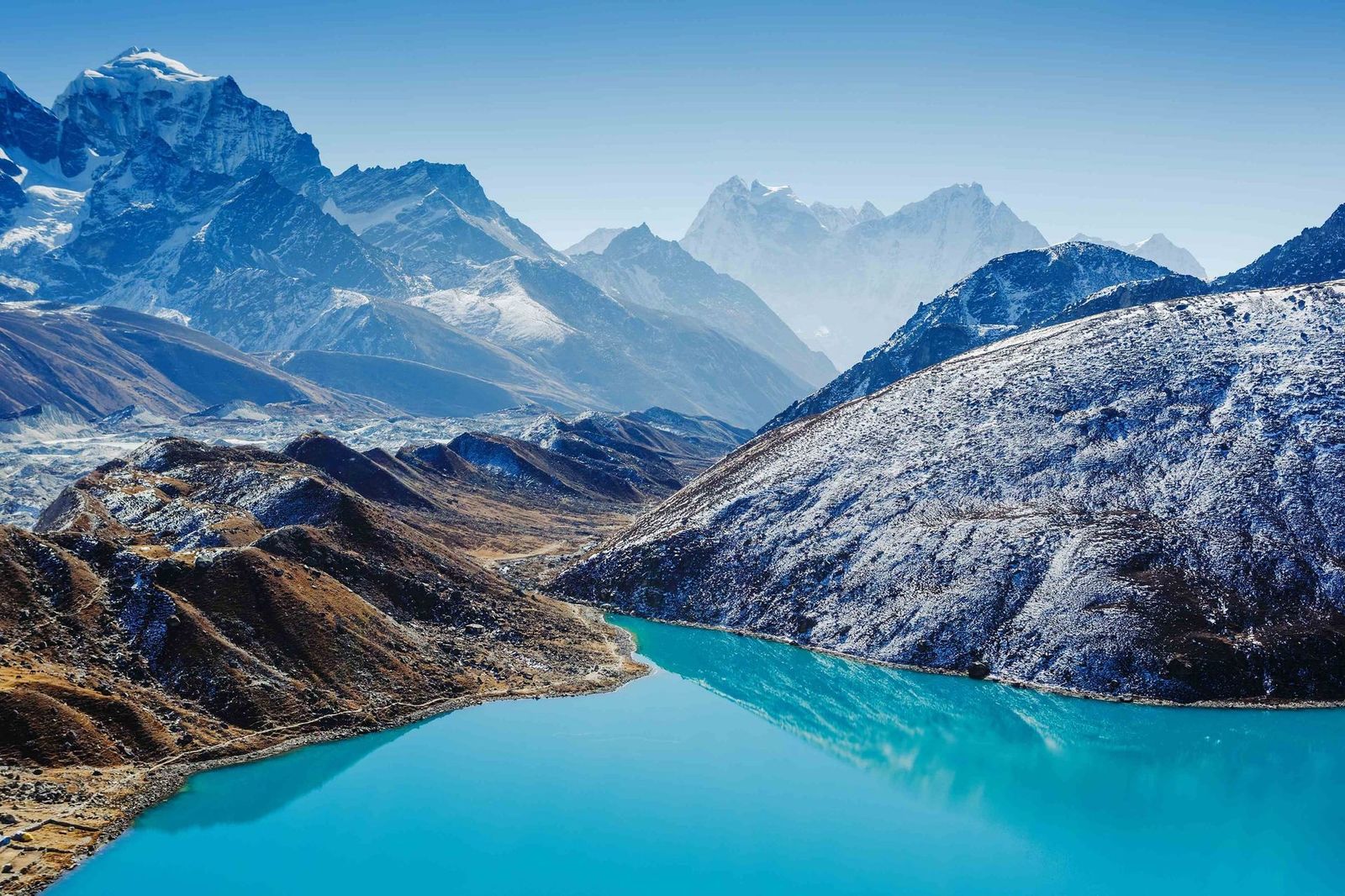
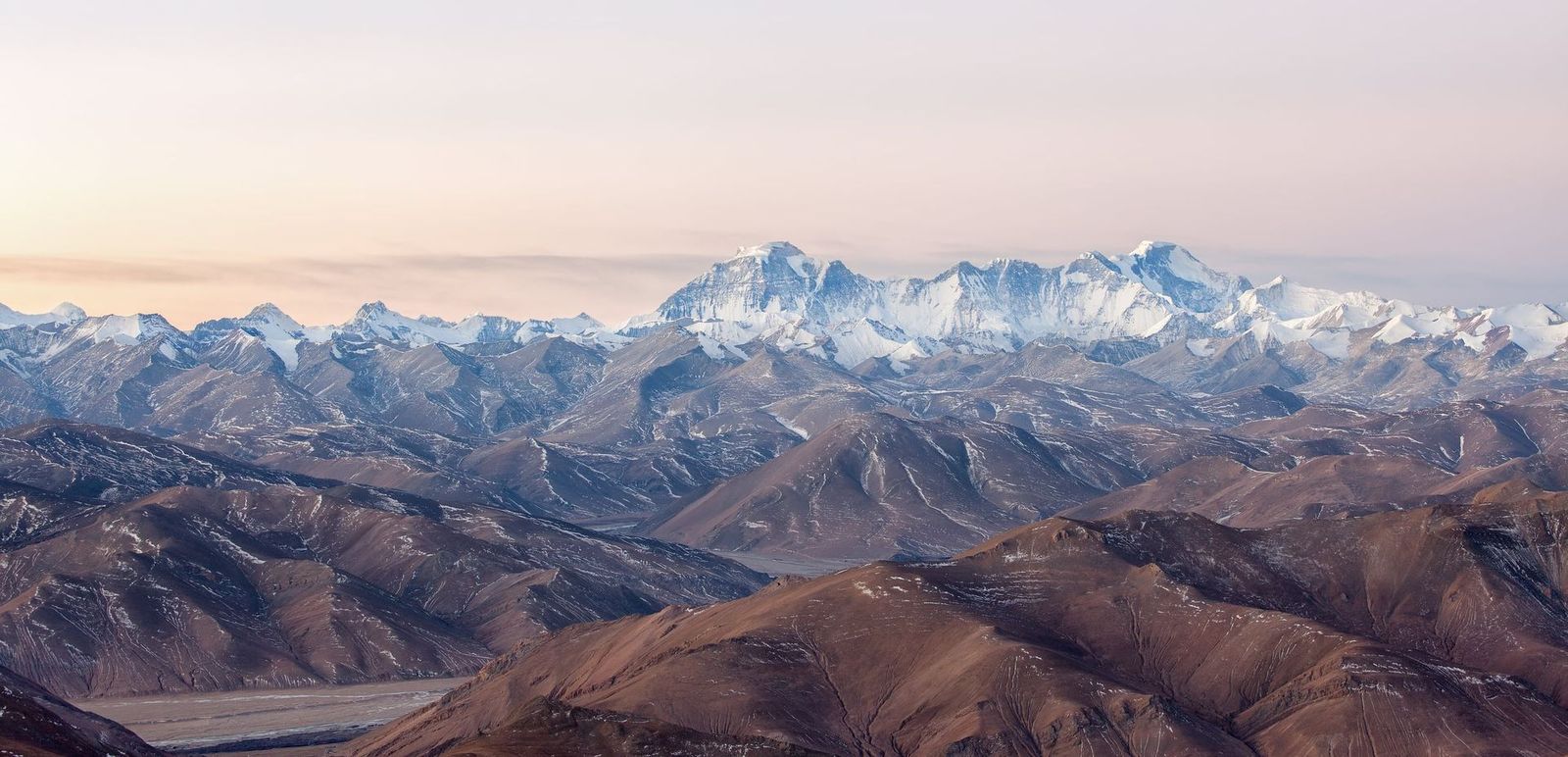
The route includes four high-altitude walks above 5,000 metres. The ascent of Gokyo Ri Peak at 5,350 metres delivers extraordinary panoramic views of Cho Oyu, Everest, Lhotse and Makalu above the turquoise waters of Gokyo Lake. The crossing of Cho La Pass at 5,420 metres is one of the most dramatic sections of any trek in the Himalayas, with sweeping views of Ama Dablam, Cholatse, Everest and the surrounding massifs. Kala Patthar at 5,644 metres, climbed at dawn to catch sunrise over the Himalayas, provides the finest views of Everest on the entire route.
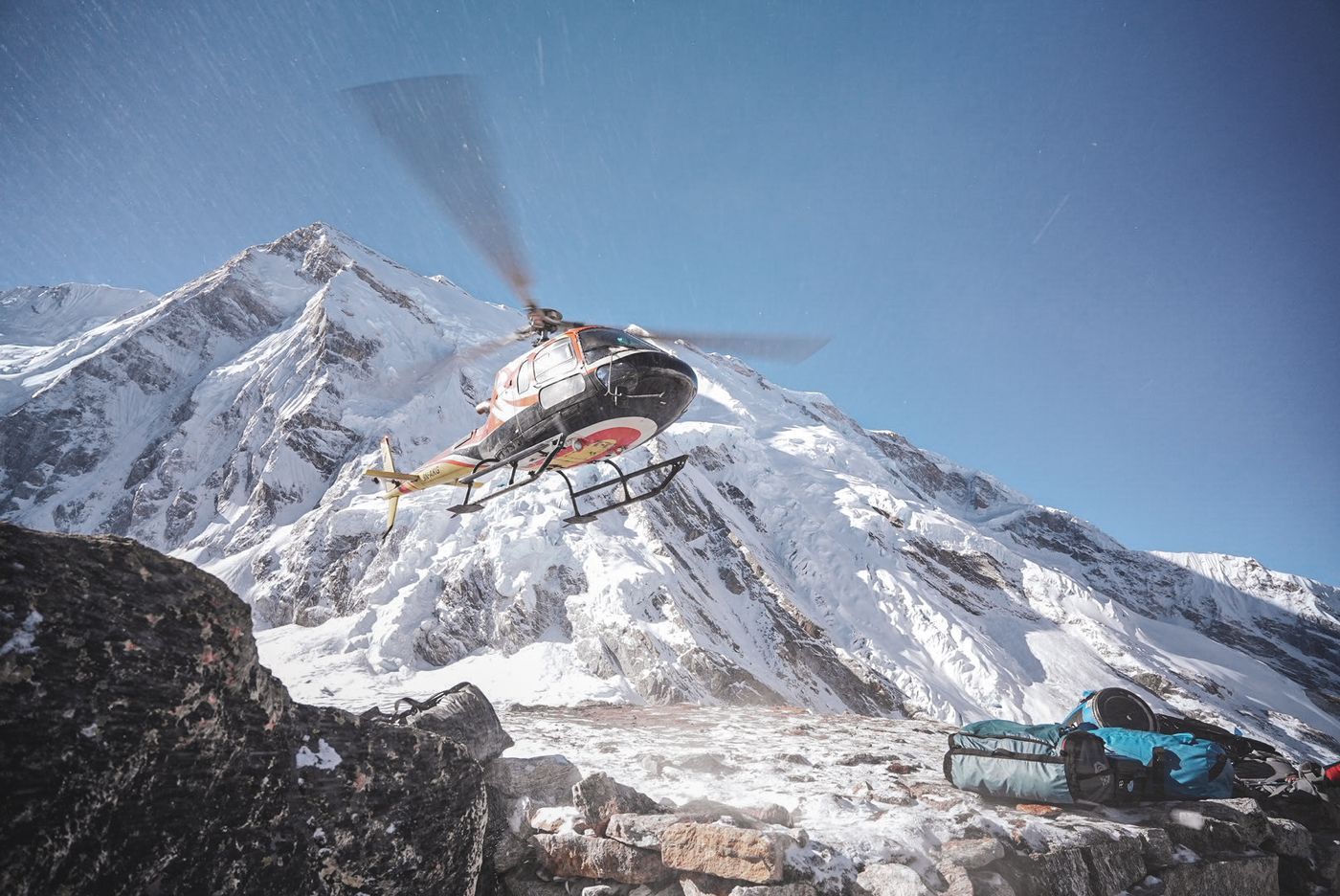
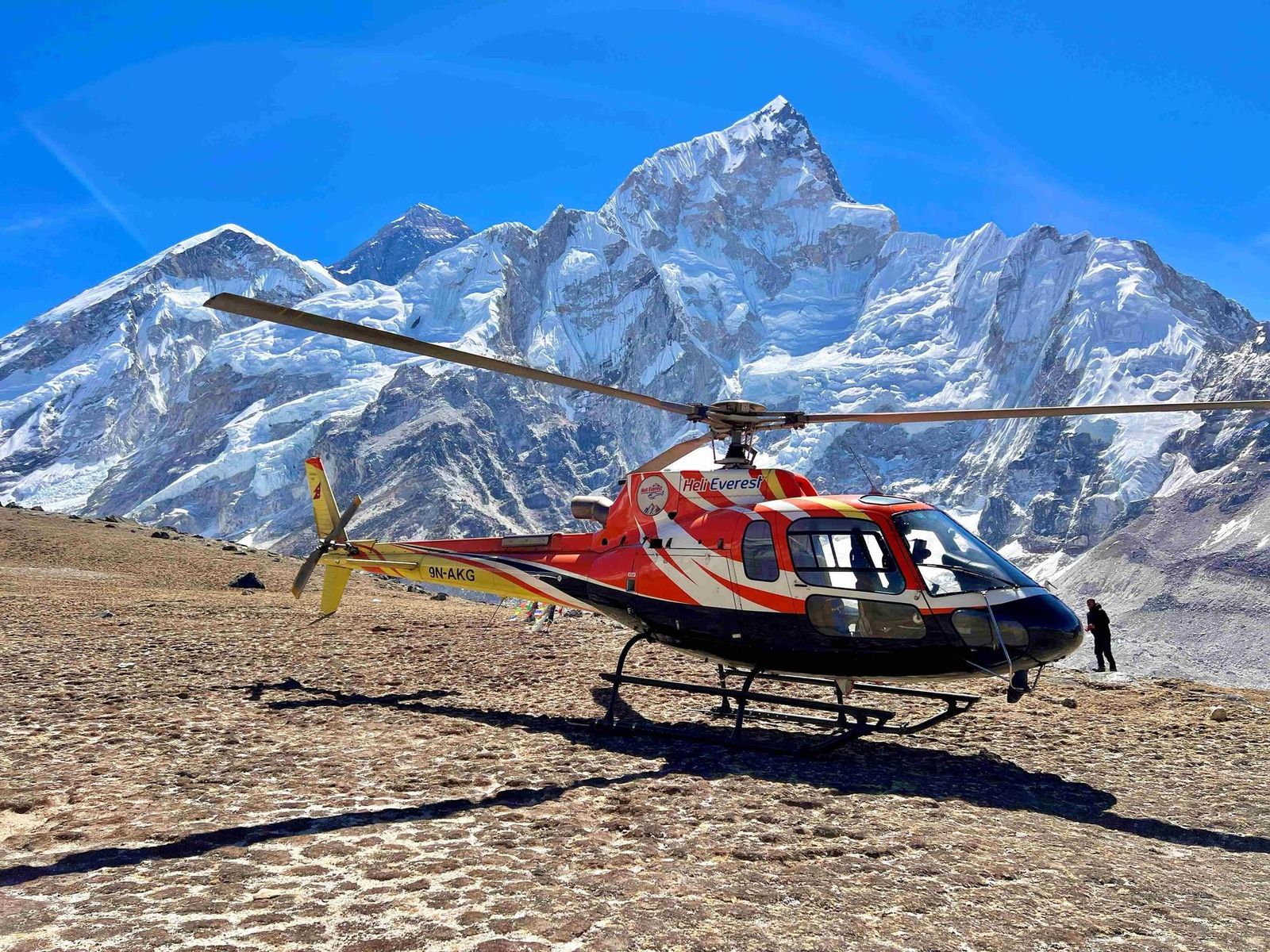
The journey begins and ends with a helicopter flight, to Lukla to start and back from Pheriche at the end, saving considerable time and effort on the descent. Four acclimatisation and contingency days are built into the itinerary, with four nights in the 4-star Hotel Mulberry in Kathmandu bookending the trek and welcome and farewell dinners included throughout.
Highlights
Day 1
Arrive at Kathmandu International Airport and be met by one of our representatives to enjoy a private transfer to your 4-star hotel in the Thamel area. Tonight there will be a welcome dinner and a trek briefing about the details of the journey that you will take over the next 16 days.
4-star Hotel in Kathmandu
Dinner
4-star Hotel (4 nights), Comfortable Traditional Lodge (3 nights), Traditional Lodge (9 nights)
16 breakfasts, and 14 dinners
Auswalk Walking Grade
Strenuous
Rated by our team — we walk every route before we recommend it.
Serious hiking for experienced walkers. Expect steep climbs, rugged terrain, and full days on the trail.
View Fitness Guide12
Days on the trail
6-12 km
Daily distance range
133-832 m
Daily ascent range
8/10
Trail difficulty
Starting with two nights in a four-star hotel in Kathmandu, this tour transitions into the mountains with a combination of three-star hotels and the best accommodation available along the trek. Rooms are typically en-suite where possible, all properties are well used to welcoming trekkers, and the lodges sit in magnificent locations built in authentic Nepalese tradition. From Namche Bazaar onwards, the accommodation and food grow simpler as the altitude rises, which is a natural and expected part of trekking at this level.
A welcome dinner at an authentic Nepalese restaurant sets the tone on arrival in Kathmandu, and a farewell dinner at a beautiful open-air contemporary Nepalese restaurant brings things to a fitting close on one of the final two evenings. Sixteen breakfasts and fourteen dinners are included in between, all ordered from the menu at each property along the trek. Lunch is available along the trail, though the generous size of the other meals means many trekkers find surprisingly little is needed at midday.
Menus along the route offer more variety than altitude might suggest, with pancakes and pizzas a regular feature alongside Dal Bhat, the local staple that sherpas rely on at elevation and well worth trying. Food is good throughout and naturally simplifies as the route climbs higher. Snacks, beer, soft drinks and chocolate are available at almost all properties, and packing additional high-energy supplies from Kathmandu or home is always worthwhile.
Note: Please advise us of any food allergies or intolerances at the time of booking. If you have severe allergies, bringing some of your own snacks is recommended, as specialist ingredients can be harder to source in the mountains.
The walk both starts and finishes in Kathmandu, Nepal. Kathmandu's Tribhuvan International Airport (KTM) is the main gateway to Nepal, with connections from major international hubs across Asia and beyond. A representative will meet you on arrival and transfer you to your accommodation. Please let us know your travel plans in advance so we can arrange this. Those already in Nepal can arrange to meet the group at the hotel directly.
A transfer back to Kathmandu Airport is included at the end of the trip for your onward flight.
This guided group walk has set departure dates in spring and autumn, across March, April, May, September, October and November. Private departures can be arranged for groups of four or more; contact us to secure your preferred date. Spring brings rhododendrons in bloom and clear early morning views of the peaks, with April particularly popular for its stable conditions. Autumn offers the finest views of the year, with clear skies and dry trails after the monsoon; October is the prime month for crossing Cho La Pass. Whatever month you travel, temperatures at altitude drop well below freezing; warm layers and proper trekking gear are essential.
This walk is graded from challenging to strenuous, with altitude the defining factor above all else. Daily walks average 7.4 kilometres with around 700 metres of ascent. Trails are mainly well-travelled, with prolonged ascents, long elevation sections, and some steps. A rocky section awaits on the approach to Everest Base Camp. Four high-altitude walks above 5,000 metres add considerably to the overall challenge, and a helicopter flight removes the need for some of the longer descents. Acclimatisation is taken seriously, with extra days built in and a carefully managed rate of ascent throughout.
A solid walking experience is essential. Include serious hill climbs, resistance training, and core and balance work in your preparation, and train at altitude where possible to help your body adapt to reduced oxygen levels.
Your guide is a local expert mountaineer with in-depth knowledge of the track.
Tipping is customary in Nepal and is a way to show appreciation for the hard work of your trekking team. The price of your Auswalk walking holiday does not include tips. To help you plan, we suggest the following tipping amounts per hiker per day:
1000NPR (head guide) per hiker per day
500NPR (assistant guide) per hiker per day
500NPR (per porter) per hiker per day
You will have the opportunity to present your tips to your guide and porters at the farewell dinner as a token of your gratitude for their invaluable support throughout your trek.
You must hold adequate travel insurance for your trip, including cover for personal liability and accidental injury and illness. For all trips involving international travel, your policy must also include emergency medical treatment, evacuation and repatriation cover. We strongly recommend your policy also covers trip cancellation and curtailment, and loss of or damage to luggage.
A cancellation fee usually applies if you cancel after your booking is confirmed. Travel insurance with cancellation cover will generally cover this fee, so it's worth arranging your policy at the time of booking.
Full insurance requirements are set out in our booking terms and conditions.
The Everest region is powered by hydro electricity. In peak season, supply is limited and power outages may occur so we advise bringing a powerbank/ back up batteries for your phones, cameras, and electronics.
Hot showers are mostly powered by solar panels or a gas-fired water heater. On very rare occasions hot showers may not be available.
When you arrive in Kathmandu you will receive a duffle bag to pack all of your items for your trek. As each porter will carry two duffle bags each, the maximum weight per duffle bag is 12.5kg.
Each morning it will be up to you to pack your bag and place your luggage outside your room. Your guide will let you know what to do.
Any excess kilos can be stored at the hotel in Kathmandu.
We want to bring to your attention some important information regarding helicopter evacuation and associated costs, which are not included in your current Auswalk package.
In the event that a helicopter evacuation becomes necessary, please be aware that there will be additional charges. For this reason, it is essential to ensure that your travel insurance policy provides adequate coverage for emergency evacuation. Should you have any questions about this, please do not hesitate to contact our office.
Please also note that the helicopter services included within your Auswalk package cannot be used or reimbursed in the event of an evacuation. Unfortunately, these pre-booked helicopter costs are forfeited and non-refundable, as they are secured months in advance and are a component of the overall package price. An evacuation is an unforeseen event that incurs separate costs, supplementary to the Auswalk package you have purchased. A helicopter evacuation, regardless of the severity is not the same as a transport helicopter ride. The amount charged for evacuation is standard in Nepal and is unfortunately outside of Auswalk's control.
Furthermore, it is important to understand that you will be required to pay for the evacuation services before departing Nepal and then claim the expenses through your insurance provider, including forfeited services i.e. accommodation, transport etc. The helicopter company is unable to process claims on your behalf. Direct claims by you to your insurance company typically result in a faster reimbursement process.
Travel without stress or delays
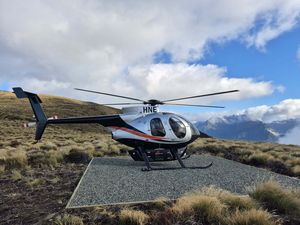
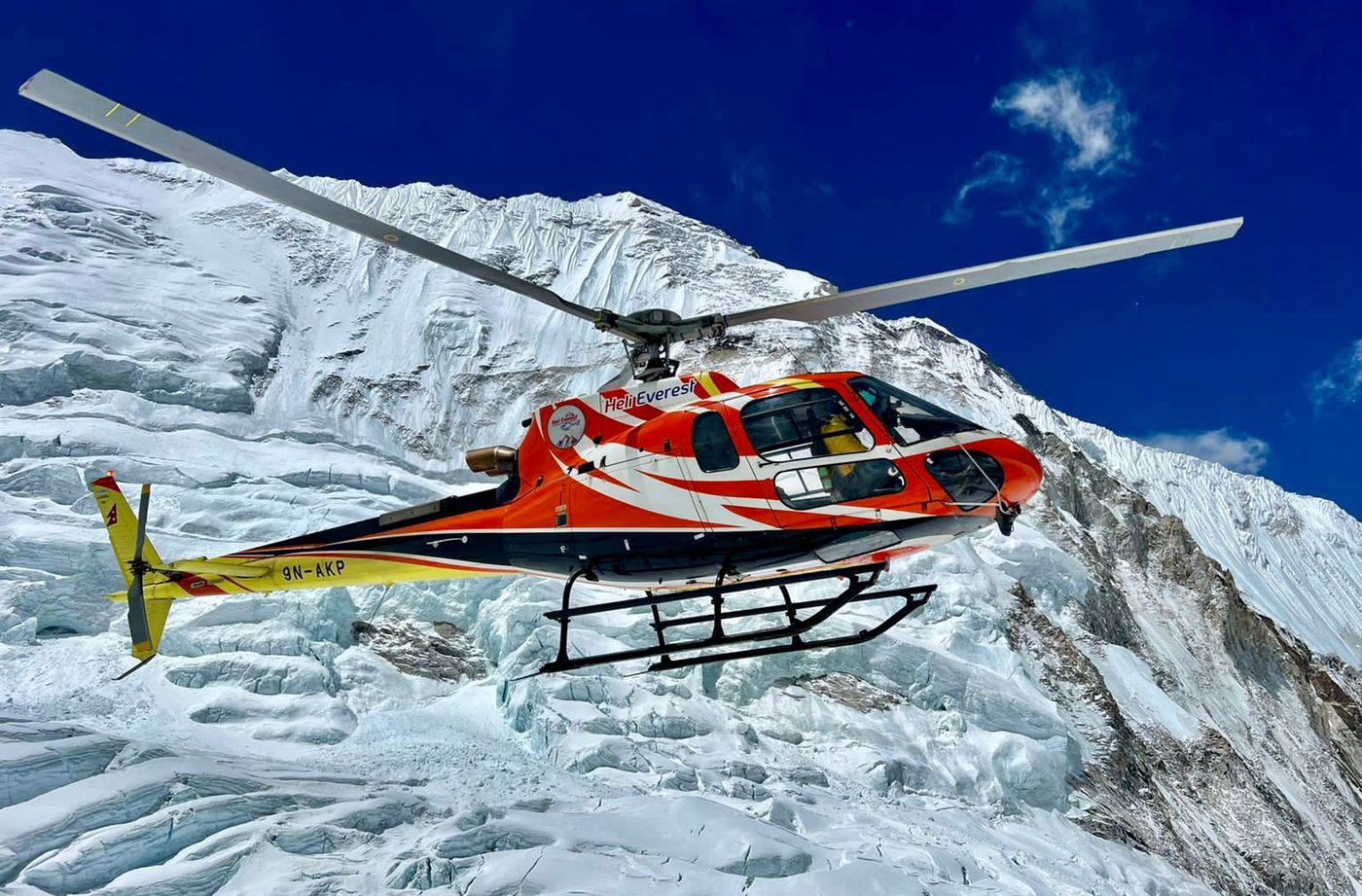
Most visitors travel to Lukla via aeroplane, however, flights are often subject to weather-related delays or cancellations. Hence we use helicopters which are far less susceptible to such issues, helping to deliver your trip as per the carefully planned itinerary (shared if less than 5 pax).
Returning from the peak via helicopter also eliminates walking all the same way back down to the trailhead in Lukla - your knees will be very grateful! This saves up to 3 days of repeat walking and in addition to this, eliminates having to travel for 5 hours to and from Ramechhap for Lukla flights
Built-in contingency day in case the weather delays departure from the mountains. This rarely happens with helicopters but we know you wouldn’t want to miss your international flight in the unusual event that it did!
Priority use of our team's 4 helicopters in case of an emergency
The best possible food and accommodation
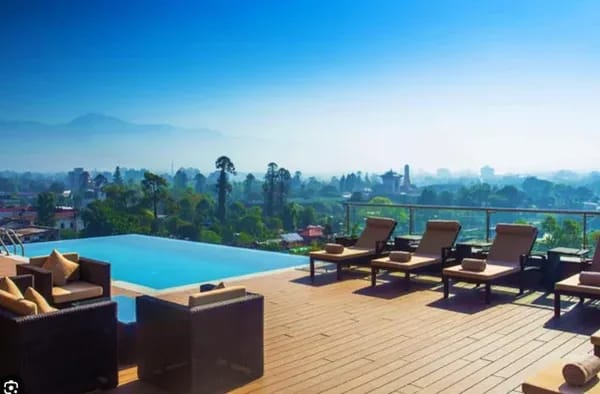
Staying in a 4-star hotel in the quietest part of the bustling Thamel area in Kathmandu, where you can enjoy all of the tourist spots but are insulated from the crowds
Enjoying the best accommodation options available on the trek. Note: accommodation levels vary and, where possible, rooms have ensuites. Accommodations at a few high altitude locations are less luxurious but still comfortable
Since food plays a significant role in hiking at higher elevations, we strive to serve our guests fresh and healthy meals every time
Be well guided and looked after
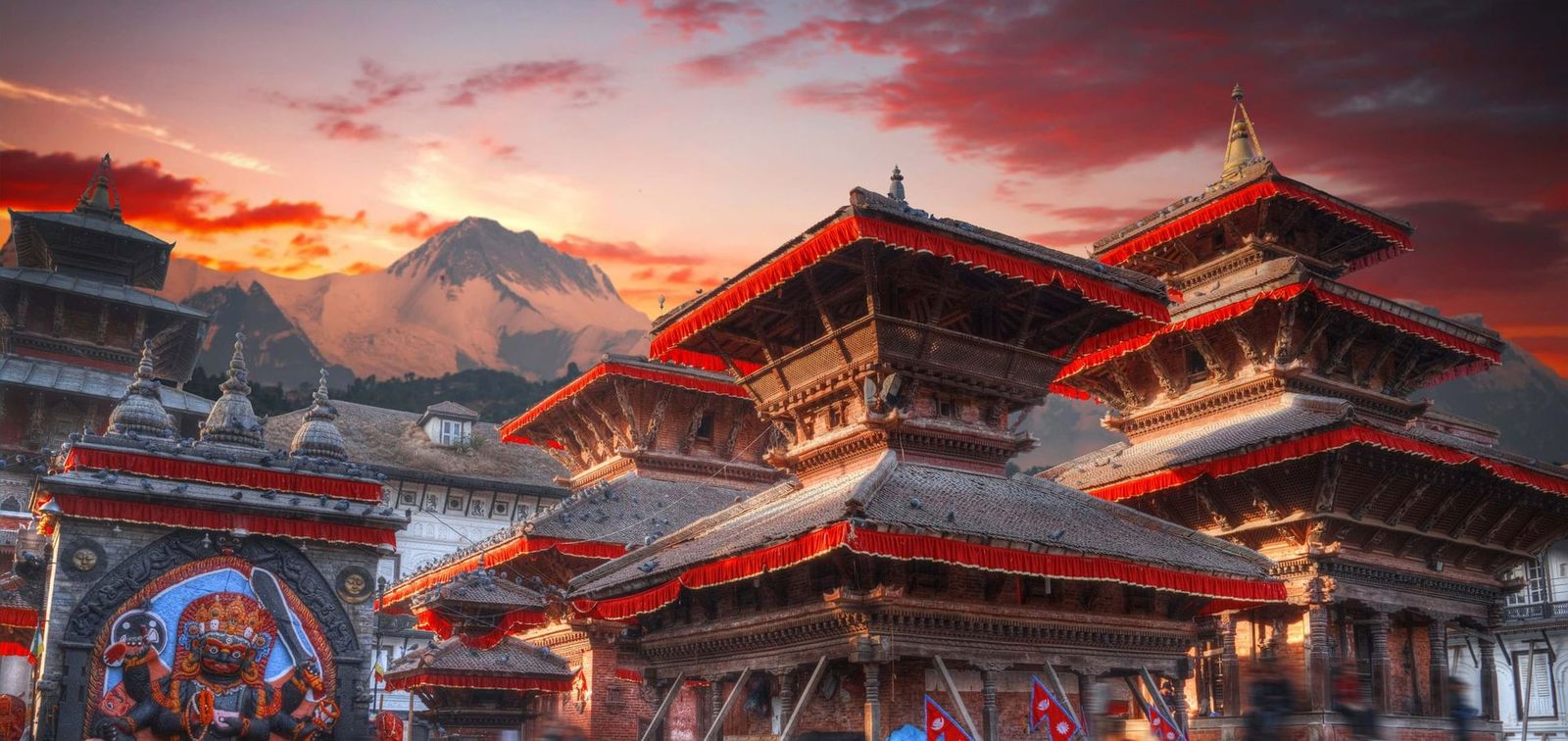
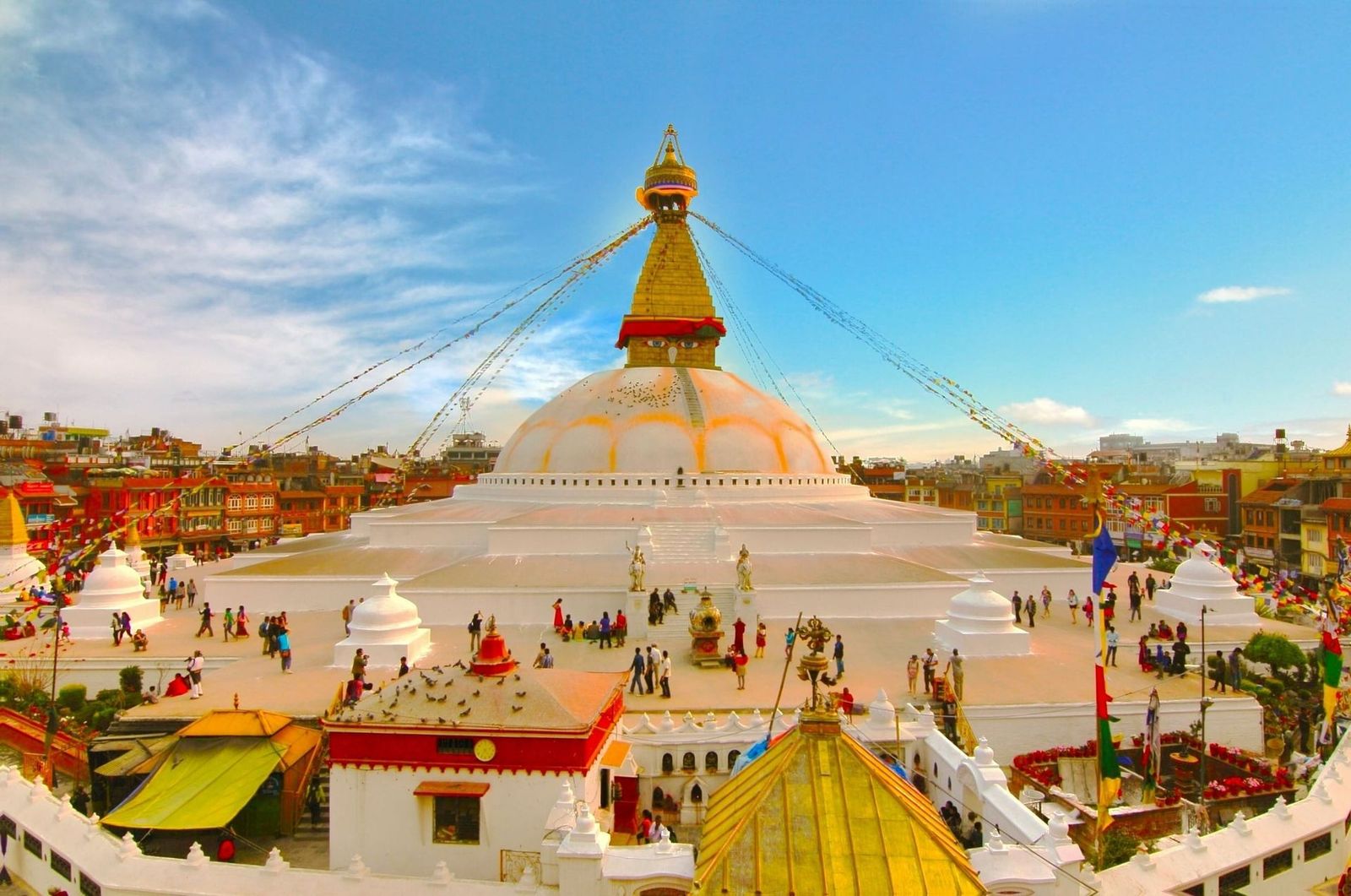
Sufficient time to visit Kathmandu’s unmissable 7 World Heritage sites with our guided tour
Highly experienced fun-loving guides with fluent English
Guide to hiker ratio of 1 to 4 passengers so you will be very well looked after
Our professional safety-focused team on the ground ensure the best possible experience
We support the region and the environment
We support the Himalayan Sherpa Hospital at Phakding through the Himalayan Sherpa Foundation
We support the organisation KEEP (Kathmandu Environmental Education Project). KEEP provides valuable training programs for guides, including language training, map reading, and a porter welfare program
We offset our carbon emissions, raise money and donate to Odonata, an environmental charity committed to supporting biodiversity
Auswalk has earned Advanced Eco Tourism Certification
Select a fixed group departure - places are limited
Prices shown are per person, twin/double share basis.
Entire trip went extremely well. Foods were of excellent quality too.
Our guide & porter (Funuru & Penba) were excellent. They were supportive and great company. They willingly shared their knowledge and encouraged us every step This trek is life changing. Would definitely recommend. Auswalk is professional and attentive & flexible, making sure everything is in place to support a successful trek.
Fantastic walking experience. We had wonderful guides and porters. They made sure I reach my goals in a safe manner. Helicopter on the way back to avoid trekking down was great. It saved my knees . Thank you Auswalk for organising a wonderful experience