

-300x200.jpg)
-300x200.jpg)
-300x200.jpg)
-300x200.jpg)

-300x200.jpg)

-300x200.jpg)
-300x200.jpg)
-300x200.jpg)

-300x200.jpg)
-300x200.jpg)


-300x200.jpg)
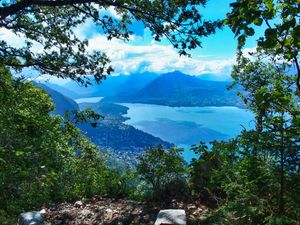
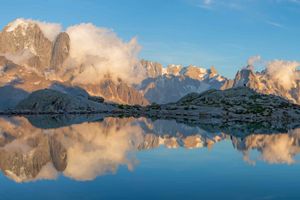
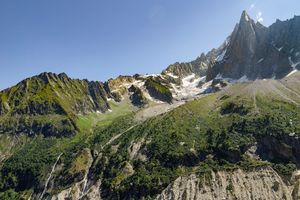
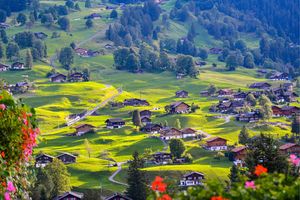
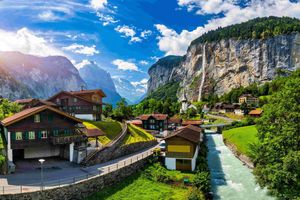
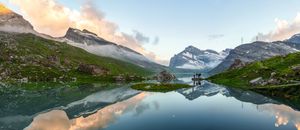
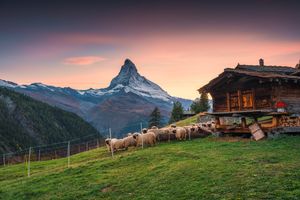
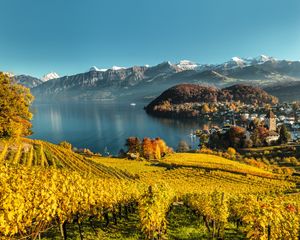
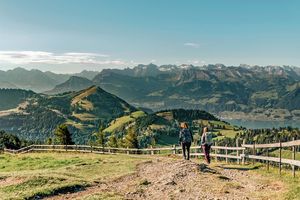
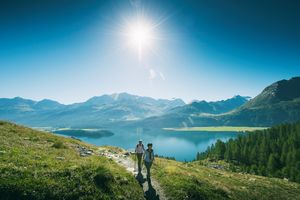
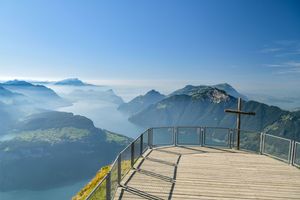
-300x200.jpg)
-300x200.jpg)


Sonya S
September 2026
Great service and ease of booking. Quality of information and accomodation. Scenery was breath taking!
Switzerland's Wildstrubel Tour: Valais & Bernese Oberland – 7 Days
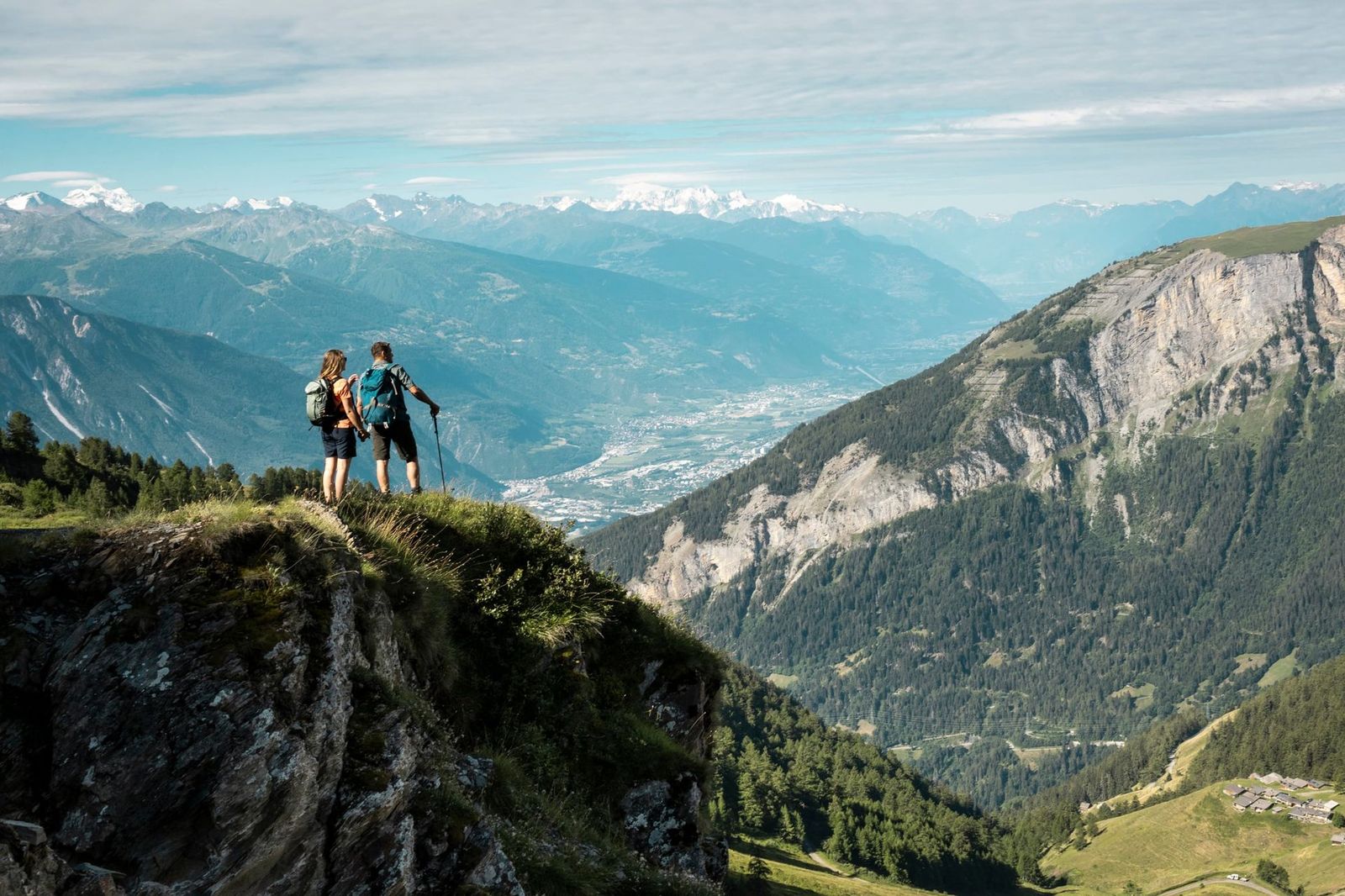
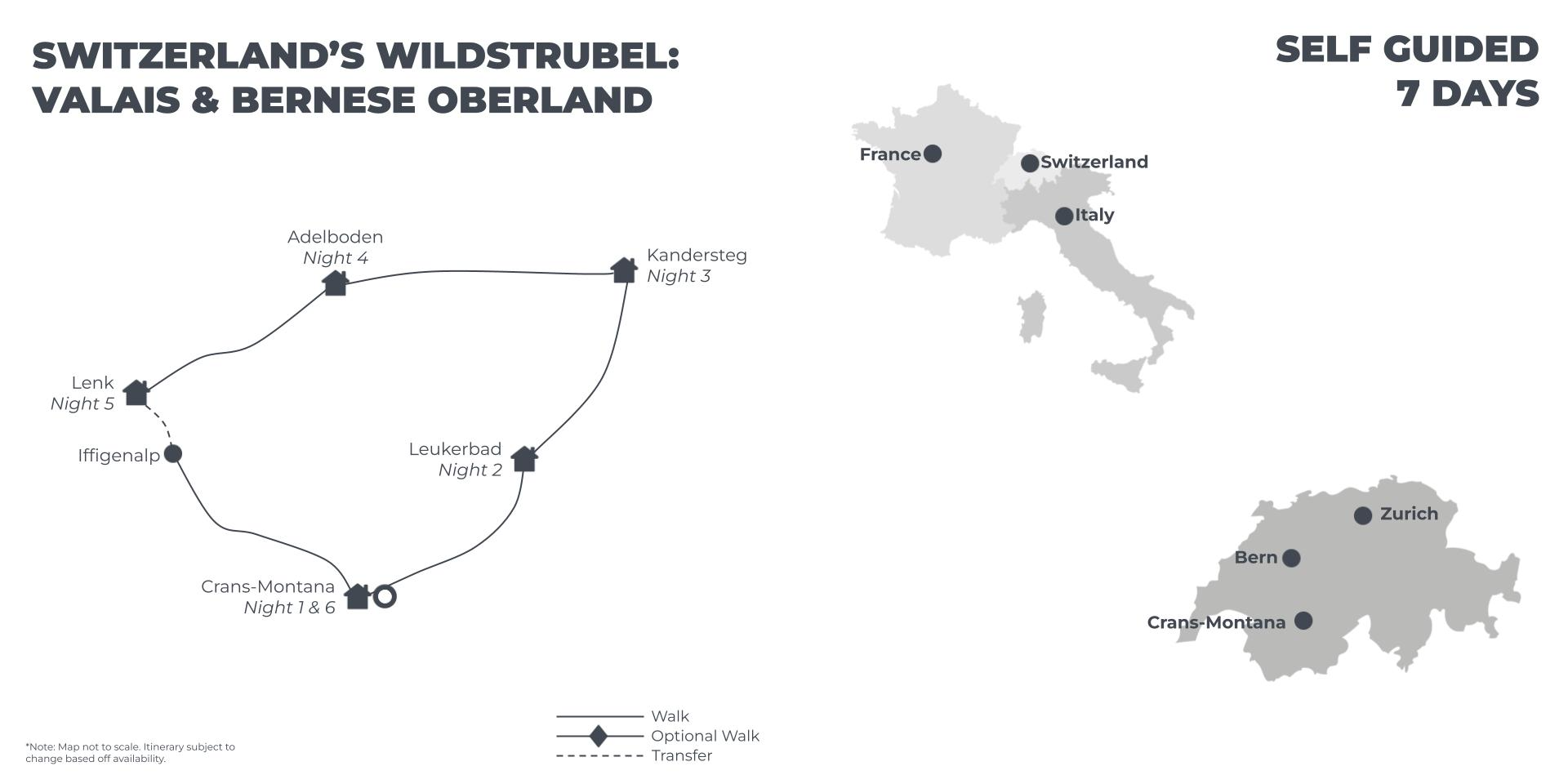
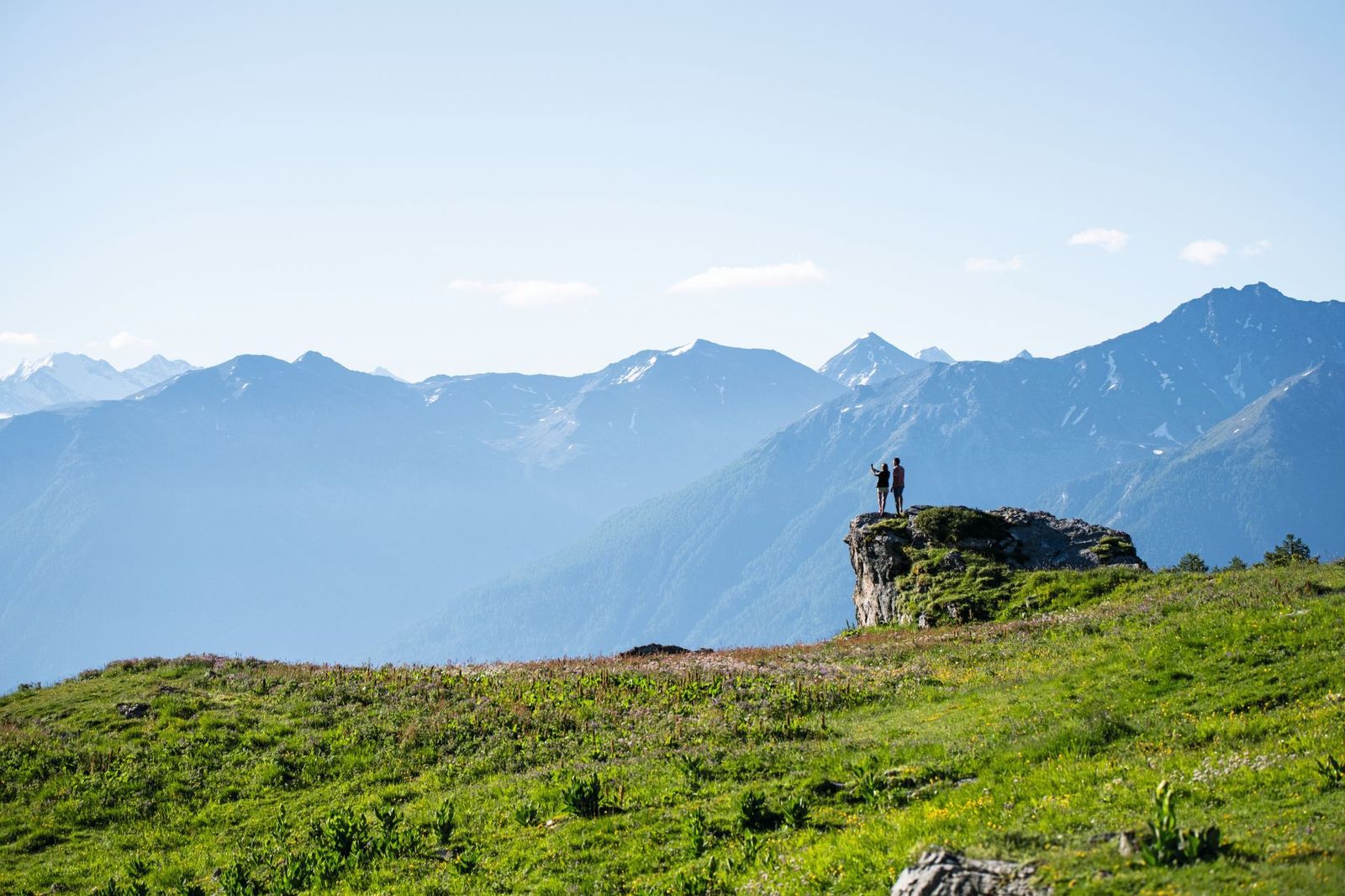
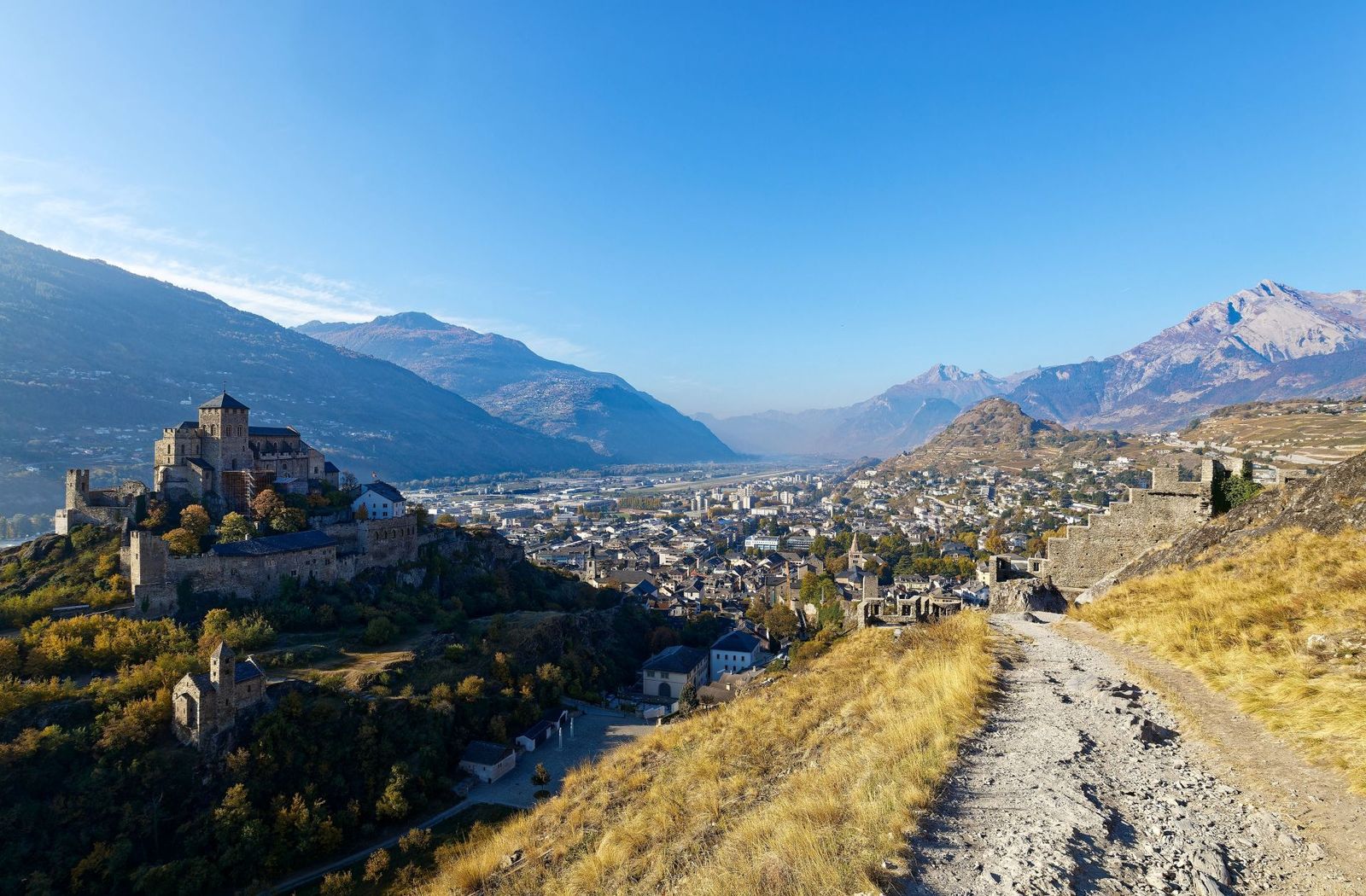
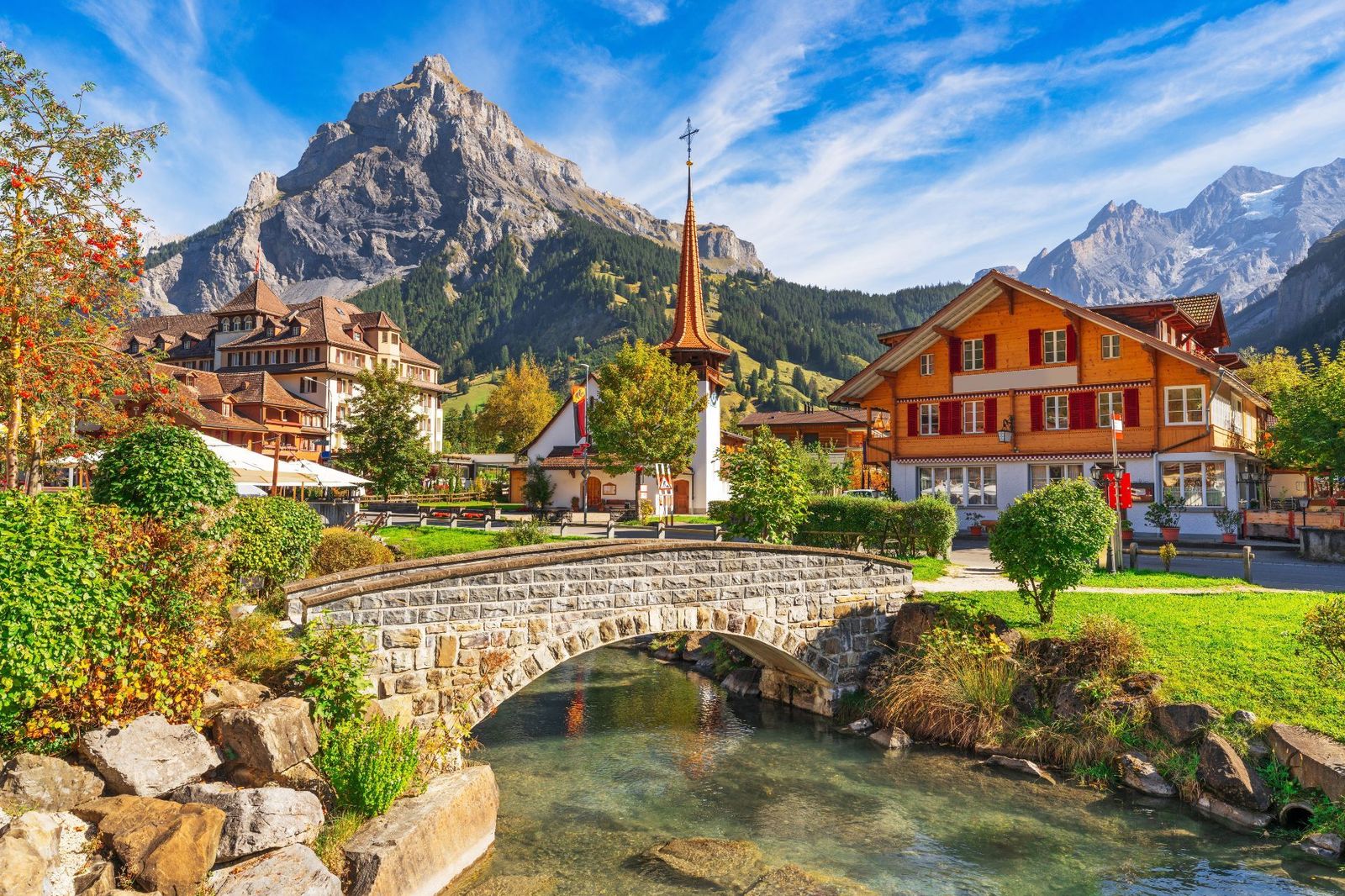
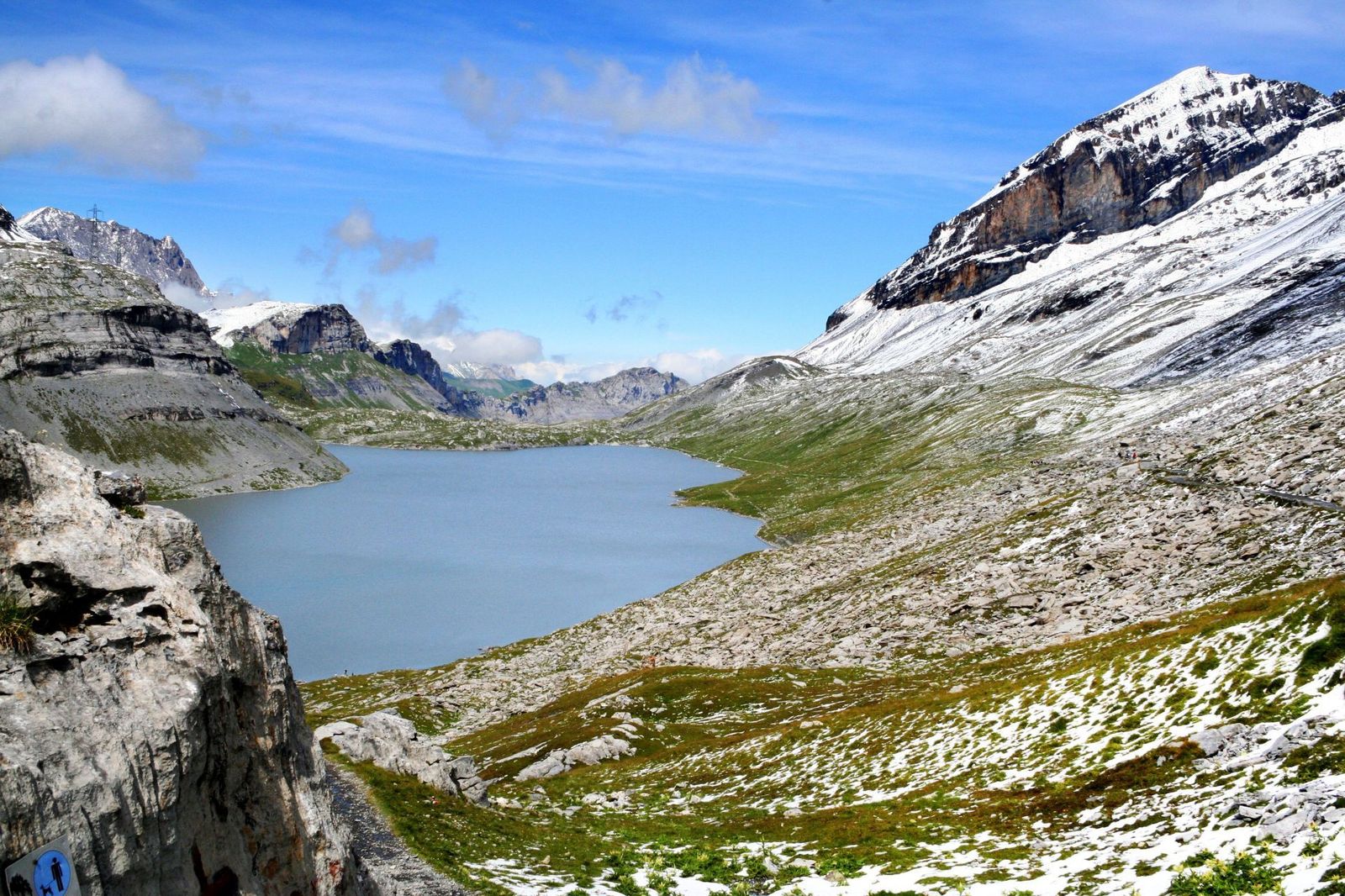
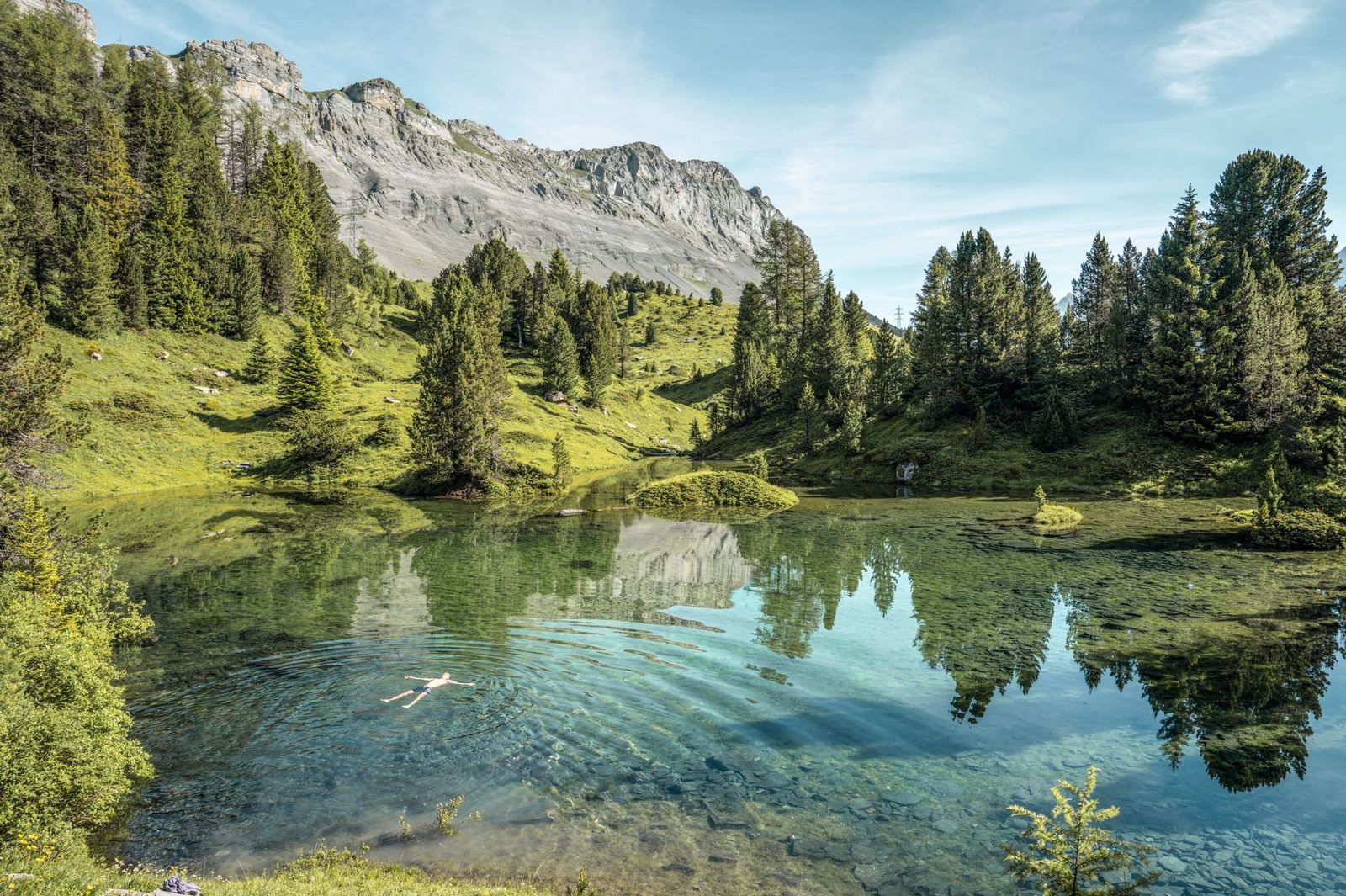

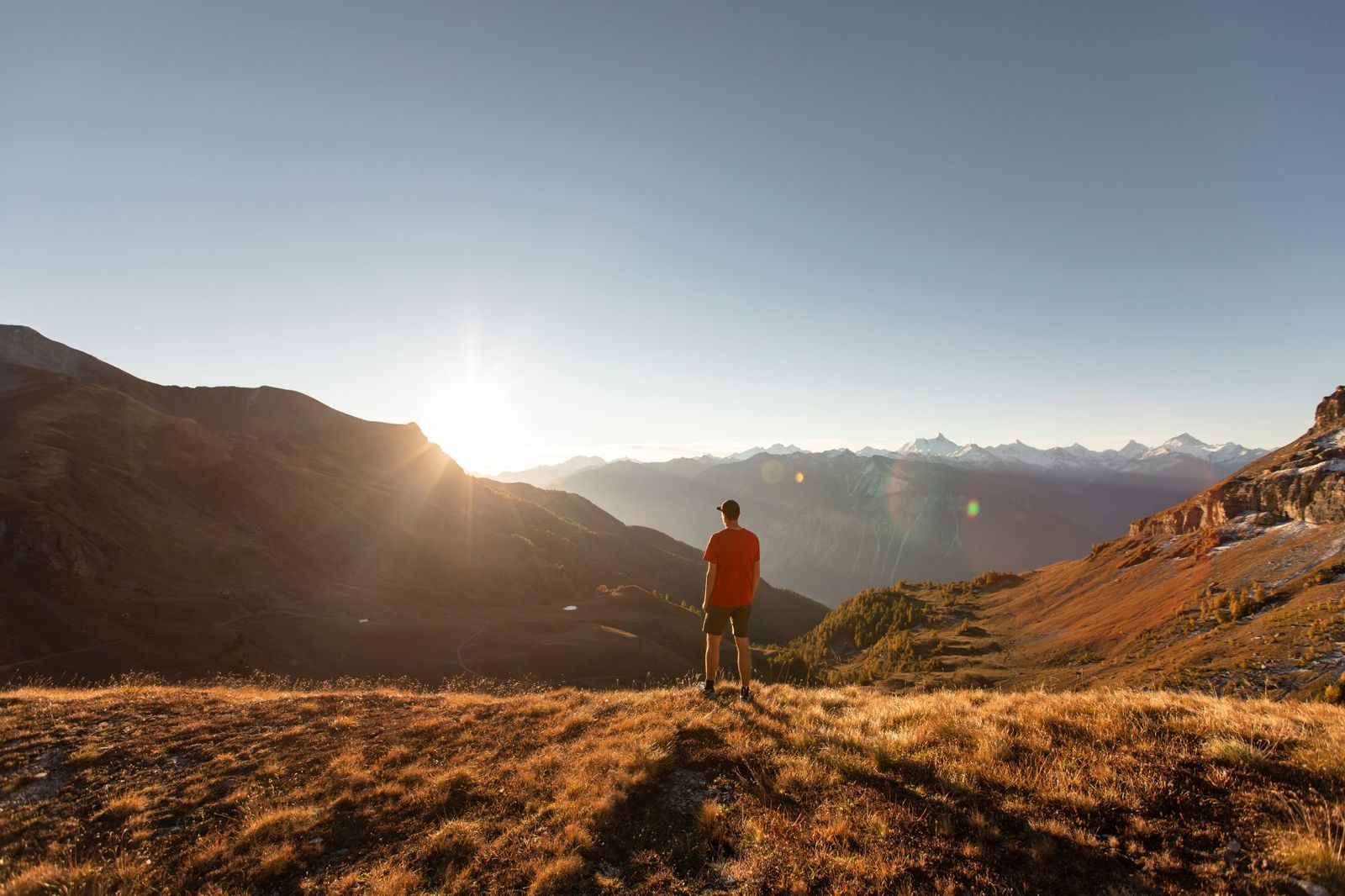
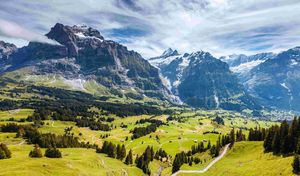
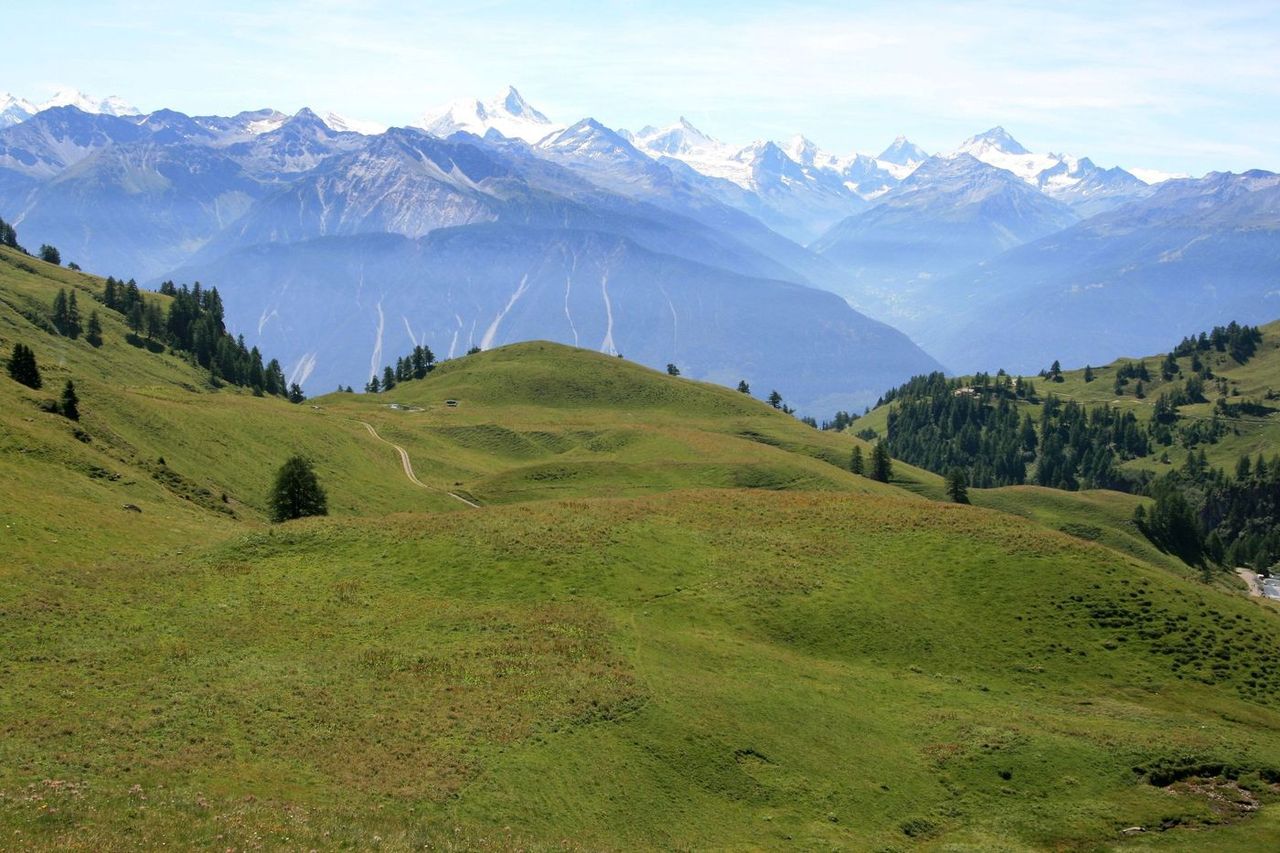
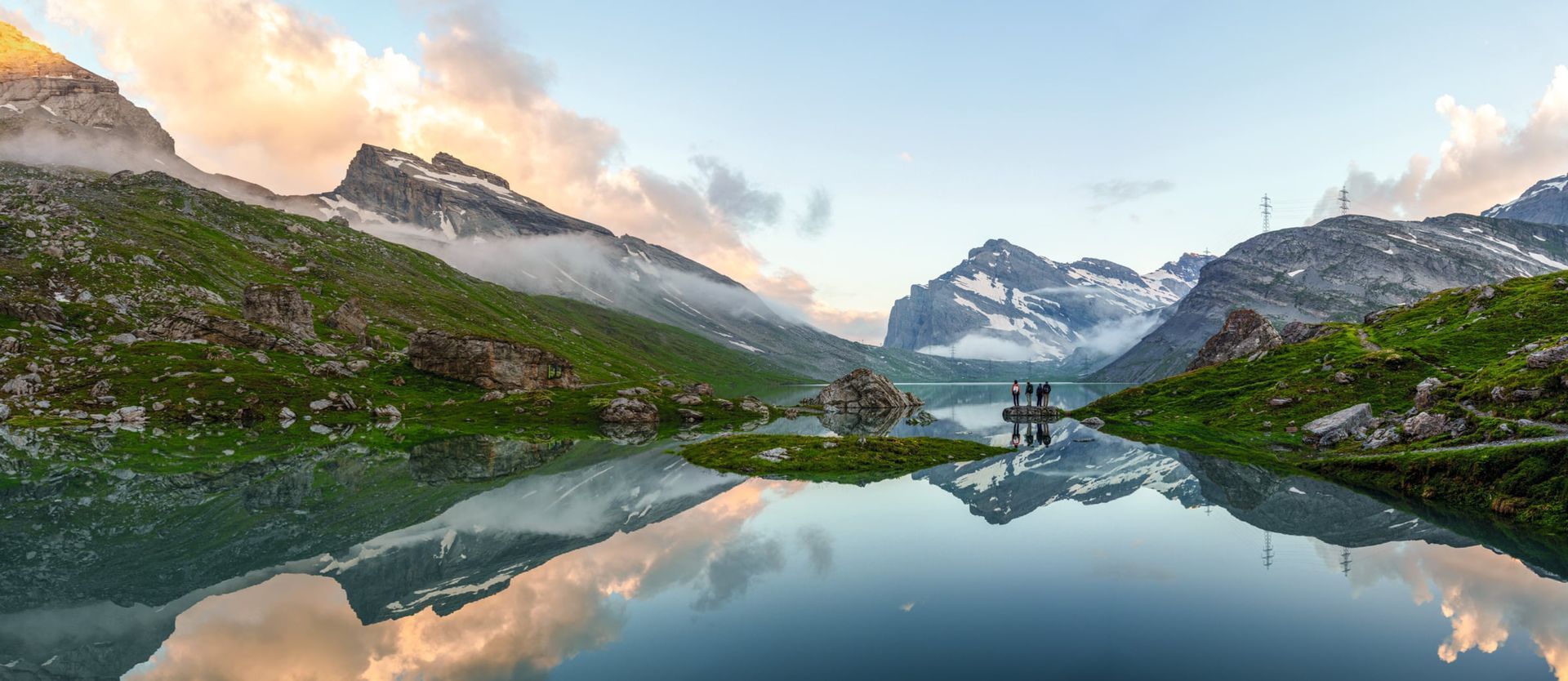
Complete the other Swiss Alps Tour, the Wildstrubel Tour. The Wildstrubel massif towers defiantly into the sky, separating two of the most beautiful areas of the Swiss Alps, Bernese Oberland from Valais. This seven-day trek offers a perfect blend of dramatic alpine scenery, charming villages, and the picturesque mountain landscapes. This loop tour starting from the sun-kissed plateau of Crans-Montana, traverses rugged paths and historic trade routes, culminating in spectacular views over shimmering lakes and towering peaks. Experience the rich culture and delightful cuisines of the Valais region, then walk north glimpsing the spectacular peaks of Eiger, Mönch, and Jungfrau within Bernese Oberland. Challenge yourself in nature's beauty amidst the stunning vistas of Switzerland.
Highlights
Day 1
Your journey begins on the sun-kissed plateau of Crans-Montana, perched high above the Rhone Valley. The breathtaking alpine panorama sets the tone for the days ahead, inviting you to unwind and appreciate the surrounding beauty. Take a walk in the relaxed streets of Crans to people watch or stop in a cozy cafe. Then check out the glamor of Montana with its luxury shopping and Michelin star restaurants.
3-star Hotel in Crans-Montana
3-star Hotel (6 nights)
6 breakfasts
Auswalk Walking Grade
Challenging
Rated by our team — we walk every route before we recommend it.
Steeper climbs and longer distances. You'll need good fitness and some hiking experience to fully enjoy these walks.
View Fitness Guide5
Days on the trail
17-23 km
Daily distance range
730-1270 m
Daily ascent range
7/10
Trail difficulty
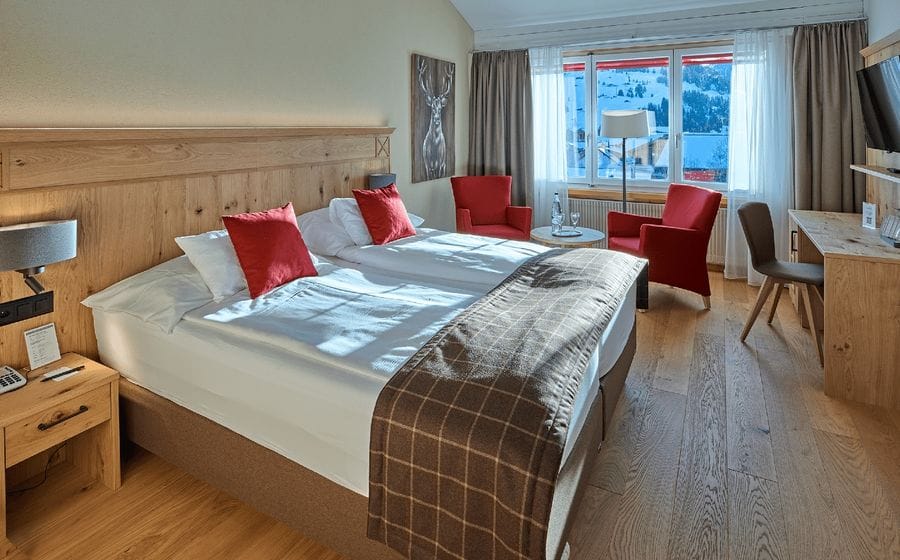
You'll stay in welcoming three-star hotels at every stop along the route. Each one gives you a comfortable base to kick off your boots and put your feet up after a day on the trail, with warm, attentive hosts who know the mountains as well as you're starting to. Rooms are simple and well-kept, chosen for their location near the trailhead rather than for extra frills, so you're never far from the next day's start.
Breakfasts are hearty and built to fuel the walking ahead, think fresh bread, local cheeses and strong coffee before you set off. In the evenings you'll eat in relaxed dining rooms serving regional dishes and produce from the surrounding valleys, a good way to wind down and swap stories about the day's climb over a glass of local wine.
Zurich Airport is your easiest entry point, with train connections to Crans-Montana taking around four hours. Geneva Airport is the closer alternative, roughly three hours away by train, with all timetables at www.sbb.ch. The walk finishes back in Crans-Montana, so your onward journey retraces the same route, with frequent public transport on hand whenever you're ready to move on.
This walk runs daily from 27 June to 13 September, and that window isn't arbitrary. It's the stretch when the high alpine passes, Gemmi, Rawilpass and the rest, are clear of snow and safely walkable, and when mountain huts and cable cars along the route are open for the season. Book towards the middle of the window (July to August) for the most settled weather and the longest days on the trail, though the shoulder weeks in late June and September bring quieter paths and the same big views.
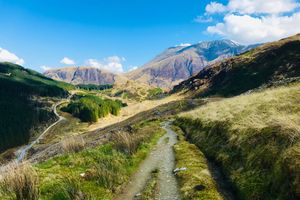
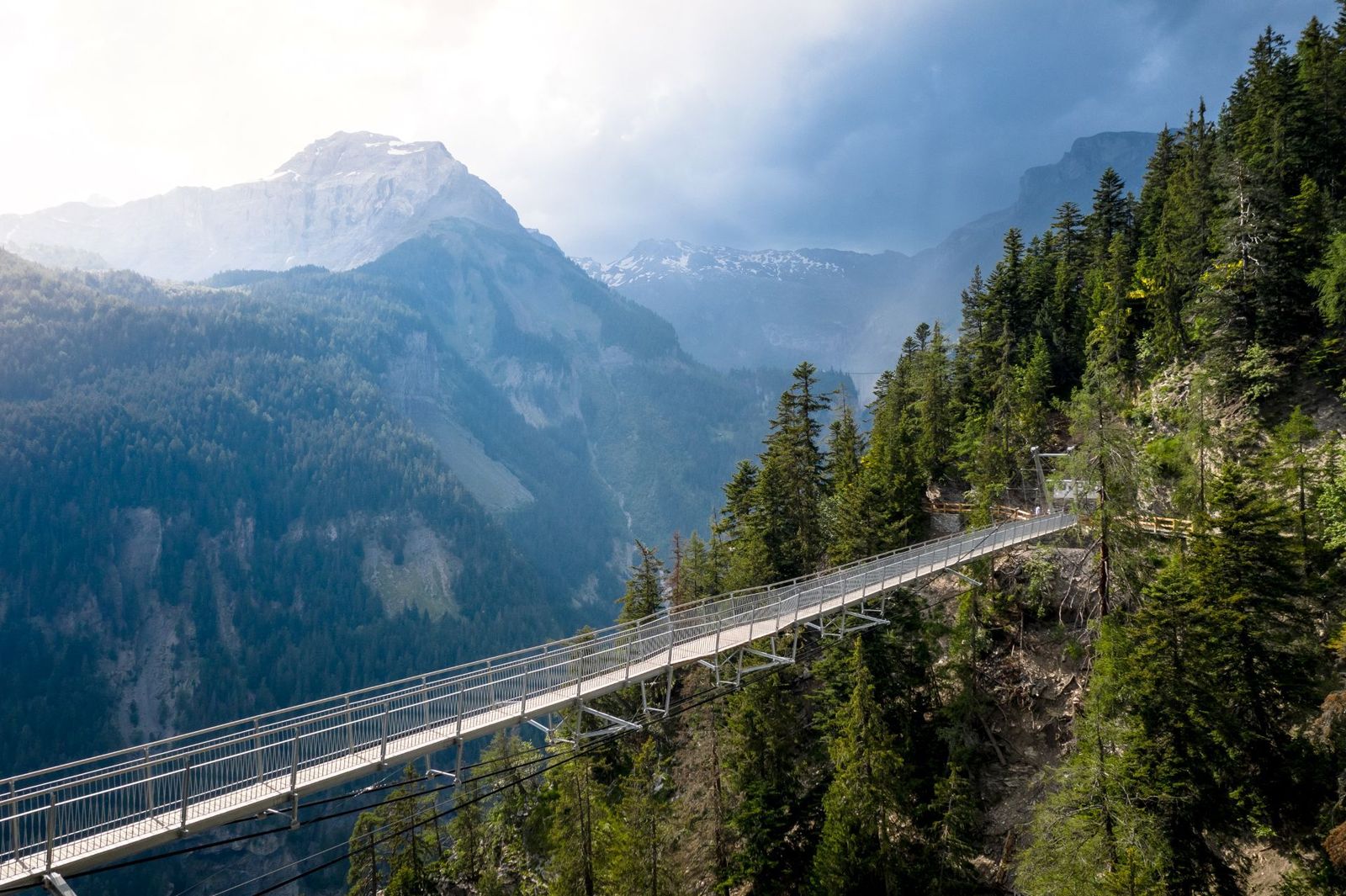
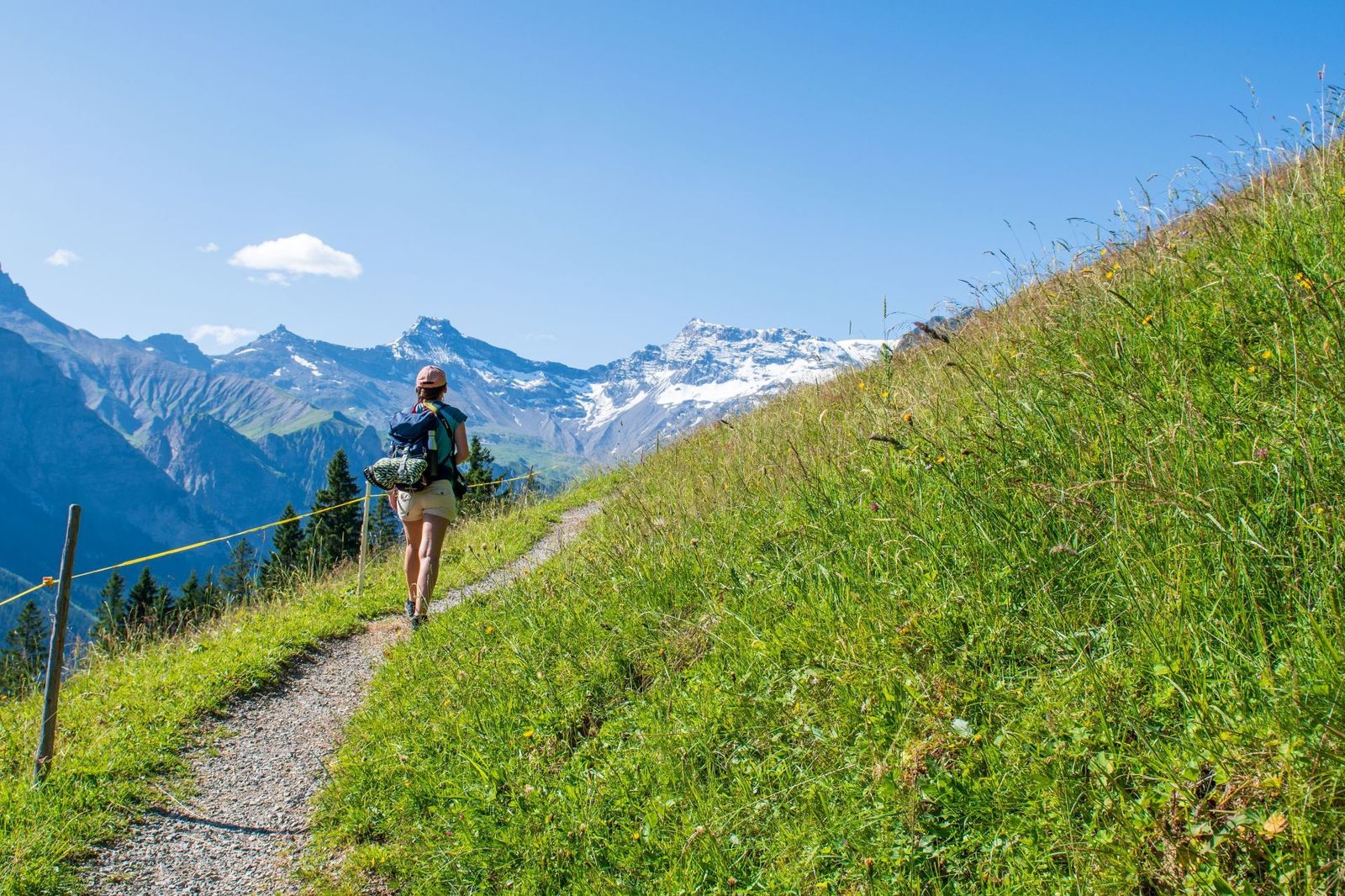
Expect a proper alpine workout. Days regularly climb and descend over 1,000 metres, on trails that shift from soft alpine meadows and larch forest to steep, chiselled cliff paths like the historic route over the Gemmi Pass. Some days push above the treeline into rocky, high-altitude terrain, so good weather and sure footing matter. Cable cars and buses are available on several of the tougher climbs if you'd rather shorten the day, all at your own cost. Underfoot you'll find everything from smooth gravel valley paths to narrow ledges and a dramatic boardwalk bridge over a deep gorge on the final day.
Each morning it will be up to you to place your luggage at the designated luggage pick-up point within the hotel by 9.00 am. This generally will be at reception or where you pick up your luggage the night before. There is a strict limit of one suitcase with a maximum weight of 20 kg.
The bus journey to Iffigenalp on day 6 cannot be pre-booked and is therefore at own cost. The bus fares costs approximately EUR 9 pp (using the half fare card provided).
A small tourist tax, payable at each accommodation, is not included in the price.
You must hold adequate travel insurance for your trip, including cover for personal liability and accidental injury and illness. For all trips involving international travel, your policy must also include emergency medical treatment, evacuation and repatriation cover. We strongly recommend your policy also covers trip cancellation and curtailment, and loss of or damage to luggage.
A cancellation fee usually applies if you cancel after your booking is confirmed. Travel insurance with cancellation cover will generally cover this fee, so it's worth arranging your policy at the time of booking.
Full insurance requirements are set out in our booking terms and conditions.
For over 30 years, we have taken pride in providing seamlessly organised walking holidays, but we know you’ll have many more questions even with that in mind. You will receive a detailed information pack and itinerary approximately six weeks before departure outlining all the fine details and much more.
If you have any questions, feel free to ask one of our destination consultants, or if you have specific track-related questions if we can't answer them, we can also ask our staff who have walked the track. You can contact us via our contact form, email us at info@auswalk.com.au, or call us on +61 3 9597 9767.
For your safety and well-being, we are unable to accept bookings for solo walkers on this self-guided trip. The remote nature of some tracks and limited mobile reception mean that walking alone presents a higher risk in case of emergencies.
Pick any available date — this is your trip, your schedule
Prices shown are per person, twin/double share basis.
Great service and ease of booking. Quality of information and accomodation. Scenery was breath taking!