

-300x200.jpg)
-300x200.jpg)
-300x200.jpg)
-300x200.jpg)

-300x200.jpg)
-300x200.jpg)
-300x200.jpg)
-300x200.jpg)
-300x200.jpg)
-300x200.jpg)

-300x200.jpg)
-300x200.jpg)
-300x200.jpg)


Christopher H
October 2026
Well thought out itinerary in an amazing location, the views of Everest and the mountains were magnificent.
Everest Base Camp & Kala Patthar - 12 Days
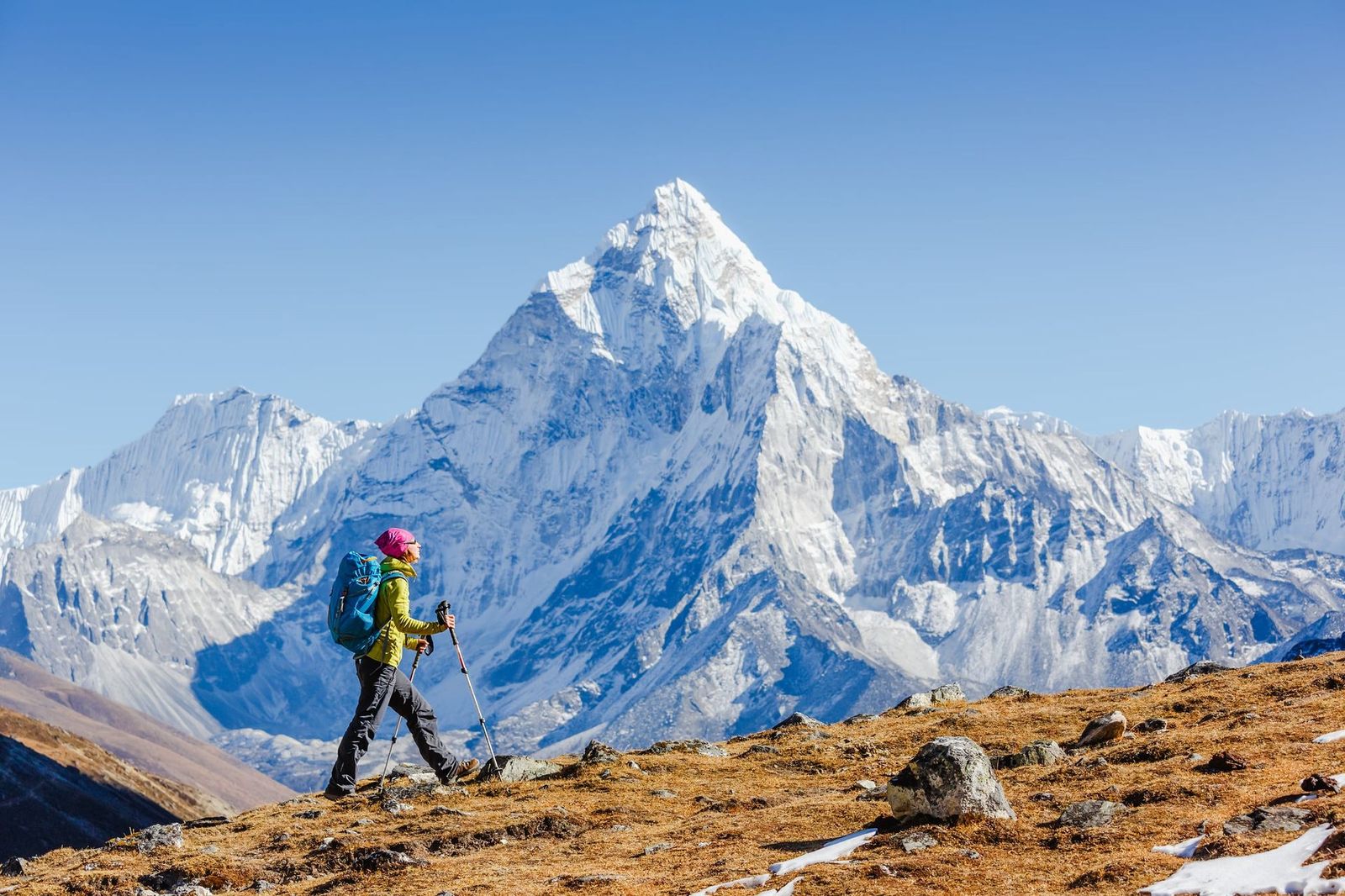
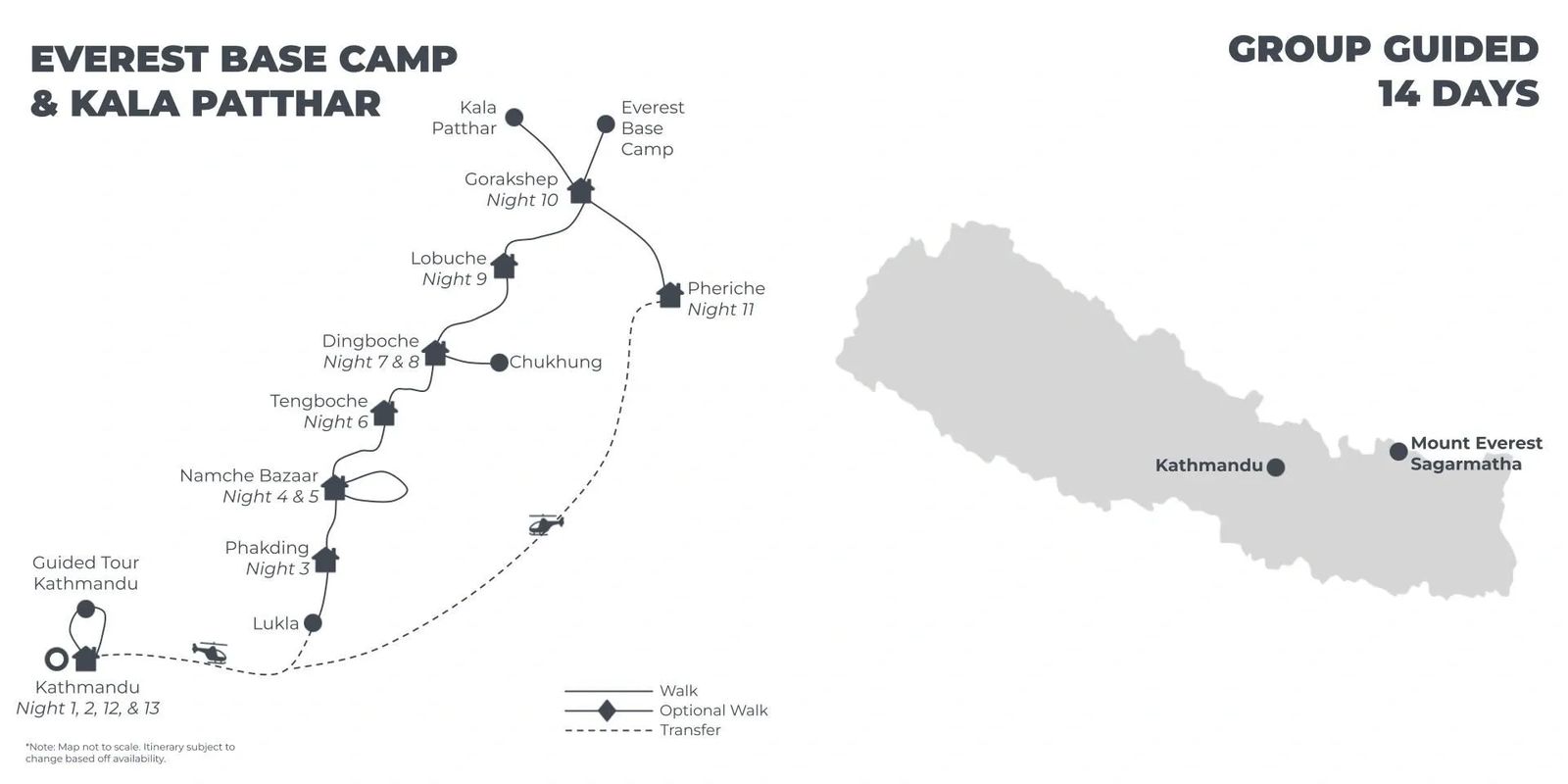
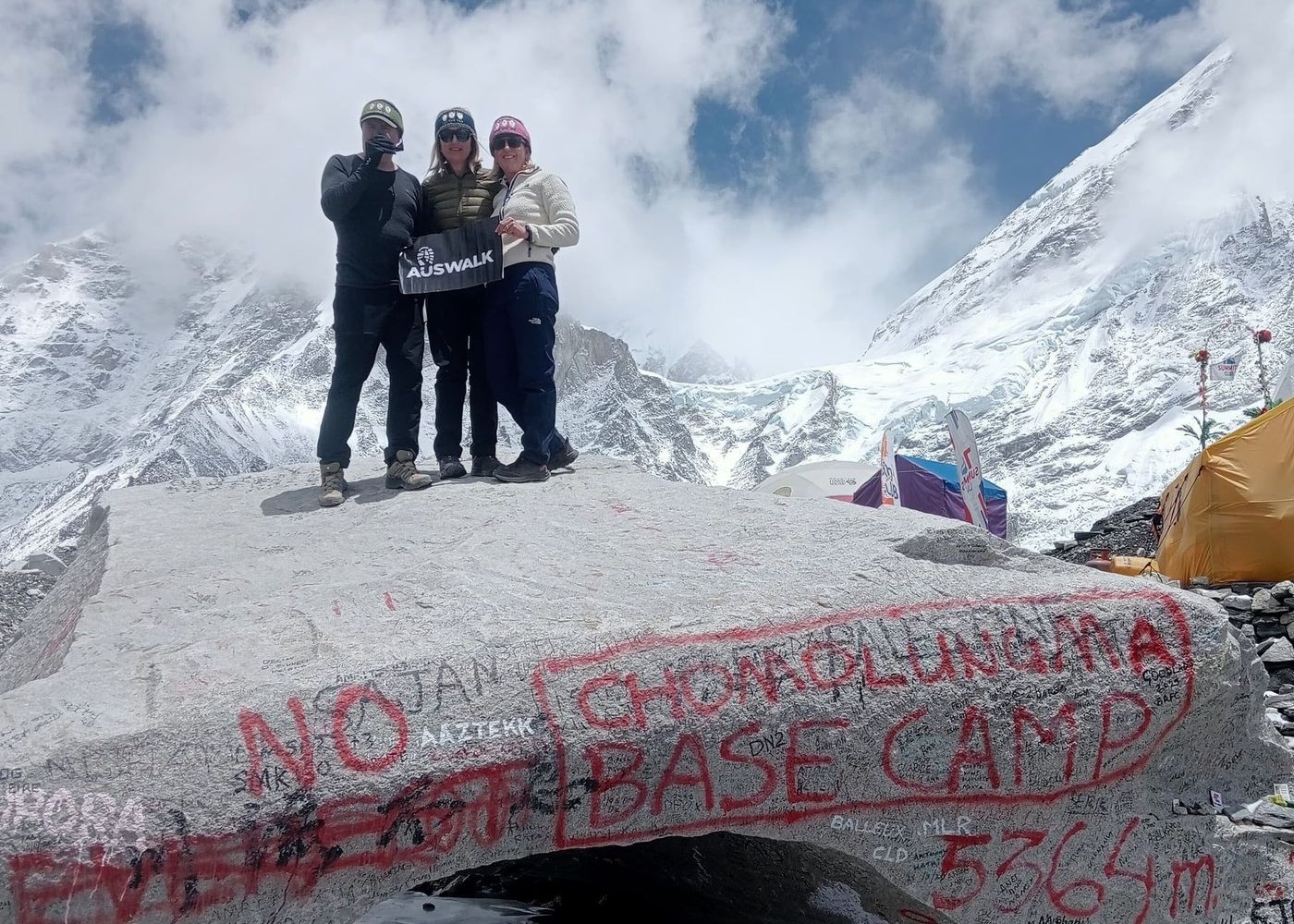
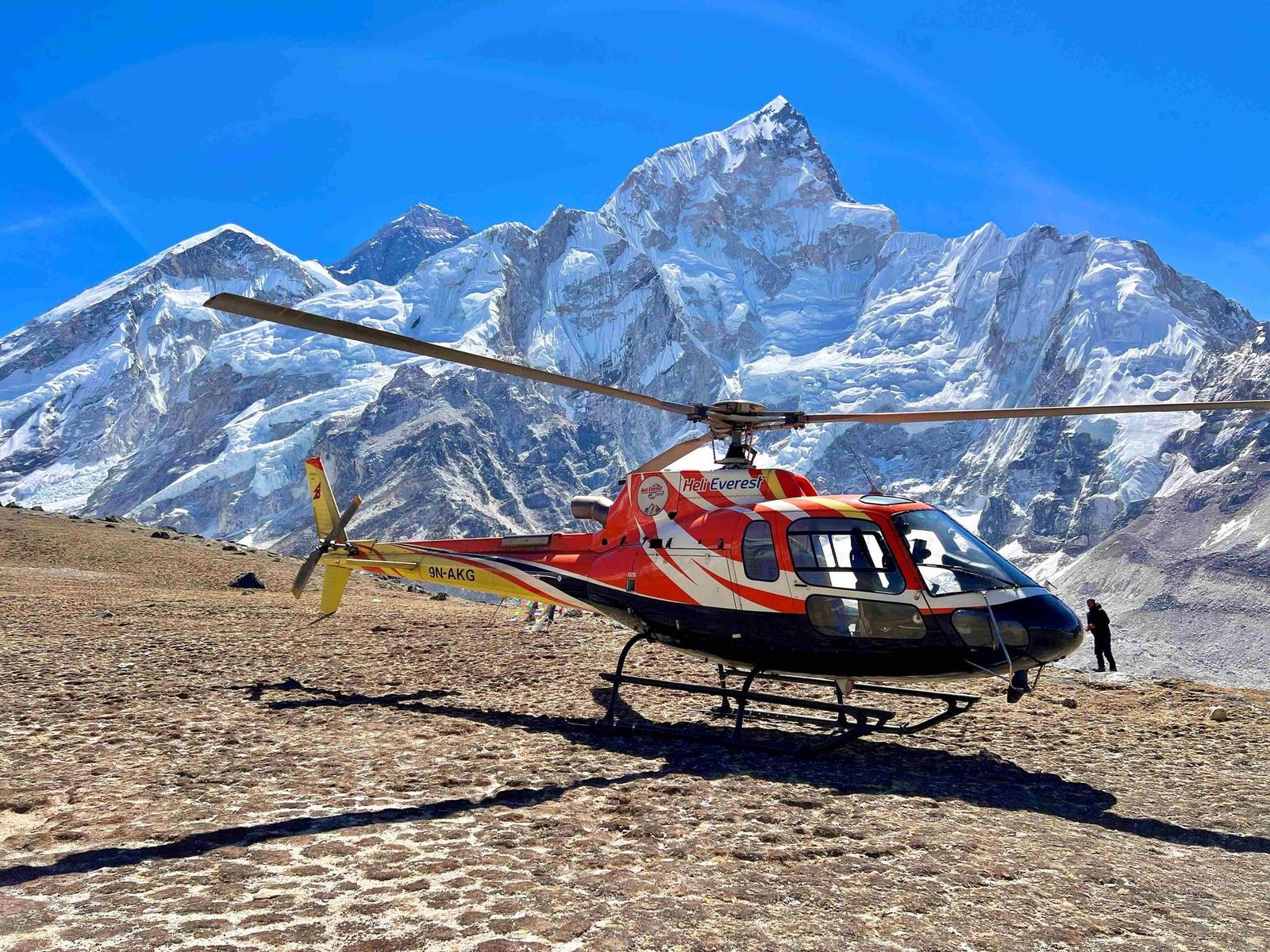
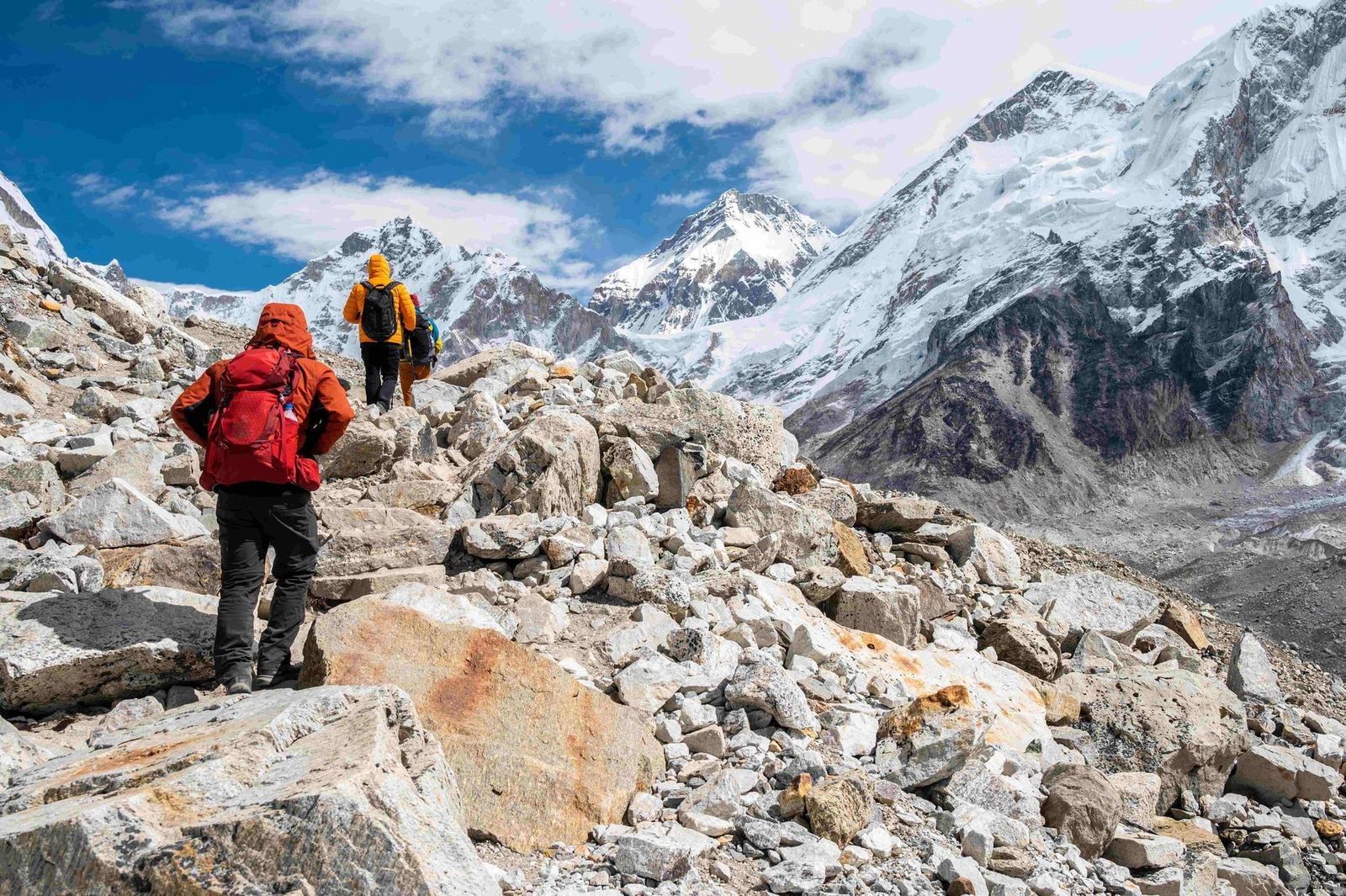

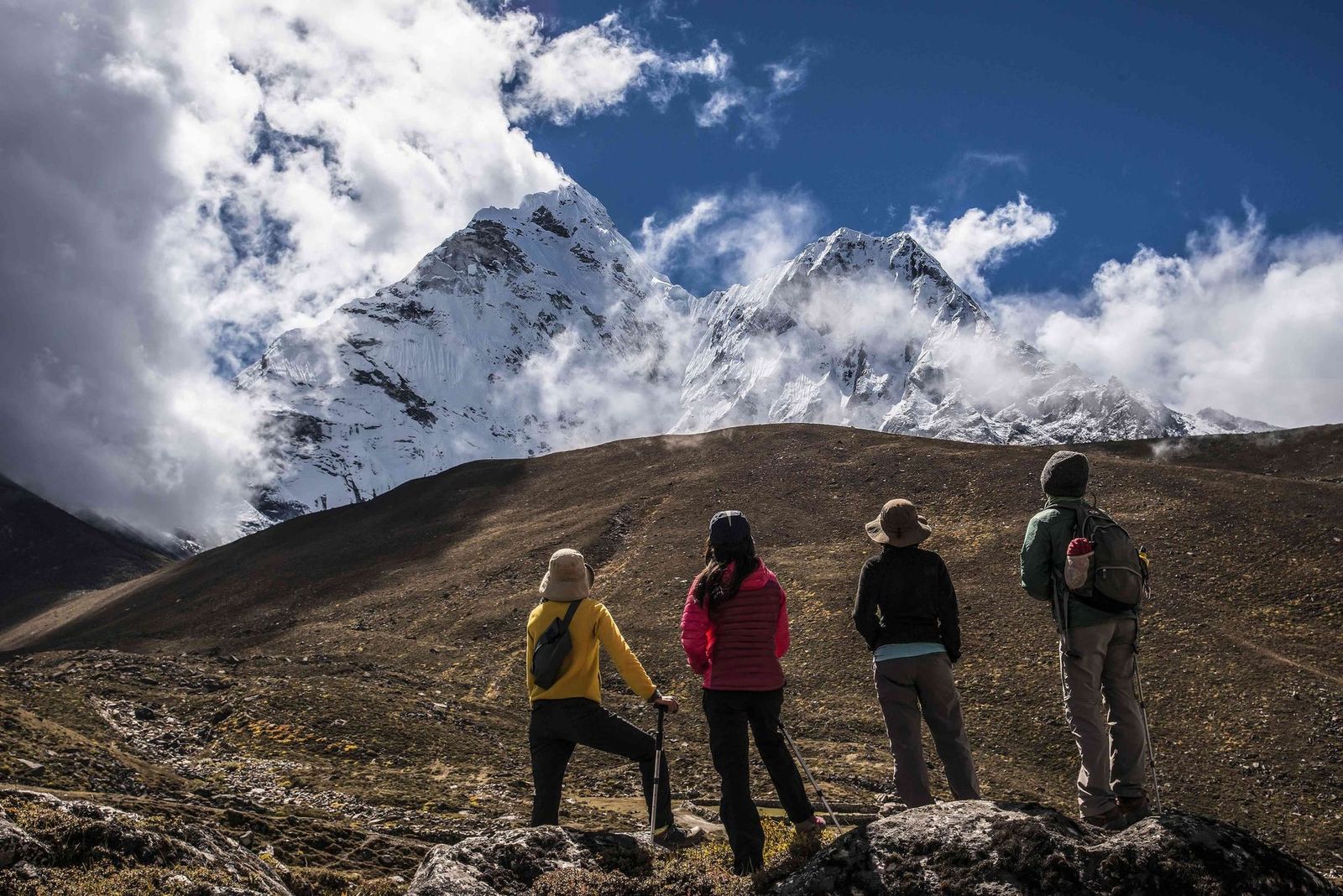
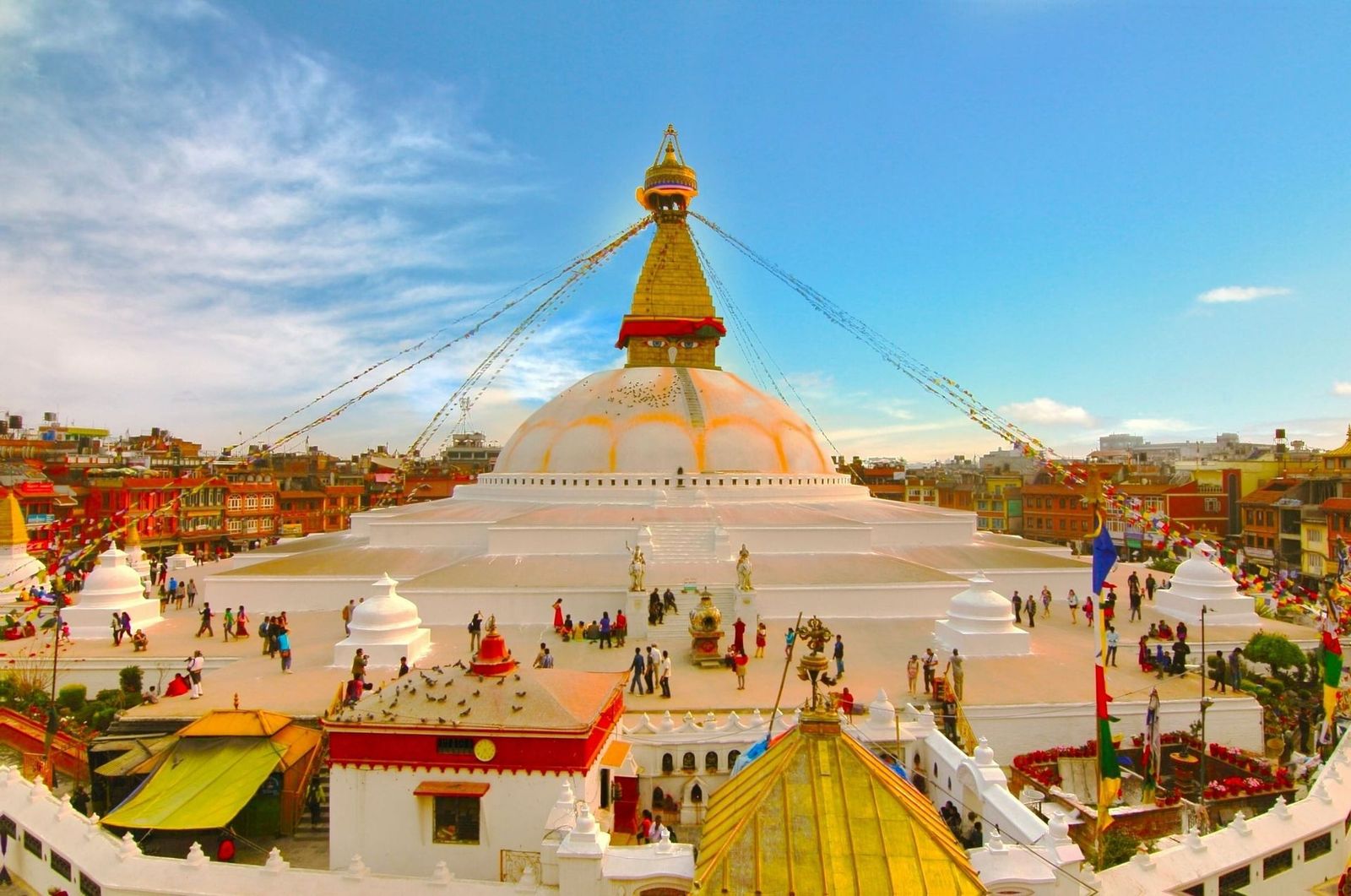
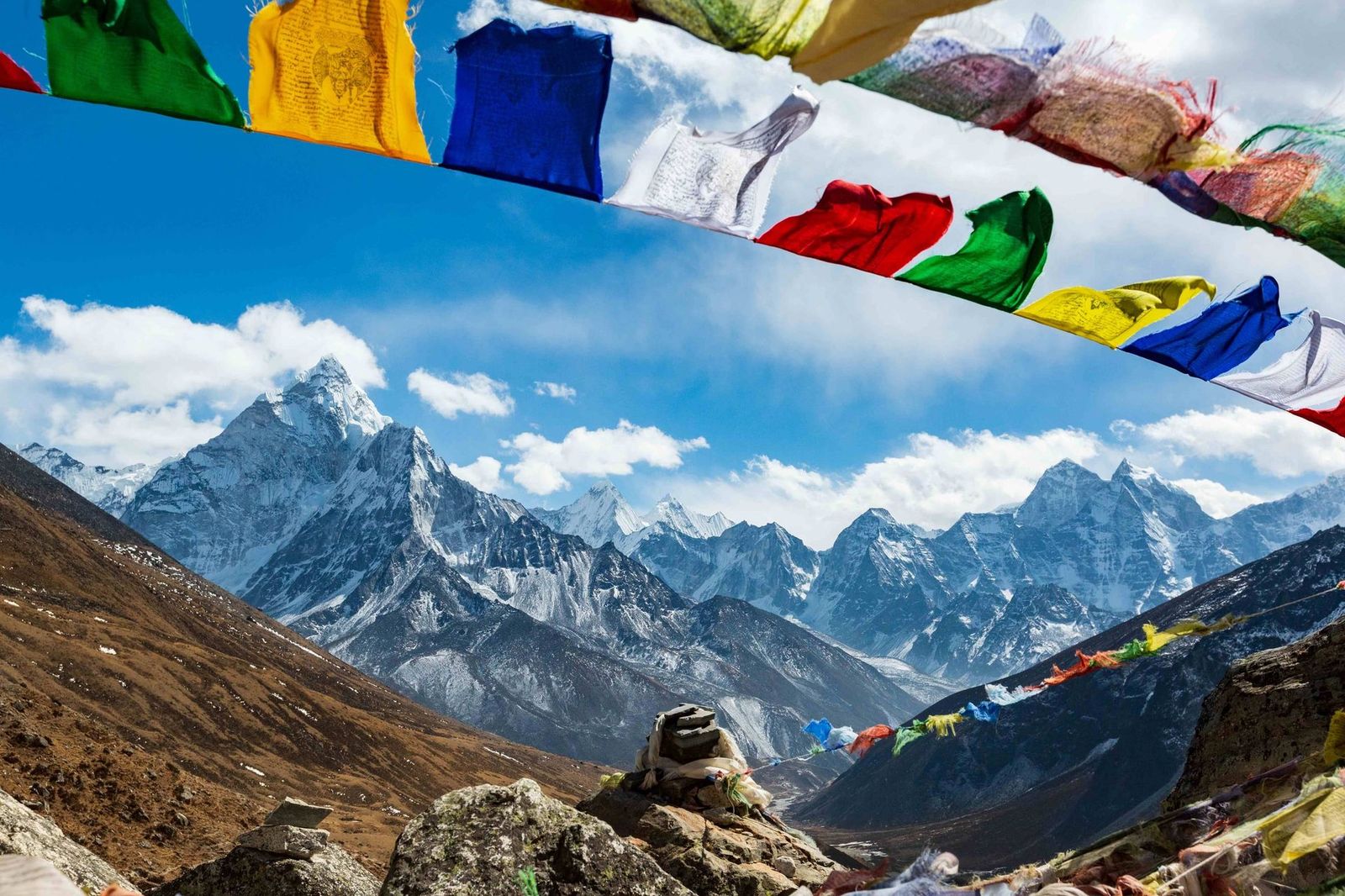
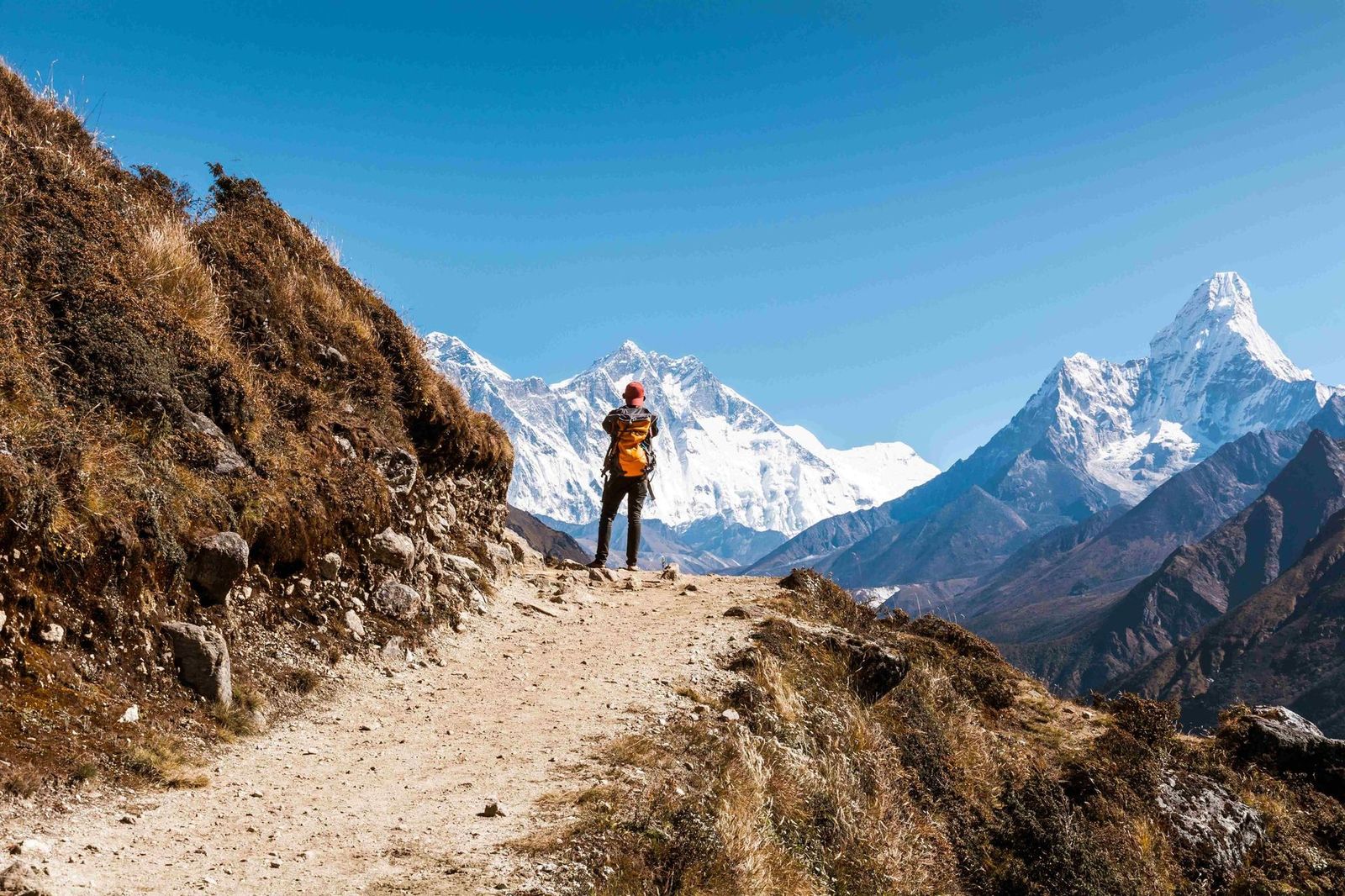
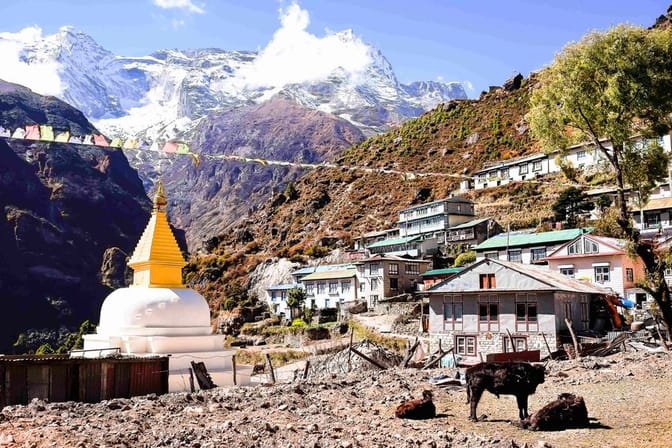
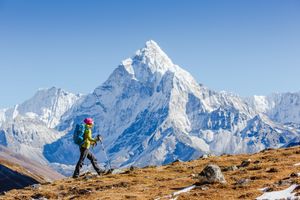
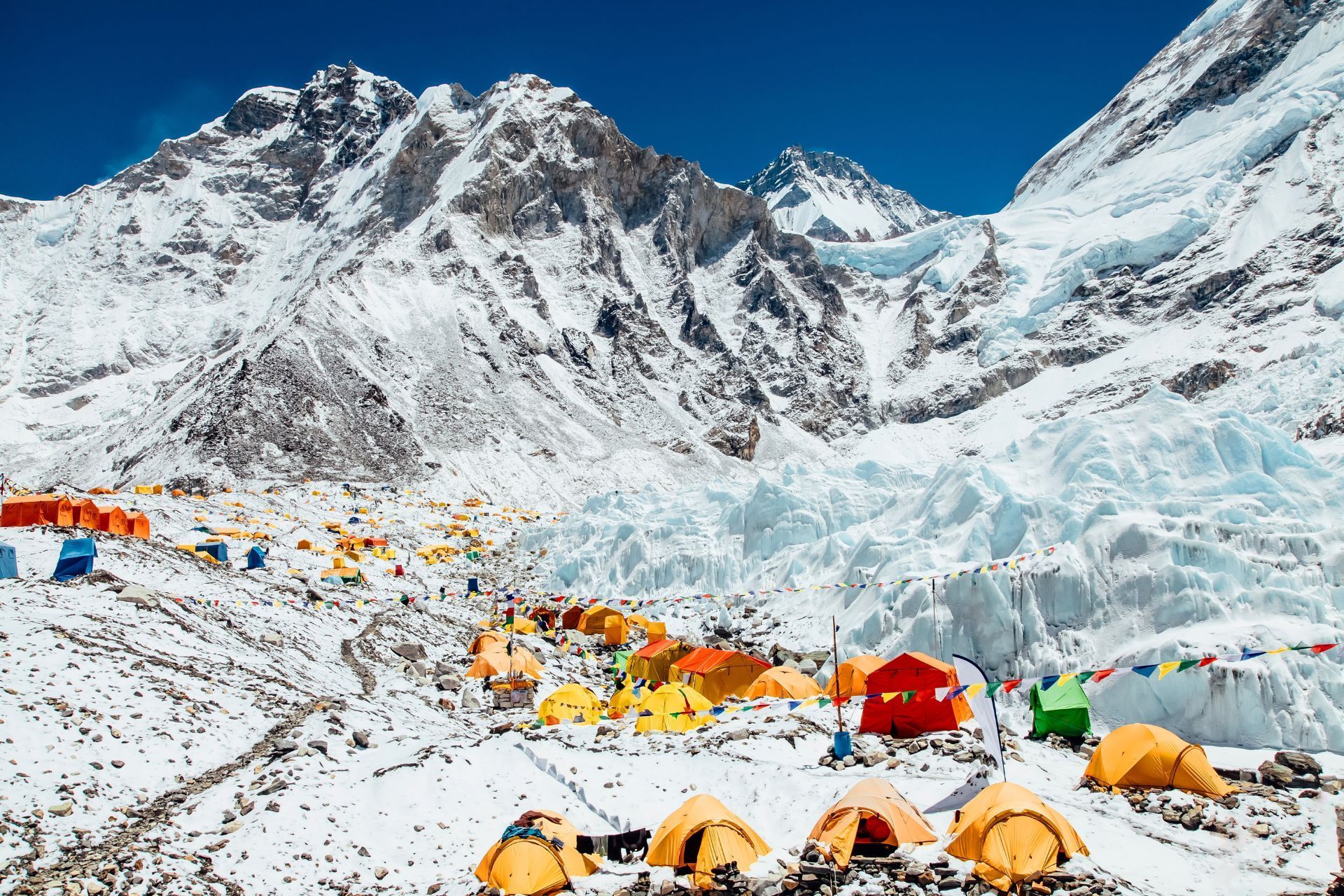
Everest Base Camp is one of the world's great treks, and this 12-day group guided trip follows the classic route through the Khumbu. A helicopter flight from Kathmandu to Lukla starts the journey. From there you follow the Dudh Koshi River across suspension bridges and climb through pine forest to Namche Bazaar, catching your first views of Everest and Lhotse on the way up. Pass Tengboche Monastery, set against Everest, Nuptse and Ama Dablam, then cross yak pastures and the moraine of the Khumbu Glacier to Base Camp itself. The highlight is a pre-dawn climb of Kala Patthar (5,644 m) for sunrise over Everest, Nuptse and Pumori. Acclimatisation days in Namche Bazaar and Dingboche keep the ascent gradual. After celebrating the finish with your guides and support team in Pheriche, a helicopter flies you back to Kathmandu. Your trip starts with a night at a 4-star hotel in Kathmandu, with a welcome dinner and full trek briefing.
Highlights
Day 1
Welcome to Nepal. We meet you at Kathmandu International Airport and take you to your hotel, and the rest of the day is yours. Rest after your flight or head out into the city at your own pace. In the evening you'll meet your guide and fellow trekkers over a welcome dinner, followed by a full trek briefing and equipment check. It's the right moment to ask questions and sort out any last-minute gear before you head into the Everest region. Kathmandu sits at 1,300 metres, a comfortable base for your first night before the climb begins.
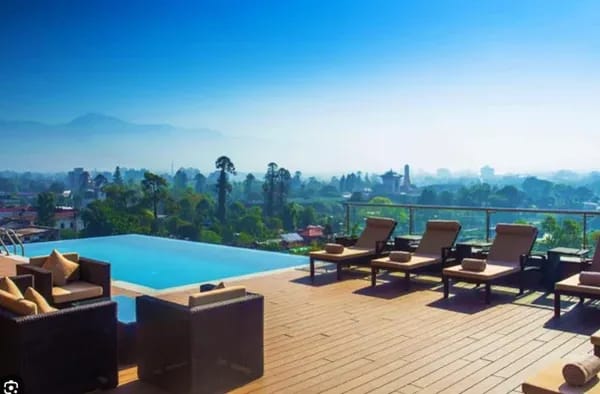
4-star Hotel in Kathmandu
Dinner
4-star Hotel (2 nights), Comfortable Traditional Lodge (5 nights), Stylish Lodge (1 night), Traditional Lodge (3 nights)
11 breakfasts, and 10 dinners
Auswalk Walking Grade
Challenging to Strenuous
Rated by our team — we walk every route before we recommend it.
Demanding terrain with significant elevation gains. Prior hiking experience and strong fitness required.
View Fitness Guide9
Days on the trail
7-12 km
Daily distance range
248-832 m
Daily ascent range
10/10
Trail difficulty
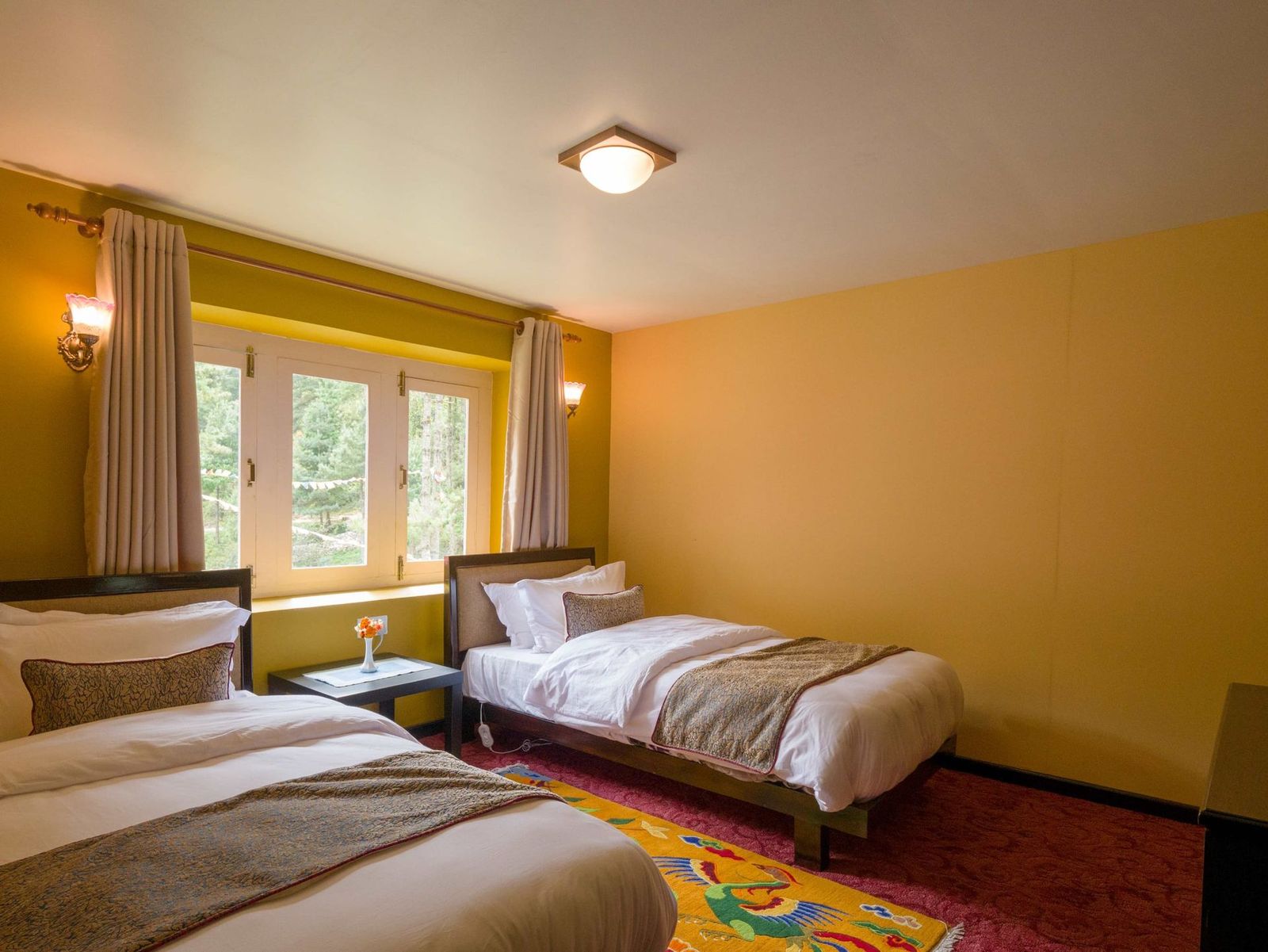
This tour begins with a night in a four-star hotel in Kathmandu, and continues into the mountains with a combination of lodges and the best accommodation available along the trek. Rooms are typically en-suite where possible, all properties are well accustomed to trekkers, and the lodges are built in authentic Nepalese tradition within some of the most spectacular locations on the planet. From Namche Bazaar onwards, the accommodation and food become simpler as the altitude increases, which is entirely expected on a route of this nature. Every effort has been made to secure the best available properties at each stage, but accommodation at Gorakshep is modest and has a lack of facilities, as it is at this altitude. At that point on the trek, what surrounds you tends to matter considerably more than what the room looks like. Finish back in Kathmandu at the four-star hotel.
Eleven breakfasts and ten dinners are included across the trip, with a welcome dinner at an authentic Nepalese restaurant in Kathmandu starting things off. On the trek, breakfast and dinner are ordered from the menu at each property. Lunch is available along the trail, though the generous size of the other two meals means many trekkers find they need surprisingly little at midday. Food is good throughout and naturally grows simpler at higher altitudes. Dal Bhat is highly recommended at elevation, a staple the Sherpas eat for good reason, and worth adding to your routine early on. Snacks, beer, soft drinks and chocolate are available at almost all properties, and packing additional high-energy supplies from Kathmandu or home is a worthwhile precaution.
Note: Please advise us of any food allergies or intolerances at the time of booking. If you have severe allergies, bringing some of your own snacks is recommended, as specialist ingredients can be harder to source in the mountains.
All transport is included, from your arrival in Kathmandu to your departure flight. On the trek you walk every day, and porters carry your main luggage between lodges.
Day 1: A representative meets you at Tribhuvan International Airport (KTM) and transfers you by private vehicle to your hotel in Kathmandu. If you are already in Nepal, you can meet the group at the hotel instead.
Day 2: Private transfer from your hotel to the airport, then a helicopter flight from Kathmandu to Lukla, where the trek begins.
Days 2 to 10: Walking only. Porters carry your duffle bag between lodges each day.
Day 11: Helicopter flight from Pheriche back to Kathmandu via Lukla, then a private transfer to your hotel.
Day 12: Private transfer from your hotel to Tribhuvan International Airport for your onward flight.
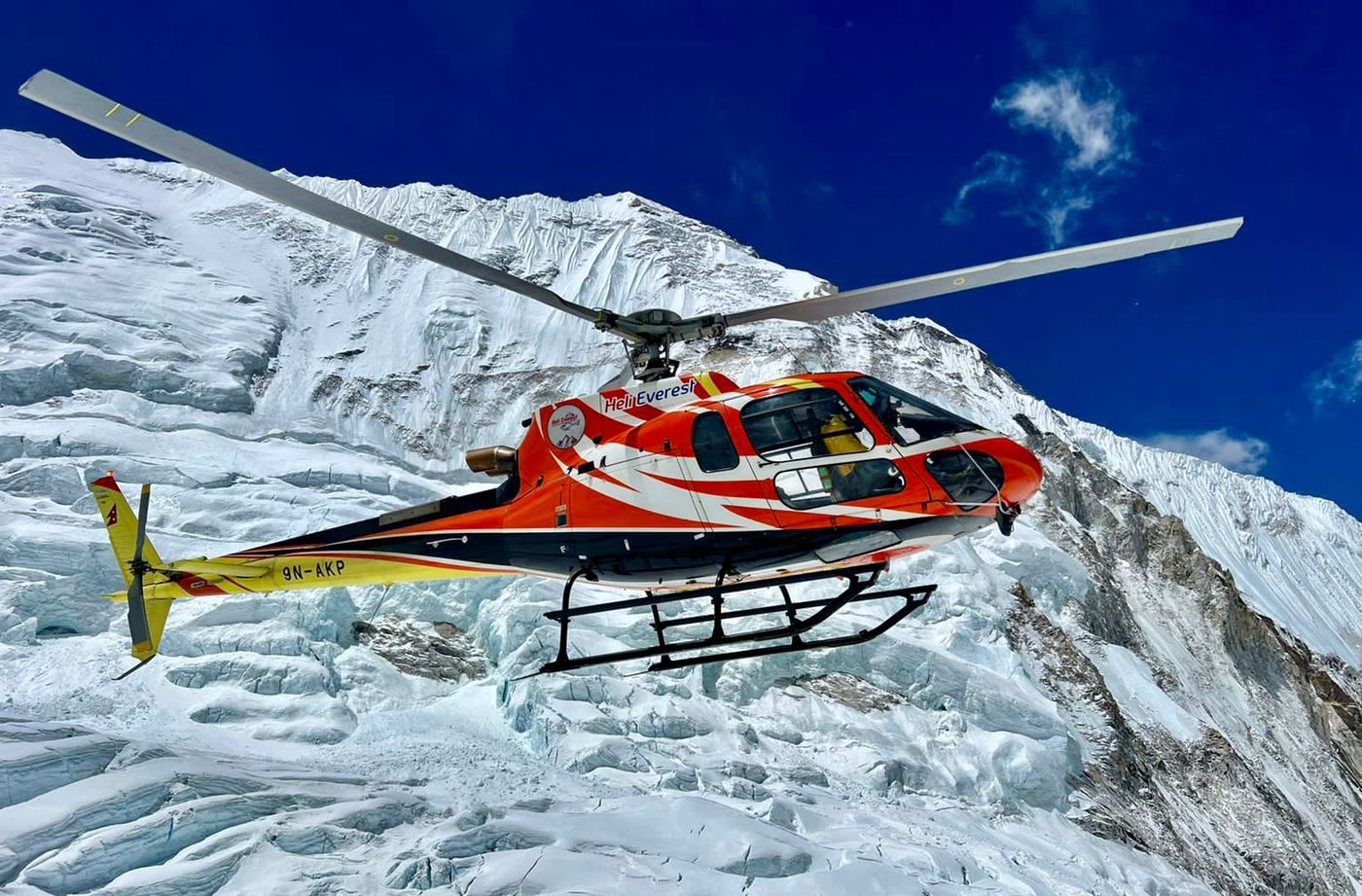
Flying by helicopter rather than plane avoids most of the weather delays that affect flights to Lukla. Flying out from Pheriche also saves walking the same trail back down. If your group has fewer than five walkers, you may share the helicopter with other trekkers.
This guided group walk has set departure dates in spring and autumn, across March, April, May, September, October and November. Private departures can be arranged for groups of four or more; contact us to secure your preferred date. Spring brings rhododendrons in bloom and clear early morning views of the peaks, with April particularly popular for its stable conditions. Autumn offers the finest views from Kala Patthar, with clear skies and dry trails after the monsoon. Whatever month you travel, temperatures at altitude drop well below freezing; warm layers and proper trekking gear are essential.
The walk both starts and finishes in Kathmandu, Nepal. Kathmandu's Tribhuvan International Airport (KTM) is the main gateway to Nepal, with connections from major international hubs across Asia and beyond. A representative will meet you on arrival and transfer you to your accommodation. Please let us know your travel plans in advance so we can arrange this. Those already in Nepal can arrange to meet the group at the hotel directly. A transfer back to Kathmandu Airport is included at the end of the trip for your onward flight.
This walk is graded challenging to strenuous, with altitude the defining factor rather than daily distance alone. Trails are mainly well-travelled, with prolonged ascents and some steps, though a rocky section awaits on the approach to Everest Base Camp. Two acclimatisation days are built in and the pace allows for careful, unhurried ascent. Include serious hill climbs, resistance training, and core and balance work in your preparation, and train at altitude where possible. Your trekking guide is a local expert mountaineer.
Travel without stress or delays
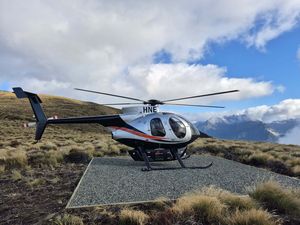
Most visitors travel to Lukla via aeroplane, however, flights are often subject to weather-related delays or cancellations. Hence we use helicopters which are far less susceptible to such issues, helping to deliver your trip as per the carefully planned itinerary. Helicopters are shared with other Everest Base Camp trekkers.
Returning from the peak via helicopter also eliminates walking all the same way back down to the trailhead in Lukla - your knees will be very grateful! This saves up to 3 days of repeat walking and in addition, eliminates having to travel for 5 hours to and from Ramechhap for Lukla flights.
Priority use of our team's 4 helicopters in case of an emergency
The best possible food and accommodation
Staying in a 4-star hotel in the quietest part of the bustling Thamel area in Kathmandu, where you can enjoy all of the tourist spots but are insulated from the crowds
Enjoying the best accommodation options available on the trek. Note: accommodation levels vary and, where possible, rooms have ensuites. Accommodations at a few high-altitude locations are less luxurious but still comfortable
Since food plays a significant role in hiking at higher elevations, we strive to serve our guests fresh and healthy meals every time
Be well guided and looked after
Optional Kathmandu World Heritage site guided tour
Highly experienced fun-loving guides with fluent English
Guide to hiker ratio of 1 to 4 walkers so you will be very well looked after
Our professional safety-focused team on the ground ensure the best possible experience
We support the region and the environment
We support the Himalayan Sherpa Hospital at Phakding through the Himalayan Sherpa Foundation
We support the organisation KEEP (Kathmandu Environmental Education Project). KEEP provides valuable training programs for guides, including language training, map reading, and a porter welfare program
We offset our carbon emissions, raise money and donate to Odonata, an environmental charity committed to supporting biodiversity
Auswalk has earned Advanced Eco Tourism Certification
When you arrive in Kathmandu you will receive a duffle bag to pack all of your items for your trek. As each porter will carry two duffle bags each, the maximum weight per duffle bag is 12.5kg.
Each morning it will be up to you to pack your bag and place your luggage outside your room. Your guide will let you know what to do.
Any excess kilos can be stored at the hotel in Kathmandu.
Helicopter evacuations due to problems with high altitudes are rare but a potential occurrence.
We want to bring to your attention some important information regarding helicopter evacuation and associated costs, which are not included in your current Auswalk package.
In the event that a helicopter evacuation becomes necessary, please be aware that there will be additional charges. For this reason, it is essential to ensure that your travel insurance policy provides adequate coverage for emergency evacuation. Should you have any questions about this, please do not hesitate to contact our office.
An evacuation is an unforeseen event that incurs separate costs, supplementary to the Auswalk package you have purchased.
Furthermore, it is important to understand that you will be required to pay for the evacuation services before departing Nepal and then claim the expenses through your insurance provider. The helicopter company is unable to process claims on your behalf. Direct claims by you to your insurance company typically result in a faster reimbursement process.
Tipping is customary in Nepal and is a way to show appreciation for the hard work of your trekking team. The price of your Auswalk walking holiday does not include tips. To help you plan, we suggest the following tipping amounts per hiker per day:
You will have the opportunity to present your tips to your guide and porters at the last group dinner in Pheriche as a token of your gratitude for their invaluable support throughout your trek.
The Everest region is powered by hydro electricity. In peak season, supply is limited and power outages may occur so we advise bringing a powerbank/ back up batteries for your phones, cameras, and electronics.
Hot showers are mostly powered by solar panels or a gas-fired water heater. On very rare occasions hot showers may not be available.
You will receive a detailed information pack and itinerary about four weeks before departure, covering everything you need to know for your trip. If you have questions before then, our team is happy to help.
You must hold adequate travel insurance for your trip, including cover for personal liability and accidental injury and illness. For all trips involving international travel, your policy must also include emergency medical treatment, evacuation and repatriation cover. We strongly recommend your policy also covers trip cancellation and curtailment, and loss of or damage to luggage.
A cancellation fee usually applies if you cancel after your booking is confirmed. Travel insurance with cancellation cover will generally cover this fee, so it's worth arranging your policy at the time of booking.
Full insurance requirements are set out in our booking terms and conditions.
Select a fixed group departure - places are limited
Prices shown are per person, twin/double share basis.
Well thought out itinerary in an amazing location, the views of Everest and the mountains were magnificent.
Everything was well organized and the transitions were easy to follow. Sonam was excellent, he even offered to carry Debbie's day pack. Which she declined. He was always checking we were okay and that we were happy with the food and accommodations, He checked quality of the food and made sure we paid the right price for extras. Every day he gave feedback on our trek and what to expect the next day. He set a pace for us to walk that was achievable. Sometimes he let us walk at our pace and if he felt that we were walking to fast he would just get in front and slow us down without comment. He helped us cross flooded streams with care. Debbie's fathers funeral was on while we were trekking and he even organized an internet connection so we were able to be a part of that service at his own personal cost.
Entire trip went extremely well. Foods were of excellent quality too.
Our guide & porter (Funuru & Penba) were excellent. They were supportive and great company. They willingly shared their knowledge and encouraged us every step This trek is life changing. Would definitely recommend. Auswalk is professional and attentive & flexible, making sure everything is in place to support a successful trek.
Fantastic walking experience. We had wonderful guides and porters. They made sure I reach my goals in a safe manner. Helicopter on the way back to avoid trekking down was great. It saved my knees . Thank you Auswalk for organising a wonderful experience