

South Australia
-300x200.jpg)
Victoria
-300x200.jpg)
-300x200.jpg)
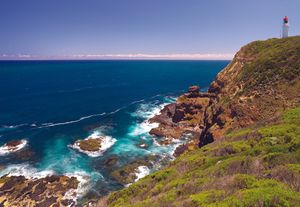
Western Australia
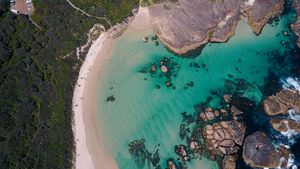
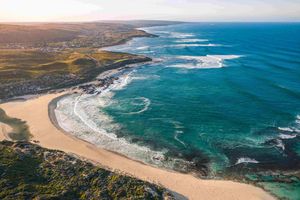
Northern Territory
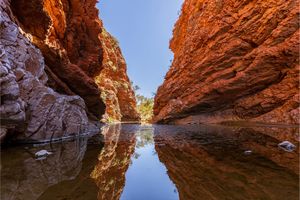
Popular Walks
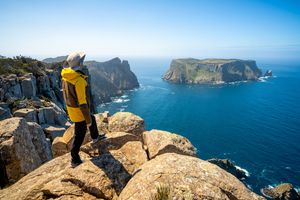 Self-GuidedThree Capes, Tasman Peninsula and Port Arthur in Style - 4 Days
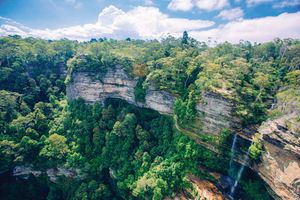 Self-GuidedBlue Mountains Highlights - 3 Days
 Self-GuidedCape to Cape in Style - 10 days
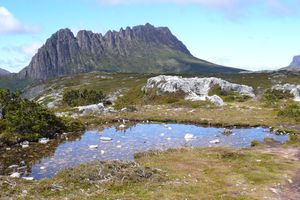 Self-GuidedCradle Mountain & Lake St Clair Walk - 6 Days
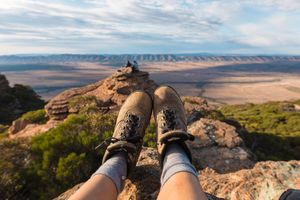 Self-GuidedFlinders Ranges - 8 Days
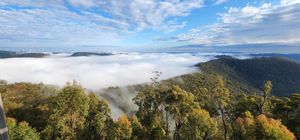 Self-GuidedGold Coast Hinterland Great Walk - 7 Days
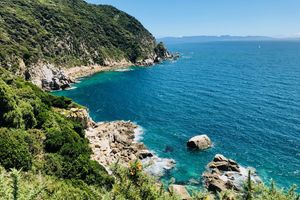
-300x200.jpg)
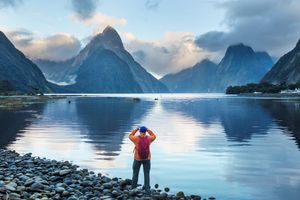
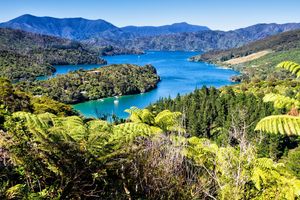
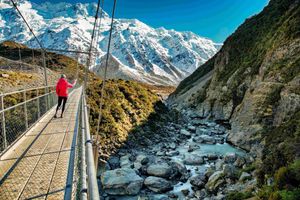
Popular Walks
 Self-GuidedQueen Charlotte Track: End to End - 6 Days
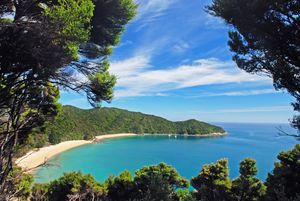 Self-GuidedAbel Tasman Walk: End to End - 6 Days
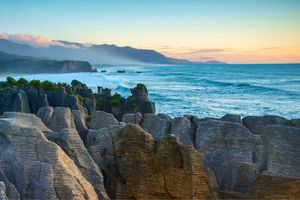 Group-GuidedUltimate South Island Hikes - 14 Days
-300x200.jpg) Group-GuidedFiordland’s Classic Walks: Milford, Routeburn, Kepler & Hollyford - 6 Days
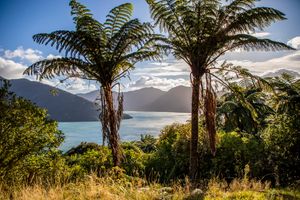 Self-GuidedAbel Tasman Walk & Queen Charlotte Track: End to End - 11 Days
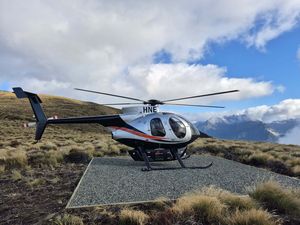 Self-GuidedFiordland’s Great Walks: Milford, Routeburn & Kepler - 7 Days
Popular Walks

-300x200.jpg)
-300x200.jpg)
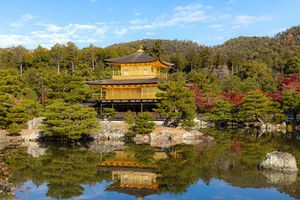
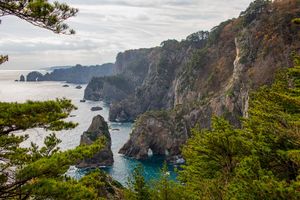
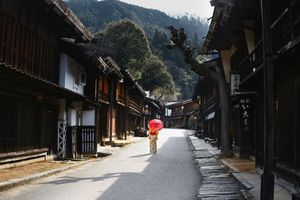
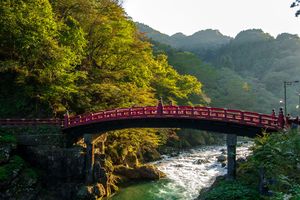
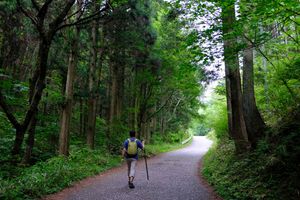
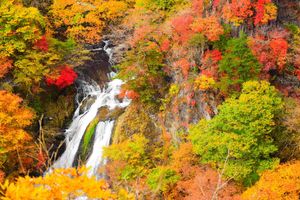
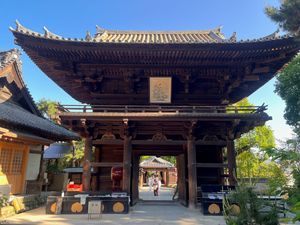
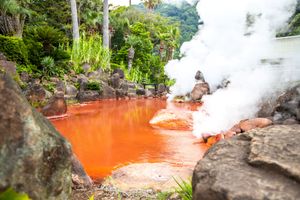
-300x200.jpg)
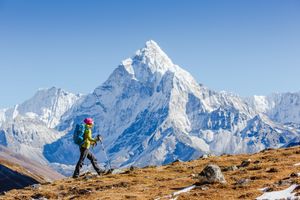
Popular Walks
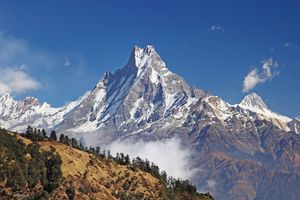 Group-GuidedAnnapurna Foothills & Himalayan Vistas in Style - 9 Days
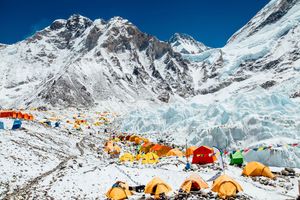 Group-GuidedEverest Base Camp & Kala Patthar - 14 Days
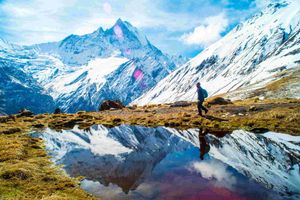 Group-GuidedAnnapurna Circuit Thorong La & Lake Tilicho Extension - 17 Days
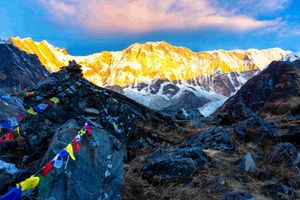 Group-GuidedAnnapurna Circuit Over Thorung La - 14 Days
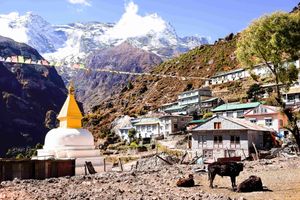 Group-GuidedEverest Base Camp via Gokyo Lake & Cho La Pass - 17 Days

-300x200.jpg)
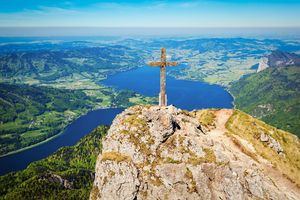
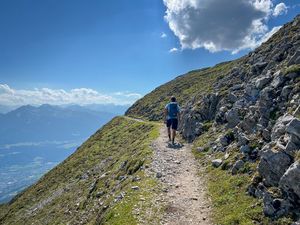
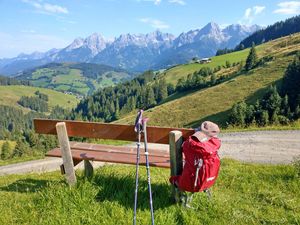
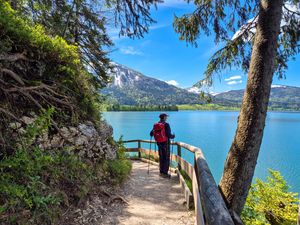
-300x200.jpg)
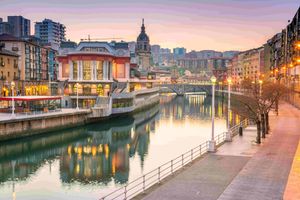
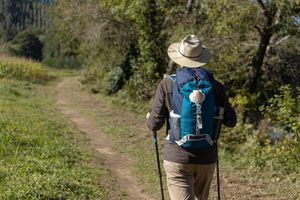
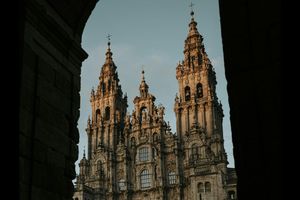
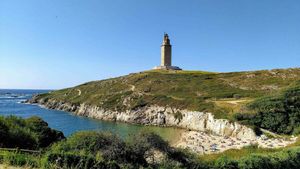
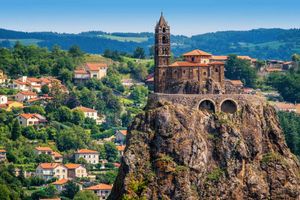
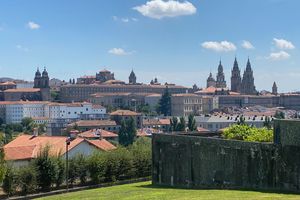
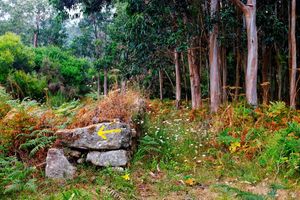
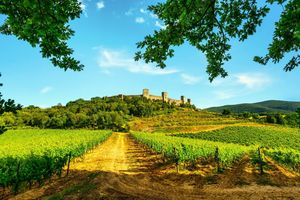

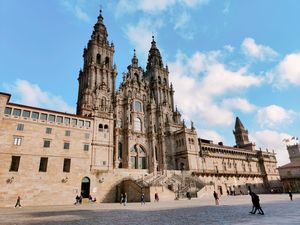
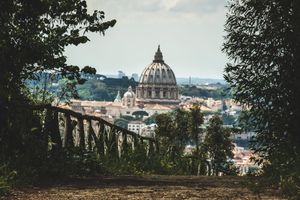
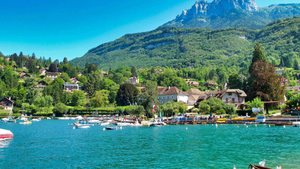
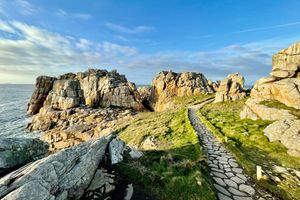

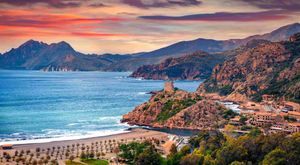
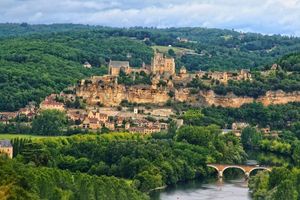
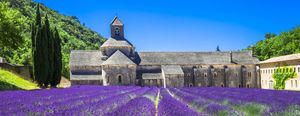
Popular Walks
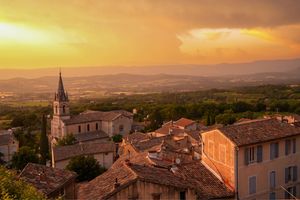 Group-GuidedProvence: Alpilles & Luberon Villages – 7 Days
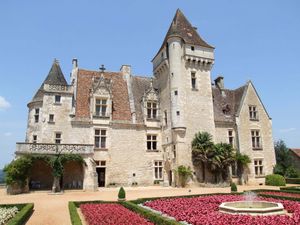 Self-GuidedDordogne Uncovered - 10 Days
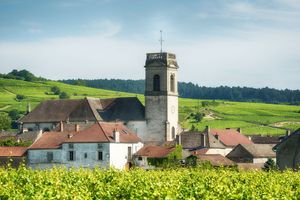 Self-GuidedA Taste of Burgundy - 5 Days
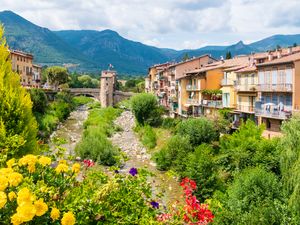 Self-GuidedProvence From the Alps to the Sea Highlights - 5 Days
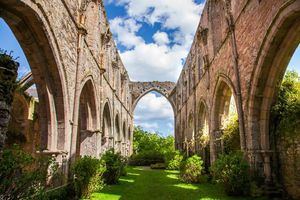 Self-GuidedGoelo Coast Trails of Brittany - 6 days
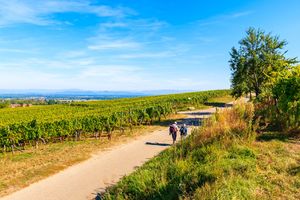 Self-GuidedMountains & Vineyards of Alsace - 8 days
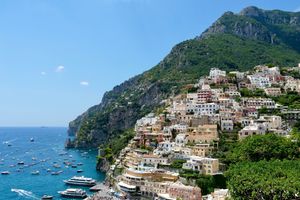
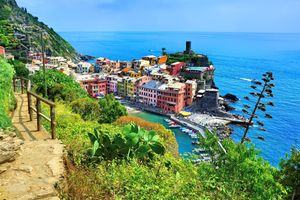
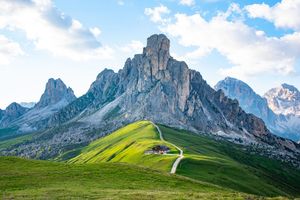
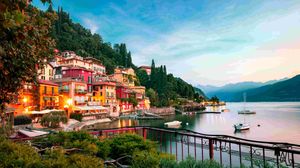
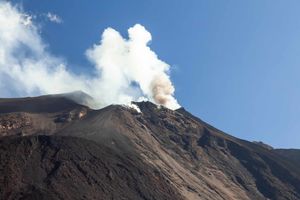
-300x200.jpg)
Popular Walks
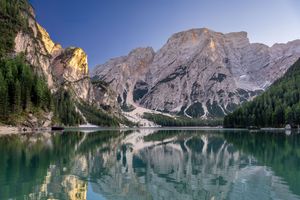 Self-GuidedThe Sesto Dolomites with Three Peaks & Lake Braies - 8 days
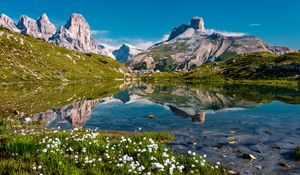 Self-GuidedBest of the Dolomites - 7 Days
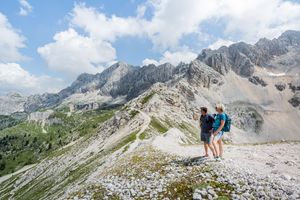 Group-GuidedClassic Hikes in the Dolomites - 8 days
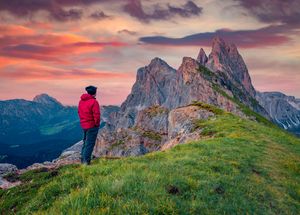 Self-GuidedDolomites: Highlights of Val Gardena - 8 days
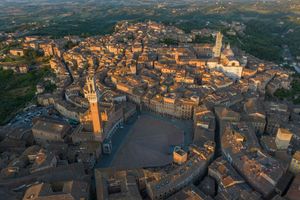 Self-GuidedHilltop Towns of Tuscany - 6 Days
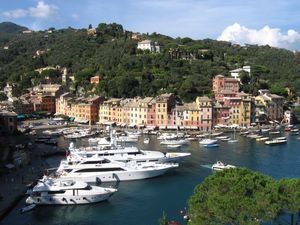 Self-GuidedCinque Terre and Portofino: Liguria - 8 Days
Popular Walks
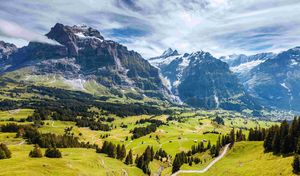
Popular Walks
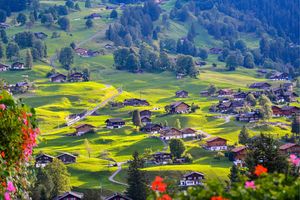 Group-GuidedSwitzerland: Best of Bernese Oberland - 8 Days
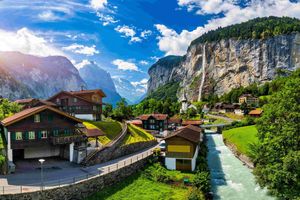 Self-GuidedVia Alpina: Bernese Oberland & The Jungfrau – 8 Days
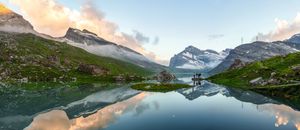 Self-GuidedSwitzerland's Wildstrubel Tour: Valais & Bernese Oberland – 7 Days
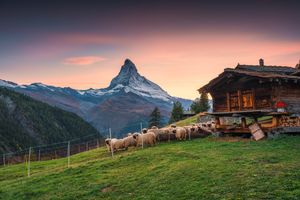 Self-GuidedWalker's Haute Route: Arolla to Zermatt – 8 Days
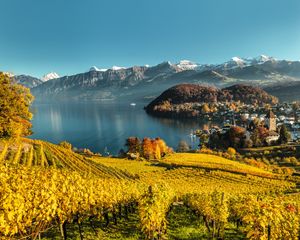 Self-GuidedLakeside Trails of Lake Thun & Interlaken – 6 Days
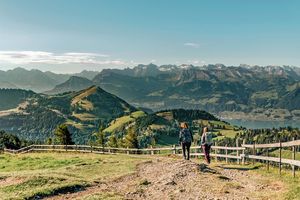 Self-GuidedAlpine Trails of Lake Lucerne - 7 days
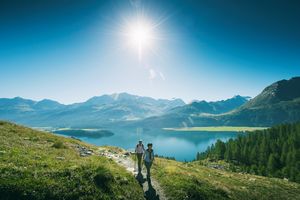 Self-GuidedVia Engiadina: St. Moritz to the Swiss National Park – 7 Days
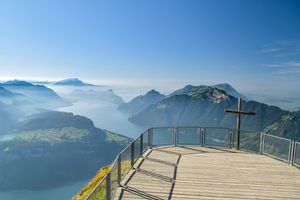 Self-GuidedTell Trail: Central Switzerland with Mt Rigi & Mt Pilatus - 7 Days
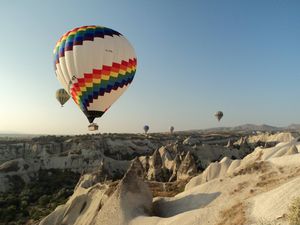
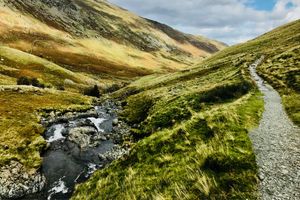
-300x200.jpg)
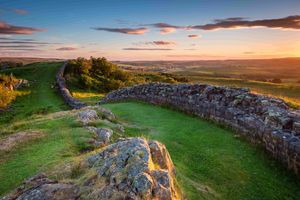
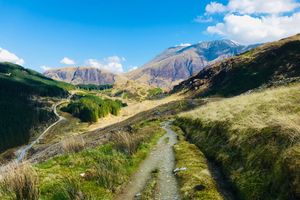
-300x200.jpg)
Trip added to your saved list. Find your saved trips anytime using the in the header.