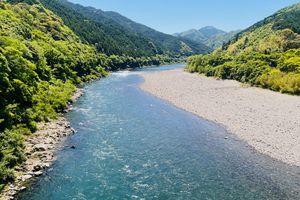
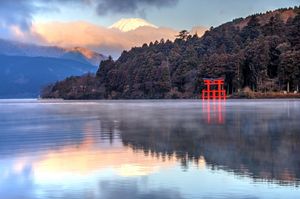
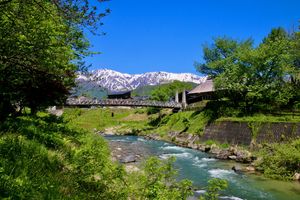
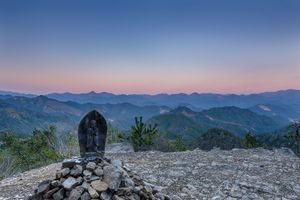
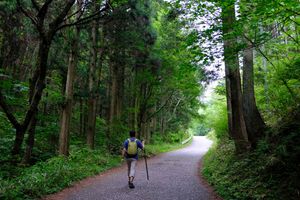
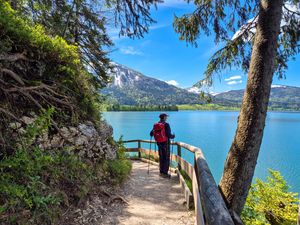
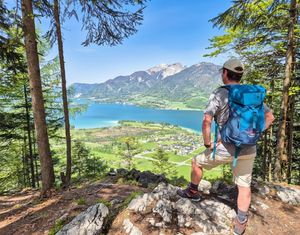
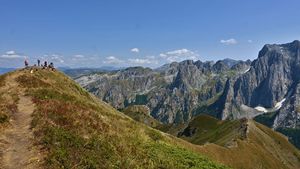
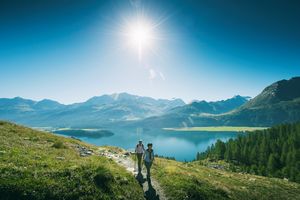
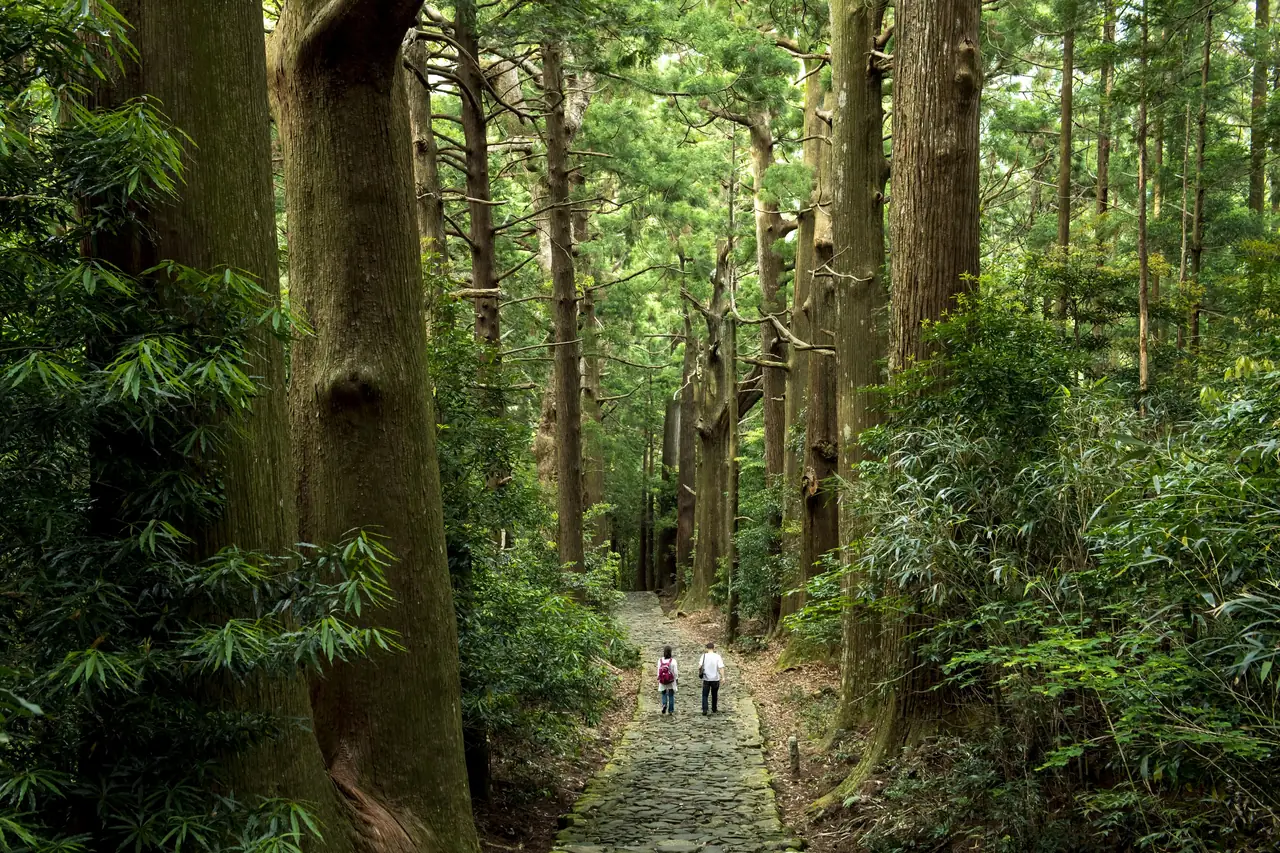
Two walkers on a stone path through a tall cedar forest on the Kumano Kodo

Our commitment to reducing emissions

The natural and cultural environment is fundamental to the existence of Auswalk. Without it, there would be no Auswalk walking holidays. Walking is the best way to truly experience a place, rather than viewing life through the windows of a coach. We aim to introduce people to a range of natural and cultural environments and help them develop a real understanding and appreciation of them. Our ultimate aim is for every guest to leave an Auswalk holiday with a strong desire to value and protect these places for future generations.

We have run walking holidays in Australia's national parks for more than 30 years, and these places are among the most exposed to a changing climate. We are committed to measuring our greenhouse gas emissions, reducing them each year and reporting our progress openly.


Our emissions estimate

For the 2026 calendar year, we estimate our footprint at 34.3 tonnes of CO2-e. We calculated this using the Carbon Neutral online carbon calculator. The breakdown by source is:

34.3 tonnes

Estimated 2026 footprint (CO2-e)

Estimated emissions by source for the 2026 calendar year
SourceEstimated emissions (t CO2-e)
Vehicles19.3
Air travel5.2
Paper4.52
Waste3.2
Electricity1.27
Food and drink0.72
Water0.09
Gas0
Total34.3
Greenfleet

Offsetting with Greenfleet

In October 2026, we offset 35 tonnes of CO2-e with Greenfleet, an Australian not-for-profit that plants native forests to absorb carbon. Offsetting covers the emissions we cannot yet avoid. It sits alongside our plan to reduce emissions, not in place of it.

Our target

We aim to reduce our emissions by 5% on fixed costs and 5% on variable costs including trips by 1st of January 2027 from our 2026 baseline.

To get there we will:

  • Plan transfer routes to cut kilometres driven, and record fuel use for every trip
  • Match vehicle size to group size on every trip
  • Build more train and bus travel into our overseas trips
  • Move our Melbourne office to 100% renewable electricity
  • Choose accommodation and suppliers with recognised sustainability certification
  • Cut printed material further and send all trip notes digitally

How we look after the places we walk

Our Environmental Management Plan sets out how we run our trips and our office with as little impact as possible. We review it every year. Here is what it means in practice.

On your trip

  • We choose walking routes that are clear, well maintained and avoid sensitive areas
  • We use right-sized vehicles for each group and keep driving to a minimum
  • Where it makes sense, we build local transport such as ferries, water taxis and scenic railways into the trip
  • We stay in locally owned accommodation that suits its setting, and eat at local cafés and restaurants that source food locally
  • We give guests reusable lunch bags, cups, cutlery and refillable water bottles in place of single-use plastics, and buy food in bulk to cut packaging

On the track

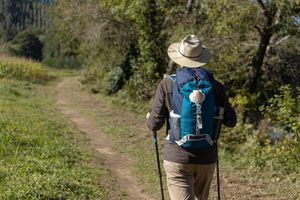
  • Our guides and walk notes teach minimal impact walking: stay on formed tracks, don't pick wildflowers and toilet correctly in the bush
  • We carry out all our rubbish, and pick up rubbish others have left behind
  • Walk notes and field guides explain the history, flora, fauna, geology and Aboriginal culture of each area

Behind the scenes

  • Where there is a choice, we prefer suppliers who show a commitment to sustainability
  • We use digital brochures and trip notes in place of print wherever we can
  • We are starting to track our electricity, water and materials use so we can measure our progress
  • We support local conservation and Friends groups that care for the parks and tracks we walk including Bush Heritage Australia
  • We hold ECO Certification (Ecotourism level) with Ecotourism Australia
ECO Certified Ecotourism

How you can help

Bring a refillable bottle, don’t waste water at your accommodation, keep to formed tracks and take your rubbish home (pick up any rubbish you see on the track). Take nothing but memories and photographs.

Reporting our progress

We review our emissions and this plan every year. Our next update will be published by January 2027.