Tips, tricks, and trail insights - everything you need to know about multi-day walks in Australia.
30+ Years Experience
Pack-Free Walking
Flexible Itineraries
Comfortable Stays
4.9/5reviews on
Overview
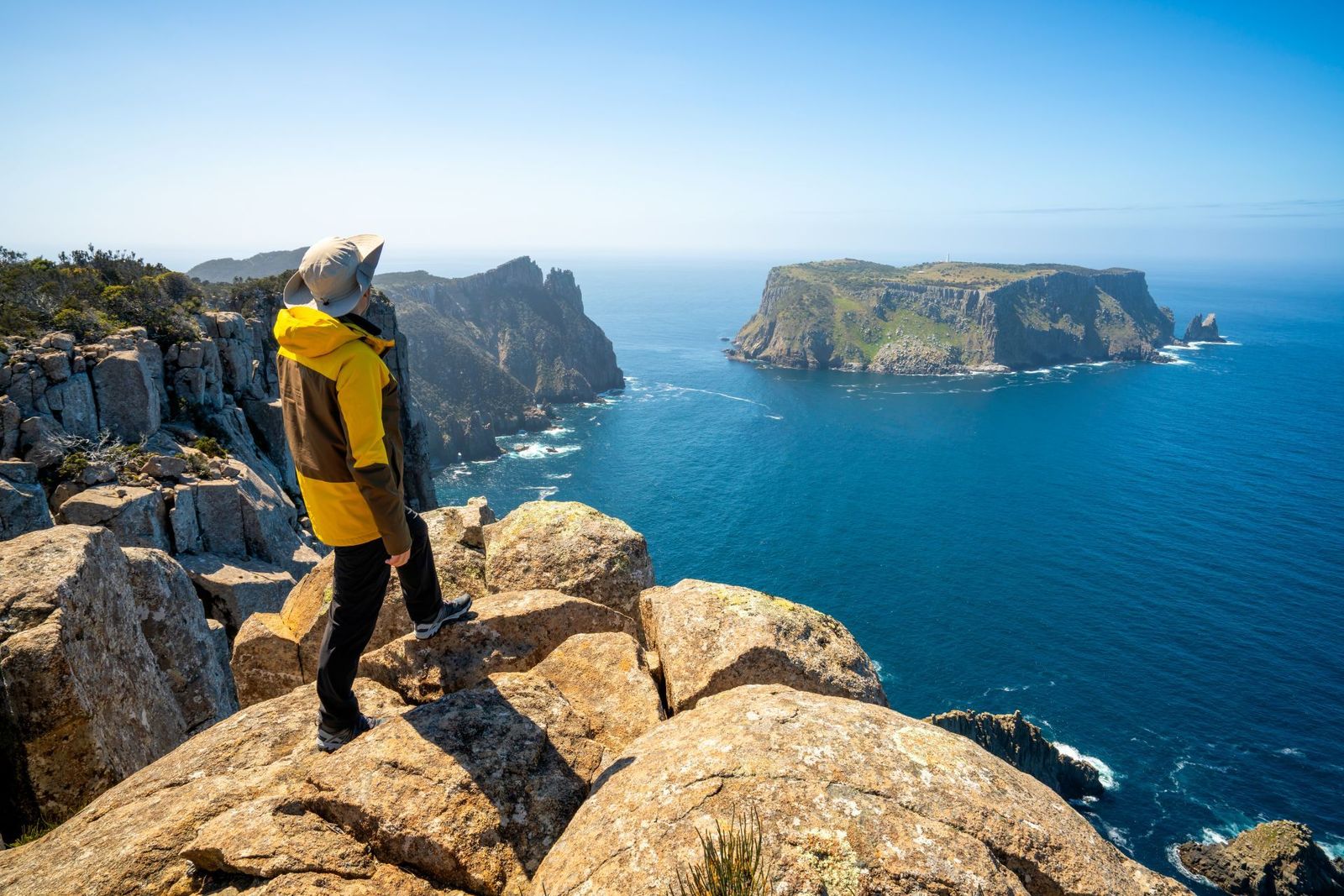
Walk the edge of the world on the Tasman Peninsula, where dolerite sea cliffs, wild Southern Ocean views and the haunting history of Port Arthur meet. It sits just 90 minutes from Hobart, but feels like the end of the earth.
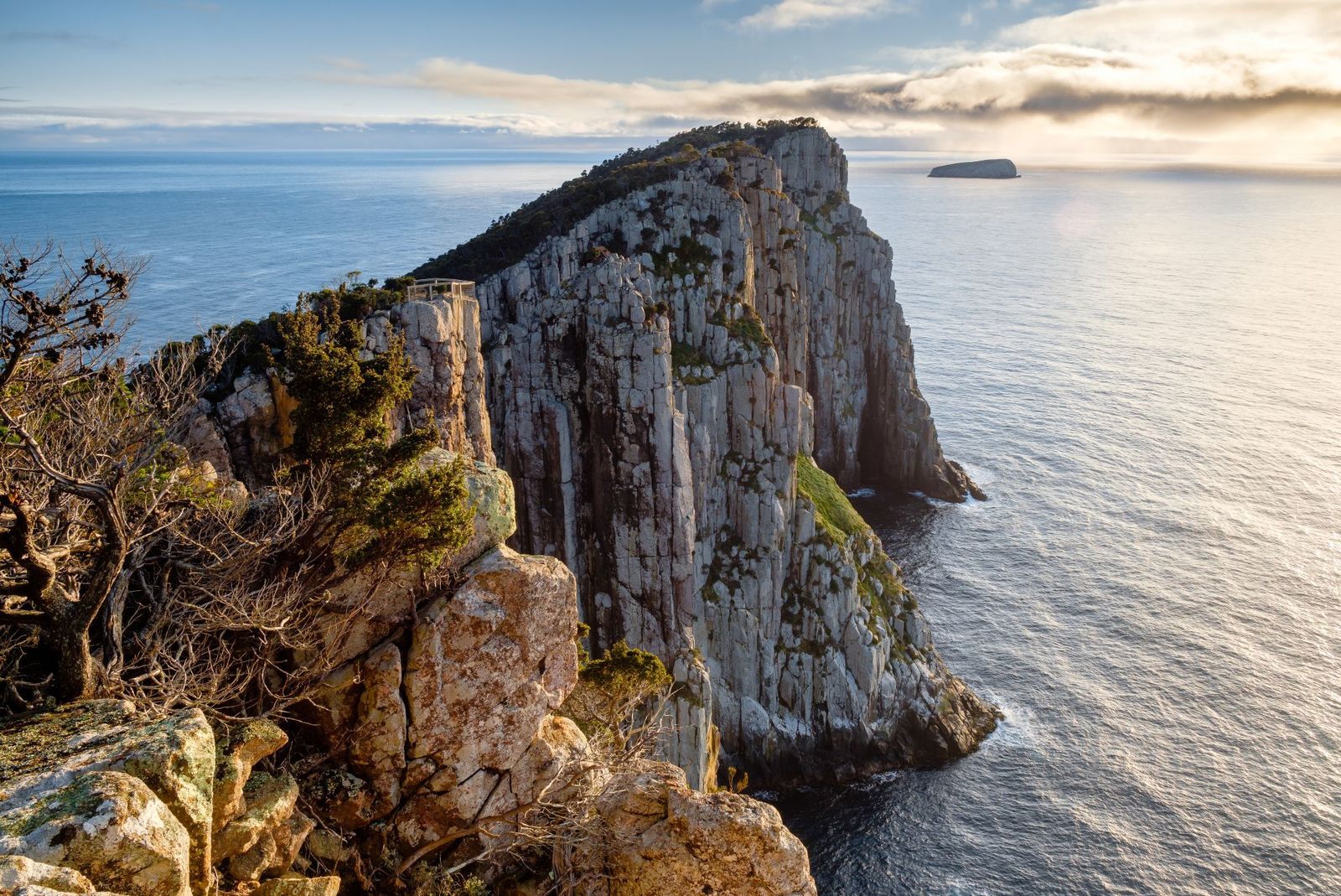
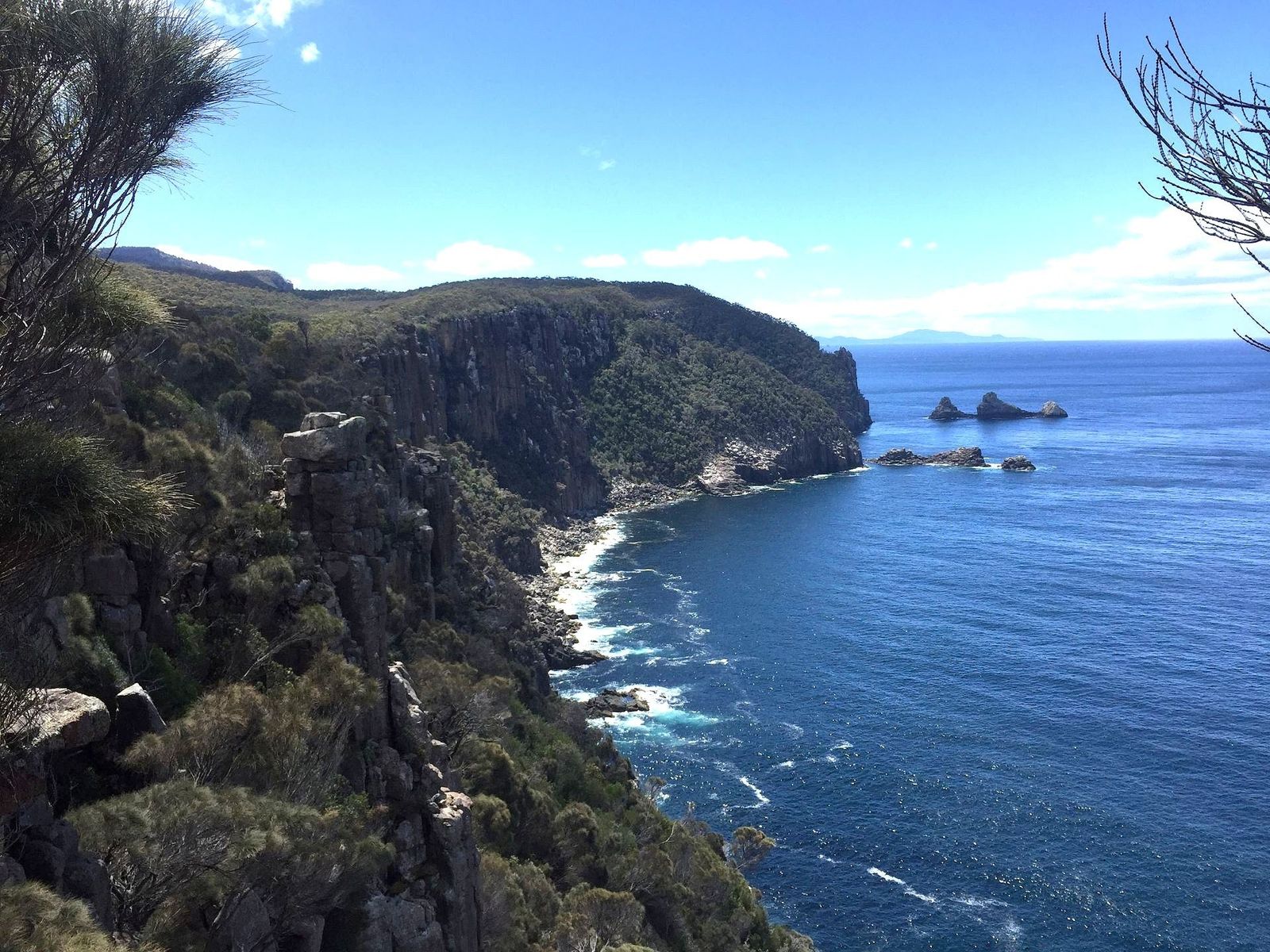
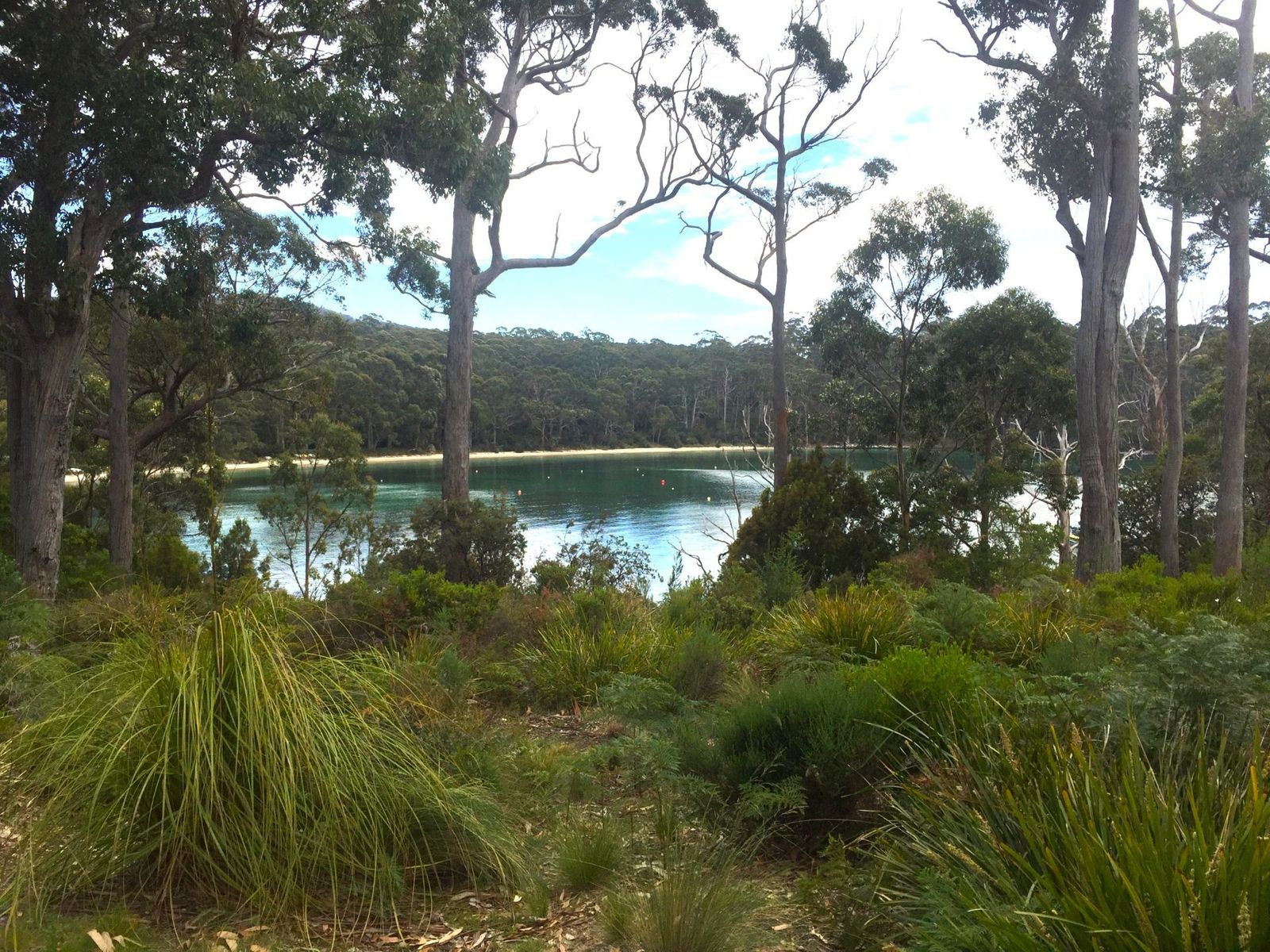
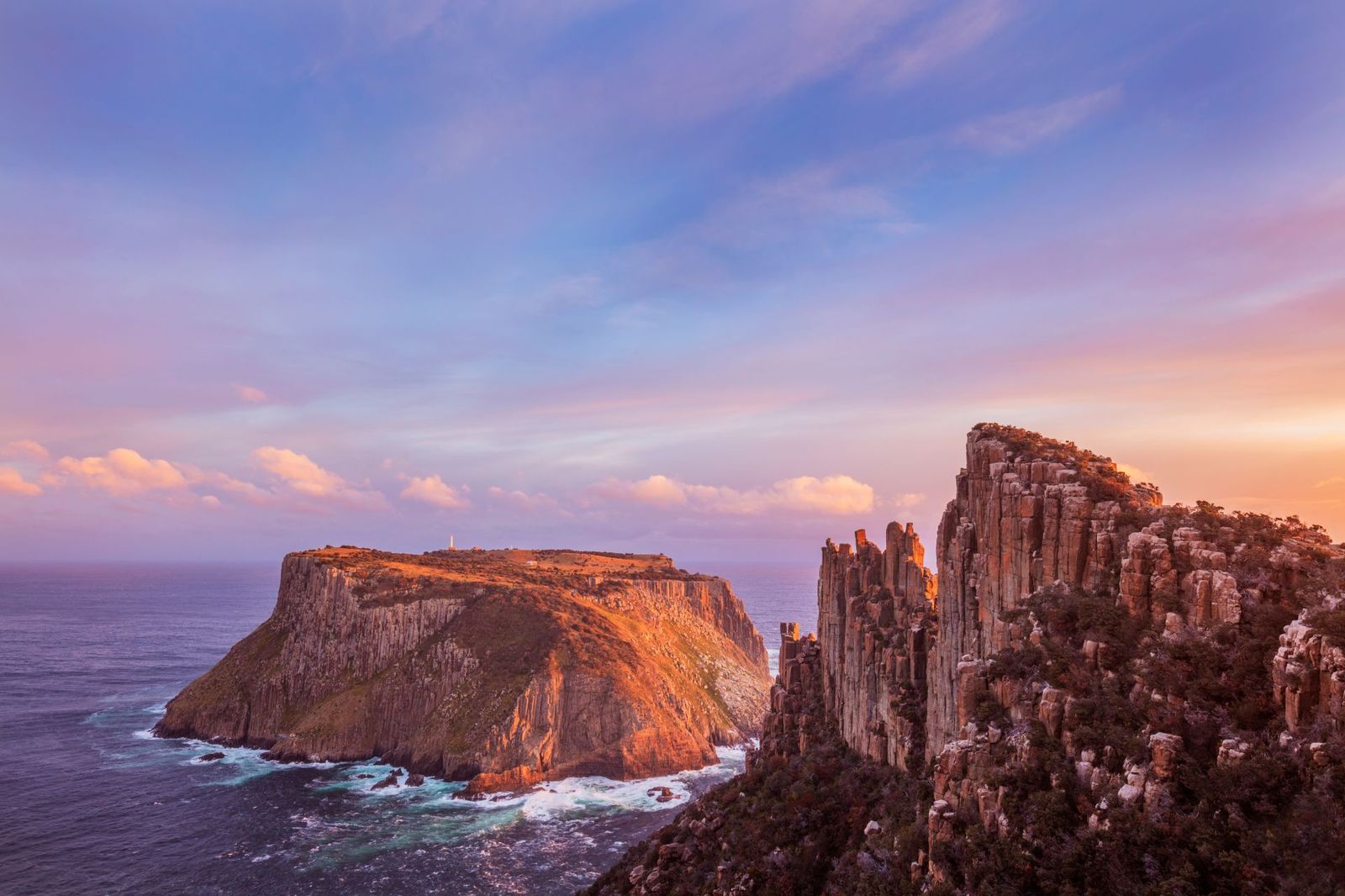
The cliffs, the highest in the country, rise sheer from the sea at Cape Raoul and Cape Hauy, their scale hard to believe until you're standing at the edge. The route runs through eucalypt forest and coastal heathland before opening onto clifftops that stop you mid-stride. Fortescue Bay brings a rare moment of calm: white sand, turquoise water, whales, dolphins and sea eagles for company.
Port Arthur, a World Heritage-listed site, adds a final layer, part wilderness walk, part journey into the past.
The most dramatic coastal walk in Australia. Full stop. Auswalk to Cape Hauy beneath 180-million-year-old dolerite cliffs and sweeping coastal views
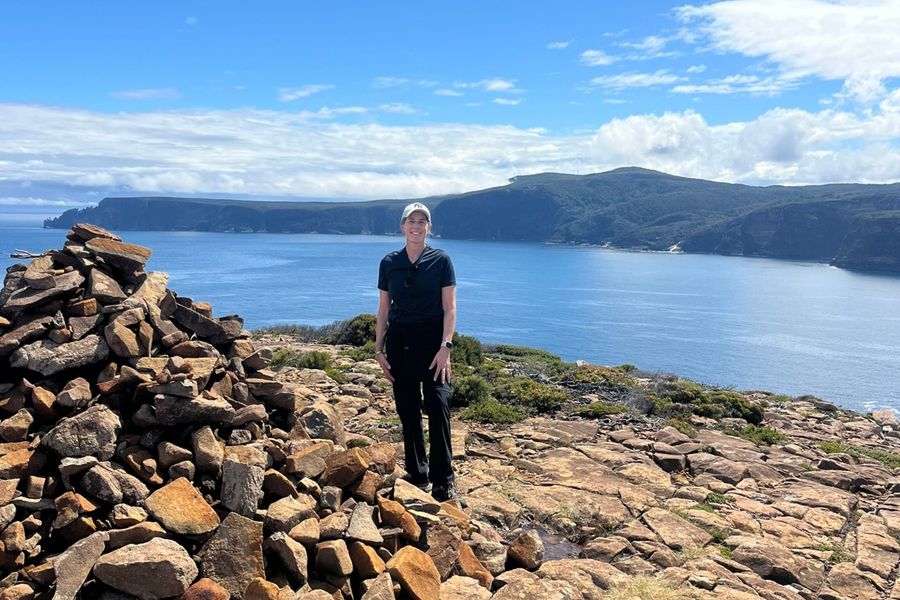
Hike Cape Raoul & climb Mount Brown via Crescent Bay for Cape Pillar and Tasman Island views
Explore Port Arthur Historic Site and Tasmania’s fascinating convict past
Wellness
Walk to the edge of the World & mean It. Move your body through ancient country that reminds you, gently but firmly, what actually matters.
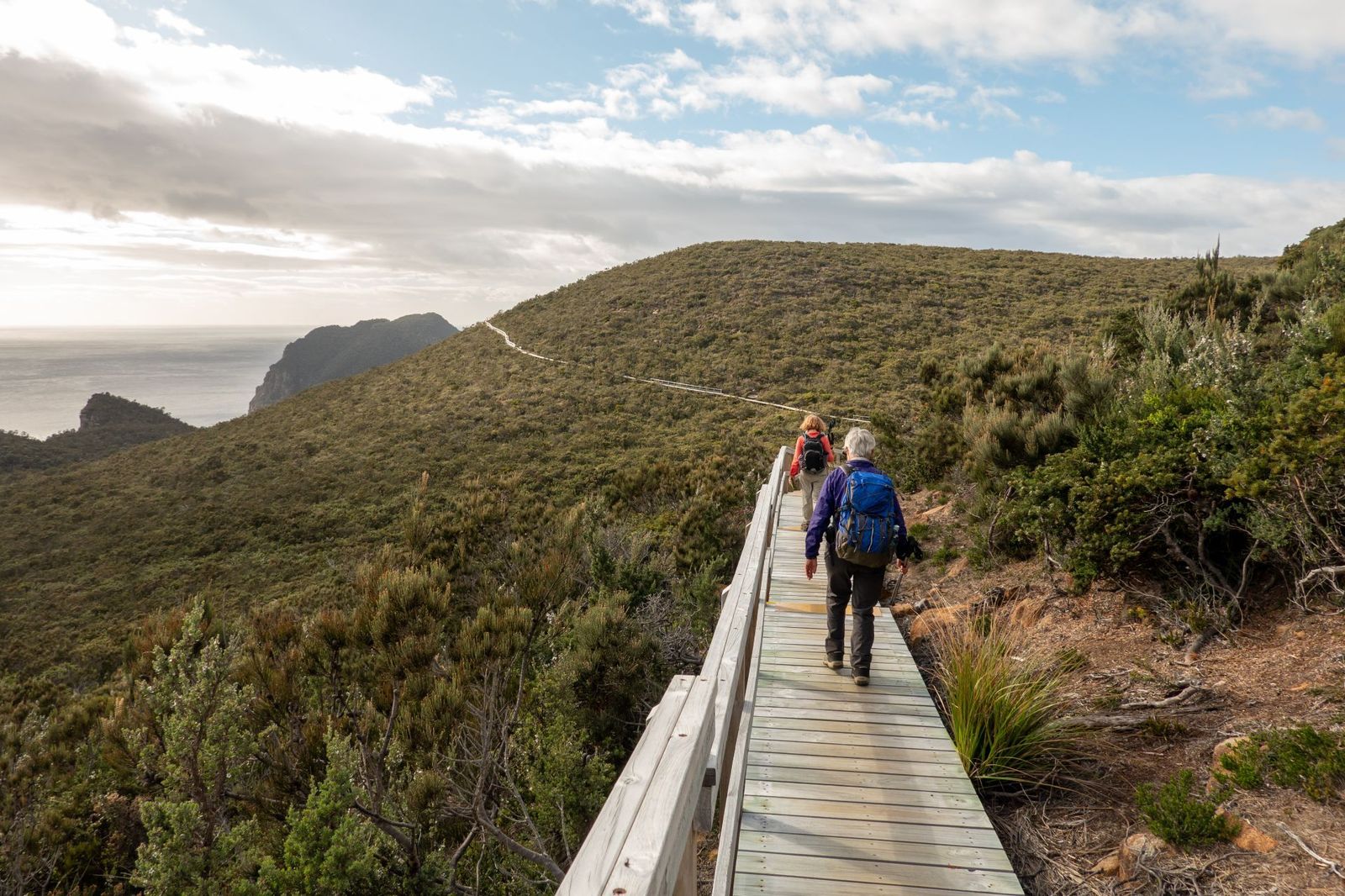
Walk wild. Sleep deep. Slow travel on moderate graded tracks and first-rate trails reward steady, active days outdoors
Return to the same accomodation for chef-prepared dinners and spa chalets
Nature
This is wilderness walking at its most elemental. Wander coastal heath to Remarkable Cave, Maingon Blowhole and Crescent Bay Beach.
See Australia’s highest vertical sea cliffs, sea stacks and offshore islands
Spot whales, dolphins, albatross and peregrine falcons above the Southern Ocean
What you'll eat
Chef Dinners
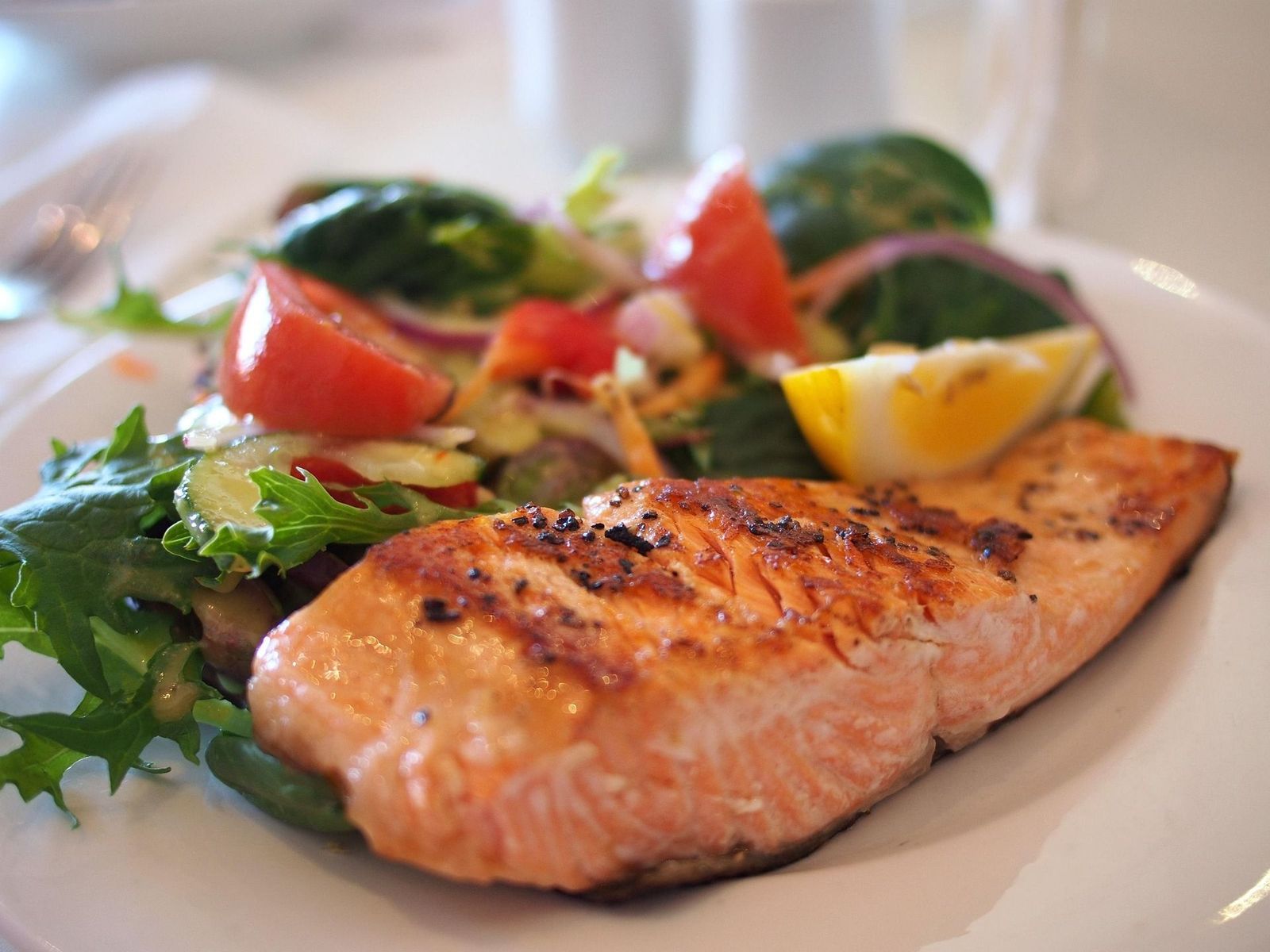
Two-course à la carte dinners after the trail, built around Tasmania’s produce
Hearty Breakfasts
Solid morning breakfasts before long coastal days on the Tasman Peninsula
Cool-Climate Wines
Tasmanian pinot noir and crisp whites suit the coast’s clean flavours
Where you'll stay
Spa Chalets
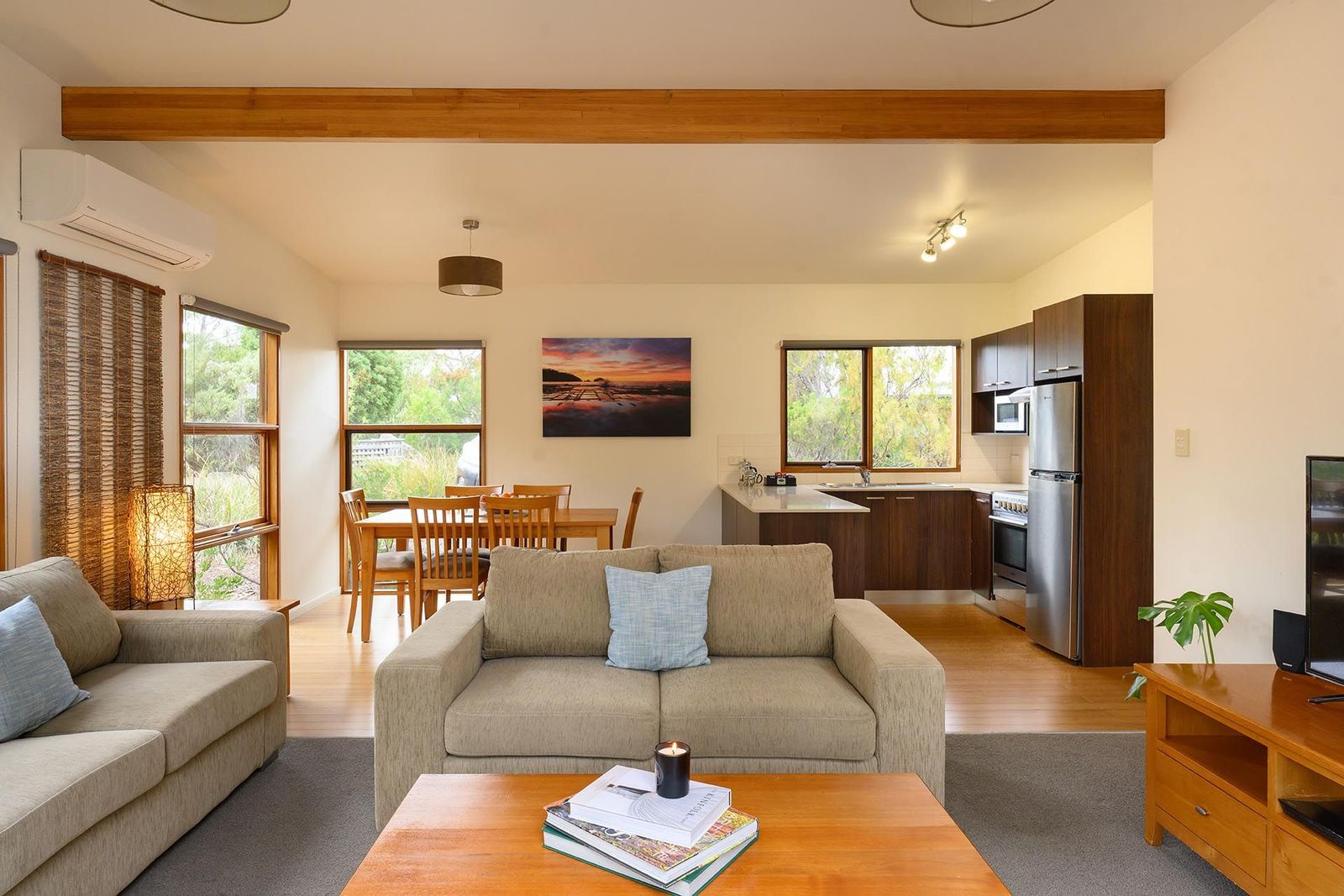
Spacious chalet stays with spa ensuites, private balconies and room to unwind
Ensuite Rooms
Comfortable private rooms make the walk feel easy at day’s end
Bay Outlooks
Some stays open towards the water, with broad views across the bay
How you'll travel
Daily Road Shuttles
Each day includes transfers to and from the trailheads
Luggage Shuttles
Your bags move ahead while you walk with only a daypack
Coastal Cruises
An optional three-hour boat trip reveals caves, cliffs and marine wildlife
Three Capes reviews
4.9
185 reviews
5 Star
172
4 Star
13
3 Star
0
2 Star
0
1 Star
0
LP
Louise P
September 2026
Very well organised, and we were very well looked after. The staff who transported us were beyond helpful, very polite and professional. The seamless process let us focus on our walk. The information packages that we were sent and the apps were also very helpful and informative. The views were outstanding, and it felt great to have made it. A huge shout out to Damien our transport guide who was amazing. Everyone we came across, from the driver, reception, and food operators, was so friendly and helpful.
JV
Jennifer V
September 2026
Everything was planned beautifully. Our drop offs and pick up, accommodation and all of our food. WE loved the boat cruise on the last day. The new team doing the transfers were amazing and always in contact. The food delivered by the chef was also brilliant, so we were not disappointed that the restaurant was closed on the Sunday and Monday (as we had been before travelling)
JN
Jessica N
July 2026
Wonderful destination, well organised, excellent accommodation and catering. Our driver was wonderful! As the only walkers that week (winter season), we had flexible drop-offs and pick-ups, and received a great deal of local knowledge during the drives. His personal experience of the walks was also insightful.
MO
Melissa O
June 2026
Our Auswalk holiday was so much fun! All the logistics and everything was taken care of which made it easy to relax and enjoy ourselves. The accommodation was outstanding and meals we superb. Highly recommend!
SS
Susanne S
May 2026
The Three Capes, Mt Brown and Port Arthur walking trip certainly exceeded our expectations. Some of the walking days provide challenges, but the views of the cliffs and geological formations are amazing, and well worth the effort. The delightful accommodation and high quality meals in the evening are the perfect way to bookend the day. We recommend this trip with Auswalk.
CD
Catherine D
May 2026
Damien Jones, our driver and guide, made contact prior to pick up and we were picked up at our departure point in the CBD on time and Damien was very friendly and helpful with luggage and advice. Entire trip went extremely well.
LS
Laureen S
May 2026
A great experience with fabulous, easy to follow trails and stunning views. The accommodation at Stewart Bay Lodge was wonderful and dinners at the restaurant were also a highlight! Definitely will be recommending The Three Capes with AusWalk to friends.
JW
Janet W
May 2026
Overall, it was a wonderful break, and I truly enjoyed the beautiful scenery and the welcoming atmosphere. Despite these few logistical points, the holiday was a great success, and the hospitality at the Lodge was a highlight. Thank you for a memorable stay!
LR
Libby R
April 2026
Everything was very seamless. The notes were very good. I found the first day with endless steps the least enjoyable.
BC
Belynda C
April 2026
Transfers were exceptional, bus would come early if we needed. Carmel and team from Dear Tasmania really looked after us. Everything was seamless.
JC
Jude C
March 2026
Well planned and organized. Marcus and Neil were great and helped make the walk enjoyable for everyone. At no stage were we put under pressure, never rushed and always kept well informed.
JR
Judi R
March 2026
The info pack had covered most questions I had. Everything was well organised. Our guides, Chris and Naomi were fabulous. Both were well organised, gave great briefings and were patient with the group. Very encouraging and with a great sense of adventure and humour. They obviously both love their job and worked really well together.
AW
Anthony W
March 2026
Chris and Naomi were excellent. Their cheerful enthusiasm combined with thoughtful efficiency meant that one could not get a better pair for this trip.
GH
Gail H
February 2026
Recently I completed the 4 day self guided Three Capes walk. My friend and I booked this walk through AusWalks and personally, I could not complain about anything. . AusWalks are so professional from the email and phone call through to the end .
The information package containing hike details , walk notes , accommodations, emergency numbers, packing list ,transportation and transfers were all in one place an extremely well put together in the package which was posted to me prior to leaving for my adventure.
I would like to thank and Congratulations the Auswalk team for organising my self guided hike of the Three Capes. I can highly recommend AusWalk for a seamless adventure experience. I look forward to organizing more adventures with this company (AusWalks)
GH
Gail H
February 2026
Recently I completed the self guided Three Capes walk. My friend and I booked this walk through AusWalks and personally, I could not complain about anything. . AusWalks are so professional from the email and phone call through to the end .
The information package containing hike details , walk notes , accommodations, emergency numbers, packing list ,transportation and transfers were all in one place an extremely well put together in the package which was posted to me prior to leaving for my adventure.
I would like to thank and Congratulations the Auswalk team for organising my self guided hike of the Three Capes. I can highly recommend AusWalk for a seamless adventure experience. I look forward to organizing more adventures with this company (AusWalks)
MW
Michael W
February 2026
Guides were great. Let all walkers walk at their pace and managed timing really well. Would highly recommend Rose and David as walking guides.
GM
Gary M
February 2026
A spectacular and enjoyable route, comfortable accommodation, great food a brilliantly guided. Rose & Dave nailed every aspect of the walk. Organisation & attention to detail & the best outcomes were outstanding. We have been lucky enough to do many multi day hikes with various companies in several countries over the last few years. Rose & Dave have been clearly the best guides we have had in that time.
TN
Tracy N
February 2026
Everything was fantastic. Better than I had hoped. Best guides I've ever experienced. Dave and Rosie are so knowledgeable, helpful, kind , experienced, fun, very organised. They were always busy caring for all of us
AM
Anne M
February 2026
Rose and Dave were superb. Attention to detail was impressive.
PC
Paula C
February 2026
Knowledgeable and personable Guides, who regularly checked in with walkers, coupled with magnificent scenery, excellent food and lodgings, made for a fabulous four days of walking and adventure.
MT
Martin T
February 2026
The trip delivered exactly what was promised and more, with quality of food and accommodation particular surpassing expectations. Guides were all exceptionally knowledgeable, friendly and caring. They also worked very well as a team. The walking routes were well selected and not much option for variation.
KB
Katrina B
February 2026
We were incredibly impressed with everything relating to this trip, from your online booking process to pick up from hotel to checking into accommodation and doing the walk. Amazing support for pick up and drop offs each day. The trip was just sensational and the walking routes were exactly in the correct order for us. Customer Service by all touch points has been incredible and we will definitely be booking again with you Auswalk and recommending to family/friends.
MB
Meagan B
February 2026
We loved the route, the accommodation and food was extremely high quality. Such a great decision to walk and explore this way. Comfy accommodation, convenience, cuisine top notch, pack free, everything taken care of. Would highly recommend travelling and exploring this way. We had a girls trip and completed The Three Capes and loved every moment.
DP
David P
February 2026
Great walks, great guides, food and accomm was very good. Guides Kathleen and David were absolutely fantastic. Really looked after the walkers. Lots of info on fauna and flora delivered along the way. Highly recommended.
CS
Colleen S
February 2026
Although I was unable to walk, I cannot have been happier with the organisation. From the time we were picked up in Hobart by the wonderful Carmel, to the accommodation, restaurant, lunches provided (I was still eligible for these) and our return trip back to Hobart.. Nothing was too much trouble. I was able to walk on the beach and around the coast to the Heritage site, and into the little general store. I am very glad I did not cancel my trip and can recommend this company for their organisation
LM
Leanne M
February 2026
Thank you Auswalk for a seamless walking holiday. We really enjoyed our stay at Stewarts Lodge each night. Cabins were warm and bed very comfy. Food was delicious for breakfast and dinner and lunchpack was such a bonus. I had a spa bath every day after walking and the lodge provided Epsom salts. The Three Capes Walks were out of this world. It was like being in Jurassic Park when you finally make it to Cape Raoul. The wilderness cruise at the end was a highlight as we saw a pod of 1,000 dolphins and so many seals. The view from the water of the capes makes you realise how far and high high you were walking on the edge of Tasmania.
AK
Annette K
February 2026
Our two guides Neil and Naomi were amazing! experienced, well prepared, knowledgeable and loads of fun. They were thoughtful and considerate of each guest's individual needs and ensured we all had a safe, fun and truly memorable trip. Everything went well and exceeded our expectations.
CP
Caroline P
February 2026
We had a fabulous 4 day trip to the 3 Capes. The three walking days were each splendid in their own way - great scenery, varied walking experiences, each day was totally different. Then this was topped off with the wilderness cruise, enabling us to see some of what we'd walked from the water. And the accommodation was first class. I would highly recommend it.
CP
Caroline P
February 2026
We had a fabulous trip to the 3 Capes. The three walking days were each splendid in their own way - great scenery, varied walking experiences, each day was totally different. Then this was topped off with the wilderness cruise, enabling us to see some of what we'd walked from the water. And the accommodation was first class. I would highly recommend it.
KC
Kelly C
January 2026
From the moment we got up in the morning, until the time we went to bed, all we had to do was walk. Auswalk took care of all our transfers, accommodation and meals, we even had our favorite coffee arrive as soon as we sat down to breakfast! There's no turning back now (sleeping in tents) Auswalk, we will be back!
JF
Jacqui F
January 2026
We had a terrific 4 days doing the Three Capes as a family. Accommodation was great (loved our water views) and the food was amazing. We were rewarded (after some pretty long walks) with fabulous coastline and capes each day. The info pack and app were terrific. Liked the lunch pack and spoon arriving in the post as well. Thoroughly recommend!
JF
Jacqui F
January 2026
We had a terrific Three Capes walk as a family. Accommodation was great (loved our water views) and the food was amazing. We were rewarded (after some pretty long walks) with fabulous coastline and capes each day. The info pack and app were terrific. Liked the lunch pack and spoon arriving in the post as well. Thoroughly recommend!
SK
Stephanie K
January 2026
Wonderful experience- would highly recommend. The restaurant staff at Stewart Bay Lodge were excellent- we had food requirements and they worked so well around it. Damien our guide was kind and knowledgeable.
EB
Elizabeth B
January 2026
Our guides Neil and Naomi were excellent and catered for every level of ability. They gave great briefings which guaranteed an enjoyable time for all participants.
AC
Audrey C
January 2026
Brilliant walks. Very well arranged and Auswalk very accommodating to two of our party that physically were only capable of one of the walks.
JS
James S
January 2026
Great walks, great accommodation and all all round great experience. Loved our time in Tassie and getting to know other walkers sharing the experience.
SK
Susan K
January 2026
The guides were terrific. They knew the area well and adjusted walks according to the weather and/or group wishes. They provided flexible options each day and helped the people who needed it. They were also good fun!
GY
Gayle Y
December 2025
Auswalks took out all the stress and worry for organising this hiking adventure. We had seven in our group and everything was so easy. Everything was so smooth with restaurants, Port Arthur, the wilderness cruise. The weather was perfect as well for the entire hike.
S
Shahleena
December 2025
Kathleen and David were golden and really the heart of the whole experience. They were pivotal to the amazing experience I had. Their local knowledge, infectious personalities and passion were what made us do special.
DB
Deanne B
December 2025
Guides were amazing they looked after everyone very well, I cant wait to book another one.
CS
Christine S
December 2025
This was one of the best experiences I have ever had! The walks were terrific, views stunning and there was not a fault to be found in any of the trip. Everything from our driver, quality of food, amazing accommodation, I felt like a celebrity it was so impressive! Every staff member we encountered was excellent.
JF
Jim F
December 2025
The itinerary and the order of the walks were amazing, the boat trip at the end tied it all together. Stewarts Bay Lodge was terrific and the food and the service at their restaurant was outstanding.
MP
Michele P
December 2025
Our guides were fantastic. They made sure everything was organised and easy for us in regard to preparing for our walks . After the walk there was always snacks and the organisation for dinner was a breeze.
KJ
Kathy J
December 2025
We were extremely lucky with the weather on this trip, it was great. Our guides were professional, very friendly, had time for everyone, and very knowledgeable about all of our hikes.
KL
Kathryn L
December 2025
We had the most amazing time doing the 3 Capes Walk & AusWalk were excellent with all aspects of organising it.
CM
Carley McG
December 2025
My Auswalk Three Capes Hike was wonderful. Great hike with spectacular scenery, beautiful accommodation and yummy food. Our transfer transport man Damian was superb !
AM
Annette McN
December 2025
Fantastic walk and scenery. Stuart Lodge was a very comfortable lodge and the food superb. Guides were very good, knowledgeable about the area, botanicas and geology. David in particular was very helpful and obliging.
AM
Annette McN
December 2025
Fantastic walk and scenery. Stuart Lodge was a very comfortable lodge and the food superb.
RM
Robert M
November 2025
The scenery was spectacular or even better than our expectations, the guides were excellent, accommodation very comfortable and the dinners first class.
RM
Robert M
November 2025
The scenery was spectacular or even better than our expectations, the accommodations are very comfortable and the dinners first class.
LS
Lizzie S
November 2025
Great walks (Flinders and 3Capes), well organised with less challenging options that do not compromise experience or engagement. Excellent information on preparation and booking. Excellent guides and accommodation. Thoroughly recommended.
LS
Lizzie S
November 2025
Great walks (Flinders and 3Capes), well organised with less challenging options that do not compromise experience or engagement. Excellent information on preparation and booking. Excellent accommodation. Thoroughly recommended.
KG
Kat G
November 2025
Our driver was awesome. Always on time & got us to departure points promptly. It was my first big walk/hike so I don't have anything to compare it with. Tasmania is stunning! Entire walk went extremely well.
ML
Martin L
November 2025
These walks were both challenging and satisfying, and with a touch of luxury at the end of each day.
RM
Robert M
October 2025
Excellent! Transport (Damien Jones) was punctual and informative. The 'stop' to buy lunch worked well and arrival at the 'trail head' gave us ample time to complete the Day 1 walk.
LM
Laurel M
October 2025
A wonderfully exhilarating opportunity to spend time with my 77yr old Dad in a beautiful part of Australia, thinking of our fortune to be there, as well as other words like endurance, perseverance, and achievement.
LW
Louise W
October 2025
It was all seamless - the transport was always on time and communicated clearly with us about pick up arrangements. Everything went extremely well.
FM
Frank Michael D
October 2025
Love the App that was provided!! The walk we did was great , especially the waterfall bay section, we enjoyed this section the most. If there are more sections like this please add them to the itinerary. Overall a fabulous walk, well organized and the service provided by Auswalk was superb. The pick ups at the end of the walks were spot on, the drivers were polite and knowledgeable.
RM
Robyn M
October 2025
Three Capes with Auswalk exceeded my expectations. Transfers, hiking notes, maps, accommodation and meals were all of the highest standard.
AM
Andrew M
October 2025
Three Capes and the Tasman Peninsula walk was fabulous. We thoroughly enjoyed the walks, the accommodation, the food, the brilliant guides, and the company of the other walkers. Our guides, David and Kathleen, turned a great experience into a brilliant one. It felt like we were walking with life long friends. They ensured everything , every day, went like clockwork. All with an infectious and happy demeanor.
AM
Andrew M
October 2025
Three Capes and the Tasman Peninsula walk was fabulous. We thoroughly enjoyed the walks, the accommodation and the food.
SB
Sally B
October 2025
The Three Capes and Tasman peninsula is a stunning location. The walk was very well organised and the accommodation and food were fantastic. David and Kathleen did a great job and I thoroughly enjoyed having them as guides. Foods were of excellent quality.
SB
Sally B
October 2025
The Three Capes and Tasman peninsula is a stunning location. The walk was very well organised and the accommodation and food were fantastic. Foods were of excellent quality.
AB
Amy B
October 2025
Was challenging but beautiful, well described in the detailed notes. Kathleen and David were outstanding guides on the Three Capes trip. Kathleen was inclusive, thoughtful, and brought great energy to the group, ensuring everyone felt welcome and supported. David enriched the experience with fascinating stories and insights, adding depth to each walk. Both demonstrated strong leadership and experience, keeping all participants well-informed and engaged throughout. They managed group dynamics with care and professionalism, creating a cohesive and enjoyable environment for all. This was especially appreciated as a solo traveller.
AB
Amy B
October 2025
Was challenging but beautiful, well described in the detailed notes. Excellent walk overall.
AM
Andrew M
October 2025
Three Capes and the Tasman Peninsula walk was fabulous. We thoroughly enjoyed the walks, the accommodation, the food, the brilliant guides, and the company of the other walkers.
LM
Leah M
October 2025
This was my first ever walking touring and I wasn't really sure what to expect. I loved it so much. The guides were amazing. They ran everything so seamlessly. As a busy mum, I can't even begin to explain how wonderful it was to completely check out and trust them. They were brimming with personality and made everything so much fun. Plus, they were always flexible and accommodating.
AM
Andrew M
October 2025
Three Capes walk was fabulous. We thoroughly enjoyed the walks, the accommodation and the food.
LM
Leah M
October 2025
This was my first ever walking touring and I wasn't really sure what to expect. I loved it so much.
DB
David B
October 2025
Our guides were awesome, caring, nurturing and very knowledgeable.
MK
Marsha K
October 2025
The walks were amazing but i expected them to be amazing.
Something that i hadn't given a lot of consideration to was the accommodation and food. The accommodation was lovely and welcoming and warm and the location and outlook was spectacular BUT the unexpected star of the show was the FOOD!!!!!!!!!! We were absolutely blown away by how amazing the food (and service) was 10/10 for every meal - breakfast lunch and dinner!!! Well done Stewarts Bay Lodge restaurant!!!
VM
Vicki M
August 2025
From the interaction with the booking staff, the information package provided, the excellent accommodation and the professional and friendly guides it was beyond our expectations. A challenging yet diverse adventure. It was our first time with long and consecutive bush walks and although there were some challenges it was a wonderful experience
VM
Vicki M
August 2025
From the interaction with the booking staff, the information package provided and the excellent accommodation, it was beyond our expectations. A challenging yet diverse adventure. It was our first time with long and consecutive bush walks and although there were some challenges it was a wonderful experience.
PM
Peter M
June 2025
Highly recommend 3 Capes walk with Auswalk, everything was well organised and as stated , the guide and information pack was exactly what we found. The scenery was spectacular - a great 4 days. All we had to do was walk and enjoy!
PM
Peter M
June 2025
Highly recommend 3 Capes walk with Auswalk, everything was well organised and as stated , the guide and information pack was exactly what we found. The scenery was spectacular. All we had to do was walk and enjoy!
AT
Adriana T
May 2025
Loved every minute of the walk . Food was fantastic, guides amazing ? Accommodation was wonderful and comfortable. Loved the cruise! Got to see a 300 dolphin pod !
RP
Rob P
May 2025
Kathleen and David were wonderful guides. Very enthusiastic and knowledgeable, they went above and beyond to get to know the walkers and make the experience as enjoyable as possible for all of us. The combination of the walks and the rest day, with the boat trip and Port Arthur visit, worked well. The walk lived up to all our expectations, excellent quality.
TC
Tony C
May 2025
Auswalk again provided a fascinating itinerary with their Three Capes Walk. The Tasman Peninsula is a wonderful part of Australia, and the spectacular coastline and scenery is well worth undertaking. The support/services provided was first class. We would highly recommend both Auswalk and their programs.
RP
Rob P
May 2025
The walk lived up to all our expectations. Foods too were off excellent quality.
LB
Lisbeth B
May 2025
Auswalks organisation was perfect. Accommodation was lovely in a perfect location. Transfers to and from walks was seamless and walks were well signed and amazingly beautiful. A great experience all round that we can only highly recommend.
MC
Maree C
May 2025
The two guides were excellent with a good balance of knowledge and friendly team Communication. They made every effort to ensure all of the people were looked after.
SP
Sue P
May 2025
Lucky to have good group of main walkers, excellent weather . The accommodation was fantastic, as was the food . Such a pleasure to return after long walk! The ‘rest’ day with boat trip and Port Arthur made for well balanced holiday. Auswalk continues to provide a wide range of active holidays in different locations. Opportunities for challenging walks and complete holiday - always with convivial company.
MB
Marnie B
May 2025
The walk was organised so well - the transport, details of our walk (happy to change order of walks to suit our schedule), food and accommodation was excellent.
SP
Sue P
May 2025
Excellent weather . The accommodation was fantastic, as was the food . Such a pleasure to return after long walk! The ‘rest’ day with boat trip and Port Arthur made for well balanced holiday. Auswalk continues to provide a wide range of active holidays in different locations. Opportunities for challenging walks and complete holiday - always with convivial company.
MB
Marnie B
May 2025
The self guided walk was organised so well - the transport, details of our walk (happy to change order of walks to suit our schedule), food and accommodation was excellent.
JN
Jacqui N
May 2025
Auswalk took care of everything. We have very busy lives and it was so nice to be taken care of for a change! Everything was thought of, and we felt like VIPs everywhere we went. Thank you so much!
SS
Sally S
May 2025
The chance to walk in this beautiful area of Australia without having to sweat the details, of transport, food and accommodation was great. The food at the Stewart Bay restaurant was a highlight for the young people in our group. The views and the variable terrain were a highlight
EM
Elizabeth M
May 2025
Auswalk are great, really good on communication, and you feel well supported through out your self guided walking tour. The accommodation is excellent and the meals delicious and of a high standard.
SH
Serena H
April 2025
The Three Capes walk (4 day self-guided) was glorious and an excellent choice for families who like to walk together. Shout out to our excellent driver (Damien Jones) who made the experience very smooth, and many thanks to Auswalk for keeping us so well organised, including with the handy app. We had a wonderful holiday, and would do it again in a heartbeat.
SH
Serena H
April 2025
The Three Capes walk was glorious and an excellent choice for families who like to walk together. Shout out to our excellent driver (Damien Jones) who made the experience very smooth, and many thanks to Auswalk for keeping us so well organised, including with the handy app. We had a wonderful holiday, and would do it again in a heartbeat.
K
Kathy
April 2025
Communication with Auswalks was efficient and answered all our queries. Transfers, accommodation and meals were all 5 star.
NB
Nancy B
April 2025
Great walks. Very well organized, excellent service, accommodations and food
LM
Lisa M
April 2025
We were collected from Hobart by Tarin. He was fabulous, the car was luxurious and he gave us a running commentary on historical points along the way to the first drop off point. Nothing was too hard for him, including toilet breaks (even though it wasn't far) and even took us to see some seals. Tarin provided a water bottle for each of us also. We enjoyed the trip immensely, the lodge was fabulous, staff friendly and the food great.
KS
Karen S
April 2025
We started at Stewarts Bat Loge, pick up from there to first cape worked well
MS
Melanie S
March 2025
You couldn’t have made it any better! Everything from start to finish was perfect!
The communication, organisation, transport, accommodation, food was 10/10!
AR
Andrew R
March 2025
The Stewart Bay lodge was a fantastic base to come back to each night and the meals and provisions from the restaurant were first class. All staff we dealt with were incredibly friendly and helpful.
MW
Margaret W
March 2025
The walk was wonderful - the routes were challenging and completing them felt like an accomplishment. The scenery was spectacular and the routes allowed us to take full advantage of them. The guides were excellent. It was the first time my husband and I have done an organized walk, and we plan to do more. Spending a few days with a group of friendly companions was delightful and added to the interest of the journey. Auswalk, you do a great job!
J
Jodi
March 2025
Food was of excellent quality. The guides were excellent too and made it very enjoyable.
MW
Margaret W
March 2025
The walk was wonderful - the routes were challenging and completing them felt like an accomplishment. The scenery was spectacular and the routes allowed us to take full advantage of them. It was the first time my husband and I have done an organized walk, and we plan to do more. Auswalk, you do a great job!
LA
Liane A
March 2025
The guides Kathleen and David were fabulous, they had things running like clockwork and great caring people and lots of fun to be with. I cant thank them enough .
RM
Rosey M
March 2025
This is a great trip with magnificent scenery.
TP
Tina P
March 2025
Phenomenal trip. Tasmania has so much to offer: great hiking, food, wine, and company with Auswalk!
JA
Judy A
March 2025
The guides were excellent and made it very enjoyable
GT
Gillian T
March 2025
We were collected in Hobart by the fabulous Damien. Everything went super smoothly.
LB
Libby B
March 2025
The entire walk went extremely well. We appreciated the Stewart Bay Lodge - its position and meals.
CB
Candy B
March 2025
We would all agree that everything was perfect. The accommodation was lovely and it worked out really well to have the meals delivered to us for the first 2 nights as we were very happy to stay in the room and eat. The restaurant dinner was great. The lunches and snacks from both the restaurant and the meal delivery and the pick up on the first morning were all fabulous. The App was great. We all enjoyed finishing off with the boat ride. It was great to see the Capes from water, also very informative and Damian was fantastic. He was very willing to share local information and give an insight on the day's walk. I would highly recommend Auswalk to anyone. The information before the hike was great and everything was seamless during the walk. Auswalk took care of everything to a very high standard.
LG
Lizette G
March 2025
My sister and I walked with Auswalk in Tasmania during March 2025. It was an absolutely wonderful experience. They were so well organized and we could not fault them in any way. Our accommodation at Stewards Lodge and the food was outstanding and far exceeded expectations. Just go ahead and book, you won’t regret it!
JT
Jyoti T
March 2025
Everything ran smoothly. Guides Katie & Georgie were fantastic and were always punctual.
JT
Jyoti T
March 2025
Everything ran smoothly. Entire walk went extremely well.
DF
David F
February 2025
The entire walk went extremely well. Georgia and Katie were both excellent guides. We were very happy with their explanations and support on the walks.
CL
Cheryl L
February 2025
Both guides were excellent very organised and kept everyone moving and on time.
CD
Cate D
February 2025
The guides were great. Kept an eye on everyone. I got overheated on the first day they were quick to help and get me sorted and going again.
JW
Julie W
February 2025
Our trip went extremely well. The dept point process was very easy - our driver Damien Jones was great. Can I please recommend him highly. It was great to have the same driver each day and his local knowledge was really helpful.
CA
Catherine A
February 2025
All worked well with transport from Hobart and picking lunch up on the way. Carmel very relaxed and informative. The food at Stewart’s Bay Lodge was fantastic and a highlight for us.
SM
Sue M
February 2025
The transport was very convenient. I was enlightened to complete the Three Capes hike, after 11 months of Physio and determination, to achieve the goal of hiking. At first the road was slow, with a fracture of the femoral condyle. The Capes is just the beginning of many adventurous hikes.
LT
Lorna T
February 2025
The walks were very well marked and we had looked at the app and read notes prior.
AB
Andrea B
February 2025
All very well planned & organised. It made our trip by not having to organise anything.
LW
Lynda W
February 2025
The Auswalk guided Three Capes was excellent. The organisation and communication from the initial booking until the end was very clear and thorough. The guides Chris and Bec were great - caring, informative and fun. The SBL was very comfortable and the food was delicious.
LW
Lynda W
February 2025
The Auswalk Three Capes was excellent. The organisation and communication from the initial booking until the end was very clear and thorough. The SBL was very comfortable and the food was delicious.
TP
Terry P
January 2025
This spectacular part of the Tasmanian coastline met all our expectations. Well organised by Auswalk with excellent guides who truly helped us get the most from the experience. Highly recommended.
TP
Terry P
January 2025
This spectacular part of the Tasmanian coastline met all our expectations. Well organised by Auswalk. Highly recommended.
LH
Lisa H
January 2025
Doing the big walk in the middle and finishing with an easier one to Cape Raoul worked really well for us. We can't recommend the accommodation or the restaurant highly enough. The transport was also excellent. And finishing off with Port Arthur was just perfect. All the pre-info and backup support from Auswalk was exemplary. We felt safe and confident we were in good hands.
RM
Ruby M
January 2025
Cannot fault a single thing about our trip. It was fabulous, seamless and beautiful. The Three Capes were spectacular and everyday was interesting and unique. Would highly recommend Auswalk.
LD
Lynn D
January 2025
Chris & Bec were absolutely fabulous- informative, professional & fun. They remembered to check in on our wellbeing & any blister protection every break .
Can’t recommend them more highly .
MC
Max C
January 2025
The entire trip went very well. Perfectly coordinated. Pickup, food and transfer instructions
EC
Eugene C
January 2025
SBL has one of the best meals in Tasmania! We really look forward to the meals especially Breakfast and dinner! Views were spectacular and walks moderate. Entire trip went very well.
MB
Michelle B
January 2025
This was my first Auswalk adventure and it was fantastic. All the details were taken care of and then some. And who doesn't love pack free walking. Our two guides, Katie and Georgie were great - they really looked after us. The accommodation and meals at Stewarts Bay Lodge were excellent. I will definitely travel with Auswalk again.
RC
Ren C
January 2025
Our AusWalk experience was fantastic. It took a lot of the stress and guess work out of the planning, but the best surprise of all was how much we enjoyed our driver/guide Damien Jones - he really added a lot of great insight, history, and anecdotes to every day of our walk, and made things feel absolutely seamless start to finish. Beautiful walks and a great experience the entire time.
MB
Michelle B
January 2025
This was my first Auswalk adventure and it was fantastic. All the details were taken care of and then some. And who doesn't love pack free walking. The accommodation and meals at Stewarts Bay Lodge were excellent. I will definitely travel with Auswalk again.
JJ
Julie J
January 2025
The walk went very smoothly. The accommodation was good( loved the onsens!) and the food plentiful and delicious.
SF
Sharyn F
January 2025
This was by far one of the most well organsied walks we have done. On top of that the transport and accommodation were absolutely fantastic. Even though we were walking, I'm sure we put on weight with the amount of lovely food that was served to us during our stay.
MD
Martin D
January 2025
The timing was seamless, food and accommodation above expectations.
PD
Patricia D
December 2024
Our guides, Kate and Georgie were just fantastic, helpful, knowledgeable and really nice girls. The accommodation was very comfortable, everything was organised very well. The food was really nice, the lunches, the snacks provided each day meant we did not go hungry at all. Communication was great.
PD
Patricia D
December 2024
The accommodation was very comfortable, everything was organised very well. The food was really nice, the lunches, the snacks provided each day meant we did not go hungry at all. Communication was great.
SW
Sally W
December 2024
Right from the first contact with Auswalk to the completion of our trip, we were very well informed and we had everything we needed. The accommodation and meals were amazing. Wouldn't change a single thing! Thanks Auswalk ?
JA
Jo A
December 2024
The programme of walks worked well with a 'rest day 'after the long walk on day two, when we went on the boat and visited Port Arthur. These are great additions to the schedule. Georgie and Katy were great and worked hard to accommodate a group with varying fitness levels.
MH
Melissa H
December 2024
Our experience with Auswalk for the Three Capes Walk in Tasmania was amazing. Everything was well organised and the transfers, the accommodation and meals were first class. We would recommend their services and thank them for a very memorable and wonderful trip.
JA
Jo A
December 2024
The programme of walks worked well with a 'rest day 'after the long walk on day two, when we went on the boat and visited Port Arthur. These are great additions to the schedule.
MH
Melissa H
December 2024
Our experience with Auswalk for the Three Capes Walk in Tasmania was amazing. Everything was well organised and the self-guided tour, the transfers, the accommodation and meals were first class. We would recommend their services and thank them for a very memorable and wonderful trip.
SF
Samantha F
December 2024
Georgie & Ian were fabulous guides. They were well organised, good humoured and provided us a great launching pad for discovery.
SL
Sam L
December 2024
Excellent. Everything was organised for us which made the experience so much better. The accommodation was brilliant and the dinners were exceptional
SL
Sam L
December 2024
Excellent. Our driver, Damien Jones, was very friendly and informative, and the supplied lunch was much better than anticipated.. Everything was organised for us which made the experience so much better. The accommodation was brilliant and the dinners were exceptional
RS
Richard S
November 2024
Fantastic holiday. Communication was excellent throughout and very informative.
RS
Richard S
November 2024
Fantastic holiday. Communication was excellent throughout and Damien, who looked after all our transfers, was excellent and very informative.
ST
Susan T
November 2024
Our trip went extremely well. Guides were great and especially informative about the local flora and geology. Really appreciated their focus on healthy snacks. Due to the weather 1/2 our group did the shorter version on day 2 which was a wonderful alternative. Foods were of excellent quality and I am very keen to do the self guided Queen Charlotte with an added rest day next October. Lord Howe and Flinders island.
ST
Susan T
November 2024
Our trip went extremely well. Due to the weather 1/2 our group did the shorter version on day 2 which was a wonderful alternative. Foods were of excellent quality and I am very keen to do the self guided Queen Charlotte with an added rest day next October. Lord Howe and Flinders island.
D
Dizzy1234
September 2024
We had such a great experience with Auswalk Walking Holidays for our recent Three Capes trip. Everything was exceptionally well organised. Our guide and driver, Damian was very helpful and knowledgeable - having the local expertise made the trip even better than possible. We had three most amazing walks and being collected in a timely manner, than back to the accommodation for wonderful meals made it so much easier.
Will definitely be booking Auswalks again.
LD
Lyn D
September 2024
My friend and I hiked the 4 day Three Capes self guided hike in Tasmania. Auswalk organised everything from transfers from Hobart, accommodation, all meals and a marvellous young man to liaise and look after anything we required.
This was a fantastic experience that was well organised. It was terrific value and I could not rate it more highly Lyn
S
Sofie
May 2024
It was exceptionally planned and we were thrilled with the organised days. Walking route recommendations were excellent. Great organisation, seamless communication with transport, great tracks and fabulous walking ??
RD
Rob Davis
April 2024
Amazingly well organised walking holiday. Would definitely recommend Auswalk to anyone considering a big hike without the hassle of carrying a pack. Loved the accommodation and restaurant meals. Would definitely book again! Thank you!
JP
Julia Pinfold
April 2024
Excellent, well organised hiking tour of a beautiful location. No hassles at all.
GG
Glenda Galante
April 2024
Our accomodation was delightful. Drivers were all lovely, friendly people. The walks were challenging but rewarding.
SM
Stephen M
January 2023
This was my first hiking holiday and I loved it. The 3 capes in Tasmania is amazing. Auswalk made the whole process extremely easy. We were picked up and dropped off at our accommodation in Hobart by Damien, Damien also took us to all 3 of the walks. He is from the area and has done all the walks, so he knows the area and walks very well. all 3 walks were beautiful, but my favorite walk was from Waterfall Bay to Fortescue Bay. It is about 17klm's and took approx 7-8 hrs. It is the least walked and therefore the track is not as clear and more overgrown, but it is clear enough not to get lost. In the first 3-4 hrs we only saw one other group of 3. the landscape changes frequently and the views of the coast are amazing. even though the track is a lot more Rugger'd, for me that made it more appealing. will definitely be going back to this walk. Cape Hauy walk was the shortest but the most physically challenging due to all the stairs and the lack of shade towards the end. Be sure to have plenty of water for this one, again it's well worth it with the stunning views during and at the end of the walk. Our last walk was to Cape Raoul and although this was also about 15-17 klm's I found the walk to be the easiest. The track is well made and although its hilly the grade is not as steep as Cape Hauy. like the first walk I mentioned the landscape also changed quite a lot with this one as well. Auswalk put us up at Stewarts Bay Lodge. The accommodation and the restaurant were amazing with good food and great staff. Highly recommend this holiday.
ST
S T
January 2023
The views in the three capes walk was amazing.Auswalk team and the Transfer team did a great job organising so welcoming. Accommodation at Stewart Bay lodge was spectacular as was the restaurant food . Great experience Thankyou
LR
Laraine R
January 2023
I did Auswalk’s Great Ocean Walk (guided group walk) earlier this year and enjoyed it so much that I was eager to try another one. I really wanted to go to Tasmania, but no guided walks were available at the time that suited me, so I decided to go on my first self-guided walk… and I am so glad I did!
From the moment I booked the walk, everything went very smoothly. I received regular update emails and when my parcel of goodies arrived, I found everything very easy to follow. A couple of things came to mind as the departure date approached, and because of the friendliness of the Auswalk staff, I felt very comfortable making inquiries.
Brian and Jim, the drivers from ‘Tasman Travel’ who transported me to begin my walk and travel back to my accommodation each day, were outstanding. They were friendly and courteous, answered my questions, gave me much interesting information due to their local knowledge (eg asked if I wanted to stop at the Chocolate Factory on the way home and taste some free samples, which I certainly did and made some purchases!), allowed me to change my pick up time if it didn’t interfere with other bookings and made suggestions about places I might like to visit that were near my accommodation.
The accommodation was clean, comfortable, provided wonderful views and the staff were pleasant and helpful. The breakfasts catered for all tastes, the packed lunches were very generous and the dinners offered several choices.
The walks were magnificent! I found the Walk Notes to be detailed and easy to follow and although I was on my own and there were stretches of time when I saw no-one else, I was always confident about where I was because I frequently reached a natural landmark or human-made structure/sign mentioned in the notes. Except for one section where I took many photos, I found that I was roughly around the midpoint of the time allocation, so I felt they were accurate. There were some challenging sections which I was prepared for, and I always felt safe. The Epirb was not even close to coming out of my backpack but it was good to know it was there.
I really enjoyed the huge variety of plant life, the animal life, the stunning views – forests, scrubby vegetation, water, cliffs (particularly the dolerite cliffs which I had never seen before) from various levels, and the signs of conservation work so that these areas will be protected for future generations. I LOVED every part of this walk and highly recommend it.
LJ
Lisa J
August 2022
After years of planning hikes and carrying my own sleeping gear and food it was total luxury to go on a guided hike staying in well appointed accommodation with all food provided, knowledgeable guides, hiking in a world class natural environment. A true holiday for a working Mum with young children.
MO
Mardi O
August 2022
A wonderful way to explore the Tasman Peninsula and the beautiful scenery it offers for those of us that love to walk but are keen for a warm shower, comfy bed, lovely meal & a glass of wine at the end of each day of hiking.
CN
Christine N
August 2022
Thanks to Kathleen and David for all the fun, expert care and professionalism. What a talented team!
AC
Alison C
August 2022
Absolutely loved the 3 capes walk. The divine scenery and diverse vegetarian on each of the walks was stunning. Our guides Rose and Merrill were fantastic - very knowledgeable and they worked hard to make sure each and every one of us was looked after and had a good time
KD
Kym D
August 2022
Bec and Georgie did a fantastic job in our guided walk, sharing points of interest and keeping all the group in high spirits with lots of laughs.
SJ
Steven J
July 2022
What a wonderful experience we had! From start to finish the walk was so well organised. The guidebook for the walk was super accurate, easy to follow and it made the day's planning a breeze. The pickups and drop-offs were very flexible and helpful with suggestions and advice. Accommodation was first rate and the food was fantastic and plentiful. We loved every minute of our experience with Auswalk.
AO
Amy O
July 2022
I had a great time on the walks. Thanks!
MR
Michael R
July 2022
Our guide Heather Henri exceeded our expectations. The Stewarts Bay lodges were excellent The restaurant staff and food was brilliant The 3 hour Pennicot Wilderness cruise was fantastic
SM
Sally M
July 2022
We loved our adventure! The first day was a bit rushed as it was wet and we changed to Cape Rauol but it just went up from there! The scenery was spectacular, the accommodation and meals fabulous. We enjoyed being able to walk over to Port Arthur but didn't know it closed at 5pm. The boat trip was the perfect conclusion - seeing from water level where we had walked - just amazing. My husband initially thought it didn't sound like much of a holiday, more like a boot camp but he was absolutely converted and would like to go back. We had a wonderful time and will be very interested in doing another walk with you.
GE
Gail E
July 2022
The walks were well chosen, as each day featured a different aspect of the peninsular topography. We had perfect weather. The meals provided by Stewart’s Bay Lodge were excellent. The accommodation was wonderful. Our transport liaison people were friendly and helpful. All in all a fabulous experience.
MP
Michael P
July 2022
The self guided Three Capes walk was wonderfully organised and was everything you would hope for when wanting to walk with just a day pack knowing you can relax in the evening and draw on reliable, detailed personal knowledge from local people to flesh out the extensive written notes provided by Auswalks. Accommodation was excellent and some of the most comfortable we have experienced in these sorts of trips in Australia and internationally. We were particularly impressed by the help the AusWalks office staff gave us to rearrange the trip when COVID restrictions prevented us travelling as planned. The arrangements with the local transport people and the accomodation were seamless. An especially big thankyou to our two local drivers Phil and Mick. Full of local knowledge and anecdotes, absolutely reliable but also flexible in ways which emphasised that the trip was for our pleasure
KA
Kylie A
July 2022
I thoroughly enjoyed the self guided Three Capes Walk in Tasmania. Auswalk provided great notes for preparation, perfect transportation (Mick was awesome), lovely accomodation and the restaurant meals hit just the right spot after a day of exploring. I can highly recommend the Auswalk experience.
CB
Christine B
July 2022
Well organised trip Our notes were comprehensive Food was superb Accommodation was lovely Our transfer drivers Mick and Phil were great, so friendly and helpful
B&
Barbara & Ray B
July 2022
We were a group of seven over seventies and we all enjoyed this walk. The accommodation and dining at Stewart’s Bay was excellent. The pick-ups each day worked well. Our whole walking experience was great. Thank you to all at Auswalk.
JA
Jane A
July 2022
Amazing walk with Auswalk. All we had to do was walk each day with a day pack, everything else sorted for us. Accomodation in Port Arthur was great as was the food at the restaurant. Would recommend this walk with Auswalk.
FR
Fiona R
July 2022
Really enjoyed all aspects of the trip from being picked up in Hobart to our return. The accommodation and meals were excellent. The lodge staff were fun and attentive. Your transport company were exceptional. Heather, Phil and Mick truly made our holiday extra enjoyable. Would do it again.
PK
Penny K
July 2022
So well organised and Mick ( who picked us up and took us to our walks) was really lovely. The accommodation, food, walks were fantastic and the information excellent. I would definitely want to do another walk with Auswalk. Thanks for a great holiday. Penny
ST
Simone T
July 2022
A well coordinated tour ,the booking officers were very helpful and pleasant . Transfer staff very lovely . Walks were ‘walks of a life time’ very spectacular in so many ways .and great to do the cruise at the end as the cliffs had relevance for us . Walkers need to be used to hills or willing to be challenged but the views are very special . Thankyou Auswalks it’s opened our eyes to a very special part of the world .
LG
Linda G
July 2022
Thank you for an expertly organised trip. We enjoyed the walking challenge very much and the notes and guide books were very informative. The scenery was stunning.
MH
Mike H
July 2022
Excellent walk. Great and friendly service. Good accommodation and food.
DL
Dieter L
July 2022
We had a magnificent time thanks! Phil our driver was outstanding, knowledgeable and good sense of humour. Despite rain and zero visibility on day one we enjoyed every day, a beautiful, stunning walk. Stewards Bay Lodge offered excellent, most friendly service and fantastic meals. We will be back!
CM
Cam M
July 2022
Fantastic walk with luxurious accommodation, gourmet food and well coordinated transport. A true gem, just do it!
BB
Bettina B
July 2022
With my 78th birthday coming up this year, I hope to have enough time and energy for all the walks I would like to go on in the future. Thank you for making the walking experience to pleasurable!
L&
Laurie & Maureen
July 2022
Really enjoyed the walks, stunning scenery every day. Accommodation was first class, I miss the lodge and it's great food, service and views. Drivers were good, informative and helpful. Would happily go with Auswalks again. This is adios, but not goodbye.
DW
Diane W
July 2022
Our recent walk with Auswalk was fabulous. It was seamless from the phone call to make the booking through to the end of the journey. The Auswalk consultant who helped us was terrific. She put together a personalised itinerary for us. The accommodation at Stewarts Bay Lodge was very comfortable and the food was excellent. Auswalk coordinated our stay there telling us to order breakfast the night before so we weren't kept waiting and we could start our walk on time. The driver who took us to the walks was wonderful and totally reliable. He also was flexible so we could alter our walk when we realised the original walk planned would be too long for us. I think it is all the small attentions to detail that make travel with Auswalk outstanding. We can't wait to book our next walk with them
DG
Denise G
July 2022
Our group of 5 really enjoyed the Auswalk experience at 3 Capes. The accommodation at Stewarts Bay is excellent and was a very welcome destination at the end of each day's walking. The location is beautiful and it was good to have close proximity to Port Arthur as well. Our driver was great and we felt we learned a lot about the area as well as enjoyed the beautiful walking.
KK
Kelly K
February 2021
This was a fantastic trip that my husband and I will always remember. Everything was lovely - the food, the accommodation and of course the scenery. Kimbra was a fantastic lady who cheerfully transferred us around. We would highly recommend the 3 Capes self guided walk to anyone!
MG
Miriam G
February 2021
We had a spectacular three days of hiking on the Tasman Peninsula including two Capes and from Waterfall Bay Lookout to Fortescue Bay. All three days had different geography which included cliff side ocean views, rain forest, bush, beaches and an incredible variety of flora. We also had sightings of wallabies, echidnas and beautiful birds. The trails were mostly extremely well groomed with just one patch of more difficult walking on large rocks and tree roots. Although we encountered other walkers there were not too many and all were on the same page of enjoying and respecting the beauty surrounding us. We were unable to do the boat ride due to torrential rain and unsafe conditions yet heard it was a fabulous experience from other hikers. We really appreciated all the supports put in place for us - a driver to the start and home from the end of each day of hiking, lovely lodges with delicious food, water views and transportation for our luggage. We did the self guided walk and found all the maps and trail markings were perfect for finding our way each day. We did our trip in early March and loved that it was a perfect temperature for hiking for hours and that we were not bothered by insects. We recommend this hike to anyone that wants a fabulous escape into a treat for all the senses. The images in our minds and depicted in our photos will bring us joy for the remainder of our lives. Thank you thank you Auswalk Team!!
KK
Kelly K
November 2020
This was a fantastic trip that my husband and I will always remember. Everything was lovely - the food, the accommodation and of course the scenery. Kimbra was a fantastic lady who cheerfully transferred us around. We would highly recommend the 3 Capes self guided walk to anyone. Wendy was very helpful particularly since our booking was a last minute one. Thank you!
MG
Miriam G
November 2020
Thanks for your effort it is much appreciated. If you require more room for your response feel free to email us.:
We had a spectacular three days of hiking on the Tasman Peninsula including two Capes and from Waterfall Bay Lookout to Fortescue Bay. All three days had different geography which included cliff side ocean views, rain forest, bush, beaches and an incredible variety of flora. We also had sightings of wallabies, echidnas and beautiful birds. The trails were mostly extremely well groomed with just one patch of more difficult walking on large rocks and tree roots. Although we encountered other walkers there were not too many and all were on the same page of enjoying and respecting the beauty surrounding us. We were unable to do the boat ride due to torrential rain and unsafe conditions yet heard it was a fabulous experience from other hikers. We really appreciated all the supports put in place for us - a driver to the start and home from the end of each day of hiking, lovely lodges with delicious food, water views and transportation for our luggage. We did the self guided walk and found all the maps and trail markings were perfect for finding our way each day. We did our trip in early March and loved that it was a perfect temperature for hiking for hours and that we were not bothered by insects. We recommend this hike to anyone that wants a fabulous escape into a treat for all the senses. The images in our minds and depicted in our photos will bring us joy for the remainder of our lives. Thank you thank you Auswalk Team!!
More About This Destination
FLORA
The pine-like trees on the track with woody nuts are Tasmanian Native Cypress Pines (Callitris rhomboidea) – the scientific name describes the interesting shape of the nuts quite well! You may also encounter Yellow-Tailed Black Cockatoos in this area. These fabulous birds mainly eat seeds including gum trees, banksias, hakeas, and grass trees. They also dismember seed cones looking for wood-boring insects. The birds here belong to a subspecies found only in Tasmania (Calyptorhynchus funereus xanthanotus).
The exposed, rocky high points on the 3 Capes Track are dominated by hardy alpine shrubs like Pinkberries and other heath species. In January, the track may be lined with pink wildflowers. These are Trigger Plants (Stylidium). The name refers to the pollination mechanism of the flowers. When an insect lands on one of the blooms, their weight triggers the spring-loaded white “floral column” (fused stigma + anthers) to dab it with pollen, & at the same time reciprocally collect any pollen that the insect may already be carrying. The tall, spindly looking plants along the walk, with strappy leaves arranged in spiral clusters are Pineapple Candleheath, a Tasmanian alpine endemic (Richea dracophylla).
You will also see many conifer-like trees with long, thin, drooping green branches on the last section of the walk. Depending on the season, these trees may have small, fleshy, red-orange fruits with a green seed embedded in them. These are also known as Native Cherries (Exocarpus cupressiformis) which are edible when ripe. Give one a try when you are there! They really are quite tasty.
You will likely see many Banksias in flower on the Tasman Peninsula. These are Silver Banksias (B. marginata – also found in VIC, NSW, ACT, and SA). They may grow up to 9m in height but will start to produce flowers as soon as they are over 1m tall. Silver Banksias are significant producers of nectar for birds and insects in this region. You will hear the “eee-gypt” call of the Crescent Honeyeater around the Banksias.
FAUNA
The Tasman Peninsula and the 3 Capes area is a haven for wildlife from the tiniest of Pygmy possums to wombats, Seals, Whales, Dolphins, Tasmanian Devils and wallabies.
Long-Nosed Fur Seals (Arctocephalus forsteri) are becoming more common to the area now they are not hunted. Approx. 75 – 100 individuals may be hauled out here. During the 1800s, these fur seals were hunted almost to extinction for their thick fur coats. They are now slowly recovering. This species is found in Tasmania, Western Australia, South Australia, and New Zealand. In Tasmanian waters, it mainly occurs on the west and south coasts. Only a small number of long-nosed fur seals (also sometimes known as the New Zealand fur seal) breed on remote islands off the south coast. The total population in Tasmania is 350 - 450. About 100 pups are born annually. Australia-wide, the population is estimated to be 58,000. Their main prey includes redbait, jack mackerel, and lantern fish. They also eat seabirds such as little penguins and shearwaters.
There are two wallaby species in the peninsula, the endemic Tasmanian pademelon found nowhere else on earth and Bennetts wallabies. They are easy to spot as you walk as their numbers are fairly high now that they are protected.
The Tasmanian bettong and Long-nosed potoroo, also both macropods, are more likely to be seen at night, possibly around your accommodations. Macropods are the common name given to marsupials that generally have largish hind legs.
Through the day you are likely to spot Echidnas, Blue-tongue lizards sunning themselves and a wide variety of other fauna. Echidnas are monotremes, egg laying mammals, the other being platypus. Their spiky exterior is the defence to any threat from predators.
Birdlife includes Tasmanian rosellas, Tasmanian native hens and White-bellied sea eagles which breed on the peninsula. If you look hard owls and tawny frogmouth roosting in the trees, even through the day.
Common wombats are prolific in the area, although generally nocturnal, they can be seen before dusk scratching away searching and foraging for food. A koala's closest living relative they can actually grow up to 1.3m long and weigh up to 35 kgs. Interestingly they have been clocked running at speeds of 40 km per hour and their poo is cube-shaped.
Tasmanian devils have a fearsome reputation but they are actually shy. These were reintroduced by Tasmanian Parks. They are a marsupial with sharp teeth and an otherwordly howl, which led to them to being called a devil by the early settlers. Devils are carnivores and can weigh up to 14kgs, however they mostly eat carrion, but they do hunt down snakes, birds, insects and fish.
Lastly, it is worth mentioning the common brushtail and ringtail possums, they are loving it on the peninsula, with limited predation, previously mostly by humans, they are easy to spot in the evening in eucalypt trees that surround the accommodations.
Casalingo
Explore a well-kept secret local Italian restaurant that doesn’t scream ‘tourist.’ Hidden down a side street, Casalingo is a quiet yet sleek restaurant that produces the best hand rolled gourmet pasta and pizzas in town!
Sandy Feet Café
Do you want something extra healthy and delicious to kick off your walking holiday? Sandy Feet Café has a side selection of vegetarian and gluten-free options for breakfast, lunch, and dinner. You can also grab something tasty for the road at their health food store.
Great Ocean Road Brewhouse
Live music, local wine, and the #1 craft beer on the Great Ocean Road are what gives this brewhouse its fame. Great Ocean Road Brewhouse boasts over 100 of the best craft beers available! Add on the family-friendly bistro that has hearty and delicious meals, and you will be stuffed to the brim.
La Bimba
La Bimba offers the option of fine dining while being environmentally friendly. Partnering with local farmers, fisherman, and vineyards allow this classy restaurant to provide you with the freshest products to create a sumptuous meal.
1. The 3 Capes region on the Tasman Peninsula is more than just walking destination.
There’ plenty to do on the Tasman Peninsula and there are a couple of main attractions outside of hiking that are worth a visit.
The Port Arthur Historic site is world heritage listed and probably one of the best-preserved penal settlements worldwide. The gardens are as equally beautiful. As are the views over the ocean. You can easily spend a day wandering the buildings: there’s also guided tours on offer, including one centred on ghosts.
When on the Tasman Peninsula, one of the highlights is to get on the water. If you enter Port Arthur as part of your ticket price, there's a 30 min cruise on the water. But if you want more than that, Pennicott express otherwise known as Tasman Island Cruises, a fabulous option to ‘leisurely’ cruise around the Tasman Sea.
There’s also the Lavender Farm, the dog line at Eaglehawk Neck and various small walks outside of the 3 Capes track like The Tessellated Pavement, Devils Kitchen, Tasman Arch and the blowhole to explore.
2. The official 3 Capes Track is actually only 2 Capes.
The third Cape, namely Cape Raoul is equally as spectacular and is quite separate from the main Three Capes Track. The walk is superb as are the views. Cape Raoul is also home to Shipsterns Bluff which has a massive reputation as a big surf destination. Plenty of surfers have met their match (no one has died according to locals) on what is one of the heaviest (and gnarliest) waves in the world. The other 2 Capes are Cape Huay and Cape Pillar; all of the capes are unique in their own way.
3. Make sure you prepare for hiking before you come
To start with the walks involve some up and down. Suitable training is absolutely necessary if you are not already walking fit. It is vital you practice walking up and down hills. For many walkers banging out 20kms is no issue, but once they get on an incline they unravel. Walking up is an entirely different kettle of fish. Walking up hill uses a different muscle range in your legs (and glutes if you still have them, they can get weak as we get older). That’s why our legs freak out when you climb stairs.
Make sure you break in your shoes if you have to purchase new ones. Blisters are the number one injury on walking tracks and new shoes are often the issue. Blisters don’t sound like much, but they can ruin a walk and there isn’t much you can do if the shoes don’t fit or haven’t been worn in.
4. What to bring when walking the 3 Capes track
What you pack is somewhat dependent on 2 things. What your intending to from a walking perspective and the time of year.
There are many options, including doing the Tasmania National Parks walk and staying in their huts. You need to book online on their website. If your choice is to stay in comfortable accommodation and dine out and walk, then a walking holiday might be a good idea.
Needless to say you will need a backpack regardless to carry your gear. If you’re slack packing as we like to call it, walking with a day pack and getting picked up each day and taken back to accommodation your pack will be much smaller and lighter. If you're going on the hut walk please see this site for the additional gear you'll need to bring.
What's common ground though is the following: The need for good wet weather gear, especially a gortex jacket. Good walking shoes or boots are a must and at least 2 litres of water, 3 in summer as there is no water on the tracks.
I strongly recommend using hiking poles on the 3 Capes walks. Most of the walks on the 3 Capes have a lot of up and down and they will be a big help with stability and fatigue. Using poles has been said will ensure another 15 years of knee use before replacement! See this article for more information if you're interested.
From a safety perspective, a mobile phone fully charged and a backup battery are vital. With Emergency + app loaded on your phone, you can be tracked anywhere by rescuers, actually within 8 metres. The app also allows you to communicate with emergency services and assist rescuers if heavens forbid you run into any problems.
You will need some means of navigation and detailed maps of the walks you intend of doing. And don't rely on technology as there copious stories of people relying on tech and it failing and having no means of navigation. Don't forget a fail includes dropping your phone, losing it or running out of battery. Its happens a lot.
Lastly, a warm jumper is essential as is a sunhat, sunscreen (at least 30+), a first aid kit and toilet paper.
Whether or not to carry some of the following will be dependent on the weather conditions. By the way check the weather the night before walking and in the morning. It can get really hot or really cold and windy, so both have to be considered in whether walking is feasible (fortunately this doesn't happen often). In any case bringing waterproof overtrousers may save the day if it is wet as will be a warm hat. Sunglasses, camera, matches and a small torch are also worth packing. One last thing, I always carry a version of nappy rash cream, or a ( a rash powder), if its hot and you have solid legs it can make or break a walk. Also a must is Campeed for blisters. DO NOT leave home with out it.
There is more information on what to bring in the above FAQ section of this page.
5. You need to take your time
Take your time, be present, give your self the gift of doing very little. Take a book, an easel if you must or your drawing pad. Write something that is not work-related. Sit back and enjoy the view, if its not at our lodging then there's magic places along the Tasman Peninsula all over the place to sit and enjoy the serenity. To factor in extra time to sit and chill on the track, so you will need to do your research on the walks to make this happen. Breathe in the freshest air in the world, air that has travelled up from Antarctica (by the way the Great Ocean walk also has the freshest air in the world as does Portland in Victoria). It reminds me a bit of the oldest town in Victoria, all 3 of them. What is guaranteed is that the air is fresh, but who's to know what wins the freshest air competition. Does it even matter. Enjoy your exploration of Tasman Peninsula.
The climate on the Tasman Peninsula and the Three Capes is temperate.
The 3 Capes self-guided walking holidays is available year-round. However, October through to May are a more suitable and popular time to walk. This is still a lovely time for walking, but it is Tasmania so your need to be prepared with at least a good quality wet weather jacket. Our local guides who live on the Island swear that June and July are also good times to walk also as the weather is often crisp and there is no one around. Please see our What To Bring section in FAQ’s for more information.
For more information please see the Bureau of Meteorology’s information concerning average temperatures and rainfall levels throughout the year.
Unsure which group guided Three Capes tour is right for you? See below for a quick overview on each of our group tours:
Embark on a 4 day guided adventure through our Three Capes Walk walking tour, located on the Tasman Peninsula. Immerse yourself in ancient dolerite columns, lush rainforests and scenery as you trek between Cape Hauy, Cape Raoul, and Cape Pillar.
One of the highlights is the award-winning Wilderness Cruise, which offers a unique sea-level perspective of Cape Pillar. Plus, if you’re lucky you can get the chance to spot migrating whales.
With Auswalk’s 4 Day Three Capes Walking Tour, you can choose to stay in private chalets at Sewarts Bay Lodge, with inclusions of gourmet meals and views of surrounding nature. Auswalk will take care of all the logistics including all transport and accommodation for a pack-free walk.
Suitable for those seeking a shorter walking tour time frame whilst still being able to experience one of Australia’s most pristine coastal areas.
Explore the Bay of Fires, Freycinet, Wineglass Bay and the Three Capes in just a week!
You’ll start at the Bay of Fires, with its pink granite and beaches, then trail through the Freycinet National Park to Wineglass Bay.
There will be beautiful cliffs of the Tasman Peninsula to take in during your walk, including Cap Hauy and Cape Raoul. The last day of the walk concludes with a scenic trail featuring Remarkable Caves, Maingon Blowhole, and Crescent Bay Beach. This is an easy stroll, with smooth tracks.
For a higher challenge, the Mount Brown Summit is an option. At the end of the trip walkers will head back to Hobart, passing through the village of Richmond.
What’s included in Group Guided Three Capes Tours with Auswalk?
An expert guide to help lead you throughout the entire walk, providing insights into the landscape, history and wildlife.
Guide and navigation tools provided for worry-free walking.
Transport and luggage transfers, allowing you to walk without carrying a heavy pack - including luggage tags and insulated lunch bags for convenience.
3 or 4 night accommodation in a comfortable, well-located area with ensuites
All meals included, with a chef-prepared 2-course dinner each night, hearty breakfasts, and packed lunches provided daily.
The 4 Day Three Capes tour follows a journey through Cape Hauy, Cape Raoul, and Waterfall Bay. Highlights include seeing dramatic coastline of sea caves, towering sea stacks, turquoise waters and white sandy beaches, as well as the highest vertical sea cliffs in Australia.
Walk through a mix of coastal heath, rainforest, and dry woodlands. Accommodation is at Stewarts Bay Lodge, with chef-prepared dinners and packed lunches. The itinerary includes access to Port Arthur Historic Site and an optional Wilderness Cruise to Cape Pillar.
If you’re after a slightly more comprehensive and relaxed experience with an extra adventure to Mount Brown and time at Port Arthur, consider the 5 Day Three Capes route at Auswalk.
Optional activities include a Wilderness Cruise to Cape Pillar. Enjoy a relaxed walking pace while taking in epic views of Australia’s highest sea cliffs and Southern Ocean.
What’s included in Self-guided Three Capes Tours with Auswalk?
Daily transfers to and from each walk as well as to and from Hobart.
Luggage tags and insulated lunch bags for convenience.
Pack-free walking (no need to carry your own gear; everything is taken care of).
3 or 4 night accommodation in a comfortable, self-contained area with ensuites (depending on the tour length).
Chef-prepared 2 course dinners, hearty breakfasts and packed lunches each day.
Navigation apps, maps, and information packs provided for worry-free walking.
As with any journey, it is essential to be prepared for your walking holiday. While we will be transporting your luggage from accommodation to accommodation, you will still be carrying a lightweight day pack with you. Here is what we suggest that you carry with you each day:
Walking notes, a map, and a map case
Picnic lunch packed in an insulated container (when supplied)
Quality waterproof jacket with a hood
Warm jumper or jacket
Sunhat
Comfortable walking shoes
Sunscreen (at least 15+)
1 to 2 litres of water
First aid kit
Toilet paper
Some money
Mobile phone (please note that reception is not available in all walk areas)
Personal insect repellent, band-aids, and a small container of salt mixed with rice grains
Personal necessities (example: required medication)
Now that we have the essentials packed, it is time to think of those additional items that may be worth packing along with you. These may include and are not limited to:
Waterproof over-trousers
Warm hat
Sunglasses
Camera (with an extra battery or sim cards)
Binoculars
Notebook and pen
Matches
Small torch
Walking stick
Thermos (for hot drinks)
Additional snacks
Cape Raoul
Cape Raoul was named by the French explorer, Bruni d'Entrecasteaux for the pilot of his expedition, Joseph Francois Raoul. This French team visited Tasmania’s east coast in 1792 while searching for the lost French expedition of La Pérouse (which had come to grief in the Solomon Islands, but this wasn’t discovered until decades later).
Dolomieu Point
Dolomieu Point was named by the d’Entrecasteaux Expedition in honour of the French mineralogist Déodat Gratet de Dolomieu (1750 - 1801). This is also who the Italian Dolomites are named for!
Cape Hauy
The dolomite columns at Cape Hauy, at the east end of the Tasman Peninsula, were likened to a rank of organ pipes and named after the respected French scientist and mineralogist, Hauy.
Port Arthur
Port Arthur, the former penal colony is now one of Tasmania's iconic tourism destinations. It is located in between Cape Pillar and Cape Raoul near Carnarvon Bay. It was named after George Arthur, the lieutenant governer of Van Diemens Land. The settlement first started in 1830 as a timber station and morphed into a penal colony.
Cape Pillar
Cape Pillar is one of the 3 stand out capes (there are a few other capes) on the Tasman Peninsula. The Cape Pillar cliffs rise to 300m high. The later sections of the Cape Pillar Track follow the newly established Three Capes Track which can be done as a day walk but it is over 30km long.
Frequently asked questions
The Three Capes walks are spectacular and genuinely rewarding, though they do require a solid base fitness. Full day walks average 15–16km with meaningful elevation, and some sections involve exposed ridgelines and clifftop tracks. Shorter options are available on Day 1 (Cape Huay) and Day 3 (Cape Raoul) for those who prefer a more relaxed pace. Day 4 is built around a leisurely visit to the Port Arthur Historic Site. Fit walkers can extend Day 3 significantly — all the way to Ship Stern Bluff and Tunnel Bay — for a potential 25km day.
The three capes are Cape Huay, Cape Raoul, and Cape Pillar. This itinerary takes you to Cape Huay on foot (Day 1) and Cape Raoul on foot (Day 3). Cape Pillar can be experienced from the sea on the optional wilderness boat cruise, where you'll see it from water level alongside towering dolerite sea cliffs.
Stay well back from all cliff edges — Cape Lookout in particular has no fence. Always sign the Walkers' Registration Book at the trailheads before you head out and sign back in on your return. Carry at least 2 litres of water for Cape Huay and Cape Raoul — there is no water available along the tracks. Stay on the marked trails to minimise erosion, protect vegetation, and reduce the risk of encountering snakes. In an emergency, call 000 from any phone — this will roam across any available network even without your own carrier's reception.
Coverage is patchy and not available on all sections of the walk. If guaranteed coverage is important to you, consider hiring a satellite phone. Most areas around Stewarts Bay Lodge have reasonable signal.
A well-sized daypack is important — bigger than you think you'll need, as it has to fit your waterproof jacket, warm layer, packed lunch, water, sunscreen, first aid kit, and personal items. Key gear includes a quality waterproof jacket (ideally knee-length Gore-Tex), waterproof over-trousers, warm gloves, a beanie, sturdy walking boots with ankle support, sunhat, sunscreen, and at least 1–2 litres of water. Tasmania's weather is famously unpredictable — carry rain gear every day regardless of the forecast. Walking poles are optional but useful on some descents.
Tasmania's weather can change dramatically at any time of year, so always pack layers and rain gear regardless of season. Spring (September to November) and autumn (March to May) are popular for their mild temperatures and long days. Summer averages around 18°C and is generally pleasant, though wind and rain can arrive unexpectedly. Winter brings cooler, wetter conditions with temperatures averaging around 11°C. Check the Bureau of Meteorology before each day's walk.
Yes. On Day 4, you can add a 3-hour wilderness boat cruise (approximately $175 per person, at your own cost) that takes you around the base of the sea cliffs, including Cape Pillar. Depending on the season, you may see fur seals, dolphins, humpback and right whales, albatross, and sea eagles. It's a genuinely different perspective on the coastline you've spent the previous days walking above.
Australian dollars. Cards are widely accepted at Stewarts Bay Lodge and in Port Arthur (which has a general store and service station).
Yes. Please let us know your dietary requirements at the time of booking.
Can't find what you're looking for?
We can create a custom trip tailored to your preferences.
As Featured In
Trip added to your saved list. Find your saved trips anytime using the in the header.



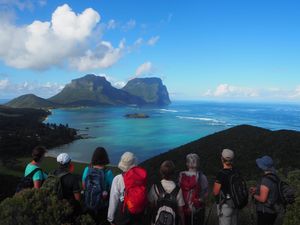
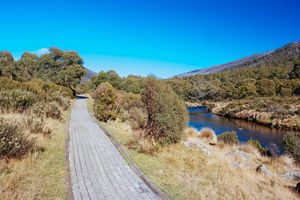
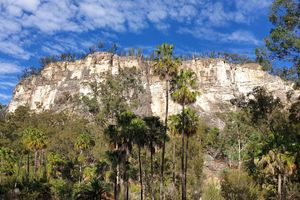
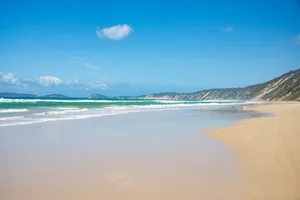
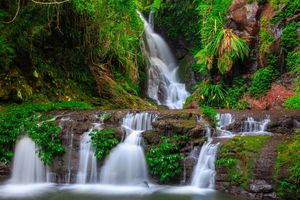
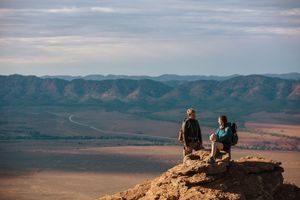
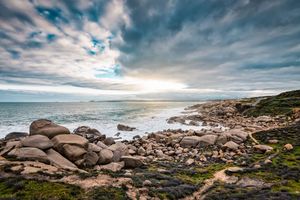
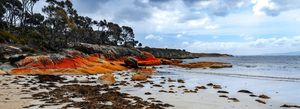
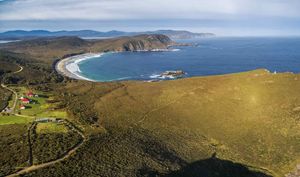
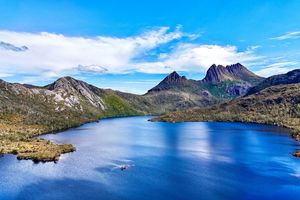
-300x200.jpg)
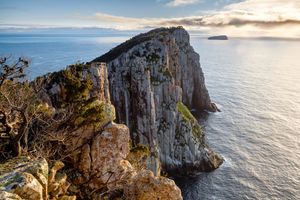
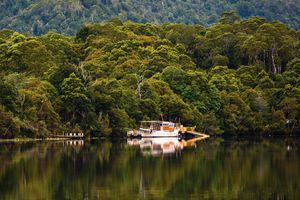
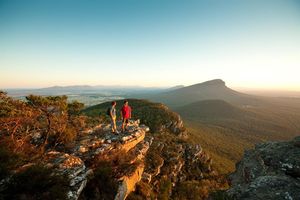
-300x200.jpg)
-300x200.jpg)
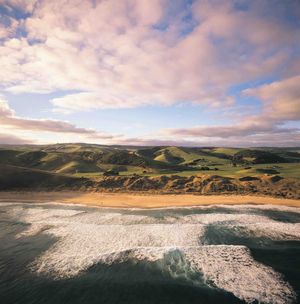
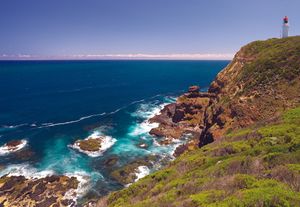
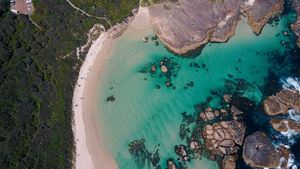
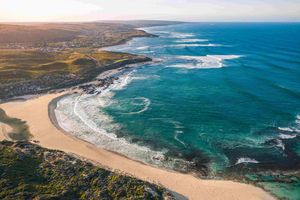
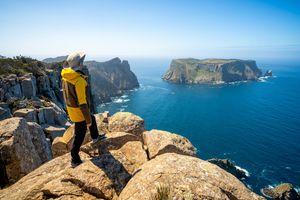
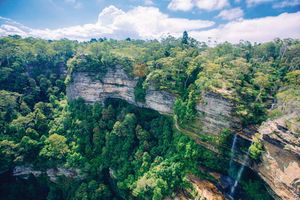
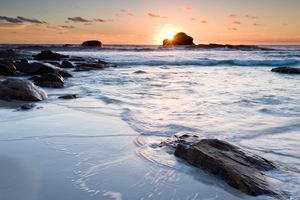
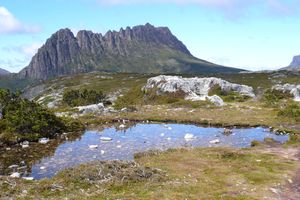
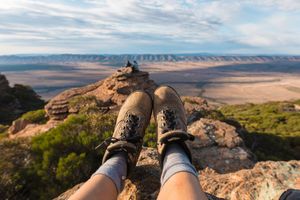
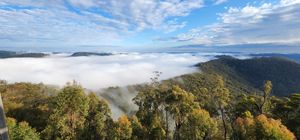
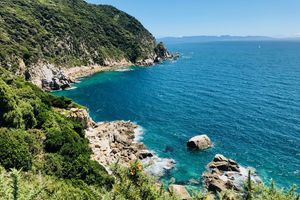
-300x200.jpg)
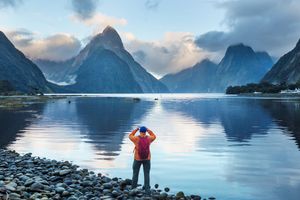
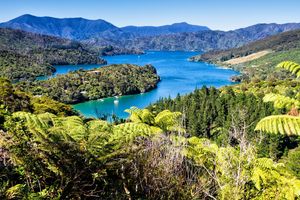
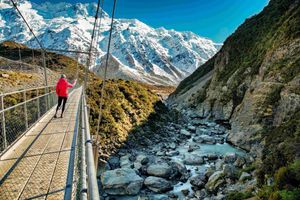

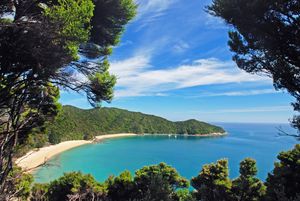
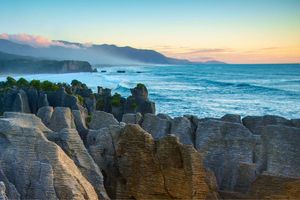
-300x200.jpg)
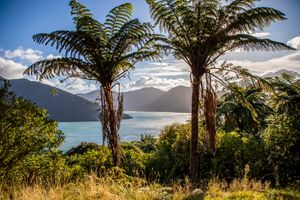


-300x200.jpg)
-300x200.jpg)
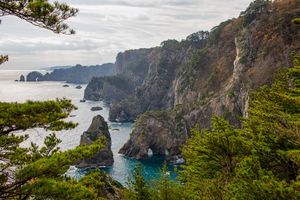
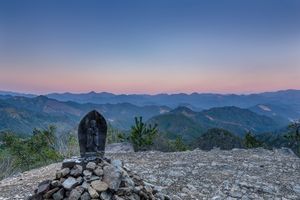
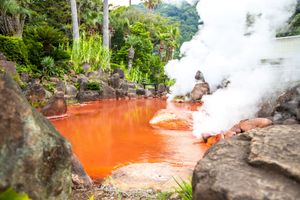
-300x200.jpg)




-300x200.jpg)
-300x200.jpg)
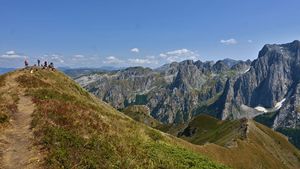

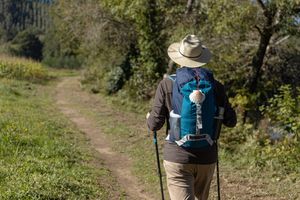

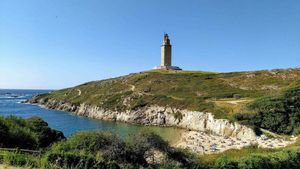







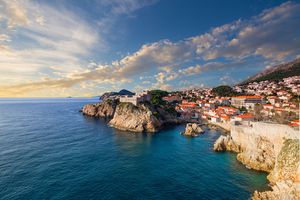
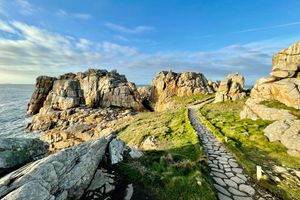



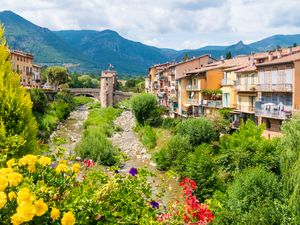
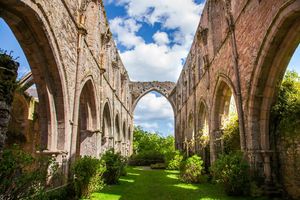
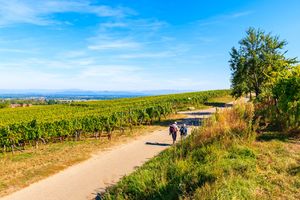
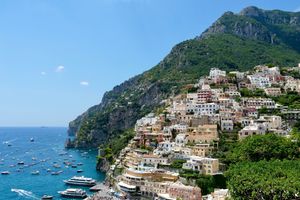
-300x200.jpg)



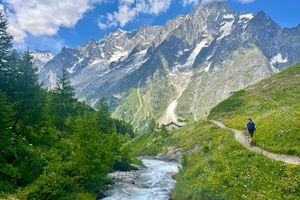
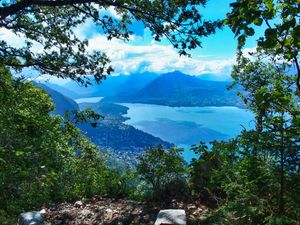

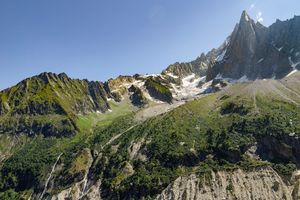
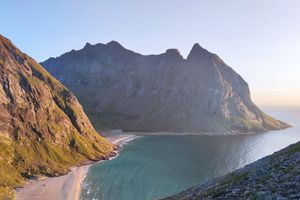
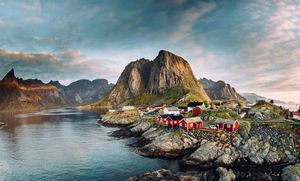
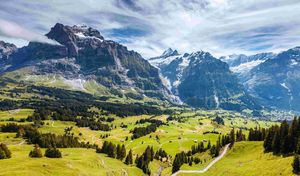


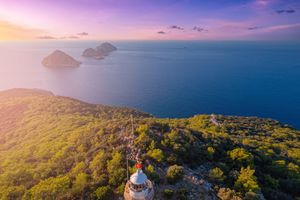
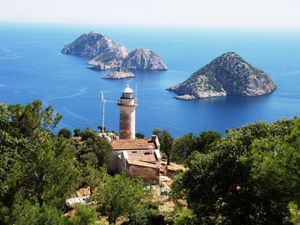
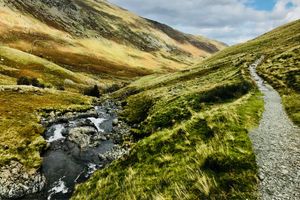
-300x200.jpg)
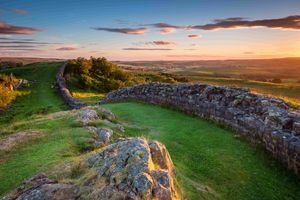
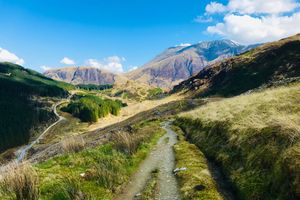
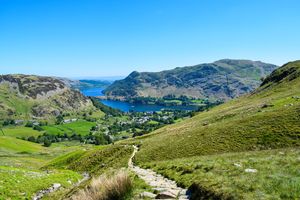
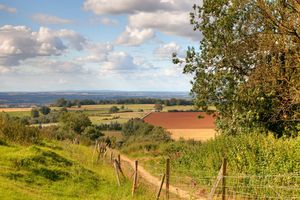
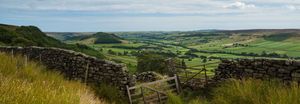
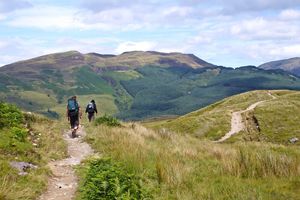
-300x200.jpg)
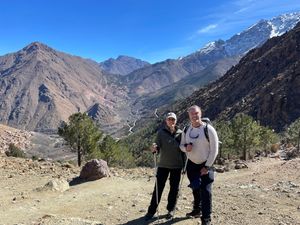
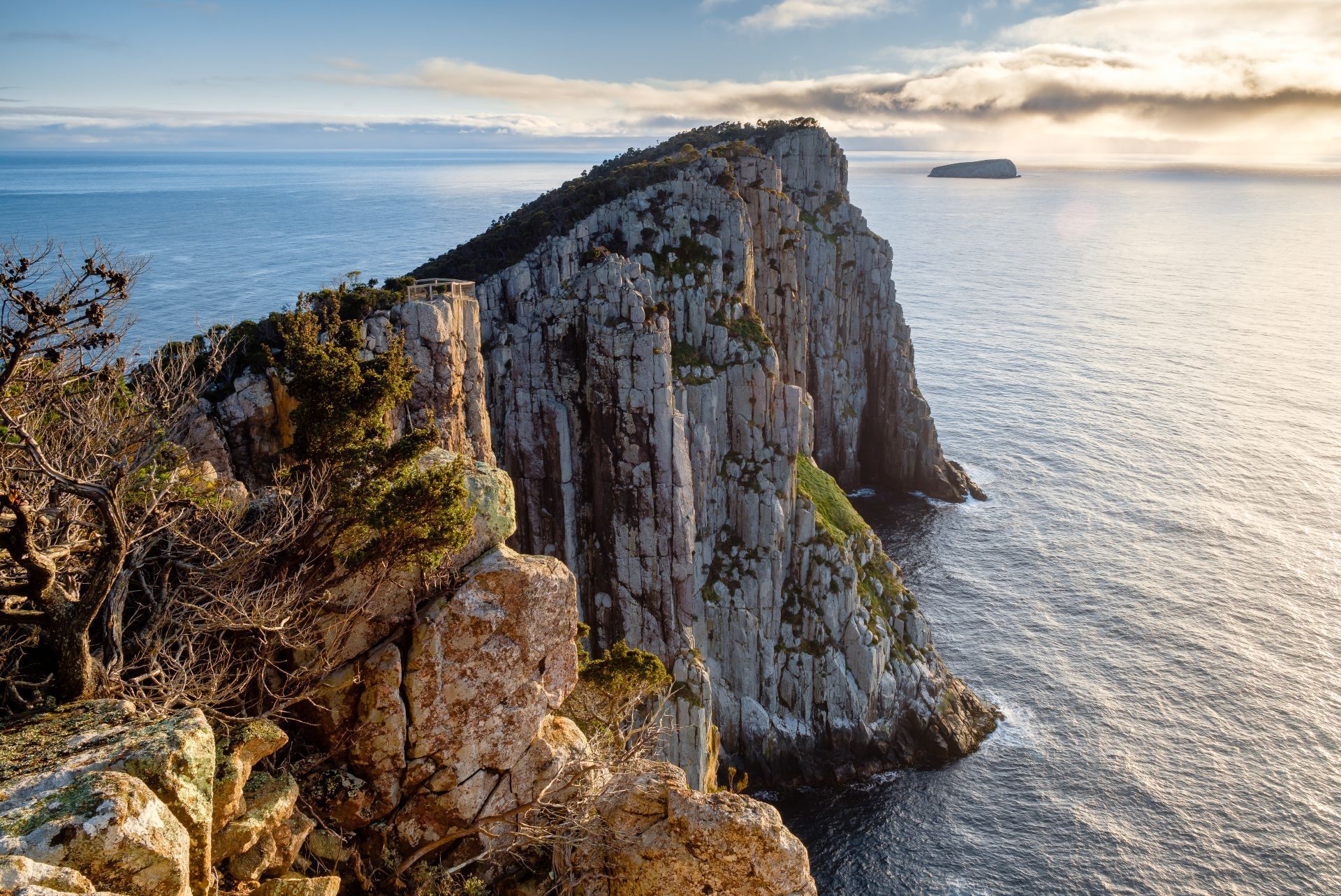
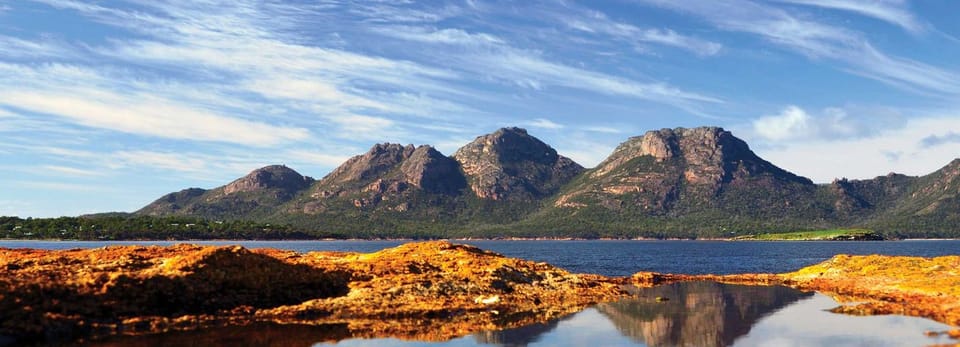
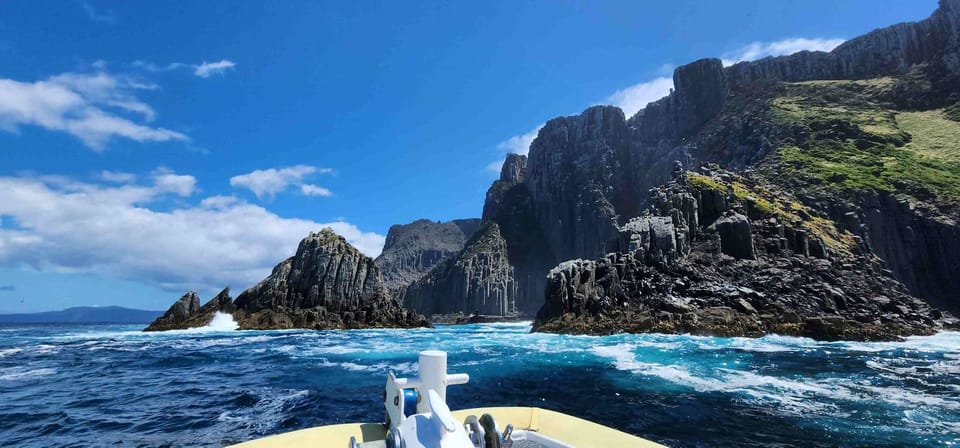
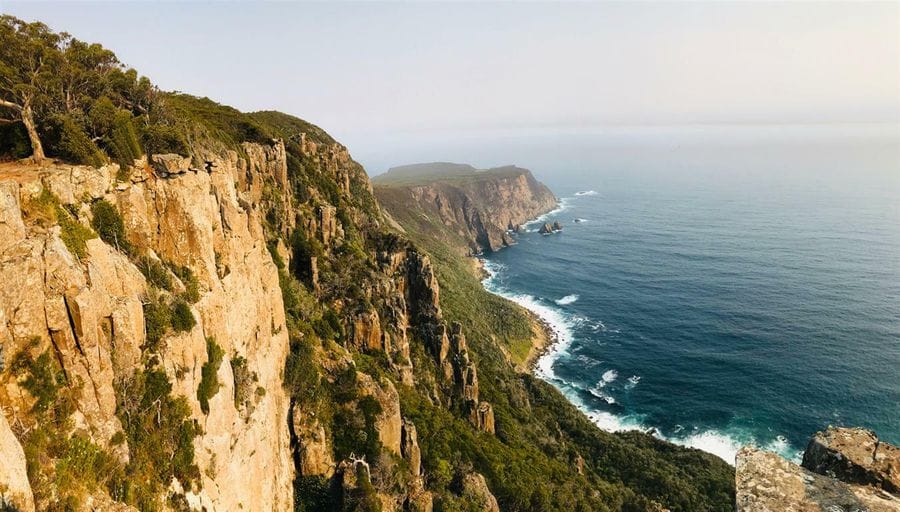
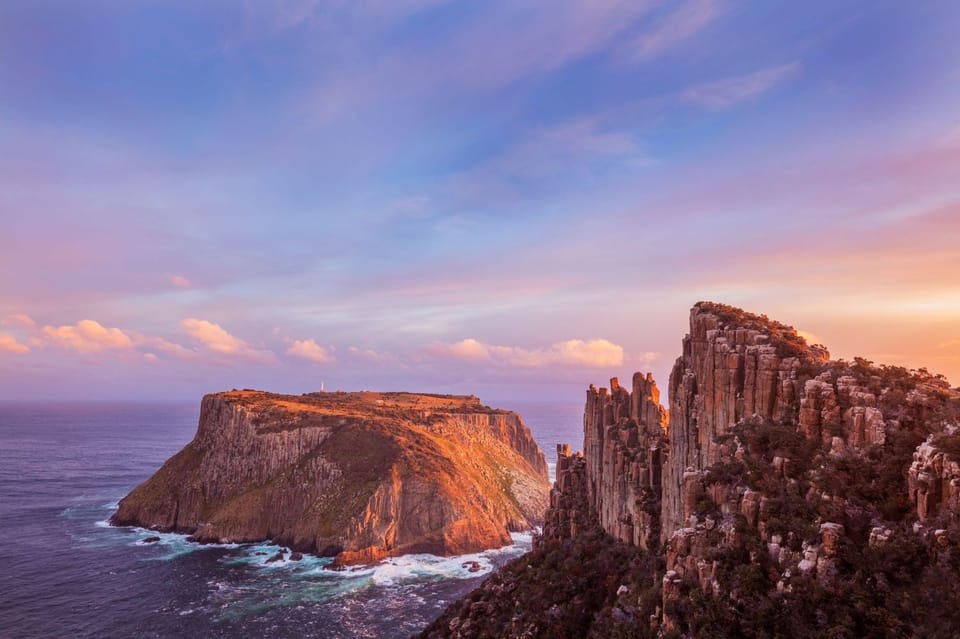
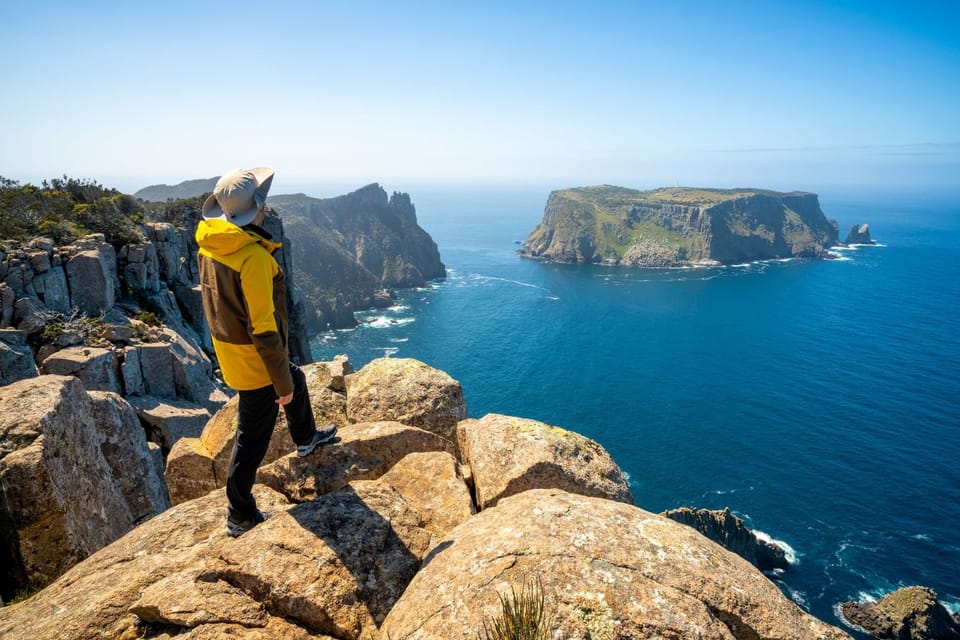
-1400x933.jpg)