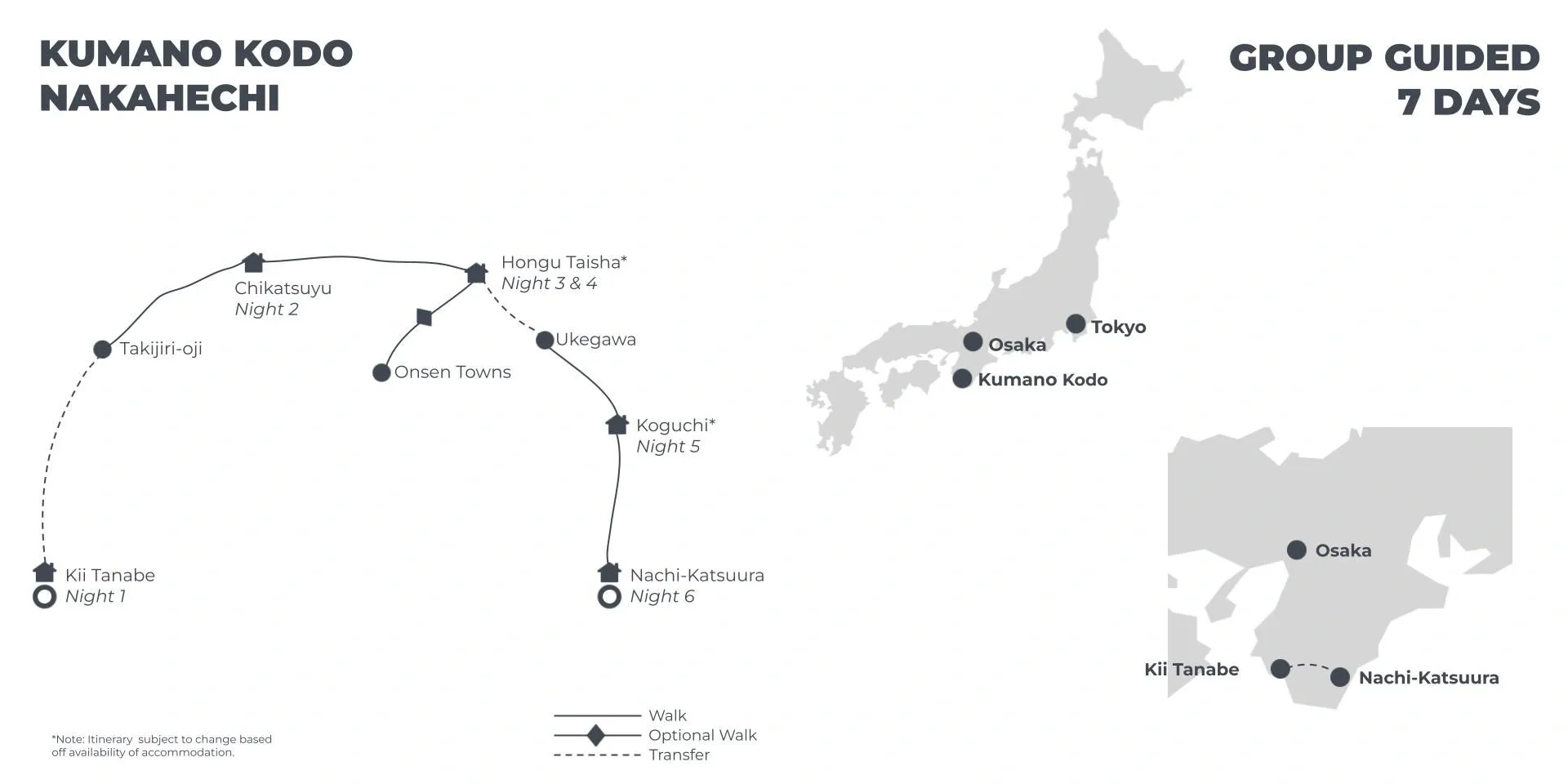
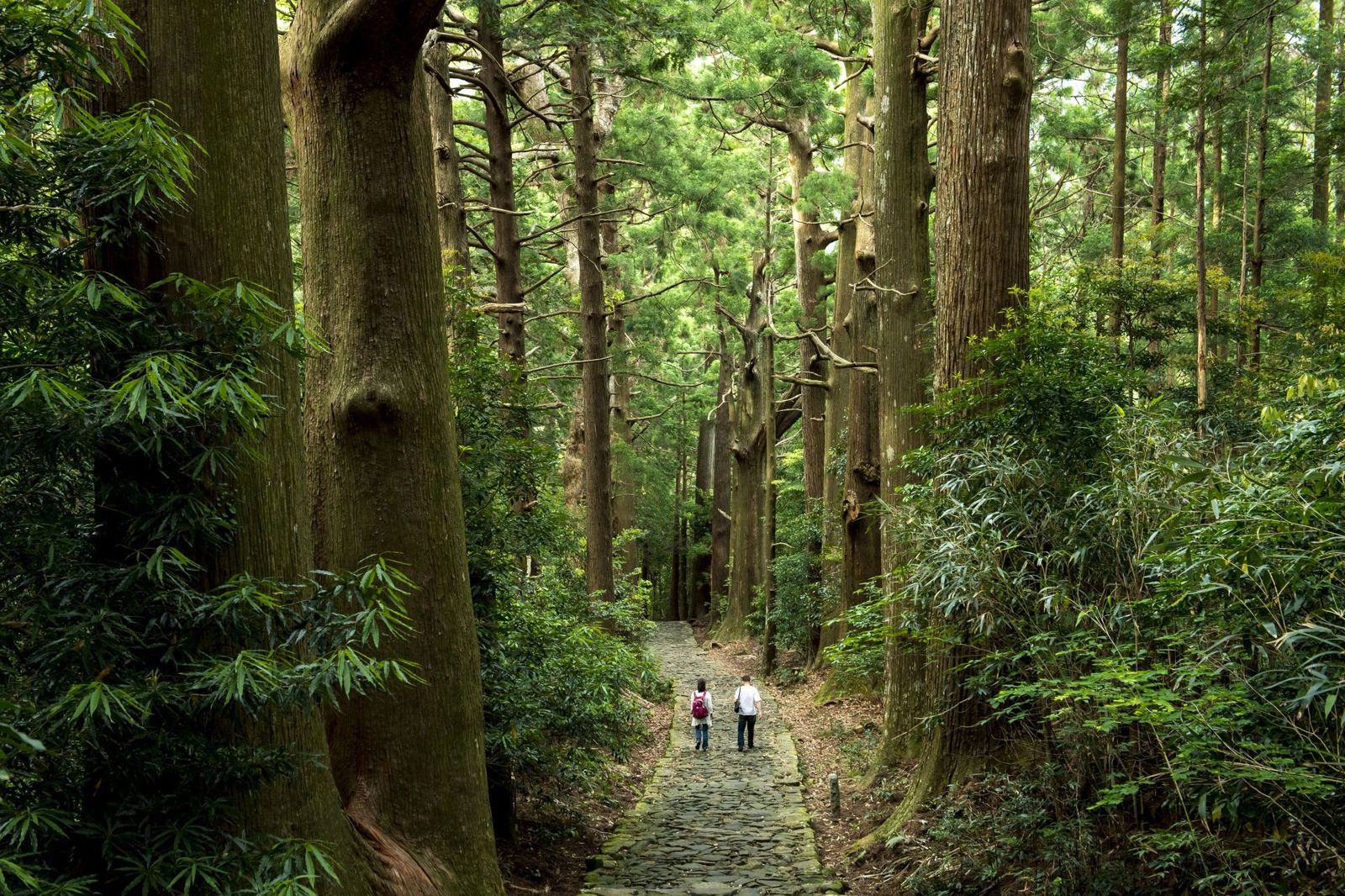
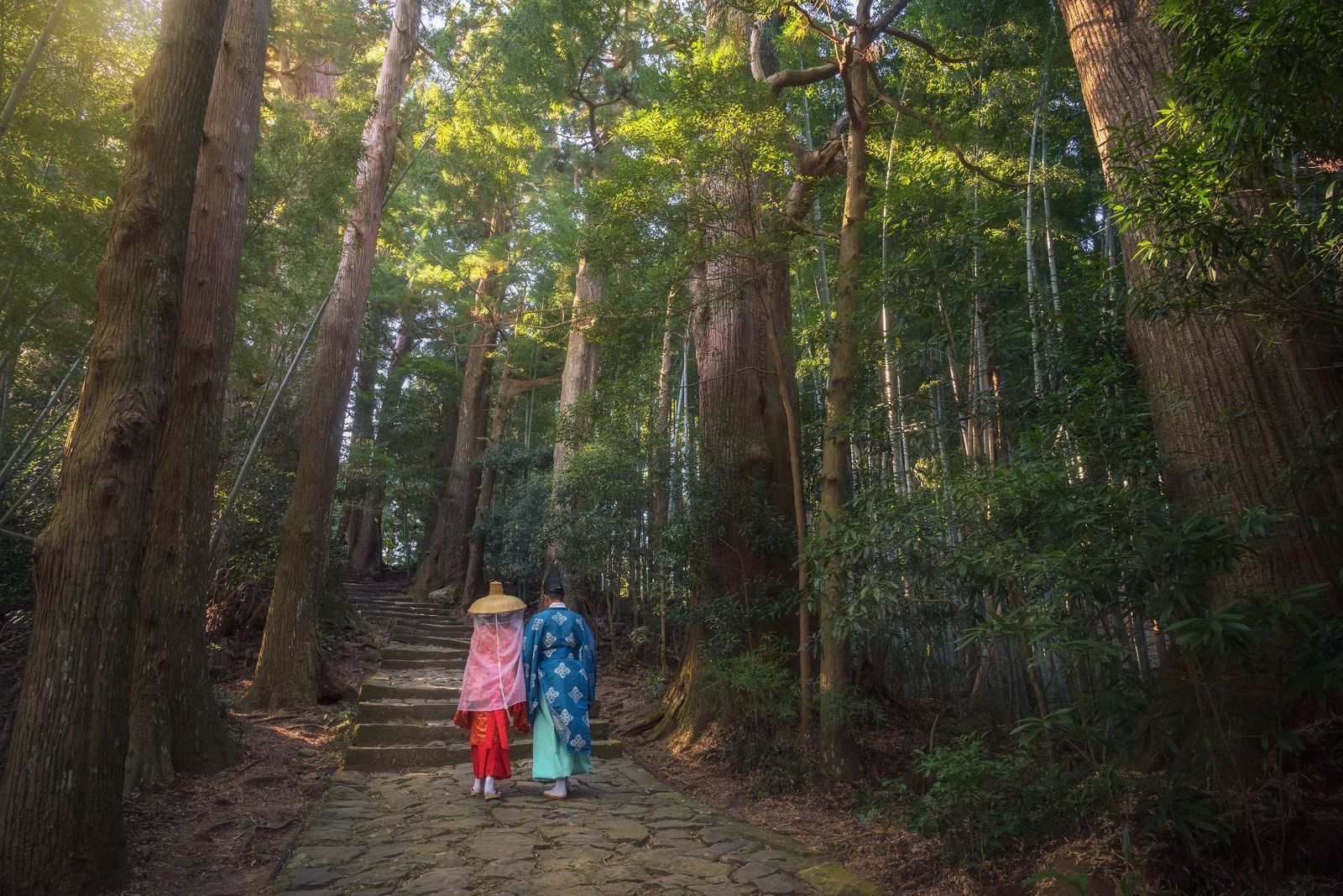
The Kumano Kodo is one of only two UNESCO World Heritage-listed walking routes in the world, and one of Japan's most sacred. This 7-day guided walk traces the Nakahechi route from Tanabe to Nachisan, following mountain trails and forest paths that have drawn imperial and aristocratic families on foot since 794AD, making it among the oldest and most significant walking routes on earth.
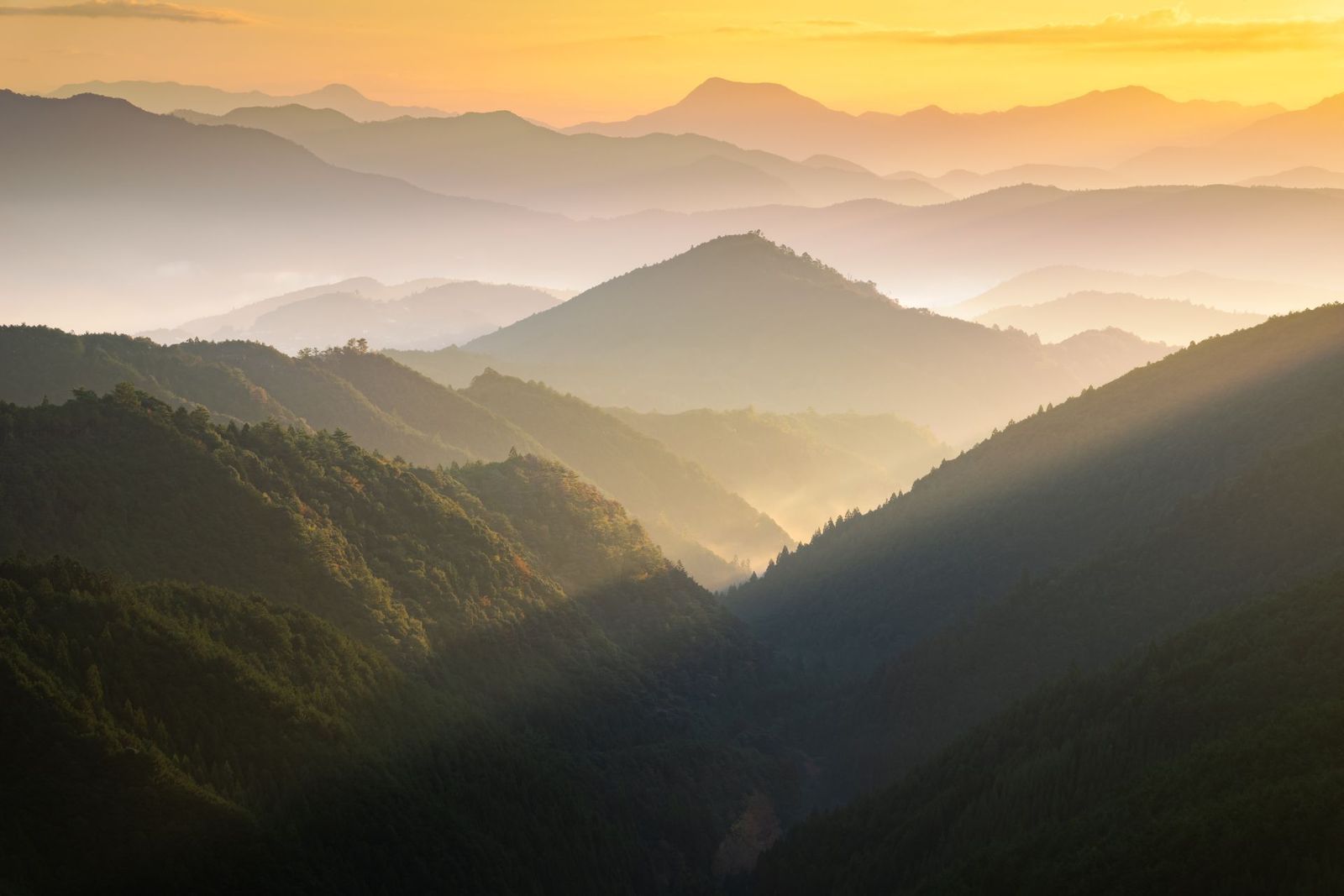
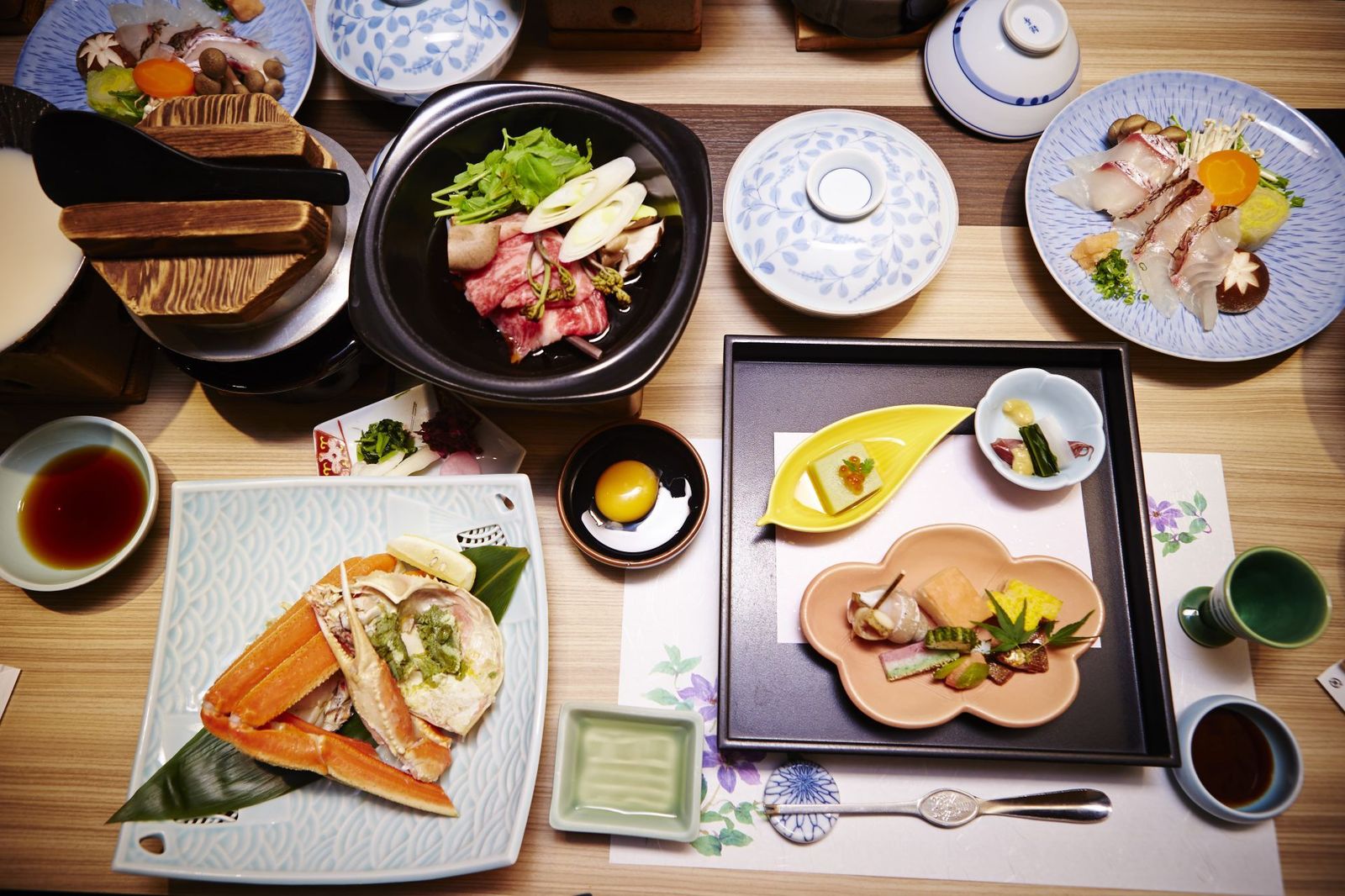
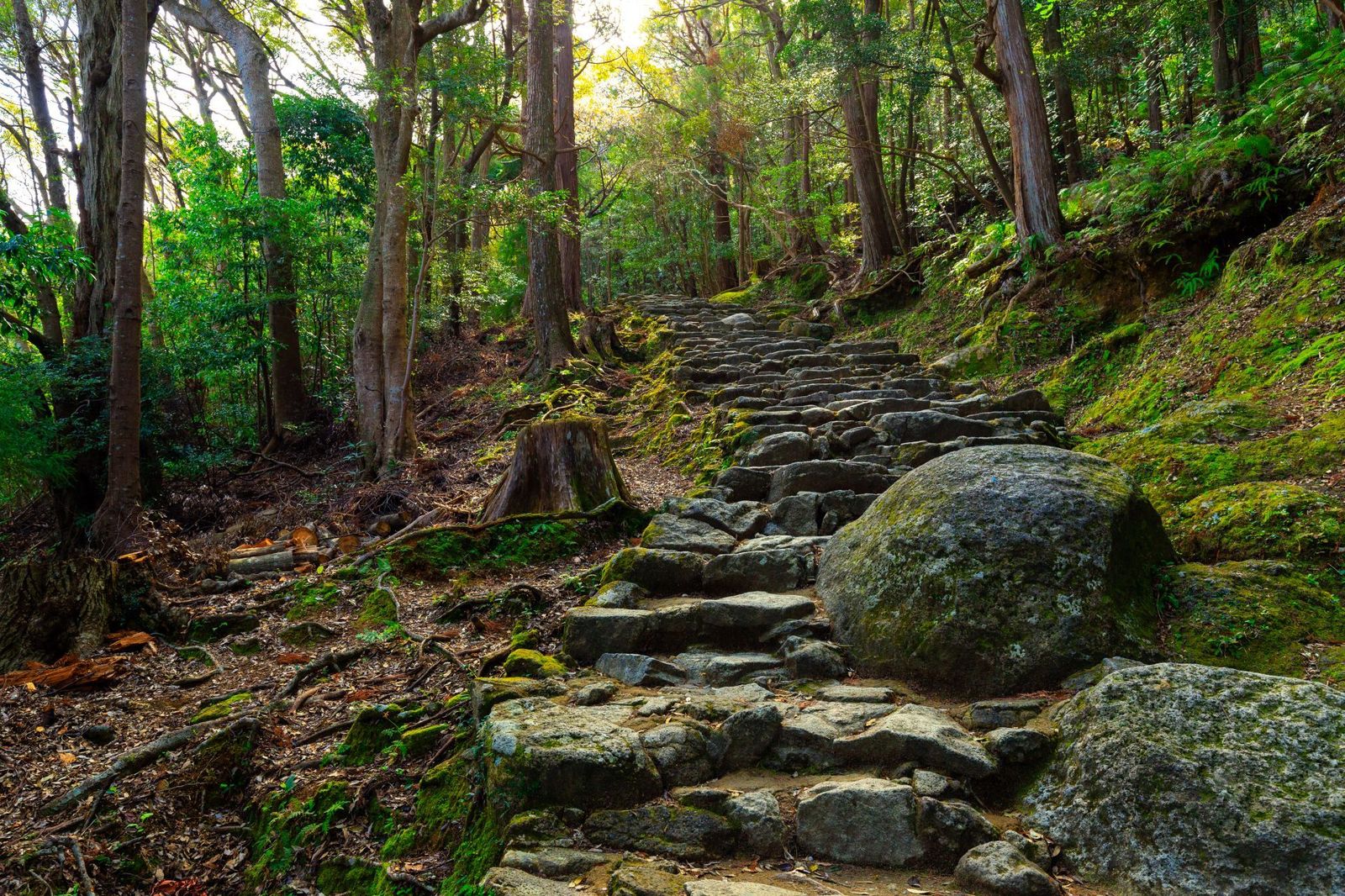
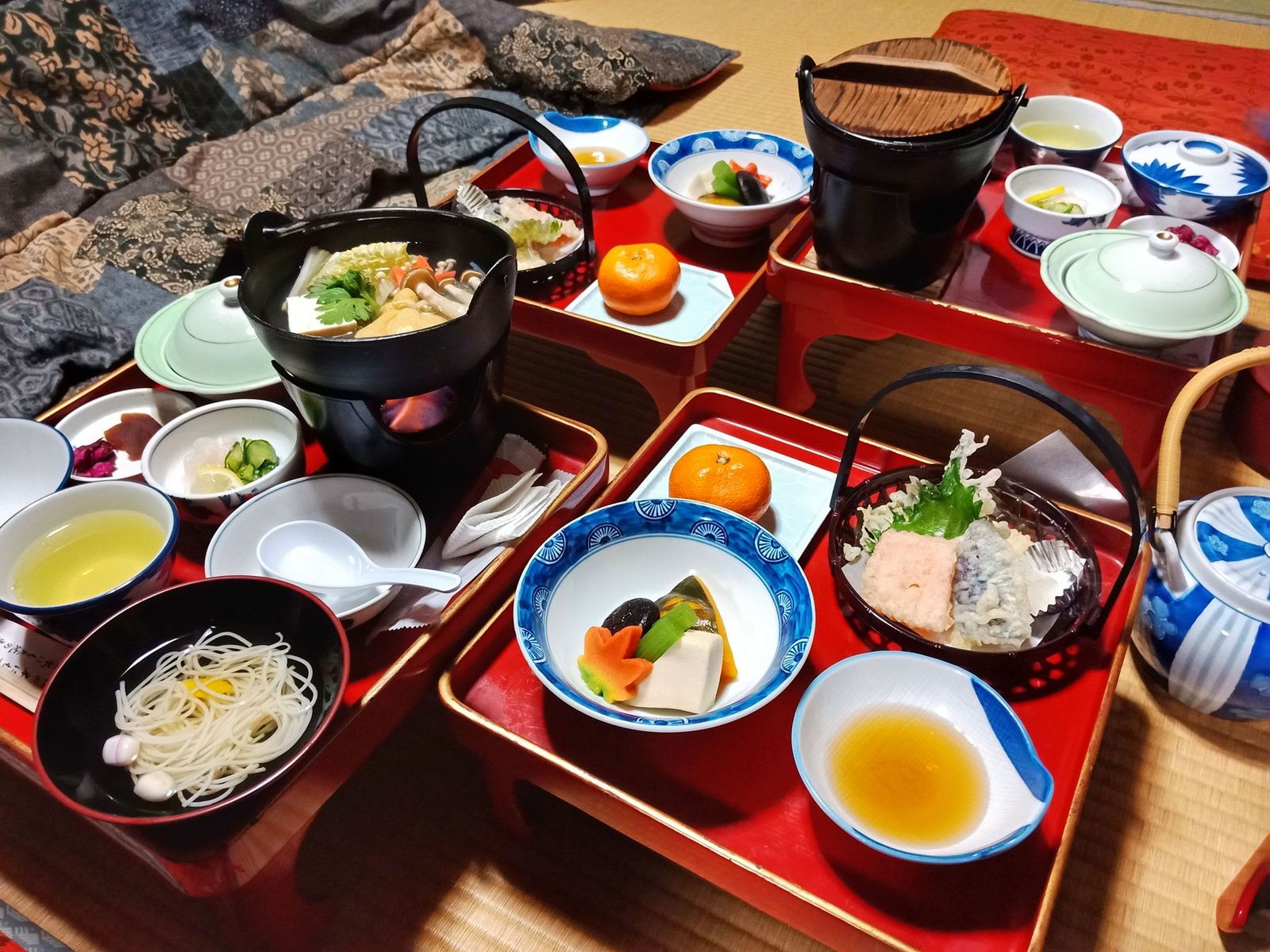
The route traverses mountain ridges and ancient cedar forests, passing through traditional villages and arriving at the great shrines and waterfall complexes that have made this landscape sacred for over 1,200 years. Each evening, walkers soak in an onsen before retiring to traditional Japanese accommodation, where elaborate multi-course dinners and breakfasts reflect the deep culinary traditions of the Kii Peninsula.
Highlights
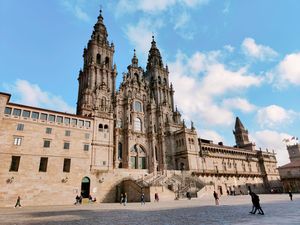
Walk toward becoming a dual pilgrim by walking the Kumano Kodo (the other world heritage listed walk is the Camino de Santiago)
Relax and enjoy having a guide to show you the way and share in-depth knowledge of the Kumano Kodo and the region
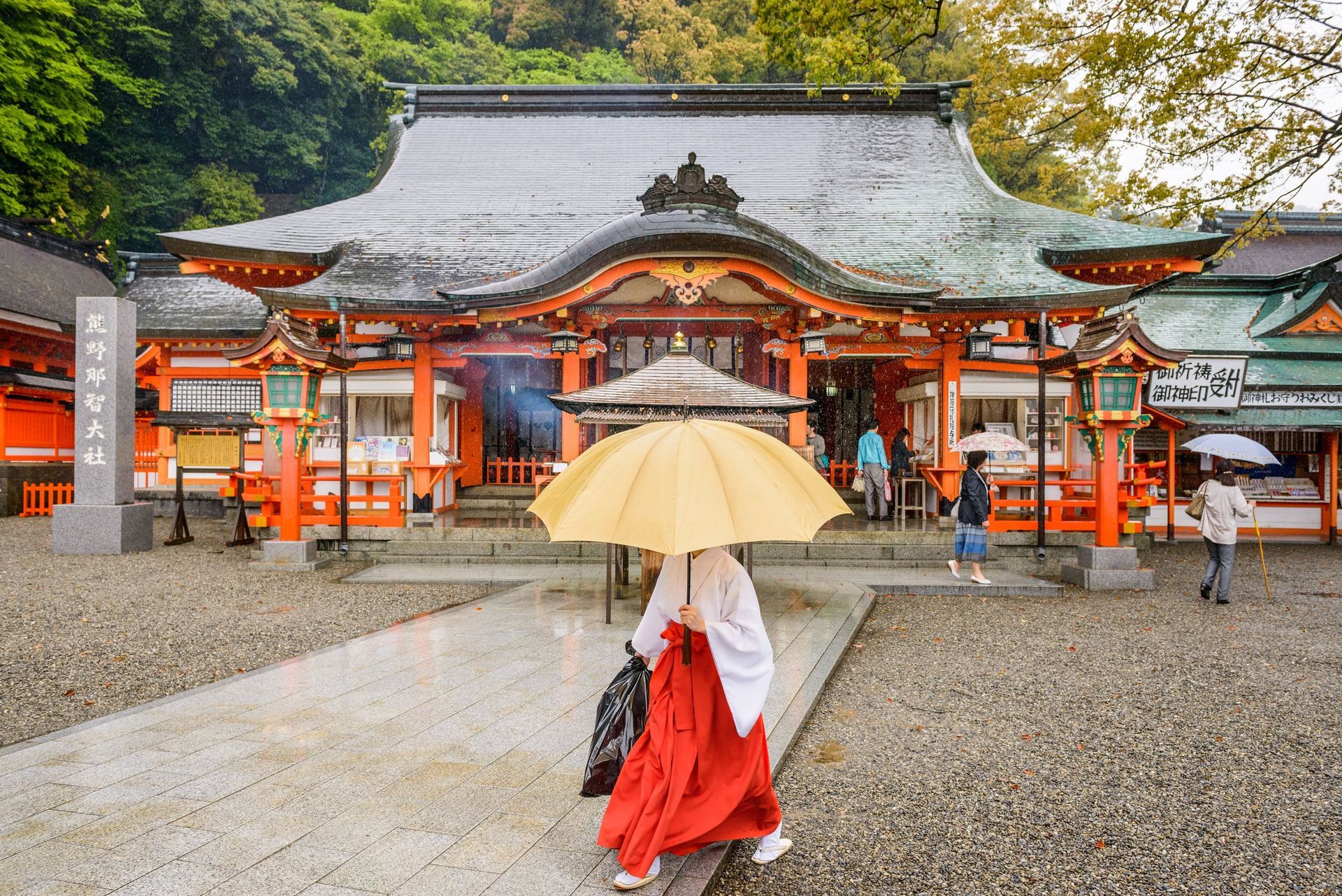
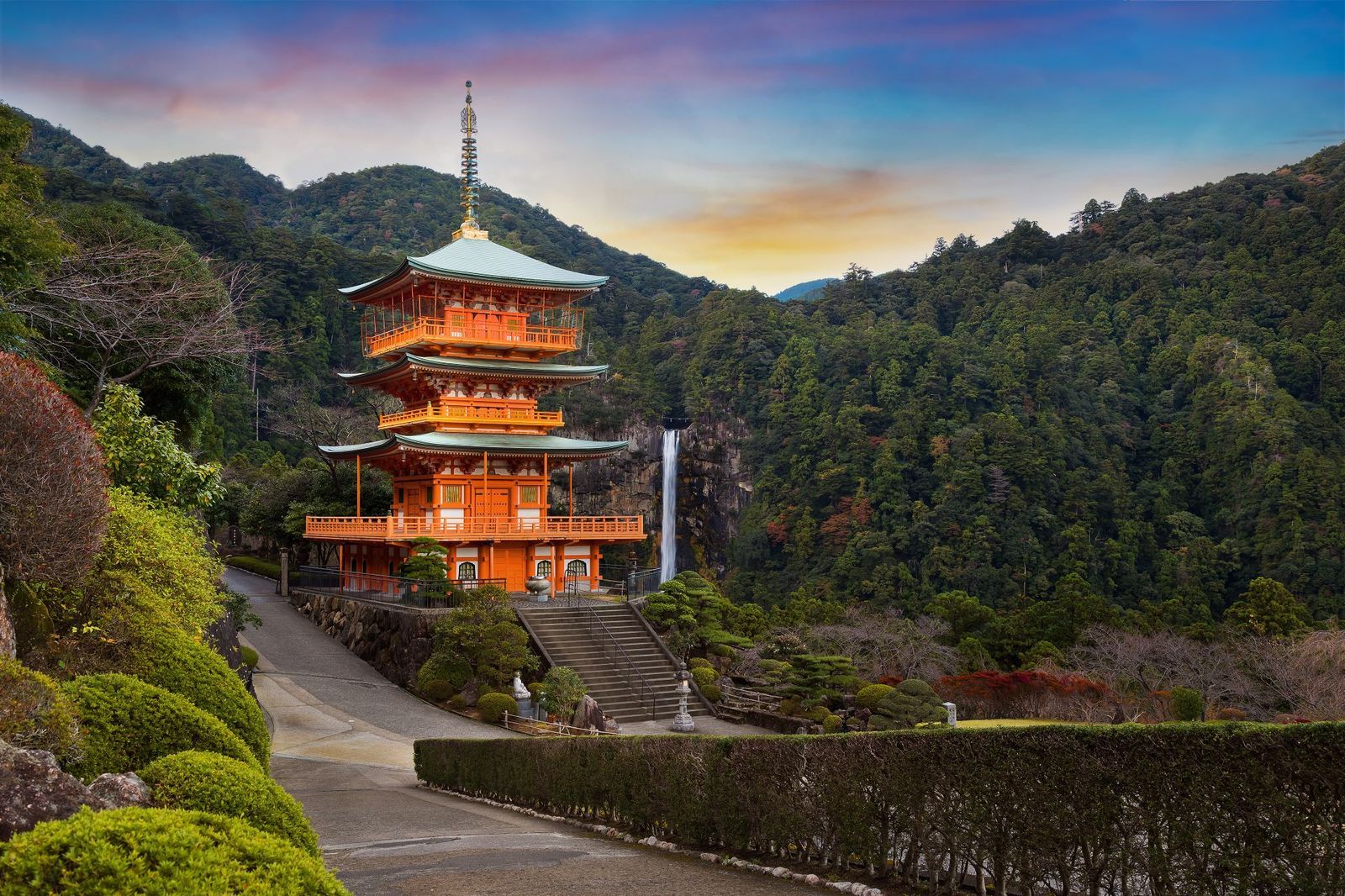
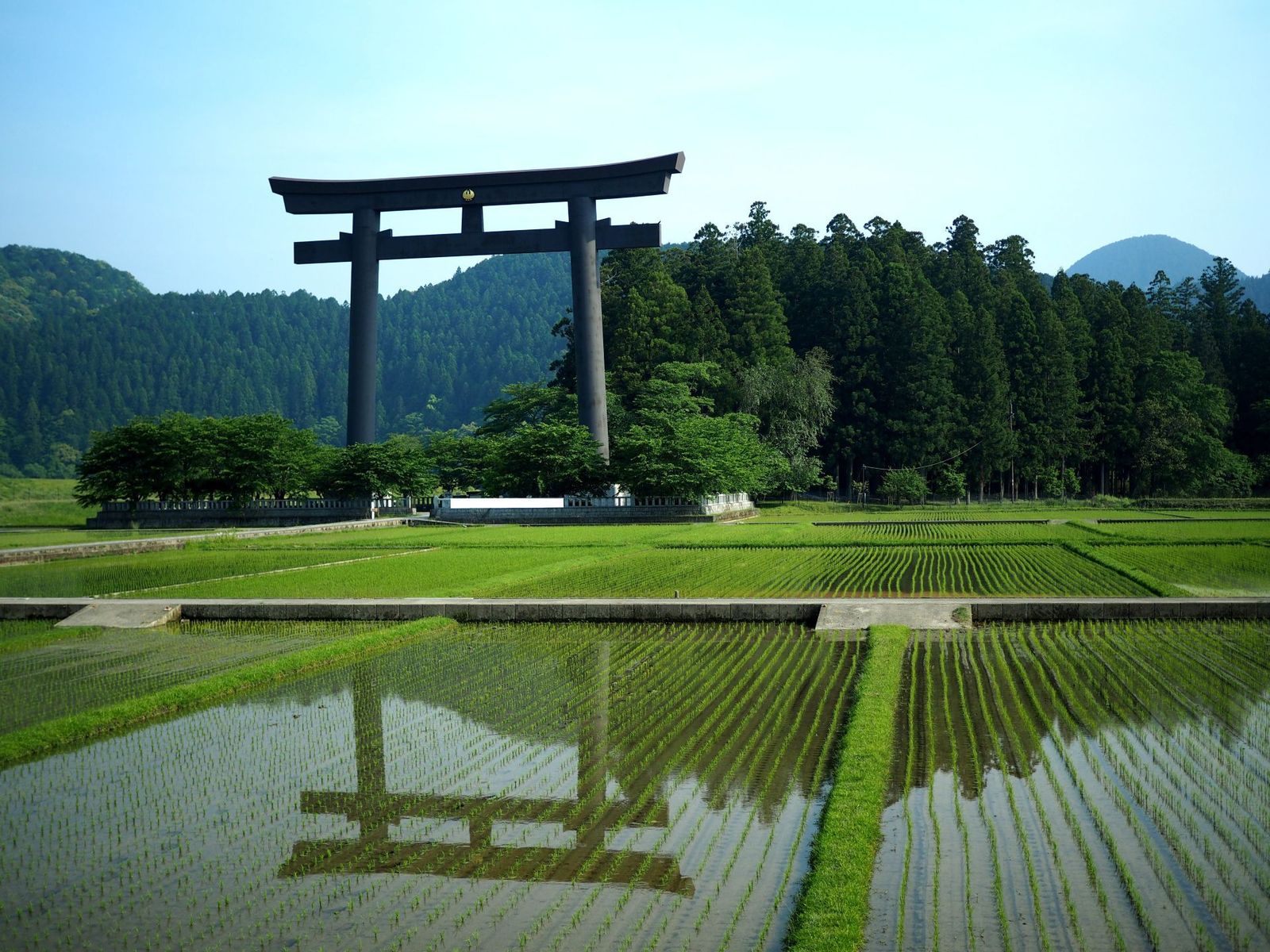
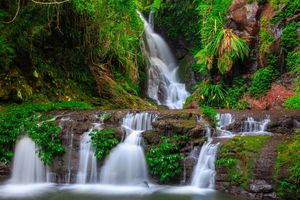
Marvel at the Grand Shrines at Hongu and Nachi-san, along with the stunning Nachi-taki waterfall
6-nights accommodation in both Western style hotels and traditional Japanese lodgings some with in-house onsens
Walk with a light pack on well-graded trails, with wondrous views, through old forest and bathe in onsens
Traditional Japanese meals for breakfast and dinner each day on the walk, plus 5 walkers lunches
Itinerary
Day 1
Kii-Tanabe
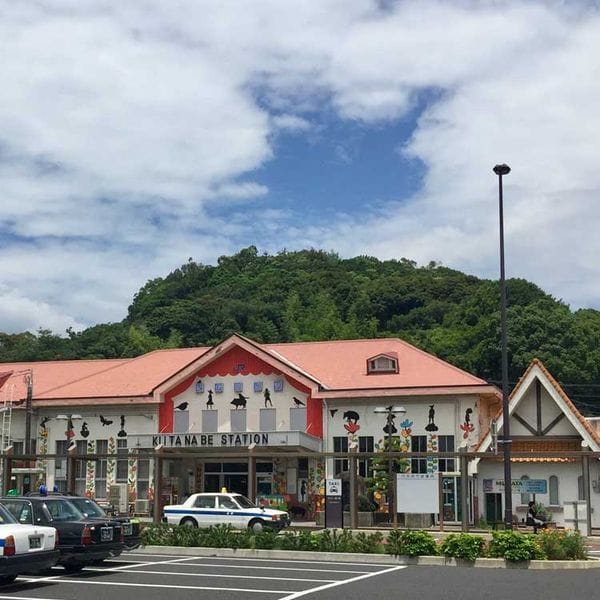
It is best to fly into Osaka on this trip and then travel by train to the small coastal village of Kii-Tanabe, the gateway to the Kumano Kodo via the picturesque coastline. Kyoto is a one-hour train ride from Osaka airport and we recommend staying here at least for one or two nights if you haven't visited Kyoto before.
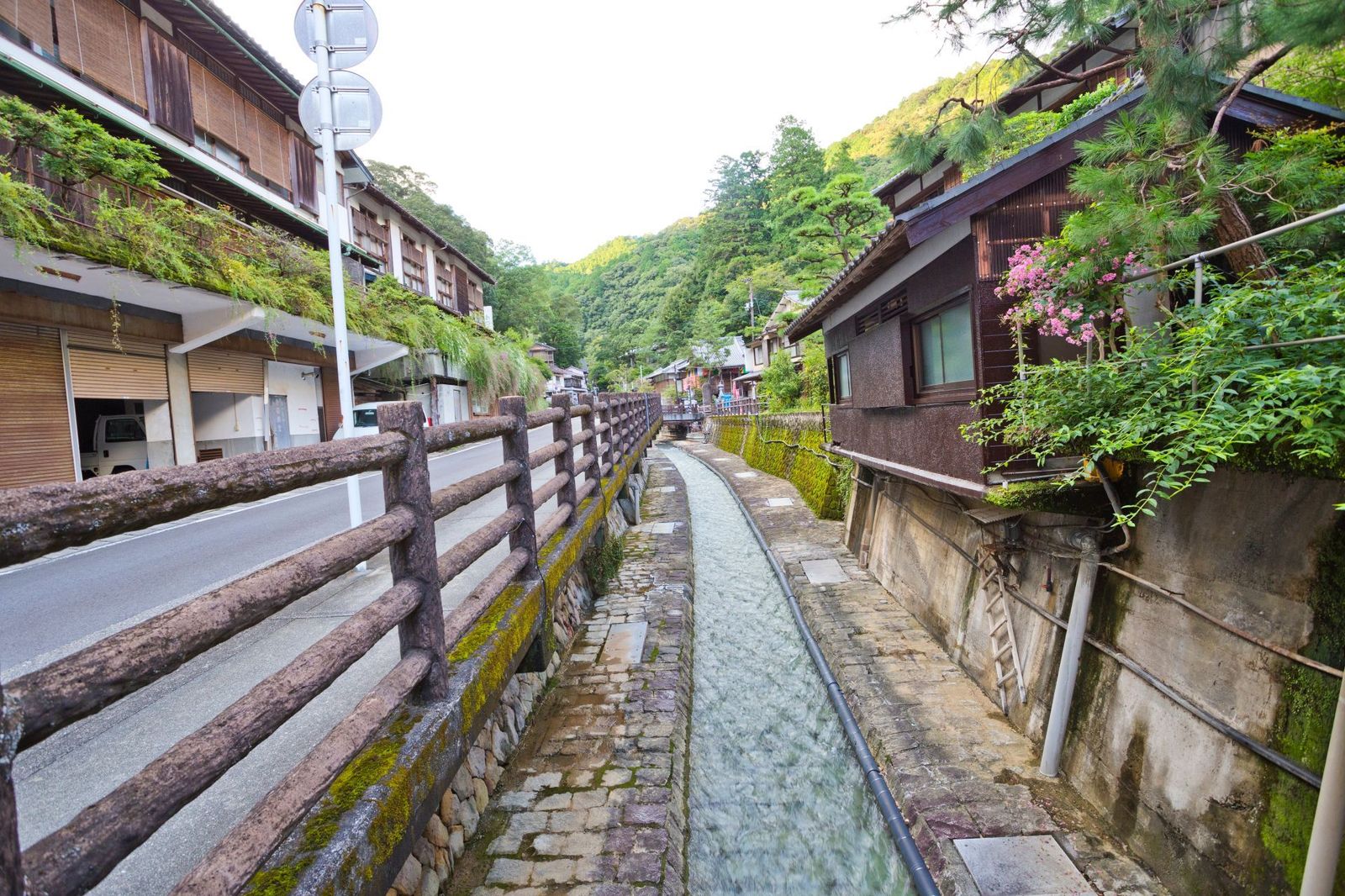
Kii Tanabe is a small Japanese town that is not populated by tourists. The town is on the ocean and serves the local area. Meet your guide at approximately 1.30pm. Get into the Japanese spirit with a purification ceremony. There is an opportunity to explore the town, its many small shrines, the beach and ample time to ready yourself for the upcoming walk, including a briefing session with your Kumano Kodo guide in the evening, where you get to know your fellow walkers over a meal together.
Accommodation
3-star Hotel in Tanabe
Meals
Dinner
Day 1: Kii-Tanabe
Day 1 details
What's Included
Accommodation
3-star Hotel (1 night), Minshuku (4 nights), 3-star Hotel / Ryokan / Minshuku (1 night)
Meals
6 breakfasts, 5 lunches, and 6 dinners
Transfers
Luggage Transfers
Public Bus
Private Vehicle Transfers
Guidance & Support
Itinerary & Walk Notes
24/7 on-trip support
Included Activities
Purification ceremony
How We Rate This Walk
5
Auswalk Walking Grade
Challenging
Rated by our team — we walk every route before we recommend it.
Steeper climbs and longer distances. You'll need good fitness and some hiking experience to fully enjoy these walks.
Nights on this tour are spent in a mix of Western-style hotels and traditional Japanese ryokans and minshukus, each offering a different way to experience the regions you pass through.
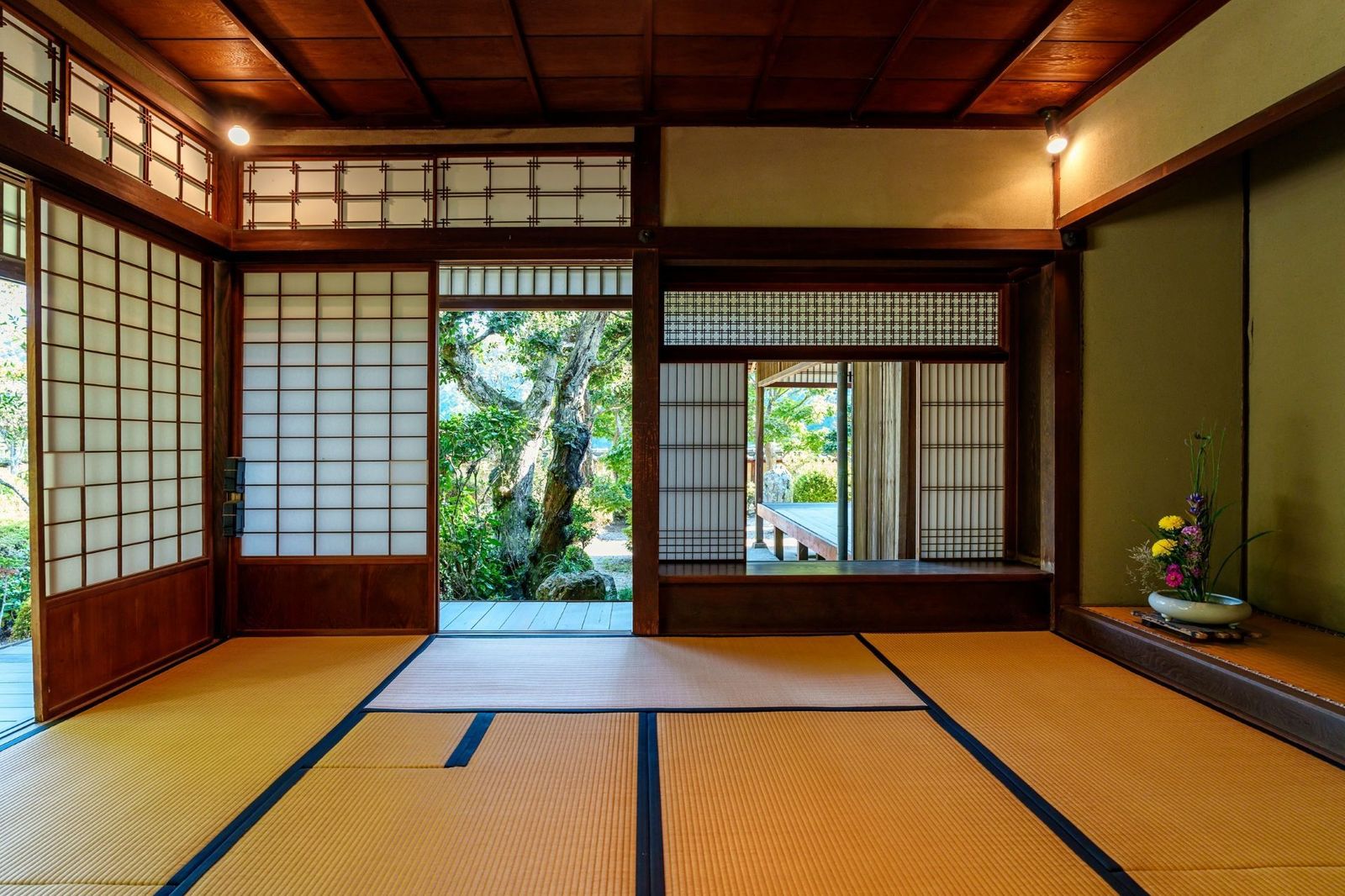
Ryokans are Japanese guesthouses that range from ancient wooden buildings with centuries of history behind them to more contemporary hybrid properties. Rooms are fitted with tatami mats and shoji sliding doors, and sleeping is on futons rather than beds. Very few ryokans offer rooms with actual beds, and arriving at one for the first time is an experience worth savouring.
Bathing in a ryokan is its own ritual. En-suite facilities are available in some rooms, but communal bathing is the norm, separated by gender and taken seriously as part of the stay. In properties near an onsen, the baths are fed by natural hot spring water, and the bathing area is often the most celebrated part of the entire property. The heated toilet seats are a characteristically Japanese touch that most first-time visitors find themselves quietly delighted by.
What You'll Eat
Six breakfasts, five lunches and six dinners are included throughout the trip, with a group dinner on arrival in Tanabe marking the start of the experience. Meals on this tour are rooted in Japanese regional cooking, typically home-prepared and deeply tied to the traditions of wherever you happen to be. Depending on the accommodation, dinner may take the form of a Kaiseki set meal, a beautifully presented multi-course spread that is one of the great pleasures of eating in Japan, or a carefully prepared bento box where meals are not cooked on-site. Larger ryokans may offer a buffet option. Breakfasts draw on local and seasonal ingredients throughout.
Note: Please note that this group guided trip is unable to accommodate dairy-free, vegan or gluten-free diets, or those unable to eat fish stock. More dietary options are available on the self-guided version of this trip.
More About This Trip
The walk starts in Tanabe and finishes in Nachi-san, on the Kii Peninsula of Japan. The most convenient airport is Osaka Kansai (KIX), with good international connections, from where a direct train reaches Kii-Tanabe in around 1 to 2 hours. English-speaking staff are available at the airport ticket office. Those staying in Osaka city can take the Osaka Metro to Tennoji station and connect to a JR service to Kii-Tanabe. Arrivals are self-arranged; the walk begins at around 1.30pm on the first day.
The walk ends in Nachi-san. Trains from Kii-Katsuura station back to Osaka take around 4 hours, with onward connections to Tokyo and beyond. A JR Rail Pass may offer good value for those extending their time in Japan, though tickets can also be purchased on the day. The Japan Transit Planner is a useful resource for checking schedules and fares.
This guided group walk departs in spring and autumn, two of the finest seasons for walking the Nakahechi route.
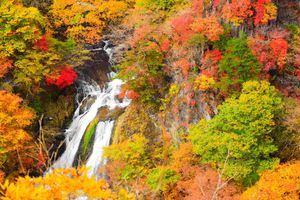
Spring brings mild temperatures, fresh green growth and the delicate bloom of cherry blossoms through the Kii Peninsula forests, while autumn delivers the vivid red and gold foliage that makes this one of Japan's most celebrated walking destinations.
The first autumn colours appear in early October, building to a spectacular display from mid to late November, with the air becoming crisper, mornings clearer and the ancient cedar forests increasingly atmospheric. Pack a light waterproof — the Kii Peninsula is a wet region and rain is possible at any time of year.
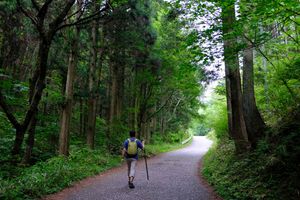
Paths are well-maintained and mostly under forest canopy, though each day begins with moderate elevation gains. The terrain is demanding underfoot, so sturdy walking boots with excellent ankle support and grip are essential.
A solid base level of fitness and a regular training routine with a strong emphasis on hill work is recommended in preparation.
You must hold adequate travel insurance for your trip, including cover for personal liability and accidental injury and illness. For all trips involving international travel, your policy must also include emergency medical treatment, evacuation and repatriation cover. We strongly recommend your policy also covers trip cancellation and curtailment, and loss of or damage to luggage.
A cancellation fee usually applies if you cancel after your booking is confirmed. Travel insurance with cancellation cover will generally cover this fee, so it's worth arranging your policy at the time of booking.
A detailed information pack and itinerary will be sent to you around six weeks before departure, covering everything you need to know for a seamless experience. In the meantime, our team is always on hand to answer any questions.
On this walk, you may have to catch a few buses with your guide and on your rest day; most of the rides are very short. This is by far the most eco-friendly and also the best way to get around the mountains. Do make sure you take sufficient change.
Please note: the accommodation on this group guided trip is unable to cater for dairy free, vegan or gluten free diets, or those unable to eat fish stock. If this affects you, please contact the office directly to discuss further.
During the tour your luggage will be transferred ahead of you to each accommodation. We allow for 1 piece of luggage per person with a maximum weight of 20kgs. If you are staying in Japan longer and have extra luggage then this can also be transported to each accommodation at a small extra cost which can be paid for during the tour. Please advise us if you will have extra luggage with you. Please note each item can weigh up to 20kgs maximum.
Dates & Pricing
Choose Your Departure
Select a fixed group departure - places are limited
Prices shown are per person, twin/double share basis.
Kumano Kodo reviews
4.9
108 reviews
5 Star
100
4 Star
8
3 Star
0
2 Star
0
1 Star
0
EK
Evan K
July 2026
We spent a few days in Osaka first then headed to Tanabe. Easy train ride cool scenery. Lady at the Info center was awesome all questions answered all info received as expected. Had a nice wonder around town, went to the beach and had a nice meal at a local restaurant. First accommodation was comfortable and good breaky next day. Auswalk Kumano Kodo trek planning worth every cent. Everything was seamless. Accommodation and food exceeded expectations. Met some great characters along the way. You'll be planning our next trip to Turkey.
SS
Sara S
June 2026
The notes were very thorough it was very daunting reading it but once I was into it, it became clear how easy it all was to get around. Stress free, relaxing adventure. Auswalk took care of the details so I could have all the fun!!!
DH
Diane H
June 2026
Auswalk is extremely well organised, the mix of honesty type accommodations and hotels offered a real sense of Japanese culture.
JK
Jonathan K
May 2026
Few different options for departure point but no major challenges navigating getting to the start of the walk. Information provided was adequate.
WB
Warwick B
May 2026
Departure point process was all very easy to navigate. Comfort hotel was excellent. Information centre helpful. Bus was crazy busy. You can tap using ic card so don’t need money for first bus.
DS
David S
May 2026
Outstanding walk well organised.
NM
Nicholas M
May 2026
It was perfectly organised!
The briefing at Kii-Tanabe was excellent. The Auswalk representative was extremely clear and laid everything out logically. Auswalk cannot be recommended more highly in terms of facilitating our Kumano Kodo self-guided walk. From our first contact with them, to the end of the walk, the whole process was seamless. Great planning for a wonderful walk!
NP
Nicki P
May 2026
We have done the Kumano Kodo and absolutely loved it. The logistics of this walk seemed to work better than Nakasendo walk. Mostly because we stayed on the trail and had lunch packed for us each day by the ryokan. So we literally got up each morning and started walking early. The sun is up at 5am in Japan in May so seems very late to only get going at 8:30am with shuttle buses then long train rides etc. Overall the walk was excellent and we loved seeing the post towns. We would change a few things to make logistics more seamless and leave the hotels earlier in the mornings than recommended. The Kumano Kodo walk is a great example of how seamless it should be. But loved the walks and locations!
JT
Jodie T
May 2026
Recent trip to Japan to do the Kumano Kudo trail. Auswalk had been recommended by a fellow bushwalker, very happy we chose to use them to organise our walk. Everything was so well organised, took all the stress out of being overseas in a country where little English is spoken. Our walk went well without a glitche! Options given for all walk levels
NS
Nicole S
May 2026
The walk was fabulous... great scenery, food, accommodation and of course the onsen was a wonderful way to end the day!
NS
Natalie S
May 2026
All the accommodation for this particular walk had washing machines and dryers, so we didn't end up wearing a lot of the walking clothes that we packed. Also, toilets were available each day, so no toilet paper was absolutely necessary. Undertaking this self-guided tour was seamless - the information was well explained, we had everything we needed. The accommodation, food and hospitality was incredible. We loved the walking and companionship of fellow walkers. Thank you Auswalks.
LB
Linda B
May 2026
The natural wonders of Japan are truly amazing. The silence and calm, the smells of wooded forests, the sounds of rivers flowing and waterfalls, birds singing in the canopies above. The track was challenging at times with lots of ascents but we saunted along, it was no race. The accomodation was fabulous, a real mix from family homes, small hotel lodgings to an old school. Having a hot bath/onsen topped off each day and rested the weary muscles. Food was wonderful everywhere, including the packed lunches provided by the hosts. All in all a great experience. We will go back sometime and do it again in autumn to experience the changing season and autumn colours.
CW
Cliff W
April 2026
The itinerary was well planned and detailed however the ratings per day should be consistent in terms of fitness and more descriptive regarding the terrain,
Overall the trek is well worthwhile if your fitness level is supported by pre- trek training,
AM
Amanda M
April 2026
Entire walk went extremely well. Auswalk made it easy. All we had to do was walk.
KS
Karen S
March 2026
This was our first experience at a supported walk and it was very good. The standard of accommodation was excellent and the included meals were wonderful.
JT
Jude T
February 2026
Highly recommend Auswalk. The organisation, communication and pricing from Auswalk were superb from the start of booking to the start of the walk. The accommodation was fantastic. Food was excellent (most of us with varied dietary requirements). The whole trip was seamless and fabulous.
NE
Nicole E
February 2026
We did the Koyasan and Komano Kodo pilgrimage trail. It was one of the best holidays I've ever had. I will never forget it. The hikes, scenery, accommodation, onsens, food, people, culture - it was all amazing. Highly recommend it! (Also recommend doing a little training beforehand!).
NE
Nicole E
February 2026
We did the Kumano Kodo pilgrimage trail. It was one of the best holidays I've ever had. I will never forget it. The hikes, scenery, accommodation, onsens, food, people, culture - it was all amazing. Highly recommend it! (Also recommend doing a little training beforehand!).
SM
Stephen M
February 2026
Fantastic walk. Immerse yourself in the forest and think of all who have done this before you. And at the end of each day immerse yourself in Japanese culture and a steaming hot onsen.
JK
Joanna K
January 2026
Our family of five (3 teenage boys) loved our Koyasan and Kumano Kodo experience. While we hit the trails in December, the weather was great for hiking, cold at nights, but beautiful clear days. Perfect to warm up in an onsen at the end of each day. The variety of accommodation was part of the fun, the food was incredible, and hospitality of the hosts so welcoming. All the information and planning support by Auswalk made for a fantastic experience, thank you. Highly recommend.
SM
Suzanne M
December 2025
The walk itself is well signposted and passes through amazing forests, sparkling streams and mountain passes. The accommodation is outstanding with magnificient feasts for breakfast, packed lunch and evening dinner.
LC
Louise C
December 2025
We loved this walk. We were immersed in the beautiful Japanese culture, beautiful forests, towns, food, met lovely people and stayed in amazing accommodation along this journey. Tash and Maika did a great job of organising and taking any uncertainty out of planning ourselves. Can definitely recommend this walk.
JL
Joanne L
December 2025
The walk instructions were excellent and very clear, the app was brilliant and the sign-posting on the ground was actually very clear too. The notes were informative and pointed out interesting things - overall we were extremely impressed.
PD
Peter D
December 2025
It was a great mix of town, country and wilderness walking.
As a person with coeliac disease, the dinner and breakfast arrangements were perfect and I didn’t once have a bad reaction to any of the delicious foods.
SC
Sarah C
December 2025
Very well planned and researched walk. The local and traditional considerations for accommodation, meals and relaxation with onsen’s at almost every destination was really terrific. Loved the family owned ryokans, food was amazing. Walk was spectacular- I would highly recommend it- especially in Autumn when the weather is cool clean and fresh and the forest leaves are stunning!
KH
Ken H
November 2025
I loved walking the Nakasendo. The trails are sometimes challenging but always beautifully rewarding . The accommodation was always comfortable and the food incredible.
SW
Stephanie W
November 2025
Arrangements were very satisfactory and by and large the logistics were handled extremely well. The hosts in the ryokans at Ena and Tsumago were gracious and kind, and the quality of our meals and hospitality were outstanding and a uniquely memorable experience.
MJ
Mick J
November 2025
The walk was fantastic. The maps and App provided all the info you needed to navigate. The dinners each night were a gourmet feast, supported by massive breakfasts and dinners. The baggage transfer was seamless. And the accommodation was of high standard with great onsens at most venues. Lots of great memories from this walk. Everything was well organized. The catering was outstanding and really was a great reward each day
MJ
Mick J
November 2025
The Kumano Kodo self-guided walk was fantastic. The maps and App provided all the info you needed to navigate. The dinners each night were a gourmet feast, supported by massive breakfasts and dinners. The baggage transfer was seamless. And the accommodation was of high standard with great onsens at most venues. Lots of great memories from this walk. Everything was well organized. The catering was outstanding and really was a great reward each day
KM
Karen M
November 2025
Absolutely loved this AUSwalk Kumano route. Our Luggage transfers were seamless between our charming accommodations. Beautiful food offerings of authentic Japanese cuisine and The Thermal onsen each night were a welcome relief on tired muscles after a day on this beautiful trail. Loved it all and highly recommend AUSwalks as a company to travel with
KM
Karen M
November 2025
Absolutely loved this AUSwalk Nakahechi route. Our Luggage transfers were seamless between our charming accommodations. Beautiful food offerings of authentic Japanese cuisine and The Thermal onsen each night were a welcome relief on tired muscles after a day on this beautiful trail. Loved it all and highly recommend AUSwalks as a company to travel with
JP
Jamie P
November 2025
Loved every moment of this self guided Pilgrimage!
Guest house hospitality, meals and accomodation were fantastic. Loved every moment of this self guided Pilgrimage!
Guest house hospitality, meals and accomodation were fantastic.
End of Day 3 Minshuku Yunosato accomodation was amazing. There were two private onsens inside and a private outdoor onsen overlooking the Yomura-gawa river. Perfect for a recovery swim. It was an easy walk up to Yunomine Onsen. Nice little village where you can purchase and boil eggs in the Yuzutsu public onsen cooking basin. An easy bus ride to Kumano Hongu Taisha where I spent the day exploring Oyunohara Sanctuary, Kumoano Hongu Taisha Otorii and the Kumano Hongu Heritage Centre. After spending the night in Katsuura at the completion of the pilgrammage I rented a car (must have an international driving permit) and drove to Shirahama Beach for rest and recovery over 4 days. Highly recommend!!!!
Overall, the ease of planning and support I received from AusWalk made this pilgrimage an incredible and unforgettable experience, I’m truly grateful. Looking forward to my next adventure with AusWalk!
PH
Peter H
November 2025
The process was straight forward once the Japanese Rail system was conquered. It all went to plan, even the weather in Autumn was kind. The variety of accommodation was enjoyable and it was a good standard. Onsens are a blessing on a hike! he notes and app are excellent and the time frame was also good. The walks manageable to fit the public transport options which were procided.
BH
Brendan H
November 2025
The walk was the perfect combination of reasonable physical challenge, awesome meals and lovely hosts/accommodation. And of course, amazing scenery!
EM
Elizabeth M
November 2025
A lot of the sign posts were very helpful but I'm very pleased with downloaded trails as they were very useful. We assisted other walkers that didn't have the trails downloaded. The instructions were very easy to follow to get to the start of our walk.. Loved the adventure and the peacefulness of the walk - very challenging but very rewarding.
JK
Judy K
November 2025
We were extremely satisfied with our Auswalk Kumano Kodo walk. The home stays and other accommodations were all very clean, tidy and well organized. Our meals were delicious and the luggage was always delivered. Instructions and advice was very clear. I certainly recommend them highly.
AC
Andre C
October 2025
We are very happy with all the arrangements . Traveling arrangements as well as lunch boxes were very special. We really enjoyed the highly professional service from Auswalk and surely can’t wait for our next adventure with Auswalk. You helped us to enjoy a wonderful experience and not stress about troublesome travel arrangements. Thank you
AC
Andre C
October 2025
We are very happy with al the arrangements . Traveling arrangements as well as lunch boxes were very special. We really enjoyed the highly professional service from Auswalk and surely can’t wait for our next adventure with Auswalk. You helped us to enjoy a wonderful experience and not stress about troublesome travel arrangements. Thank you
MW
Michael W
October 2025
The walk is well marked and the notes helpful. Entire walk went extremely well.
AB
Alan B
October 2025
This is a truly spectacular walk with a stimulating cultural experience thrown in. Accommodation was great and food amazing. The pre-walk information made Self-guided walking easy.
BD
Brian D
October 2025
The trains to get to the departure point were easy and efficient. Everything went well as you could expect, luggage transfer was excellent, accommodation and food also great.
TM
Terry M
October 2025
Well organized . Accommodation very pleasant and seamless movement of luggage
RJ
Rebecca J
October 2025
This was an incredible holiday. The locations and ability to see the "real" japan was amazing, the forest trails and old post towns truly beautiful. The AusWalks information provided was excellent, extremely clear and provided all the information I needed. The hotels/ryokan booked as part of the trip were incredible, delicious food, lovely rooms and in great locations. And all of the luggage transfers were smooth and efficient with my bags at the next location by the time I arrived each day. As a solo, self-guided walker I enjoyed the freedom and was never lost because the App worked so well. All in all an amazing adventure. I'll be back to do more and have already recommended the walk to many friends. Thank you AusWalks!!
BV
Bronwyn V
October 2025
Our guide Waka was truly amazing. She was very caring and sensitive to everyone’s needs. One participant provided some challenges for her and she dealt with everything quietly and respectfully. Waka is a great representative for her country and an asset for Auswalks. The Kumano Kodo walk was so much more than I expected. The forest was more beautiful that the pictures. The wilderness is truly spectacular and the guides are knowledgeable and generous. The accommodations were great and the food amazing, I couldn’t believe the wonderful packed lunches we were given each day, so Japanese and so delicious.
BV
Bronwyn V
October 2025
The Kumano Kodo walk was so much more than I expected. The forest was more beautiful that the pictures. The wilderness is truly spectacular and the guides are knowledgeable and generous. The accommodations were great and the food amazing, I couldn’t believe the wonderful packed lunches we were given each day, so Japanese and so delicious.
LT
Leisha T
October 2025
The walk was well organised and coordinated. The accommodation and food amazing. The app was super easy to navigate
SD
Sophie D
October 2025
The organization was perfect , it was all seamless. Our guide Waka was brilliant . Kind , polite , knowledgeable and very attentive to the group’s needs. Entire walk went extremely well.
SD
Sophie D
October 2025
The organization was perfect , it was all seamless. Entire walk went extremely well.
DJ
David J
October 2025
Notes was clear and pretty straight forward. We arrived the night before which was a good idea as we weren't rushed and could relax and look around the town. Very happy with Auswalk and their level of advice and communication.
SE
Susan E
October 2025
Absolutely loved the walk. Well planned, great accommodation, food and beautiful locations. Great value for money. Accommodation was first class and food a cultural treat. Stunning Japanese countryside, the perfect way to get to know the rural life of the Japanese people.
TP
Toni P
October 2025
Very good information of train system to get to Tanabe, and having the information center to report to to pick up further info and opportunity to ask questions. Auswalk did very well with instructions, and being available to call and speak with. The walking routes were amazing!!! The notes very thorough.
MZ
Maree Z
September 2025
Each of the walking days had varied and always beautiful scenery. We enjoyed each day's walking route. This was our second Auswalks adventure and our first trip to Japan.
The entire trip ran smoothly, and we were delighted with the historic and scenic walk, our comfortable accommodation, which featured welcoming and helpful hosts, and delicious, included meals.
BC
Bridget C
June 2025
The app was great. All of the arrangements were seamless. Each hotel had its own charms, particularly the school with the very enthusiastic cook! Thank you for organising everything! We greatly enjoyed it.
AB
Alan B
June 2025
The whole trip was superbly well organised. In fact sometimes overload from so much information ! But once I got the hang of the various information sources it was really easy. I used the app quite a bit but mainly the paper route maps and Auswalk provide walking notes. I mainly preferred the Kumano maps as it included the walk profile and for me that was the main bit of information I needed. I could easily carry the map and walking notes in a pocket for quick access which I found easier than the phone app, although that worked fine too.
SL
Su-Wen L
June 2025
Auswalk is easy and excellent to deal with. Their organisation is superb and materials provided are amazing. I found them a pleasure to deal with and it was wonderful to have everything organised.
ST
Sandra T
June 2025
We used Auswalk to organise our self guided hiking holiday on the Nakasendo Way. From communication to help along the way, we could not have been happier.
CR
Cheryl R
June 2025
Auswalk provided us with much more information and excellent directions..
SW
Sally-ann W
May 2025
Everything we encountered was a wonderful experience. AusWalk planned an amazing journey, the information provided was outstanding.
JL
Julian L
May 2025
Had a terrific time! Really pleased we did the walk as we enjoyed discovering the Japanese way of life.
GO
Glenda O
May 2025
This was an amazing experience. The peacefulness of the forests was like a calming influence. Though the walk was tough in places, it was very rewarding. Although we saw many people starting each day, they soon became spread out with each person walking at their own pace. The accommodations varied from family run minshuku to beautiful hotels, each with an insensitive to soothe our tired bodies. Overall, this was a rewarding experience.
KK
Kate K
May 2025
The Nakasendo Trail is an intriguing walk through beautiful forest and over high passes. The walks through the forest on dirt pads were absolutely beautiful and we really enjoyed them. It was so lovely to go through in spring with all the wildflowers and the fresh greenery. The gardens and villages and post towns along the way spice it up.
SM
Sophie McC
May 2025
Just back from the Nakasendo Trail with Auswalk. A brilliant walk in stunning parts of Japan. We loved the Auswalk set up giving you directions each day, booking your accommodation but otherwise you are on your own to explore the forests, rivers, villages of this ancient land. Magic. Highly recommend
CH
Catherine H
May 2025
Very good information was provided on train and bus use in Japan. Notes were very good and extremely helpful.
KJ
Kathryn J
April 2025
Our guide was exceptional. He was so knowledgeable, upbeat, caring, flexible and a superb translator. We cannot say enough good things about him. Foods were of good quality. Entire walk went extremely well.
KN
Kathy N
April 2025
Would highly recommend to anyone considering doing this walk. I loved every single aspect about it and would do it again in a heartbeat. What an amazing place. Thank you Auswalk.
IF
Ian F
April 2025
I had an amazing time. The scenery was stunning, the accommodation was outstanding with friendly service and delicious Japanese food . Each accommodation had an Onsen which I enjoyed regularly after a days walking and before bed.
As first time travelers to Japan I was anxious about travelling to the start of the walk at Nakatsugawa by train. We had Dan with us which helped enormously. Without Dan I would have needed more information about the trains in Japan.
PG
Pauline G
April 2025
So well organised, all we had to do was show up and walk. The good was incredible, and an unexpected highlight was how gorgeous the small villages we stayed in overnight were. Will definitely book another trip!
AT
Alison T
April 2025
Excellent walk in Japan. We loved the accommodation , and the meals provided.
Walking notes and app took the stress out of daily planning.
KS
Kalai S
April 2025
The instructions were very explicit and easy to follow. Entire walk went extremely well.
TL
Tony L
April 2025
We had an excellent trip on the Kumano Kodo - Auswalk put it together better than anyone else could. We’d use them again in a heartbeat!
PM
Patricia M
April 2025
It was very easy to get from the hotel to the bus station for the start of the walk. The bus was on time and it was easy to find. Your instructions and the helpfulness of all our hosts made for a seamless experience. Overall the quality of the accommodation, the meals and friendliness of the hosts were outstanding.
KS
Kylie S
April 2025
Would definitely Recommend Auswalk not only for hiking, but for the amazing accommodation with Onsen and incredible food included.
SA
Simon and Simone F
April 2025
Simone and I wanted to thank the Auswalk Team, and specifically you for the great support we have received as we completed the amazing Kumano Kodo walk. The accommodation has been of an excellent quality, the coordination has been impeccable, the food was perfect, and the entire journey a seamless and wonderful adventure that we will cherish always. We walked for a while today up the hardest hill of the trip (truly very hard) and chatted with other Auswalkers with similar stories. We are proud as punch to have completed the walk today, and would certainly not have been as enjoyable without your support and organisation. You never skipped a beat. Thank you so much, and we look forward to walking our next adventure with you.
PT
Peter T
April 2025
Kumano Kodo walk exceeded my expectations. I believe that the journey I undertook with a great group of people and excellent guide was the most challenging and gruelling thing I have ever done in my life. My personal level of achievement and satisfaction is amazing.
TC
Toby C
April 2025
Seamless organisation and perfectly executed on the ground
PT
Peter T
April 2025
It actually exceeded my expectations. I believe that the journey I undertook was the most challenging and gruelling thing I have ever done in my life. My personal level of achievement and satisfaction is amazing.
CR
Cezary R
April 2025
I highly recommend this walk to everyone, it is a great mix of Japanese style accommodation, food, culture and beautiful mountains, rivers and coastline. You also get to meet fellow pilgrims as you walk and it can be a great social experience as well.
NP
Nicola P
April 2025
Our walk went extremely well. Routes and notes excellent. Information provided was easy to understand and accurate.
MP
Marian P
April 2025
Walking the Kumano Kodo is like stepping back in time, into an ancient forest. It may be gruelling at times but it is also very peaceful. The Ojis that dot the path remind you of the sacred nature of the undertaking and that it has been a pilgrimage for many hundreds of years.
AusWalks provided detailed walking notes, and transport information and the accommodation providers also helped with any issues. We met some great people and had some lovely meals.
DL
David L
April 2025
The change in our itinerary to move to the fujiraya was excellent. The hotel was great. Lovely onsen, dig holes in the river bed put the front for a hot foot bath, and the degustation style dinner and breakfast was amazing.
The boys in the taxis were out front early and totally up too speed with where to drop us off each morning. Finally the bento boxes were fantastic too each day.
We had an awesome time. Thanks
MF
Mark F
March 2025
We thoroughly enjoyed the Japanese walking holiday that Auswalk has put together, the transfers worked smoothly and we always felt well supported. Auswalks gave us prompt updates regarding snowfalls we experienced on the Nakasendo. Highly recommended.
MP
Michael P
March 2025
Our guide was great . Good organising skills, very informative, kept and right pace and informed us along the way . 5 / 5 stars from me!!!
SB
Stephen B
March 2025
Auswalk guided walk of the Kumano Kodo in early March 2025 was a great success. Waka, our Japanese guide, was attentive, knowledgeable and paved the walk according to our group needs and abilities. Her knowledge of the terrain, vegetation, religious shrines was exceptional.
KS
Keith S
March 2025
A beautiful walk, through stunning cedar forest. A well-prepared and well-marked trail. Very enriching cultural component including Japanese style accommodation and meals, and the whole Buddhist/Shinto religious overlay. The major shrines are worth the walk. We found that out hosts were very knowledgeable, and gave very firm advice.
MF
Michael F
March 2025
We enjoyed our afternoon and evening in Tanabe, and our accommodation was very comfortable. The briefing session was helpful and comprehensive. We found the accommodation and food provided along the walk to be outstanding. The traditional boat cruise on our rest day was excellent and we recommend it - it was very easy to get back from Shingu to Hongu. We also met lots of friendly and interesting fellow hikers during our time on the walk. Overall, the Auswalk Kumano Kodo experience was one of the highlights for us of our first visit to Japan.
RP
Rajen P
March 2025
Everything put in place by Auswalk worked well and the accommodations were great.
JE
Jacqueline E
February 2025
The accommodation and meals organised by Auswalk were a real treat, especially the 400 year old hotel in Karuizawa. The staff were welcoming and friendly. The luggage transfers worked smoothly. The hiking app was great, even without internet. I highly recommend their organisational skills!
ML
Michael L
January 2025
The standards of accommodation & meals included were of highest of quality
SJ
Sarah J
January 2025
Tsutamuraya accommodation near Tsumago was fabulous. Small, family run, fabulous food. An authentic experience. Onyado Tsutaya in Kiso Fukushima was also a great place to stay. The traditional the Japanese breakfast they served was fabulous. The walk was well organised and a fabulous experience. We had a great time. Thank you.
CR
Christopher R
January 2025
We loved the Kumano Kodo walk. It was both quite hard and extraordinarily beautiful. Our accommodation in traditional ryokan and minshuku added to the whole experience.
DW
David W
January 2025
The walk went very smoothly. The accommodation was good( loved the onsens!) and the food plentiful and delicious.
MB
Martina B
January 2025
We were very impressed with Auswalk's detailed information. They included special accommodation which we enjoyed very much.
ST
Sarina T
December 2024
My husband would do walks after hearing how easy this walk was carrying just a day pack and having beautiful accommodation -in Europe, Australia etc and also, the option of eating Vegan food. We haven't been able to book tours here due to the inability to eat no meat/dairy -it's actually so easy, but people seem to be thrown by this -your team handled it though very well.
CM
Carolyn M
December 2024
The route was good and the notes were excellent. We have walked with Auswalk a number of times now and have had enjoyable experiences every time. Our Nakasendo walk was no exception.
PH
Peter H
December 2024
We were delighted with our decision to do a self guided walk with Auswalk. The itineraries were suitably flexible and the guide notes clear though it must be said that the local signs for the Nakasendo Way needed little clarification. The accommodation was well chosen and varied. In short a memorable experience.
PG
Patricia G
December 2024
A very well organized and coordinated journey.
RK
Robert K
December 2024
The entire experience was fantastic. The beautiful scenery, the historic villages, the wonderful variety of accommodation & food experiences and the many recommendations & explanations in your notes made every day very very fulfilling & enjoyable.
SM
Susan M
December 2024
Each of the days' walk had its own highlight, so I think they were well chosen to give us a great intro to the trail. I loved the combination of hotels we had - the first night at Hanasarasa (traditional dinner and breakfast banquets were amazing, as was the hotel onsen), Hanaya for something more traditional ryokan, Iwaya as something in-between the two, and the super-mod Twin Line at the end for some luxury - the dinner there was another super treat.
I loved it all!! The last day was a challenge, our friends only did the uphill, which was wise for them as the downhill to Yokokawa was muddy and tricky. But still great!! Also would definitely recommend people bring walking poles if they have them. It was all in all a fantastic walk, well organised to get the best of the trail.
RS
Rachel S
December 2024
As I was short on planning time I decided to use Auswalks which was a great way to take the stress out of my walk along the Kumano Kodo. The notes and instructions were more than adequate, accomodations very homely and charming and communication with the company was very easy so it supported what is a very beautiful walk.
RS
Rachel S
December 2024
As I was short on planning time I decided to use Auswalks which was a great way to take the stress out of my walk along the Kumano Kodo. The notes and instructions were more than adequate, accommodations very homely and charming and communication with the company was very easy so it supported what is a very beautiful walk.
GT
George T
December 2024
Hiking the Nakasendo trail made for a great holiday, especially after the frenetic atmosphere of Tokyo. Could not fault the organisation of Auswalk.
CR
Cody R
December 2024
The Nakasendo walk was by far the highlight of my autumn trip to Japan. The trail itself is absolutely gorgeous in late autumn with the maple leaves turning red and behind the scenes, Auswalk provided everything I needed, including some lovely choices of accommodation, to enjoy this amazing experience. My only complaint is now I absolutely have to see more!
KM
Kim M
November 2024
We're in our late 70s, enjoyed the whole time. We walked the 1st section 14k, then 7k second day. On our rest day we also walked around hongu from accommodation. Enjoyed the next day hike. Missed the last long hike and caught 3 buses to the nachi waterfall. Heard the last long walk was harder and more of the same, our legs had worked hard over the week, so we decided the down hill would be to much. Walking notes were good. Our walk was good overall.
MJ
Meredith J
November 2024
The dept point was very convenient - easy to follow basic directions provided. Seamless walk, we didn't have any issues. All the accommodation was wonderful, lovely hosts and meals.The combined notes plus the app were very comprehensive.
MB
Michael Byrnes
April 2024
This trek was amazing, and accommodation provided an opportunity to have a genuine traditional Japanese experience away from the busyness of a modern city.
GG
Glen Greedy
April 2024
Brilliant hike in magnificent country . Auswalk accomodation selection was perfect with hosts that were helpful and friendly
Hike was challenging but achievable with distances appropriate to complete easily within daylight hours
Thoroughly recommend the hike and Auswalk
TM
Tim Manfield
April 2024
This was a self guided walk, but the materials received were excellent. A thoroughly enjoyable experience.
L
Lily
April 2023
The whole walk was the best part! And the team at Auswalk were fabulous. Always available and really helpful when we needed them.
Frequently Asked Questions
The walk starts in Kii Tanabe. We recommend flying into Osaka.
The Kumano Kodo offers a genuinely unique accommodation experience. Most nights you'll stay in a Ryokan (traditional Japanese inn) or Minshuku (family-run guesthouse), both of which typically feature Japanese-style rooms with futons on the floor, beautiful multi-course dinners using local produce, and communal bathing facilities. Some properties offer Western-style rooms with beds. On the 10-day itinerary, one night is spent at a Buddhist temple in Koyasan, where you can attend morning temple ceremonies and experience shojin ryori — traditional vegetarian temple cuisine. Baths and toilets are often shared and are noted to be very clean and separated by gender.
Meals are usually served between 18:00 and 19:00, so the best arrival time is by at least 17:00. Arriving late disrupts the kitchen's schedule and is considered quite rude to your hosts — in some cases, a late arrival may mean missing your meal without a refund. If you're running behind, contact your accommodation as soon as possible. Check-out times are typically between 9:30 and 10:00 AM.
Japan is a densely populated country with generally good coverage, and even in more remote sections of the Kumano Kodo you're never far from civilisation. That said, coverage can vary by location, so carry your phone fully charged and keep a backup power bank handy. Most accommodations have WiFi.
A comfortable, at least shower-proof daypack with a waterproof liner is ideal. Key items include sturdy walking shoes, a quality rain jacket, waterproof over-trousers, at least 1.5–2 litres of water, snacks, bug spray, a personal first aid kit, and your phone. Walking poles are recommended for all days on the track — the terrain involves regular elevation gain and some steep sections. In summer, wear long sleeves and pants due to leeches. A warm hat and gloves are worth bringing if you're walking in spring, autumn, or winter.
Japan runs largely on cash, and the Kumano Kodo is no exception. ATMs are scarce along the trail and in smaller villages, and many cafés, shops, and local buses don't accept cards. Stock up on Japanese Yen (JPY) before you set out. Convenience store ATMs are a reliable way to withdraw cash with an overseas card.
No. Tipping is not customary in Japan and is not expected at restaurants, from drivers, or at accommodations. Good service is simply the standard — enjoy it.
Onsens are one of the great pleasures of walking the Kumano Kodo, and there are some important customs to follow. You bathe completely naked — swimwear is not permitted. Wash and rinse yourself thoroughly at the shower stations before entering the communal bath. Keep your towel out of the water. Onsens are separated by gender. If you have tattoos, be aware that many onsens restrict entry — speak with your accommodation host in advance, as policies vary and some places offer stickers to cover small tattoos.
Remove your shoes at the entrance and change into the indoor slippers provided. Your room will likely include a yukata (cotton robe) — wear something underneath, fold the left side over the right, and tie the belt securely. Dinner is typically served at a set time between 6:00 and 7:00 PM, so plan to arrive by 5:00 PM at the latest. When attending a morning temple service in Koyasan, yukata and sleepwear are not appropriate — dress properly for the occasion.
Japan has a rich culture of etiquette and it's worth taking a little time to learn the basics before you go. Remove your shoes before entering homes, ryokan, and many traditional restaurants. Speak quietly in public spaces, particularly on public transport. Avoid eating or drinking while walking. A slight bow when greeting people goes a long way. Sensitive topics including the Imperial Family and Japan's wartime history are best avoided in conversation. Note that it is illegal to bring over-the-counter medicines containing pseudoephedrine or codeine into Japan — check your medications before you travel.
Traditional Japanese cuisine relies heavily on soy sauce, miso, and fish stock (dashi) — these appear in almost everything and are very difficult to remove. If you can tolerate these ingredients, your accommodation options increase significantly. Strict vegans and those with coeliac disease or severe gluten intolerance will find the Kumano Kodo genuinely challenging. Some accommodations can cater for vegetarian meals with advance notice, but this cannot be guaranteed everywhere. Dietary requests must be declared at the time of booking and cannot be changed after confirmation. If your requirements are complex, bring supplementary snacks from the city before you set out on the trail.
Yes, and it's particularly important in Japan. There are no reciprocal healthcare agreements between Japan and other countries, meaning all medical treatment — including emergency evacuation — is charged at full cost. Your policy must cover hiking and emergency evacuation.
Want to Know More?
The Kumano Kodo Experience
Wonder
Walk along the 1200-year-old UNESCO-listed pilgrimage through Kumano’s sacred mountains and forests
Marvel at Hongu Taisha and Nachi Taisha, grand shrines on the Nakahechi
Arrive beneath Seiganto-ji Temple and sacred Nachi waterfall, Japan’s tallest.
Wellness
Breathe in the forest air as you walk, absorbing the timeless spirit of this ancient pilgrimage route.
Stay in family-run minshuku and ryokan, savouring traditional multi-course dinners and take a riverside onsen dip
Choose shorter or longer stages to match your energy and pace taking the time to breath and benefit from this ancient pilgrimage
Nature
Walk beneath the distinctive Japanese forest canopy past Oji shrines and rivers
Cross the sacred Kii Mountains beside cascading streams and thick green forest
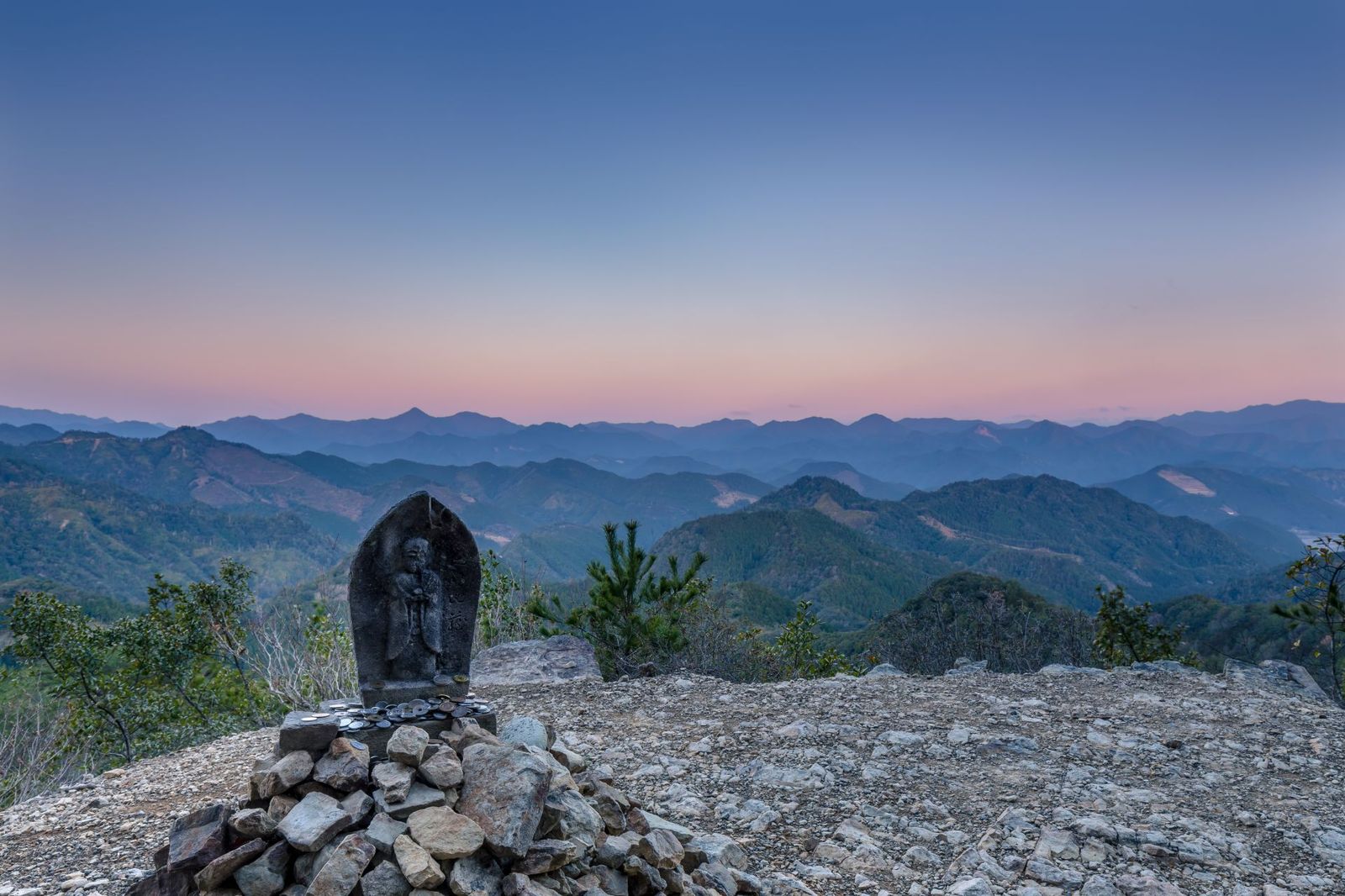
Take in Hyakken-gura views across Kumano’s remarkable sweep of 3600 peaks
Trip added to your saved list. Find your saved trips anytime using the in the header.




-300x200.jpg)
-300x200.jpg)
-300x200.jpg)
-300x200.jpg)

-300x200.jpg)

-300x200.jpg)
-300x200.jpg)
-300x200.jpg)

-300x200.jpg)
-300x200.jpg)



-300x200.jpg)




-300x200.jpg)
-300x200.jpg)