






-300x200.jpg)

-300x200.jpg)
-300x200.jpg)









-300x200.jpg)



-300x200.jpg)




-300x200.jpg)
-300x200.jpg)



-300x200.jpg)






-300x200.jpg)
-300x200.jpg)


-300x200.jpg)






-300x200.jpg)
-300x200.jpg)
In 2027, the Camino de Santiago will mark a Holy Year, known in Spain as the Año Xacobeo or Jacobean Year. It happens because 25 July, the Feast of Saint James, falls on a Sunday that year, and it's a rare enough alignment that missing it means waiting until 2032 for the next one. Here's what makes a Holy Year different, what to expect on the trail in 2027, and how to plan a Camino walk around it.
Quick facts
- 2027 is a Camino Holy Year because 25 July falls on a Sunday
- Holy Years follow an irregular 6, 5, 6, 11-year cycle, occurring roughly 14 times a century
- The last Holy Year was 2021, extended into 2022 due to the pandemic
- After 2027, the next Holy Years are 2032, 2038 and 2049
- The Pilgrim Office in Santiago issued 530,919 Compostelas in 2025, a record for a non-Holy Year
What is a Camino Holy Year?
 (1)-1400x933.jpg)
A Holy Year on the Camino de Santiago happens whenever 25 July, the feast day of Saint James, falls on a Sunday. Because of how the calendar and leap years interact, this doesn't happen on a neat schedule. Holy Years follow a cycle of 6, 5, 6 and then 11 years, which works out to roughly 14 Holy Years every century.
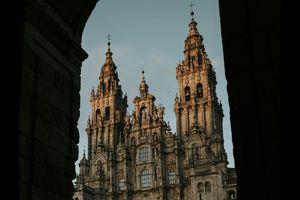
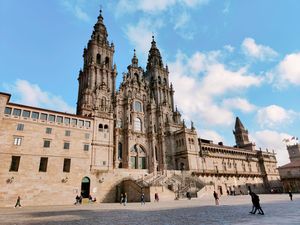
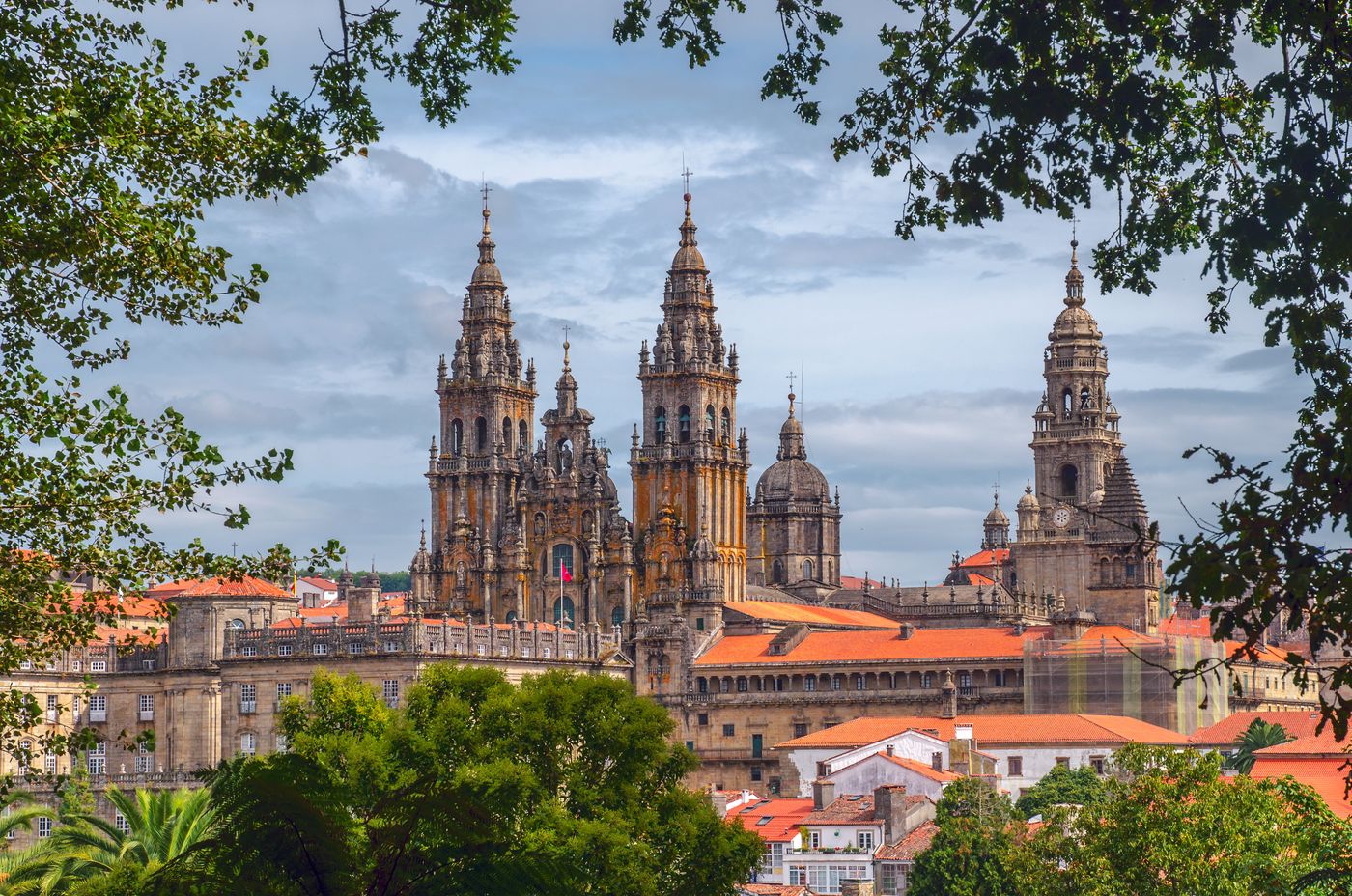
During a Holy Year, the Holy Door (Puerta Santa) of Santiago Cathedral opens to pilgrims for the entire year. In every ordinary year, this door stays sealed shut. Its opening is one of the two things that formally define a Holy Year, alongside the plenary indulgence made available to pilgrims who meet the Church's conditions.
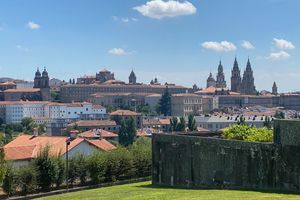
The tradition is old. According to Christian tradition, Saint James travelled to the Iberian Peninsula to spread Christianity after the crucifixion, was martyred in Jerusalem, and had his remains carried back to Galicia, where they were eventually buried at what became Santiago de Compostela. The cathedral built over that site has drawn pilgrims for over a thousand years, and a Holy Year has always been the most significant time to walk there.
Why 2027 is such a big deal
The last Holy Year was 2021, extended by Pope Francis into 2022 because of the pandemic, the first time in history a Jacobean Year spanned two calendar years. Before that, the 2010 Holy Year drew around 272,000 pilgrims. After 2027, the next Holy Years fall in 2032, 2038 and then not again until 2049, so the wait after this one is longer than most.
Pilgrim numbers have grown steadily in the years since. The Pilgrim Office in Santiago issued 530,919 Compostelas in 2025 alone, a record for a year that wasn't even a Holy Year. With that growth already in motion and a genuine Holy Year drawing pilgrims specifically for the occasion, 2027 is expected to be one of the busiest years the Camino has ever seen.
What happens during a Holy Year
The Holy Door is opened ceremonially on 31 December of the preceding year, so the 2027 Holy Year formally begins on 31 December 2026. During the ceremony, the Archbishop of Santiago strikes the sealed door three times with a silver hammer before it opens for the first time.
Beyond the Holy Door itself, a Holy Year in Santiago and across Galicia typically brings a fuller calendar of events: religious celebrations at the cathedral, concerts, exhibitions, and cultural programming tied to the Xacobeo. Celebrations tend to build in the days leading up to 25 July, when Santiago traditionally hosts its biggest festivities of the year.
For Catholic pilgrims, the Holy Year also carries a plenary indulgence, a remission of the temporal punishment due for sins already forgiven. Under the Church's usual conditions, this typically requires sacramental confession, receiving Holy Communion, and prayer for the Pope's intentions, generally undertaken alongside passing through the Holy Door. Pilgrims wanting to pursue this side of the Holy Year should confirm the exact requirements with their parish or diocese before travelling, since conditions and timing windows are set by the Church rather than by any tour operator.
Importantly, the indulgence is tied to arriving at the cathedral and fulfilling these conditions rather than to any specific route. A pilgrim finishing a short Camino Inglés receives the same recognition as one who has walked the full Camino Francés from Saint-Jean-Pied-de-Port. The Compostela certificate itself, which recognises completion of the pilgrimage regardless of religious intent, still requires walking at least the final 100 kilometres and presenting a stamped pilgrim credential at the Pilgrim's Office.
What to expect on the trail
A Holy Year changes the practical experience of walking the Camino, not just the spiritual one. Popular routes, particularly the Camino Francés and Camino Portugués, see considerably higher demand than in an ordinary year, and accommodation along busy stretches can book out well in advance, especially through summer.
This doesn't mean the Camino will be unpleasant in 2027. It means booking earlier matters more than usual, and it's worth building some flexibility into your dates rather than fixing on the busiest weeks. An organised, pack-free itinerary with accommodation secured ahead of time removes most of the uncertainty a Holy Year introduces.
When to walk during Holy Year 2027
Spring and autumn are the best times to walk the Camino in any year, and that holds true for 2027. April, May, late September and October offer mild walking weather with meaningfully fewer people on the trail than the June to August peak.
Because the Holy Door stays open for the whole of 2027, there's no need to walk in July specifically to take part in the Holy Year. If anything, planning outside the peak month of July, and well clear of the 25 July feast day itself, is the more comfortable way to experience it. Early winter is possible on most routes, though fewer albergues and guesthouses stay open along the way.
Choosing your route for 2027
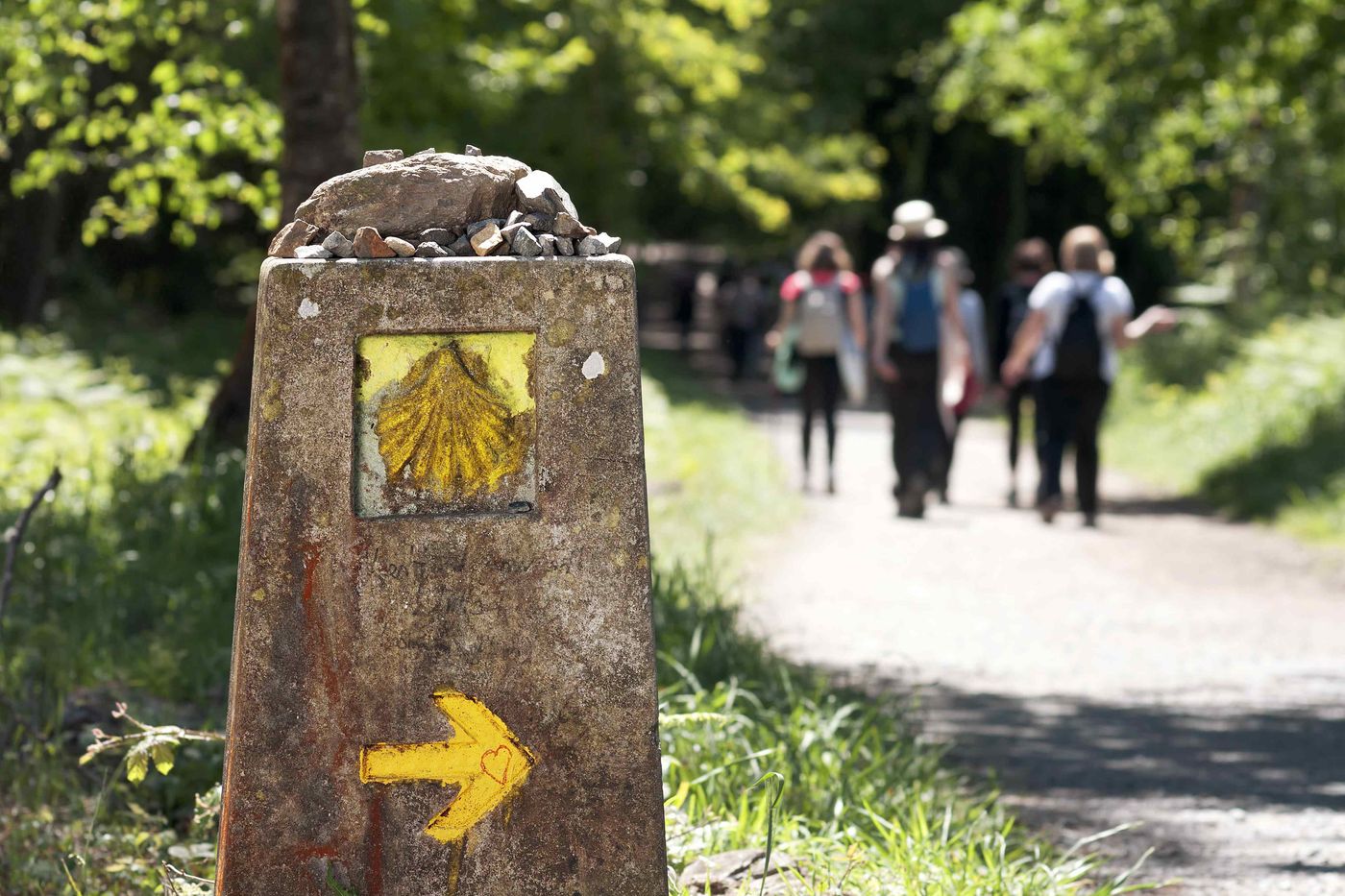
Since the Holy Year's indulgence applies regardless of which Camino route a pilgrim takes, 2027 is a good year to think about which trail actually suits you, rather than defaulting to the most famous option.
Camino Francés is the classic and most walked route, running 780 kilometres from Saint-Jean-Pied-de-Port in France through the Pyrenees, the Meseta Plateau and Galicia's rolling hills to Santiago. It's also the route most likely to feel crowded during 2027, so early planning matters most here.
Camino Portugués runs from Lisbon or Porto up through Portugal and into Spain's Galicia region, offering a quieter, scenic alternative with a choice between the Central Route's Roman roads and market towns or the Coastal Route's fishing villages and near-constant ocean views.
Camino Inglés is the shortest realistic option, historically used by pilgrims arriving by sea from the British Isles and northern Europe. It suits walkers who want the full Compostela experience within a tighter timeframe.
Camino Primitivo is considered the original Camino route, tracing the path first walked by King Alfonso II in the 9th century, and appeals to walkers wanting a quieter, more physically demanding alternative to the Francés.
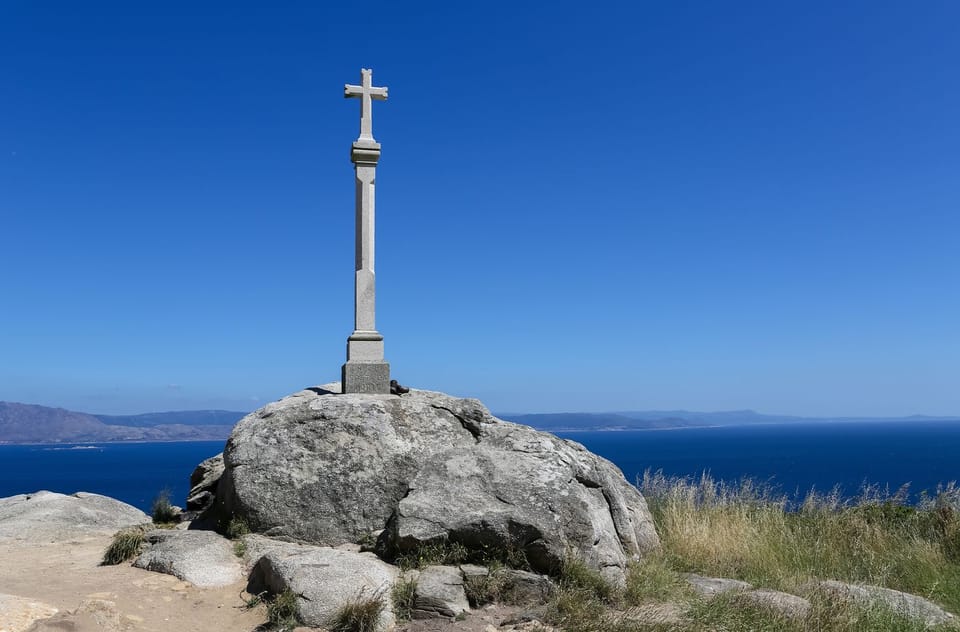
Camino Finisterre extends the pilgrimage beyond Santiago itself, following the old route pilgrims once walked onward to the Atlantic coast at Cape Finisterre, historically believed to be the end of the known world.
Recommended Auswalk itineraries for Holy Year 2027
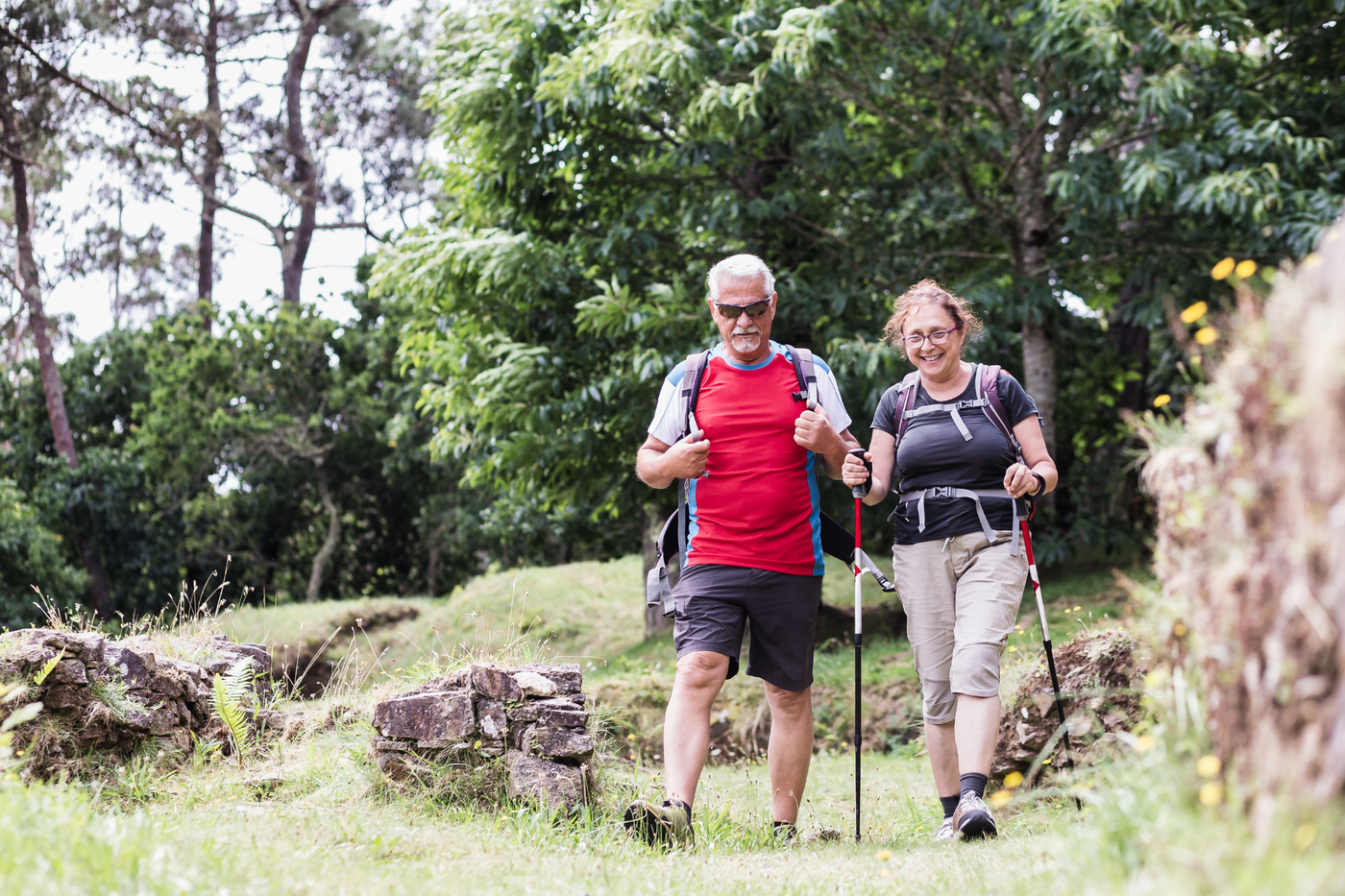
Auswalk offers self-guided and group-guided walks across all of the main Camino routes, all pack-free with accommodation and luggage transfers arranged in advance, which matters more than usual in a year when bookings will move faster than normal.
- Camino Frances Final Stage: Sarria to Santiago (8 days, self-guided) — the final 100 kilometres of the Camino Francés, and the most popular way to earn a Compostela within a single week.
- Guided: Camino Frances Final Stage: Sarria to Santiago (8 days, group-guided) — the same final stage with a local guide throughout, well suited to a Holy Year given the extra numbers expected on this stretch.
- Camino Frances: The Full Route (38 days, self-guided) — the complete Camino Francés from Saint-Jean-Pied-de-Port, for walkers wanting the whole pilgrimage in a single Holy Year trip.
- Portuguese Camino de Santiago (14 days, self-guided) — a quieter alternative to the Francés, tracing the historic route north from Portugal.
- Portuguese Coastal Camino Way of St James (15 days, self-guided) — the Portuguese Camino's coastal variant, following the Atlantic shore for much of the walk.
- Camino in Style (13 days, self-guided) — a more comfortable version of the Francés with upgraded accommodation, worth considering given how quickly standard lodgings may book out in 2027.
- Camino de Invierno: The Winter Way (15 days, self-guided) — a historic alternative route through Galicia's wine country, worth considering for those wanting to avoid the busiest Holy Year crowds entirely.
- Camino Finisterre: Santiago de Compostela to Finisterre (6 days, self-guided) — for walkers wanting to extend a Holy Year pilgrimage on to the Atlantic coast after reaching Santiago.
See the full range of Auswalk's Camino de Santiago walks for guided options and other route variations.
Practical tips for walking during a Holy Year
Book earlier than you normally would. With pilgrim numbers already at record levels before factoring in the Holy Year draw, popular stretches of the Camino Francés in particular are likely to book out well ahead of the June to August peak.
Consider shoulder season dates. April, May, late September and October offer good walking weather with noticeably fewer people than mid-summer, and the Holy Door stays open all year, so there's no need to walk in July to take part.
Get your pilgrim credential organised early. The Compostela is still only issued to those who walk at least the final 100 kilometres and present a properly stamped credential at the Pilgrim's Office, regardless of the Holy Year.
Think about which route actually suits you. The indulgence applies to any route, so a quieter option like the Camino Inglés, Camino Primitivo or Camino de Invierno can offer the same Holy Year experience with a fraction of the crowds expected on the Francés.
Build in some flexibility. A pack-free, fully organised itinerary with accommodation secured in advance removes most of the guesswork a Holy Year adds, and leaves more room to actually enjoy the walk rather than manage logistics on the fly.
Frequently asked questions
What is a Camino Holy Year? A Camino Holy Year, or Año Xacobeo, occurs when 25 July, the Feast of Saint James, falls on a Sunday. The Holy Door of Santiago Cathedral opens for the full year, and a plenary indulgence becomes available to Catholic pilgrims who meet the Church's conditions.
Why is 2027 a Holy Year? 25 July 2027 falls on a Sunday. Holy Years follow an irregular cycle of 6, 5, 6 and 11 years, so 2027 is the first Holy Year since 2021, and the next won't occur until 2032.
Do I need to walk a specific route to take part in the Holy Year? No. The Holy Year's indulgence applies to pilgrims arriving at Santiago Cathedral and fulfilling the Church's conditions, regardless of which Camino route they walked or how far they travelled.
Will the Camino be too crowded to enjoy in 2027? Busier, certainly, especially on the Camino Francés during summer. Walking in shoulder season (April, May, late September, October), choosing a quieter route, or booking well ahead all make a meaningful difference.
Do I need to be religious to walk the Camino during a Holy Year? No. Many walkers take on the Camino for the physical challenge, the scenery or the culture rather than religious reasons, and the Compostela certificate itself recognises completion of the pilgrimage regardless of intent.
Planning a Camino for the Holy Year? See the full range of Auswalk's Camino de Santiago walking holidays to find the route that suits you.