Tips, tricks, and trail insights - everything you need to know about multi-day walks in Camino de Santiago.
30+ Years Experience
Pack-Free Walking
Self-Guided Itineraries
Comfortable Stays
4.9/5reviews on
Overview
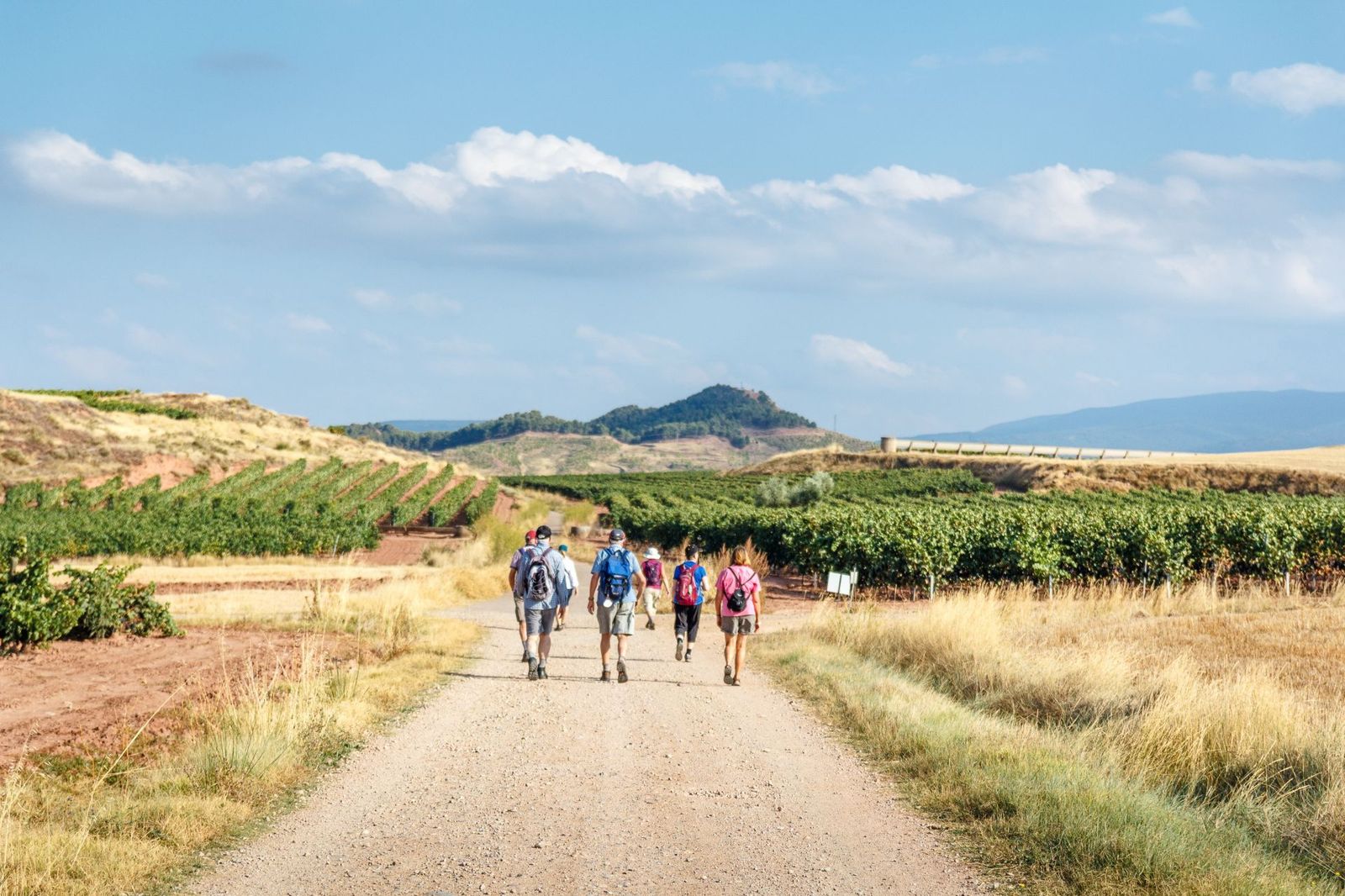
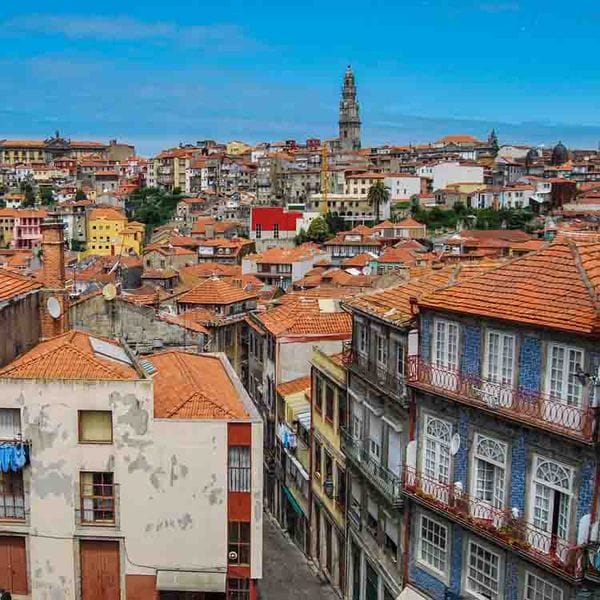
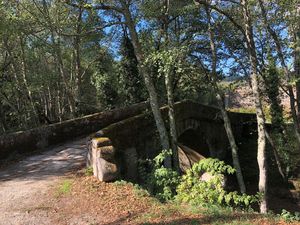
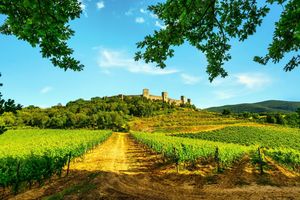
The Camino Português is the second most popular Camino route and growing fast, drawn by its beauty, its manageable terrain and its notably quieter trails. Starting from Porto's UNESCO-listed Cathedral, walkers choose between two distinct experiences: the Central Route, which follows Roman roads and medieval bridges through the vineyards and market towns of northern Portugal, or the Coastal Route, which traces the Atlantic shore through fishing villages with the ocean as a near-constant companion. Both cross into Spain's Galicia before converging on Santiago. For those seeking the spirit of the Camino without the crowds, this is the route.
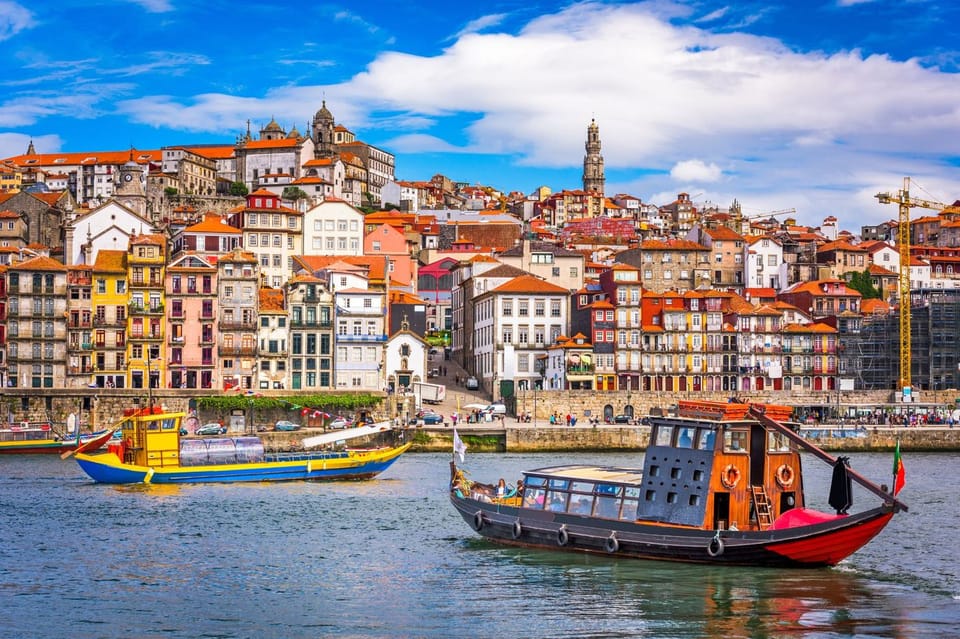
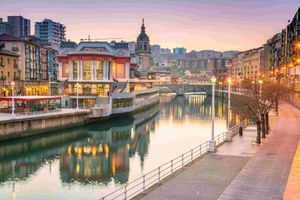
Begin in world heritage Porto beside Ribeira, Bolsa Palace and Porto Cathedral
Pass ancient forts, Romanesque churches and Dukes of Braganza Palace ruins in Barcelos
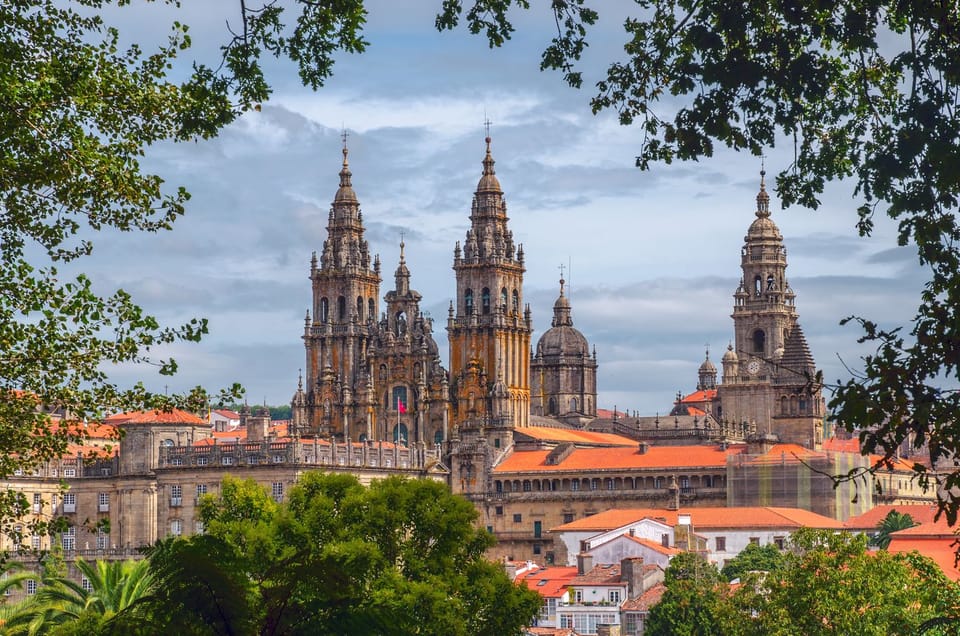
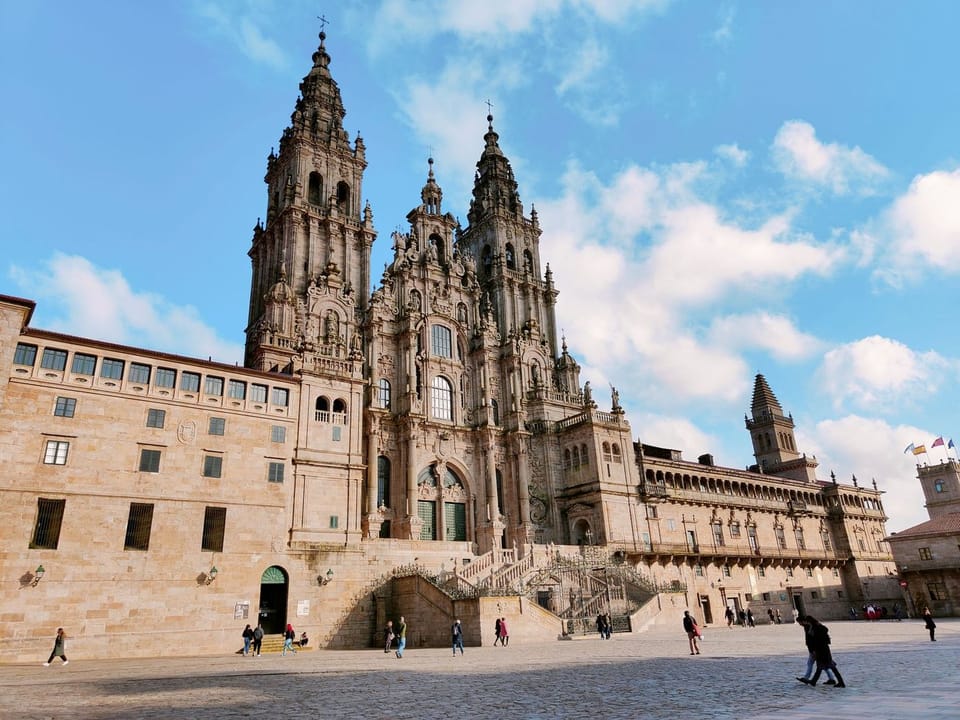
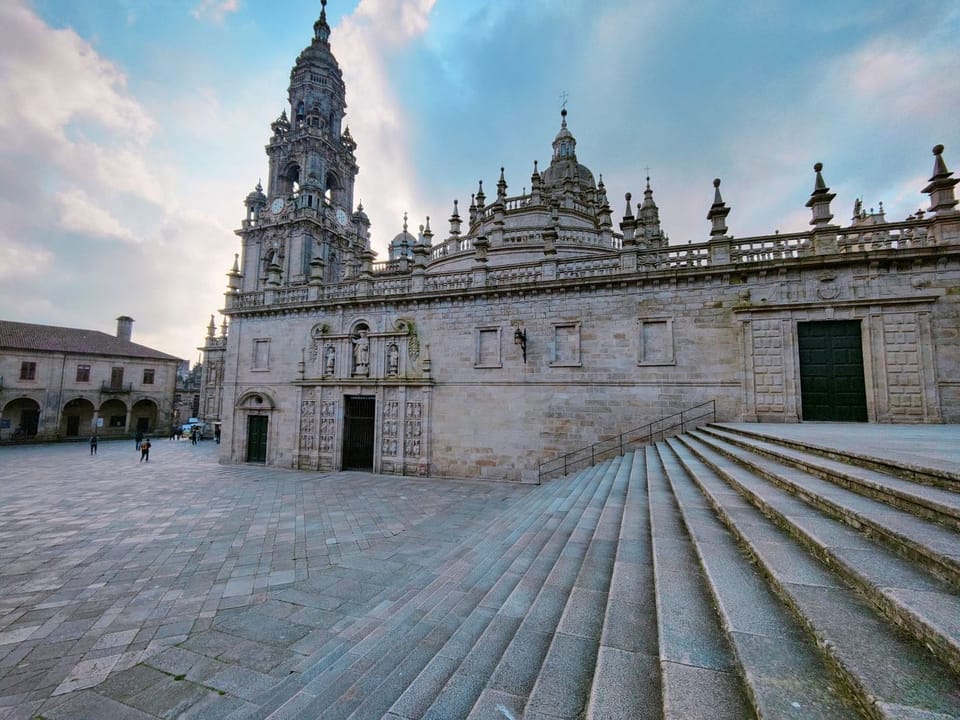
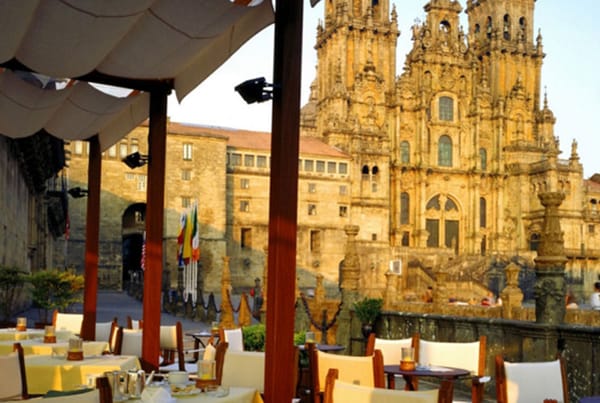
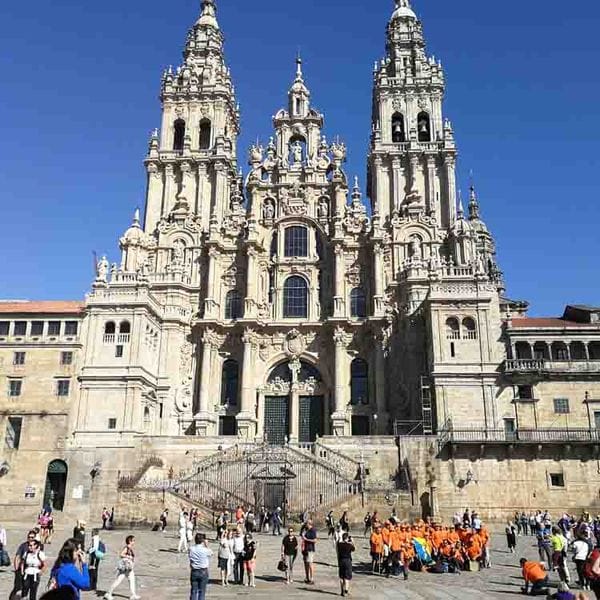
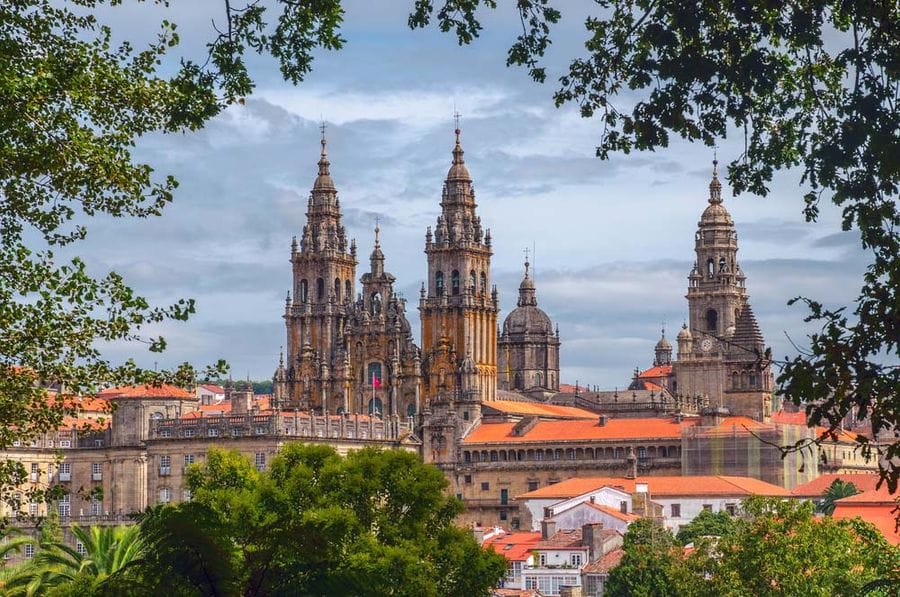
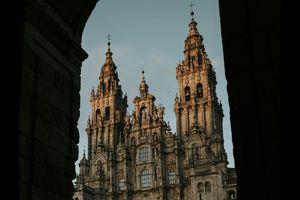
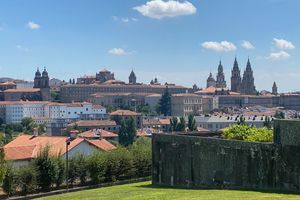
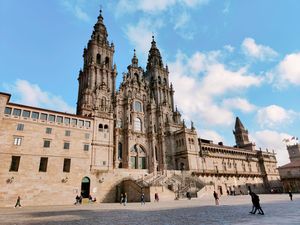
End at Santiago de Compostela’s stunning cathedral after 223 kilometres of pilgrimage
Wellness
Inn-to-inn strolls through forests and villages deliver a deep sense of achievement
Restorative slow travel being present on the Portuguese Way rediscovering the natural rhythm of life
Share warm Camino camaraderie with fellow pilgrims, then sleep soundly in private lodgings with ensuites
Nature
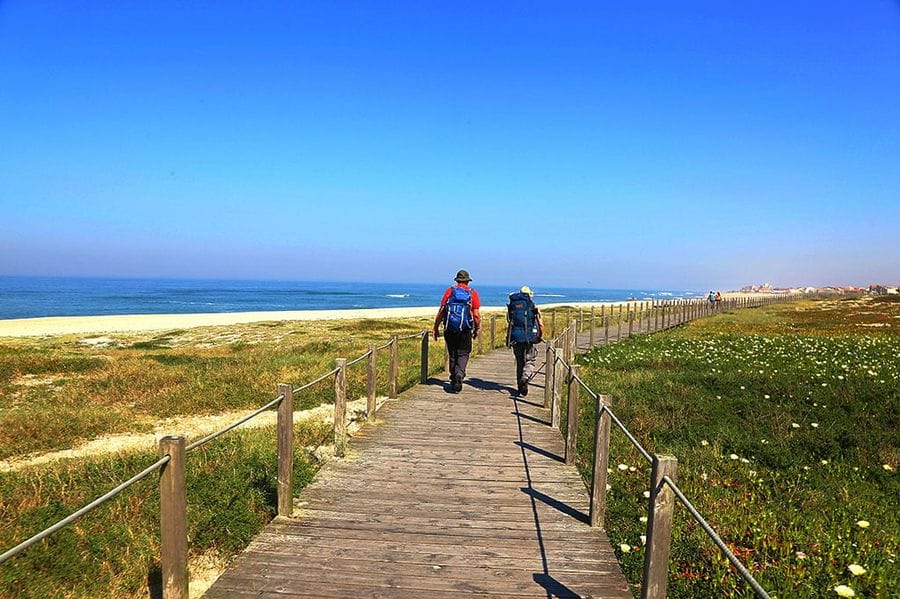
Trace unspoiled Atlantic coastline, rugged headlands and varied coastal tracks from A Guarda
Follow the Louro Valley through forest tracks to wetlands rich with birdlife
Walk through dense forests, rivers and valleys between medieval Portuguese and Spanish towns
What you'll eat
Seafood Plates
Atlantic fish, shellfish and octopus appear often in towns along the route
Tapas Bars
Northern Spanish bars let you graze through local delicacies in lively pilgrim towns
Loureiro Wines
Fresh Minho whites and regional pours suit long lunches and coastal evenings
Where you'll stay
Country Hotels
Quiet small-town hotels with a restorative feel after long days walking
Coastal Stays
Simple seaside nights near beaches, estuaries and old fishing communities
Pilgrim Retreats
Restful rooms in historic towns where the day ends in calm and quiet
How you'll travel
Pilgrim Footpaths
Most days unfold on foot through villages, farmland, old towns and coast
Private Transfers
Helpful road transfers smooth out selected stages and awkward urban stretches
Luggage Shuttles
Your bags go ahead each day, leaving you free to walk lightly
Portuguese Camino reviews
4.9
60 reviews
5 Star
52
4 Star
7
3 Star
1
2 Star
0
1 Star
0
MC
Michael C
September 2026
Every piece of the trip went superbly! Fantastic seeing our luggage at every new hotel! Thank you for giving us a fantastic time. All dealings with Auswalk especially pre trip have been both professional and personal and very practical.
PH
Peter H
September 2026
Extremely reliable, good walking data, just a good all around performance. The logistics were 100% in fact better than 100%. The terrain was fine, Portugal has hills as simple as that. The Camino itself is good. Also the second to last hotel in Padron the Pazo De Lestrove. All around a fantastic experience, your subcontractor for the baggage was amazing. I will be booking another tour in 2028 either Japan or across the UK or Ireland.
TH
Timothy H
September 2026
Very well organised, great communication. Accommodation was excellent and transportation of baggage between location was seamless. Accommodation in Padrón and Faro. The Hostel in Porriño was also a highlight. What a family :)
TM
Tracey M
September 2026
Walking the Portugese Central Way was an absolutely brilliant trip. Such a beautiful path, loved doing it with friends and AusWalks made it easy. Responsive team to deal with, everything went smoothly on our walk. Accommodation varied greatly. Casa Da Capela was superb, and as it was our first night probably set too high a bar! Some others (eg. Hotel Lara) were pretty ordinary. I did appreciate that you were willing to tailor the walk to allow us to start in Cossourado e Linhares.
JK
Jeremy K
August 2026
My Portuguese Camino was well organised and supported by Auswalks. No issues or problems. The whole trip was pretty amazing, everything was a standout. Had a great time walking the Portuguese Camino with Auswalks, recommend that everyone walks the Camino at least once, and why not with Auswalks.
AD
Amy D
July 2026
The walk itself was so beautiful. The people I meet became my family. I loved everything about it and intend to do another Camino way in the future. Everything was so easy. The accommodation was excellent! The hints and suggestions were so helpful. The walking app map was a lifesaver and I used it several times to not get lost. Thank you so much, Couldn't have been happier.
- so well organized
- personalized communication was excellent
- instructions and guides made just for me meant that I felt super confident in doing his walk solo.
- the downloaded app which gave me the map was so helpful and reassuring.
- I felt so safe knowing that Auswalk was only a phone call away.
FD
Fiona D
July 2026
Easy to deal with in head office and most enquiries dealt with promptly. The accomodation in Padron was excellent. The walk itself and associated logistics were very well organised particularly the accomodation, bag transfers and taxis. The accomodation was very good overall.
We had no need to contact the onsite tour contacts at all. They contacted us once to inform of an earlier pick up which was seamless.. Overall very happy with the service received and the actual walk selected.
KR
Kirsty R
July 2026
We had a fabulous walk and met lots of lovely people . Ate and watches soccer with the locals and loved staying in the unique Spanish accomodation . I would highly recommend the accomodation .
The pass was very easy to follow . Once or twice we couldn’t get into restaurants that were recommended in the book as we walked into town for lunch . It would have been good to perhaps have the restaurant recommendations before the walk so you can pre book. The night in Caldas de Reis was really unique . All the rooms were unique and had amazing views . It was the only night we are in and we had a lovely dinner on the verandah . It was a special property.
CW
Craig W
July 2026
Had a great time, the Camino Portugese was awesome, organisation and hotels seamless and great quality.
GM
Gracie M
June 2026
This was for my partner more than me, and you were very helpful in making me feel comfortable with the planned itinerary. We had no hiccups during the whole process.. Best hotel was in Dodro, an old convent. Best on-site restaurant Caldas de Reis. Super organised, helped us all through the process, booklet was excellent as a guideline. Though we did find most of the kilometres advised were under what we actually did, it was good to be able to skip a section so I didn’t have to hold back my partners walking pace and could meet up at next section..
LR
Liz R
June 2026
AusWalk has been an outstanding tour organiser for my Portuguese Camino. They delivered everything they promised, and the entire trip ran smoothly from start to finish. Their booklet was exceptionally helpful. I would not hesitate to use them again for future hiking adventures.
MM
Maureen M
June 2026
It was a wonderful walk. The Camino way markers were easy enough to find. Negotiating our way to our accommodation in some of the larger towns was a bit trickier but we ultimately got to where we needed to get to. All in all it was a truly memorable experience.
CR
Cherry R
June 2026
Hotels chosen well throughout. Walk guidance comprehensive. Suggestions for shortening the very long days very helpful.
LL
Lanna L
May 2026
The Portugal Camino walk organised by Auswalk was a perfect route to do the pilgrim walk but at the same time immerse yourself in the cultural experience of the local area. We chose the shorter distance walk each day to allow us the time to explore the villages and towns that we stayed. It was just wonderful to talk to locals, watch the sunset on the coastal areas and to talk to other pilgrims. It was just a beautiful experience.
PI
Philip Ian P
May 2026
The departure point process was comfortable and efficient. Spanish Camino walk was a blast!
MT
Maurice T
May 2026
The trip was well organised by AusWalks. The luggage was transported without any issues at all and always arrived early or before check in time. The information of the route was very helpful and provided additional information on the historical sites that we would be walking through. Overall a great experience.
IR
Ian R
May 2026
Very patient Piper in MEL was very supportive
All worked - your formula works really well
GPS took more than anticipated - surely AUSWalk can make that more seamless - should be an access code from AUSWalk and presto - logged in
SP
Suzanne P
May 2026
Wonderful walk and Auswalks were great communicators.
TS
Troy S
May 2026
The hotels in the countryside were fantastic and provided tremendous restaurant options.
The city hotels IE Porto and Santiago could be better although there locations were great.
PM
Perry M
April 2026
Auswalks prepared our self- guided Portuguese Camino. Everything went so smoothly. What an adventure, what a treat. Memorable.
JD
Joanne D
April 2026
Entire trip went extremely well. Everything worked smoothly and easily.
DM
Deborah M
January 2026
I have now done a couple of walks through Auswalk, here in Australia and overseas, I have been very happy with everything. Very happy to continue booking any further walks through Auswalk.
DM
Deborah M
January 2026
I have now done a couple of walks through Auswalk, here in Australia and overseas, I have been very happy with everything. Very happy to continue booking any further walks through Auswalk.
SV
Suzanne V
October 2025
Auswalk was amazing to deal with and were happy to customise our walk and build in rest days to suit what we wanted. They were very responsive and extremely helpful when one of us was injured and couldn't walk for a few days. I thoroughly recommend Auswalk as being very professional and we will happily use them again.
SV
Suzanne V
October 2025
Piper was amazing to deal with and were happy to customise our walk and build in rest days to suit what we wanted. They were very responsive and extremely helpful when one of us was injured and couldn't walk for a few days. I thoroughly recommend Auswalk as being very professional and we will happily use them again.
KY
Kathryn Y
October 2025
We booked our Camino walk through Auswalk, and they were absolutely outstanding from start to finish. Everything was perfectly organised — routes, accommodation, luggage transfers, and detailed notes. It made the experience stress-free and unforgettable. Highly recommend them to anyone dreaming of walking the Camino!
KY
Kathryn Y
October 2025
We booked our Camino walk through Auswalk, and they were absolutely outstanding from start to finish. Everything was perfectly organised — routes, accommodation, luggage transfers, and detailed notes. It made the experience stress-free and unforgettable. Highly recommend them to anyone dreaming of walking the Camino!
RF
Rod F
October 2025
We booked our first Self Guided Camino, the Portuguese Coastal Camino, through Auswalk. The entire process from initial enquiry, booking, requests for additional accommodation, and the luggage transfers was seamless and faultless. The handbook notes were generally very accurate except for a few small grey areas. With so many other pilgrims and locals assisting with direction, it was never an issue. Accommodation locations we were provided were great and they were comfy and clean. Thoroughly recommend Auswalk self-guided tours.
RF
Rod F
October 2025
We booked our first Self Guided Camino, the Portuguese Coastal Camino, through Auswalk. The entire process from initial enquiry, booking, requests for additional accommodation, and the luggage transfers was seamless and faultless. The handbook notes were generally very accurate except for a few small grey areas. With so many other pilgrims and locals assisting with direction, it was never an issue. Accommodation locations we were provided were great and they were comfy and clean. Thoroughly recommend Auswalk self-guided tours.
JF
Joanne F
October 2025
We found AusWalk’s communication and organisation for the Portuguese walk to be absolutely seamless. The written booklet and GPX tracker made navigation simple and stress-free. The accommodation throughout the walk exceeded our expectations — comfortable, well-located, and of a higher standard than anticipated. Overall, a fantastic experience. Highly recommended!
JF
Joanne F
October 2025
We found Auswalk's communication and organisation for the Portuguese walk to be absolutely seamless. The written booklet and GPX tracker made navigation simple and stress-free. The accommodation throughout the walk exceeded our expectations — comfortable, well-located, and of a higher standard than anticipated. Overall, a fantastic experience. Highly recommended!
EA
Eva A
October 2025
Great experience!!!! Could not have done it on my own!!! Thanks to the attention to detail!
AM
Alison M
October 2025
My experience with Auswalk to arrange our Camino Journey from first contact to on the walk was easy, very helpful and personalised. It made my experience enjoyable and hassle free. I would encourage anyone to use Auswalks. I will be again.
AB
Anne B
September 2025
The daily distances were less than the majority of walkers and this allowed us to spend time exploring daily destinations. Dept point process is easy to organise. Our entire walk went very well.
AG
Audrey G
August 2025
All of the spots were beautiful and distances each day perfect. The dept point process is very convenient! Right on time and a lovely drive. Entire trip went extremely well.
MC
Mara C
August 2025
We had an amazing first Camino booked through Auswalk. Hotels were all excellent and simple but adequate breakfast included. Luggage transfers were seamless and our luggage was always waiting for us at our hotel when we arrived. Everything went as planned and although the first few days of walking were tough the overwhelming joy of reaching Santiago De Compostela will last a lifetime. Would definitely choose Auswalk again for our next walk.
SS
Stephanie S
August 2025
We just got back from our Portuguese Camino Walk with our 4 young adult/teenage children and their partners on what they dubbed "one of Mom's active holidays". it was a phenomenal way to slow down, talk to each other, eat together, drink together and just be together with no expectations or time limits. We laughed, cried, got angry and got happy often all in one day! We are all in pretty good physical shape but it was still physically and emotionally hard so you do need to train before you go. It was nice having wonderful beds with nice sheets and great breakfasts all pre-arranged along with having our bags transported and made the physical toughness easier for us. I highly recommend it and we will all go again. You just never know what you will find along The Way.
EI
Elizabeth I
July 2025
Our entire trip went extremely well. Everything was seamless and the walking notes were very specific. You couldn't go wrong.
PS
Philippa S
July 2025
I loved the guidebook layout and having a GPX file available. It was great having a no-fuss transfer to the start of the first official day of walking. The accommodation was mostly excellent and well located. I really enjoyed the route as recommended. Thanks to AusWalk we were able to travel from New Zealand, arrive in Europe and be confident that all arrangements were going to work.
AG
Annabel G
July 2025
Trip was well organised , both the digital and the hard copy book was great ,we walked everyday unlike some other tours which means you were able to get in the groove early
Recommend this company
BH
Belinda H
June 2025
Again, we felt confident that Auswalk would look after us and we were not disappointed. From clear directions, baggage transfer and accommodation choices, we felt secure and well organised.
SC
Sophia C
June 2025
I loved it! A beautiful trip! My favourite walk to date. We were delighted with our decision to upgrade our accommodation.
SC
Shu-Hwa C
June 2025
Many thanks for the walkers' notes/tips etc., we had a very rewarding walking holiday.
KR
Keven R
May 2025
I have recently completed the Camino Walk. Having the Notes and App provided by Auswalk was a great help in both my preparation for the walk and to follow during the walk itself. The accommodation was very good and well located and the luggage delivery service worked perfectly. I had great weather and shared the walk with many other helpful and friendly people from many different countries. Great.
RA
Rosemary and Peter S
May 2025
Thank you Auswalks for making our Camino experience seamless and easy to follow. Every transfer and bag drop went smoothly. The accommodation in all the towns was clean and comfortable with some little gems thrown in. The itinerary was as expected and the gps app invaluable. Loved ready the little guide book the night before to be ready for the next day's adventure. I would highly recommend this Portuguese Coastal Camino to anyone looking to do the Camino. Thanks for wonderful planning and support our Camino is complete. We will be recommending you to anyone who plans a Camino journey. BUEN CAMINO
Thanks
RA
Rosemary and Peter S
May 2025
Thank you Auswalks for making our Camino experience seamless and easy to follow. Every transfer and bag drop went smoothly. The accommodation in all the towns was clean and comfortable with some little gems thrown in. The itinerary was as expected and the gps app invaluable. Loved ready the little guide book the night before to be ready for the next day's adventure. I'm glad I chose to do the walk over a longer period of time, it definitely made it an achievable goal. I would highly recommend this Portuguese Coastal Camino to anyone looking to do the Camino. Thanks for wonderful planning and support our Camino is complete. We will be recommending you to anyone who plans a Camino journey. BUEN CAMINO
Thanks
KB
Kirsty B
May 2025
We were extremely happy with everything. I cannot recommend Auswalk highly enough. From my initial email to the end of the Camino Portuguese trek, the team were extremely professional, helpful and always keen to go above and beyond to provide a fantastic service. We will definitely travel with them again!!
SG
Sonja G
May 2025
Yet again, Auswalk provided us with a well planned trip with attention to detail & guaranteed safe, clean & enjoyable accommodation locations with the upgrade. Thoroughly enjoyed and memorable.
HT
Heather T
May 2025
The entire trip went extremely well. We were very pleased with the whole process by Auswalk.
JJ
Judith J
May 2025
Everything went like clock work. The entire walk went extremely well.
VU
Vijeta U
May 2025
My entire experience with AusWalk was truly wonderful. From the moment I booked the Camino walk to the final day of the journey, everything was seamless and enjoyable. Even though it was a self-guided tour, I never felt alone. I highly recommend AusWalk!
GM
Greg M
March 2025
It was better than I imagined and is one of the best activities I have been involved in. I loved every moment. Could not have been easier. Picked up at the arranged time and driven to the starting point. Drive could not have been more friendly. Could not have been organised better. Accommodation was terrific, luggage transfers on time and the walk itself was wonderful. I loved doing this. Thank you
RG
Richard G
March 2025
I found Auswalk to be fully supportive and helpful in arranging my Camino. Everything went well. Pickups, hotel bookings, luggage transfers- all went perfectly. I couldn’t have expected any more - it was great
KT
Kate T
March 2025
The AusWalk experience was extremely seamless from initial booking to pre-walk information, through the luggage transfer and hotel bookings along the way. We encountered no issues and all of the accommodation was suited to our needs, the included breakfasts made each day much easier too.
KK
Karen K
January 2025
Well organised and a ln outstanding guide made our walk unforgettable
WA
Wendy A
January 2025
Our trip went extremely well. The notes were very helpful, I really appreciated them in notebook format.
T
Tony
December 2024
Auswalk and its Portuguese Supplier made this an enjoyable, safe and and amazing experience. Even before we left Australia, the assistance both companies provided was outstanding. Nothing was too much trouble.
TC
Tony C
November 2024
We booked the Portuguese Camino through Ian and the team at Auswalks. The original booking was completed effectively and with ease. This included several personalised requirements for our needs. 5 weeks out from commencing our Camino, I broke my leg. Ian and the team worked with us on our options, restructuring the program. They saved us anxiety, money and time. Professional but personalised. Wholeheartedly recommend this business for your holiday experience.
CP
Catherine Powell
April 2024
Thank you Auswalk for providing us with this life-changing experience. With great communication and support, we felt very comfortable doing the self-guided walk. We chose the 2-3 star accommodation and we are so glad we did.
It was exciting coming into the next town/village at the end of the day to find out what little gem you would be staying at. Most were family-owned businesses and you truly felt like you were part of their family. Can't wait to undertake our next walk!
PS
Peter S
January 2023
You do not know what you don't know. AusWalk took all the uncertainty and stress out of planning our walk. We have just completed the 14 day, 240 km Portuguese Camino. AusWalk went out of their way to provide the itinerary we wanted for our self guided walk from Porto, Portugal to Santiago de Compostela in Spain. Their service providers in Portugal and Spain exceeded our expectations. The accommodations were exceptional and provided the rest and rejuvenation required each night to complete each stage of the 14 day walk. The personalised walking notes were invaluable and certainly ensured the best experiences and hassle free days as did the daily luggage relocation from one hotel to the next.
More About This Destination
There are better times than others to walk the Camino. On almost all of the Caminos spring and autumn is the best time. Mid-summer can be a little warmer. Early winter is possible but the accommodations along the route are less likely to be open.
You will have to check the weather for each destination, especially through the Pyrenees. We have provided more detailed information on the specific walk's website page for each destination.
Frequently asked questions
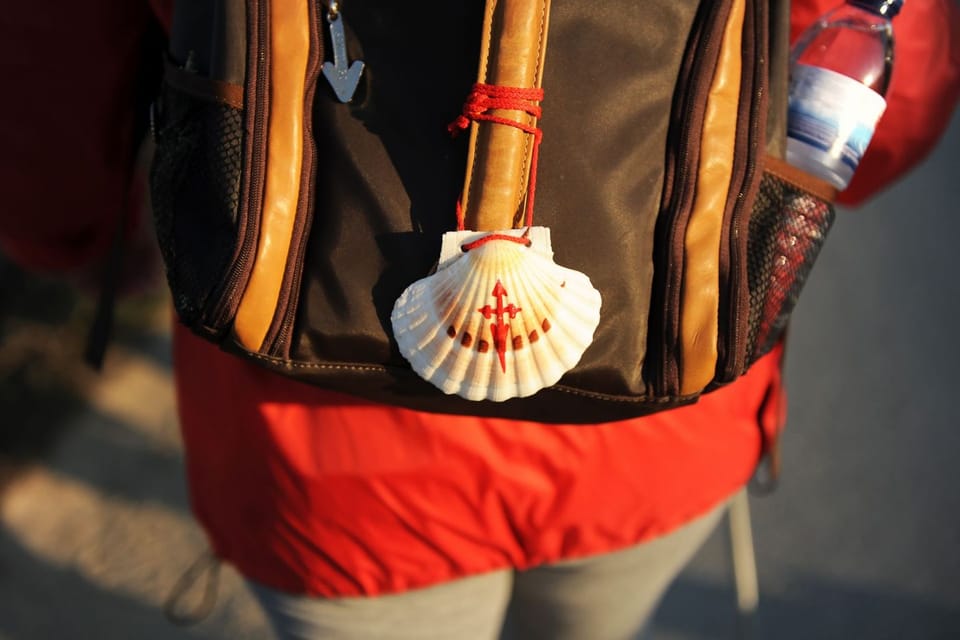
Yes, and it's one of the most meaningful parts of the Camino experience. Your Credencial is an official pilgrim document that gets stamped at hostels, churches, cafés, and various landmarks along the way to certify your passage. You'll need a minimum of two stamps per day to qualify for the Compostela — the official certificate awarded on completion of the final 100km into Santiago. Your Credencial and a traditional pilgrim shell are included in the Welcome Kit provided at your first accommodation.
The Compostela is the certificate awarded to pilgrims who complete at least the final 100km of the Camino on foot. To receive it, you need to present your stamped Credencial at the Pilgrim Office in Santiago. It's worth planning to arrive in Santiago in the morning and booking an extra night if possible — collecting the Compostela and taking in the cathedral at your own pace is something to savour rather than rush.
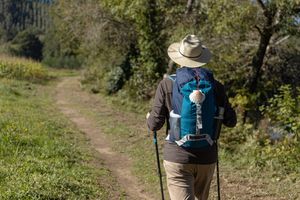
A comfortable daypack is essential. Key items include a waterproof jacket or poncho, worn-in walking boots (never use new shoes on the Camino — break them in thoroughly beforehand), at least 1.5 litres of water, snacks, sun protection, a basic first aid kit including blister plasters, your Credencial, phone, and Euros in cash. Walking poles are strongly recommended — they make a tangible difference over long daily distances, reducing fatigue and protecting your knees and joints.
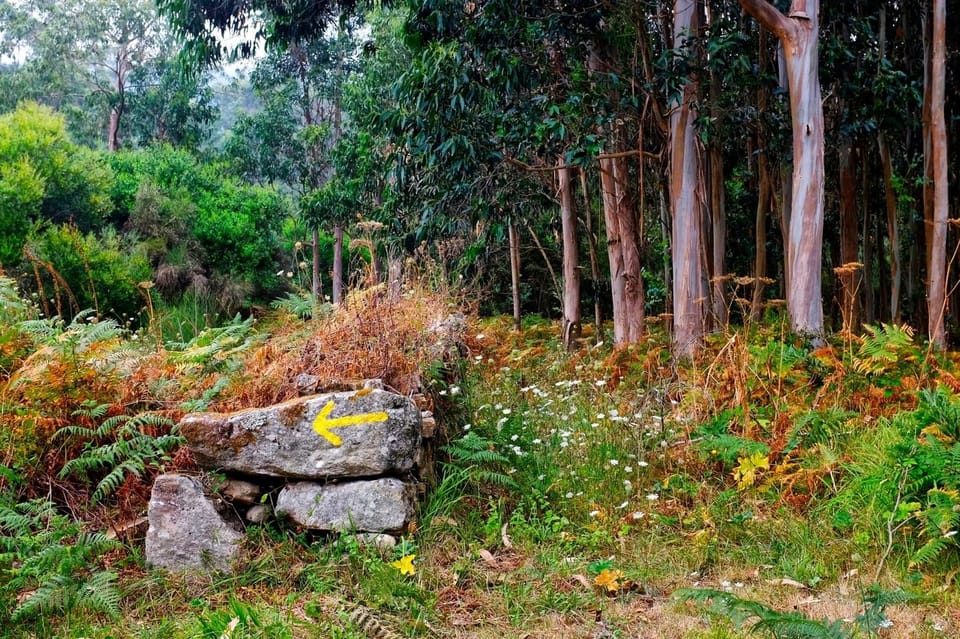
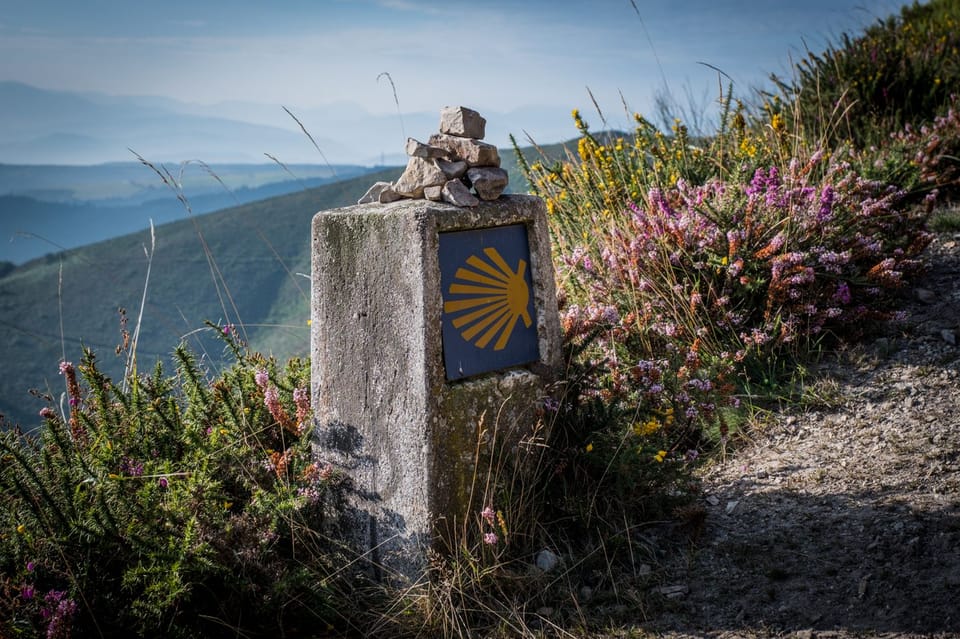
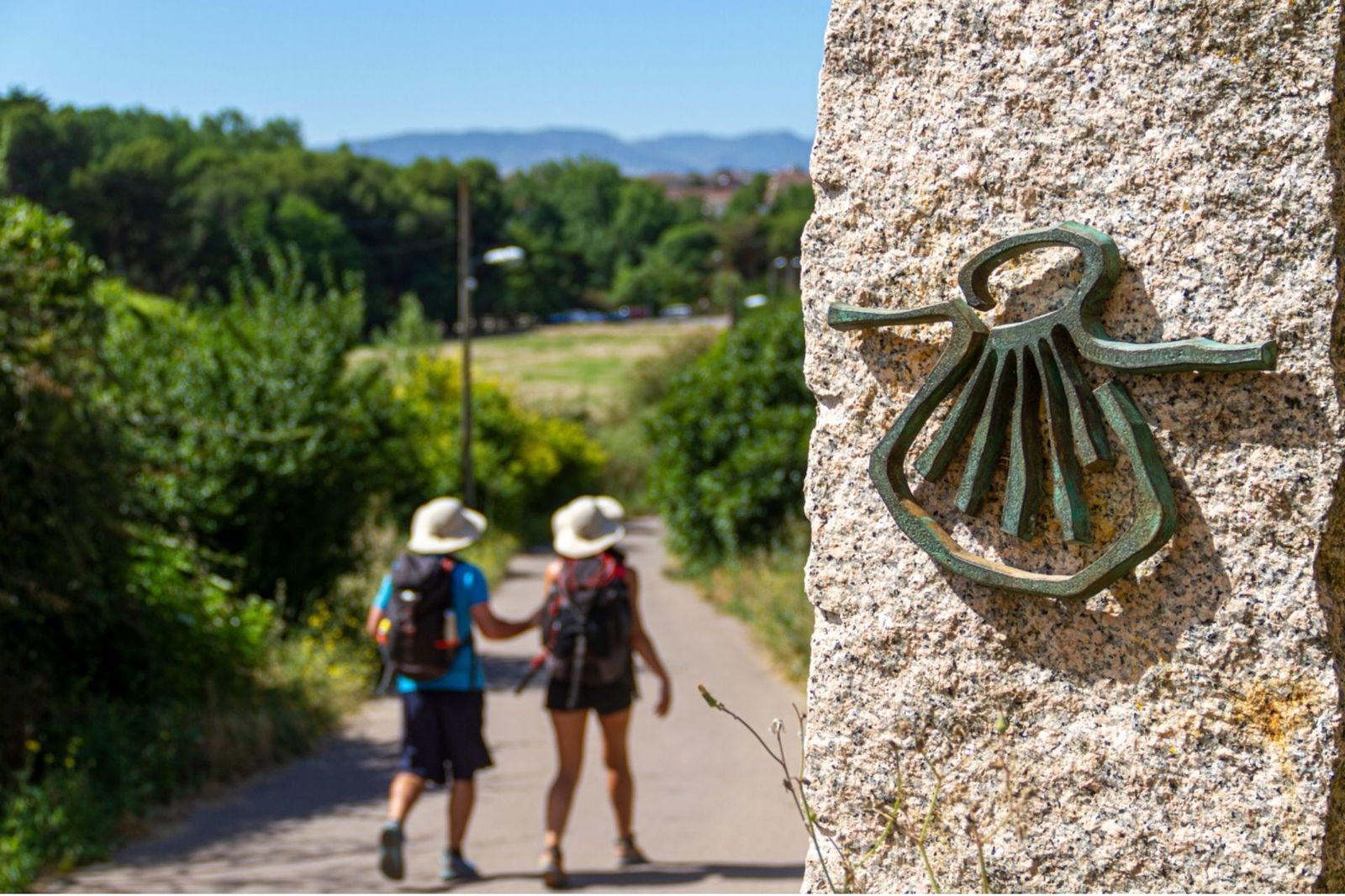
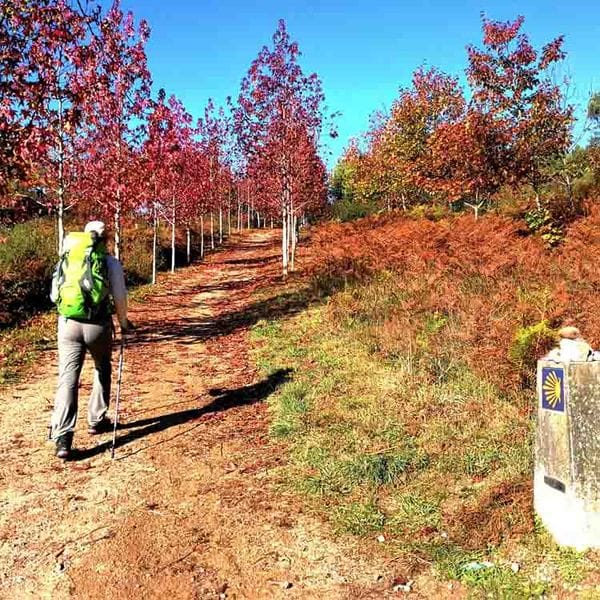
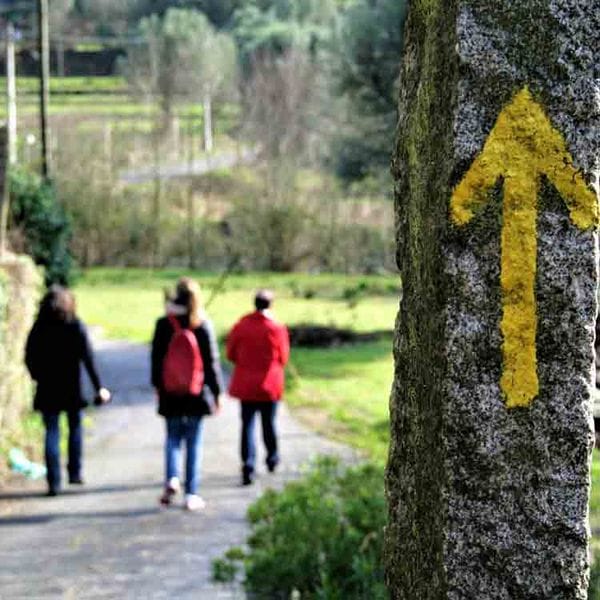
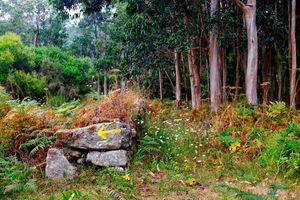
The Camino is well marked throughout with yellow arrows painted on walls, pavements, trees, and posts — primarily at intersections and crossroads. When you cross into Spain, granite waymarkers and blue tiles with yellow shell or arrow motifs also appear. Your pre-departure pack includes a digital roadbook, maps, and a GPS track you can load onto your phone as a backup. Auswalk provides 24/7 emergency support throughout the walk.
Both Portugal and Spain use the Euro (€). Cards are widely accepted in towns and cities, but ATMs can be scarce on some sections of the route — don't rely on finding one when you need it. Carry a reasonable supply of cash at all times, particularly for cafés, village shops, and smaller establishments along the way. Stock up in larger towns when you have the opportunity.
Tipping is not obligatory in Portugal or Spain, but a small gesture is always appreciated for good service — rounding up the bill or leaving a few euros at a restaurant is perfectly appropriate. There are no fixed expectations, so tip at your own discretion.
The Camino passes through a great number of churches, chapels, and sacred sites. Dress modestly when entering — covered shoulders and knees are generally expected. Speak quietly and be respectful of any services or prayers taking place. The Cathedral in Santiago de Compostela in particular deserves time and reverence when you arrive — it's the spiritual heart of the entire journey.
The Camino Portugués is a varied walk — expect a mix of tarmac footpaths, cobbled roads, gravel tracks, forest trails, sandy coastal paths, and wooden boardwalks. There are some hills, but nothing extreme. The Coastal Route adds clifftop sections and beach walking to the mix. The variation keeps things interesting but also means your footwear choice matters — well-fitted, waterproof boots or trail shoes that have been properly worn in are essential.
Yes. Several itineraries offer shorter daily distances, and if you need to cut a day short a taxi can be arranged at your own cost to transfer you further along the route. Some itineraries also include built-in transfers to bypass less scenic urban sections. Rest days can be built in at towns like Ponte de Lima, Valença, or Pontevedra on the Central Route, or Viana do Castelo or Vigo on the Coastal Route — speak to the Auswalk team when planning.
Let Auswalk know of any allergies or dietary needs at the time of booking. Vegetarian options have become more available along the Camino in recent years, though rural areas can be more limited. The cuisine is largely meat, fish, and seafood-based, with bread and wine a staple of daily life. For complex dietary requirements, bring supplementary snacks to cover any gaps.
Can't find what you're looking for?
We can create a custom trip tailored to your preferences.
As Featured In
Trip added to your saved list. Find your saved trips anytime using the in the header.









-300x200.jpg)


-300x200.jpg)
-300x200.jpg)



-300x200.jpg)


-300x200.jpg)



-300x200.jpg)
-300x200.jpg)

-300x200.jpg)






-300x200.jpg)

-300x200.jpg)




-300x200.jpg)





-300x200.jpg)
-300x200.jpg)

%20(31)-1400x1050.jpg)